
Search
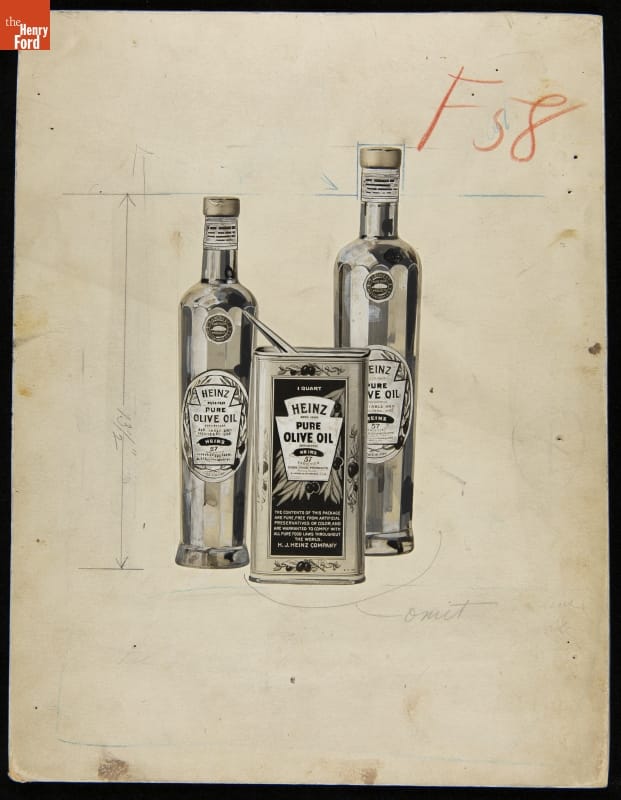
- Drawing of Heinz Olive Oil Containers, circa 1925 - The H.J. Heinz Company employed ambitious and comprehensive advertising strategies to meet consumers at home, in stores, and everywhere in between. Drawings, illustrations and modified photographs of Heinz products were often used for advertising and in publications. This advertising layout represents a step in the marketing process where the size and arrangement are taken into consideration before the final advertisement is created.
- circa 1925
- Collections - Artifact
Drawing of Heinz Olive Oil Containers, circa 1925
The H.J. Heinz Company employed ambitious and comprehensive advertising strategies to meet consumers at home, in stores, and everywhere in between. Drawings, illustrations and modified photographs of Heinz products were often used for advertising and in publications. This advertising layout represents a step in the marketing process where the size and arrangement are taken into consideration before the final advertisement is created.
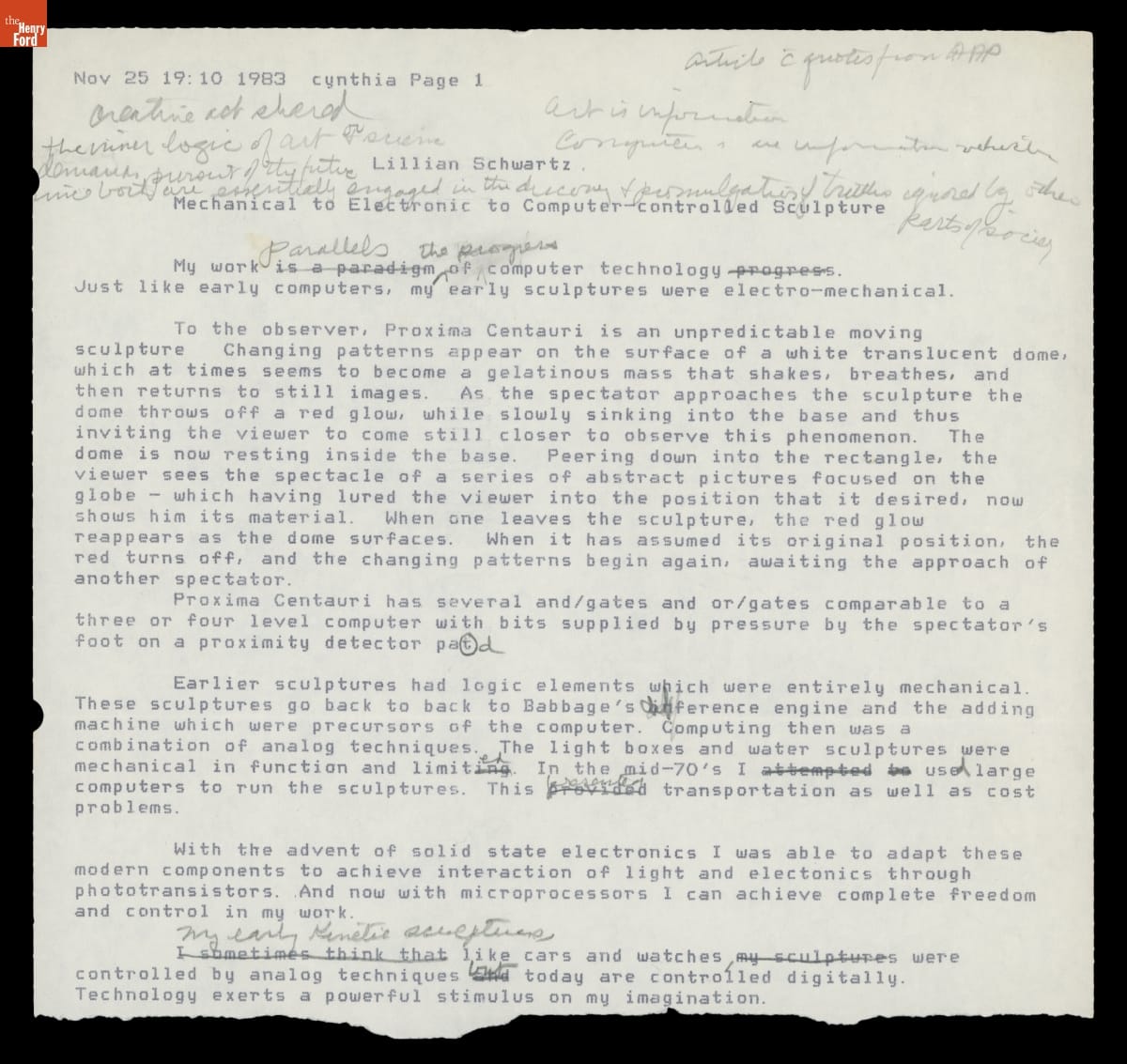
- "Mechanical to Electronic to Computer-controlled Sculpture," November 1983 - Lillian Schwartz is a pioneer of computer-generated art. From 1969-2002, she was a "resident visitor" at Bell Laboratories, producing groundbreaking films, videos, and multimedia works. The Schwartz Collection spans Lillian's childhood into her late career, documenting an expansive mindset, mastery over traditional and experimental mediums alike--and above all--an ability to create inspirational connections between science, art, and technology.
- November 01, 1983
- Collections - Artifact
"Mechanical to Electronic to Computer-controlled Sculpture," November 1983
Lillian Schwartz is a pioneer of computer-generated art. From 1969-2002, she was a "resident visitor" at Bell Laboratories, producing groundbreaking films, videos, and multimedia works. The Schwartz Collection spans Lillian's childhood into her late career, documenting an expansive mindset, mastery over traditional and experimental mediums alike--and above all--an ability to create inspirational connections between science, art, and technology.
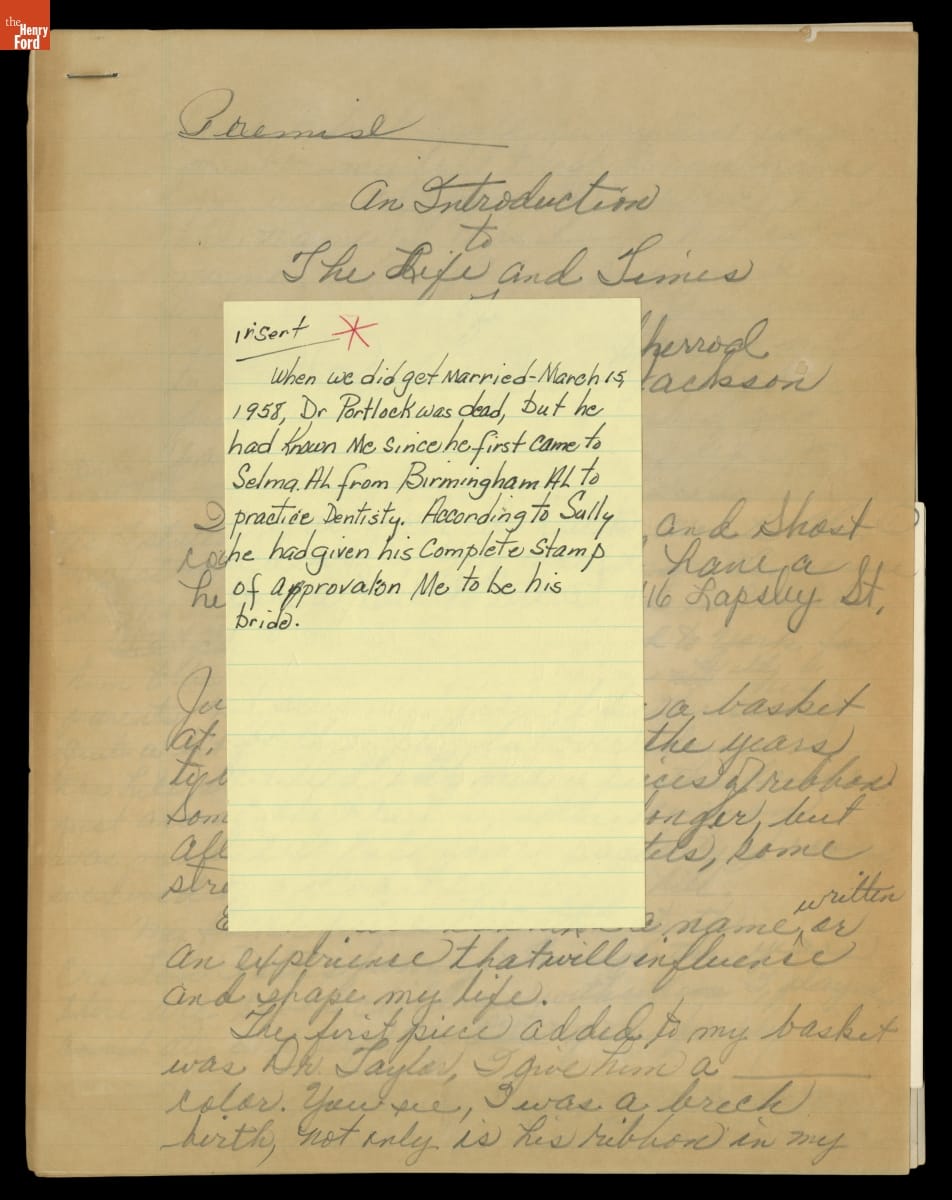
- "Premise: An Introduction to The Life and Times of Richie Jean Jackson" -
- Collections - Artifact
"Premise: An Introduction to The Life and Times of Richie Jean Jackson"
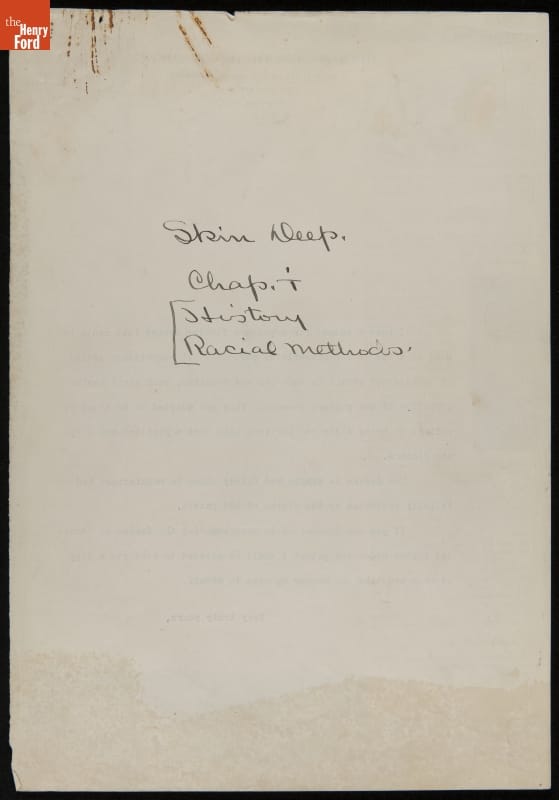
- Manuscript for the Book "Skin Deep," circa 1926 - Tattoos communicate stories. Their content ranges from deeply personal and traditional--to regrettable and frivolous. In the early 1900s, "Professor" Waters apprenticed as a tattoo artist in carnivals and New York's Bowery District. He ran a successful supply shop in Detroit (1918-1939), patenting the standard "two-coil" tattoo machine in 1929. Designs from his flash sheets continue to inspire tattooists today.
- circa 1926
- Collections - Artifact
Manuscript for the Book "Skin Deep," circa 1926
Tattoos communicate stories. Their content ranges from deeply personal and traditional--to regrettable and frivolous. In the early 1900s, "Professor" Waters apprenticed as a tattoo artist in carnivals and New York's Bowery District. He ran a successful supply shop in Detroit (1918-1939), patenting the standard "two-coil" tattoo machine in 1929. Designs from his flash sheets continue to inspire tattooists today.
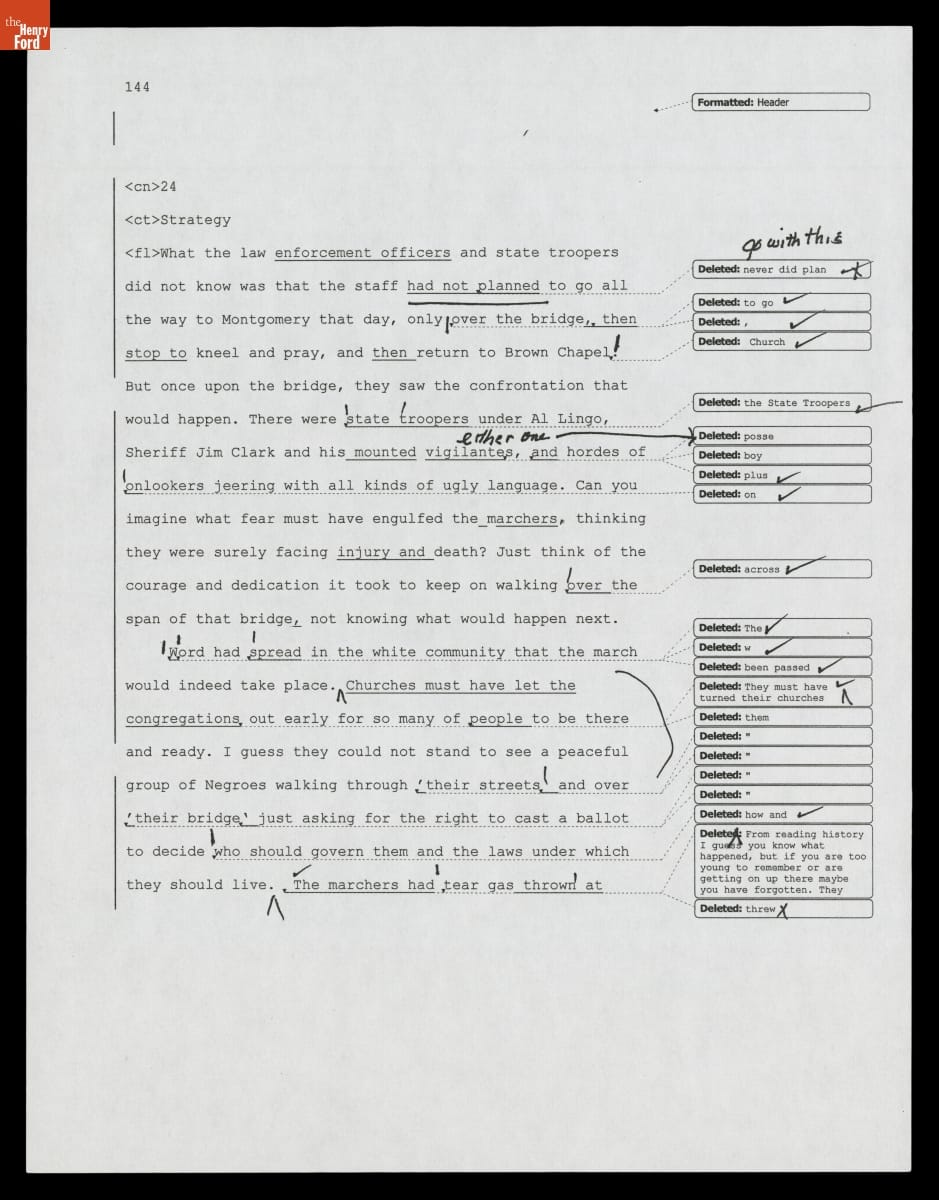
- Portion of Draft of "The House by the Side of the Road: The Selma Civil Rights Movement" -
- Collections - Artifact
Portion of Draft of "The House by the Side of the Road: The Selma Civil Rights Movement"
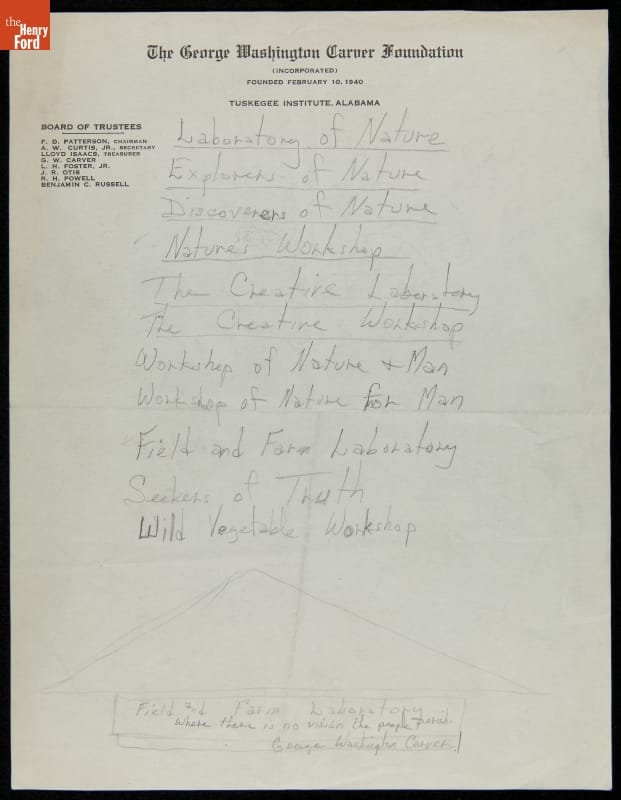
- Document Listing Possible Names for Ford Motor Company's Nutritional Laboratory, July 28, 1942 - This handwritten document with list of possible names for Ford Motor Company's Nutritional Laboratory may have been written by George Washington Carver. The list may have been generated during a discussion between Carver and Irving Bacon, who was painting Carver's portrait. The laboratory was dedicated simply with Carver's name.
- July 01, 1942
- Collections - Artifact
Document Listing Possible Names for Ford Motor Company's Nutritional Laboratory, July 28, 1942
This handwritten document with list of possible names for Ford Motor Company's Nutritional Laboratory may have been written by George Washington Carver. The list may have been generated during a discussion between Carver and Irving Bacon, who was painting Carver's portrait. The laboratory was dedicated simply with Carver's name.
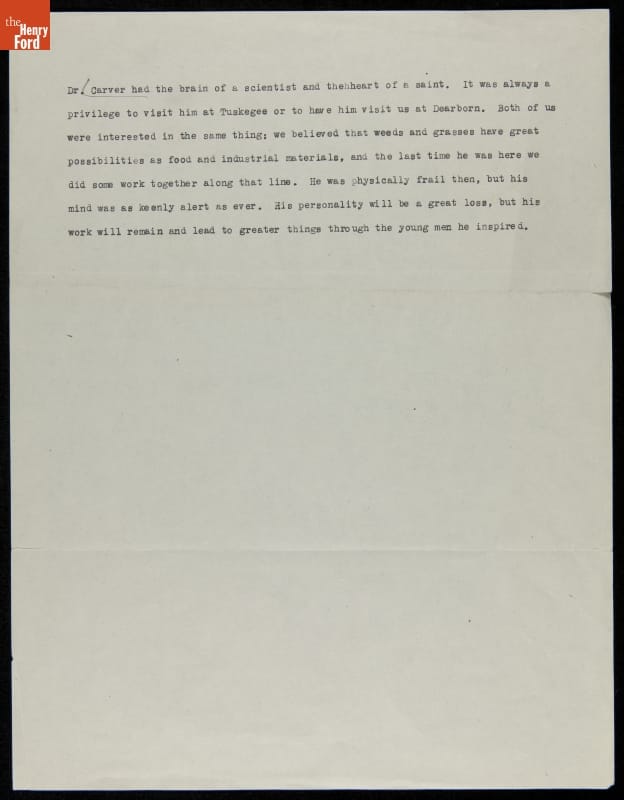
- Statement regarding the Death of George Washington Carver, 1943 - This draft of a tribute to the recently deceased George Washington Carver was likely dictated or composed by Henry Ford. "Dr. Carver had the brain of a scientist and the heart of a saint....Both of us were interested in the same thing: we believed that weeds and grasses have great possibilities as food and industrial materials..." Ford and Carver had been close friends.
- 1943
- Collections - Artifact
Statement regarding the Death of George Washington Carver, 1943
This draft of a tribute to the recently deceased George Washington Carver was likely dictated or composed by Henry Ford. "Dr. Carver had the brain of a scientist and the heart of a saint....Both of us were interested in the same thing: we believed that weeds and grasses have great possibilities as food and industrial materials..." Ford and Carver had been close friends.
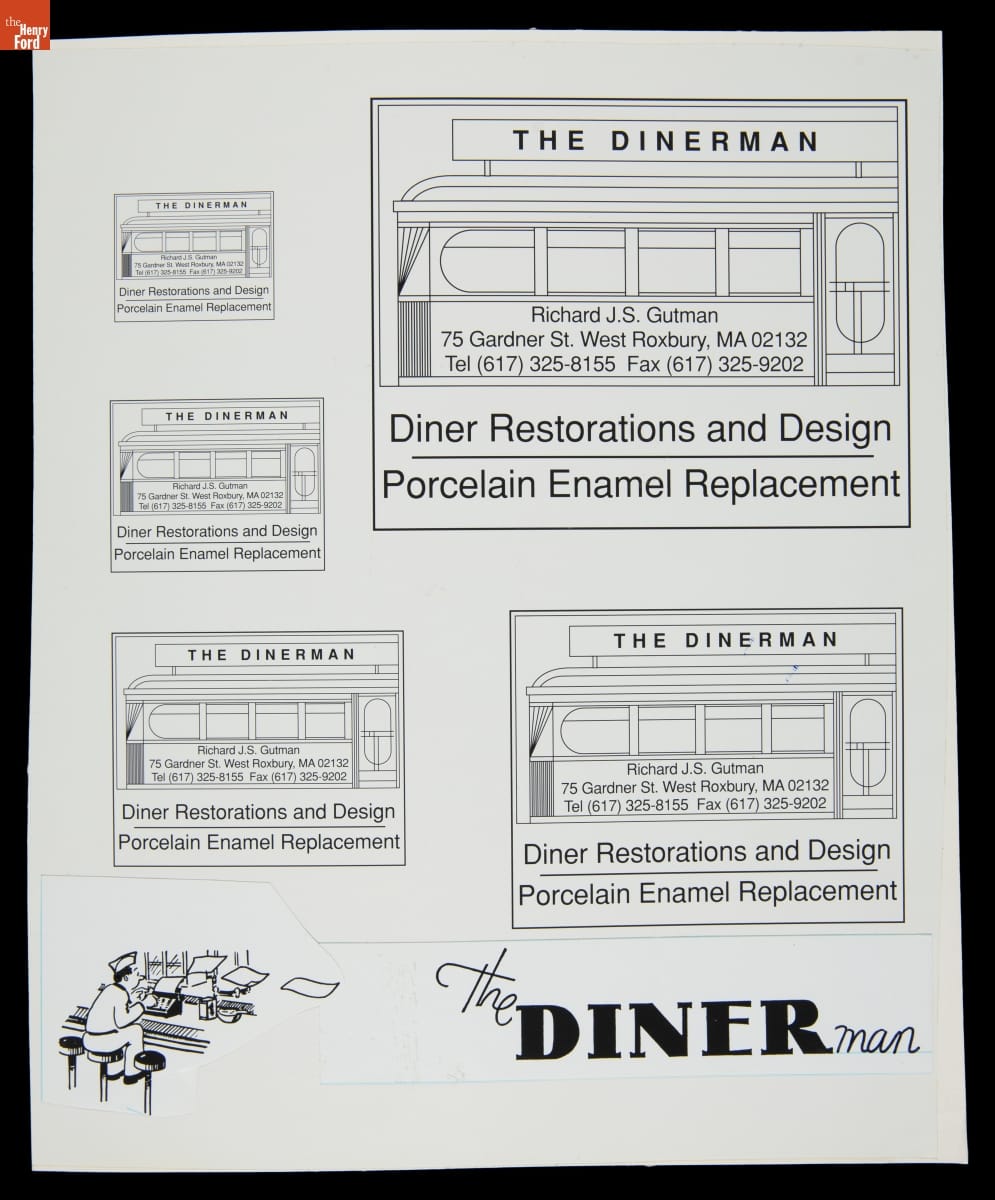
- Various Mockups for "The Dinerman" Letterhead, Business Cards, and Advertisements, 1990 -
- 1990
- Collections - Artifact
Various Mockups for "The Dinerman" Letterhead, Business Cards, and Advertisements, 1990
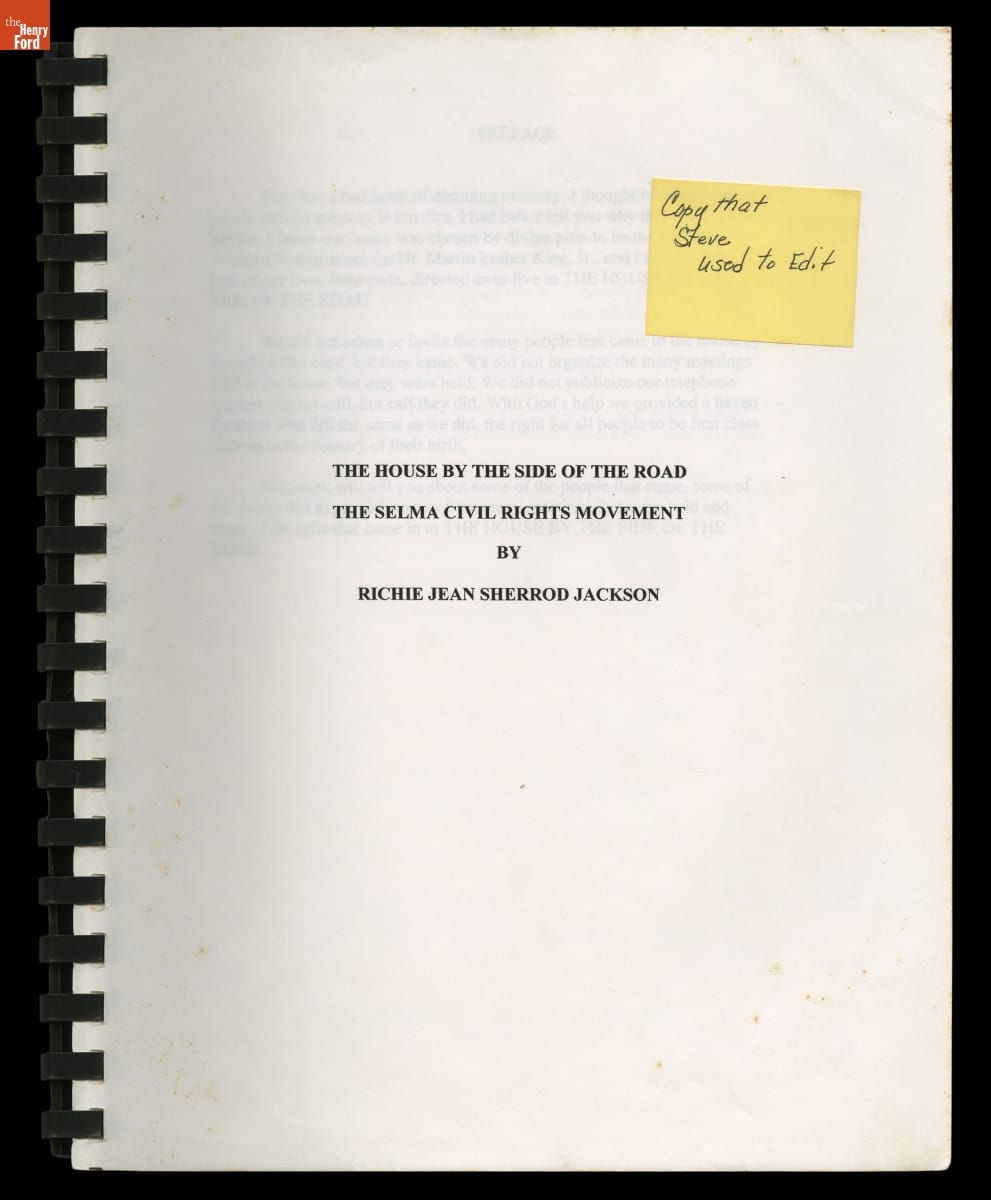
- Draft of "The House by the Side of the Road: The Selma Civil Rights Movement," circa 2009 -
- circa 2009
- Collections - Artifact
Draft of "The House by the Side of the Road: The Selma Civil Rights Movement," circa 2009
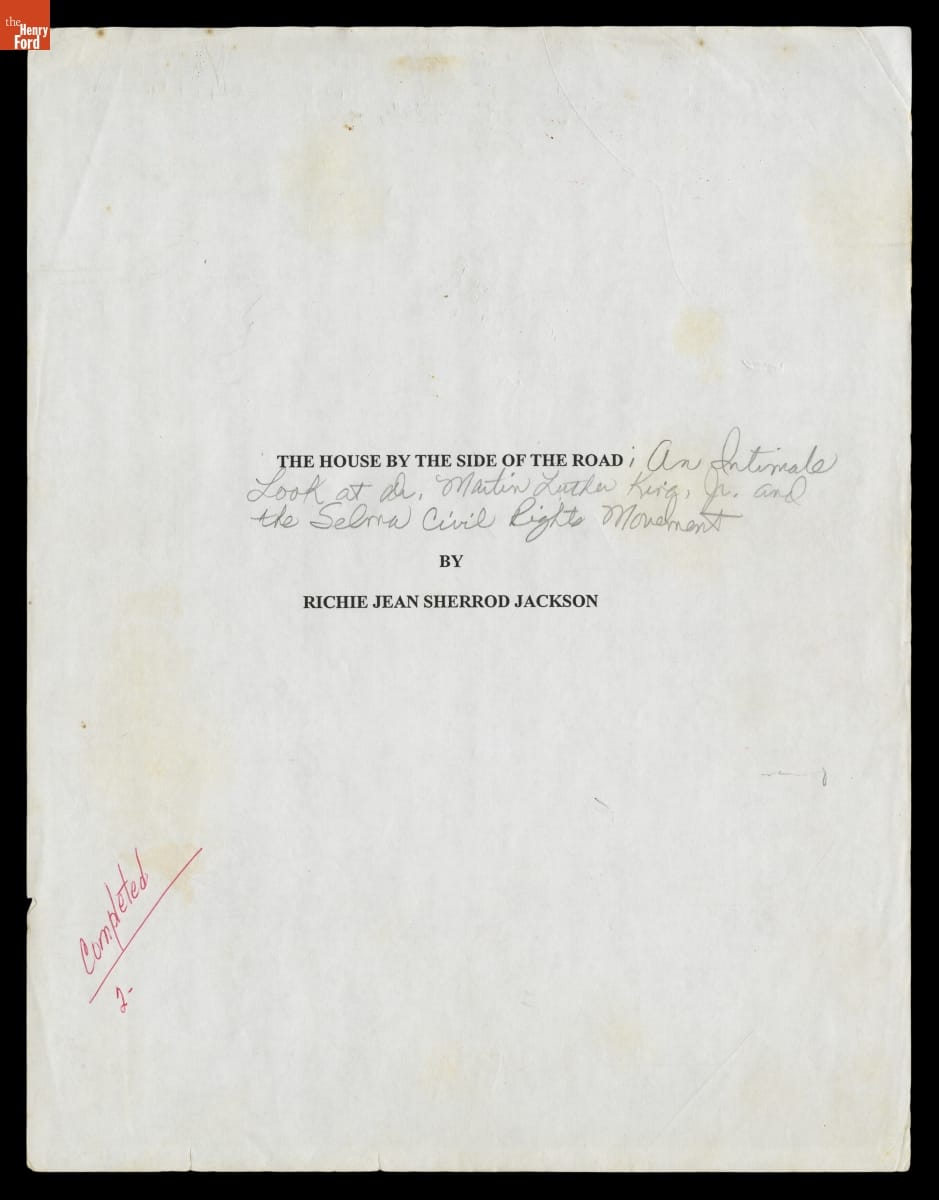
- Draft of "The House by the Side of the Road: An Intimate Look at Dr. Martin Luther King, Jr. and the Selma Civil Rights Movement," circa 2007 -
- circa 2007
- Collections - Artifact
Draft of "The House by the Side of the Road: An Intimate Look at Dr. Martin Luther King, Jr. and the Selma Civil Rights Movement," circa 2007