
Search
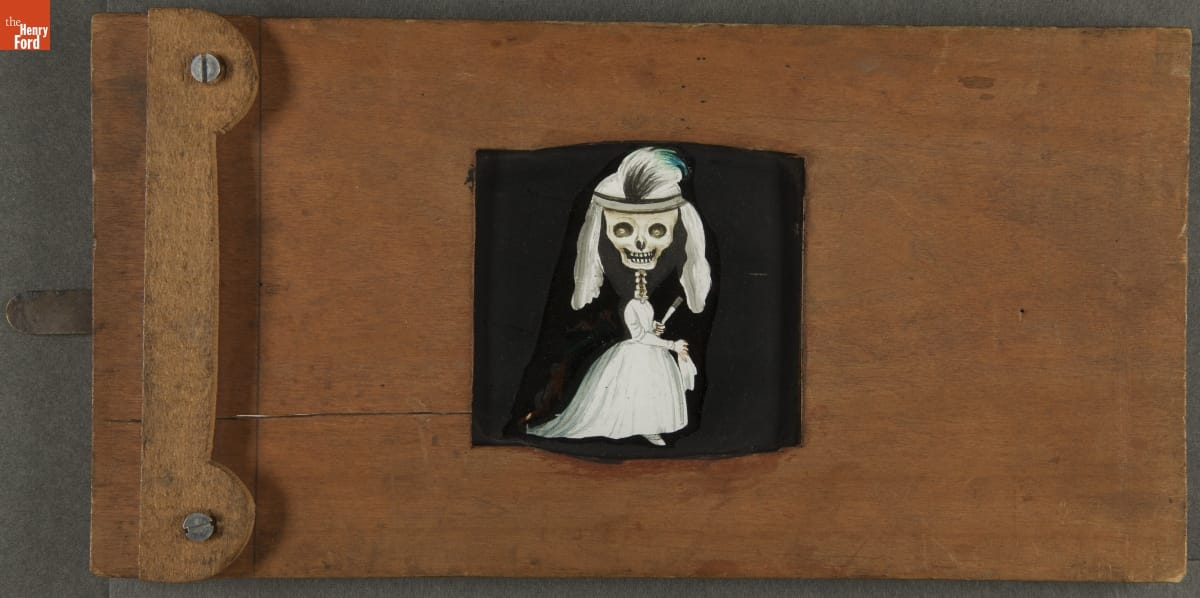
- Mechanical Lantern Slide, Skeleton in a Gown, 1860-1900 - Magic lanterns use a concave mirror and light source to project images on glass slides with painted or photographic scenes. Developed in the 17th century, magic lanterns predate slide projectors and motion pictures. In the hands of magicians, they became "lanterns of fright," projecting wondrous images and apparitions. Slide themes ranged widely: exotic travel, folklore, advertising, history, science, and art.
- 1860-1900
- Collections - Artifact
Mechanical Lantern Slide, Skeleton in a Gown, 1860-1900
Magic lanterns use a concave mirror and light source to project images on glass slides with painted or photographic scenes. Developed in the 17th century, magic lanterns predate slide projectors and motion pictures. In the hands of magicians, they became "lanterns of fright," projecting wondrous images and apparitions. Slide themes ranged widely: exotic travel, folklore, advertising, history, science, and art.
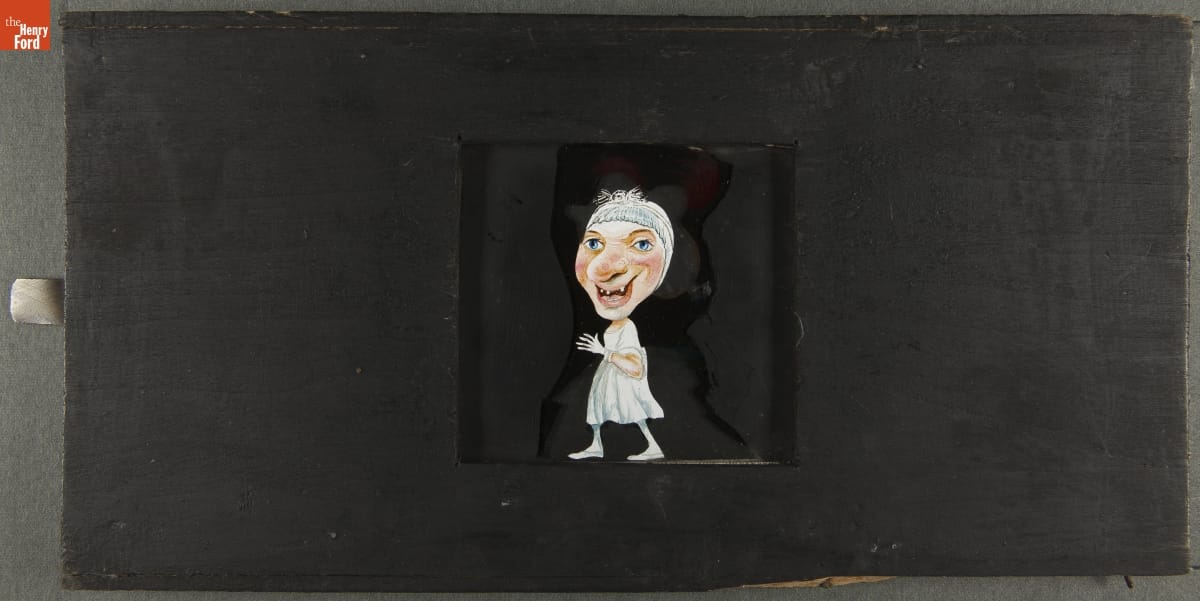
- Mechanical Lantern Slide, "Mirabelle - Horsewoman of the Paris Hippodrome," 1870-1915 - Magic lanterns use a concave mirror and light source to project images on glass slides with painted or photographic scenes. Developed in the 17th century, magic lanterns predate slide projectors and motion pictures. In the hands of magicians, they became "lanterns of fright," projecting wondrous images and apparitions. Slide themes ranged widely: exotic travel, folklore, advertising, history, science, and art.
- 1870-1915
- Collections - Artifact
Mechanical Lantern Slide, "Mirabelle - Horsewoman of the Paris Hippodrome," 1870-1915
Magic lanterns use a concave mirror and light source to project images on glass slides with painted or photographic scenes. Developed in the 17th century, magic lanterns predate slide projectors and motion pictures. In the hands of magicians, they became "lanterns of fright," projecting wondrous images and apparitions. Slide themes ranged widely: exotic travel, folklore, advertising, history, science, and art.
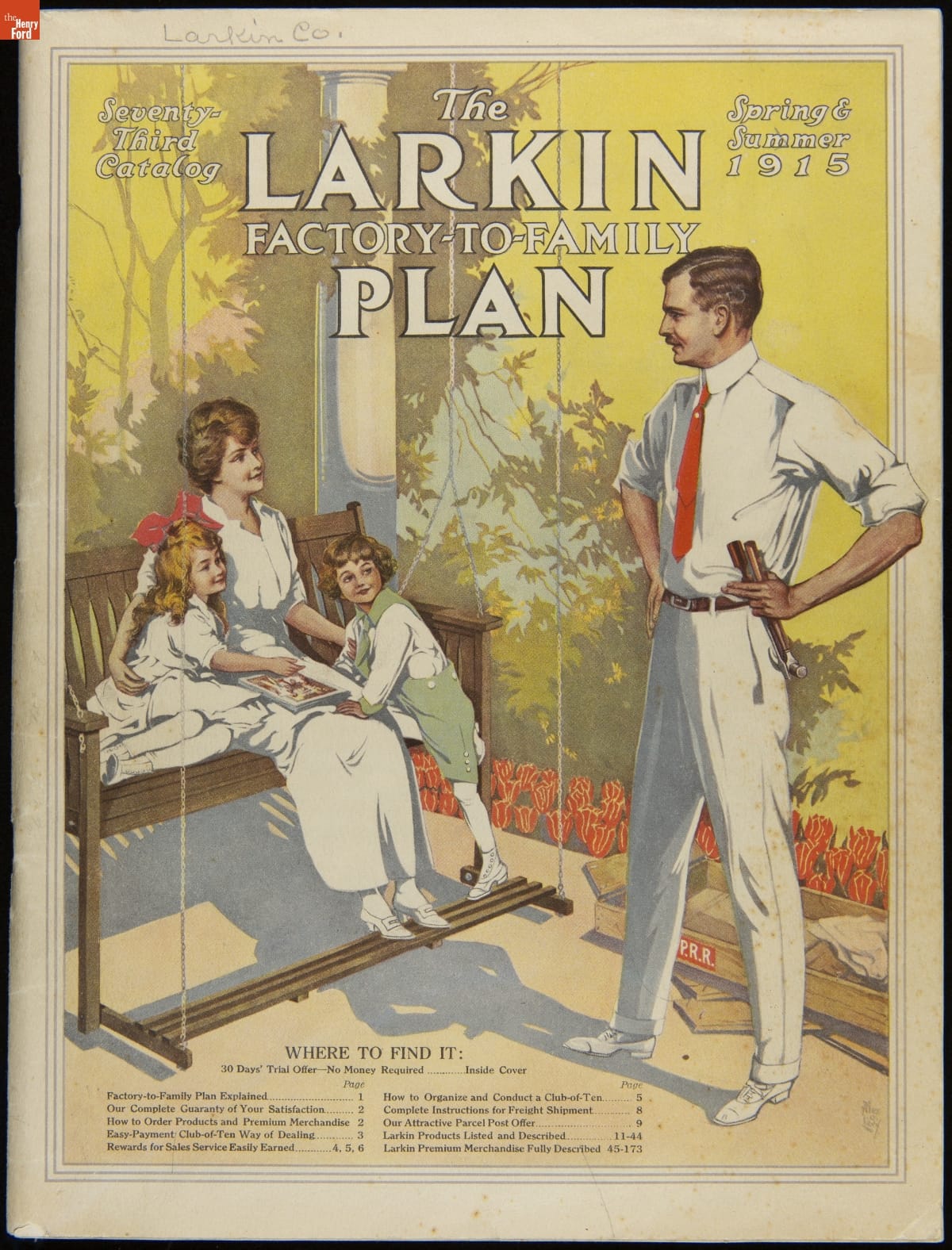
- Larkin Company Trade Catalog, "The Larkin Factory to Family Plan, 73rd Catalog," Spring and Summer 1915 - John D. Larkin established a soap manufacturing company in 1875. He hired his brother-in-law, Elbert Hubbard, as a salesman. Hubbard developed "The Larkin Idea," a plan that sold goods directly to consumers through mail-order catalogs and offered incentivizing giveaways. It was a success. By the early 1900s, Larkin's catalogs contained pages of products and even more pages of premiums from which customers could choose.
- 1915
- Collections - Artifact
Larkin Company Trade Catalog, "The Larkin Factory to Family Plan, 73rd Catalog," Spring and Summer 1915
John D. Larkin established a soap manufacturing company in 1875. He hired his brother-in-law, Elbert Hubbard, as a salesman. Hubbard developed "The Larkin Idea," a plan that sold goods directly to consumers through mail-order catalogs and offered incentivizing giveaways. It was a success. By the early 1900s, Larkin's catalogs contained pages of products and even more pages of premiums from which customers could choose.
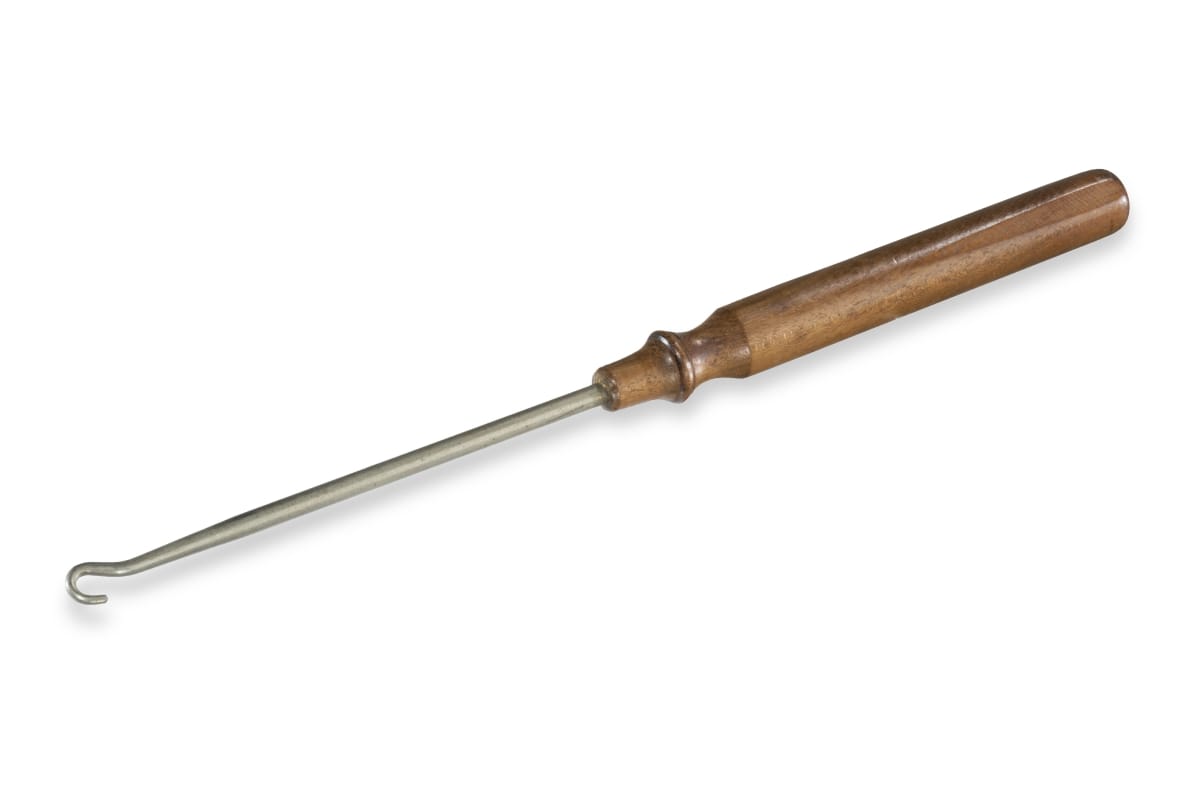
- Buttonhook - Buttonhooks have been around for millennia. This age-old device with a slender hook helps grasp a button and pull it through a buttonhole. Buttonhooks proved invaluable when wearing tightly buttoned clothing or Victorian-era buttoned shoes. As fashion changed and alternative fastening devices were developed, buttonhooks seemed unnecessary; however, they have remained a valuable assistive tool for people with disabilities.
- Collections - Artifact
Buttonhook
Buttonhooks have been around for millennia. This age-old device with a slender hook helps grasp a button and pull it through a buttonhole. Buttonhooks proved invaluable when wearing tightly buttoned clothing or Victorian-era buttoned shoes. As fashion changed and alternative fastening devices were developed, buttonhooks seemed unnecessary; however, they have remained a valuable assistive tool for people with disabilities.
- Larkin Company Trade Catalog, "The Larkin Plan Factory-to-Family, Catalog No. 78," Fall and Winter 1917-1918 - John D. Larkin established a soap manufacturing company in 1875. He hired his brother-in-law, Elbert Hubbard, as a salesman. Hubbard developed "The Larkin Idea," a plan that sold goods directly to consumers through mail-order catalogs and offered incentivizing giveaways. It was a success. By the early 1900s, Larkin's catalogs contained pages of products and even more pages of premiums from which customers could choose.
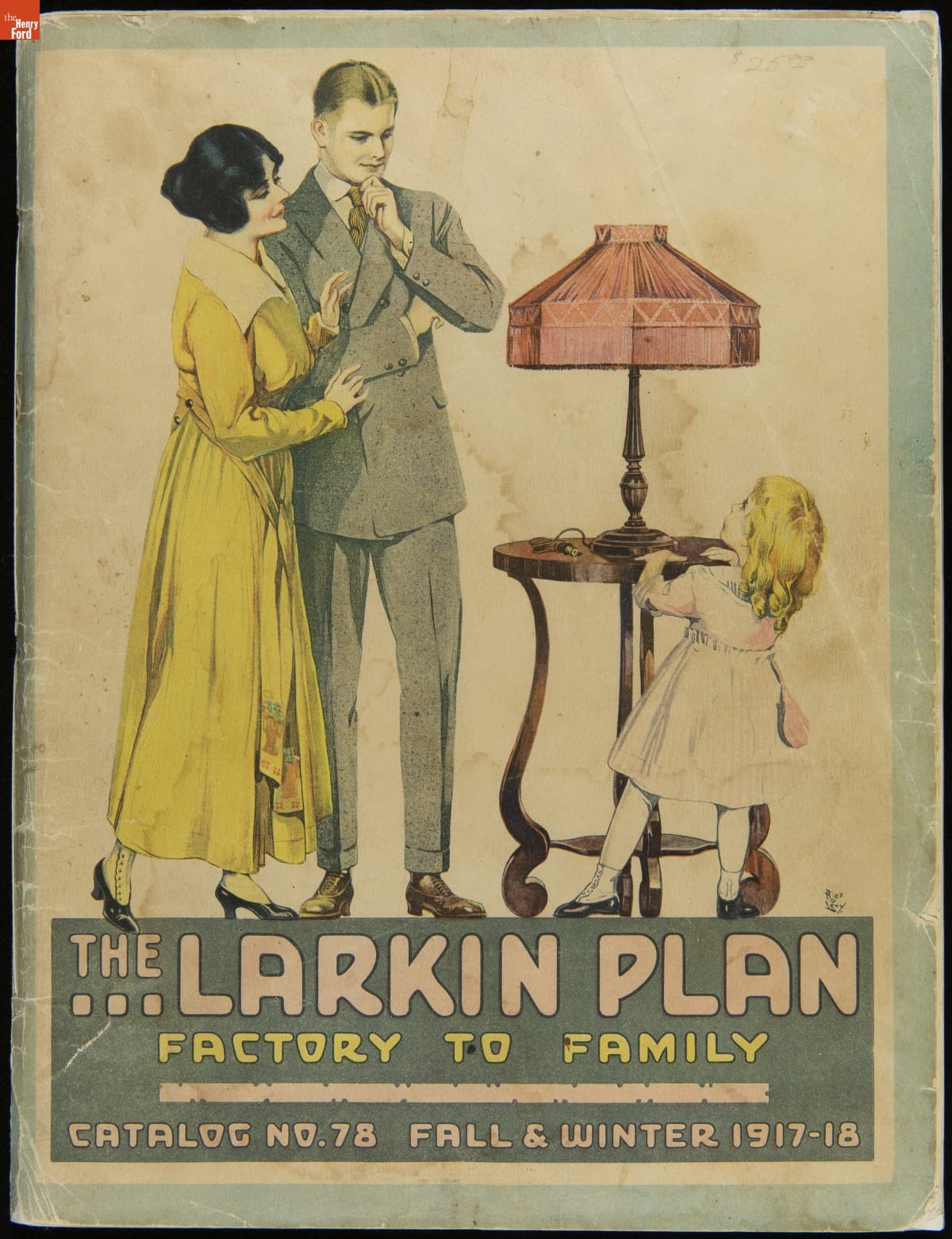
- 1917-1918
- Collections - Artifact
Larkin Company Trade Catalog, "The Larkin Plan Factory-to-Family, Catalog No. 78," Fall and Winter 1917-1918
John D. Larkin established a soap manufacturing company in 1875. He hired his brother-in-law, Elbert Hubbard, as a salesman. Hubbard developed "The Larkin Idea," a plan that sold goods directly to consumers through mail-order catalogs and offered incentivizing giveaways. It was a success. By the early 1900s, Larkin's catalogs contained pages of products and even more pages of premiums from which customers could choose.
- Dressing Glass, circa 1780 -
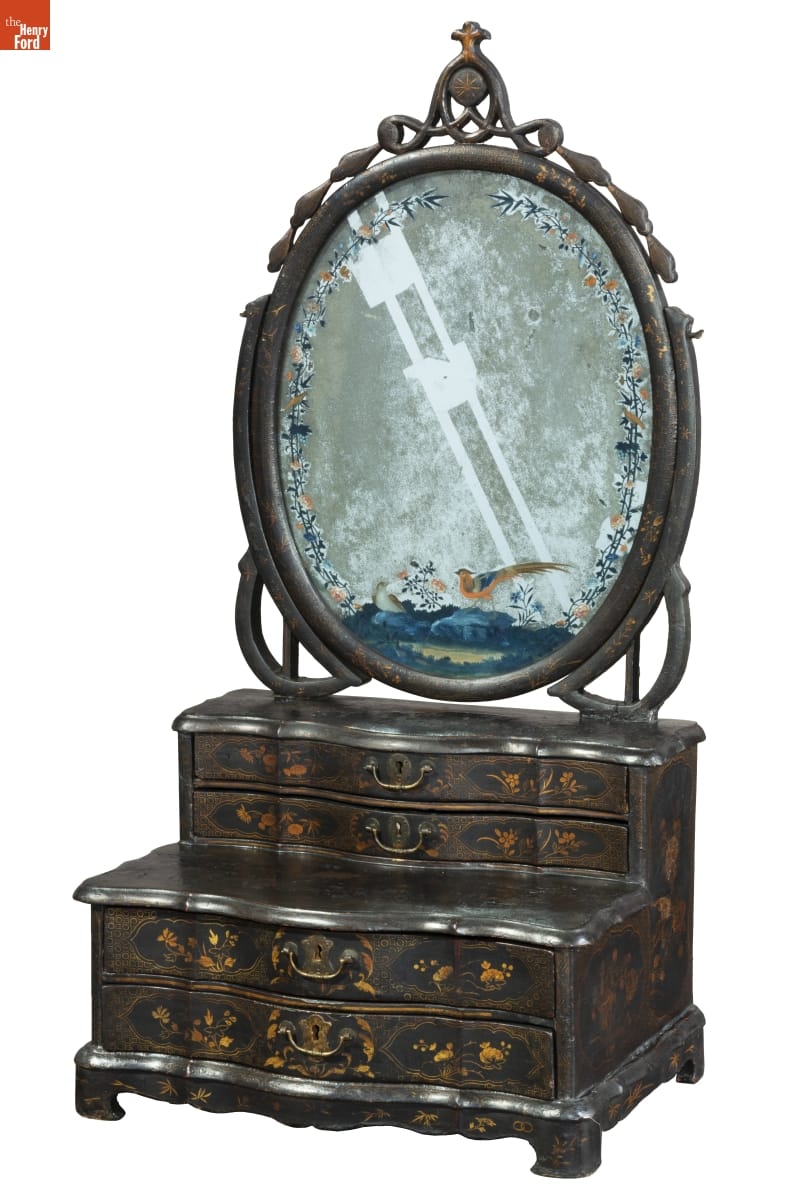
- circa 1780
- Collections - Artifact
Dressing Glass, circa 1780
- Clothes Brush, circa 1837 -
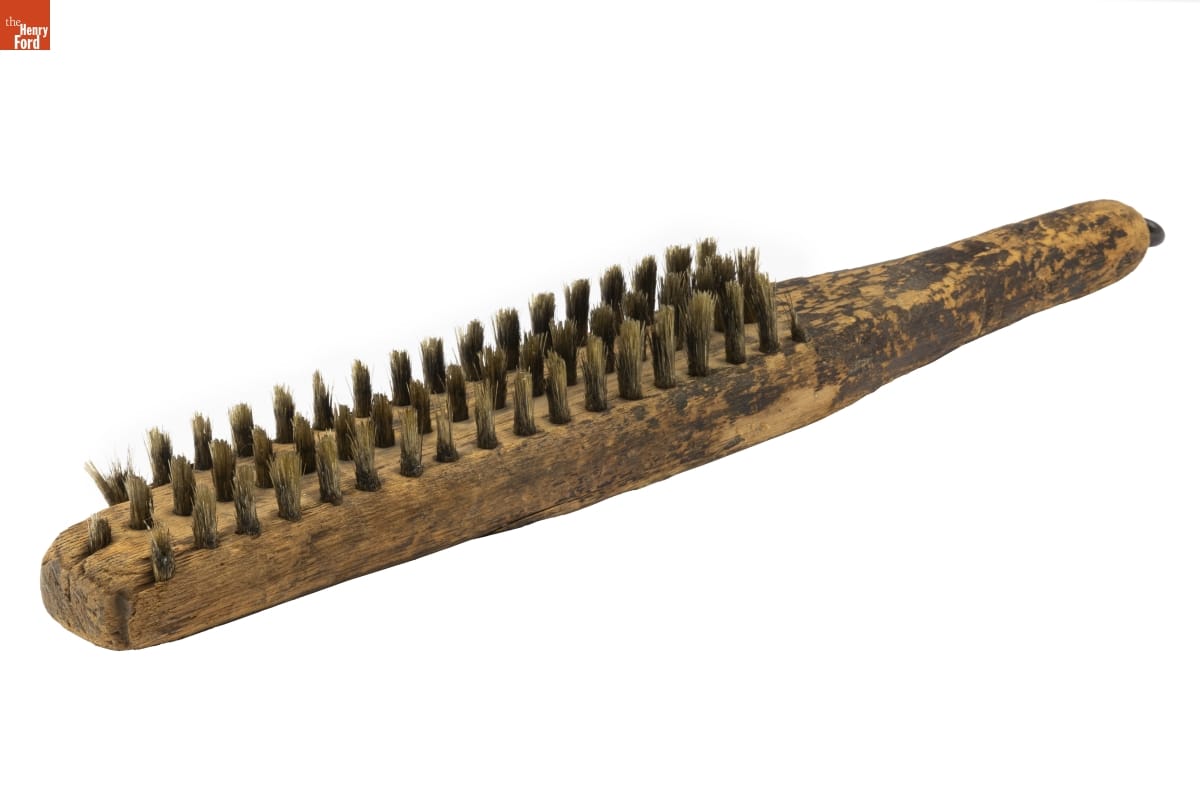
- circa 1837
- Collections - Artifact
Clothes Brush, circa 1837
- Bootjack -
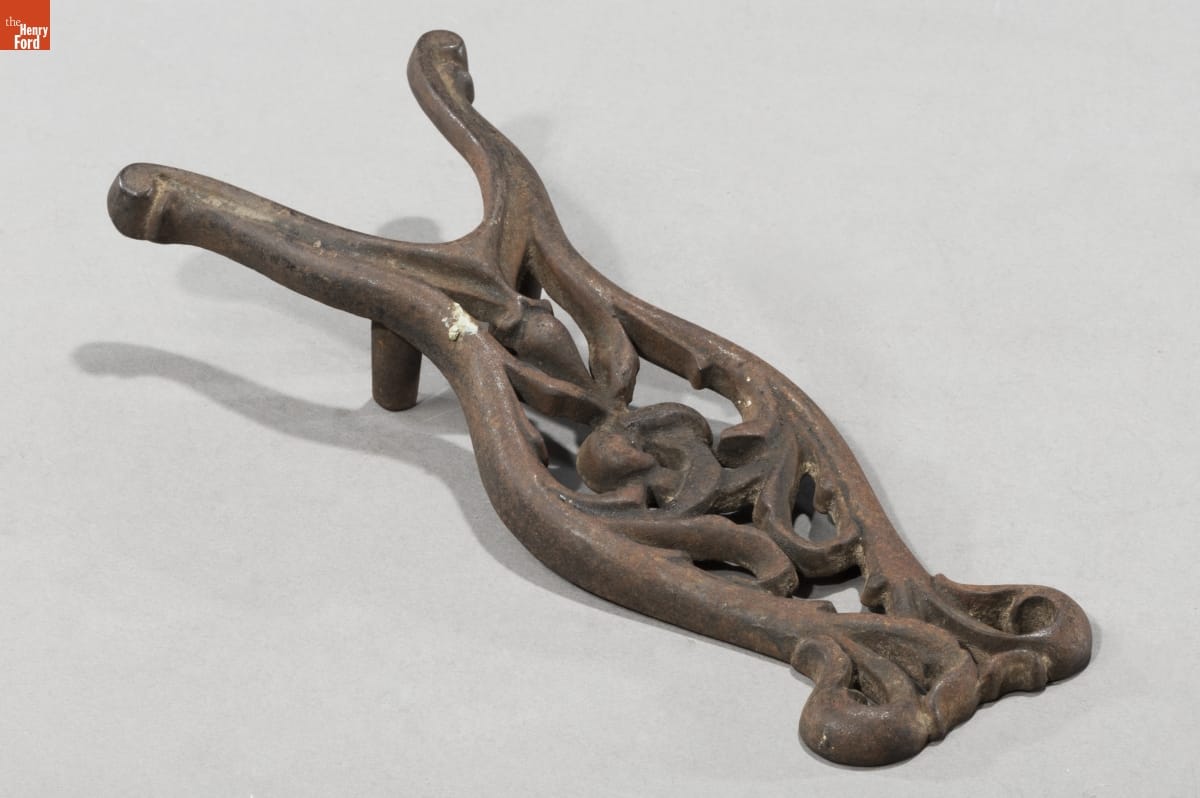
- Collections - Artifact
Bootjack
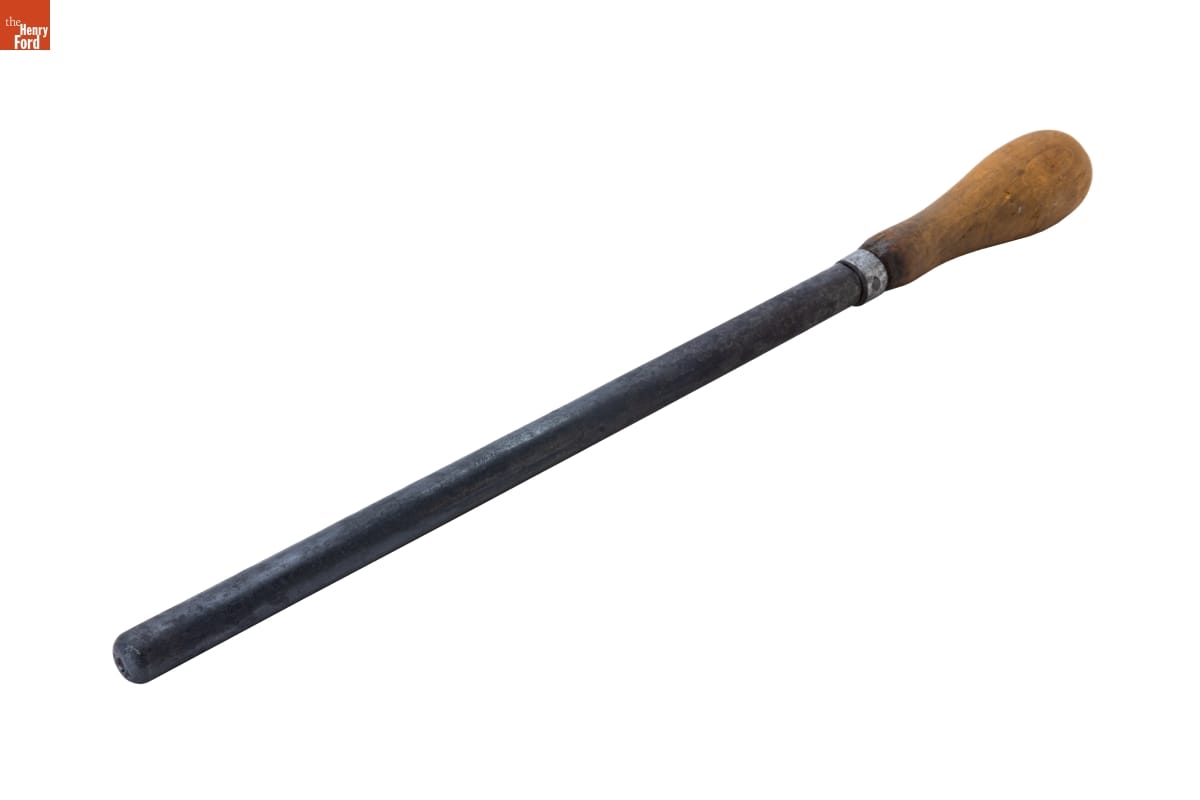
- Goffering Iron -
- Collections - Artifact
Goffering Iron
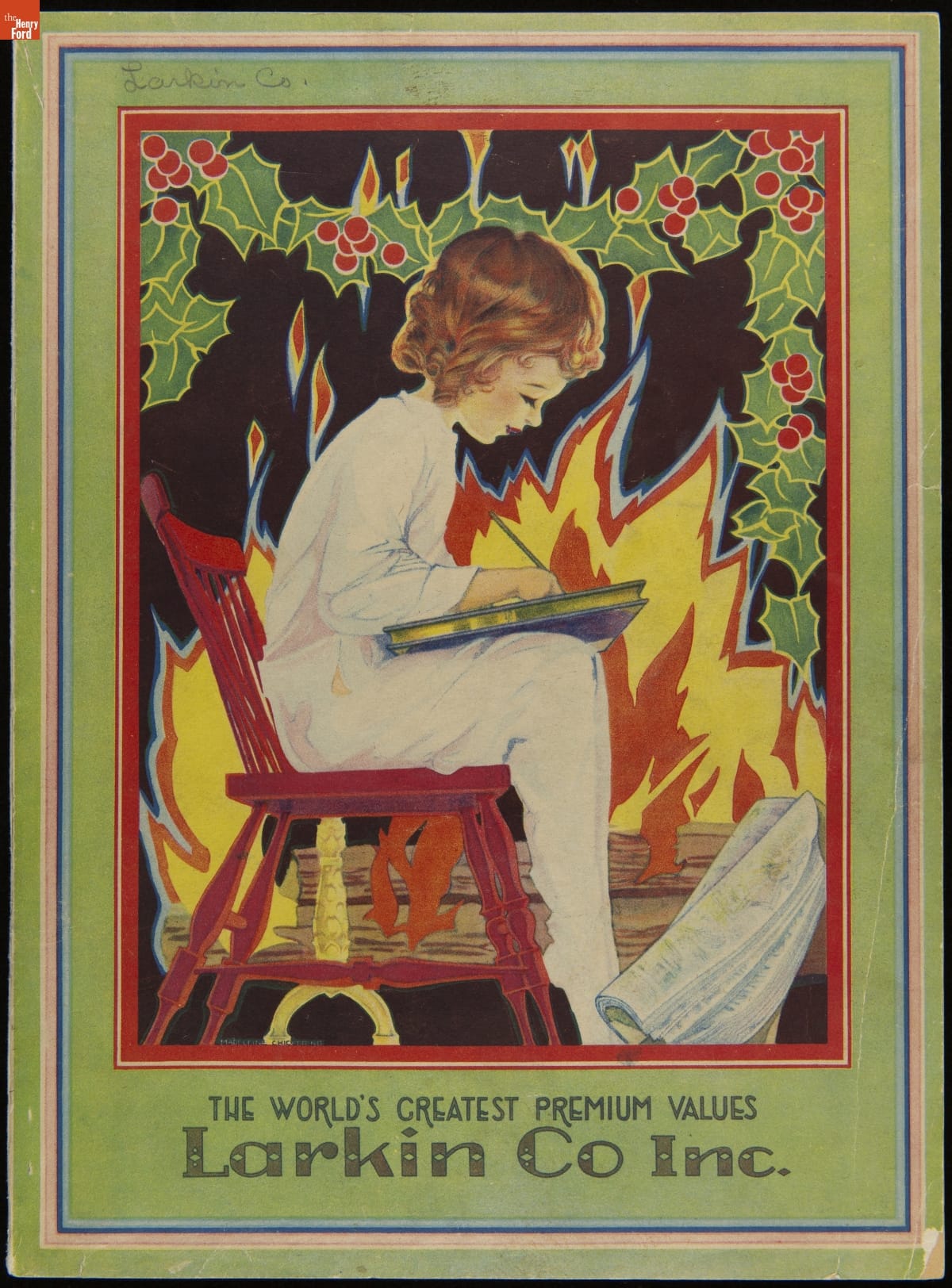
- Larkin Company Trade Catalog, "The World's Greatest Premium Values, Larkin Co. Inc.," Fall and Winter 1930 - John D. Larkin established a soap manufacturing company in 1875. He hired his brother-in-law, Elbert Hubbard, as a salesman. Hubbard developed "The Larkin Idea," a plan that sold goods directly to consumers through mail-order catalogs and offered incentivizing giveaways. It was a success. By the early 1900s, Larkin's catalogs contained pages of products and even more pages of premiums from which customers could choose.
- circa 1930
- Collections - Artifact
Larkin Company Trade Catalog, "The World's Greatest Premium Values, Larkin Co. Inc.," Fall and Winter 1930
John D. Larkin established a soap manufacturing company in 1875. He hired his brother-in-law, Elbert Hubbard, as a salesman. Hubbard developed "The Larkin Idea," a plan that sold goods directly to consumers through mail-order catalogs and offered incentivizing giveaways. It was a success. By the early 1900s, Larkin's catalogs contained pages of products and even more pages of premiums from which customers could choose.