
Search
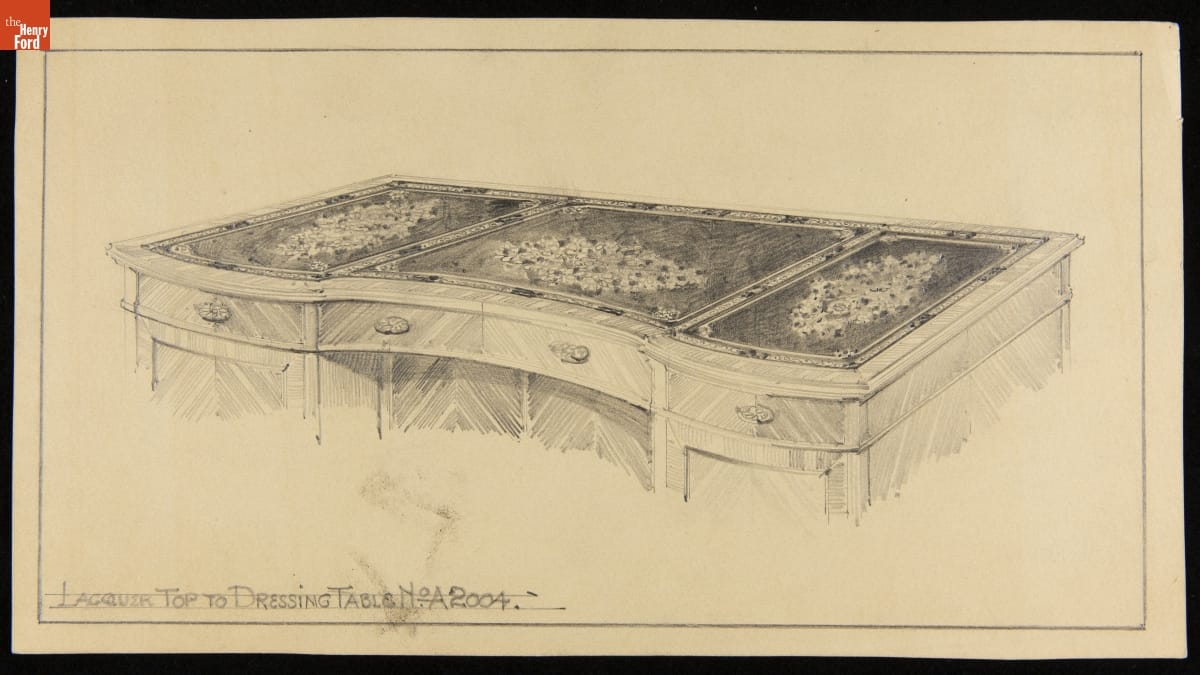
- Presentation Drawing of a Dressing Table for Fair Lane Estate, 1921-1923 - Sidney Houghton was a London-based interior designer, who met Henry Ford during World War I. Houghton worked on Ford's "Eagle Boats," supplied to the U.S. and British Navies. Following the War, Ford commissioned Houghton to create a variety of interiors. Houghton submitted this rendering to Clara Ford for the interiors of Fair Lane, the Ford Estate in Dearborn, Michigan.
- 1921-1923
- Collections - Artifact
Presentation Drawing of a Dressing Table for Fair Lane Estate, 1921-1923
Sidney Houghton was a London-based interior designer, who met Henry Ford during World War I. Houghton worked on Ford's "Eagle Boats," supplied to the U.S. and British Navies. Following the War, Ford commissioned Houghton to create a variety of interiors. Houghton submitted this rendering to Clara Ford for the interiors of Fair Lane, the Ford Estate in Dearborn, Michigan.
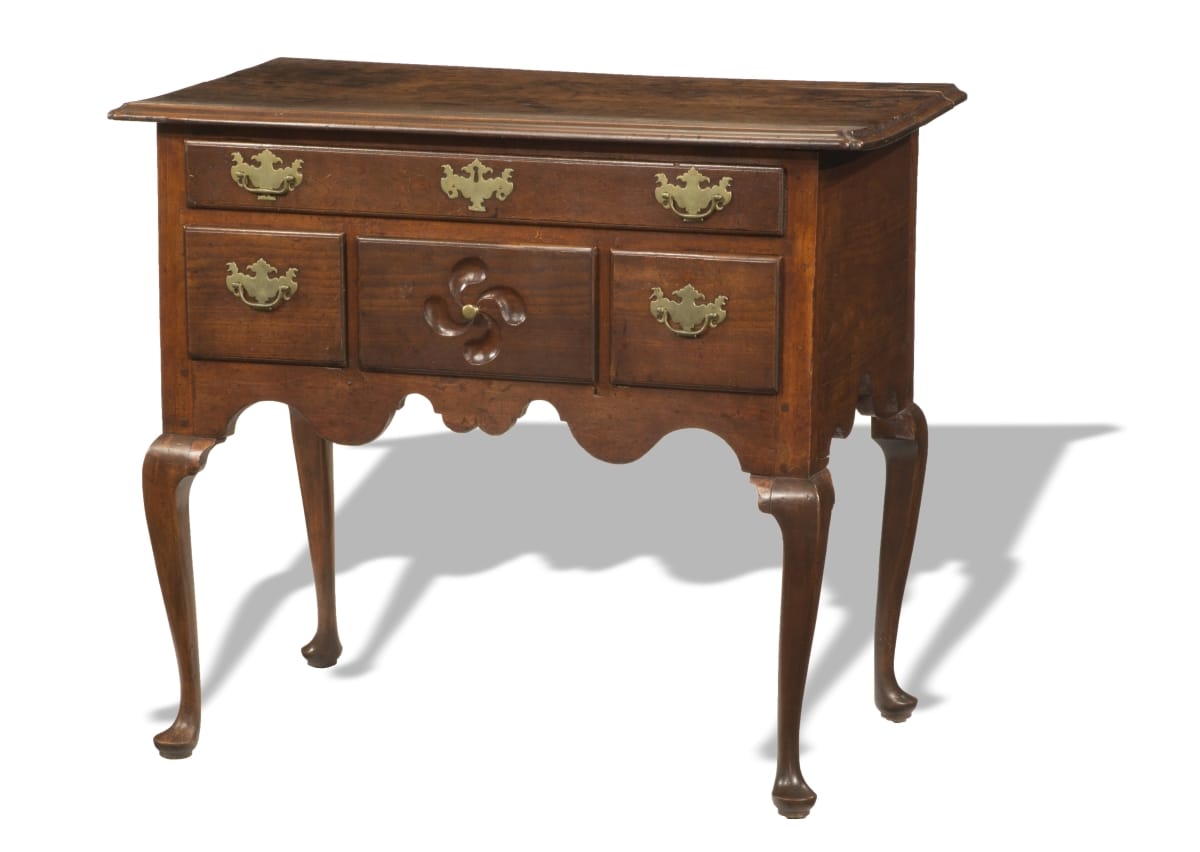
- Dressing Table, 1765-1780 - In the 18th century, dressing tables were made for the homes of well-to-do. This example was made in the small river town of Wethersfield, Connecticut. In rural areas, craftsmen mixed and matched styles and design elements or invented their own. The pinwheel design carved in the center drawer of this piece is a good example.
- 1765-1780
- Collections - Artifact
Dressing Table, 1765-1780
In the 18th century, dressing tables were made for the homes of well-to-do. This example was made in the small river town of Wethersfield, Connecticut. In rural areas, craftsmen mixed and matched styles and design elements or invented their own. The pinwheel design carved in the center drawer of this piece is a good example.
- Dressing Table, 1750-1765 -
- 1750-1765
- Collections - Artifact
Dressing Table, 1750-1765
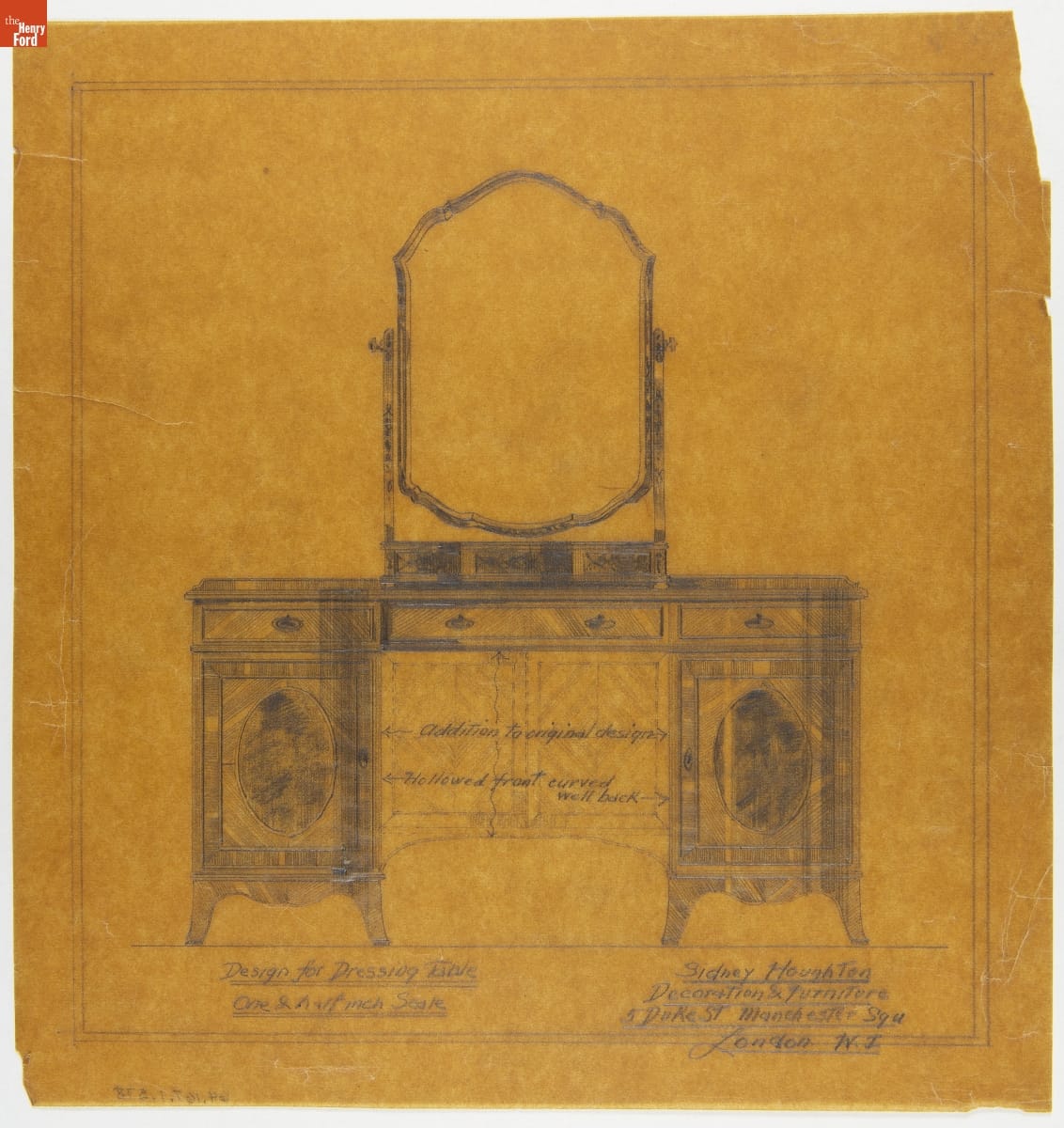
- Presentation Drawing of a Dressing Table for Fair Lane Estate, 1921-1923 - Sidney Houghton was a London-based interior designer, who met Henry Ford during World War I. Houghton worked on Ford's "Eagle Boats," supplied to the U.S. and British Navies. Following the War, Ford commissioned Houghton to create a variety of interiors. Houghton submitted this rendering to Clara Ford for the interiors of Fair Lane, the Ford Estate in Dearborn, Michigan.
- 1921-1923
- Collections - Artifact
Presentation Drawing of a Dressing Table for Fair Lane Estate, 1921-1923
Sidney Houghton was a London-based interior designer, who met Henry Ford during World War I. Houghton worked on Ford's "Eagle Boats," supplied to the U.S. and British Navies. Following the War, Ford commissioned Houghton to create a variety of interiors. Houghton submitted this rendering to Clara Ford for the interiors of Fair Lane, the Ford Estate in Dearborn, Michigan.
- Dressing Table, 1900-1960 -
- 1900-1960
- Collections - Artifact
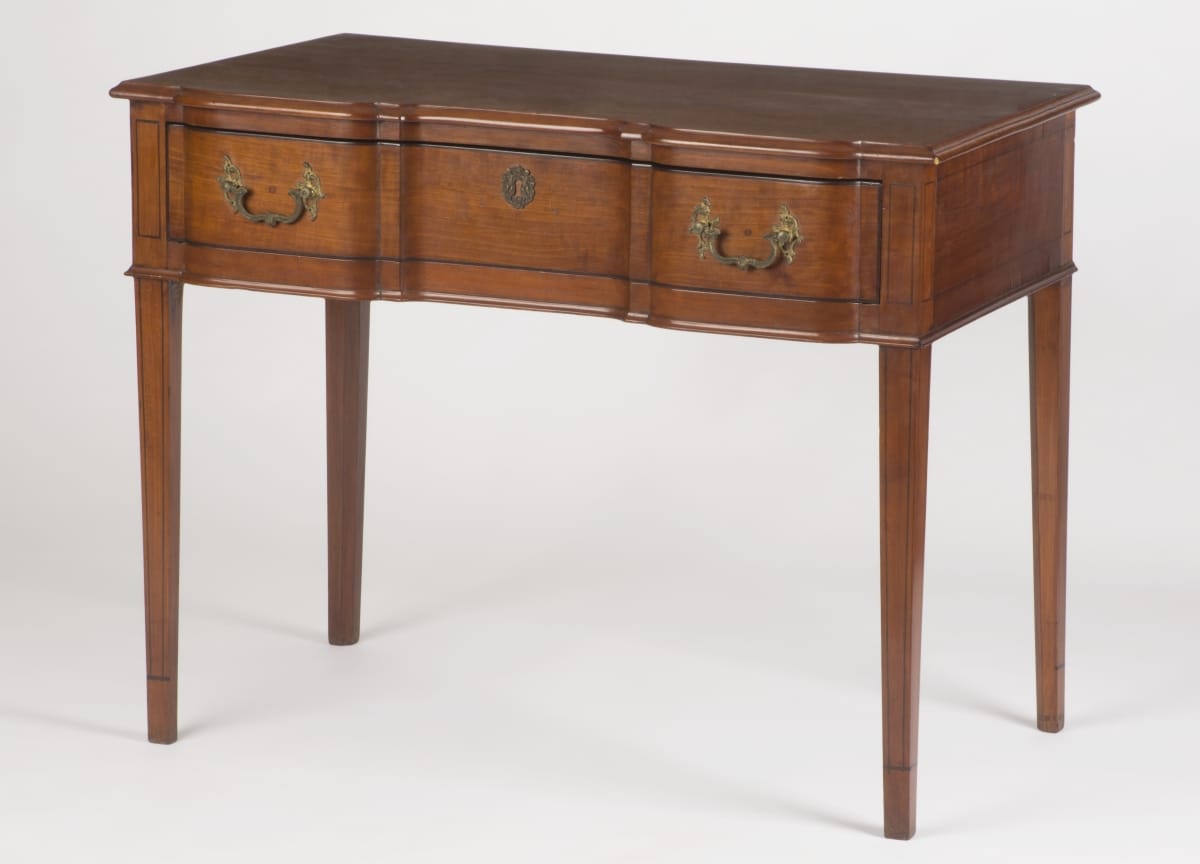
Dressing Table, 1900-1960
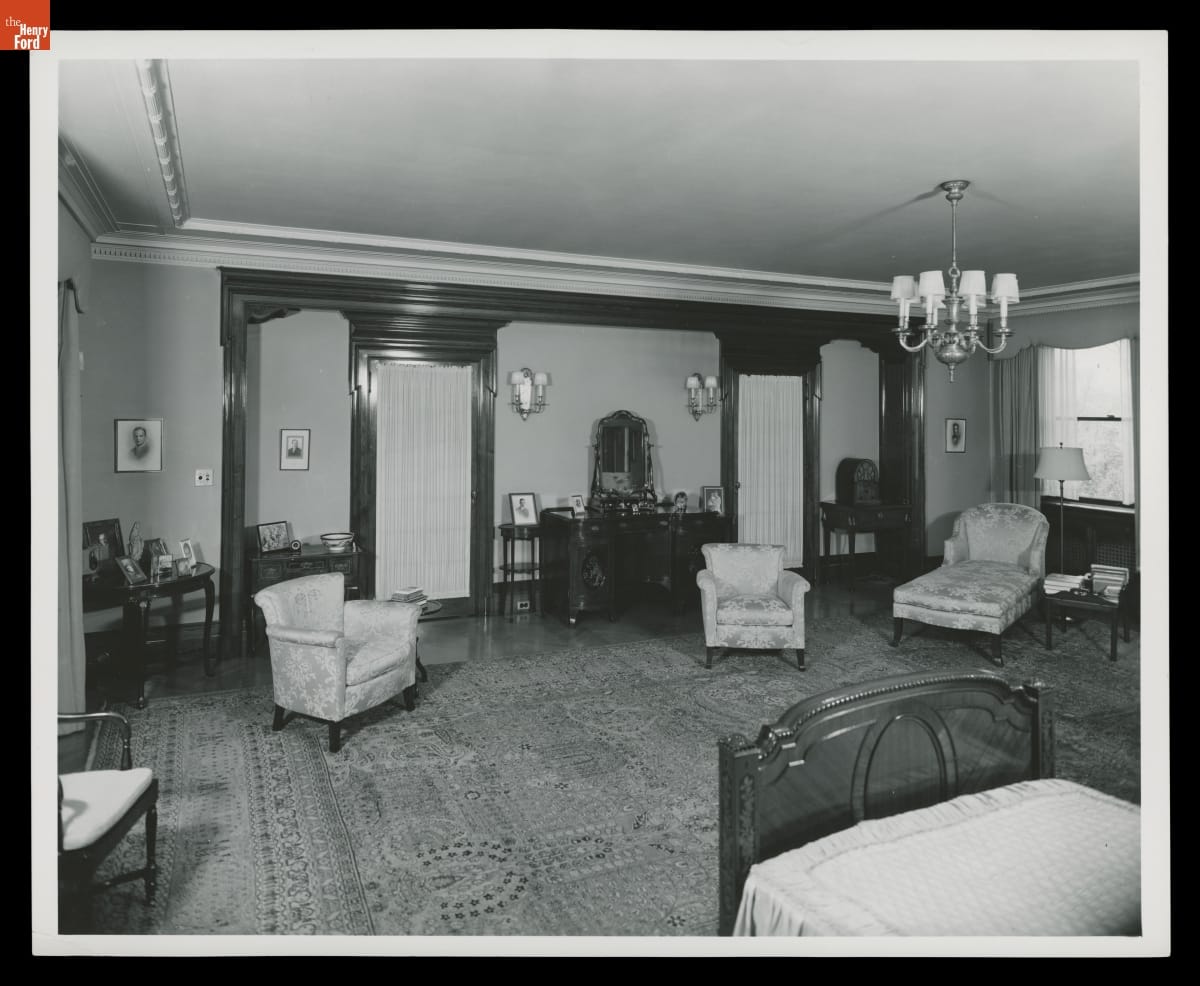
- Master Bedroom at Fair Lane, Home of Henry Ford, April 1951 - In the early 1910s, Henry and Clara Ford selected 1300 acres of farmland in Dearborn, Michigan, as the site for a new house -- shunning the eastern suburbs chosen by many of Detroit's wealthy citizens. In 1916, the couple moved into their newly constructed 31,000-square-foot home. The mansion contained 56 rooms including seven bedrooms, fifteen baths, and other standard living spaces.
- April 27, 1951
- Collections - Artifact
Master Bedroom at Fair Lane, Home of Henry Ford, April 1951
In the early 1910s, Henry and Clara Ford selected 1300 acres of farmland in Dearborn, Michigan, as the site for a new house -- shunning the eastern suburbs chosen by many of Detroit's wealthy citizens. In 1916, the couple moved into their newly constructed 31,000-square-foot home. The mansion contained 56 rooms including seven bedrooms, fifteen baths, and other standard living spaces.
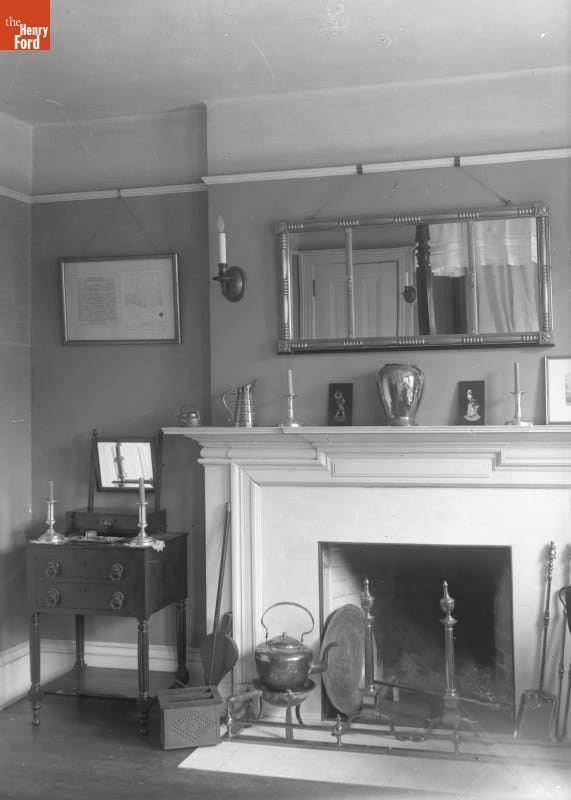
- Dressing Table, Fireplace, 1890-1915 - In 1890, Jenny Young Chandler, 25 years old and recently widowed, began working for the <EM>New York Herald</EM>. As a photojournalist and feature writer, Chandler captured life in Brooklyn, New York, and vicinity. She also documented collections of private individuals and museums -- some of which were featured in magazine articles for collectors. By 1922, the time of her death, she had produced over 800 glass plate negatives.
- 1890-1915
- Collections - Artifact
Dressing Table, Fireplace, 1890-1915
In 1890, Jenny Young Chandler, 25 years old and recently widowed, began working for the New York Herald. As a photojournalist and feature writer, Chandler captured life in Brooklyn, New York, and vicinity. She also documented collections of private individuals and museums -- some of which were featured in magazine articles for collectors. By 1922, the time of her death, she had produced over 800 glass plate negatives.
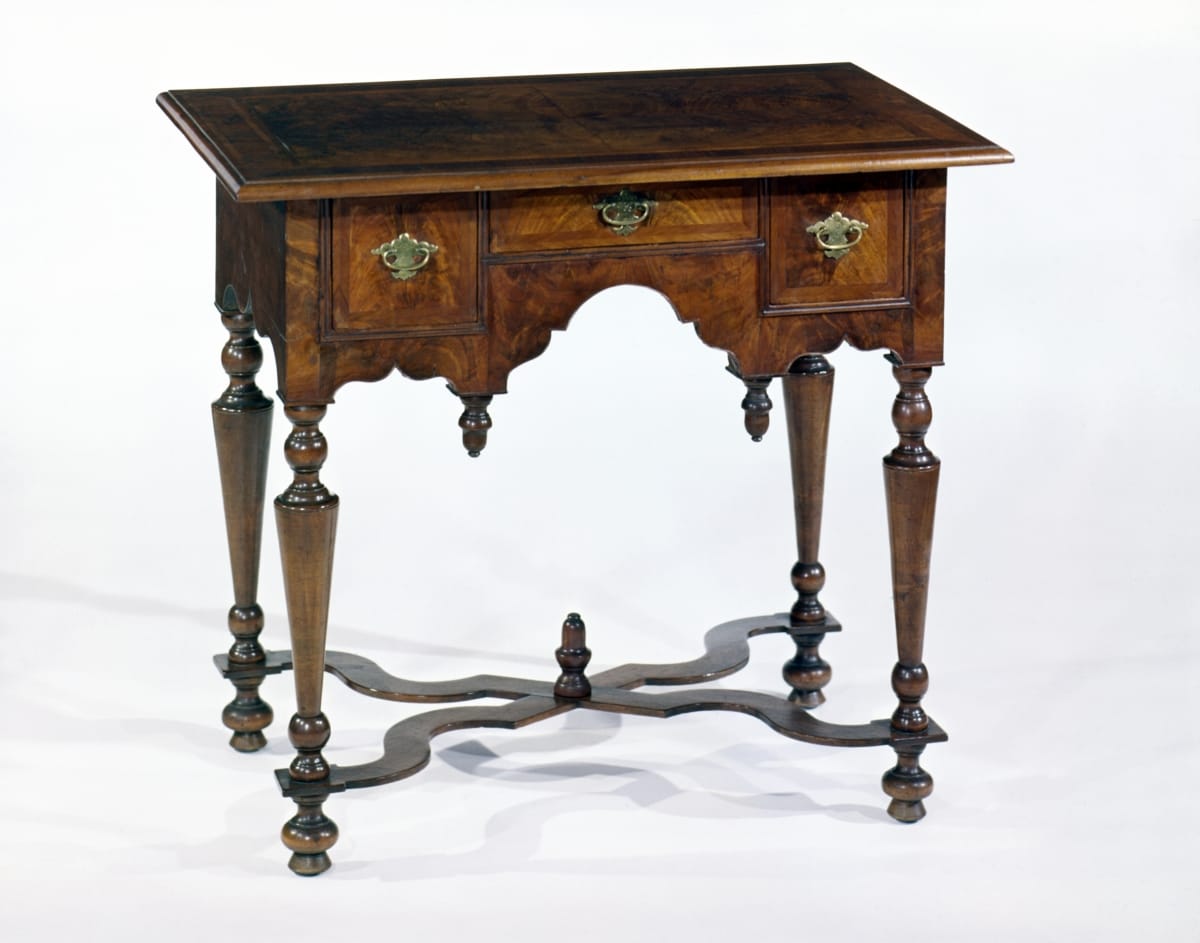
- Dressing Table, 1700-1730 - Ladies put on elaborate makeup and fixed their hair in front of a dressing table like this. A mirror would have sat on the top.
- 1700-1730
- Collections - Artifact
Dressing Table, 1700-1730
Ladies put on elaborate makeup and fixed their hair in front of a dressing table like this. A mirror would have sat on the top.