
Search
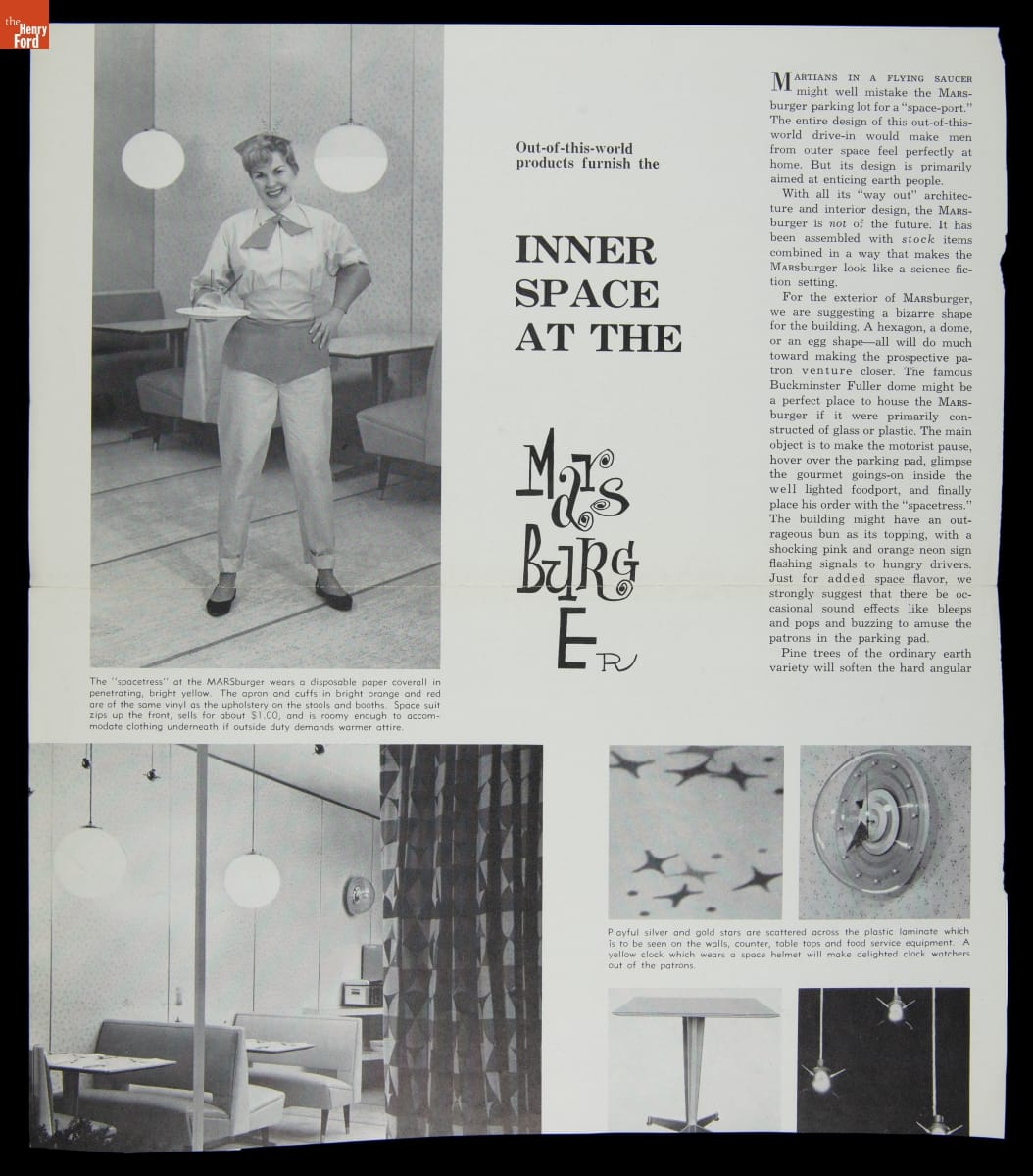
- "Out-of-this-world Products Furnish the Inner Space at the Marsburger" -
- Collections - Artifact
"Out-of-this-world Products Furnish the Inner Space at the Marsburger"
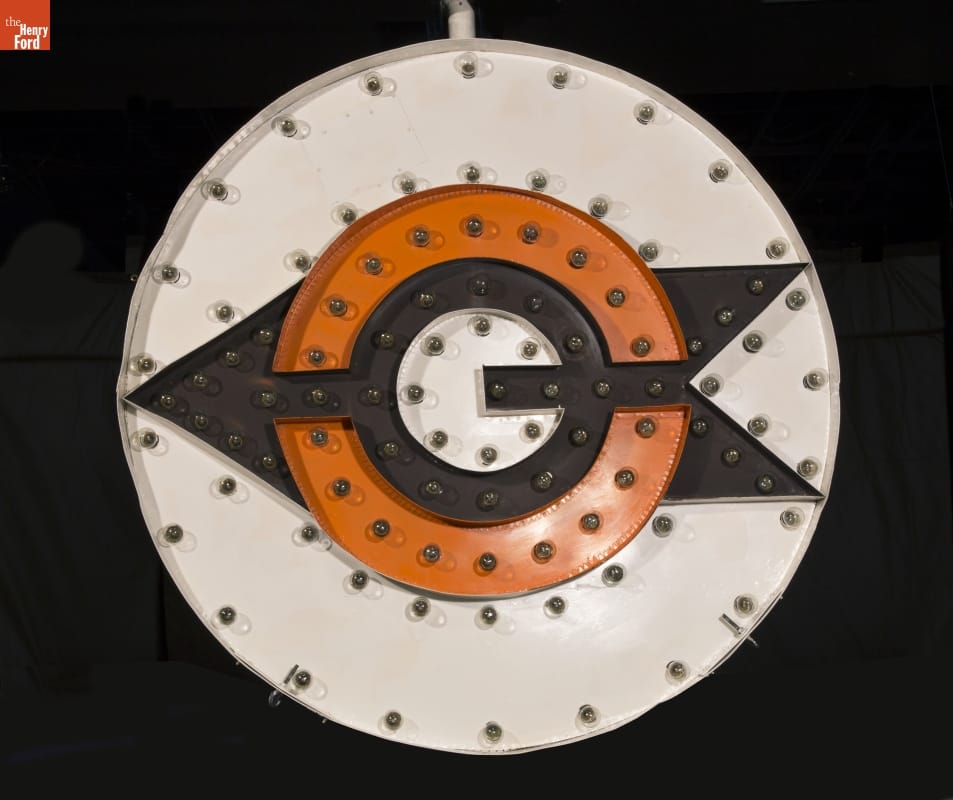
- A&W Drive-In Highway Sign, circa 1955 - Roy W. Allen ran a small walk-up root beer stand in California, then partnered with his employee Frank Wright. Together, "A" and "W" opened three subsequent root beer stands, then began selling franchises. By the 1930s, A & W's had taken the form of drive-ins -- among the country's earliest restaurants of that type. This sign beckoned customers from the highway.
- circa 1955
- Collections - Artifact
A&W Drive-In Highway Sign, circa 1955
Roy W. Allen ran a small walk-up root beer stand in California, then partnered with his employee Frank Wright. Together, "A" and "W" opened three subsequent root beer stands, then began selling franchises. By the 1930s, A & W's had taken the form of drive-ins -- among the country's earliest restaurants of that type. This sign beckoned customers from the highway.
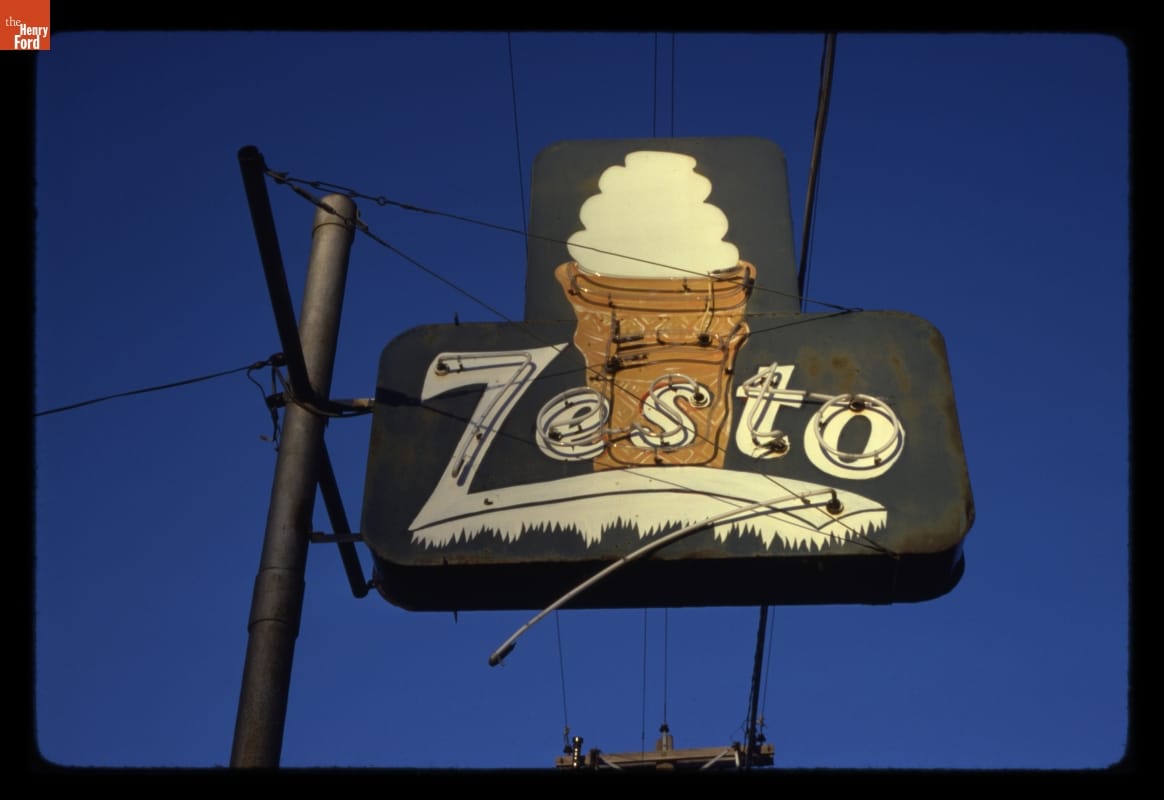
- Zesto, Wichita, Kansas, 1979 - In the mid-1970s, John Margolies began to assemble a visual record of America's built roadside landscape. Over the following three decades, he traveled thousands of miles to photograph the overlooked and often quickly vanishing structures that had grown out of American automobile culture and main street commerce. His photographs of hotels, motels, diners, service stations, drive-ins and attractions celebrate and capture a unique chapter of American history.
- 1979
- Collections - Artifact
Zesto, Wichita, Kansas, 1979
In the mid-1970s, John Margolies began to assemble a visual record of America's built roadside landscape. Over the following three decades, he traveled thousands of miles to photograph the overlooked and often quickly vanishing structures that had grown out of American automobile culture and main street commerce. His photographs of hotels, motels, diners, service stations, drive-ins and attractions celebrate and capture a unique chapter of American history.
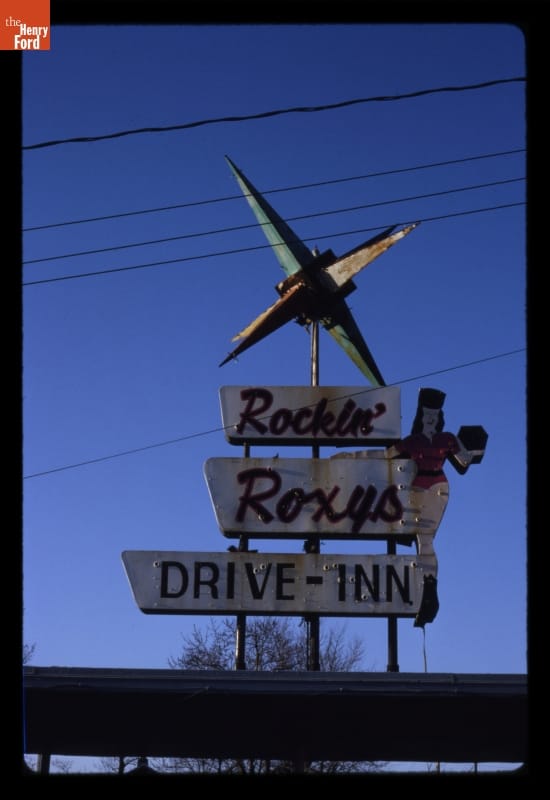
- Rockin' Roxy's Drive-Inn Sign, Benton Harbor, Michigan, 1991 - In the mid-1970s, John Margolies began to assemble a visual record of America's built roadside landscape. Over the following three decades, he traveled thousands of miles to photograph the overlooked and often quickly vanishing structures that had grown out of American automobile culture and main street commerce. His photographs of hotels, motels, diners, service stations, drive-ins and attractions celebrate and capture a unique chapter of American history.
- 1991
- Collections - Artifact
Rockin' Roxy's Drive-Inn Sign, Benton Harbor, Michigan, 1991
In the mid-1970s, John Margolies began to assemble a visual record of America's built roadside landscape. Over the following three decades, he traveled thousands of miles to photograph the overlooked and often quickly vanishing structures that had grown out of American automobile culture and main street commerce. His photographs of hotels, motels, diners, service stations, drive-ins and attractions celebrate and capture a unique chapter of American history.
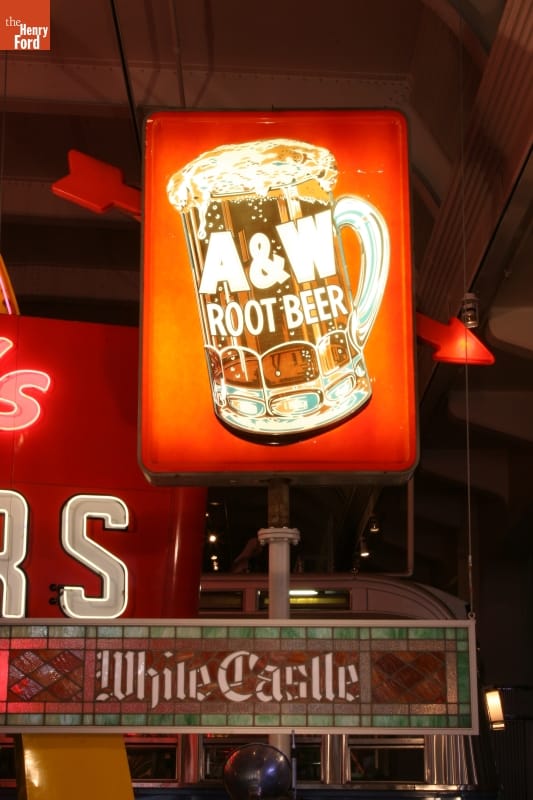
- A&W Highway Sign for Drive-In Restaurant, circa 1965 - This A&W root beer mug sign stood along the roadside in Litchfield, Minnesota, in the 1960s. Similar signs enticed motorists during the drive-in boom years after the Second World War.
- circa 1965
- Collections - Artifact
A&W Highway Sign for Drive-In Restaurant, circa 1965
This A&W root beer mug sign stood along the roadside in Litchfield, Minnesota, in the 1960s. Similar signs enticed motorists during the drive-in boom years after the Second World War.
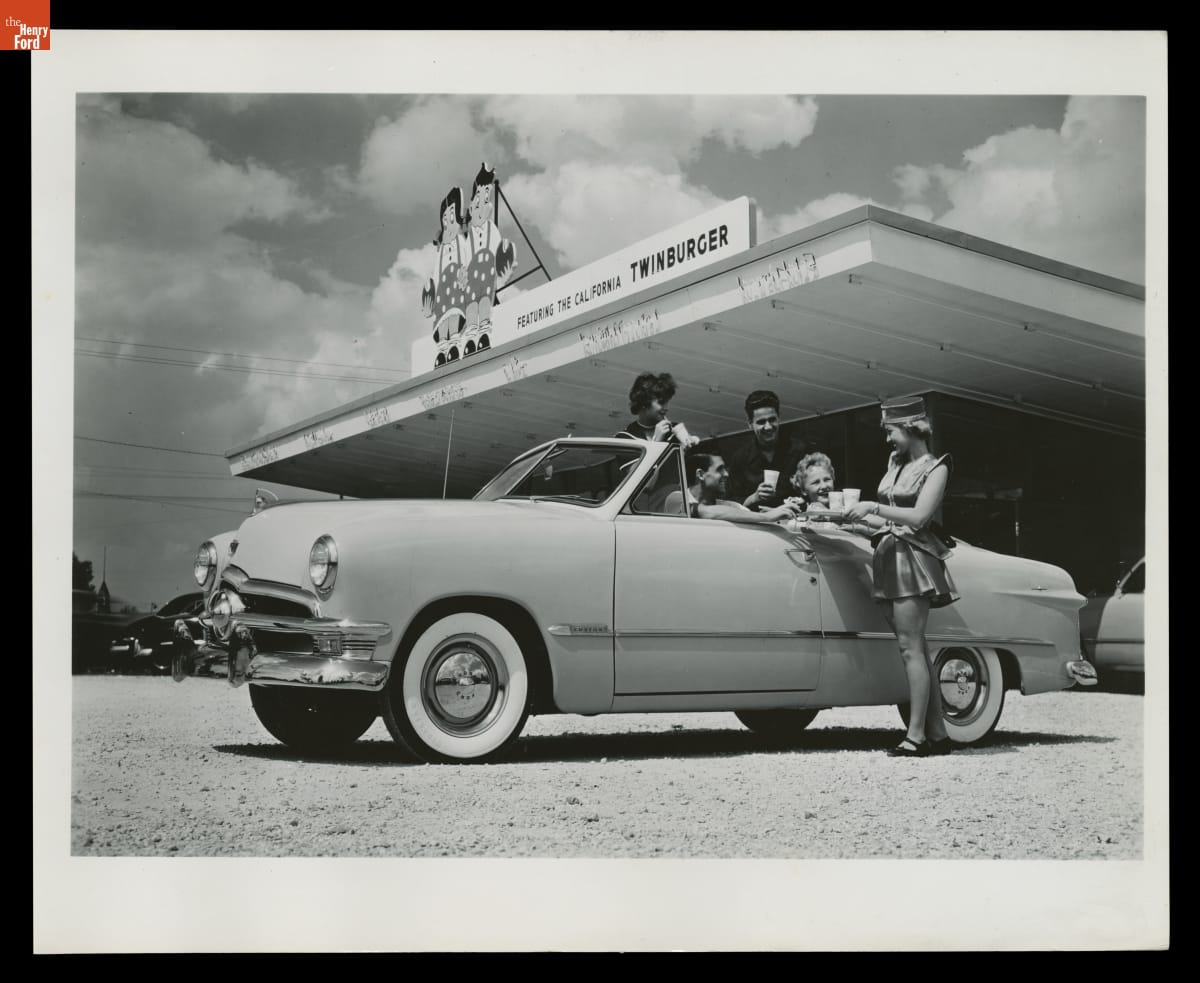
- Ford Custom Convertible Club Coupe outside a Drive-In Restaurant, 1949 - Convertibles were perfect for cruising around town, impressing dates, and hanging out. This 1949 promotional photograph shows a group of young adults hanging out in their Ford convertible at a local drive-in.
- August 11, 1949
- Collections - Artifact
Ford Custom Convertible Club Coupe outside a Drive-In Restaurant, 1949
Convertibles were perfect for cruising around town, impressing dates, and hanging out. This 1949 promotional photograph shows a group of young adults hanging out in their Ford convertible at a local drive-in.
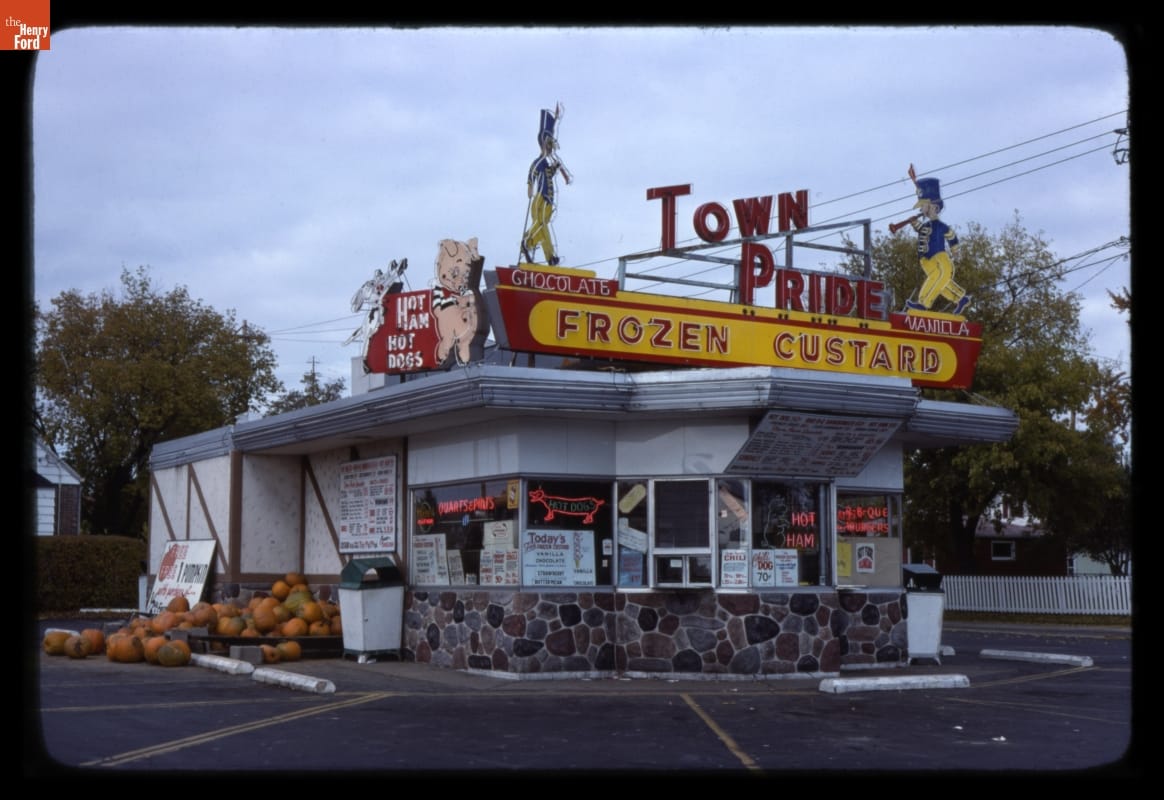
- Town Pride Frozen Custard, Milwaukee, Wisconsin, 1977 - In the mid-1970s, John Margolies began to assemble a visual record of America's built roadside landscape. Over the following three decades, he traveled thousands of miles to photograph the overlooked and often quickly vanishing structures that had grown out of American automobile culture and main street commerce. His photographs of hotels, motels, diners, service stations, drive-ins and attractions celebrate and capture a unique chapter of American history.
- 1977
- Collections - Artifact
Town Pride Frozen Custard, Milwaukee, Wisconsin, 1977
In the mid-1970s, John Margolies began to assemble a visual record of America's built roadside landscape. Over the following three decades, he traveled thousands of miles to photograph the overlooked and often quickly vanishing structures that had grown out of American automobile culture and main street commerce. His photographs of hotels, motels, diners, service stations, drive-ins and attractions celebrate and capture a unique chapter of American history.
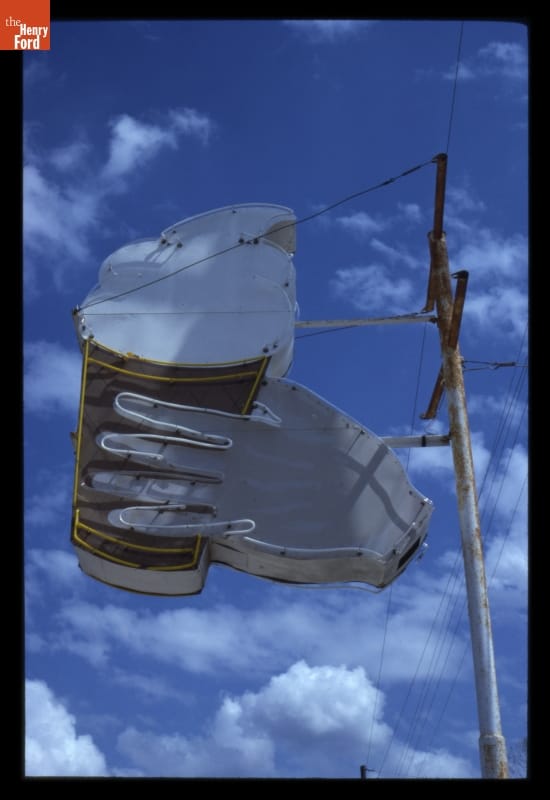
- Snow Top Drive In Sign, Livingston, Louisiana, 1982 - In the mid-1970s, John Margolies began to assemble a visual record of America's built roadside landscape. Over the following three decades, he traveled thousands of miles to photograph the overlooked and often quickly vanishing structures that had grown out of American automobile culture and main street commerce. His photographs of hotels, motels, diners, service stations, drive-ins and attractions celebrate and capture a unique chapter of American history.
- 1982
- Collections - Artifact
Snow Top Drive In Sign, Livingston, Louisiana, 1982
In the mid-1970s, John Margolies began to assemble a visual record of America's built roadside landscape. Over the following three decades, he traveled thousands of miles to photograph the overlooked and often quickly vanishing structures that had grown out of American automobile culture and main street commerce. His photographs of hotels, motels, diners, service stations, drive-ins and attractions celebrate and capture a unique chapter of American history.
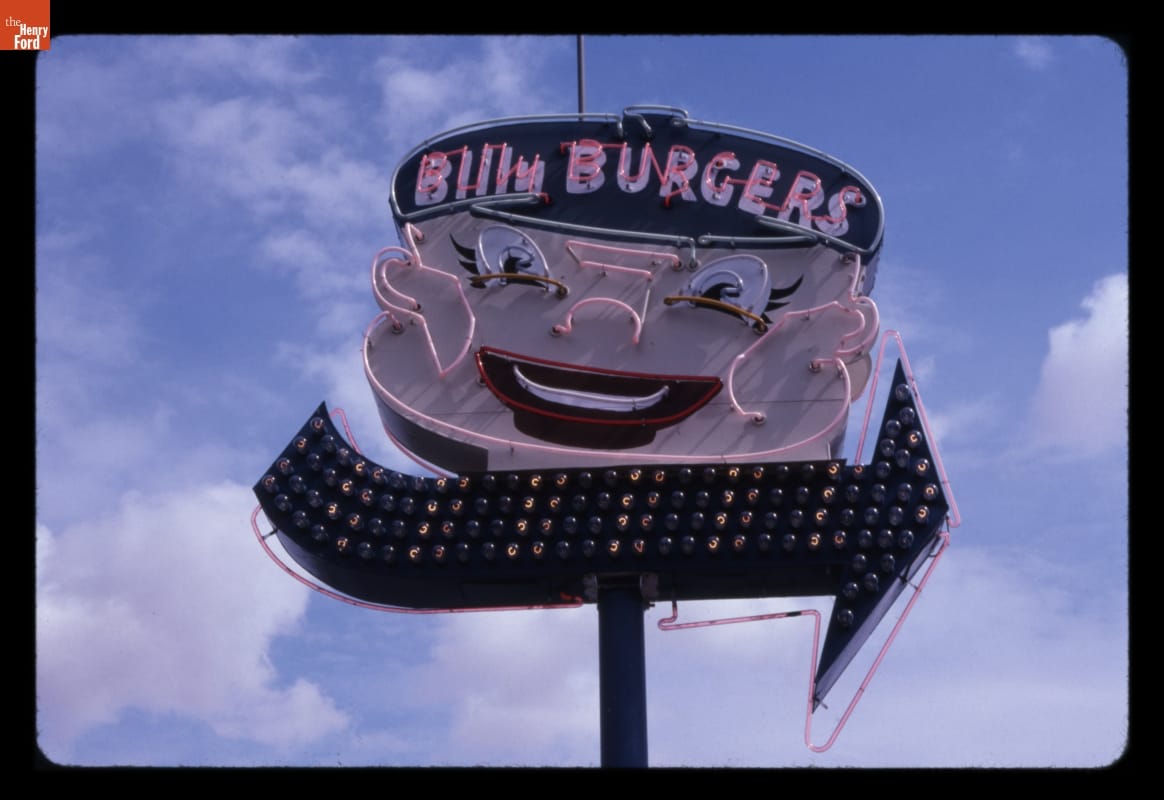
- Billy Burgers Drive-In Sign, Wilbur, Washington, 2003 - In the mid-1970s, John Margolies began to assemble a visual record of America's built roadside landscape. Over the following three decades, he traveled thousands of miles to photograph the overlooked and often quickly vanishing structures that had grown out of American automobile culture and main street commerce. His photographs of hotels, motels, diners, service stations, drive-ins and attractions celebrate and capture a unique chapter of American history.
- 2003
- Collections - Artifact
Billy Burgers Drive-In Sign, Wilbur, Washington, 2003
In the mid-1970s, John Margolies began to assemble a visual record of America's built roadside landscape. Over the following three decades, he traveled thousands of miles to photograph the overlooked and often quickly vanishing structures that had grown out of American automobile culture and main street commerce. His photographs of hotels, motels, diners, service stations, drive-ins and attractions celebrate and capture a unique chapter of American history.
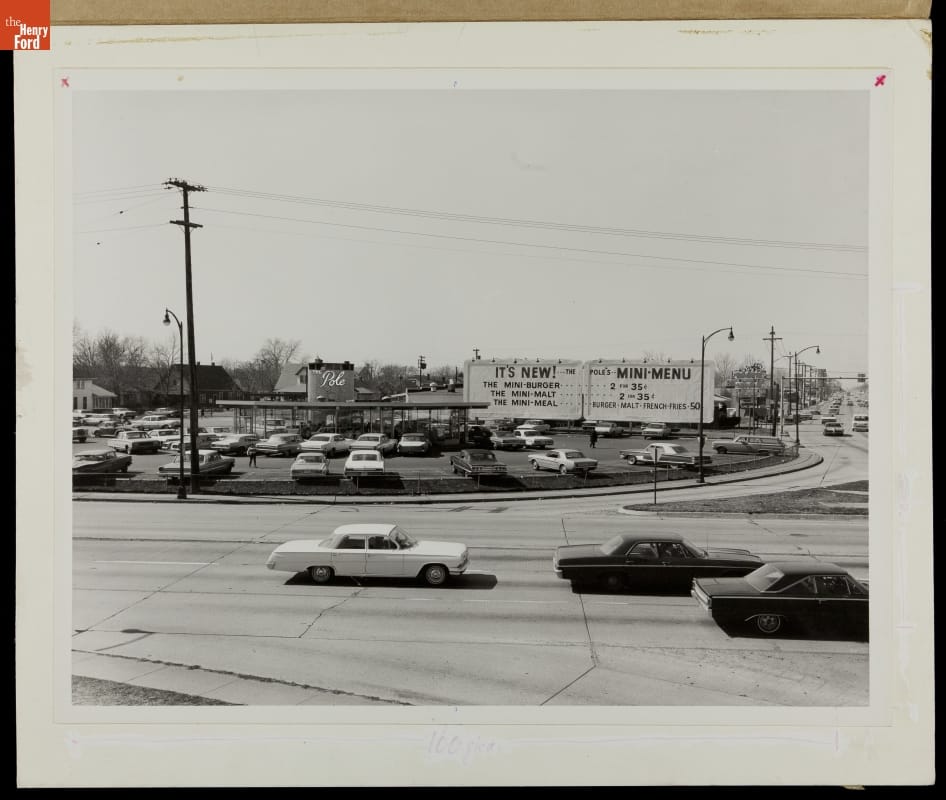
- "The Pole" Drive-In Restaurant and Advertising Signs, Indianapolis, Indiana, circa 1967 - Drive-in restaurants -- where waiters or waitresses called carhops took orders and delivered food to customers in parked cars -- became popular hangouts following World War II. Large signs advertising this drive-in's new "mini-menu" enticed passing motorists to stop for inexpensive food and eat-in-your-car service. Later value meals and menus at fast-food chains echoed this marketing technique.
- circa 1967
- Collections - Artifact
"The Pole" Drive-In Restaurant and Advertising Signs, Indianapolis, Indiana, circa 1967
Drive-in restaurants -- where waiters or waitresses called carhops took orders and delivered food to customers in parked cars -- became popular hangouts following World War II. Large signs advertising this drive-in's new "mini-menu" enticed passing motorists to stop for inexpensive food and eat-in-your-car service. Later value meals and menus at fast-food chains echoed this marketing technique.