
Search
- Telephone Switchboard Drop Signal, 1900-1925 - Before long-distance direct dialing became widespread in the 1960s, switchboards connected calls. When a caller picked up the phone, drop signals would indicate to an operator that someone was on the line. The operator would ask them for the number they would like to connect to and then manually connect the caller's line to the recipient.
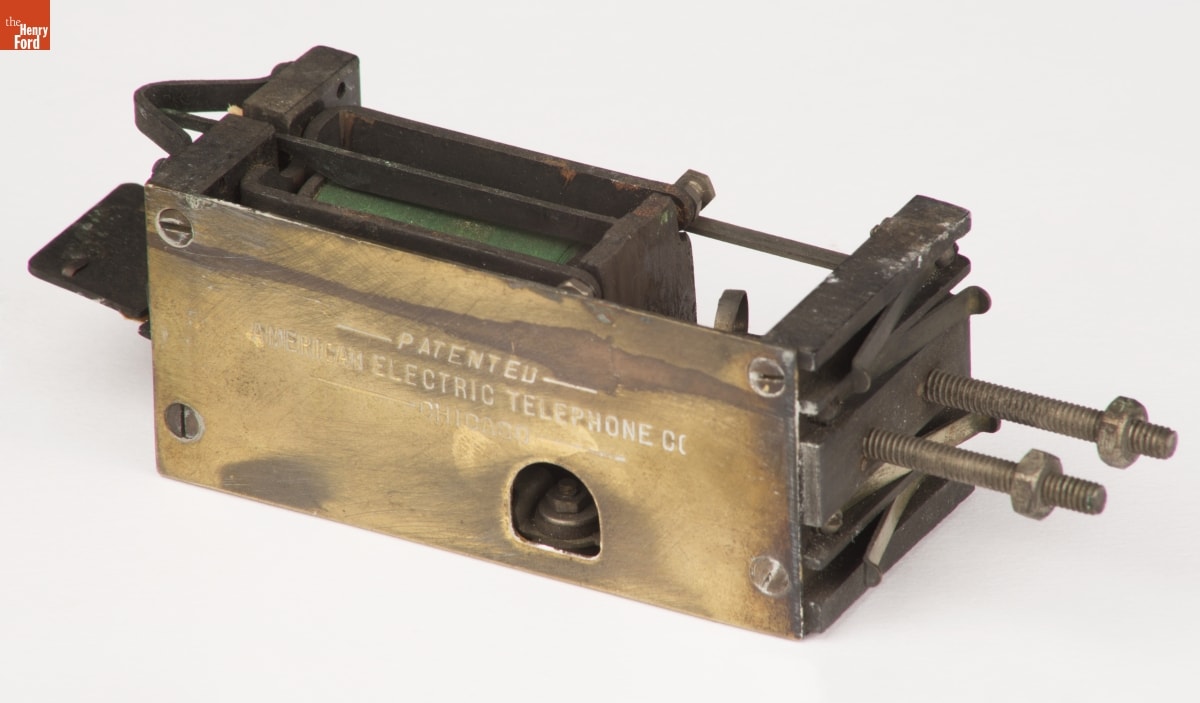
- 1900-1925
- Collections - Artifact
Telephone Switchboard Drop Signal, 1900-1925
Before long-distance direct dialing became widespread in the 1960s, switchboards connected calls. When a caller picked up the phone, drop signals would indicate to an operator that someone was on the line. The operator would ask them for the number they would like to connect to and then manually connect the caller's line to the recipient.
- Telephone Switchboard Drop Signal, 1900-1925 - Before long-distance direct dialing became widespread in the 1960s, switchboards connected calls. When a caller picked up the phone, drop signals would indicate to an operator that someone was on the line. The operator would ask them for the number they would like to connect to and then manually connect the caller's line to the recipient.
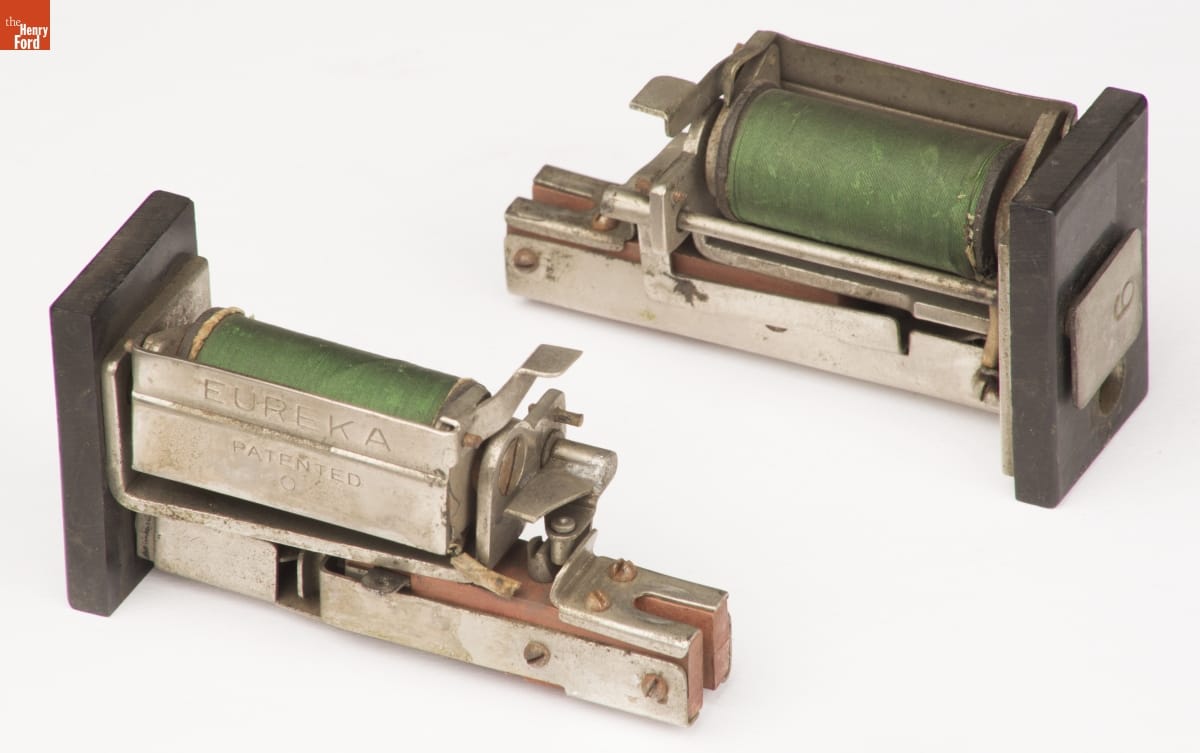
- 1900-1925
- Collections - Artifact
Telephone Switchboard Drop Signal, 1900-1925
Before long-distance direct dialing became widespread in the 1960s, switchboards connected calls. When a caller picked up the phone, drop signals would indicate to an operator that someone was on the line. The operator would ask them for the number they would like to connect to and then manually connect the caller's line to the recipient.
- American Electric Telephone Company Switchboard Drop Signal -
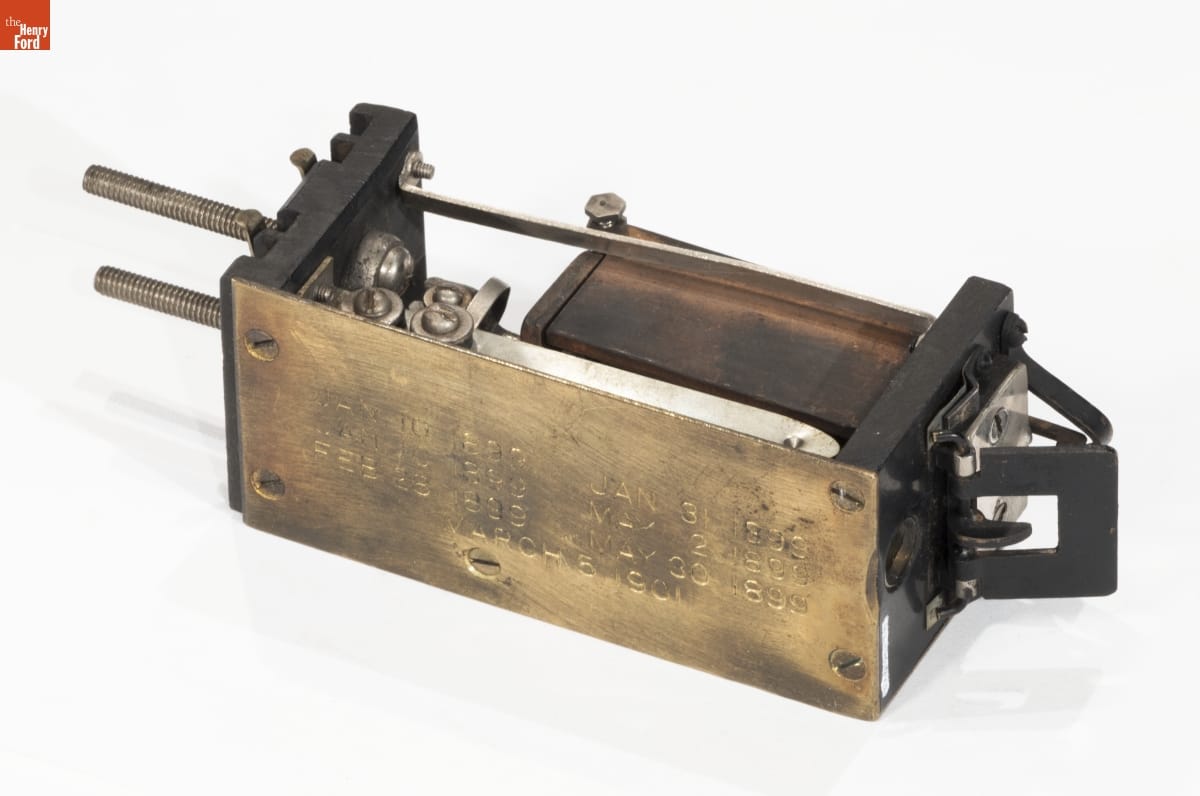
- Collections - Artifact
American Electric Telephone Company Switchboard Drop Signal
- Telephone Switchboard Drop Signal, 1900-1925 - Before long-distance direct dialing became widespread in the 1960s, switchboards connected calls. When a caller picked up the phone, drop signals would indicate to an operator that someone was on the line. The operator would ask them for the number they would like to connect to and then manually connect the caller's line to the recipient.
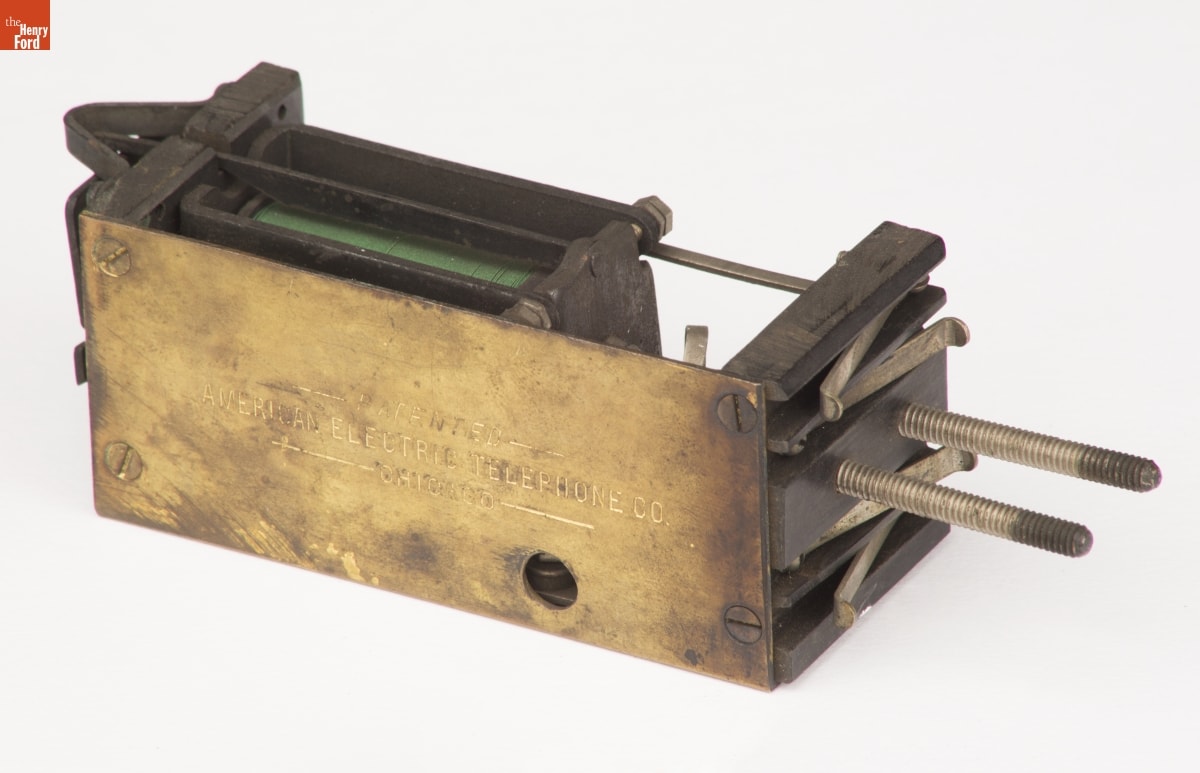
- 1900-1925
- Collections - Artifact
Telephone Switchboard Drop Signal, 1900-1925
Before long-distance direct dialing became widespread in the 1960s, switchboards connected calls. When a caller picked up the phone, drop signals would indicate to an operator that someone was on the line. The operator would ask them for the number they would like to connect to and then manually connect the caller's line to the recipient.
- American Electric Telephone Company Switchboard Drop Signal -
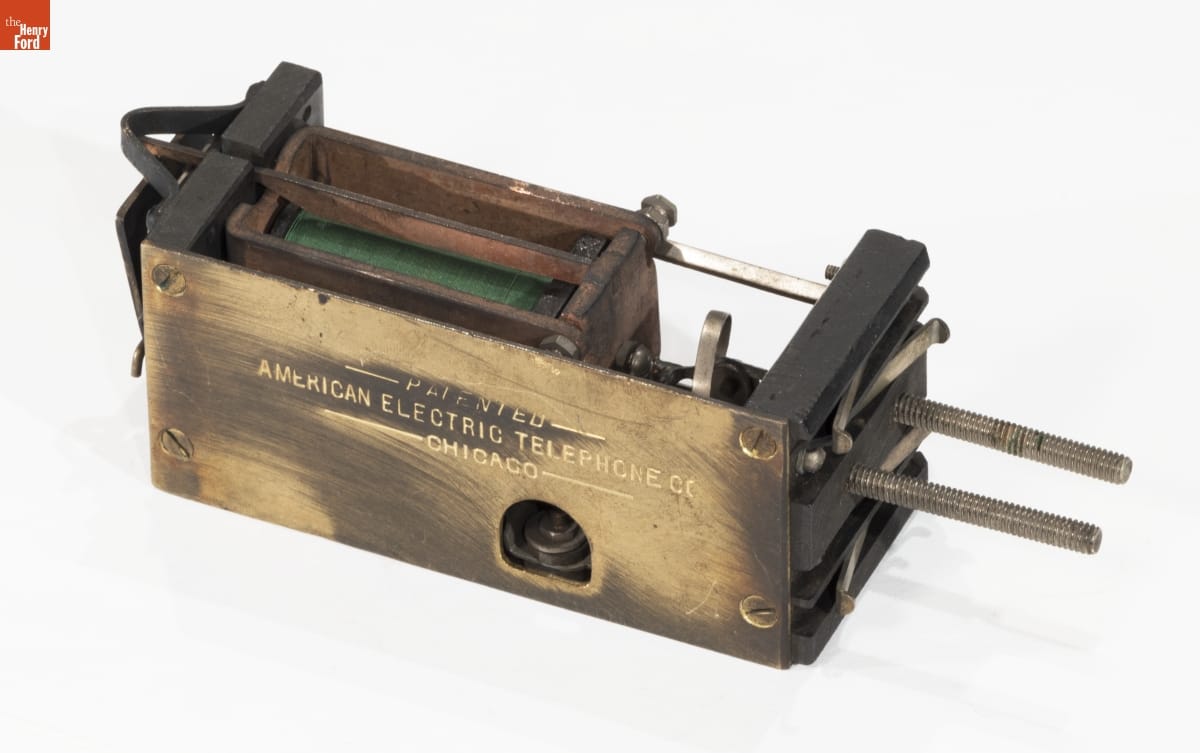
- Collections - Artifact
American Electric Telephone Company Switchboard Drop Signal
- Telephone Switchboard Drop Signal, 1898 - Before long-distance direct dialing became widespread in the 1960s, switchboards connected calls. When a caller picked up the phone, drop signals would indicate to an operator that someone was on the line. The operator would ask them for the number they would like to connect to and then manually connect the caller's line to the recipient.
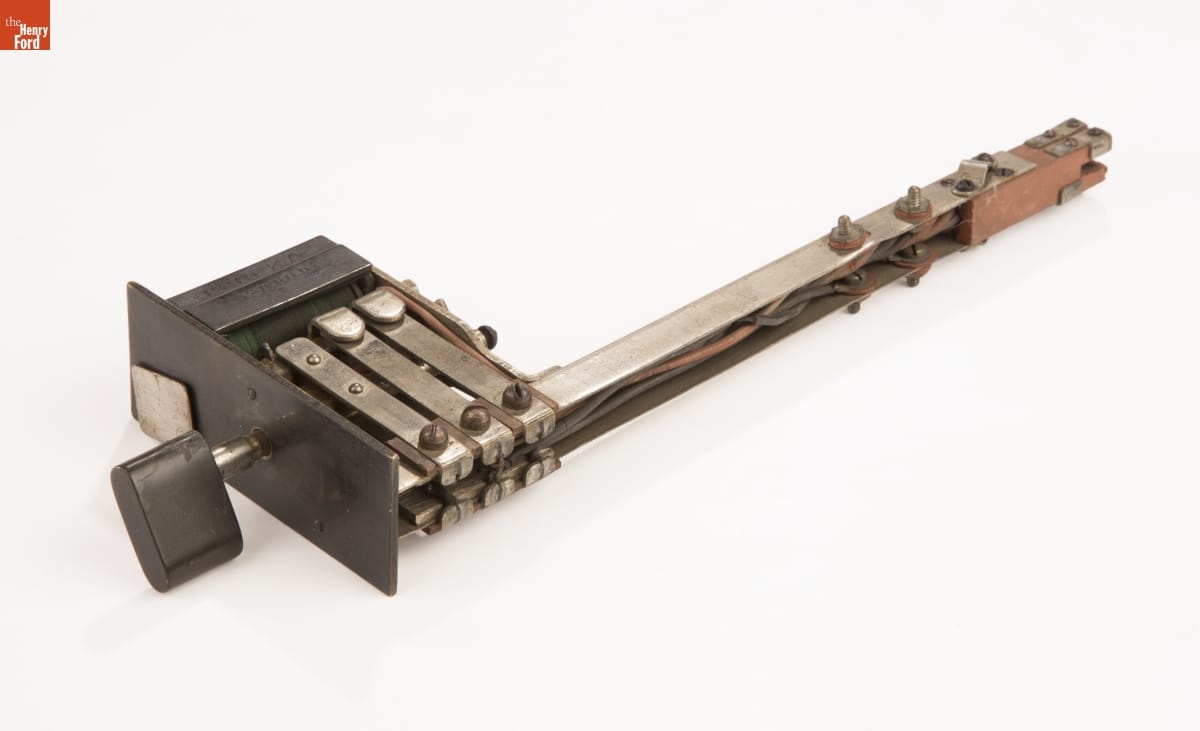
- 1898
- Collections - Artifact
Telephone Switchboard Drop Signal, 1898
Before long-distance direct dialing became widespread in the 1960s, switchboards connected calls. When a caller picked up the phone, drop signals would indicate to an operator that someone was on the line. The operator would ask them for the number they would like to connect to and then manually connect the caller's line to the recipient.
- Bank of Telephone Switchboard Drop Signals, 1890-1920 - Before long-distance direct dialing became widespread in the 1960s, switchboards connected calls. When a caller picked up the phone, drop signals would indicate to an operator that someone was on the line. The operator would ask them for the number they would like to connect to and then manually connect the caller's line to the recipient.
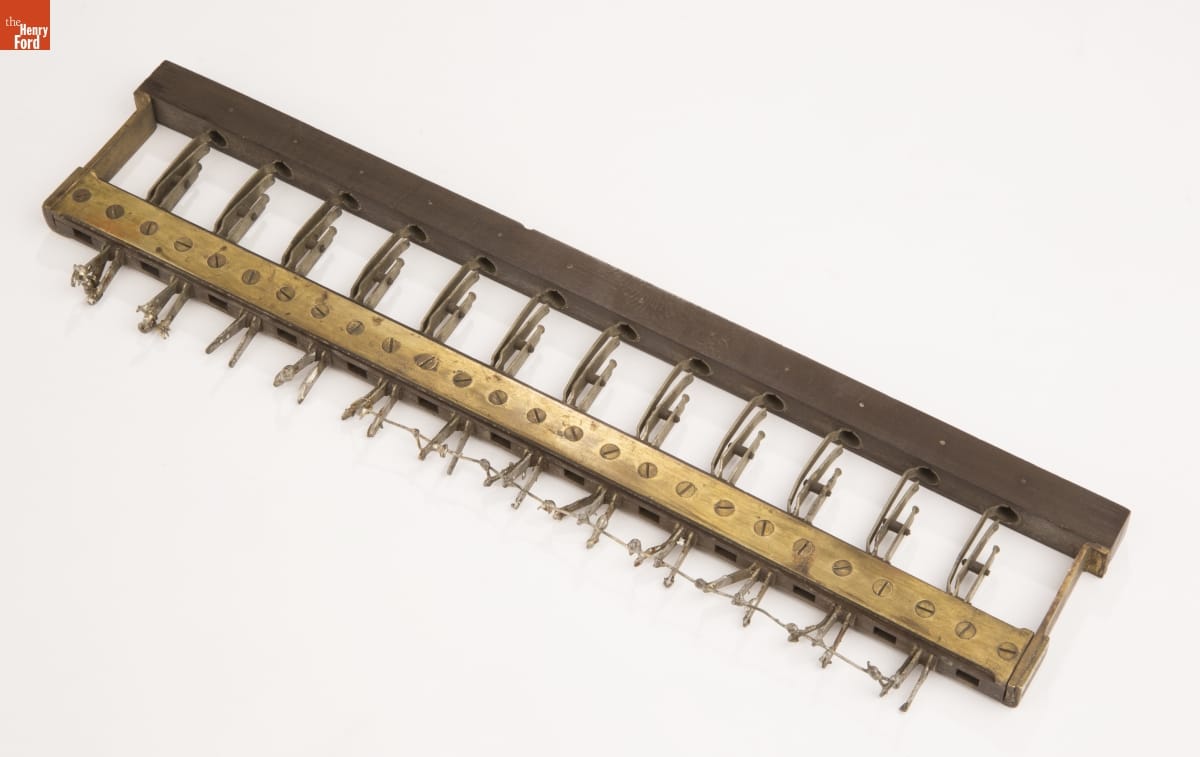
- 1890-1920
- Collections - Artifact
Bank of Telephone Switchboard Drop Signals, 1890-1920
Before long-distance direct dialing became widespread in the 1960s, switchboards connected calls. When a caller picked up the phone, drop signals would indicate to an operator that someone was on the line. The operator would ask them for the number they would like to connect to and then manually connect the caller's line to the recipient.
- Telephone Switchboard Drop Signal, 1894 - Before long-distance direct dialing became widespread in the 1960s, switchboards connected calls. When a caller picked up the phone, drop signals would indicate to an operator that someone was on the line. The operator would ask them for the number they would like to connect to and then manually connect the caller's line to the recipient.
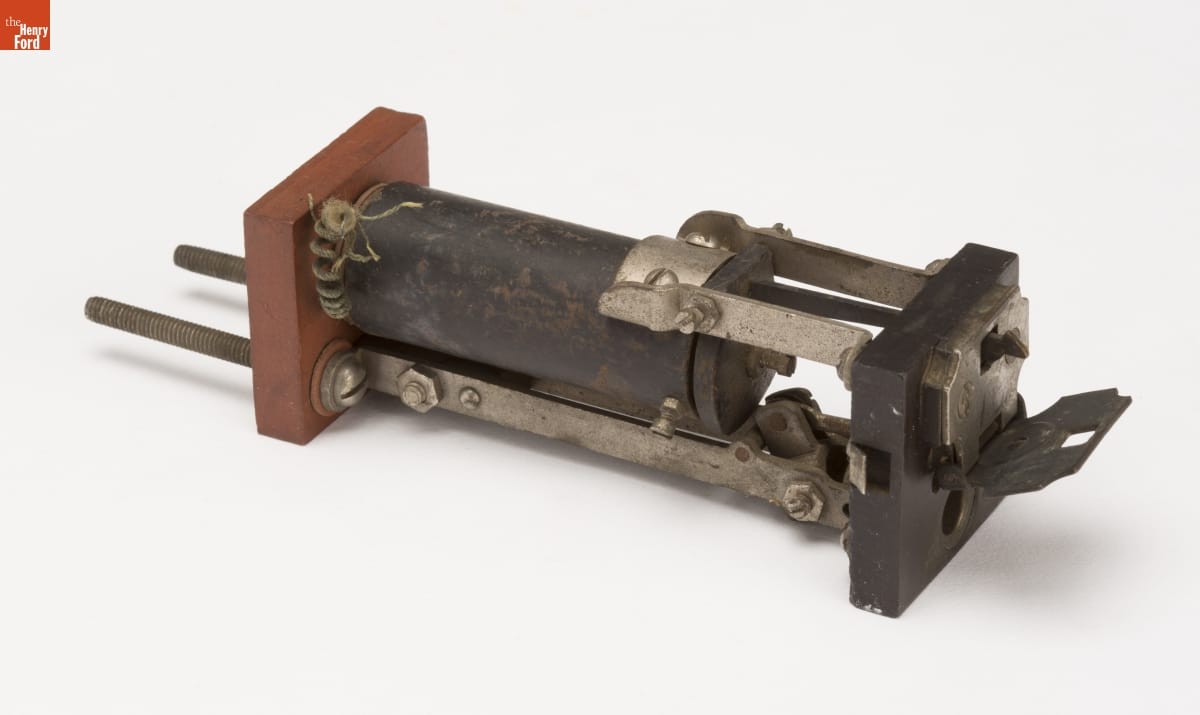
- 1894
- Collections - Artifact
Telephone Switchboard Drop Signal, 1894
Before long-distance direct dialing became widespread in the 1960s, switchboards connected calls. When a caller picked up the phone, drop signals would indicate to an operator that someone was on the line. The operator would ask them for the number they would like to connect to and then manually connect the caller's line to the recipient.