
Search
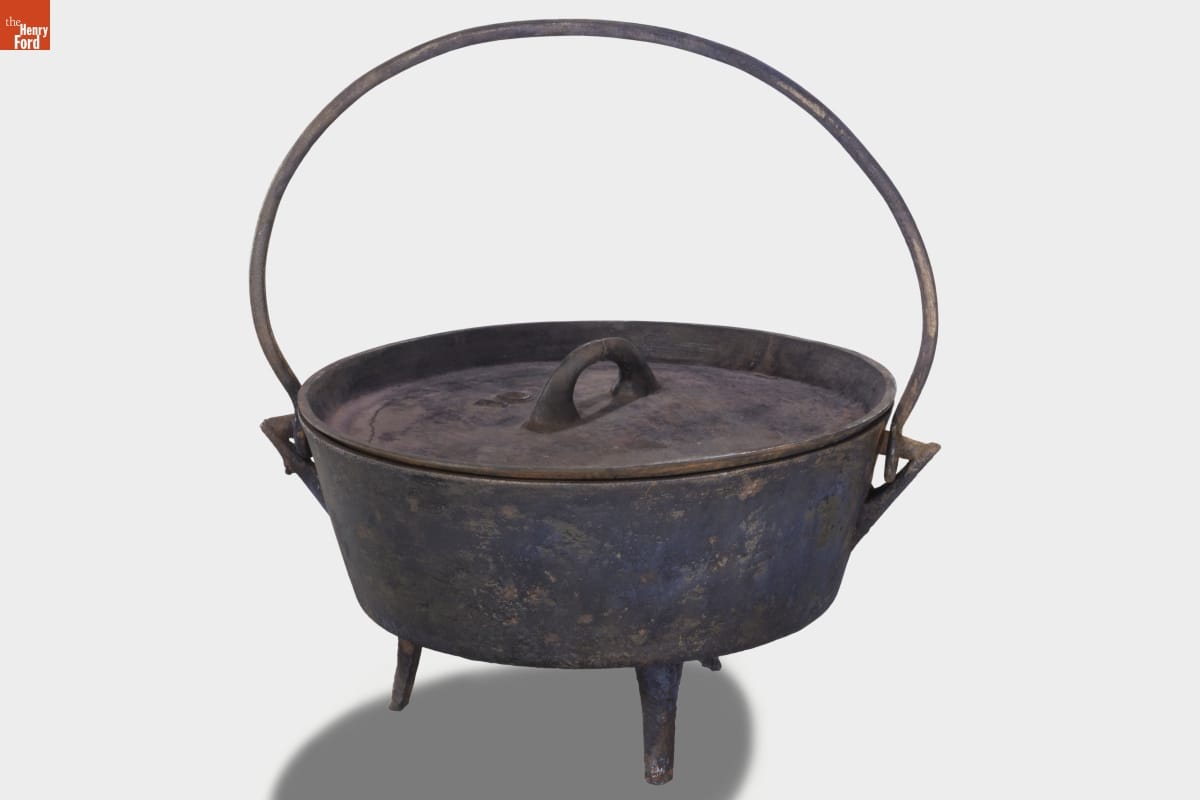
- Dutch Oven - Cast iron pots, pans, kettles, skillets, and other utensils have been essential in American kitchens for centuries. Cooks used these utilitarian objects to prepare meals and heat water in hearths or -- by the mid-1800s -- atop coal or wood-burning stoves. Lighter and easier-to-clean materials began replacing heavy cast iron cookware beginning in the late 19th century, but cast iron still has a place in many cooks' kitchens.
- Collections - Artifact
Dutch Oven
Cast iron pots, pans, kettles, skillets, and other utensils have been essential in American kitchens for centuries. Cooks used these utilitarian objects to prepare meals and heat water in hearths or -- by the mid-1800s -- atop coal or wood-burning stoves. Lighter and easier-to-clean materials began replacing heavy cast iron cookware beginning in the late 19th century, but cast iron still has a place in many cooks' kitchens.
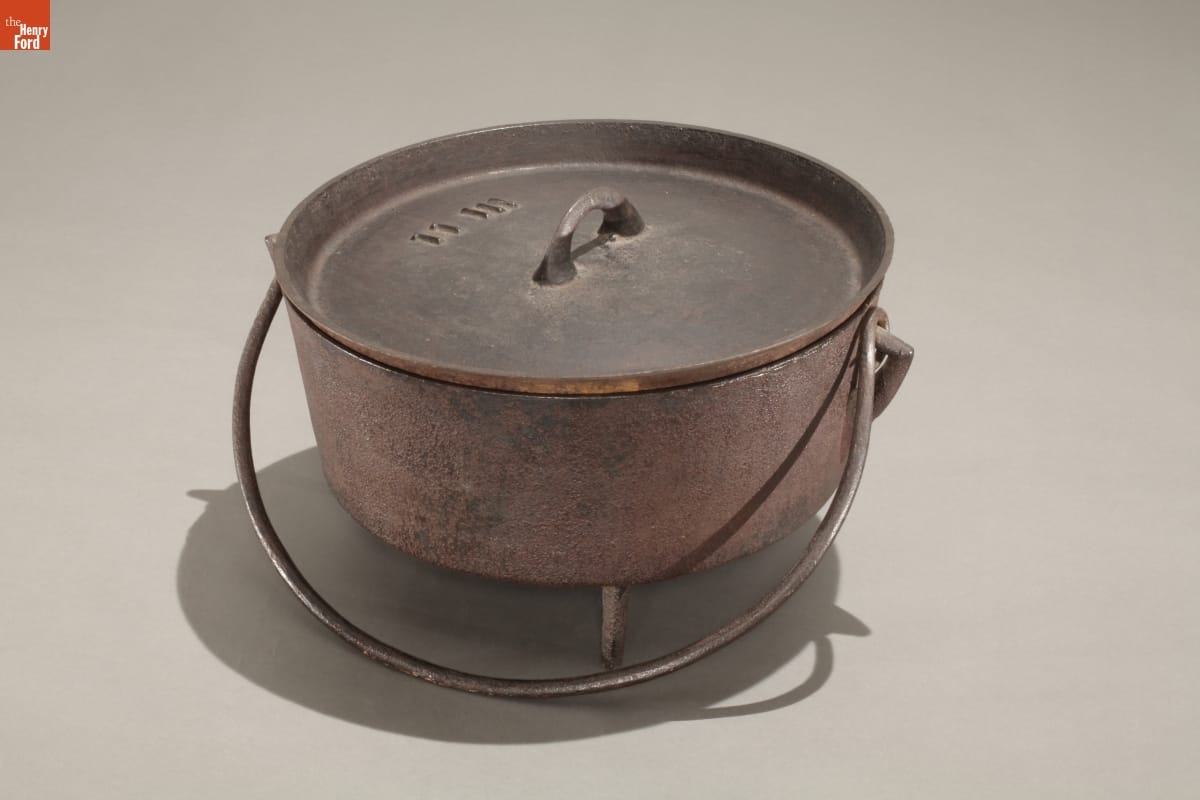
- Dutch Oven Bake Kettle, 1800-1850 - Many 18th and early 19th century kitchen fireplaces had brick baking ovens built into them. But housewives could also bake small amounts of food in an enclosed cast iron kettle, or "Dutch oven," when glowing coals from the fireplace were heaped around it. Especially handy for housewives who had no brick ovens, or who needed to bake bread in between regular baking days.
- 1800-1850
- Collections - Artifact
Dutch Oven Bake Kettle, 1800-1850
Many 18th and early 19th century kitchen fireplaces had brick baking ovens built into them. But housewives could also bake small amounts of food in an enclosed cast iron kettle, or "Dutch oven," when glowing coals from the fireplace were heaped around it. Especially handy for housewives who had no brick ovens, or who needed to bake bread in between regular baking days.
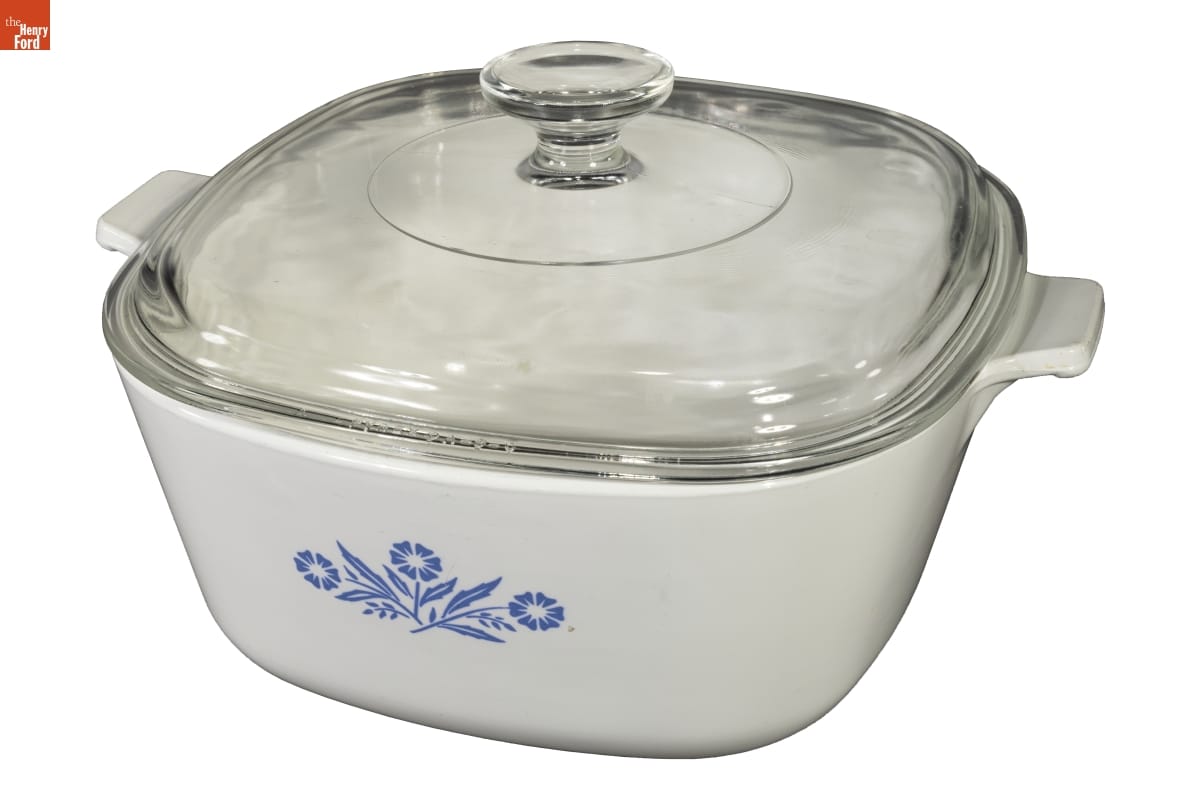
- Corning Ware Dutch Oven, 1962-1971 - In 1958, Corning Glass Works introduced Corning Ware -- a line of innovative, shatterproof cooking and serving ware that could go from freezer to oven to table. Corning Ware was versatile, durable, and affordable. It was also attractive, with patterns that reflected current trends. The popular Cornflower Blue pattern, also introduced in 1958, became synonymous with Corning's brand identity.
- 1962-1971
- Collections - Artifact
Corning Ware Dutch Oven, 1962-1971
In 1958, Corning Glass Works introduced Corning Ware -- a line of innovative, shatterproof cooking and serving ware that could go from freezer to oven to table. Corning Ware was versatile, durable, and affordable. It was also attractive, with patterns that reflected current trends. The popular Cornflower Blue pattern, also introduced in 1958, became synonymous with Corning's brand identity.
- Dutch Oven - Cast iron pots, pans, kettles, skillets, and other utensils have been essential in American kitchens for centuries. Cooks used these utilitarian objects to prepare meals and heat water in hearths or -- by the mid-1800s -- atop coal or wood-burning stoves. Lighter and easier-to-clean materials began replacing heavy cast iron cookware beginning in the late 19th century, but cast iron still has a place in many cooks' kitchens.
- Collections - Artifact
Dutch Oven
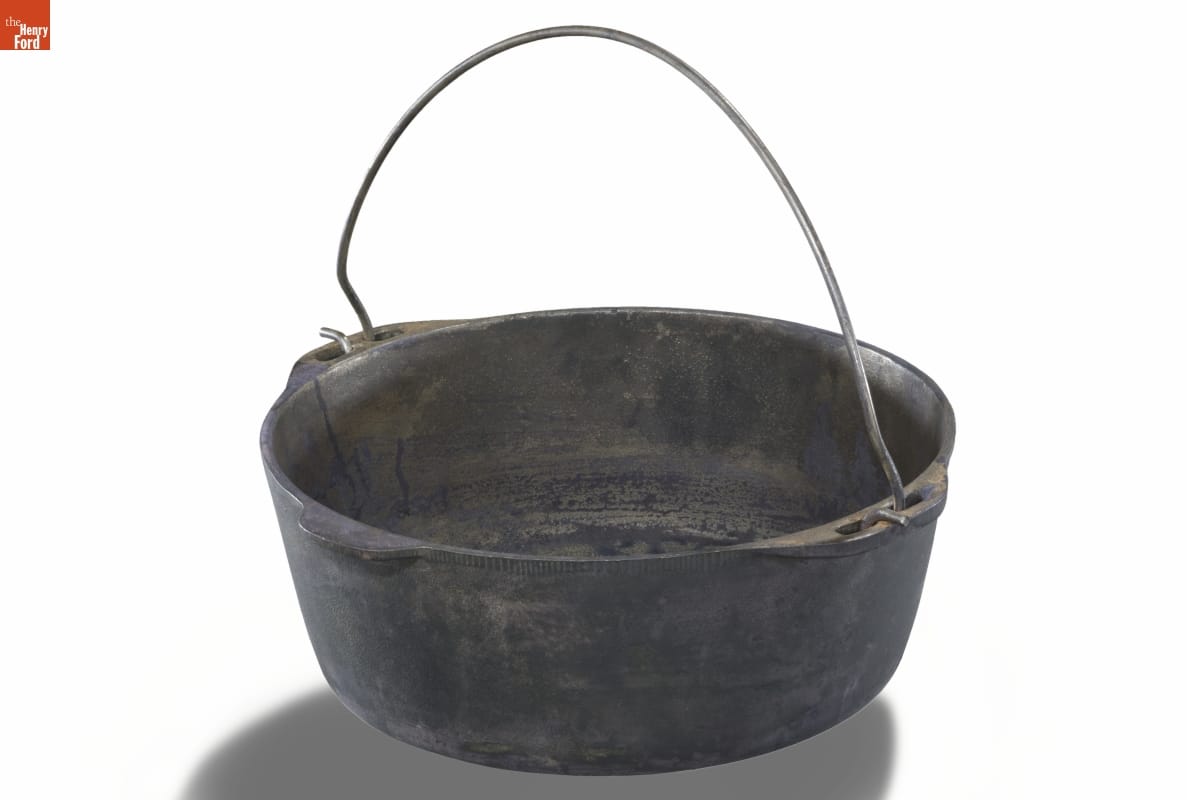
Cast iron pots, pans, kettles, skillets, and other utensils have been essential in American kitchens for centuries. Cooks used these utilitarian objects to prepare meals and heat water in hearths or -- by the mid-1800s -- atop coal or wood-burning stoves. Lighter and easier-to-clean materials began replacing heavy cast iron cookware beginning in the late 19th century, but cast iron still has a place in many cooks' kitchens.
- Dutch Oven - Cast iron pots, pans, kettles, skillets, and other utensils have been essential in American kitchens for centuries. Cooks used these utilitarian objects to prepare meals and heat water in hearths or -- by the mid-1800s -- atop coal or wood-burning stoves. Lighter and easier-to-clean materials began replacing heavy cast iron cookware beginning in the late 19th century, but cast iron still has a place in many cooks' kitchens.
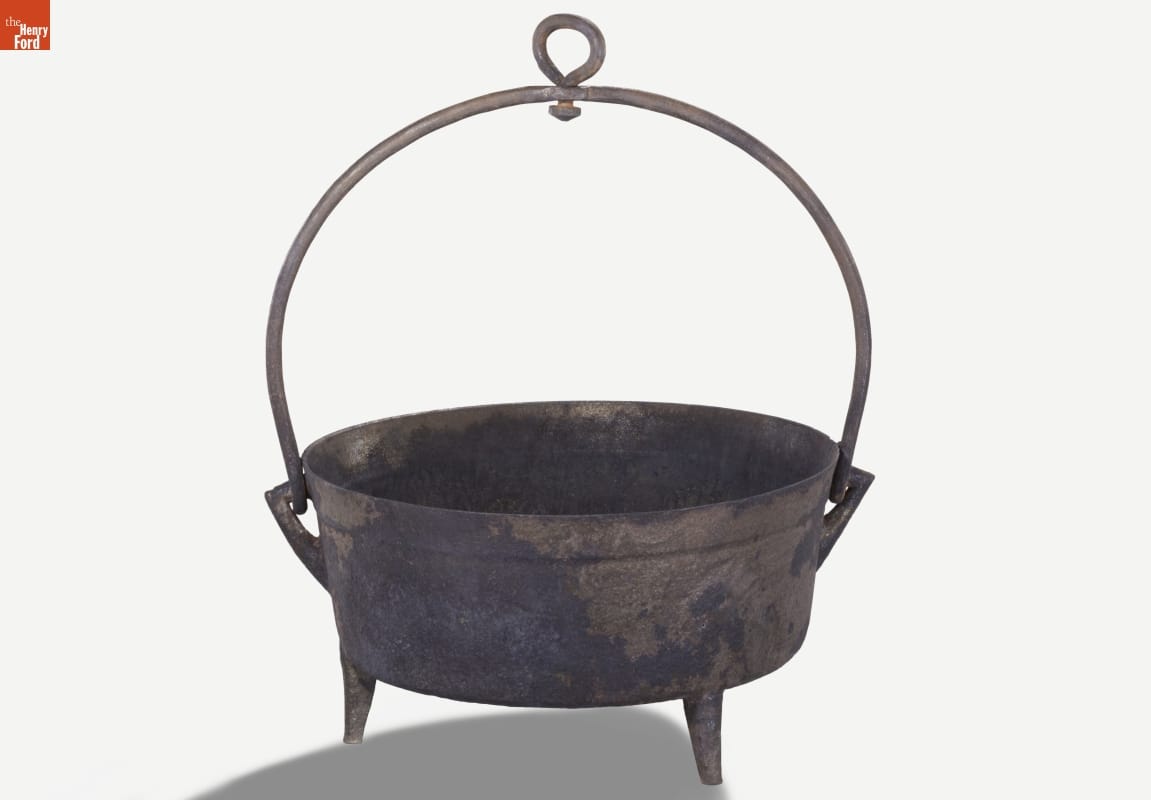
- Collections - Artifact
Dutch Oven
Cast iron pots, pans, kettles, skillets, and other utensils have been essential in American kitchens for centuries. Cooks used these utilitarian objects to prepare meals and heat water in hearths or -- by the mid-1800s -- atop coal or wood-burning stoves. Lighter and easier-to-clean materials began replacing heavy cast iron cookware beginning in the late 19th century, but cast iron still has a place in many cooks' kitchens.
- Dutch Oven - Cast iron pots, pans, kettles, skillets, and other utensils have been essential in American kitchens for centuries. Cooks used these utilitarian objects to prepare meals and heat water in hearths or -- by the mid-1800s -- atop coal or wood-burning stoves. Lighter and easier-to-clean materials began replacing heavy cast iron cookware beginning in the late 19th century, but cast iron still has a place in many cooks' kitchens.
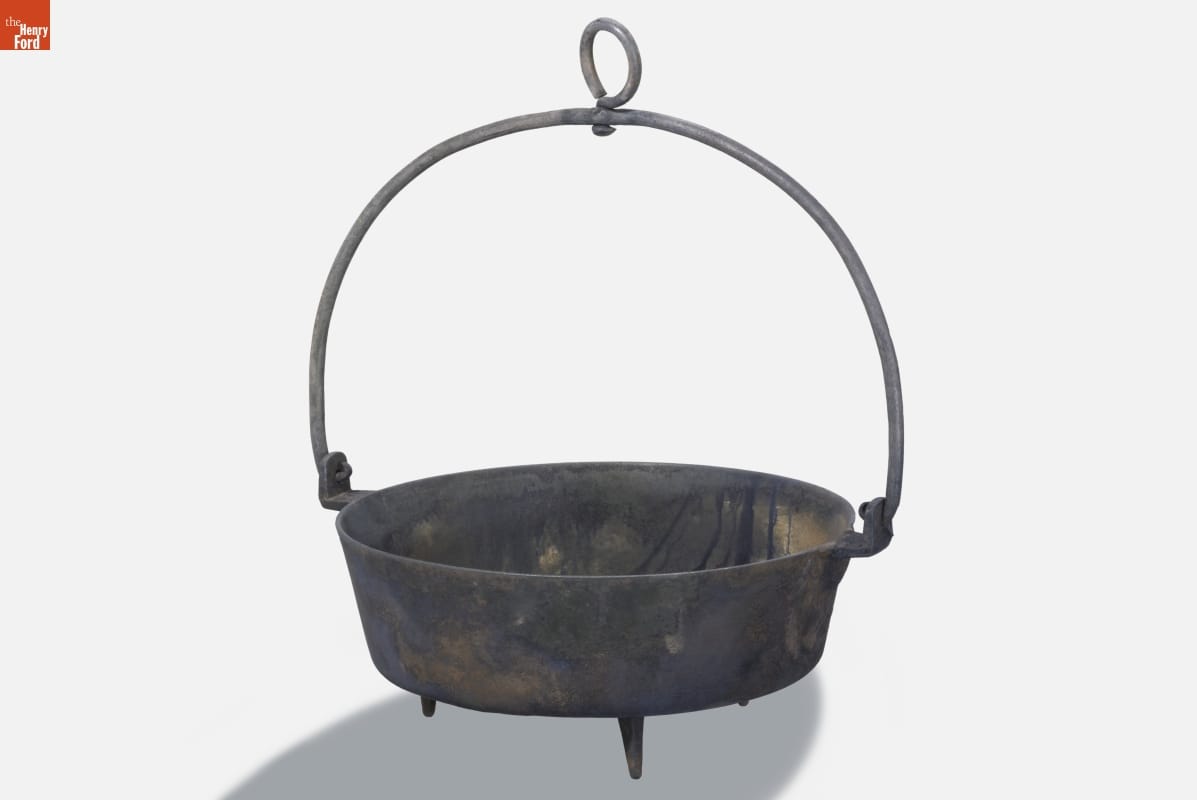
- Collections - Artifact
Dutch Oven
Cast iron pots, pans, kettles, skillets, and other utensils have been essential in American kitchens for centuries. Cooks used these utilitarian objects to prepare meals and heat water in hearths or -- by the mid-1800s -- atop coal or wood-burning stoves. Lighter and easier-to-clean materials began replacing heavy cast iron cookware beginning in the late 19th century, but cast iron still has a place in many cooks' kitchens.
- Dutch Oven with Lid - Cast iron pots, pans, kettles, skillets, and other utensils have been essential in American kitchens for centuries. Cooks used these utilitarian objects to prepare meals and heat water in hearths or -- by the mid-1800s -- atop coal or wood-burning stoves. Lighter and easier-to-clean materials began replacing heavy cast iron cookware beginning in the late 19th century, but cast iron still has a place in many cooks' kitchens.
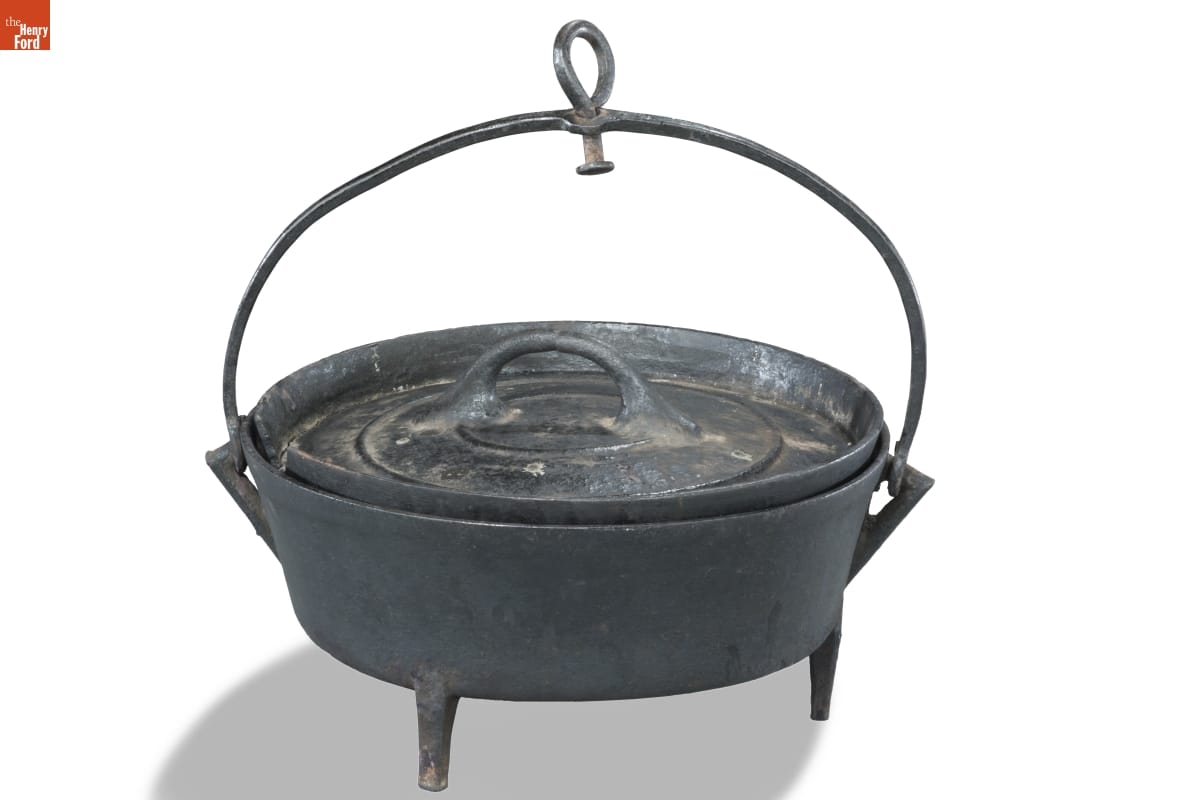
- Collections - Artifact
Dutch Oven with Lid
Cast iron pots, pans, kettles, skillets, and other utensils have been essential in American kitchens for centuries. Cooks used these utilitarian objects to prepare meals and heat water in hearths or -- by the mid-1800s -- atop coal or wood-burning stoves. Lighter and easier-to-clean materials began replacing heavy cast iron cookware beginning in the late 19th century, but cast iron still has a place in many cooks' kitchens.
- Dutch Oven - Cast iron pots, pans, kettles, skillets, and other utensils have been essential in American kitchens for centuries. Cooks used these utilitarian objects to prepare meals and heat water in hearths or -- by the mid-1800s -- atop coal or wood-burning stoves. Lighter and easier-to-clean materials began replacing heavy cast iron cookware beginning in the late 19th century, but cast iron still has a place in many cooks' kitchens.
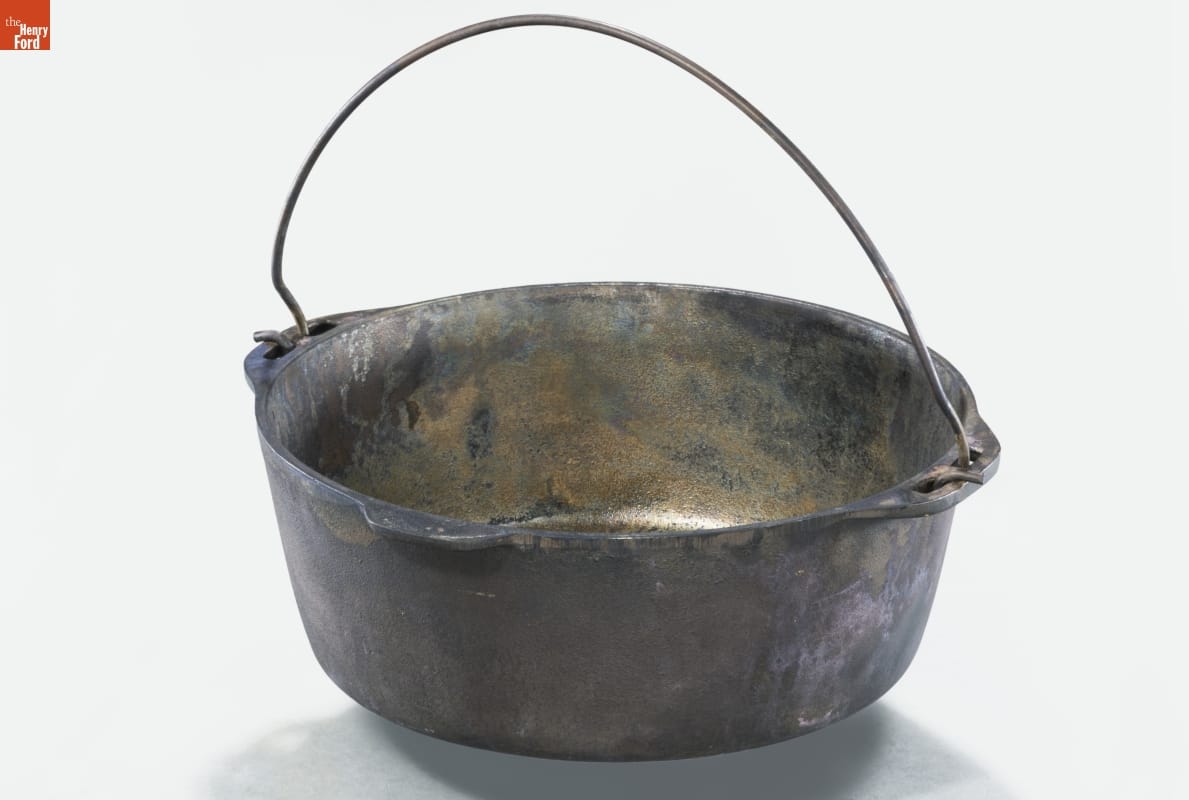
- Collections - Artifact
Dutch Oven
Cast iron pots, pans, kettles, skillets, and other utensils have been essential in American kitchens for centuries. Cooks used these utilitarian objects to prepare meals and heat water in hearths or -- by the mid-1800s -- atop coal or wood-burning stoves. Lighter and easier-to-clean materials began replacing heavy cast iron cookware beginning in the late 19th century, but cast iron still has a place in many cooks' kitchens.