
Search
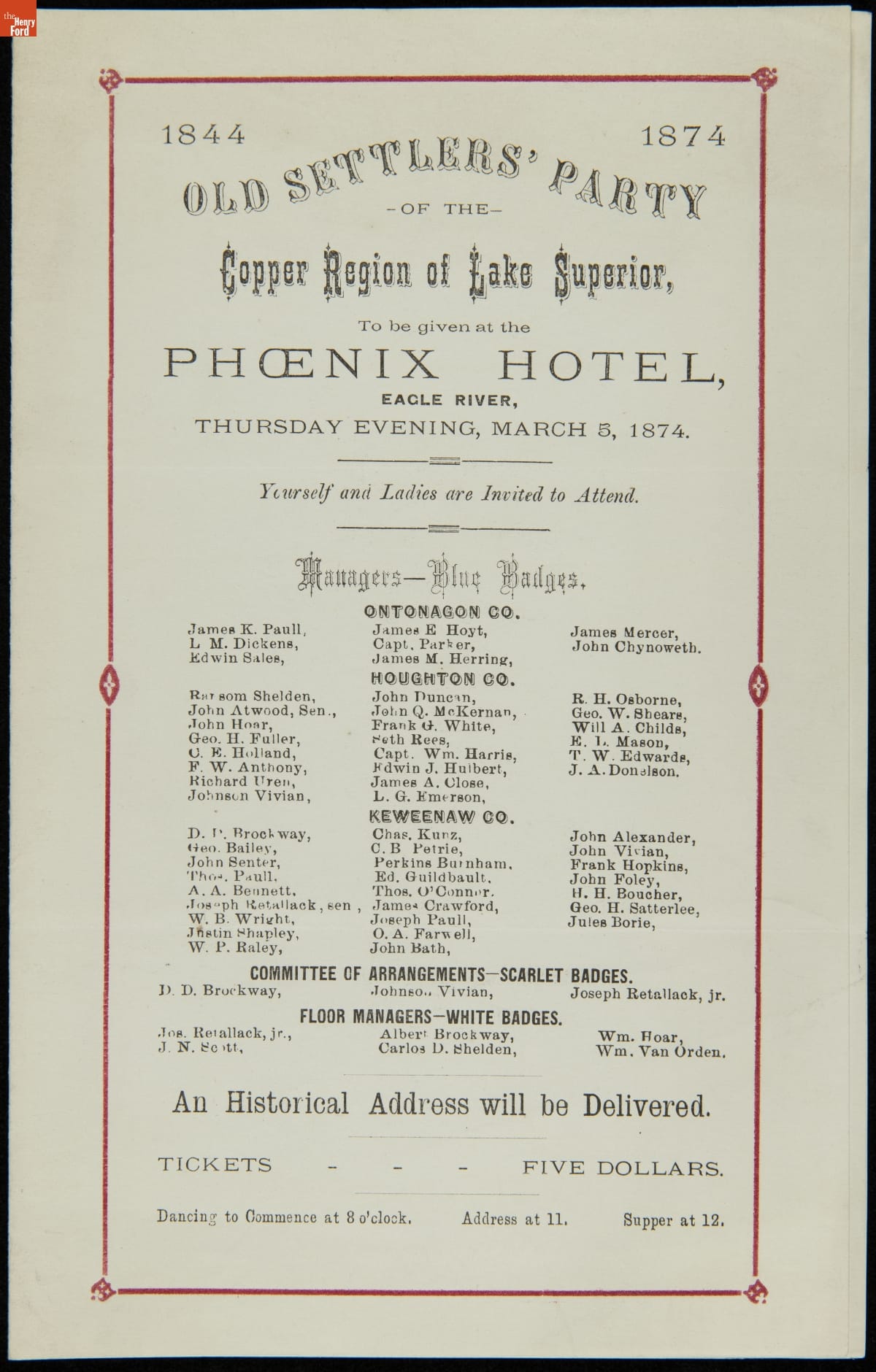
- Program, "Old Settlers' Party of the Copper Region of Lake Superior," Phoenix Hotel, Eagle River, Michigan, March 5, 1874 -
- March 05, 1874
- Collections - Artifact
Program, "Old Settlers' Party of the Copper Region of Lake Superior," Phoenix Hotel, Eagle River, Michigan, March 5, 1874
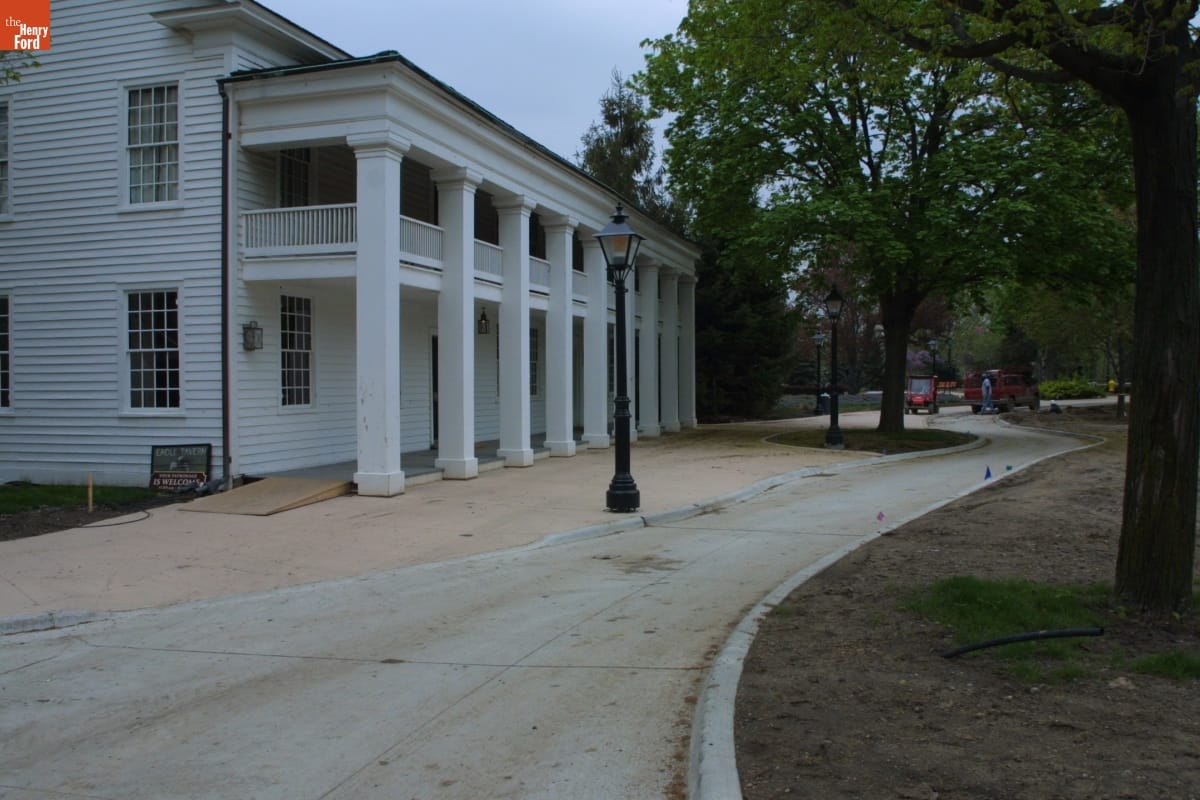
- Eagle Tavern during the Greenfield Village Restoration Project, May 2003 - By 2000, Greenfield Village began showing its age. Buildings and crumbling infrastructure desperately needed repair. Museum planners envisioned a revitalized village. They created themed "Historic Districts" by relocating and refurbishing the historic structures. Workers repaved streets and upgraded water, sewer, electric, and gas lines. In June 2003, nine months after restoration began, visitors passed through a new entrance into a reborn Greenfield Village.
- May 01, 2003
- Collections - Artifact
Eagle Tavern during the Greenfield Village Restoration Project, May 2003
By 2000, Greenfield Village began showing its age. Buildings and crumbling infrastructure desperately needed repair. Museum planners envisioned a revitalized village. They created themed "Historic Districts" by relocating and refurbishing the historic structures. Workers repaved streets and upgraded water, sewer, electric, and gas lines. In June 2003, nine months after restoration began, visitors passed through a new entrance into a reborn Greenfield Village.
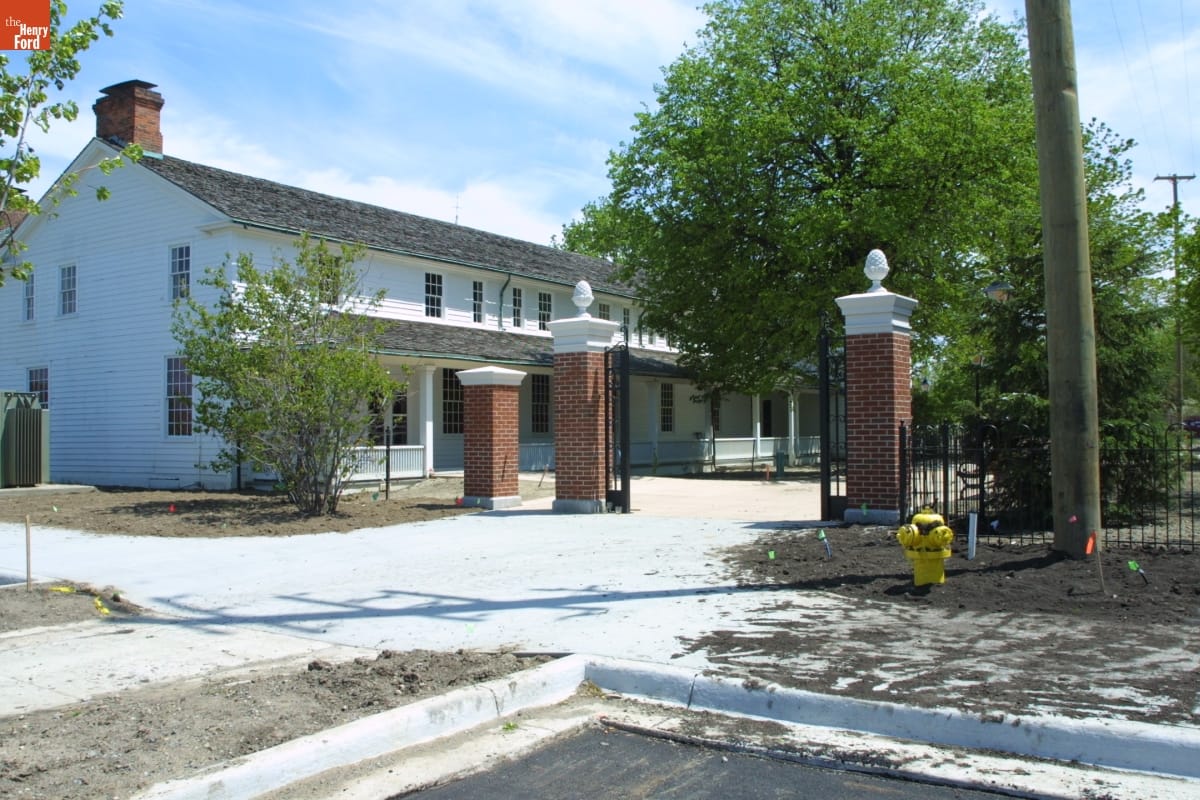
- Eagle Tavern during the Greenfield Village Restoration Project, May 2003 - By 2000, Greenfield Village began showing its age. Buildings and crumbling infrastructure desperately needed repair. Museum planners envisioned a revitalized village. They created themed "Historic Districts" by relocating and refurbishing the historic structures. Workers repaved streets and upgraded water, sewer, electric, and gas lines. In June 2003, nine months after restoration began, visitors passed through a new entrance into a reborn Greenfield Village.
- May 01, 2003
- Collections - Artifact
Eagle Tavern during the Greenfield Village Restoration Project, May 2003
By 2000, Greenfield Village began showing its age. Buildings and crumbling infrastructure desperately needed repair. Museum planners envisioned a revitalized village. They created themed "Historic Districts" by relocating and refurbishing the historic structures. Workers repaved streets and upgraded water, sewer, electric, and gas lines. In June 2003, nine months after restoration began, visitors passed through a new entrance into a reborn Greenfield Village.
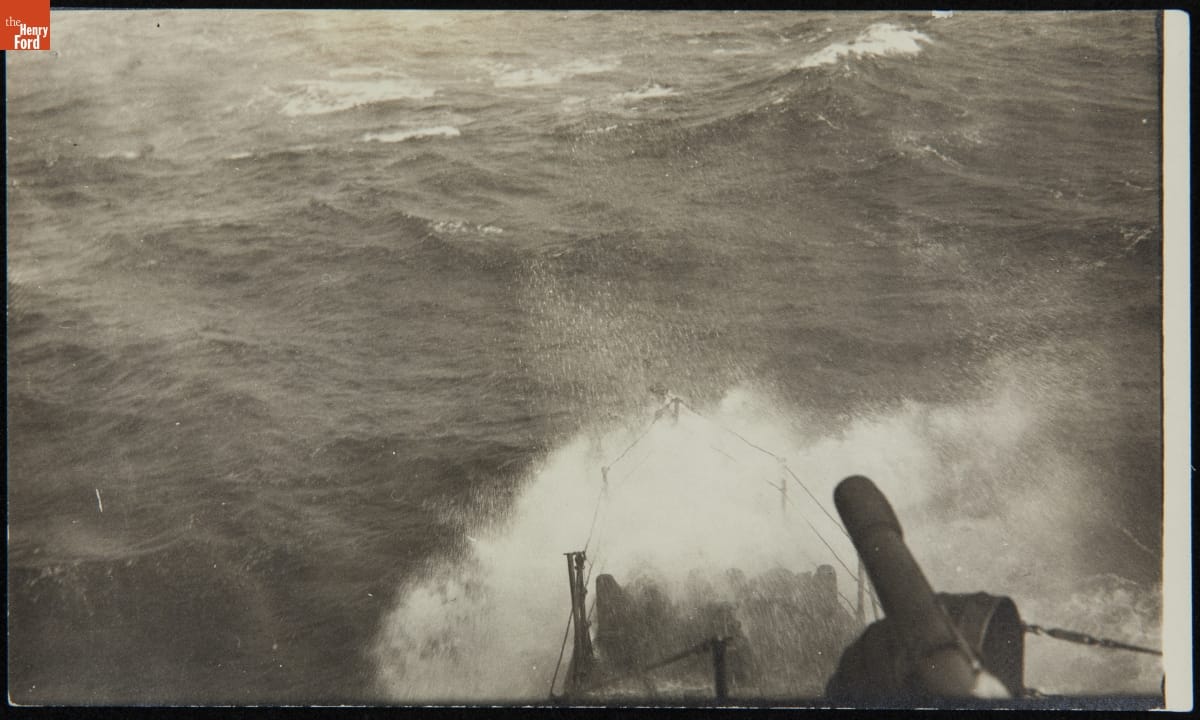
- View Over the Bow of USS Eagle 3, Bound for Arkhangelsk, May-June 1919 - World War I ended before any of the 60 Ford-built Eagle submarine chasers could participate in the conflict. But three Eagle boats were sent to northern Russia in 1919 to aid the American Expeditionary Force in action against the Bolsheviks. The Americans landed at Arkhangelsk, near the Arctic Circle, and called themselves the "Polar Bears."
- May 1919-June 1919
- Collections - Artifact
View Over the Bow of USS Eagle 3, Bound for Arkhangelsk, May-June 1919
World War I ended before any of the 60 Ford-built Eagle submarine chasers could participate in the conflict. But three Eagle boats were sent to northern Russia in 1919 to aid the American Expeditionary Force in action against the Bolsheviks. The Americans landed at Arkhangelsk, near the Arctic Circle, and called themselves the "Polar Bears."
- USS Eagles 1 and 2 from the Stern of Eagle 3 on the English Channel, Bound for Arkhangelsk, May 1919 - World War I ended before any of the 60 Ford-built Eagle submarine chasers could participate in the conflict. But three Eagle boats were sent to northern Russia in 1919 to aid the American Expeditionary Force in action against the Bolsheviks. The Americans landed at Arkhangelsk, near the Arctic Circle, and called themselves the "Polar Bears."
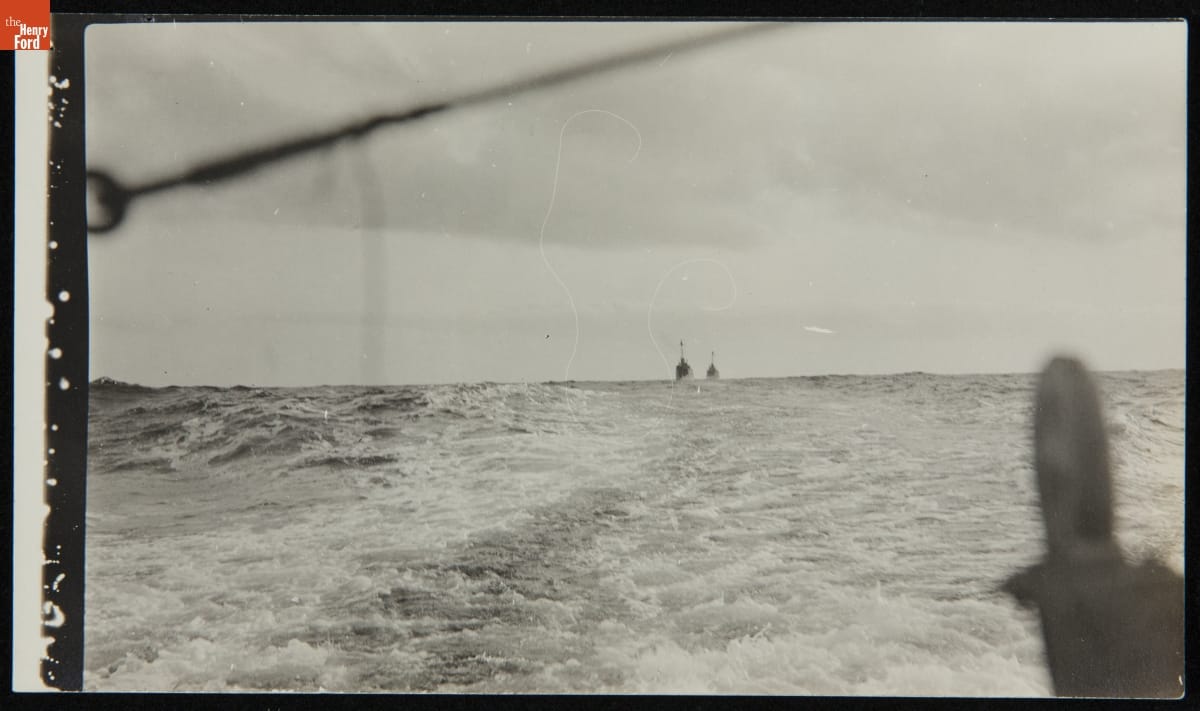
- May 01, 1919
- Collections - Artifact
USS Eagles 1 and 2 from the Stern of Eagle 3 on the English Channel, Bound for Arkhangelsk, May 1919
World War I ended before any of the 60 Ford-built Eagle submarine chasers could participate in the conflict. But three Eagle boats were sent to northern Russia in 1919 to aid the American Expeditionary Force in action against the Bolsheviks. The Americans landed at Arkhangelsk, near the Arctic Circle, and called themselves the "Polar Bears."
- USS Eagles 1, 2, and 3 at Plymouth, England, Bound for Arkhangelsk, May 1919 - World War I ended before any of the 60 Ford-built Eagle submarine chasers could participate in the conflict. But three Eagle boats were sent to northern Russia in 1919 to aid the American Expeditionary Force in action against the Bolsheviks. The Americans landed at Arkhangelsk, near the Arctic Circle, and called themselves the "Polar Bears."
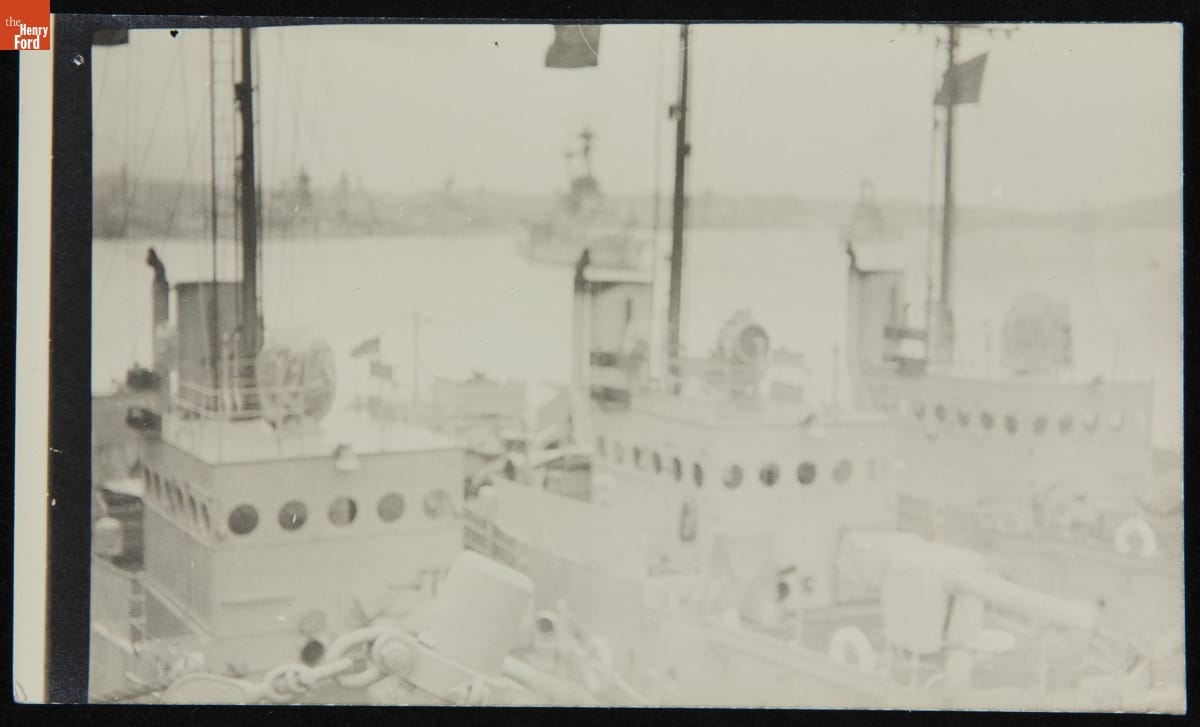
- May 01, 1919
- Collections - Artifact
USS Eagles 1, 2, and 3 at Plymouth, England, Bound for Arkhangelsk, May 1919
World War I ended before any of the 60 Ford-built Eagle submarine chasers could participate in the conflict. But three Eagle boats were sent to northern Russia in 1919 to aid the American Expeditionary Force in action against the Bolsheviks. The Americans landed at Arkhangelsk, near the Arctic Circle, and called themselves the "Polar Bears."
- USS Eagles 1, 2, and 3 at Plymouth, England, Bound for Arkhangelsk, May 1919 - World War I ended before any of the 60 Ford-built Eagle submarine chasers could participate in the conflict. But three Eagle boats were sent to northern Russia in 1919 to aid the American Expeditionary Force in action against the Bolsheviks. The Americans landed at Arkhangelsk, near the Arctic Circle, and called themselves the "Polar Bears."
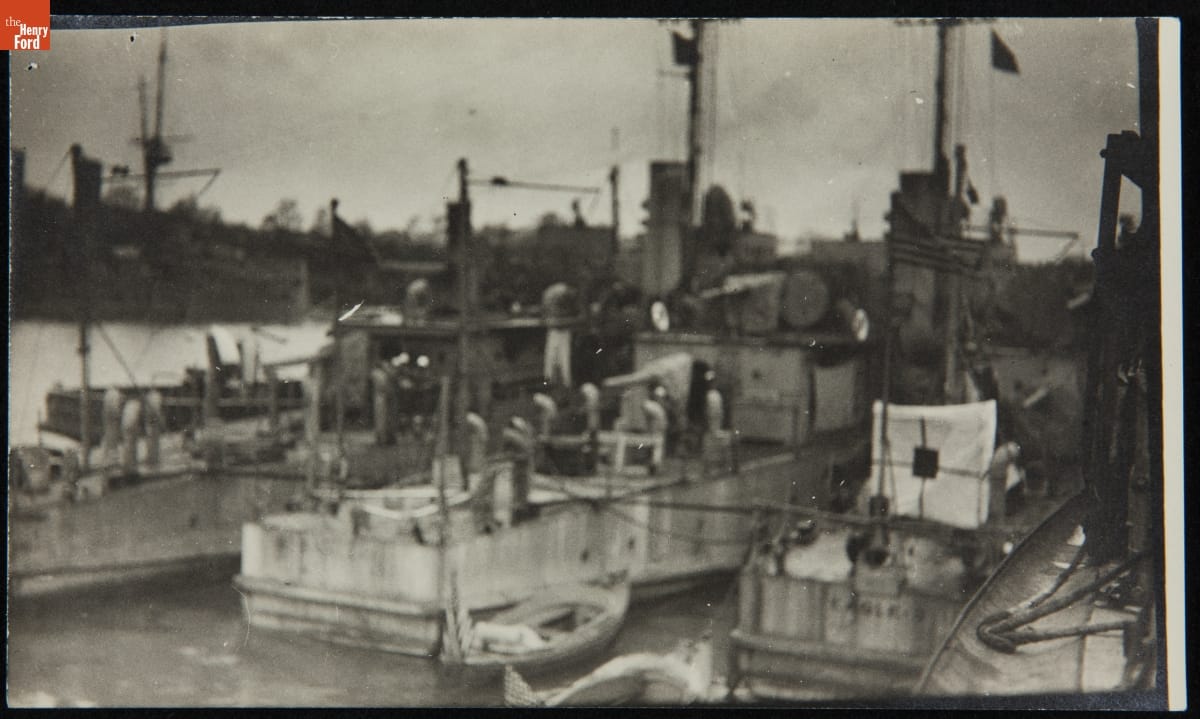
- May 01, 1919
- Collections - Artifact
USS Eagles 1, 2, and 3 at Plymouth, England, Bound for Arkhangelsk, May 1919
World War I ended before any of the 60 Ford-built Eagle submarine chasers could participate in the conflict. But three Eagle boats were sent to northern Russia in 1919 to aid the American Expeditionary Force in action against the Bolsheviks. The Americans landed at Arkhangelsk, near the Arctic Circle, and called themselves the "Polar Bears."
- Hammerfest, Norway from USS Eagle 3, Bound for Arkhangelsk, May 20, 1919 - World War I ended before any of the 60 Ford-built Eagle submarine chasers could participate in the conflict. But three Eagle boats were sent to northern Russia in 1919 to aid the American Expeditionary Force in action against the Bolsheviks. The Americans landed at Arkhangelsk, near the Arctic Circle, and called themselves the "Polar Bears."
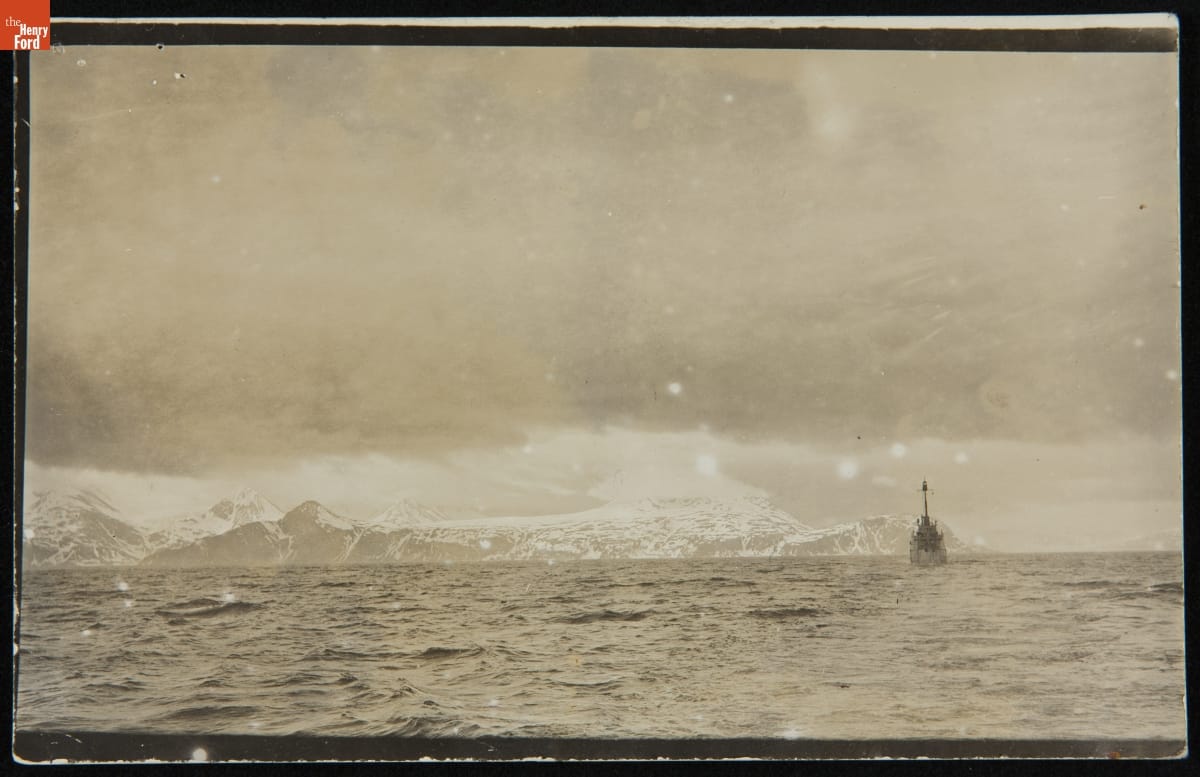
- May 20, 1919
- Collections - Artifact
Hammerfest, Norway from USS Eagle 3, Bound for Arkhangelsk, May 20, 1919
World War I ended before any of the 60 Ford-built Eagle submarine chasers could participate in the conflict. But three Eagle boats were sent to northern Russia in 1919 to aid the American Expeditionary Force in action against the Bolsheviks. The Americans landed at Arkhangelsk, near the Arctic Circle, and called themselves the "Polar Bears."
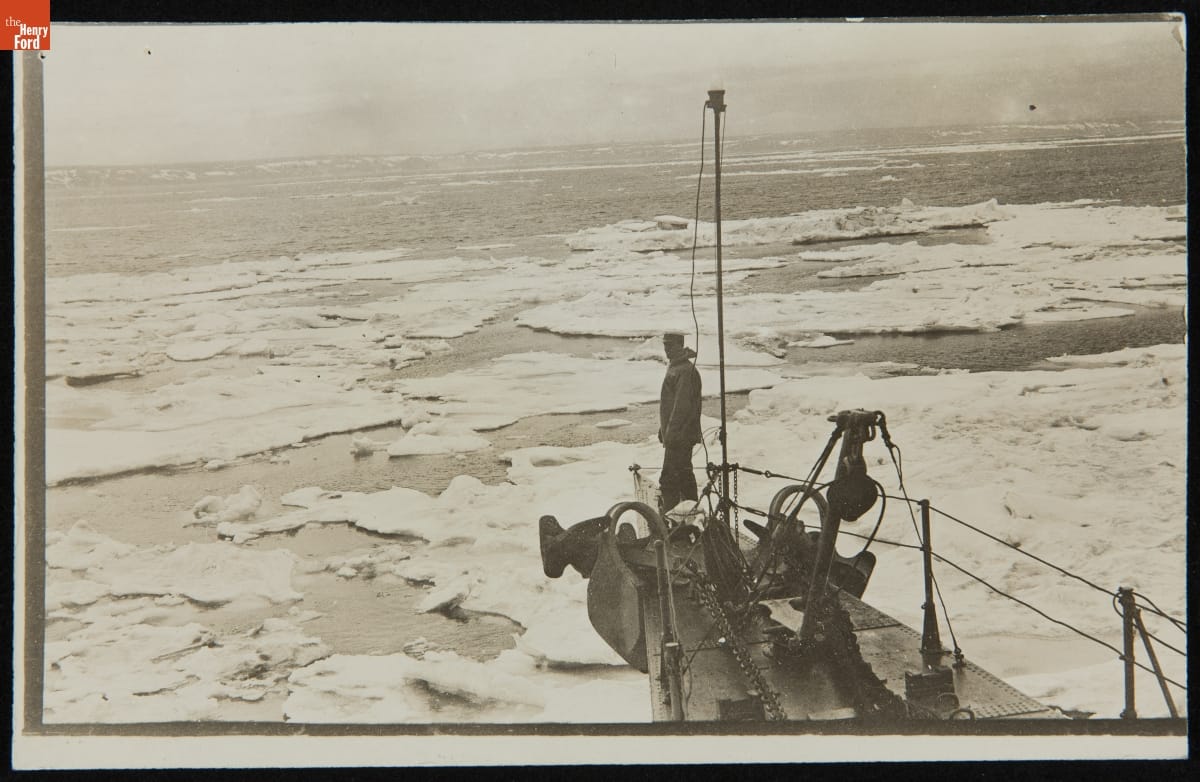
- USS Eagle Boat off Northern Russia, Bound for Arkhangelsk, June 14, 1919 - World War I ended before any of the 60 Ford-built Eagle submarine chasers could participate in the conflict. But three Eagle boats were sent to northern Russia in 1919 to aid the American Expeditionary Force in action against the Bolsheviks. The Americans landed at Arkhangelsk, near the Arctic Circle, and called themselves the "Polar Bears."
- June 14, 1919
- Collections - Artifact
USS Eagle Boat off Northern Russia, Bound for Arkhangelsk, June 14, 1919
World War I ended before any of the 60 Ford-built Eagle submarine chasers could participate in the conflict. But three Eagle boats were sent to northern Russia in 1919 to aid the American Expeditionary Force in action against the Bolsheviks. The Americans landed at Arkhangelsk, near the Arctic Circle, and called themselves the "Polar Bears."
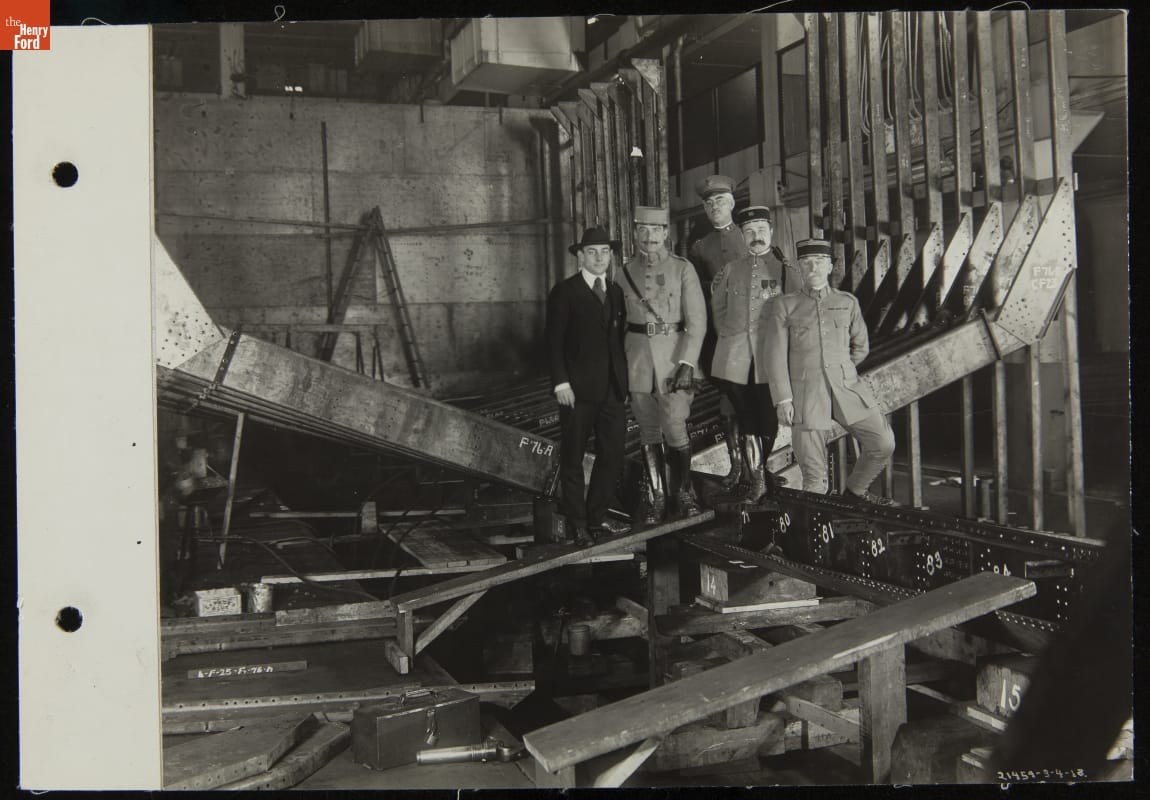
- French Officers Inspecting Prototype Eagle Boat Being Built at the Ford Highland Park Plant, April 1918 - During World War I, Ford Motor Company built Eagle anti-submarine patrol boats for the U.S. Navy. Ford assembled the prototype boat at Highland Park and then moved it, on railroad flatcars, to the Rouge. The remaining Eagle hulls were constructed on site at the Rouge, but Ford continued to build the boats' turbine engines and propulsion systems at Highland Park.
- April 09, 1918
- Collections - Artifact
French Officers Inspecting Prototype Eagle Boat Being Built at the Ford Highland Park Plant, April 1918
During World War I, Ford Motor Company built Eagle anti-submarine patrol boats for the U.S. Navy. Ford assembled the prototype boat at Highland Park and then moved it, on railroad flatcars, to the Rouge. The remaining Eagle hulls were constructed on site at the Rouge, but Ford continued to build the boats' turbine engines and propulsion systems at Highland Park.