
Search
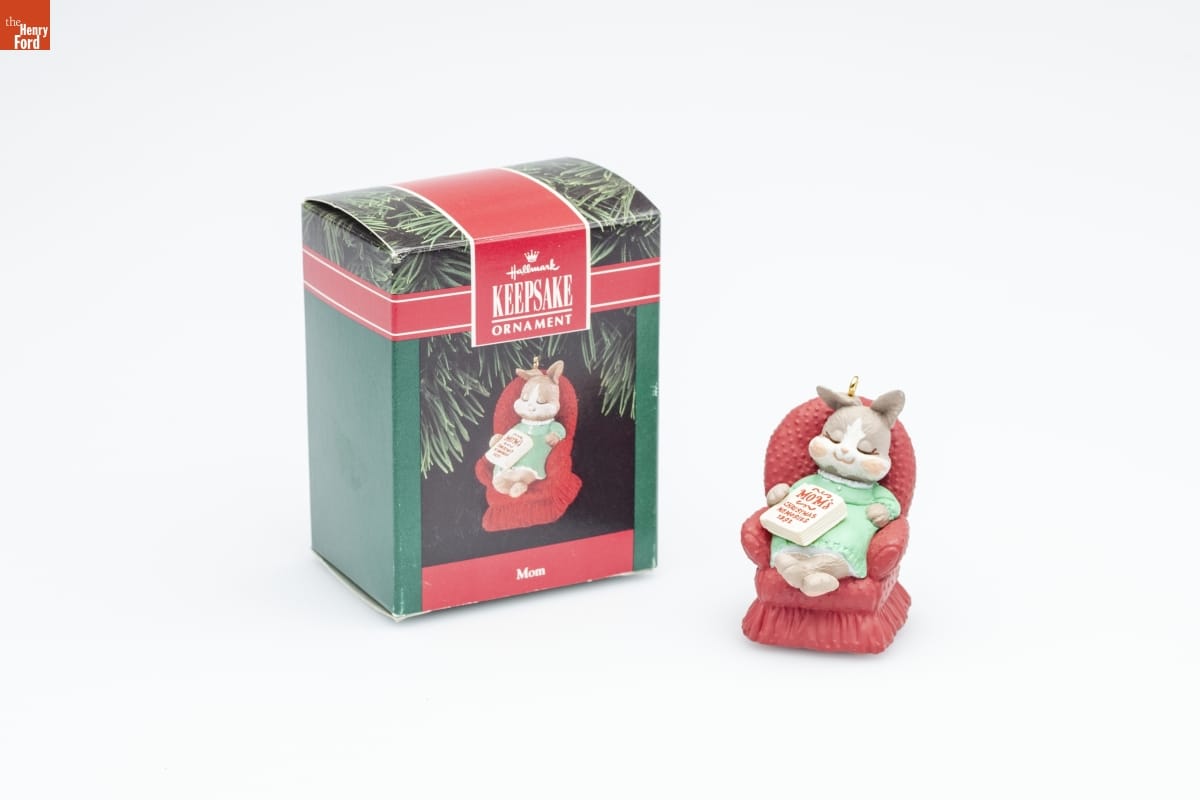
- Hallmark "Mom" Christmas Ornament, 1992 - Already known for greeting cards, Hallmark introduced a line of Christmas ornaments in 1973. The company's annual release of an increasing array of ornaments revolutionized Christmas decorating, appealing to customers' interest in marking memories and milestones as well as expressing one's personality and unique tastes.
- 1992
- Collections - Artifact
Hallmark "Mom" Christmas Ornament, 1992
Already known for greeting cards, Hallmark introduced a line of Christmas ornaments in 1973. The company's annual release of an increasing array of ornaments revolutionized Christmas decorating, appealing to customers' interest in marking memories and milestones as well as expressing one's personality and unique tastes.
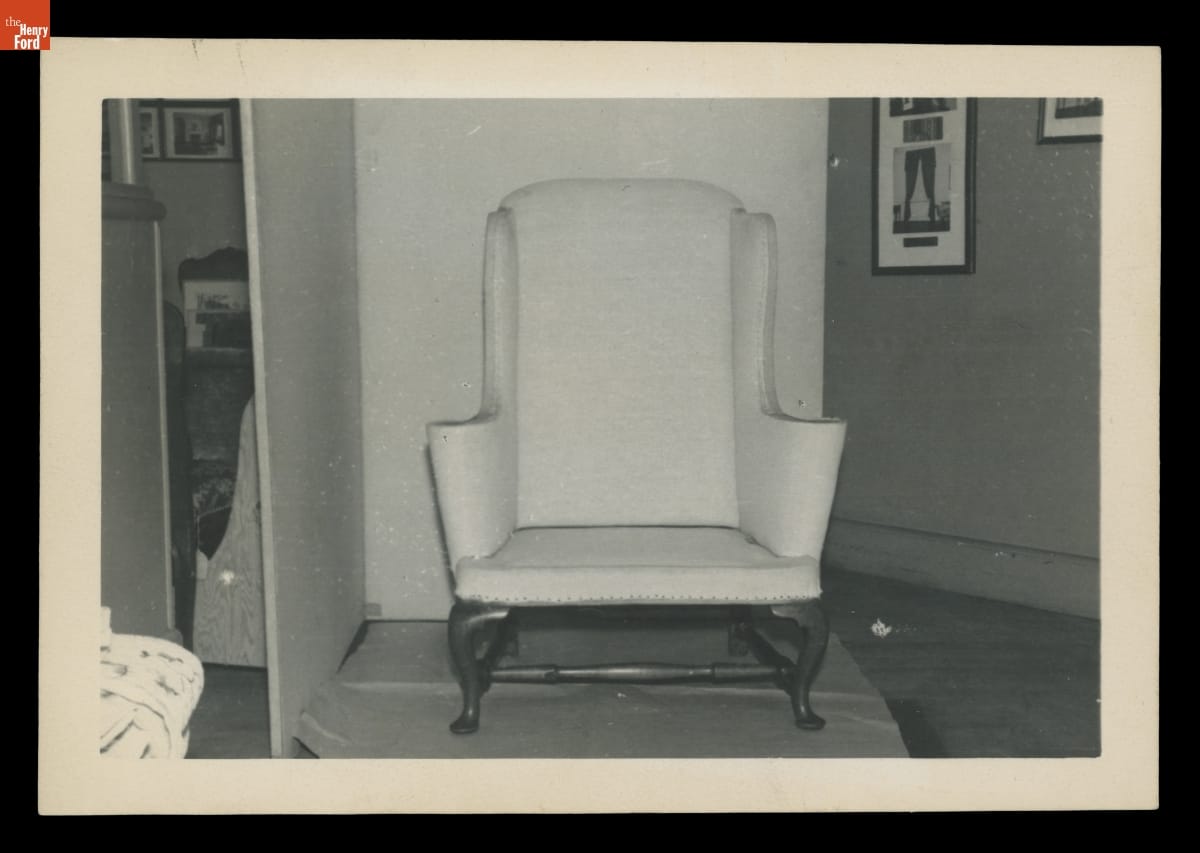
- Easy Chair, 1730-1760, Photographed at Ernest LoNano Interiors in New York, 1950-1953 - The firm of Ernest LoNano -- active from 1912 into the 1980s -- was known as the premier re-upholsterers of antique American furniture. Museums from coast to coast sought the advice of three generations of LoNanos for accuracy in period upholstery fabrics. The company specialized in adapting historic fabrics for reuse. This photograph documents the re-upholstery process on The Henry Ford's furniture by the firm.
- 1950-1953
- Collections - Artifact
Easy Chair, 1730-1760, Photographed at Ernest LoNano Interiors in New York, 1950-1953
The firm of Ernest LoNano -- active from 1912 into the 1980s -- was known as the premier re-upholsterers of antique American furniture. Museums from coast to coast sought the advice of three generations of LoNanos for accuracy in period upholstery fabrics. The company specialized in adapting historic fabrics for reuse. This photograph documents the re-upholstery process on The Henry Ford's furniture by the firm.
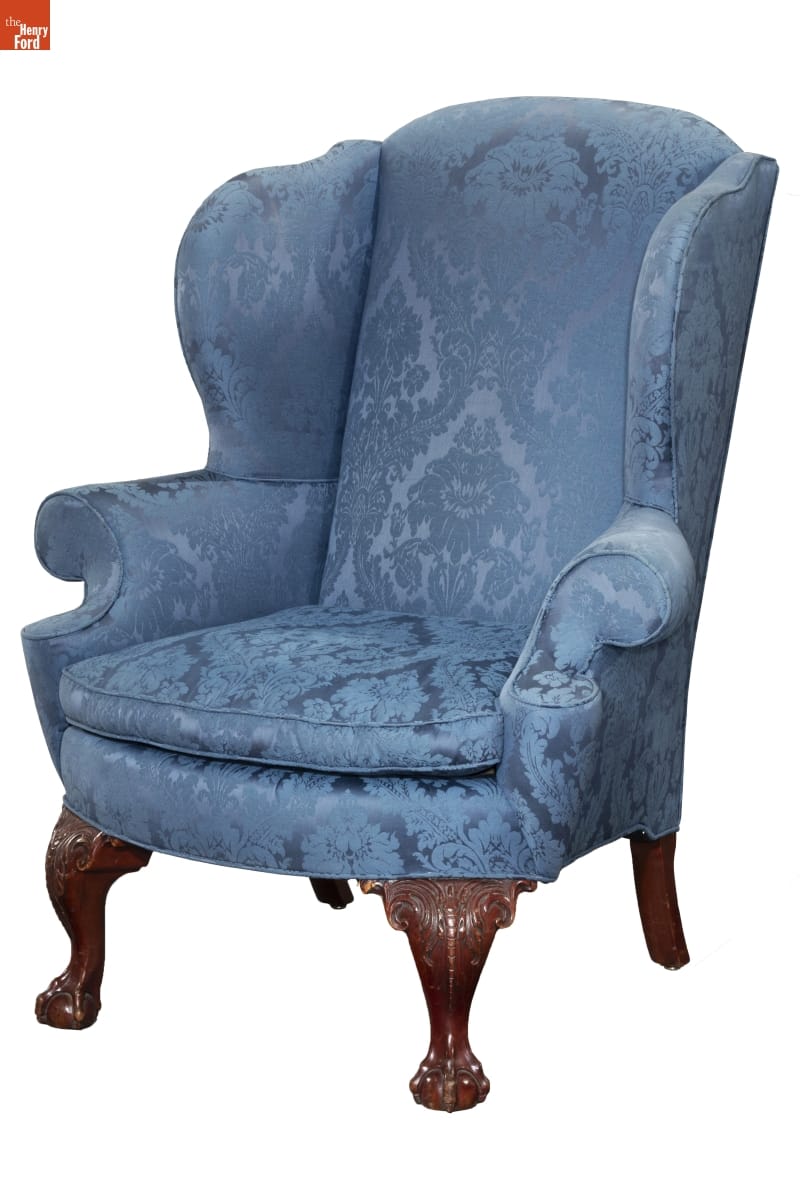
- Easy Chair, 1936-1937 - Edsel Ford, who directed the design, construction, and furnishings in the Museum's Lovett Hall purchased high-style antique furniture, for use as models for reproductions. Lovett Hall features a large ballroom, used for Henry Ford's "Old Time" dancing parties. This reproduction of an 18th century easy chair was used by party guests for rest, socializing, and dining.
- 1936-1937
- Collections - Artifact
Easy Chair, 1936-1937
Edsel Ford, who directed the design, construction, and furnishings in the Museum's Lovett Hall purchased high-style antique furniture, for use as models for reproductions. Lovett Hall features a large ballroom, used for Henry Ford's "Old Time" dancing parties. This reproduction of an 18th century easy chair was used by party guests for rest, socializing, and dining.
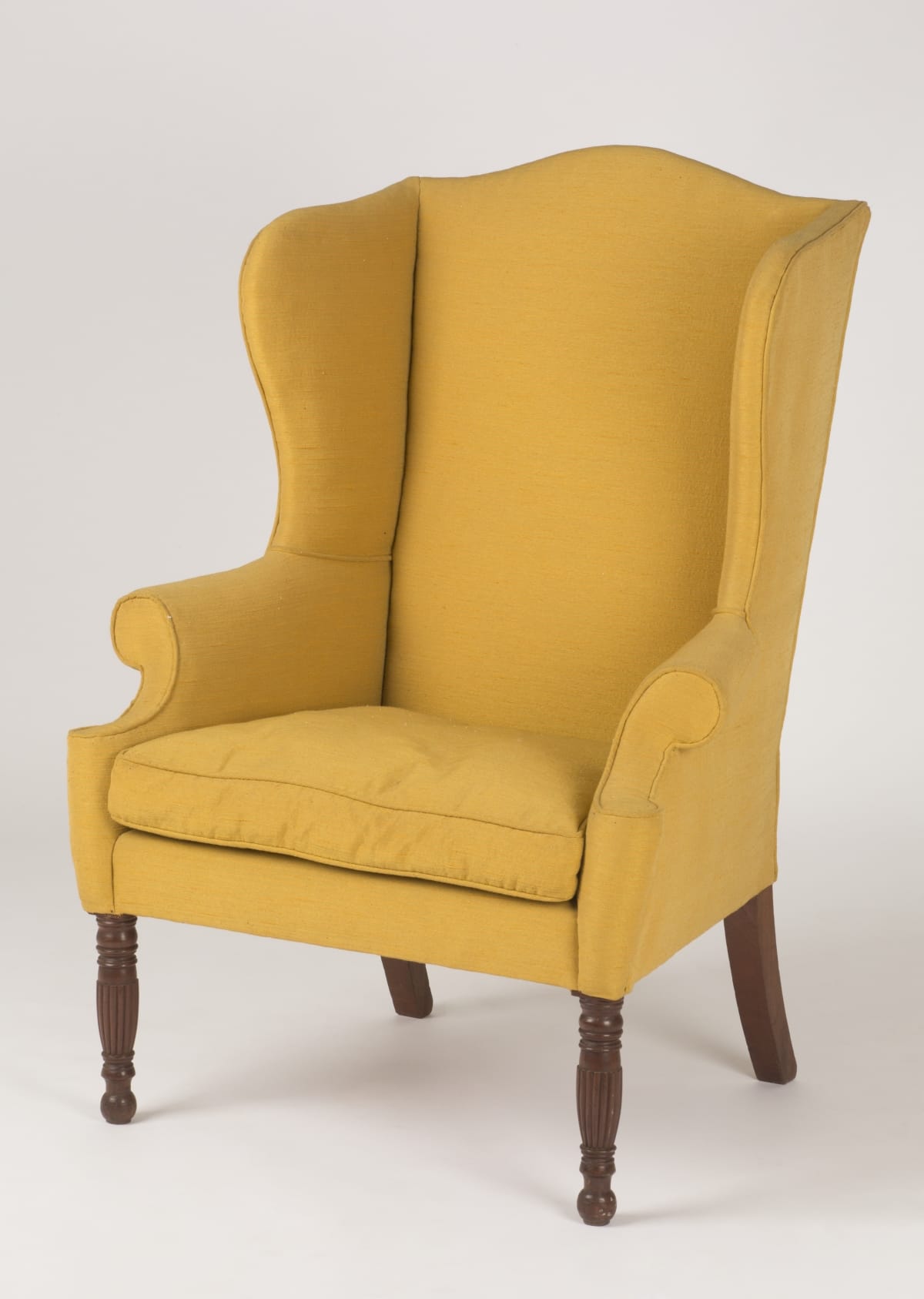
- Winged Easy Chair, 1820-1840 -
- 1820-1840
- Collections - Artifact
Winged Easy Chair, 1820-1840
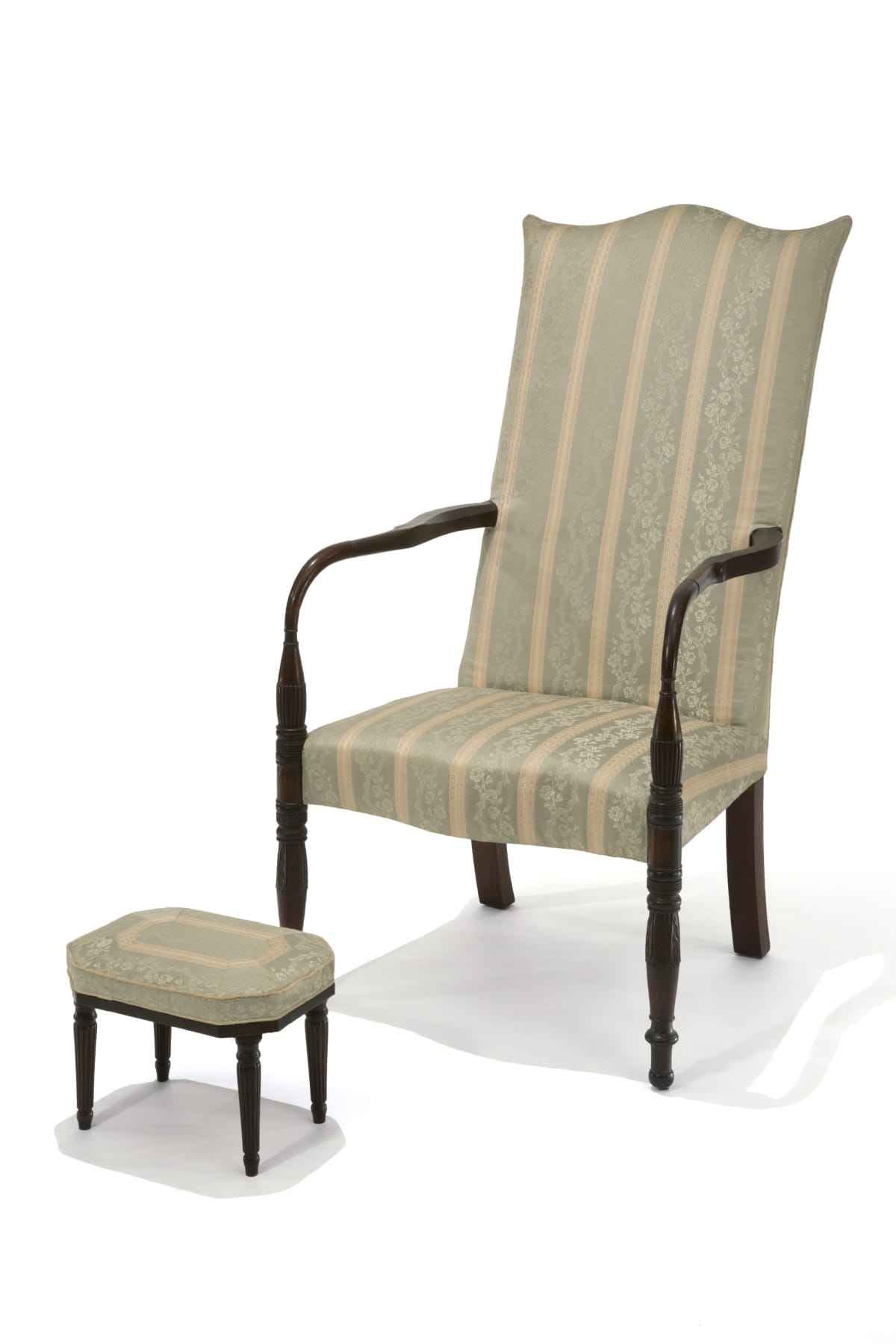
- Lolling Chair, circa 1800-1815 - As Americans became wealthier in the 1790s, chairs designed for relaxation or "lolling" became an option for fashionable ladies and gentlemen of means. Lolling chairs -- with their unpadded spider-like arms and upholstered seats and backs -- expressed the comfort and leisure attained by the Federal-era well-to-do.
- circa 1800-1815
- Collections - Artifact
Lolling Chair, circa 1800-1815
As Americans became wealthier in the 1790s, chairs designed for relaxation or "lolling" became an option for fashionable ladies and gentlemen of means. Lolling chairs -- with their unpadded spider-like arms and upholstered seats and backs -- expressed the comfort and leisure attained by the Federal-era well-to-do.
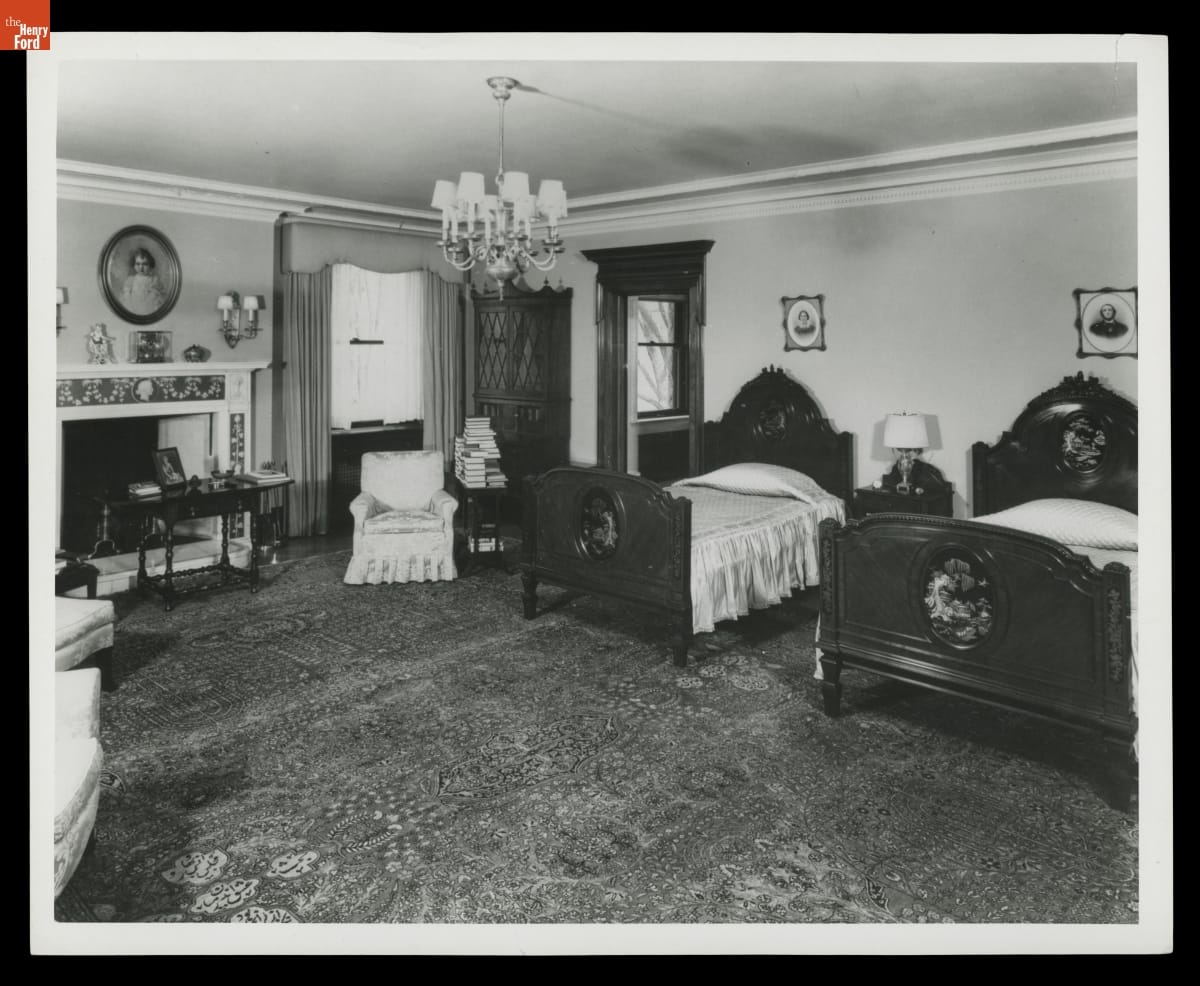
- Master Bedroom at Fair Lane, Home of Henry Ford, April 1951 - In the early 1910s, Henry and Clara Ford selected 1300 acres of farmland in Dearborn, Michigan, as the site for a new house -- shunning the eastern suburbs chosen by many of Detroit's wealthy citizens. In 1916, the couple moved into their newly constructed 31,000-square-foot home. The mansion contained 56 rooms including seven bedrooms, fifteen baths, and other standard living spaces.
- April 27, 1951
- Collections - Artifact
Master Bedroom at Fair Lane, Home of Henry Ford, April 1951
In the early 1910s, Henry and Clara Ford selected 1300 acres of farmland in Dearborn, Michigan, as the site for a new house -- shunning the eastern suburbs chosen by many of Detroit's wealthy citizens. In 1916, the couple moved into their newly constructed 31,000-square-foot home. The mansion contained 56 rooms including seven bedrooms, fifteen baths, and other standard living spaces.
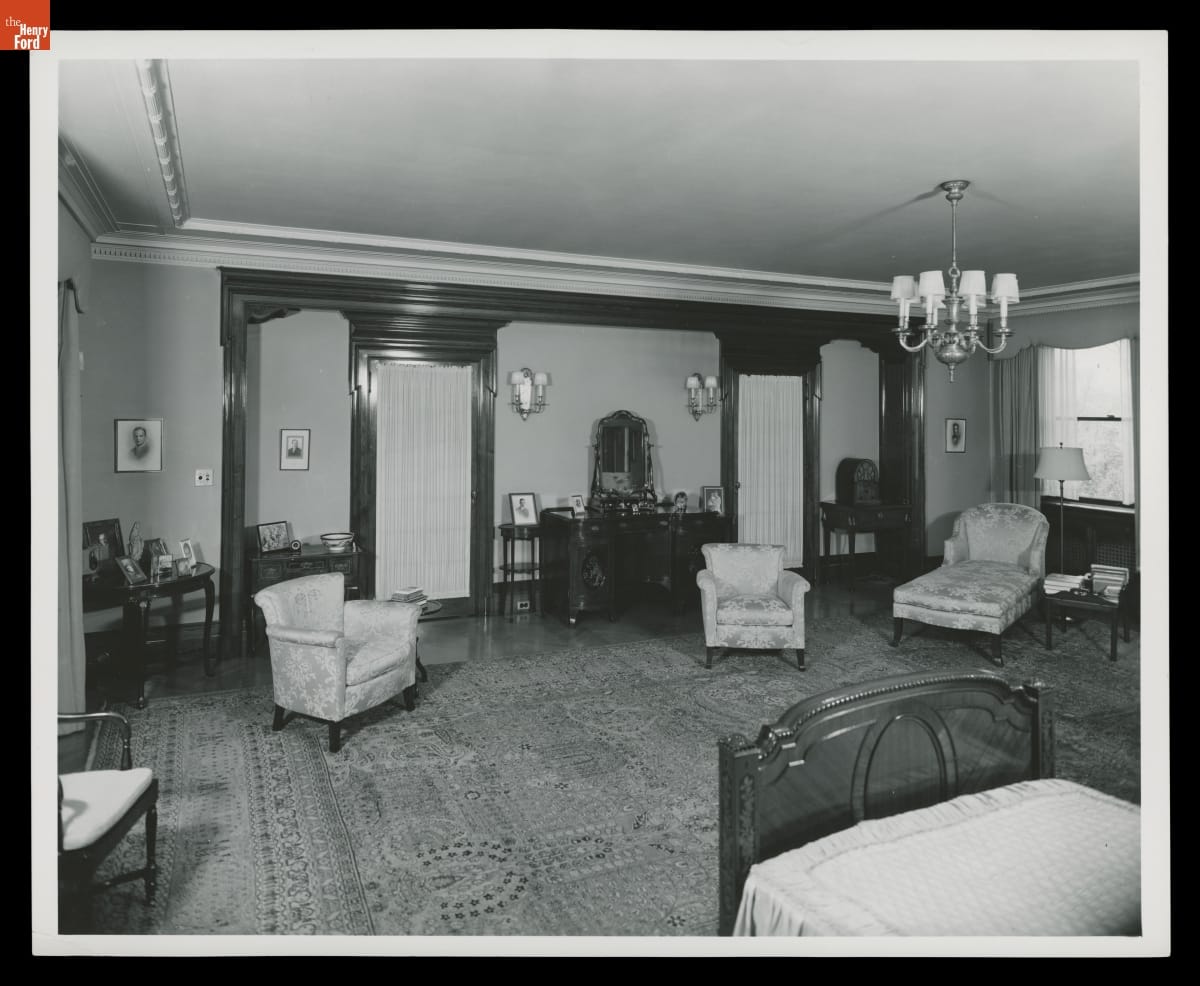
- Master Bedroom at Fair Lane, Home of Henry Ford, April 1951 - In the early 1910s, Henry and Clara Ford selected 1300 acres of farmland in Dearborn, Michigan, as the site for a new house -- shunning the eastern suburbs chosen by many of Detroit's wealthy citizens. In 1916, the couple moved into their newly constructed 31,000-square-foot home. The mansion contained 56 rooms including seven bedrooms, fifteen baths, and other standard living spaces.
- April 27, 1951
- Collections - Artifact
Master Bedroom at Fair Lane, Home of Henry Ford, April 1951
In the early 1910s, Henry and Clara Ford selected 1300 acres of farmland in Dearborn, Michigan, as the site for a new house -- shunning the eastern suburbs chosen by many of Detroit's wealthy citizens. In 1916, the couple moved into their newly constructed 31,000-square-foot home. The mansion contained 56 rooms including seven bedrooms, fifteen baths, and other standard living spaces.
- Easy Chair, 1885-1905 -
- 1885-1905
- Collections - Artifact
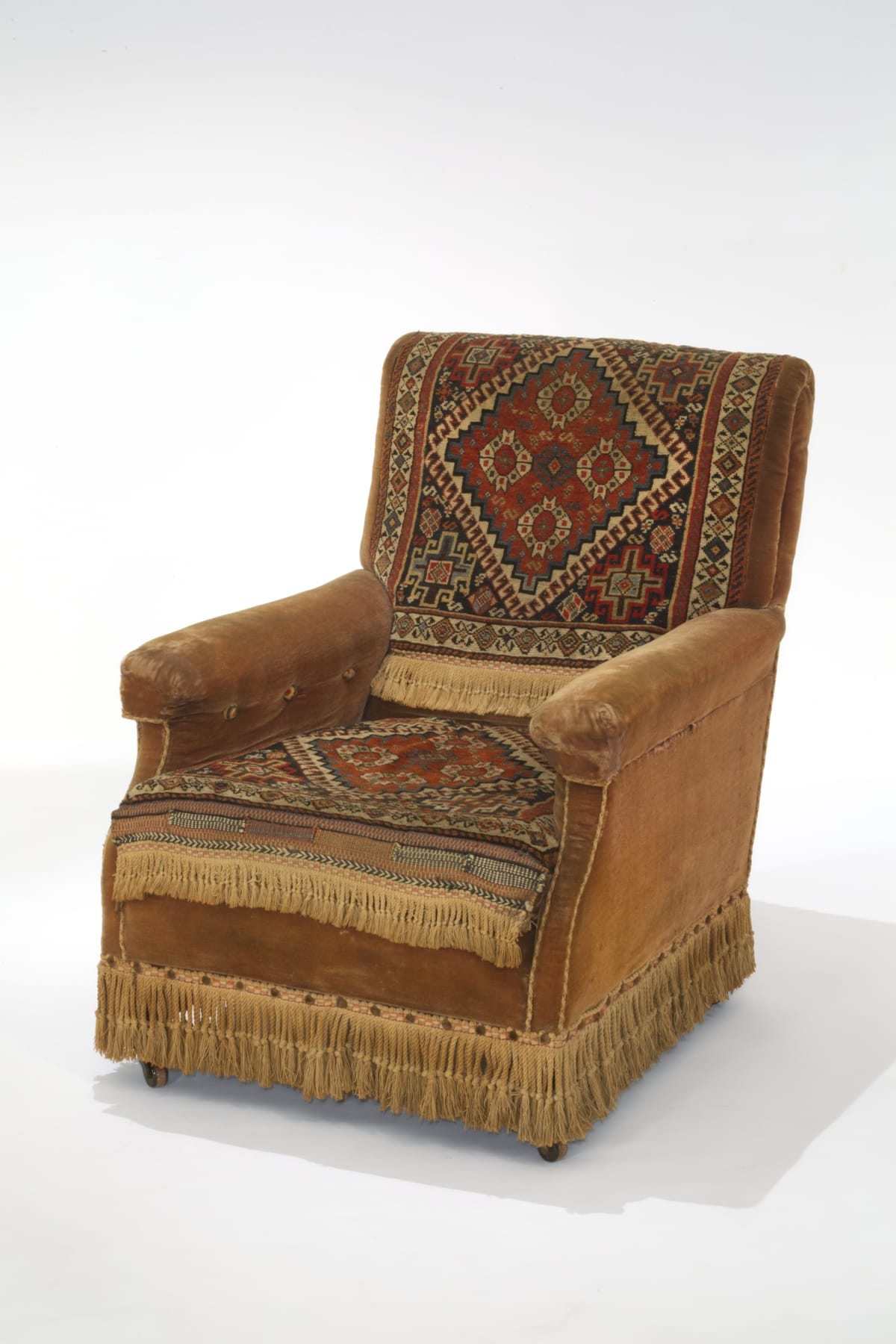
Easy Chair, 1885-1905
- Hallmark "Sleepy Santa" Christmas Ornament, 1987 - Already known for greeting cards, Hallmark introduced a line of Christmas ornaments in 1973. The company's annual release of an increasing array of ornaments revolutionized Christmas decorating, appealing to customers' interest in marking memories and milestones as well as expressing one's personality and unique tastes.
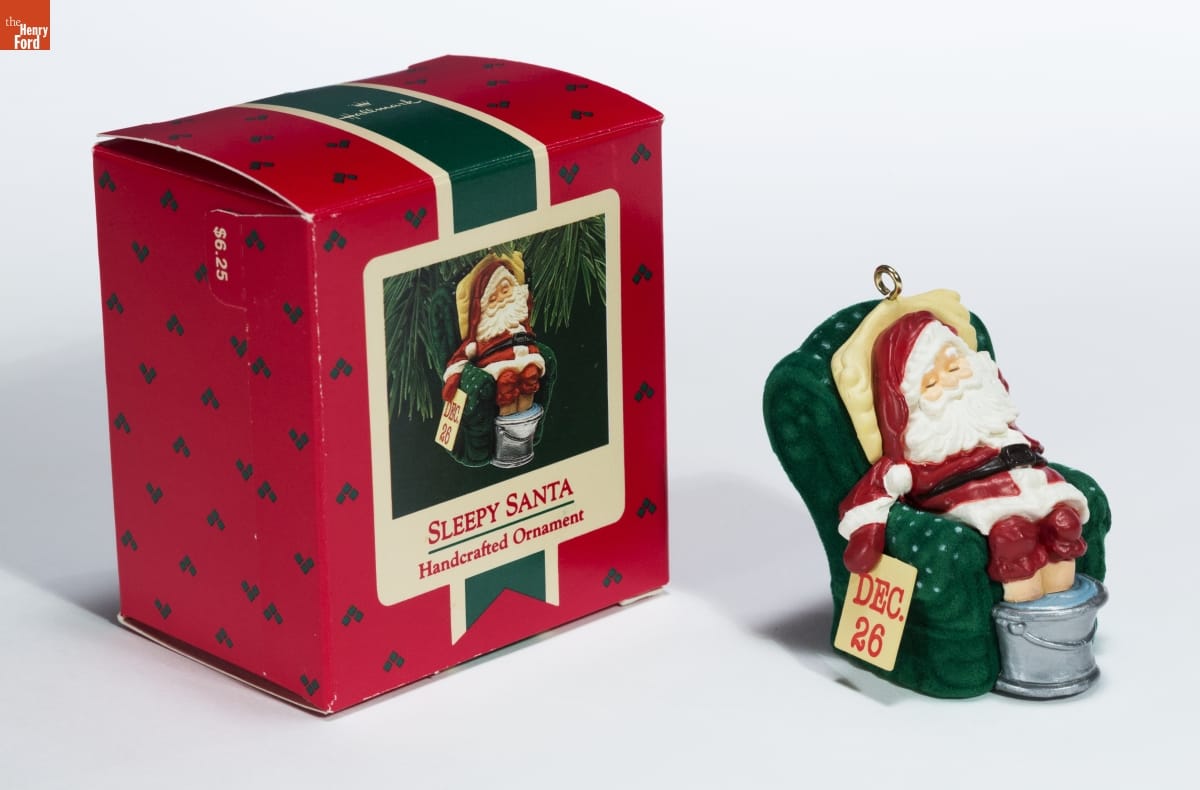
- 1987
- Collections - Artifact
Hallmark "Sleepy Santa" Christmas Ornament, 1987
Already known for greeting cards, Hallmark introduced a line of Christmas ornaments in 1973. The company's annual release of an increasing array of ornaments revolutionized Christmas decorating, appealing to customers' interest in marking memories and milestones as well as expressing one's personality and unique tastes.
- Hallmark "Go Teams!" Christmas Ornament, 2004 - Already known for greeting cards, Hallmark introduced a line of Christmas ornaments in 1973. The company's annual release of an increasing array of ornaments revolutionized Christmas decorating, appealing to customers' interest in marking memories and milestones as well as expressing one's personality and unique tastes.
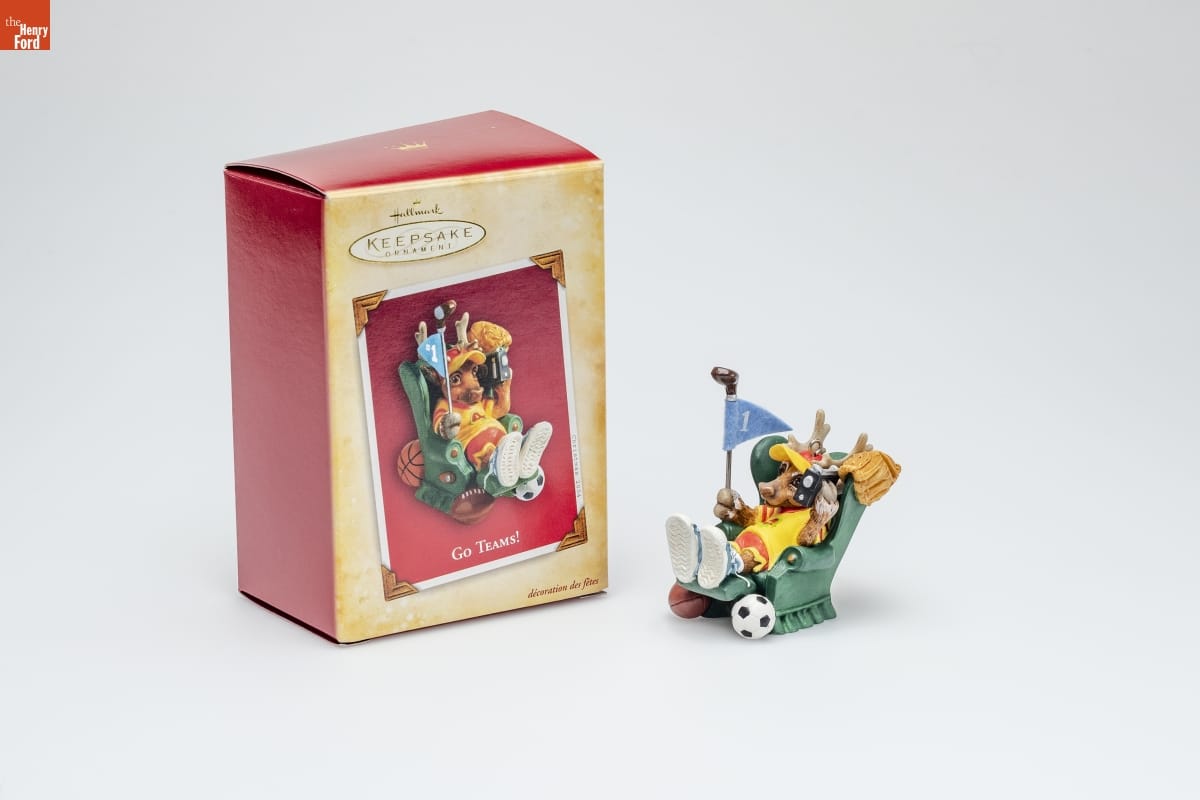
- 2004
- Collections - Artifact
Hallmark "Go Teams!" Christmas Ornament, 2004
Already known for greeting cards, Hallmark introduced a line of Christmas ornaments in 1973. The company's annual release of an increasing array of ornaments revolutionized Christmas decorating, appealing to customers' interest in marking memories and milestones as well as expressing one's personality and unique tastes.