
Search
- Book, "One Thousand Miles Up the Nile," 1888 - Wilbur and Orville Wright's parents believed in both formal and informal education. Their home was filled with books, and the children were encouraged to read at an early age. The Wright family owned this 1888 travel-adventure book, published and sold by Montgomery Ward & Company. Montgomery Ward, the first general mail order company in America, offered a wide range of goods by mail.

- 1888
- Collections - Artifact
Book, "One Thousand Miles Up the Nile," 1888
Wilbur and Orville Wright's parents believed in both formal and informal education. Their home was filled with books, and the children were encouraged to read at an early age. The Wright family owned this 1888 travel-adventure book, published and sold by Montgomery Ward & Company. Montgomery Ward, the first general mail order company in America, offered a wide range of goods by mail.
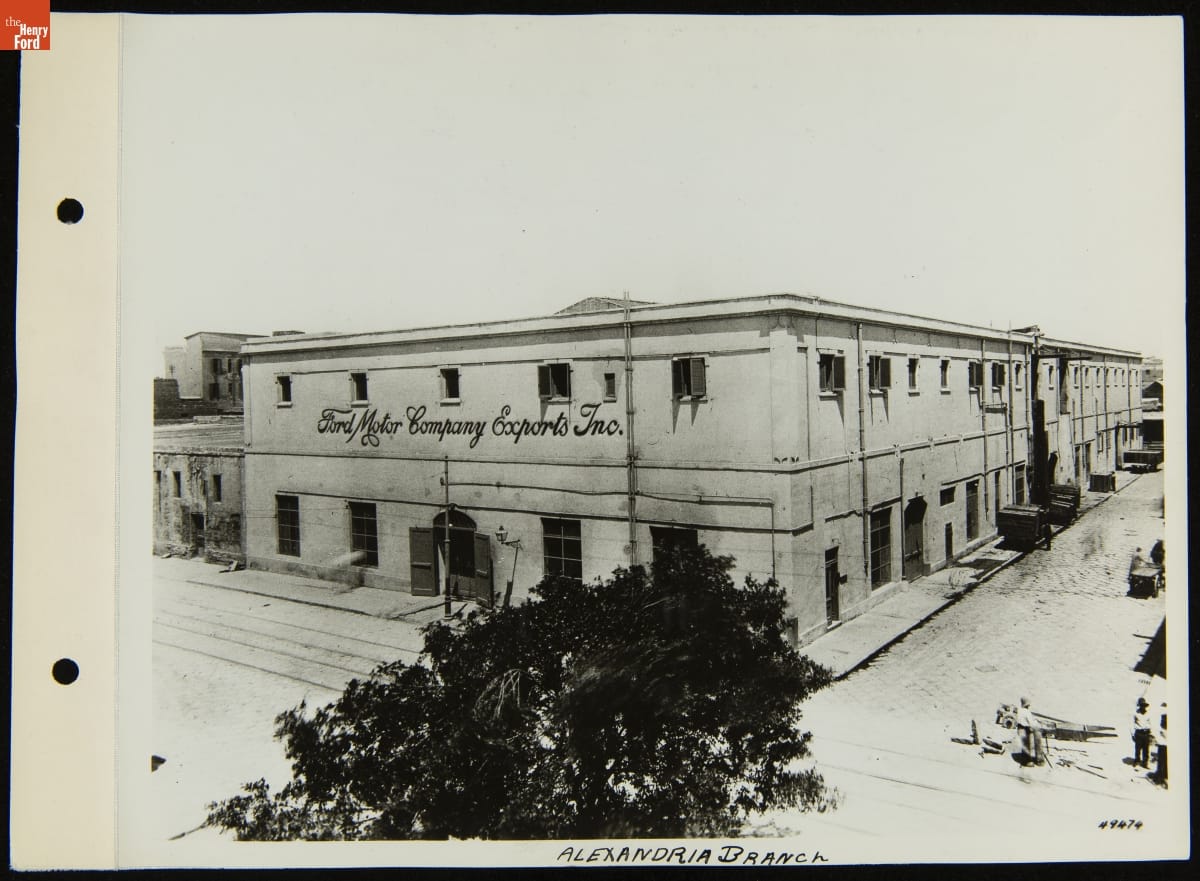
- Ford Motor Company Branch in Alexandria, Egypt, July 27, 1927 - Ford Motor Company operated sales and service branches in cities around the world. Ford's Alexandria, Egypt, branch opened in 1927. Generally, Ford vehicles sold in Egypt at that time were assembled in the company's factory at Trieste, Italy. Ford opened an assembly plant in Alexandria in 1950.
- July 27, 1927
- Collections - Artifact
Ford Motor Company Branch in Alexandria, Egypt, July 27, 1927
Ford Motor Company operated sales and service branches in cities around the world. Ford's Alexandria, Egypt, branch opened in 1927. Generally, Ford vehicles sold in Egypt at that time were assembled in the company's factory at Trieste, Italy. Ford opened an assembly plant in Alexandria in 1950.
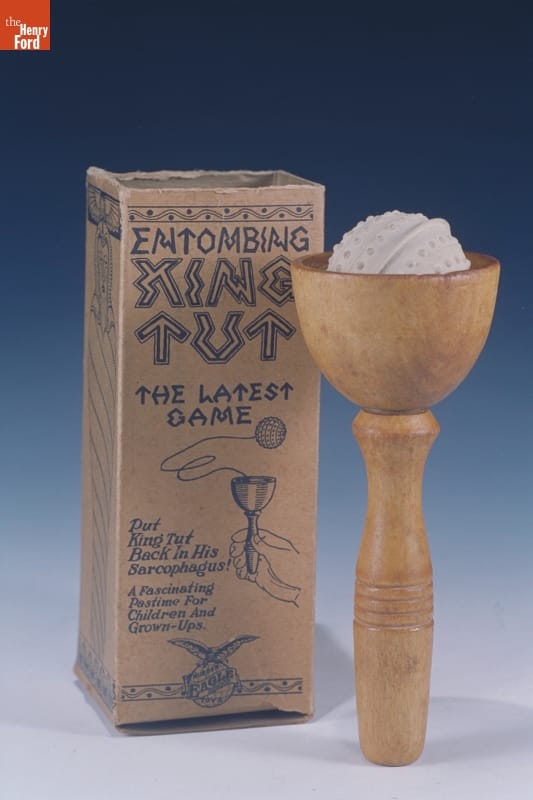
- "Entombing King Tut" Cup & Ball Game, 1920-1940 - The cup and ball is a classic toy that has been played for hundreds of years. Players swing a ball tied to a string and try to catch it in the cup. Clever marketers produced this version housed in a box decorated with Egyptian motifs. The company sought to capitalize on archaeologists' discovery of the tomb of King Tutankhamun in 1922.
- 1920-1940
- Collections - Artifact
"Entombing King Tut" Cup & Ball Game, 1920-1940
The cup and ball is a classic toy that has been played for hundreds of years. Players swing a ball tied to a string and try to catch it in the cup. Clever marketers produced this version housed in a box decorated with Egyptian motifs. The company sought to capitalize on archaeologists' discovery of the tomb of King Tutankhamun in 1922.
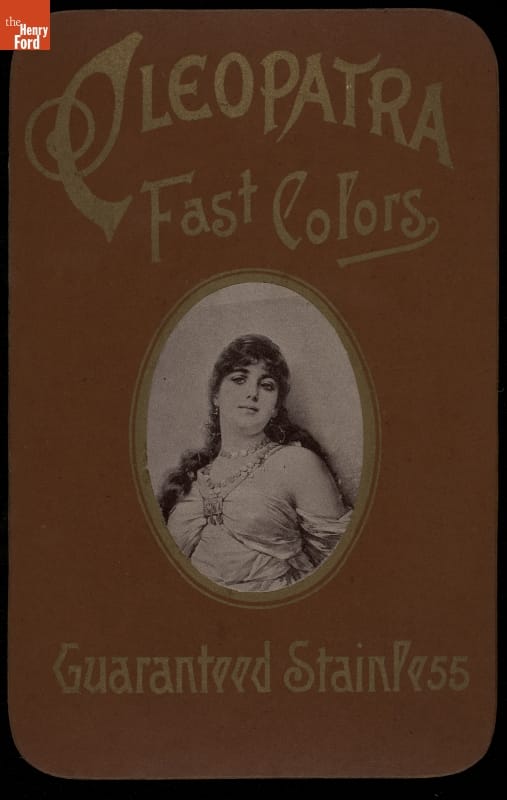
- Trade Card for Cleopatra Fast Black Dye, Louis Hermsdorf, 1870-1900 - In the last third of the nineteenth century, an unprecedented variety of consumer goods and services flooded the American market. Advertisers, armed with new methods of color printing, bombarded potential customers with trade cards. Americans enjoyed and often saved the vibrant little advertisements found in product packages or distributed by local merchants. Many survive as historical records of commercialism in the United States.
- 1870-1900
- Collections - Artifact
Trade Card for Cleopatra Fast Black Dye, Louis Hermsdorf, 1870-1900
In the last third of the nineteenth century, an unprecedented variety of consumer goods and services flooded the American market. Advertisers, armed with new methods of color printing, bombarded potential customers with trade cards. Americans enjoyed and often saved the vibrant little advertisements found in product packages or distributed by local merchants. Many survive as historical records of commercialism in the United States.
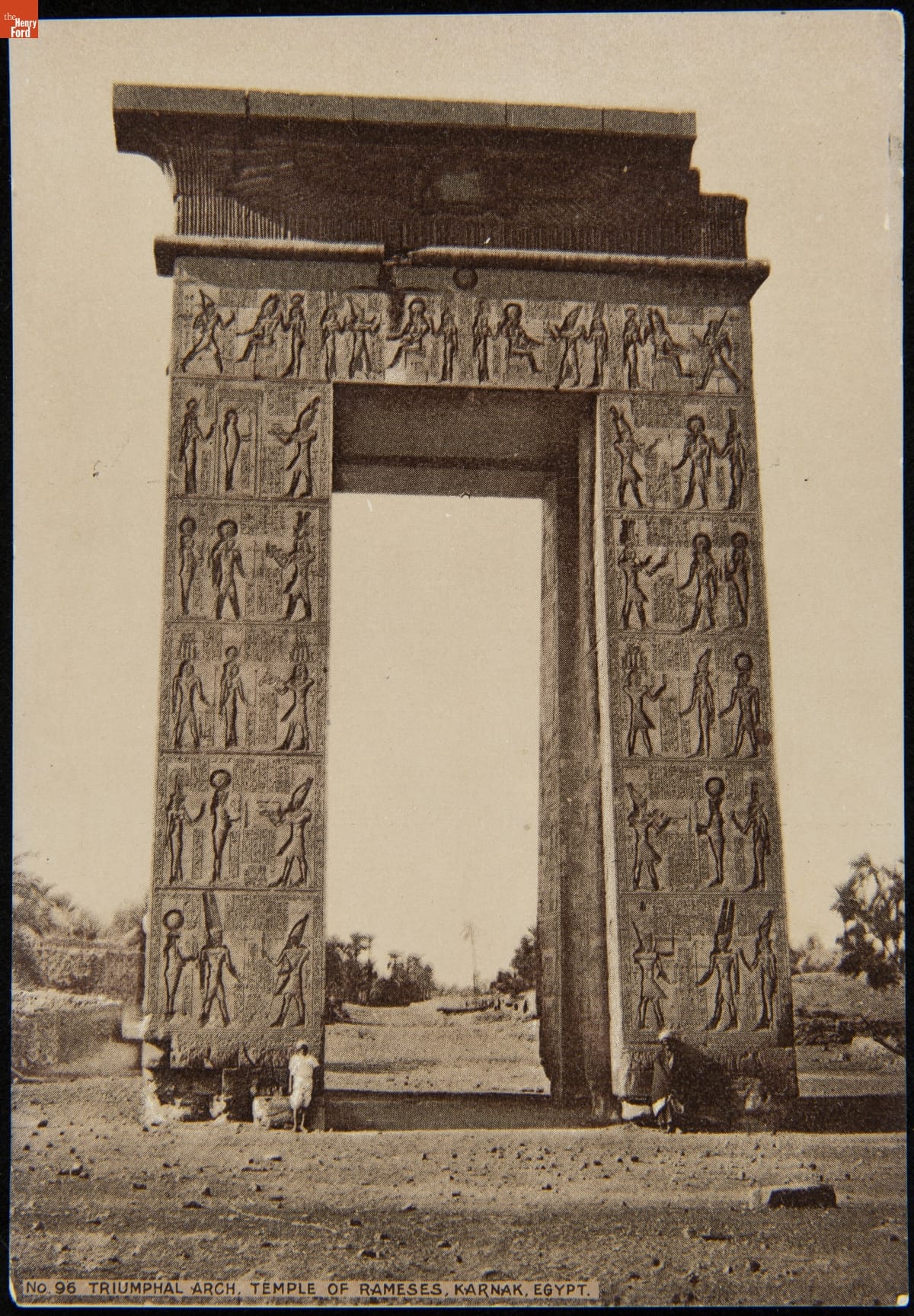
- Trade Card for C.I. Hood & Co. with Hood's Photos of the World, "Triumphal Arch, Karnak, Egypt," 1890-1910 - In the late 19th century, trade cards were a major means of advertising goods and services. Patent medicine producer, C.I. Hood & Co., had its own advertising department, creating cookbooks, calendars, and, most abundantly, trade cards. The trade card series, "Hood's Photos of the World," became popular among consumers, as it offered views of far-away places, providing a window to the broader world.
- 1890-1910
- Collections - Artifact
Trade Card for C.I. Hood & Co. with Hood's Photos of the World, "Triumphal Arch, Karnak, Egypt," 1890-1910
In the late 19th century, trade cards were a major means of advertising goods and services. Patent medicine producer, C.I. Hood & Co., had its own advertising department, creating cookbooks, calendars, and, most abundantly, trade cards. The trade card series, "Hood's Photos of the World," became popular among consumers, as it offered views of far-away places, providing a window to the broader world.
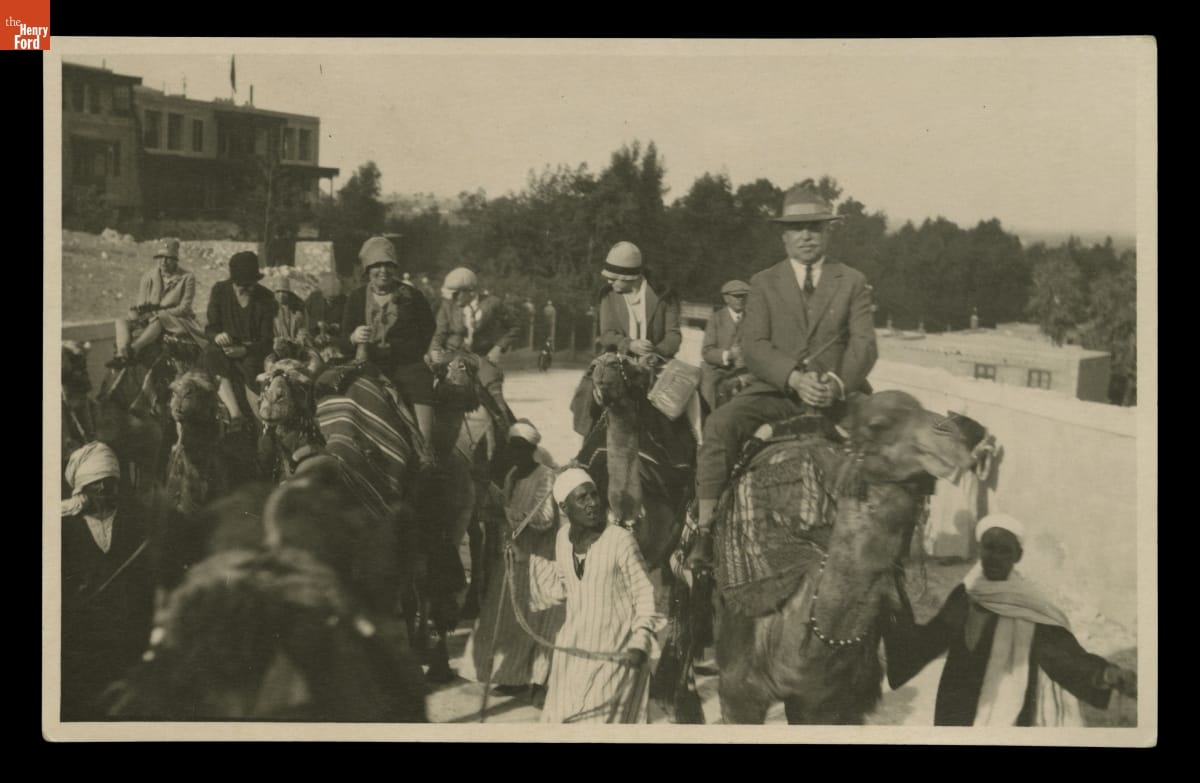
- Touring Egypt, Riding Camels, 1928 -
- 1928
- Collections - Artifact
Touring Egypt, Riding Camels, 1928
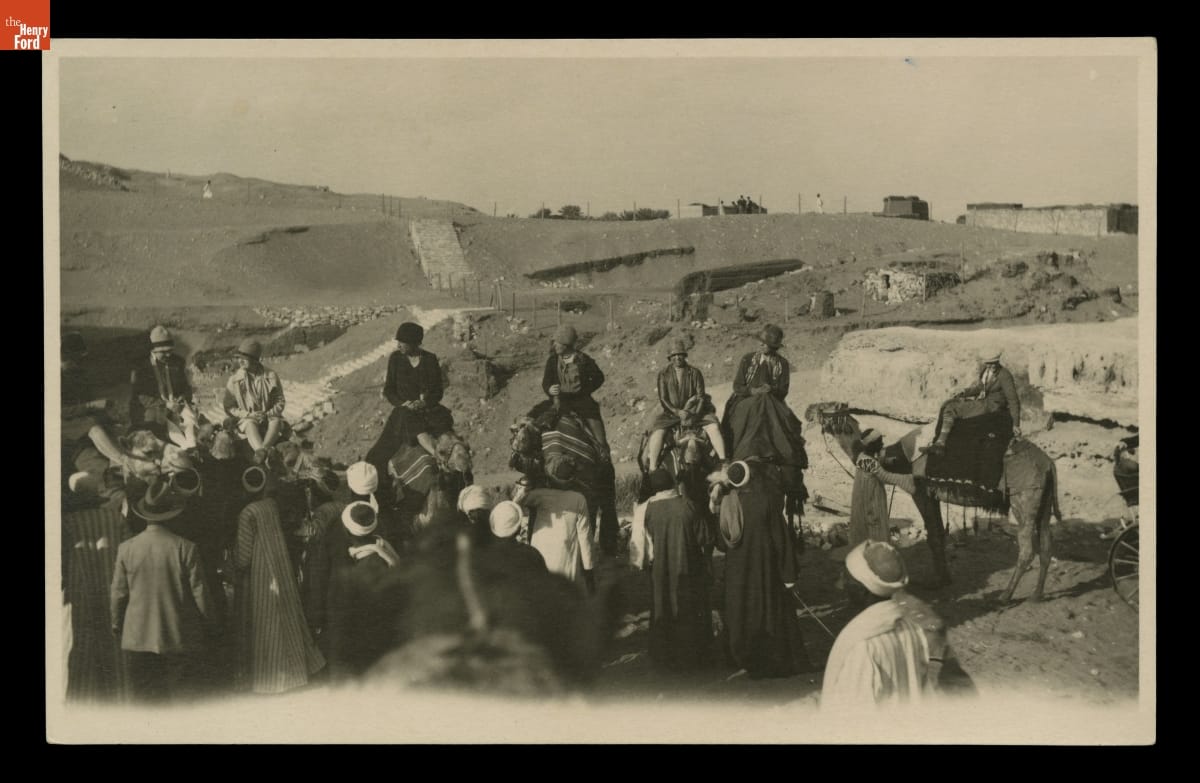
- Touring Egypt, Viewing Pyramids, 1928 -
- 1928
- Collections - Artifact
Touring Egypt, Viewing Pyramids, 1928
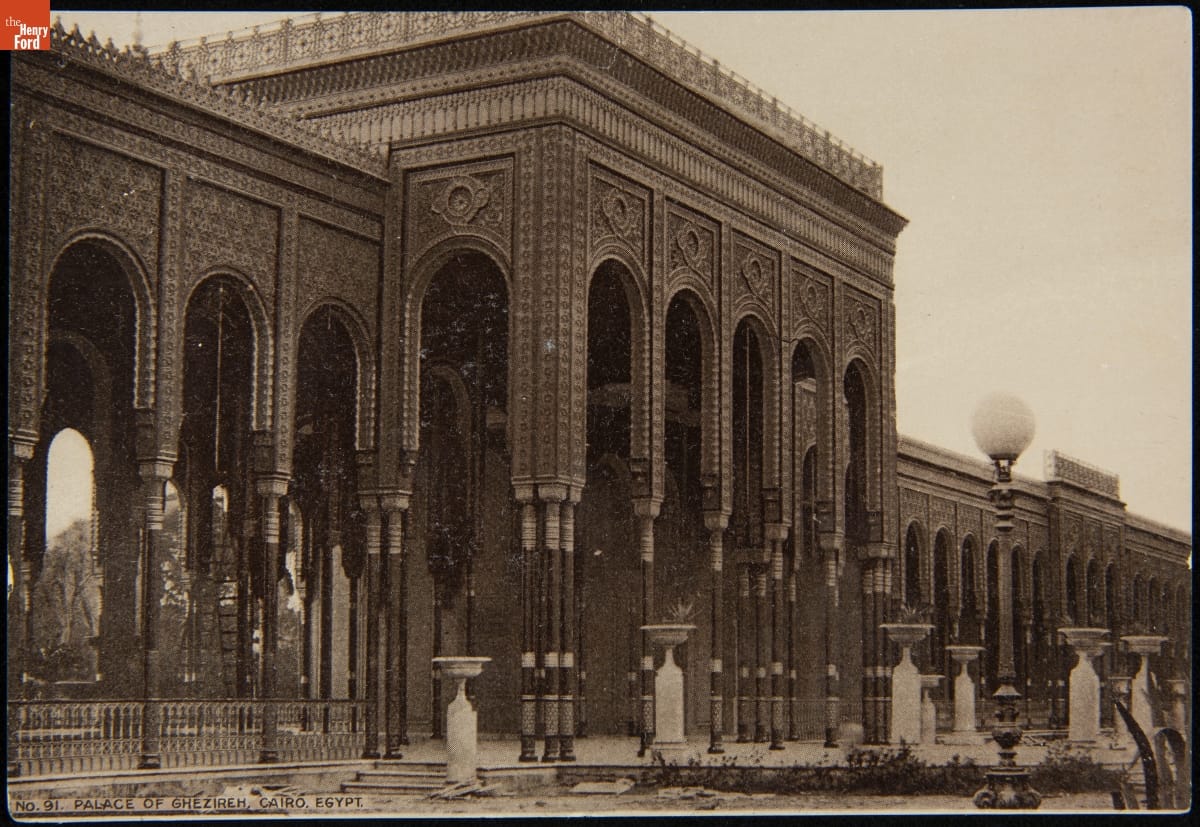
- Trade Card for C.I. Hood & Co. with Hood's Photos of the World, "Palace of Ghezireh, Cairo, Egypt," 1890-1910 - In the late 19th century, trade cards were a major means of advertising goods and services. Patent medicine producer, C.I. Hood & Co., had its own advertising department, creating cookbooks, calendars, and, most abundantly, trade cards. The trade card series, "Hood's Photos of the World," became popular among consumers, as it offered views of far-away places, providing a window to the broader world.
- 1890-1910
- Collections - Artifact
Trade Card for C.I. Hood & Co. with Hood's Photos of the World, "Palace of Ghezireh, Cairo, Egypt," 1890-1910
In the late 19th century, trade cards were a major means of advertising goods and services. Patent medicine producer, C.I. Hood & Co., had its own advertising department, creating cookbooks, calendars, and, most abundantly, trade cards. The trade card series, "Hood's Photos of the World," became popular among consumers, as it offered views of far-away places, providing a window to the broader world.
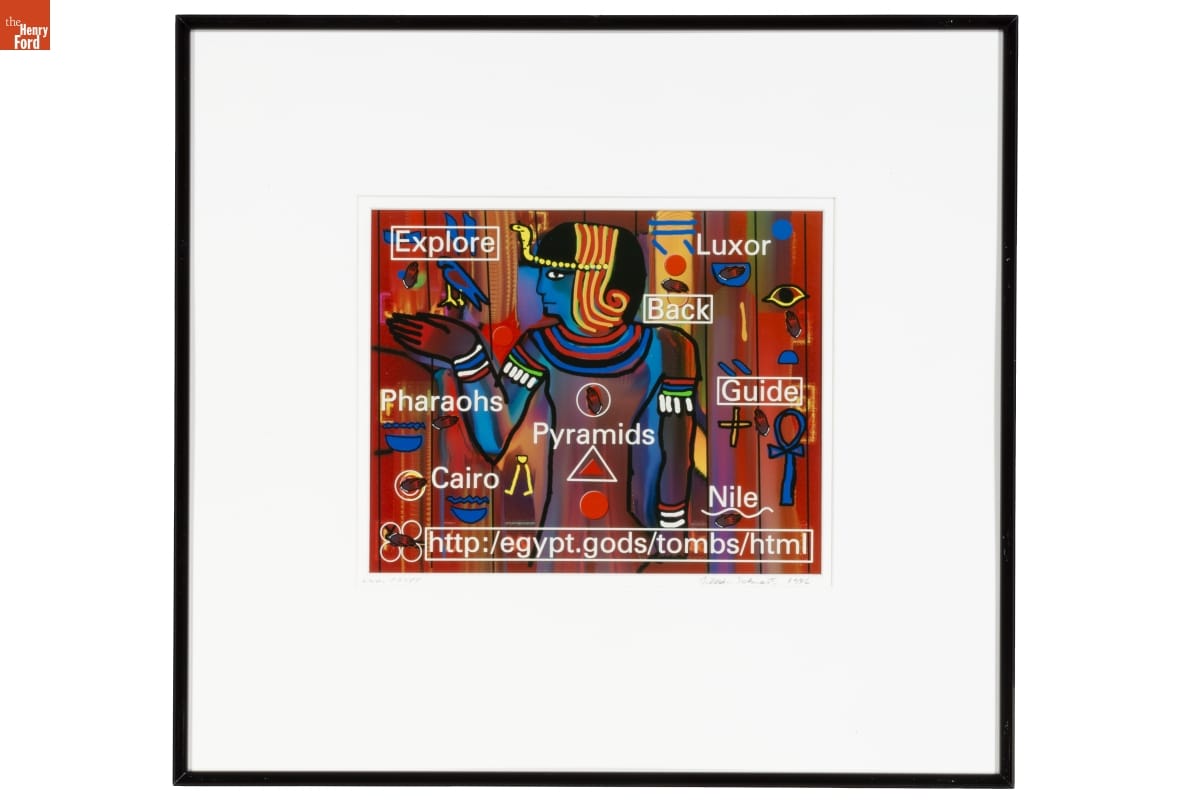
- "WWW.Egypt" by Lillian F. Schwartz, 1996 - Lillian Schwartz is a pioneer of computer-generated art. From 1969-2002, she was a "resident visitor" at Bell Laboratories, producing groundbreaking films, videos, and multimedia works. The Schwartz Collection spans Lillian's childhood into her late career, documenting an expansive mindset, mastery over traditional and experimental mediums alike--and above all--an ability to create inspirational connections between science, art, and technology.
- 1996
- Collections - Artifact
"WWW.Egypt" by Lillian F. Schwartz, 1996
Lillian Schwartz is a pioneer of computer-generated art. From 1969-2002, she was a "resident visitor" at Bell Laboratories, producing groundbreaking films, videos, and multimedia works. The Schwartz Collection spans Lillian's childhood into her late career, documenting an expansive mindset, mastery over traditional and experimental mediums alike--and above all--an ability to create inspirational connections between science, art, and technology.
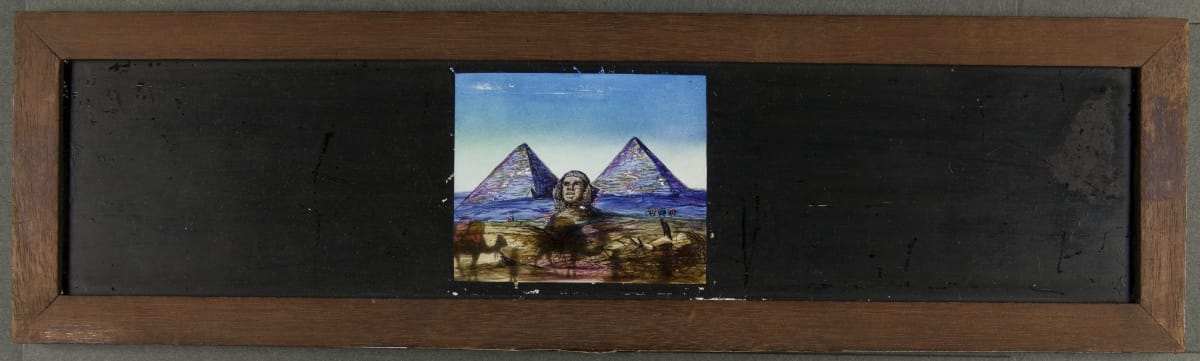
- Magic Lantern Slide Titled "The Pyramids of Egypt," 1880-1910 - Magic lanterns use a concave mirror and light source to project images on glass slides with painted or photographic scenes. Developed in the 17th century, magic lanterns predate slide projectors and motion pictures. In the hands of magicians, they became "lanterns of fright," projecting wondrous images and apparitions. Slide themes ranged widely: exotic travel, folklore, advertising, history, science, and art.
- 1880-1910
- Collections - Artifact
Magic Lantern Slide Titled "The Pyramids of Egypt," 1880-1910
Magic lanterns use a concave mirror and light source to project images on glass slides with painted or photographic scenes. Developed in the 17th century, magic lanterns predate slide projectors and motion pictures. In the hands of magicians, they became "lanterns of fright," projecting wondrous images and apparitions. Slide themes ranged widely: exotic travel, folklore, advertising, history, science, and art.