
Search
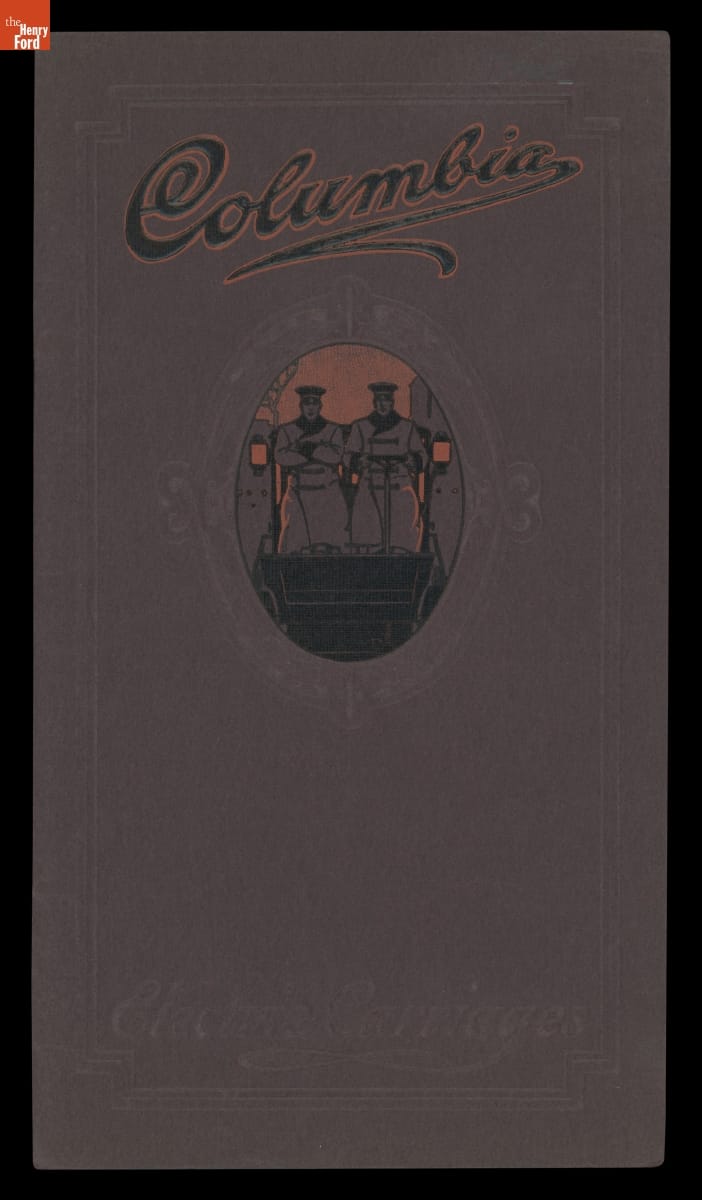
- "Columbia Electric Carriages," 1905 - Columbia, built by the Pope Manufacturing Company of Hartford, Connecticut, was America's leading bicycle brand in the late 19th century. Founder Albert A. Pope hoped to duplicate that success with automobiles. Both electric and gasoline Columbia motor vehicles were produced in a range of body styles. But high prices hampered sales, and the last Columbia cars were built in 1913.
- 1905
- Collections - Artifact
"Columbia Electric Carriages," 1905
Columbia, built by the Pope Manufacturing Company of Hartford, Connecticut, was America's leading bicycle brand in the late 19th century. Founder Albert A. Pope hoped to duplicate that success with automobiles. Both electric and gasoline Columbia motor vehicles were produced in a range of body styles. But high prices hampered sales, and the last Columbia cars were built in 1913.
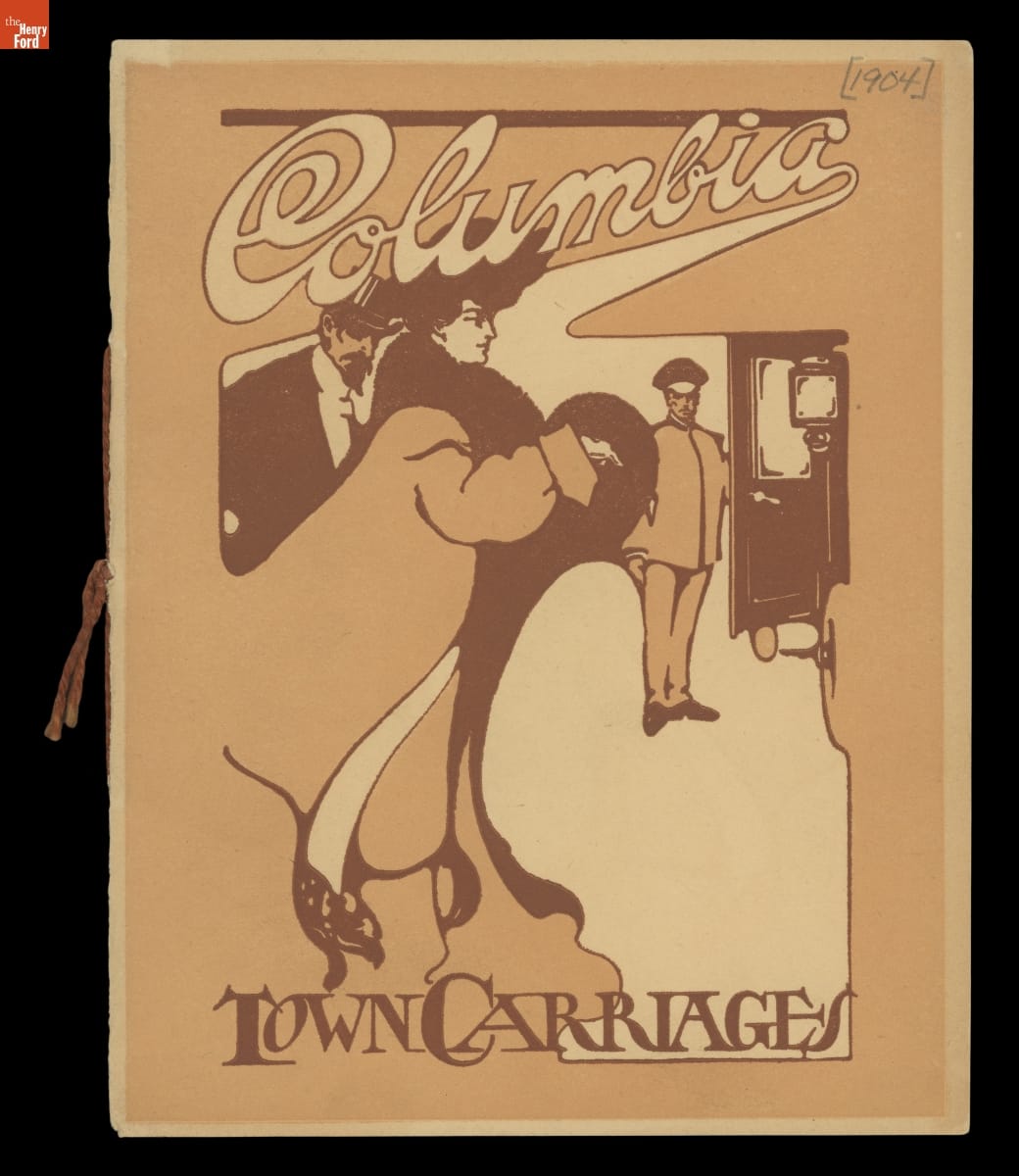
- "Columbia Town Carriages," 1904 - Columbia, built by the Pope Manufacturing Company of Hartford, Connecticut, was America's leading bicycle brand in the late 19th century. Founder Albert A. Pope hoped to duplicate that success with automobiles. Both electric and gasoline Columbia motor vehicles were produced in a range of body styles. But high prices hampered sales, and the last Columbia cars were built in 1913.
- 1904
- Collections - Artifact
"Columbia Town Carriages," 1904
Columbia, built by the Pope Manufacturing Company of Hartford, Connecticut, was America's leading bicycle brand in the late 19th century. Founder Albert A. Pope hoped to duplicate that success with automobiles. Both electric and gasoline Columbia motor vehicles were produced in a range of body styles. But high prices hampered sales, and the last Columbia cars were built in 1913.
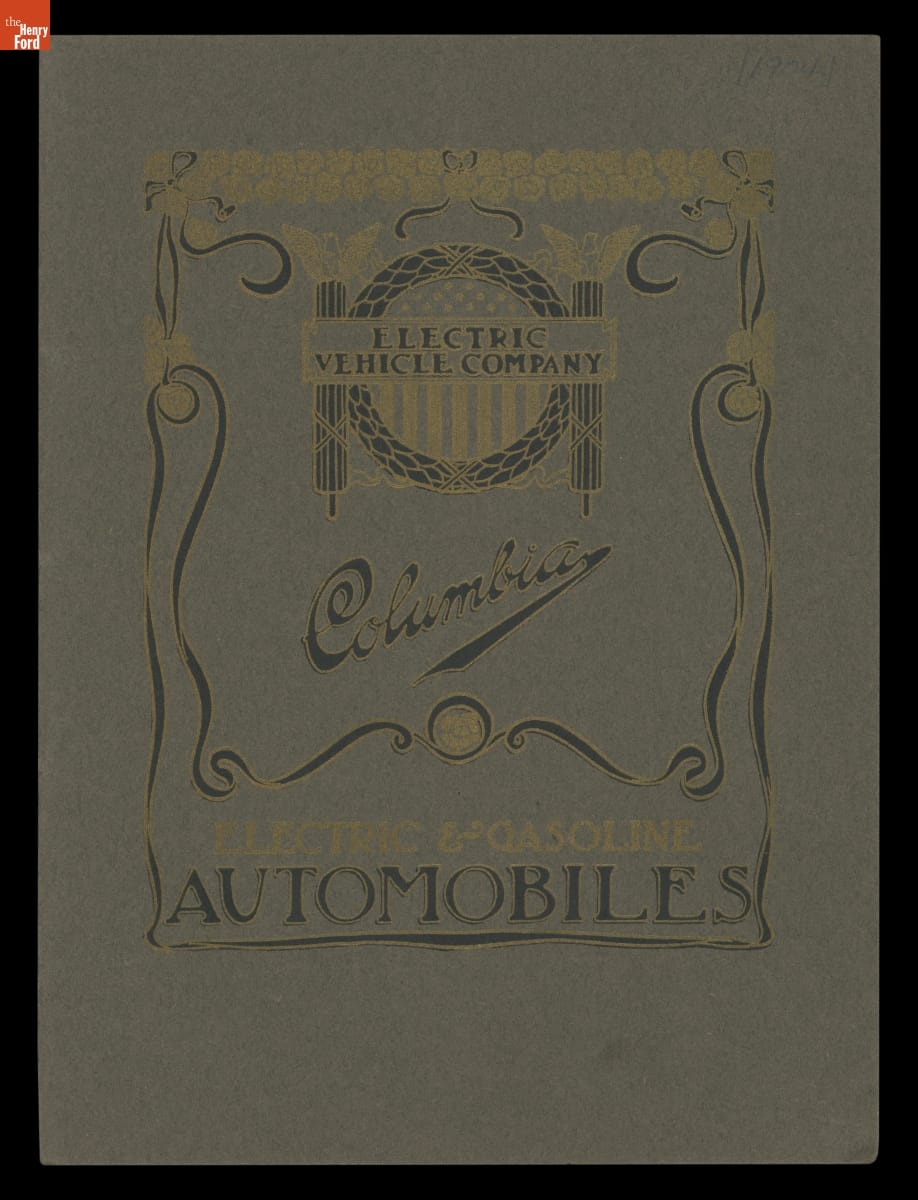
- "Columbia Electric & Gasoline Automobiles," 1904 - Columbia, built by the Pope Manufacturing Company of Hartford, Connecticut, was America's leading bicycle brand in the late 19th century. Founder Albert A. Pope hoped to duplicate that success with automobiles. Both electric and gasoline Columbia motor vehicles were produced in a range of body styles. But high prices hampered sales, and the last Columbia cars were built in 1913.
- 1904
- Collections - Artifact
"Columbia Electric & Gasoline Automobiles," 1904
Columbia, built by the Pope Manufacturing Company of Hartford, Connecticut, was America's leading bicycle brand in the late 19th century. Founder Albert A. Pope hoped to duplicate that success with automobiles. Both electric and gasoline Columbia motor vehicles were produced in a range of body styles. But high prices hampered sales, and the last Columbia cars were built in 1913.
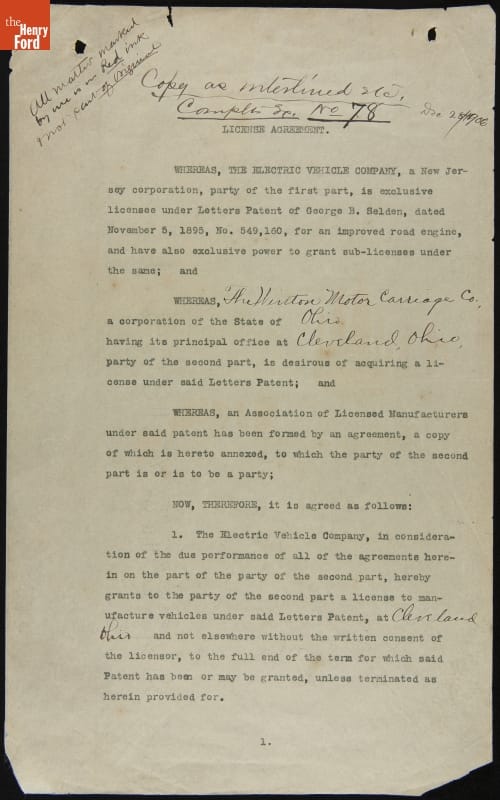
- Licensing Agreement Allowing Winton Motor Carriage Co. to Manufacture Automobiles, 1903 -
- March 05, 1903
- Collections - Artifact
Licensing Agreement Allowing Winton Motor Carriage Co. to Manufacture Automobiles, 1903
- "Columbia Gasoline Cars and Electric Pleasure Vehicles," 1904 - Columbia, built by the Pope Manufacturing Company of Hartford, Connecticut, was America's leading bicycle brand in the late 19th century. Founder Albert A. Pope hoped to duplicate that success with automobiles. Both electric and gasoline Columbia motor vehicles were produced in a range of body styles. But high prices hampered sales, and the last Columbia cars were built in 1913.
- 1904
- Collections - Artifact
"Columbia Gasoline Cars and Electric Pleasure Vehicles," 1904
Columbia, built by the Pope Manufacturing Company of Hartford, Connecticut, was America's leading bicycle brand in the late 19th century. Founder Albert A. Pope hoped to duplicate that success with automobiles. Both electric and gasoline Columbia motor vehicles were produced in a range of body styles. But high prices hampered sales, and the last Columbia cars were built in 1913.
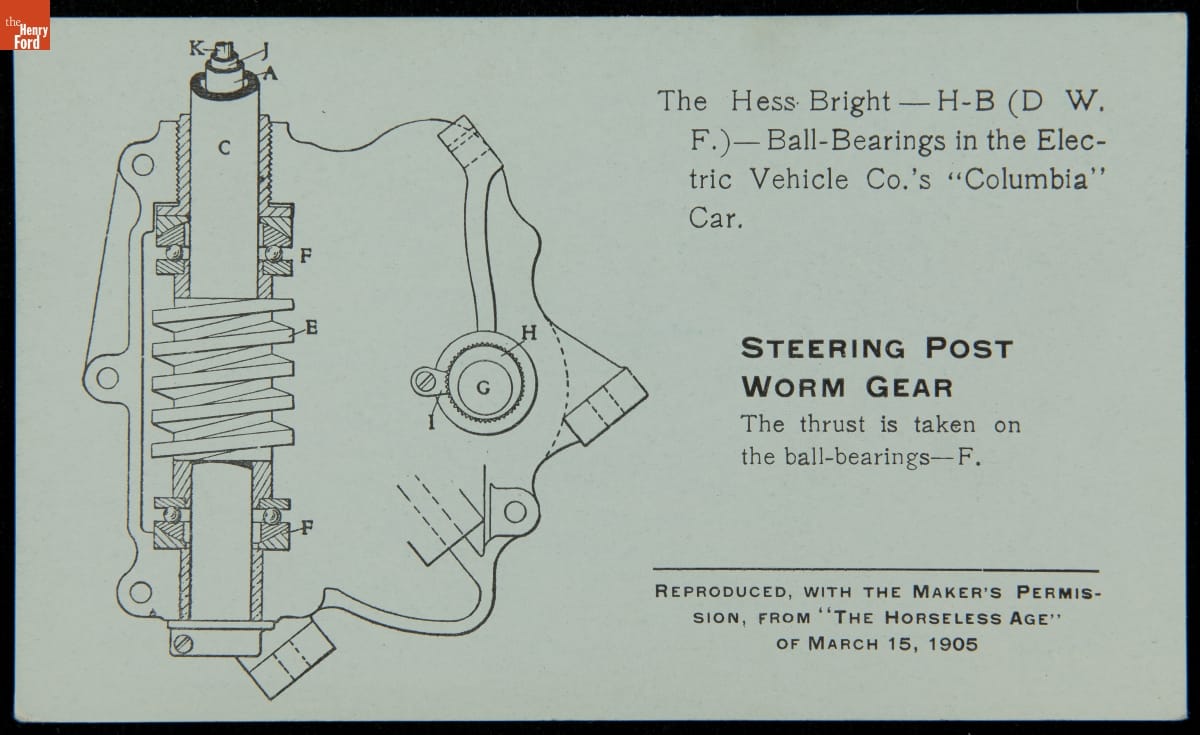
- Trade Card, Steering Post Worm Gear, Hess-Bright Manufacturing Co., circa 1905 - In the last third of the nineteenth century, an unprecedented variety of consumer goods and services flooded the American market. Advertisers, armed with new methods of color printing, bombarded potential customers with trade cards. Americans enjoyed and often saved the vibrant little advertisements found in product packages or distributed by local merchants. Many survive as historical records of commercialism in the United States.
- March 15, 1905
- Collections - Artifact
Trade Card, Steering Post Worm Gear, Hess-Bright Manufacturing Co., circa 1905
In the last third of the nineteenth century, an unprecedented variety of consumer goods and services flooded the American market. Advertisers, armed with new methods of color printing, bombarded potential customers with trade cards. Americans enjoyed and often saved the vibrant little advertisements found in product packages or distributed by local merchants. Many survive as historical records of commercialism in the United States.