
Search
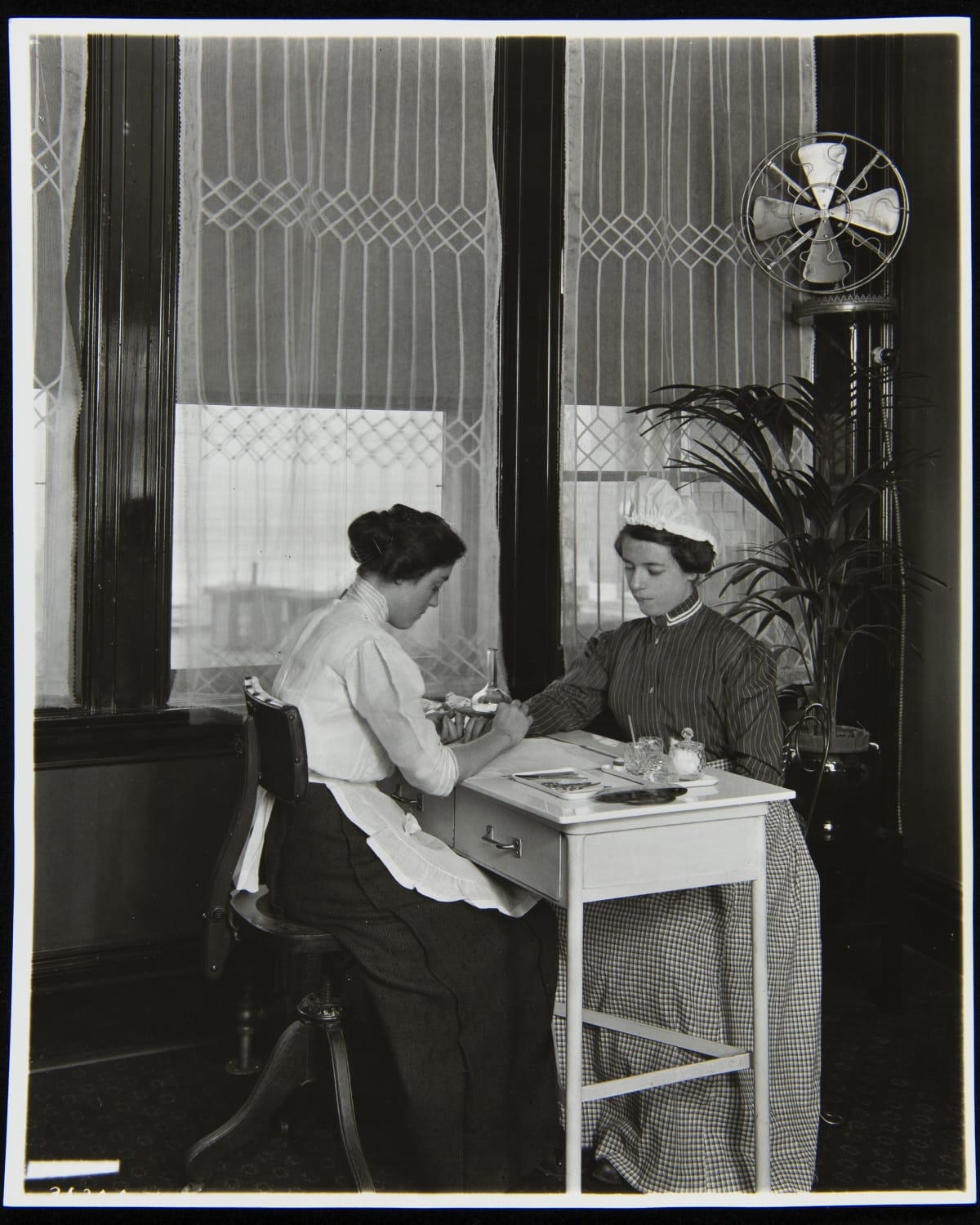
- Manicurist and Employee inside Main Plant, H. J. Heinz Company, Pittsburgh, Pennsylvania, 1912 - H.J. Heinz was one of the first to emphasize the importance of cleanliness and sanitation in manufactured food production. Those who directly handled food were given a mandatory manicure once per week. This not only was a sanitation necessity for Heinz but was also a welcome luxury for the workers.
- 1912
- Collections - Artifact
Manicurist and Employee inside Main Plant, H. J. Heinz Company, Pittsburgh, Pennsylvania, 1912
H.J. Heinz was one of the first to emphasize the importance of cleanliness and sanitation in manufactured food production. Those who directly handled food were given a mandatory manicure once per week. This not only was a sanitation necessity for Heinz but was also a welcome luxury for the workers.
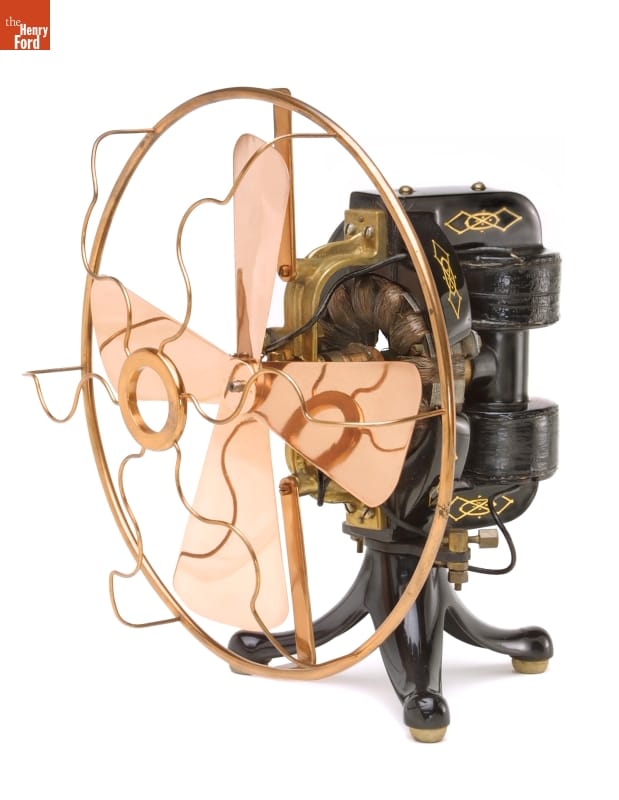
- Edison Electric Fan, 1895-1900 -
- 1895-1900
- Collections - Artifact
Edison Electric Fan, 1895-1900
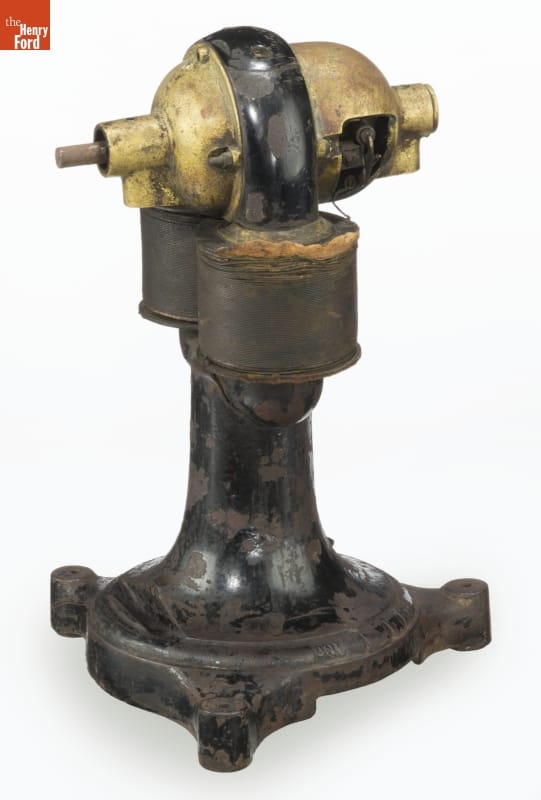
- Western Electric Fan Motor, 1895-1910 - Companies began producing small electric motors in the late 1800s to power household appliances like electric fans. The first fans, driven by direct current motors, were bulky and potentially dangerous due to exposed electrical components and blades. Advancements in motor technology--specifically the reliable, compact alternating current motor--and inexpensive electrical power made fans available to a growing number of Americans.
- 1895-1910
- Collections - Artifact
Western Electric Fan Motor, 1895-1910
Companies began producing small electric motors in the late 1800s to power household appliances like electric fans. The first fans, driven by direct current motors, were bulky and potentially dangerous due to exposed electrical components and blades. Advancements in motor technology--specifically the reliable, compact alternating current motor--and inexpensive electrical power made fans available to a growing number of Americans.
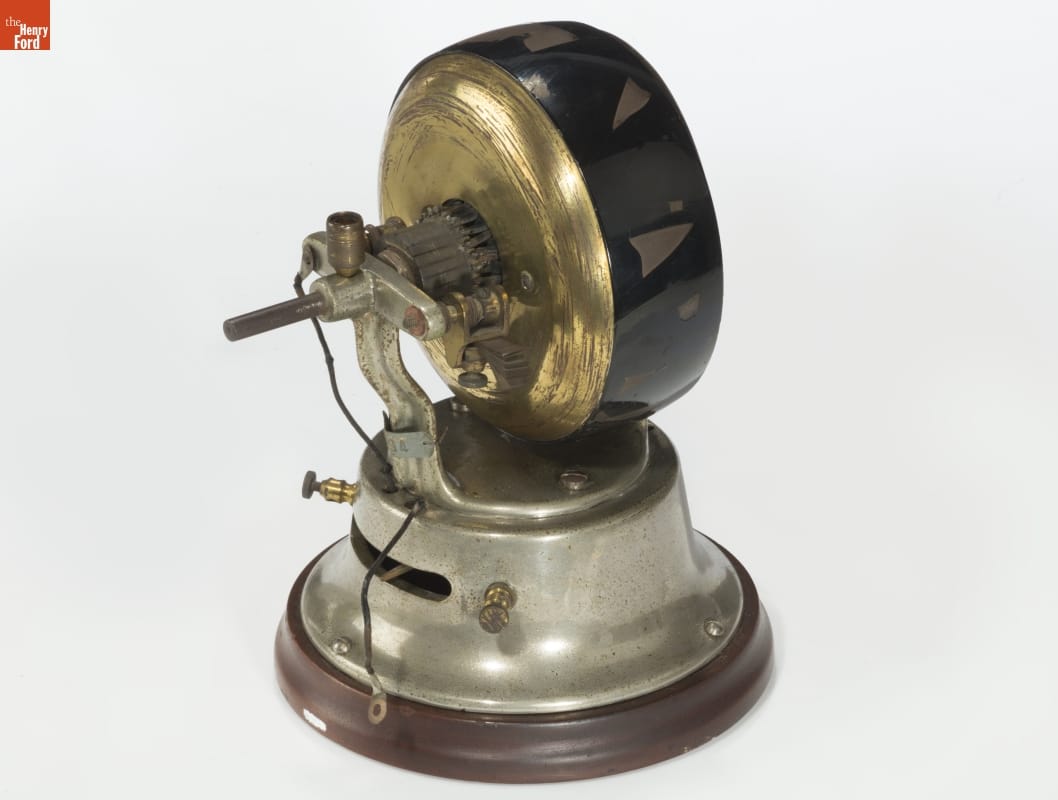
- Diehl Fan Motor, 1906-1916 -
- 1906-1916
- Collections - Artifact
Diehl Fan Motor, 1906-1916
- Diehl Manufacturing Company Electric Fan Motor, circa 1890 -
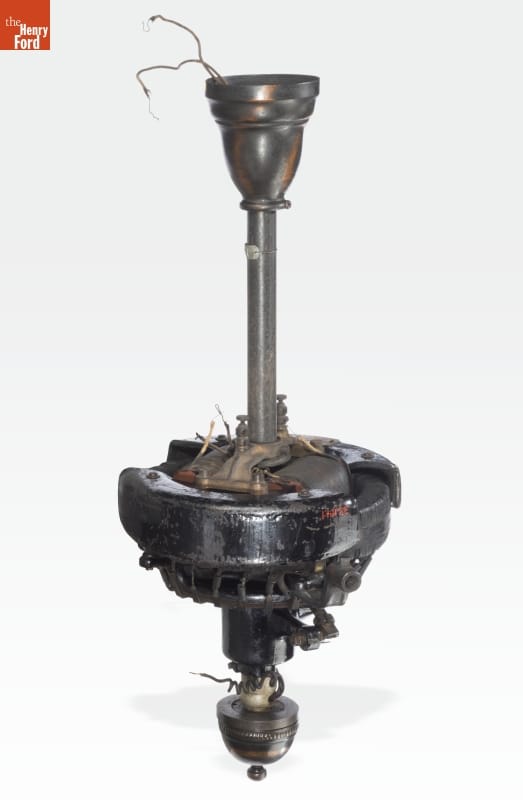
- circa 1890
- Collections - Artifact
Diehl Manufacturing Company Electric Fan Motor, circa 1890
- Westinghouse Electric Fan, 1920-1927 -
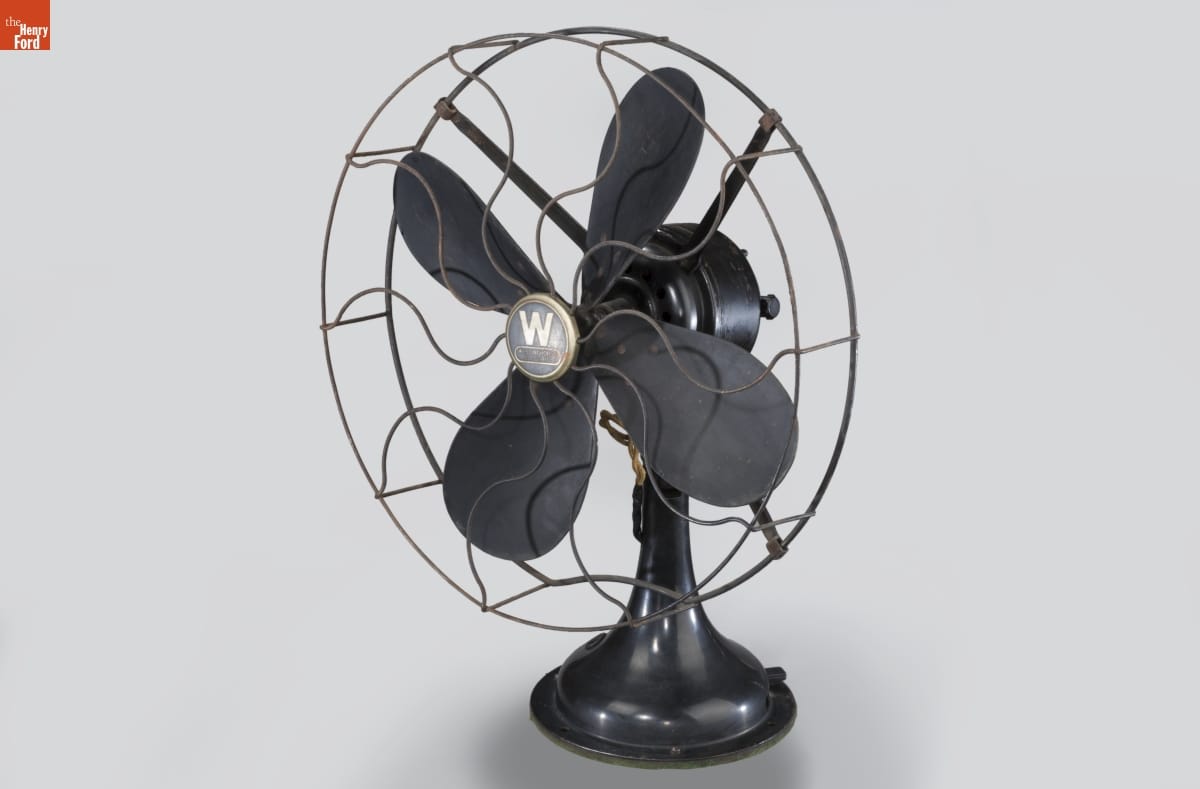
- 1920-1927
- Collections - Artifact
Westinghouse Electric Fan, 1920-1927
- Westinghouse Electric Fan Motor, circa 1890 - Companies began producing small electric motors in the late 1800s to power household appliances like electric fans. The first fans, driven by direct current motors, were bulky and potentially dangerous due to exposed electrical components and blades. Advancements in motor technology--specifically the reliable, compact alternating current motor--and inexpensive electrical power made fans available to a growing number of Americans.
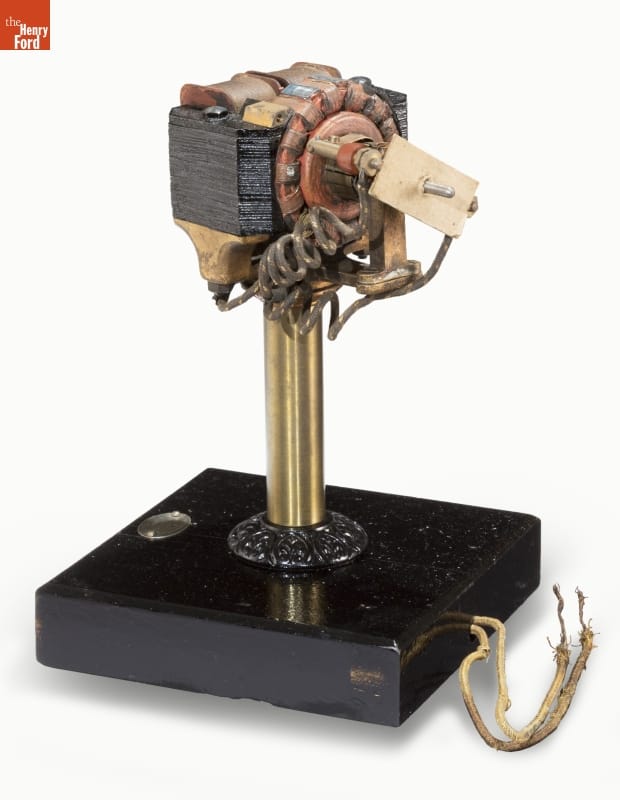
- circa 1890
- Collections - Artifact
Westinghouse Electric Fan Motor, circa 1890
Companies began producing small electric motors in the late 1800s to power household appliances like electric fans. The first fans, driven by direct current motors, were bulky and potentially dangerous due to exposed electrical components and blades. Advancements in motor technology--specifically the reliable, compact alternating current motor--and inexpensive electrical power made fans available to a growing number of Americans.
- Western Electric Fan Motor, 1895-1910 - Companies began producing small electric motors in the late 1800s to power household appliances like electric fans. The first fans, driven by direct current motors, were bulky and potentially dangerous due to exposed electrical components and blades. Advancements in motor technology--specifically the reliable, compact alternating current motor--and inexpensive electrical power made fans available to a growing number of Americans.
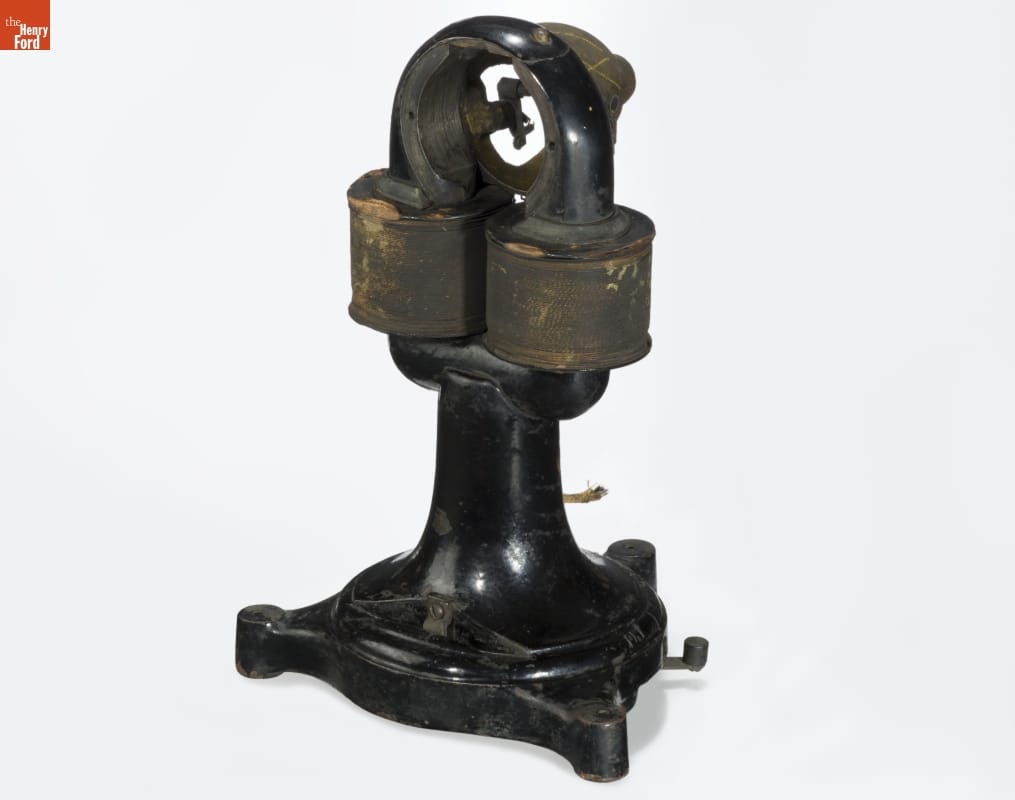
- 1895-1910
- Collections - Artifact
Western Electric Fan Motor, 1895-1910
Companies began producing small electric motors in the late 1800s to power household appliances like electric fans. The first fans, driven by direct current motors, were bulky and potentially dangerous due to exposed electrical components and blades. Advancements in motor technology--specifically the reliable, compact alternating current motor--and inexpensive electrical power made fans available to a growing number of Americans.
- Westinghouse Electric Fan Motor, circa 1890 - Companies began producing small electric motors in the late 1800s to power household appliances like electric fans. The first fans, driven by direct current motors, were bulky and potentially dangerous due to exposed electrical components and blades. Advancements in motor technology--specifically the reliable, compact alternating current motor--and inexpensive electrical power made fans available to a growing number of Americans.
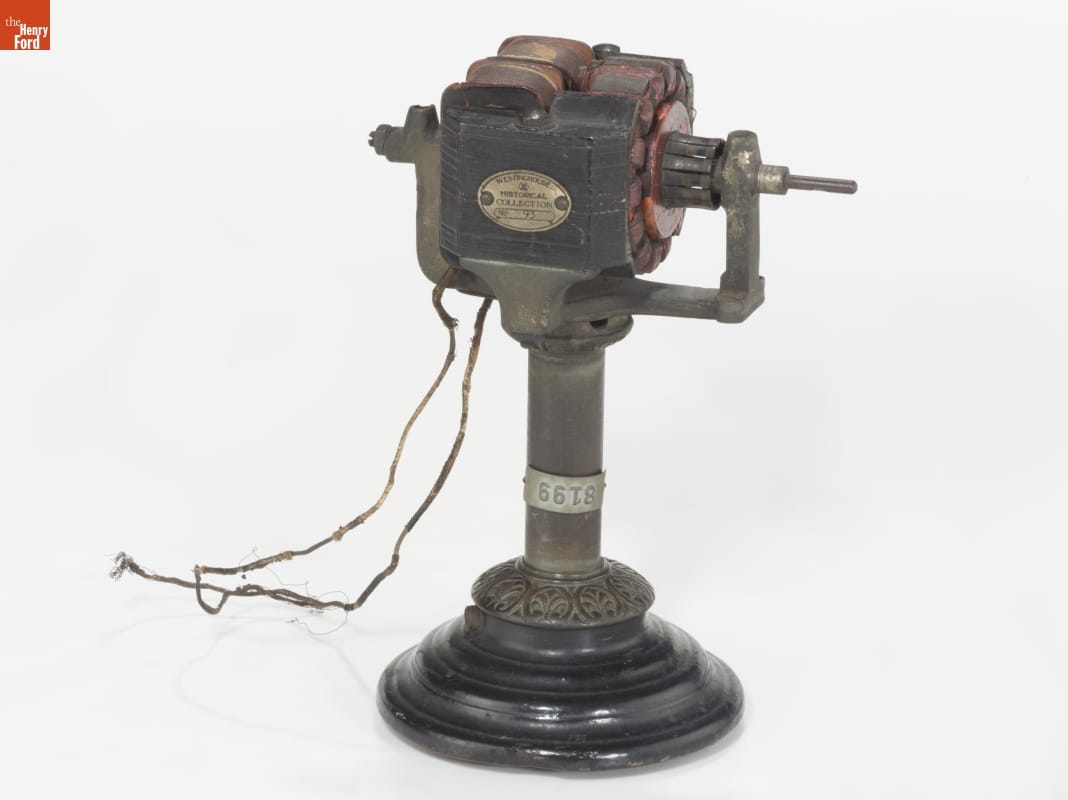
- circa 1890
- Collections - Artifact
Westinghouse Electric Fan Motor, circa 1890
Companies began producing small electric motors in the late 1800s to power household appliances like electric fans. The first fans, driven by direct current motors, were bulky and potentially dangerous due to exposed electrical components and blades. Advancements in motor technology--specifically the reliable, compact alternating current motor--and inexpensive electrical power made fans available to a growing number of Americans.
- Westinghouse Stator, 1910-1920 -
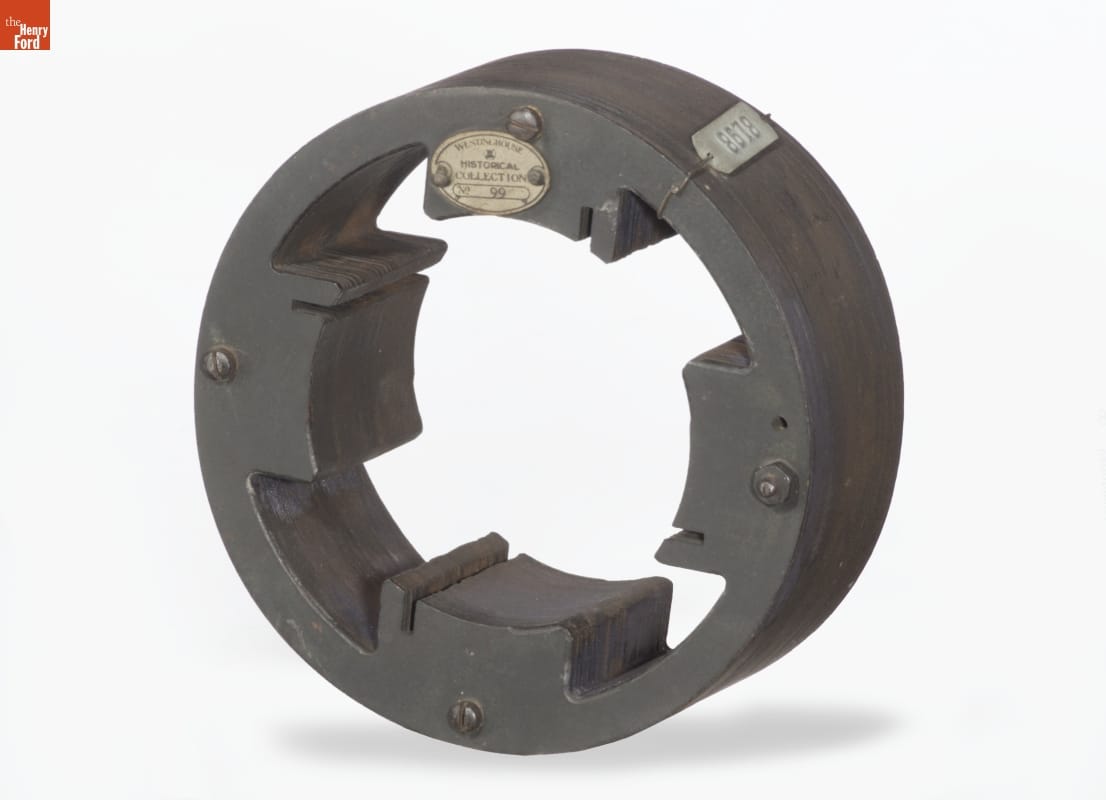
- 1910-1920
- Collections - Artifact
Westinghouse Stator, 1910-1920