
Search
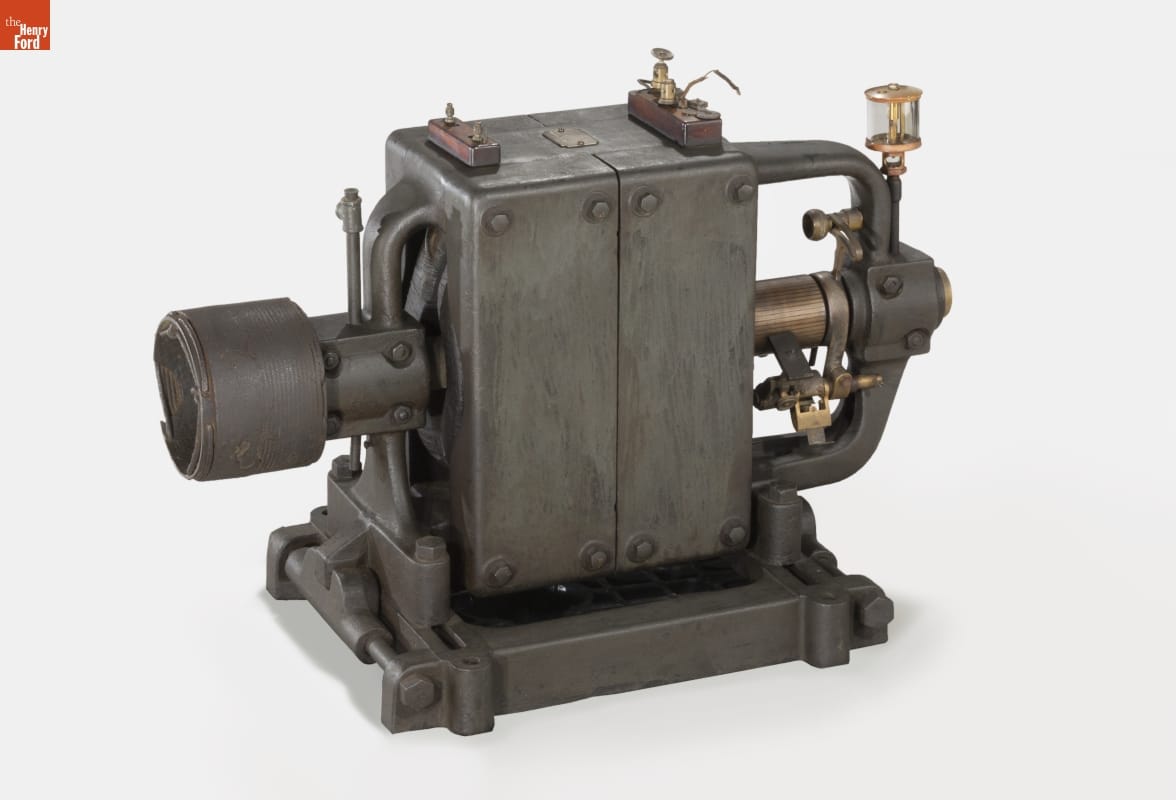
- Eickemeyer Dynamo, Used by the Haxton Canning Company, 1889 - Rudolf Eickemeyer developed his "ironclad" dynamo in the 1880s. The unique method of construction--its heavy iron field coil construction and iron sheathing--gave the dynamo its nickname. It was compact, rugged and efficient, though the ironclad design made it difficult to cool. This dynamo supplied power for the lighting system and small motors at the Haxton Canning Company in Oakfield, New York, for 15 years.
- 1889
- Collections - Artifact
Eickemeyer Dynamo, Used by the Haxton Canning Company, 1889
Rudolf Eickemeyer developed his "ironclad" dynamo in the 1880s. The unique method of construction--its heavy iron field coil construction and iron sheathing--gave the dynamo its nickname. It was compact, rugged and efficient, though the ironclad design made it difficult to cool. This dynamo supplied power for the lighting system and small motors at the Haxton Canning Company in Oakfield, New York, for 15 years.
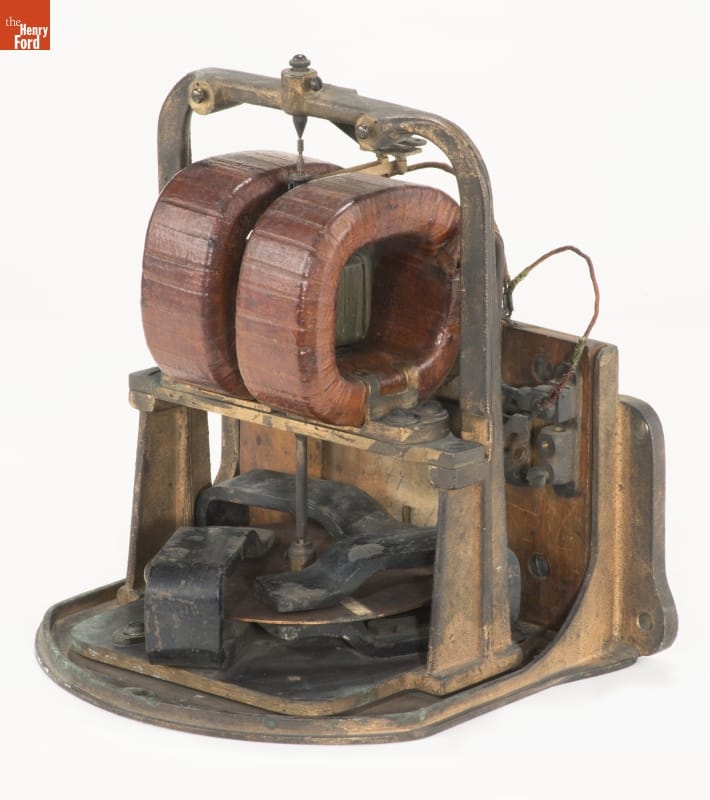
- Thomson-Houston Recording Wattmeter, 1889-1892 - Elihu Thomson, engineer, inventor and cofounder of the Thomson-Houston Electric Company, developed a commutator-type wattmeter in the late 1880s. His recording watt-hour meter helped transform the nascent electric power industry. The sturdy device provided companies that supplied electricity to consumers a way to accurately track and bill electrical power use.
- 1889-1892
- Collections - Artifact
Thomson-Houston Recording Wattmeter, 1889-1892
Elihu Thomson, engineer, inventor and cofounder of the Thomson-Houston Electric Company, developed a commutator-type wattmeter in the late 1880s. His recording watt-hour meter helped transform the nascent electric power industry. The sturdy device provided companies that supplied electricity to consumers a way to accurately track and bill electrical power use.
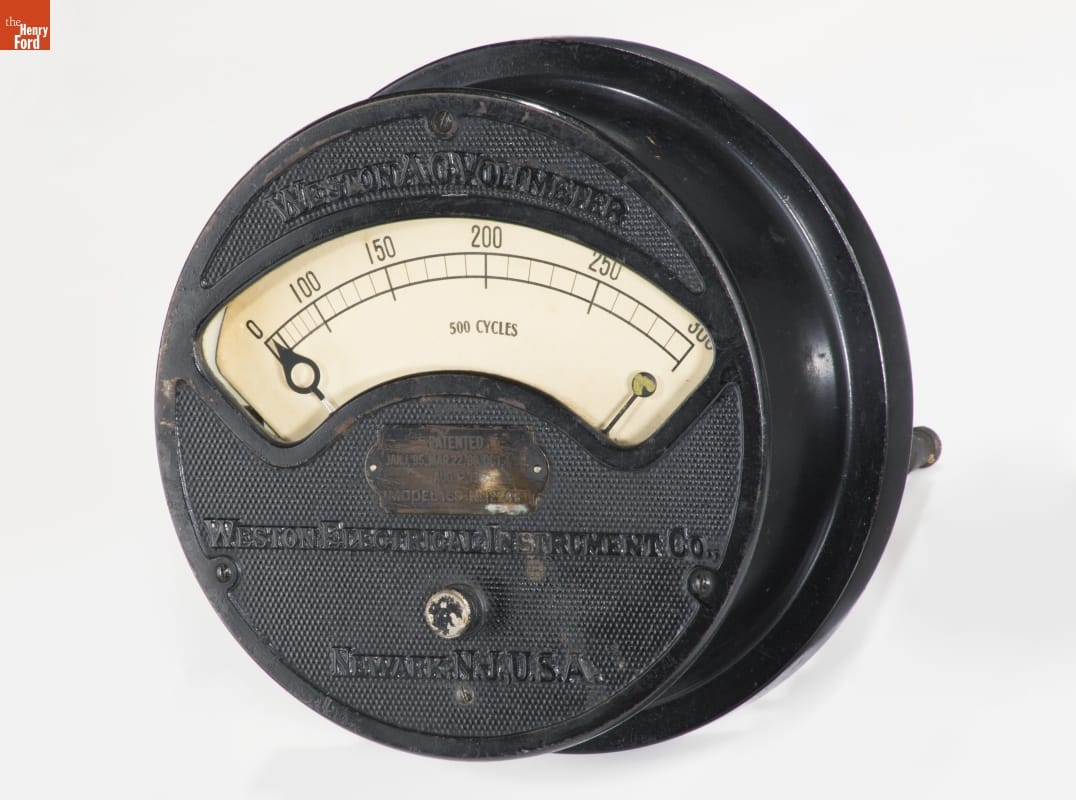
- Weston Model 156 Voltmeter, circa 1914 -
- circa 1914
- Collections - Artifact
Weston Model 156 Voltmeter, circa 1914
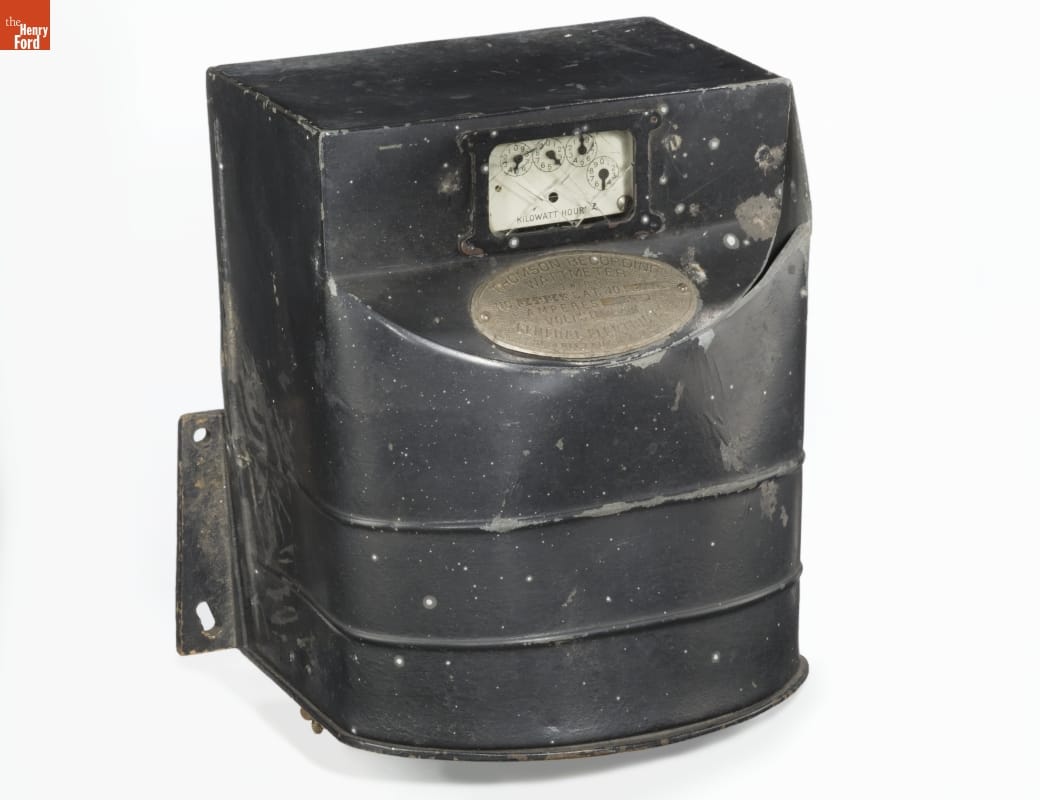
- General Electric Thomson Recording Wattmeter, circa 1903 - Elihu Thomson, engineer, inventor and cofounder of the Thomson-Houston Electric Company, developed a commutator-type wattmeter in the late 1880s. His recording watt-hour meter helped transform the nascent electric power industry. The sturdy device provided companies that supplied electricity to consumers a way to accurately track and bill electrical power use.
- circa 1903
- Collections - Artifact
General Electric Thomson Recording Wattmeter, circa 1903
Elihu Thomson, engineer, inventor and cofounder of the Thomson-Houston Electric Company, developed a commutator-type wattmeter in the late 1880s. His recording watt-hour meter helped transform the nascent electric power industry. The sturdy device provided companies that supplied electricity to consumers a way to accurately track and bill electrical power use.
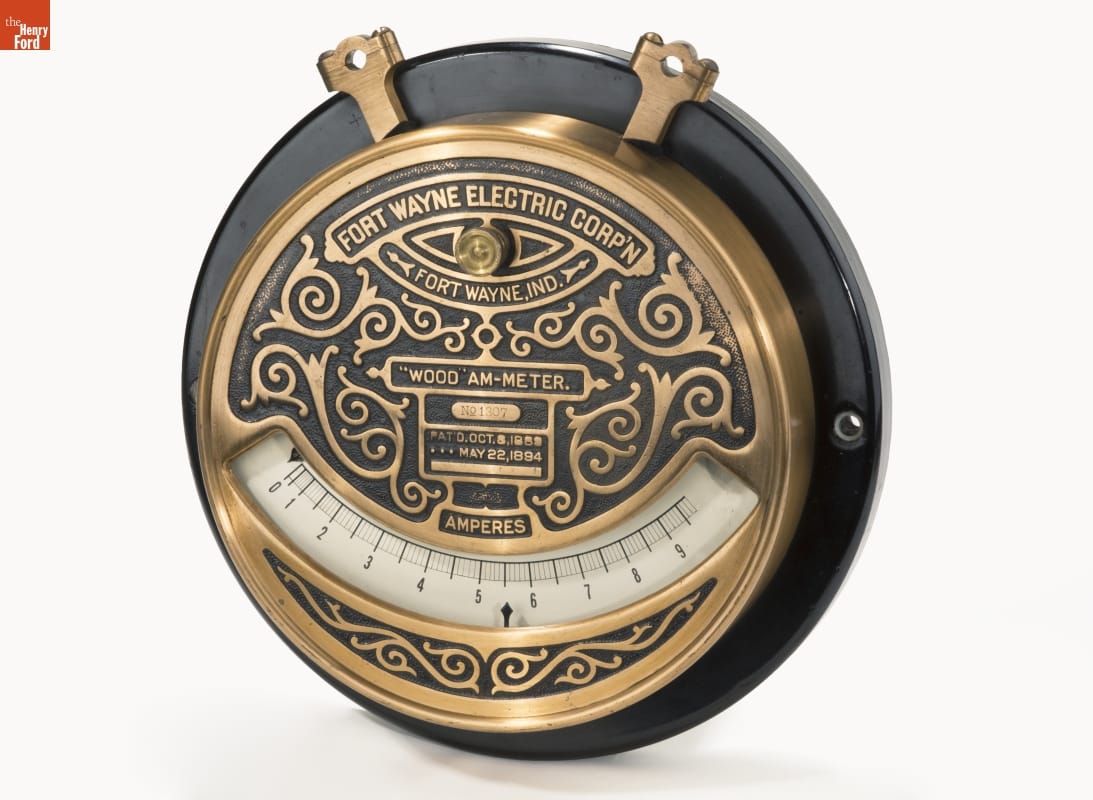
- Fort Wayne Wood Ammeter, 1895 - In the late 1800s and early 1900s, companies that supplied electricity to consumers needed a variety of instruments to regulate and monitor electrical output. These instruments were vital to the operation of power stations and needed to be accurate and rugged. Ammeters--used to measure the current in a circuit--could be found on switchboards or connected to motors and generators.
- December 02, 1895
- Collections - Artifact
Fort Wayne Wood Ammeter, 1895
In the late 1800s and early 1900s, companies that supplied electricity to consumers needed a variety of instruments to regulate and monitor electrical output. These instruments were vital to the operation of power stations and needed to be accurate and rugged. Ammeters--used to measure the current in a circuit--could be found on switchboards or connected to motors and generators.
- Carlisle & Finch Dynamo, 1897-1915 -
- 1897-1915
- Collections - Artifact
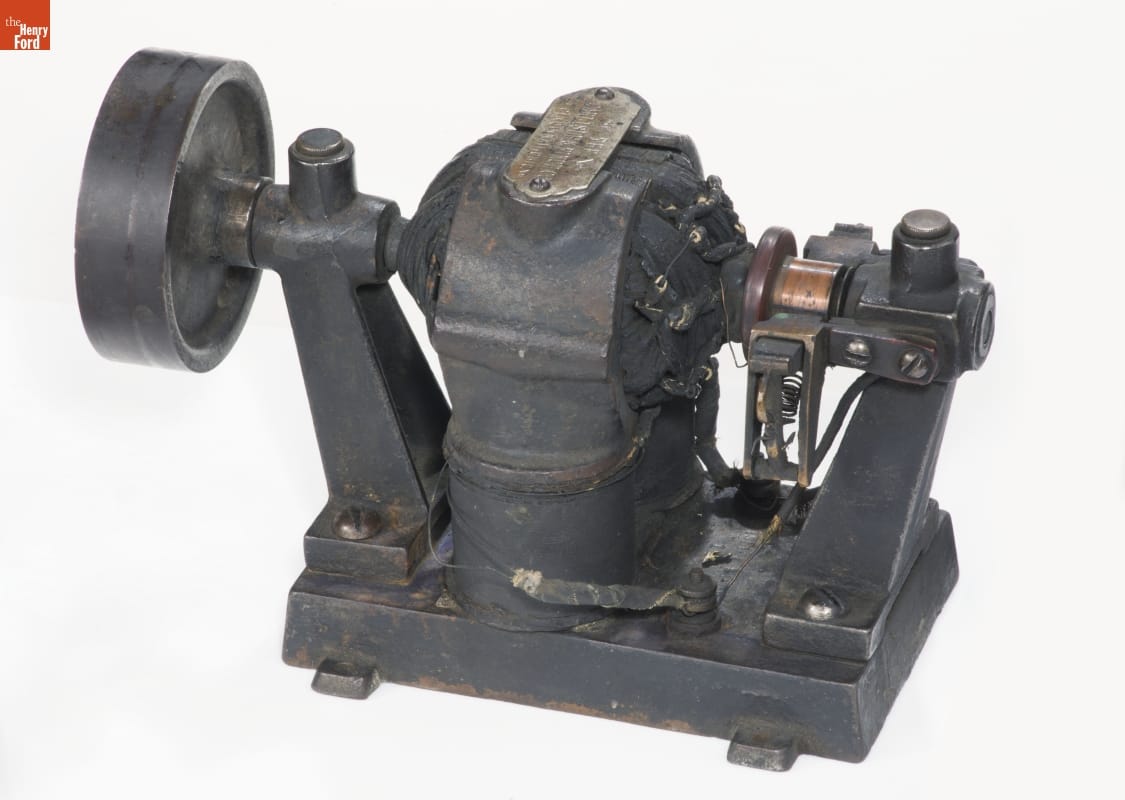
Carlisle & Finch Dynamo, 1897-1915
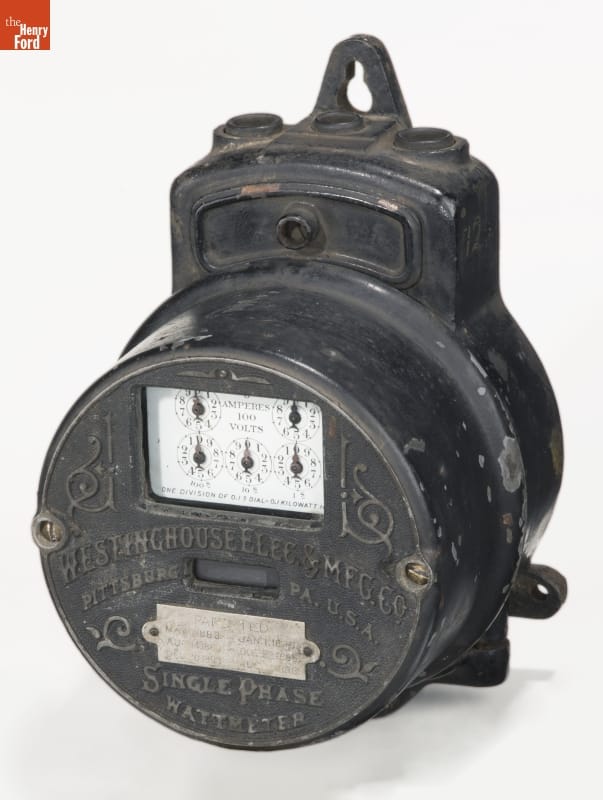
- Westinghouse Type A Wattmeter, circa 1903 - In the late 1800s, companies that supplied electricity to consumers needed a way to measure how much customers used -- and then charge them accordingly. Inventive electrical engineers developed various methods to measure electric power. Induction meters that employed magnetic fields to rotate a disc or cylinder to register energy usage would become the standard. Continued improvements made these wattmeters more compact and reliable.
- circa 1903
- Collections - Artifact
Westinghouse Type A Wattmeter, circa 1903
In the late 1800s, companies that supplied electricity to consumers needed a way to measure how much customers used -- and then charge them accordingly. Inventive electrical engineers developed various methods to measure electric power. Induction meters that employed magnetic fields to rotate a disc or cylinder to register energy usage would become the standard. Continued improvements made these wattmeters more compact and reliable.
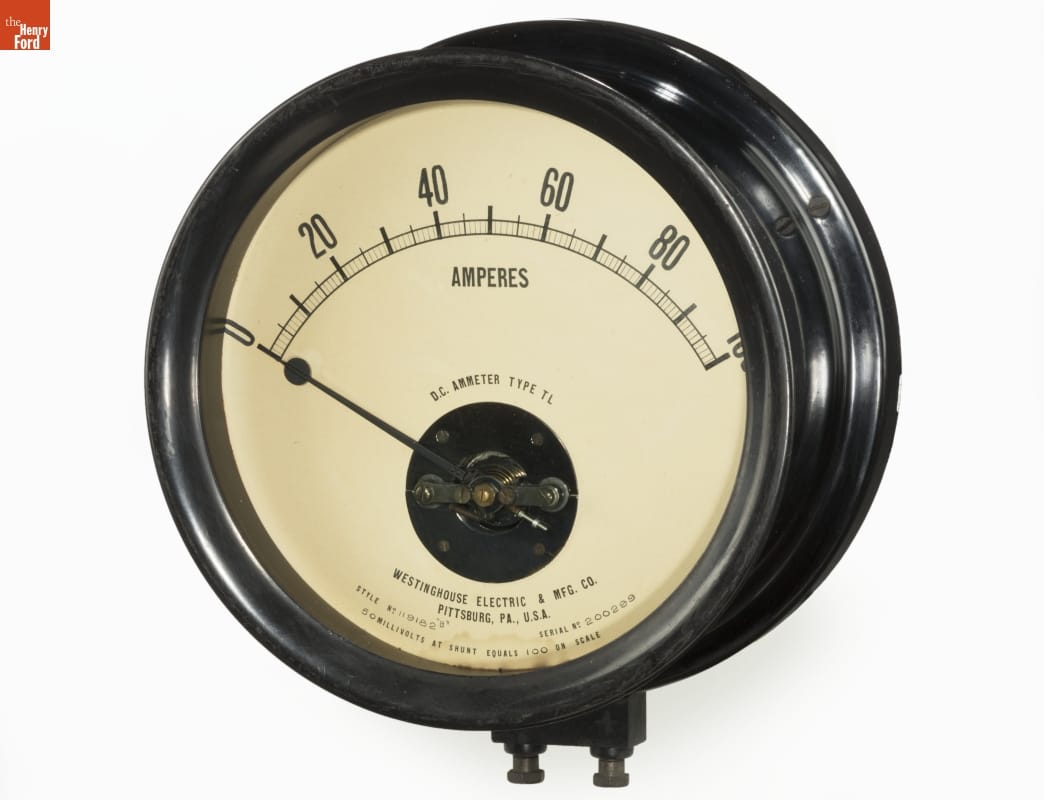
- Westinghouse Type TL Ammeter, circa 1911 - In the late 1800s and early 1900s, companies that supplied electricity to consumers needed a variety of instruments to regulate and monitor electrical output. These instruments were vital to the operation of power stations and needed to be accurate and rugged. Ammeters--used to measure the current in a circuit--could be found on switchboards or connected to motors and generators.
- circa 1911
- Collections - Artifact
Westinghouse Type TL Ammeter, circa 1911
In the late 1800s and early 1900s, companies that supplied electricity to consumers needed a variety of instruments to regulate and monitor electrical output. These instruments were vital to the operation of power stations and needed to be accurate and rugged. Ammeters--used to measure the current in a circuit--could be found on switchboards or connected to motors and generators.
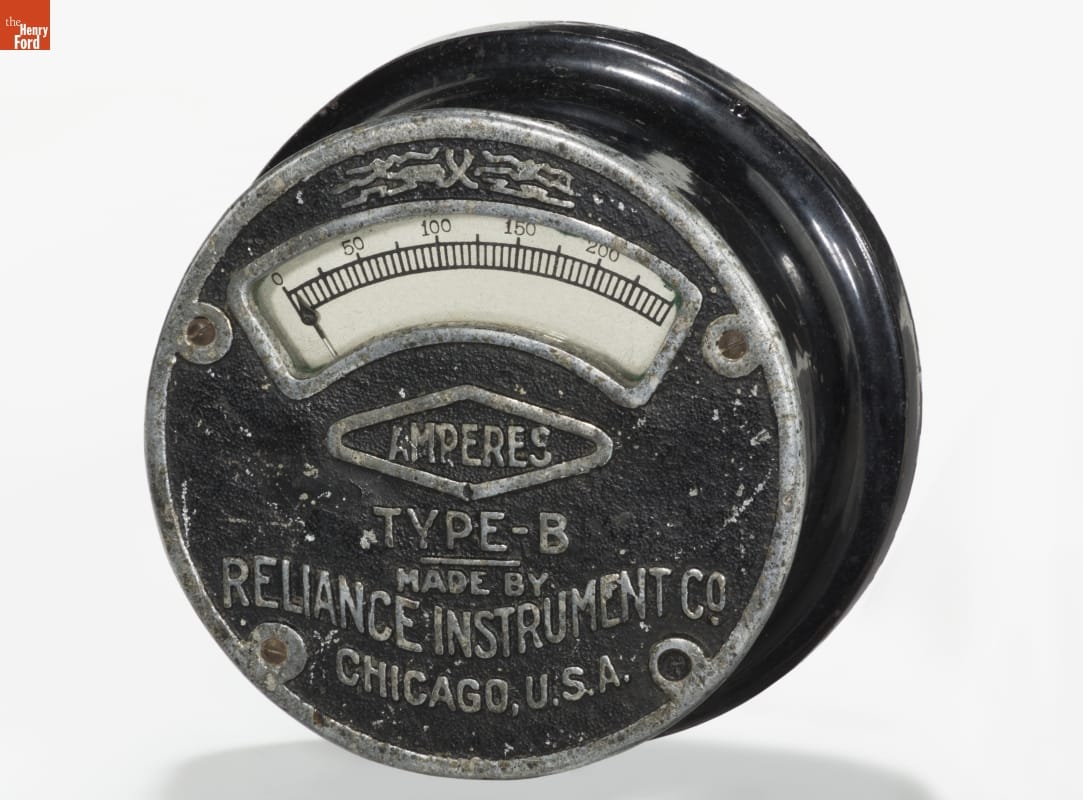
- Reliance Instrument Company Type B Ammeter, circa 1911 - In the late 1800s and early 1900s, companies that supplied electricity to consumers needed a variety of instruments to regulate and monitor electrical output. These instruments were vital to the operation of power stations and needed to be accurate and rugged. Ammeters--used to measure the current in a circuit--could be found on switchboards or connected to motors and generators.
- circa 1911
- Collections - Artifact
Reliance Instrument Company Type B Ammeter, circa 1911
In the late 1800s and early 1900s, companies that supplied electricity to consumers needed a variety of instruments to regulate and monitor electrical output. These instruments were vital to the operation of power stations and needed to be accurate and rugged. Ammeters--used to measure the current in a circuit--could be found on switchboards or connected to motors and generators.
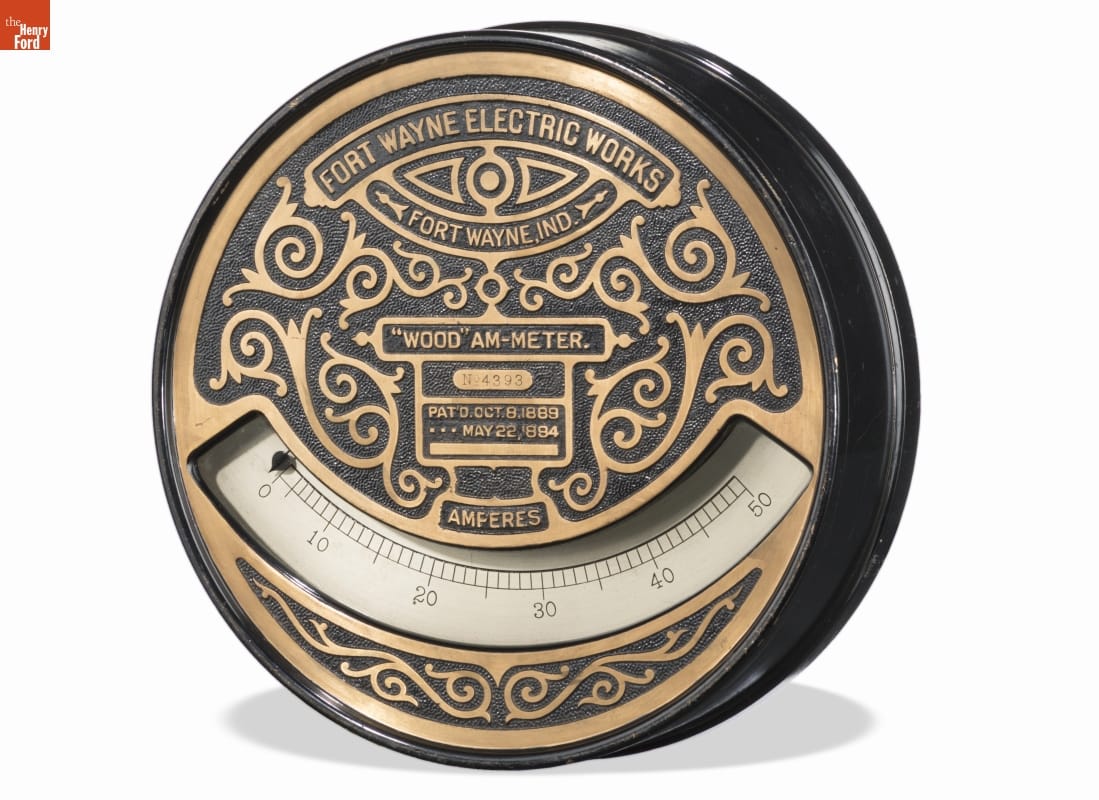
- Fort Wayne Wood Ammeter, 1899-1911 - In the late 1800s and early 1900s, companies that supplied electricity to consumers needed a variety of instruments to regulate and monitor electrical output. These instruments were vital to the operation of power stations and needed to be accurate and rugged. Ammeters--used to measure the current in a circuit--could be found on switchboards or connected to motors and generators.
- 1899-1911
- Collections - Artifact
Fort Wayne Wood Ammeter, 1899-1911
In the late 1800s and early 1900s, companies that supplied electricity to consumers needed a variety of instruments to regulate and monitor electrical output. These instruments were vital to the operation of power stations and needed to be accurate and rugged. Ammeters--used to measure the current in a circuit--could be found on switchboards or connected to motors and generators.