
Search
- Westinghouse Type CS Transformer and Style 1750 Fuse Block, 1893-1910 - Transformers increase or decrease voltage and are essential to alternating current (AC) power systems. In the late 1800s, with the help of transformers, AC power systems proved more efficient and economical than their direct current competitors. Transformers helped convert electricity to high voltage for transmission across long distances, then reduced it to lower, safer voltages for use in homes and factories.
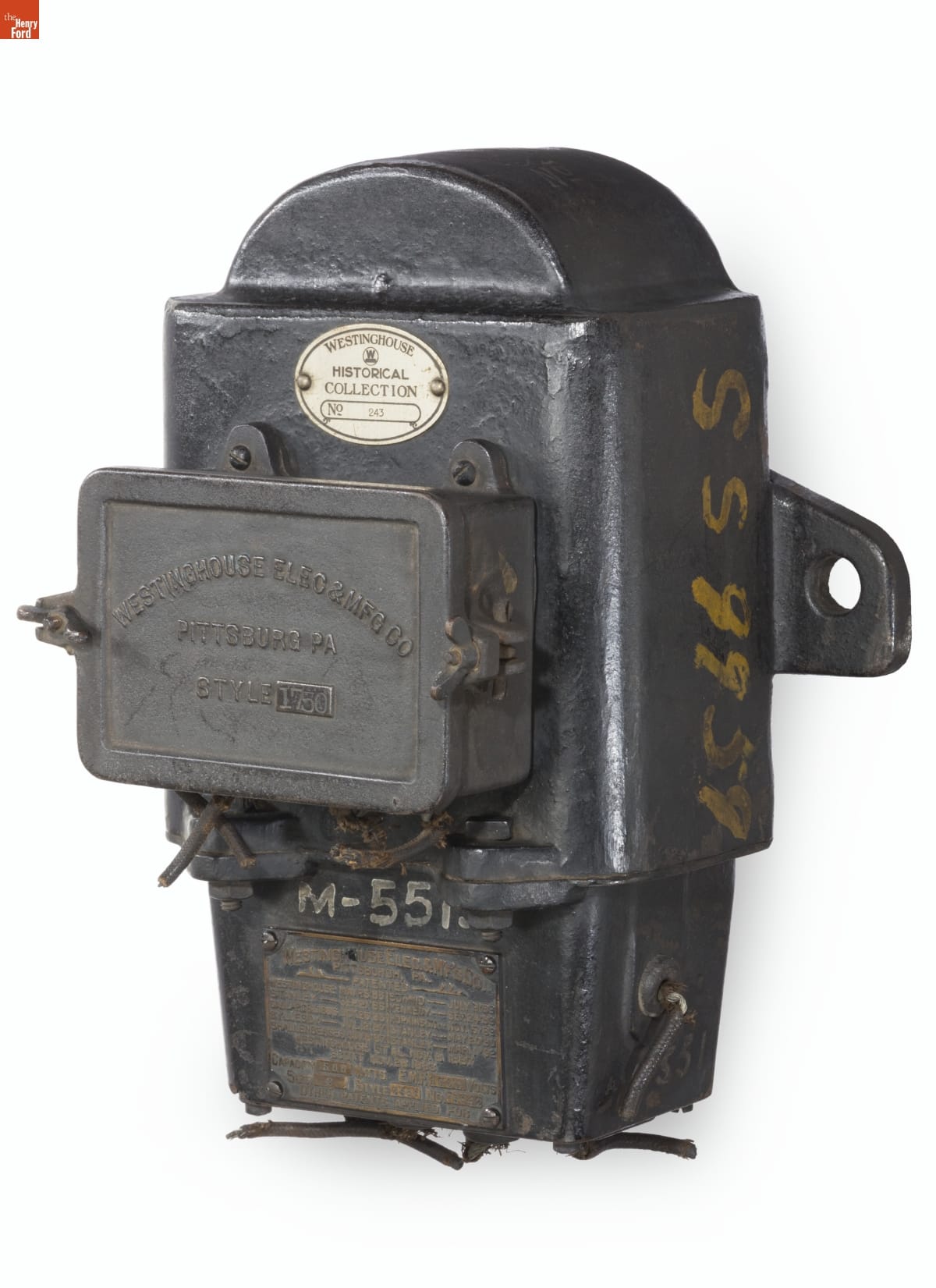
- 1893-1910
- Collections - Artifact
Westinghouse Type CS Transformer and Style 1750 Fuse Block, 1893-1910
Transformers increase or decrease voltage and are essential to alternating current (AC) power systems. In the late 1800s, with the help of transformers, AC power systems proved more efficient and economical than their direct current competitors. Transformers helped convert electricity to high voltage for transmission across long distances, then reduced it to lower, safer voltages for use in homes and factories.
- Westinghouse Transformer, 1900-1910 - Transformers increase or decrease voltage and are essential to alternating current (AC) power systems. In the late 1800s, with the help of transformers, AC power systems proved more efficient and economical than their direct current competitors. Transformers helped convert electricity to high voltage for transmission across long distances, then reduced it to lower, safer voltages for use in homes and factories.
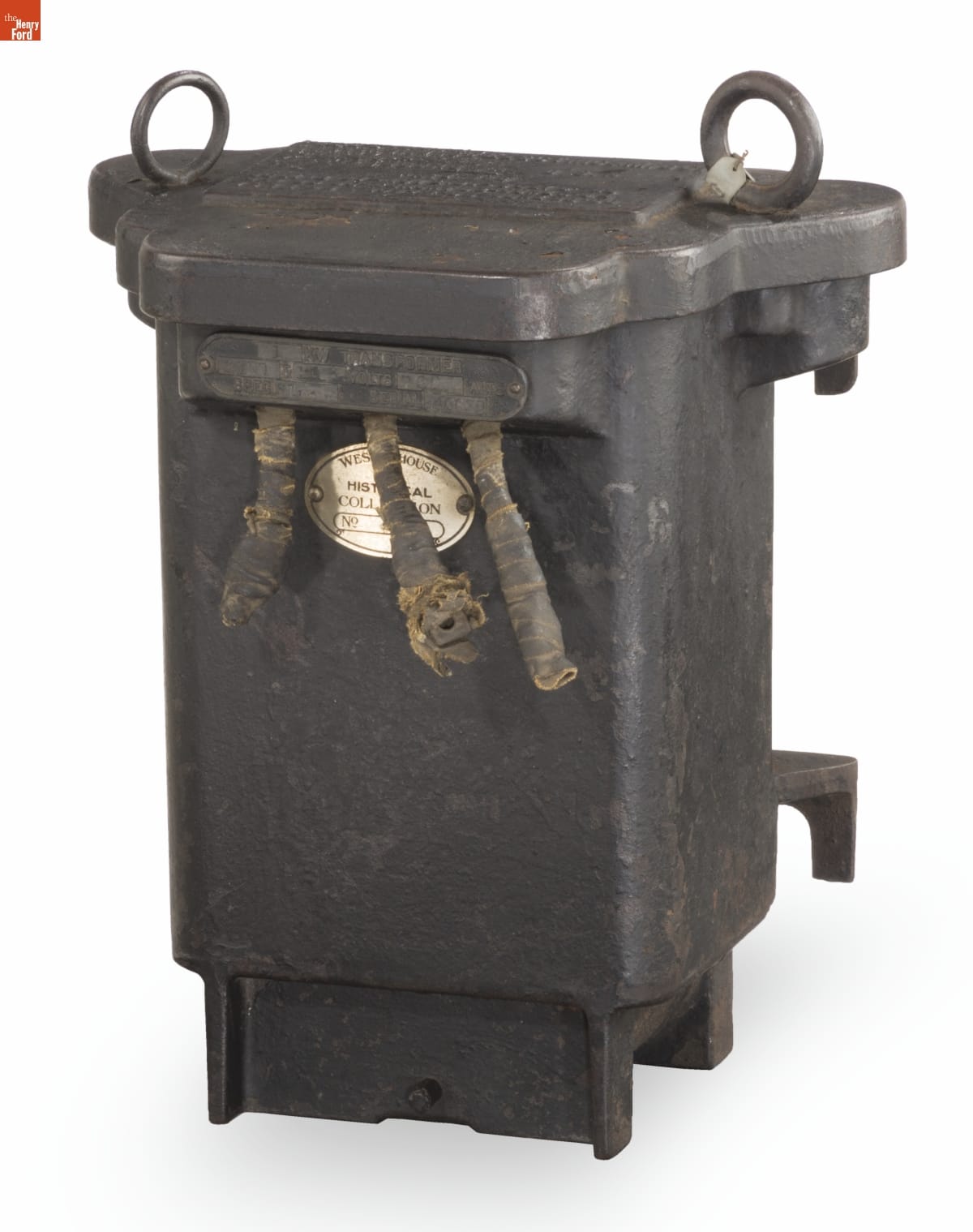
- 1900-1910
- Collections - Artifact
Westinghouse Transformer, 1900-1910
Transformers increase or decrease voltage and are essential to alternating current (AC) power systems. In the late 1800s, with the help of transformers, AC power systems proved more efficient and economical than their direct current competitors. Transformers helped convert electricity to high voltage for transmission across long distances, then reduced it to lower, safer voltages for use in homes and factories.
- Westinghouse Transformer, Used by Rensselaer Polytechnical Institute, 1886-1889 - Transformers increase or decrease voltage and are essential to alternating current (AC) power systems. In the late 1800s, with the help of transformers, AC power systems proved more efficient and economical than their direct current competitors. Transformers helped convert electricity to high voltage for transmission across long distances, then reduced it to lower, safer voltages for use in homes and factories.
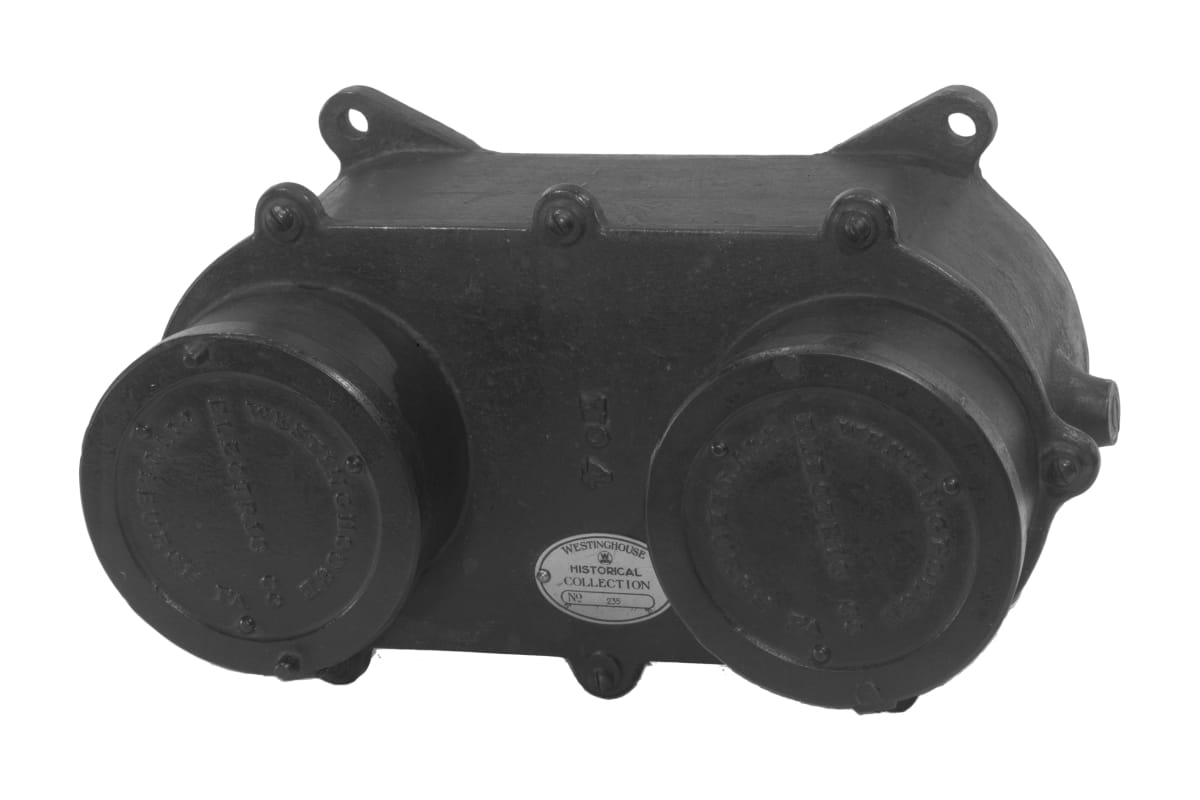
- 1886-1889
- Collections - Artifact
Westinghouse Transformer, Used by Rensselaer Polytechnical Institute, 1886-1889
Transformers increase or decrease voltage and are essential to alternating current (AC) power systems. In the late 1800s, with the help of transformers, AC power systems proved more efficient and economical than their direct current competitors. Transformers helped convert electricity to high voltage for transmission across long distances, then reduced it to lower, safer voltages for use in homes and factories.
- Westinghouse Type E Transformer, 1886-1889 - Transformers increase or decrease voltage and are essential to alternating current (AC) power systems. In the late 1800s, with the help of transformers, AC power systems proved more efficient and economical than their direct current competitors. Transformers helped convert electricity to high voltage for transmission across long distances, then reduced it to lower, safer voltages for use in homes and factories.
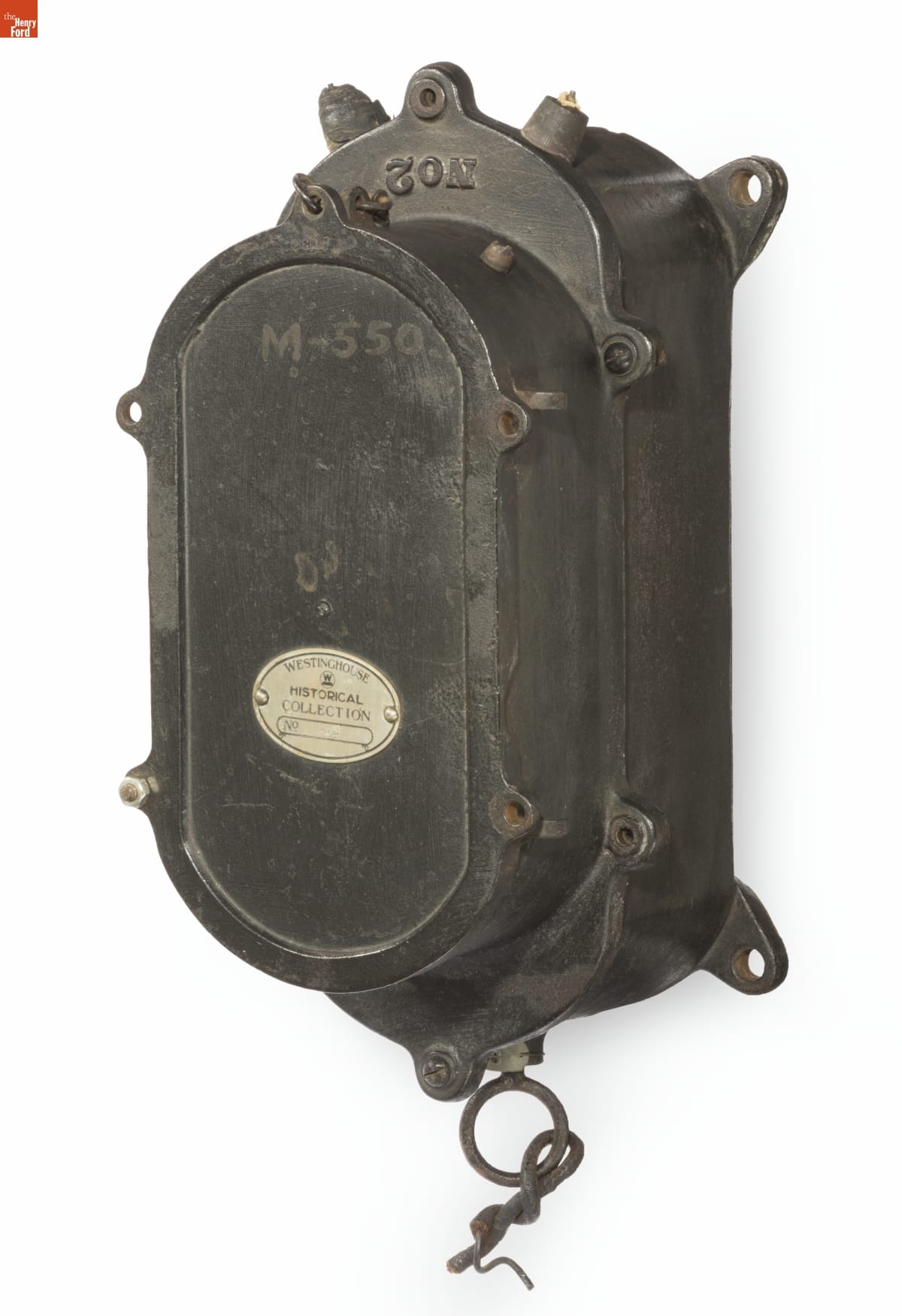
- 1886-1889
- Collections - Artifact
Westinghouse Type E Transformer, 1886-1889
Transformers increase or decrease voltage and are essential to alternating current (AC) power systems. In the late 1800s, with the help of transformers, AC power systems proved more efficient and economical than their direct current competitors. Transformers helped convert electricity to high voltage for transmission across long distances, then reduced it to lower, safer voltages for use in homes and factories.
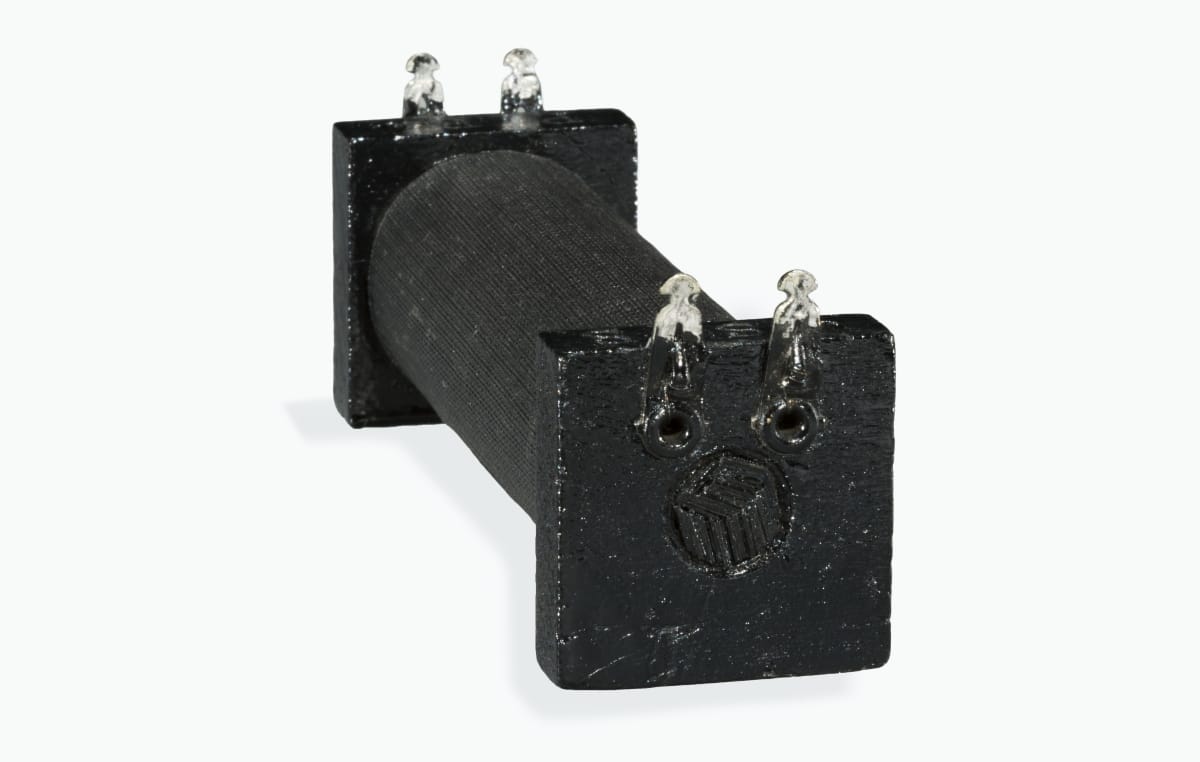
- Coil -
- Collections - Artifact
Coil
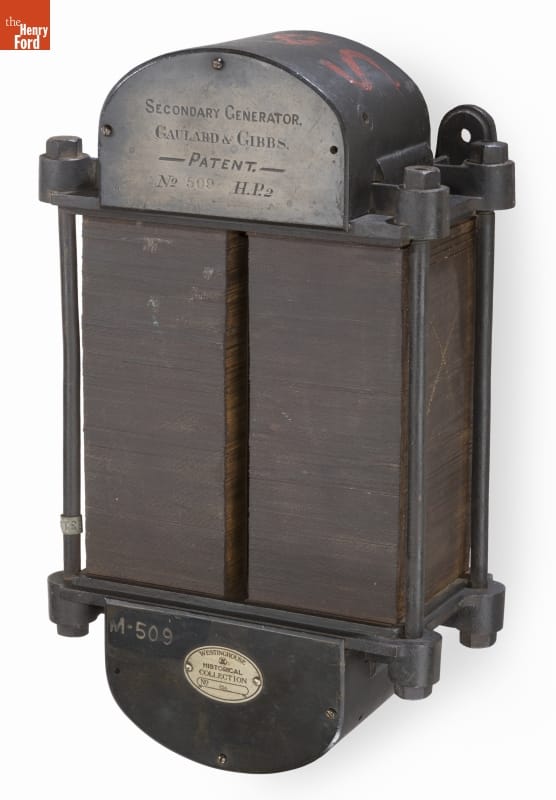
- Gaulard & Gibbs Secondary Generator Transformer, circa 1888 -
- circa 1888
- Collections - Artifact
Gaulard & Gibbs Secondary Generator Transformer, circa 1888
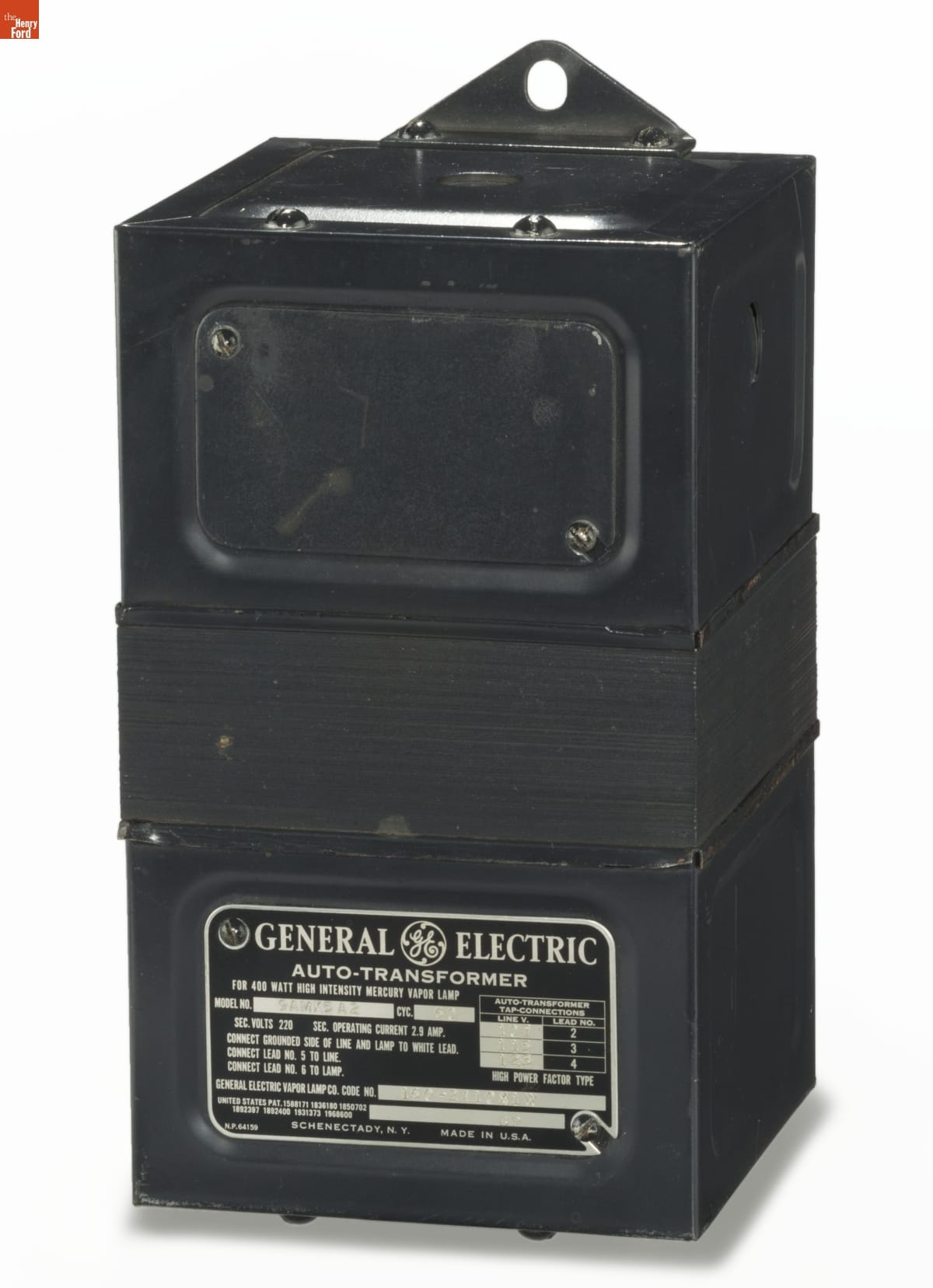
- General Electric Auto-Transformer, circa 1934 - Transformers increase or decrease voltage and are essential to alternating current (AC) power systems. In the late 1800s, with the help of transformers, AC power systems proved more efficient and economical than their direct current competitors. Transformers helped convert electricity to high voltage for transmission across long distances, then reduced it to lower, safer voltages for use in homes and factories.
- circa 1934
- Collections - Artifact
General Electric Auto-Transformer, circa 1934
Transformers increase or decrease voltage and are essential to alternating current (AC) power systems. In the late 1800s, with the help of transformers, AC power systems proved more efficient and economical than their direct current competitors. Transformers helped convert electricity to high voltage for transmission across long distances, then reduced it to lower, safer voltages for use in homes and factories.
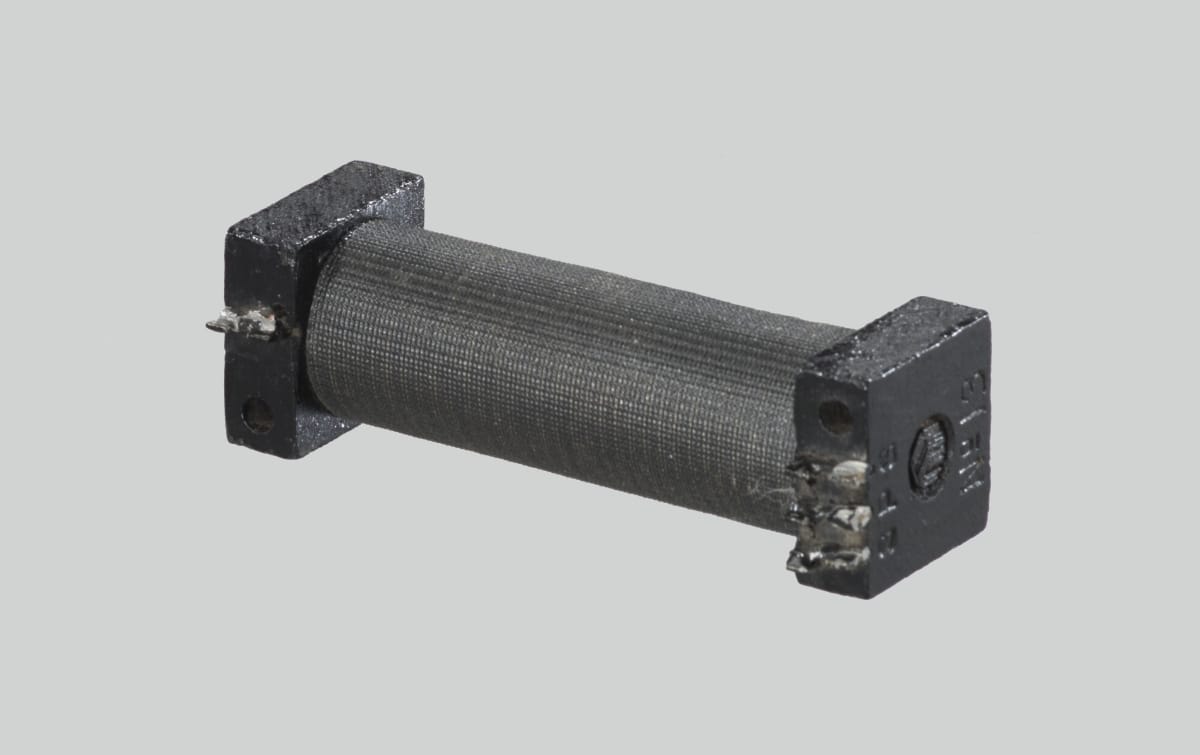
- Coil -
- Collections - Artifact
Coil
- Coil -
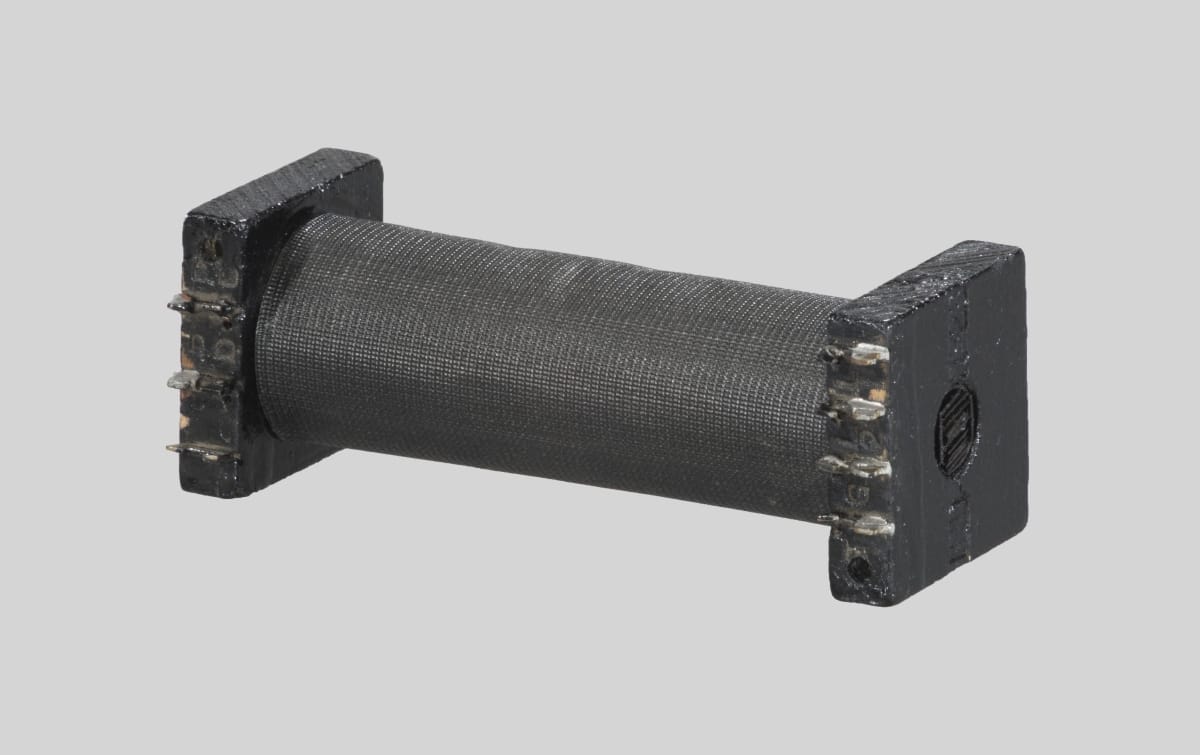
- Collections - Artifact
Coil
- Westinghouse Transformer, 1887-1889 - Transformers increase or decrease voltage and are essential to alternating current (AC) power systems. In the late 1800s, with the help of transformers, AC power systems proved more efficient and economical than their direct current competitors. Transformers helped convert electricity to high voltage for transmission across long distances, then reduced it to lower, safer voltages for use in homes and factories.
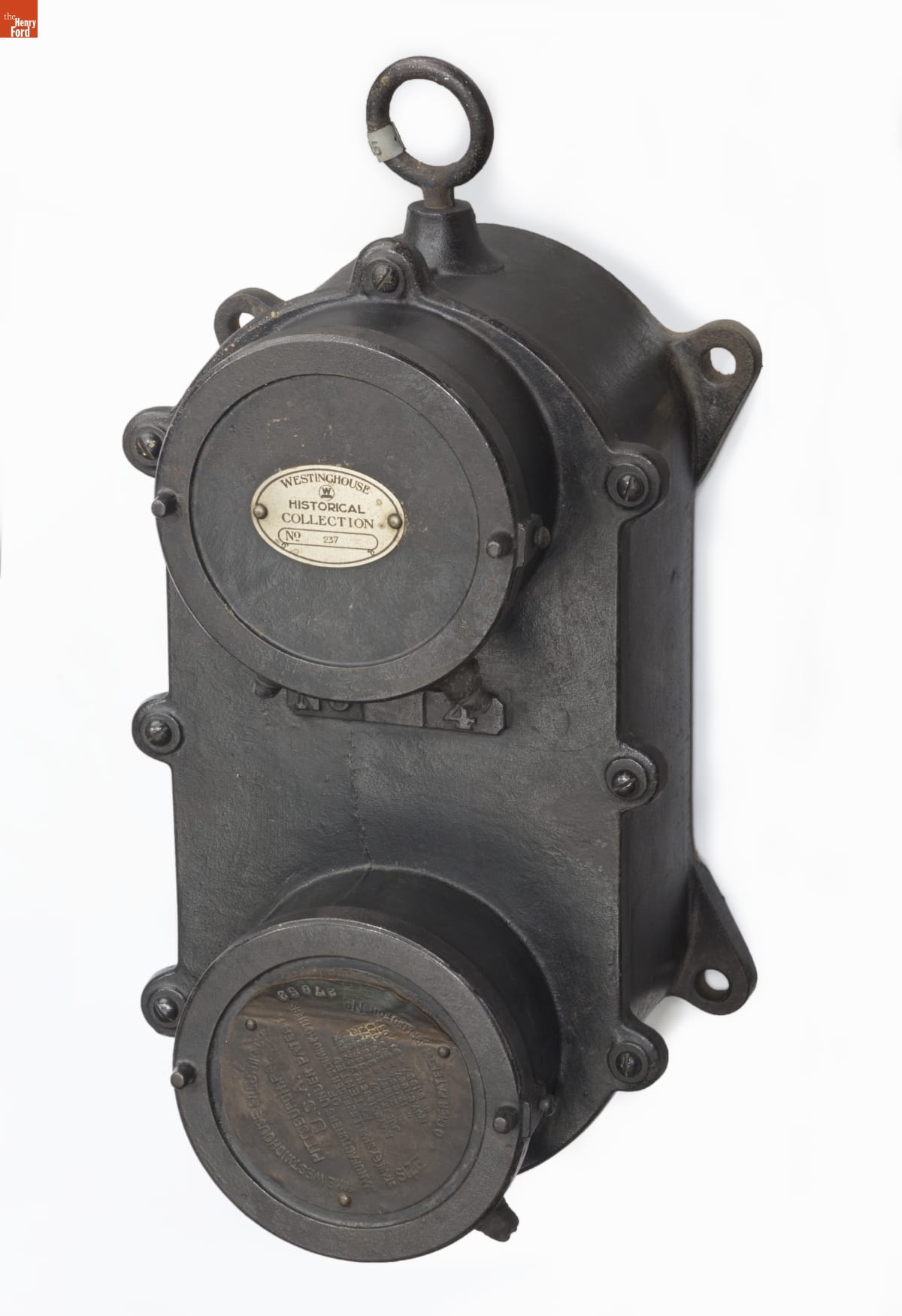
- 1887-1889
- Collections - Artifact
Westinghouse Transformer, 1887-1889
Transformers increase or decrease voltage and are essential to alternating current (AC) power systems. In the late 1800s, with the help of transformers, AC power systems proved more efficient and economical than their direct current competitors. Transformers helped convert electricity to high voltage for transmission across long distances, then reduced it to lower, safer voltages for use in homes and factories.