
Search
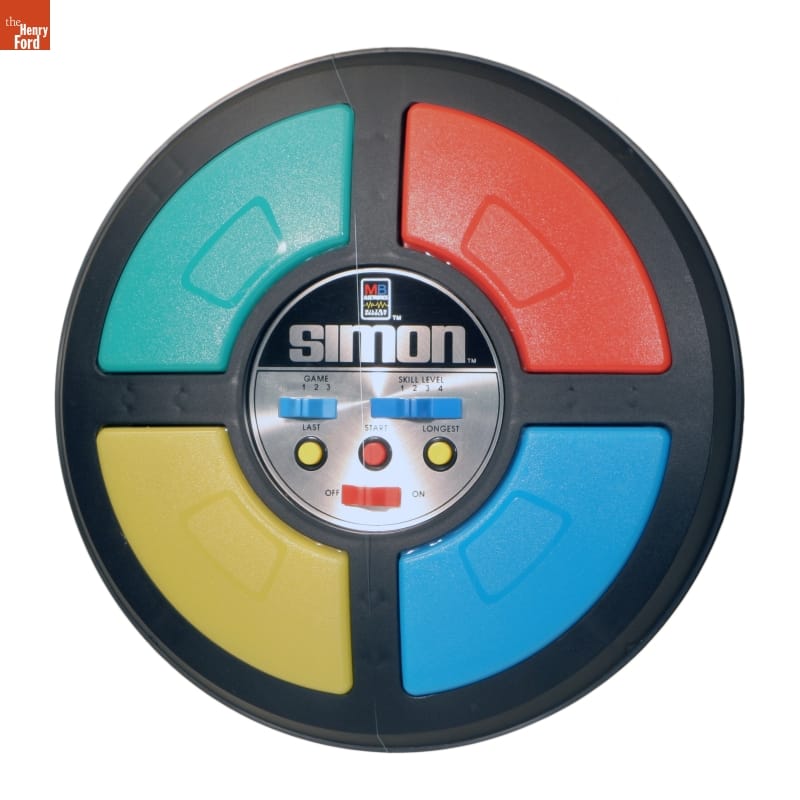
- Simon Game, 1978-1983 - Milton Bradley introduced Simon in 1978. An electronic version of "Simon Says," the game challenged players to repeat a simple sequence by pressing large, colored buttons. Simon flashed and beeped its way into becoming one of the most popular electronic games of the 1970s and early 1980s. It also eased the way for public acceptance of computer-generated play.
- 1978-1983
- Collections - Artifact
Simon Game, 1978-1983
Milton Bradley introduced Simon in 1978. An electronic version of "Simon Says," the game challenged players to repeat a simple sequence by pressing large, colored buttons. Simon flashed and beeped its way into becoming one of the most popular electronic games of the 1970s and early 1980s. It also eased the way for public acceptance of computer-generated play.
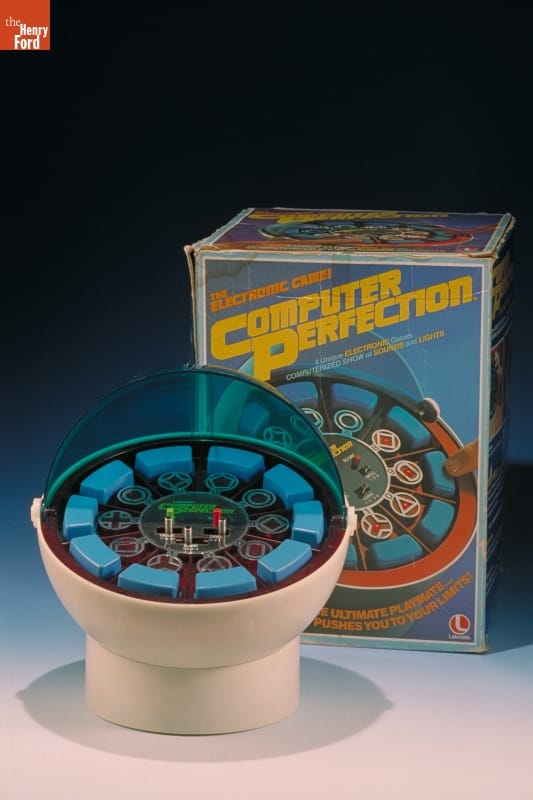
- Computer Perfection Game, 1979-1985 - Lakeside released the futuristic-looking Computer Perfection game in 1979. Opening the domed lid activated an on/off switch and initiated a series of beeps and flashes. Players could choose one of four simple games. In the late 1970s, a number of toy companies produce electronic games for a computer-fascinated public. These toys helped usher in more sophisticated electronic gameplay.
- 1979-1985
- Collections - Artifact
Computer Perfection Game, 1979-1985
Lakeside released the futuristic-looking Computer Perfection game in 1979. Opening the domed lid activated an on/off switch and initiated a series of beeps and flashes. Players could choose one of four simple games. In the late 1970s, a number of toy companies produce electronic games for a computer-fascinated public. These toys helped usher in more sophisticated electronic gameplay.
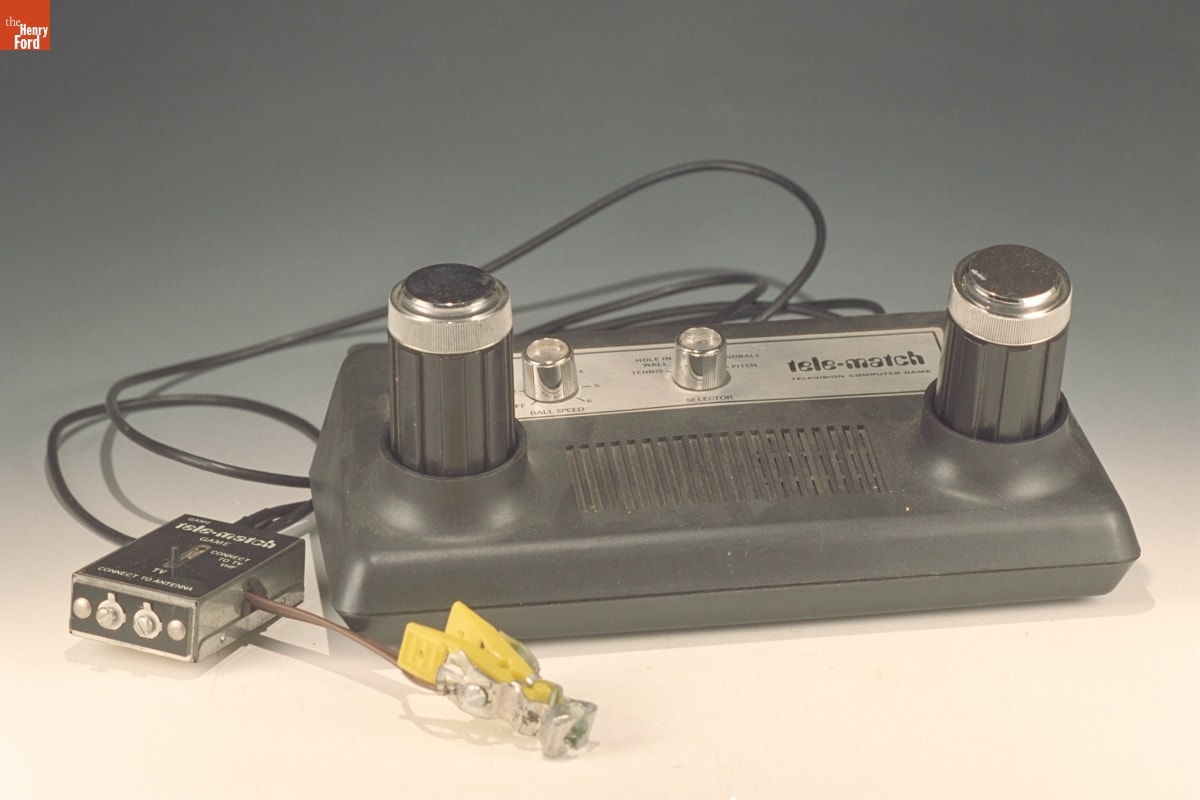
- Tele-Match Television Computer Game, 1975-1980 - In the 1970s, video game consoles allowed the general public to play games on a television at home. Before consoles, games were available mainly on coin-operated machines in arcades. These early home video games consisted of simple graphics and were limited to those preloaded on the console. This Tele-Match console came with five games, including "Tennis," a Pong-like game.
- 1975-1980
- Collections - Artifact
Tele-Match Television Computer Game, 1975-1980
In the 1970s, video game consoles allowed the general public to play games on a television at home. Before consoles, games were available mainly on coin-operated machines in arcades. These early home video games consisted of simple graphics and were limited to those preloaded on the console. This Tele-Match console came with five games, including "Tennis," a Pong-like game.
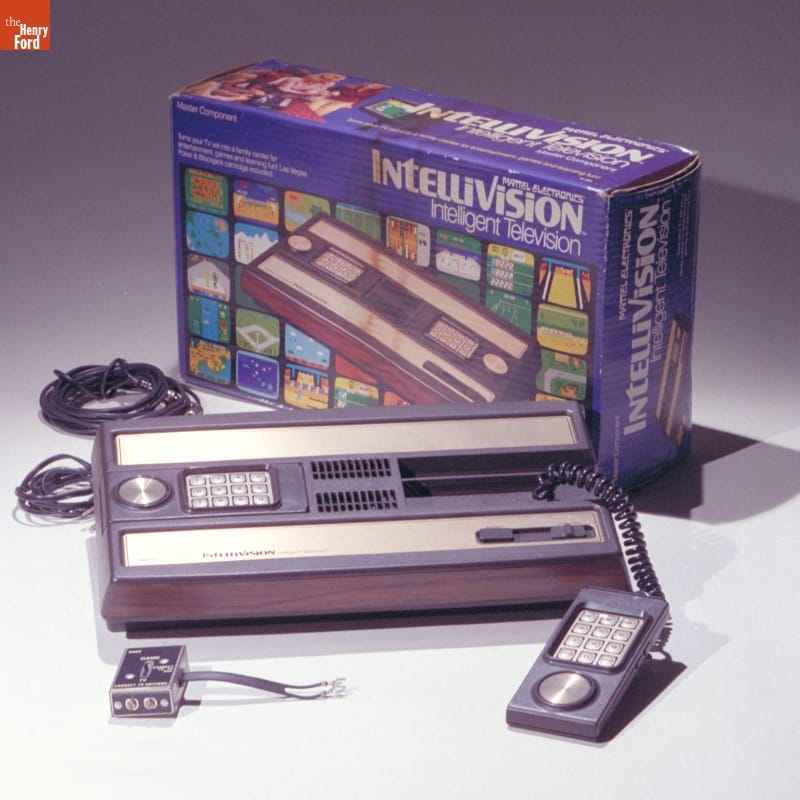
- Intellivision: Intelligent Television Game, 1981-1985 - Mattel released its home video game console, Intellivision, in 1980. With a 16-bit microprocessor, an industry first, Intellivision outshone its competitors with more advanced graphics and a versatile color palette. The Mattel product also introduced downloadable games and, later, synthesized speech. Intellivision was a hit. By 1982 over two million units had been sold.
- 1981-1985
- Collections - Artifact
Intellivision: Intelligent Television Game, 1981-1985
Mattel released its home video game console, Intellivision, in 1980. With a 16-bit microprocessor, an industry first, Intellivision outshone its competitors with more advanced graphics and a versatile color palette. The Mattel product also introduced downloadable games and, later, synthesized speech. Intellivision was a hit. By 1982 over two million units had been sold.
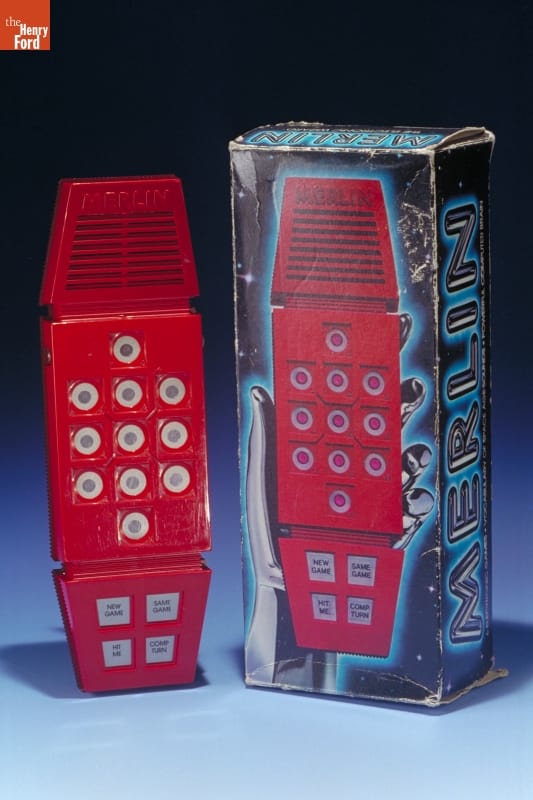
- Electronic Game, Merlin, 1978-1985 - Merlin, introduced by Parker Brothers in 1978, joined a growing number of electronic games released in the late 1970s. Players could choose between six different games programmed into Merlin's microprocessor. The handheld game became an instant hit. But unlike many other toys that flashed and beeped, Merlin remained popular well into the 1980s.
- 1978-1985
- Collections - Artifact
Electronic Game, Merlin, 1978-1985
Merlin, introduced by Parker Brothers in 1978, joined a growing number of electronic games released in the late 1970s. Players could choose between six different games programmed into Merlin's microprocessor. The handheld game became an instant hit. But unlike many other toys that flashed and beeped, Merlin remained popular well into the 1980s.