
Search
- Fisher-Price "#ThankYouHeroes: Emergency Medical Technician" Action Figure, 2020 - Fisher Price created the #ThankYouHeroes collection of Superhero Action Figures in the spring of 2020 to express gratitude and support for frontline workers during the early months of the COVID-19 pandemic. Figures included healthcare workers, grocery store employees, and people who delivered essential products to homes and families. Fisher Price donated proceeds from the sales to support these frontline heroes.

- 2020
- Collections - Artifact
Fisher-Price "#ThankYouHeroes: Emergency Medical Technician" Action Figure, 2020
Fisher Price created the #ThankYouHeroes collection of Superhero Action Figures in the spring of 2020 to express gratitude and support for frontline workers during the early months of the COVID-19 pandemic. Figures included healthcare workers, grocery store employees, and people who delivered essential products to homes and families. Fisher Price donated proceeds from the sales to support these frontline heroes.
- 1917 Ford Model T U.S. Army Ambulance - When the United States entered World War I, Ford Motor Company personnel collaborated with the U.S. Surgeon General's Office, and with drivers who had served on the frontlines in France, to design a Model T-based ambulance suited to battlefield conditions. Ford built 5,745 ambulances for the Allied Powers during the war, and another 107 for the Red Cross.
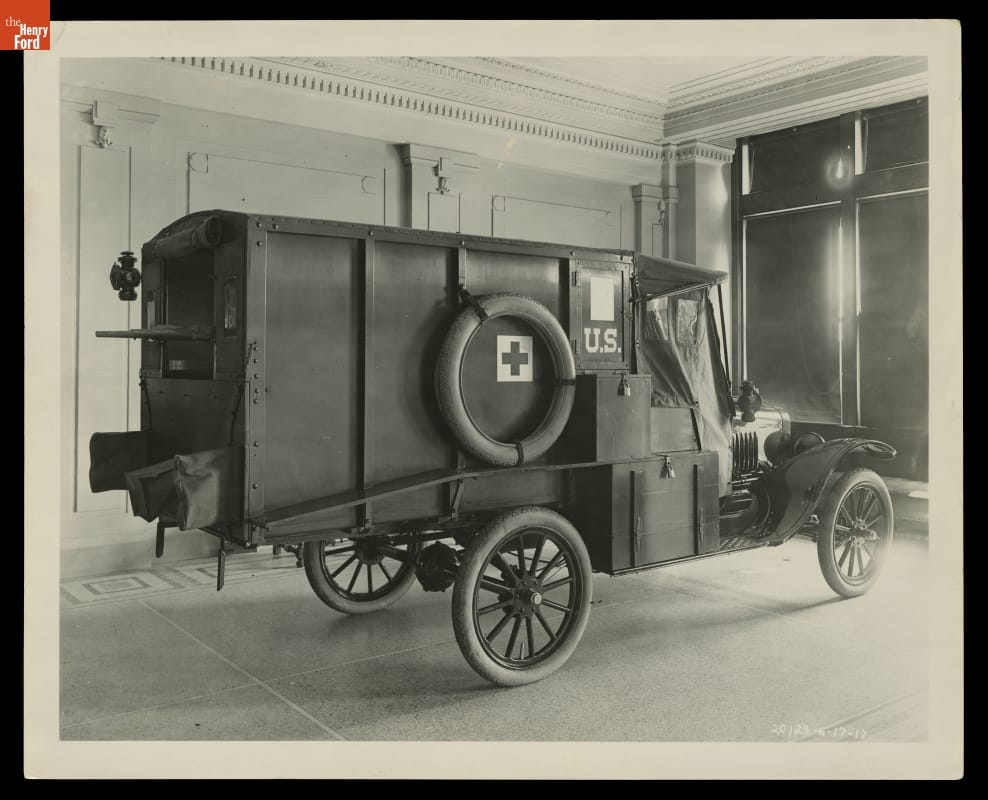
- June 17, 1917
- Collections - Artifact
1917 Ford Model T U.S. Army Ambulance
When the United States entered World War I, Ford Motor Company personnel collaborated with the U.S. Surgeon General's Office, and with drivers who had served on the frontlines in France, to design a Model T-based ambulance suited to battlefield conditions. Ford built 5,745 ambulances for the Allied Powers during the war, and another 107 for the Red Cross.
- Ford Model T Ambulance Manufactured during World War I, 1917 - When the United States entered World War I, Ford Motor Company personnel collaborated with the U.S. Surgeon General's Office, and with drivers who had served on the frontlines in France, to design a Model T-based ambulance suited to battlefield conditions. Ford built 5,745 ambulances for the Allied Powers during the war, and another 107 for the Red Cross.
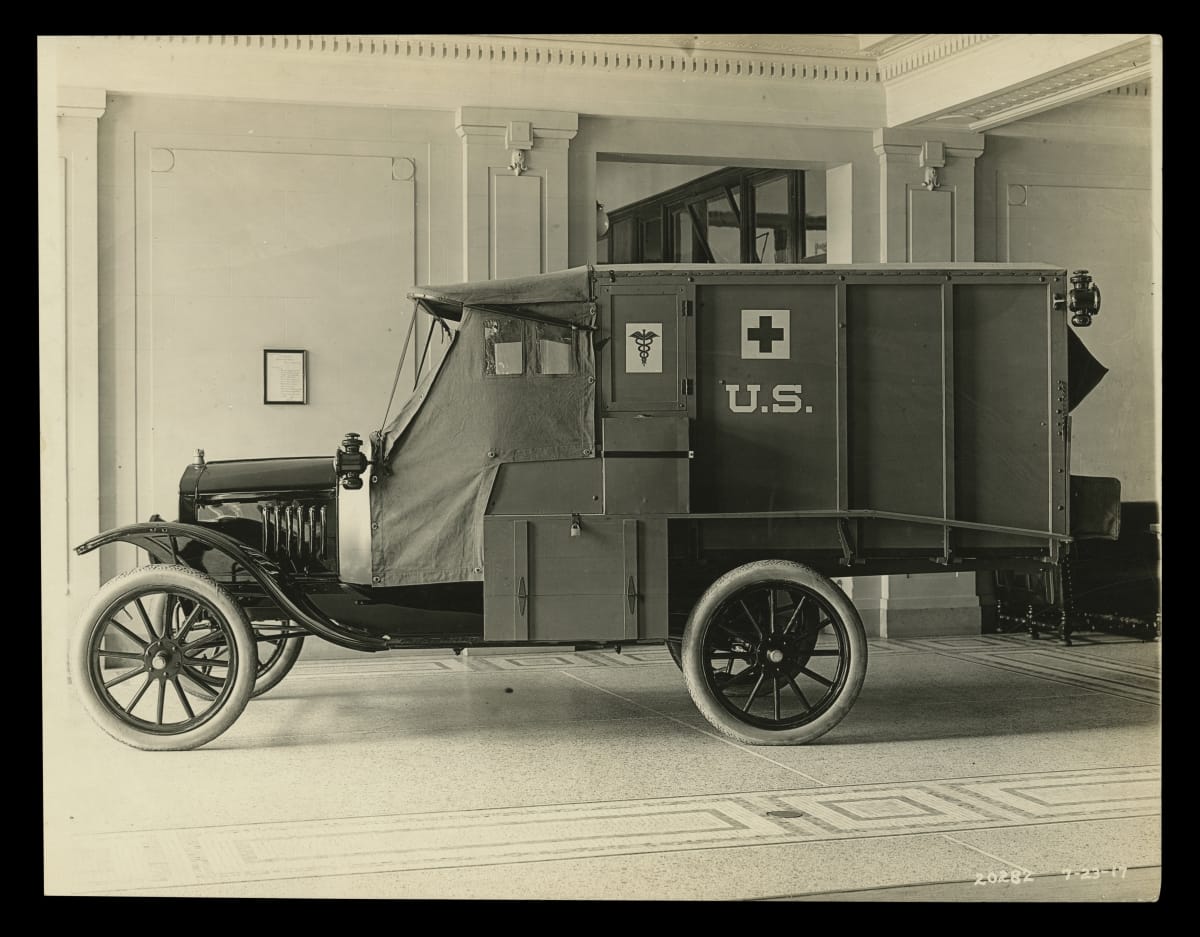
- July 23, 1917
- Collections - Artifact
Ford Model T Ambulance Manufactured during World War I, 1917
When the United States entered World War I, Ford Motor Company personnel collaborated with the U.S. Surgeon General's Office, and with drivers who had served on the frontlines in France, to design a Model T-based ambulance suited to battlefield conditions. Ford built 5,745 ambulances for the Allied Powers during the war, and another 107 for the Red Cross.
- Ford Model T Ambulance Manufactured during World War I, 1917 - When the United States entered World War I, Ford Motor Company personnel collaborated with the U.S. Surgeon General's Office, and with drivers who had served on the frontlines in France, to design a Model T-based ambulance suited to battlefield conditions. Ford built 5,745 ambulances for the Allied Powers during the war, and another 107 for the Red Cross.
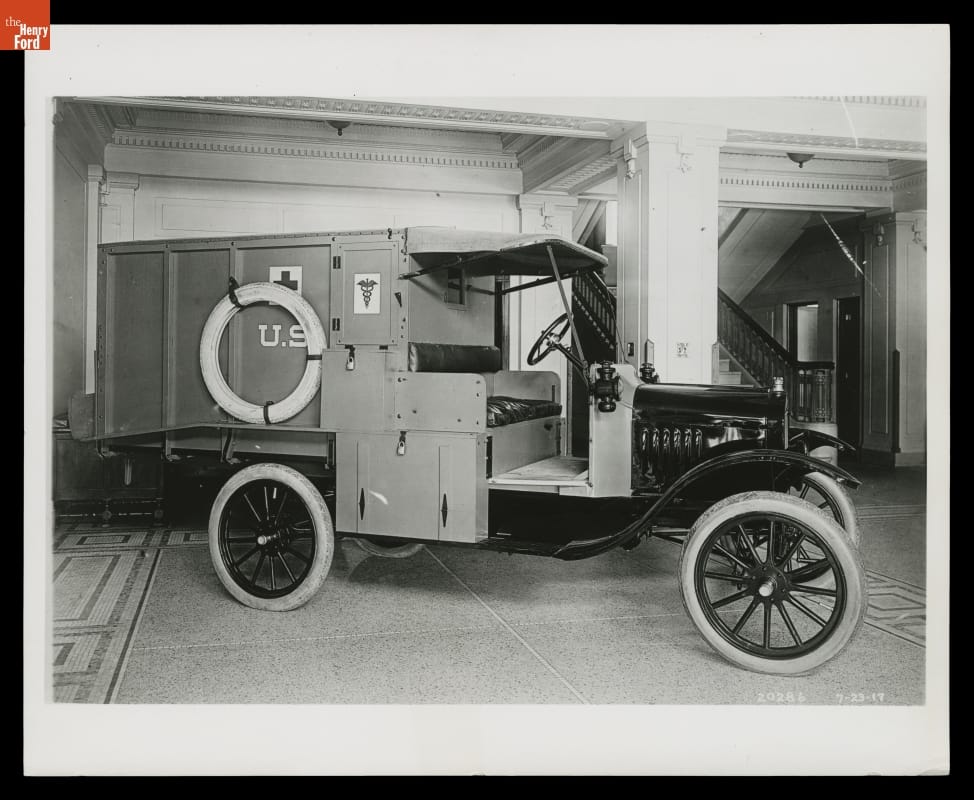
- July 23, 1917
- Collections - Artifact
Ford Model T Ambulance Manufactured during World War I, 1917
When the United States entered World War I, Ford Motor Company personnel collaborated with the U.S. Surgeon General's Office, and with drivers who had served on the frontlines in France, to design a Model T-based ambulance suited to battlefield conditions. Ford built 5,745 ambulances for the Allied Powers during the war, and another 107 for the Red Cross.
- Ford Model T Ambulances outside Ford Highland Park Plant, July 1918 - When the United States entered World War I, Ford Motor Company personnel collaborated with the U.S. Surgeon General's Office, and with drivers who had served on the frontlines in France, to design a Model T-based ambulance suited to battlefield conditions. Ford built 5,745 ambulances for the Allied Powers during the war, and another 107 for the Red Cross.
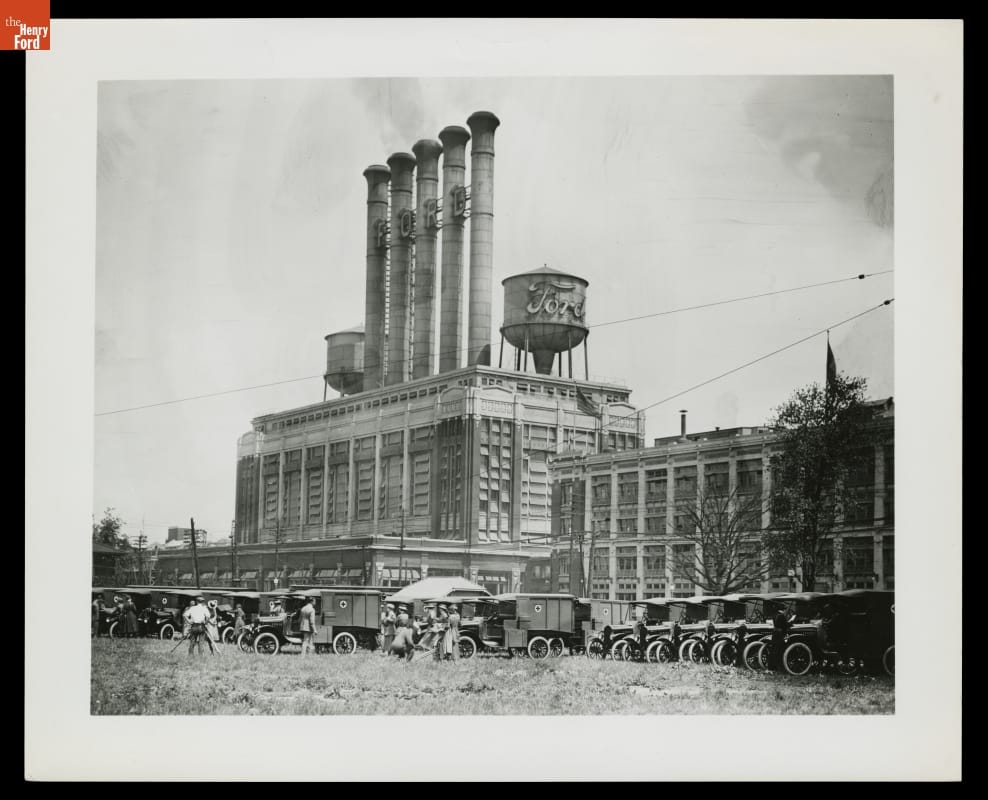
- July 17, 1918
- Collections - Artifact
Ford Model T Ambulances outside Ford Highland Park Plant, July 1918
When the United States entered World War I, Ford Motor Company personnel collaborated with the U.S. Surgeon General's Office, and with drivers who had served on the frontlines in France, to design a Model T-based ambulance suited to battlefield conditions. Ford built 5,745 ambulances for the Allied Powers during the war, and another 107 for the Red Cross.
- Ford Model T Ambulance Manufactured during World War I, 1918 - When the United States entered World War I, Ford Motor Company personnel collaborated with the U.S. Surgeon General's Office, and with drivers who had served on the frontlines in France, to design a Model T-based ambulance suited to battlefield conditions. Ford built 5,745 ambulances for the Allied Powers during the war, and another 107 for the Red Cross.
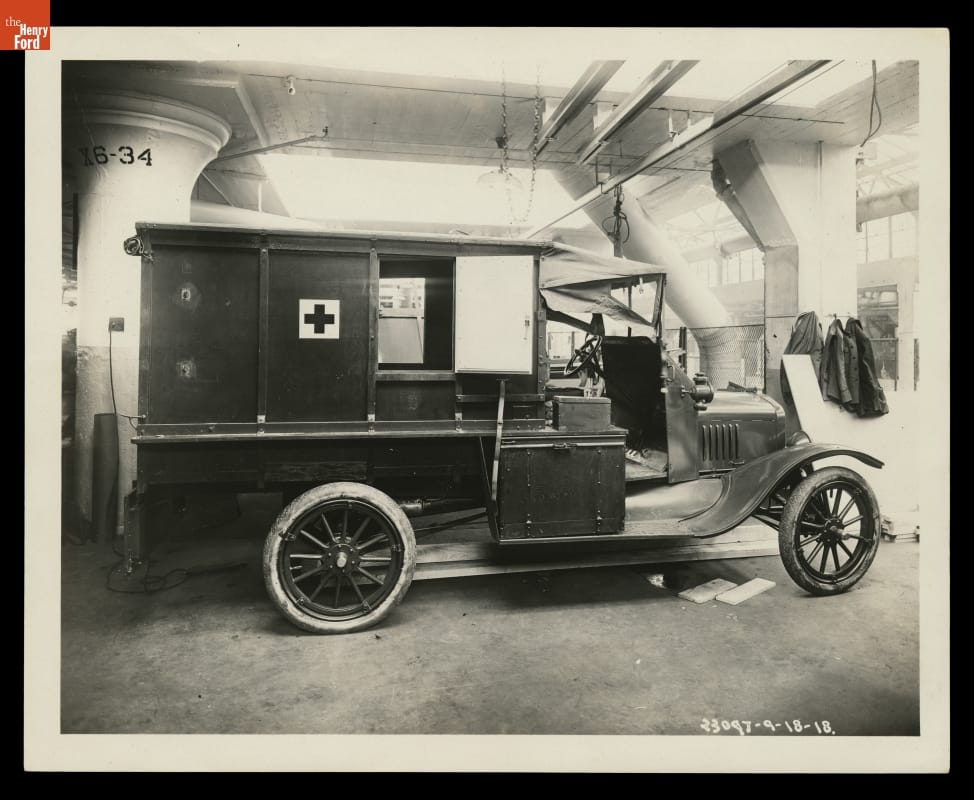
- September 18, 1918
- Collections - Artifact
Ford Model T Ambulance Manufactured during World War I, 1918
When the United States entered World War I, Ford Motor Company personnel collaborated with the U.S. Surgeon General's Office, and with drivers who had served on the frontlines in France, to design a Model T-based ambulance suited to battlefield conditions. Ford built 5,745 ambulances for the Allied Powers during the war, and another 107 for the Red Cross.
- Letter from William Jennings Bryan to Dr. Frederick Lynch, 1917 -
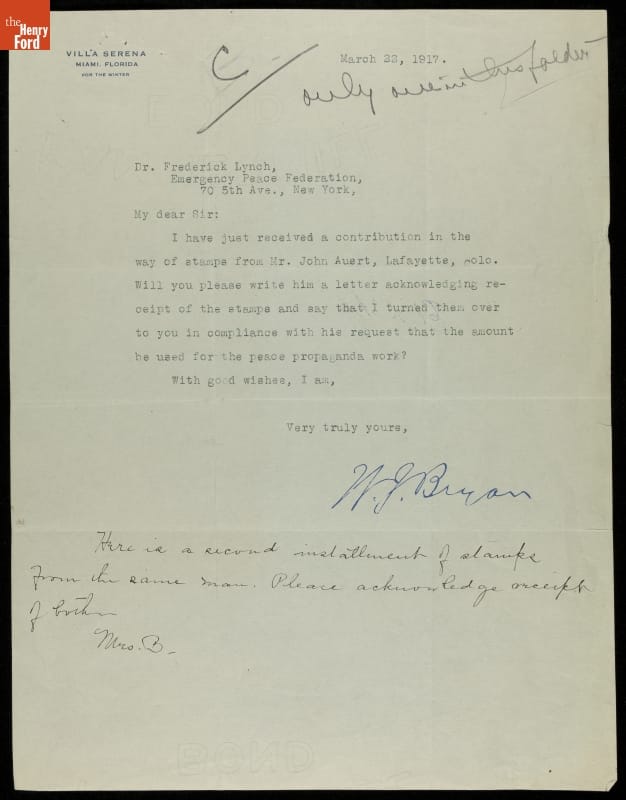
- March 22, 1917
- Collections - Artifact
Letter from William Jennings Bryan to Dr. Frederick Lynch, 1917
- Emergency Hand-Crank Radio and Power Generator, circa 2010 - People who want to be prepared for disasters and power disruptions-or even for a post-oil society-can buy nonelectric, noncomputerized devices like this emergency radio. The radio is powered by a hand crank and includes a light and a cellphone charger.
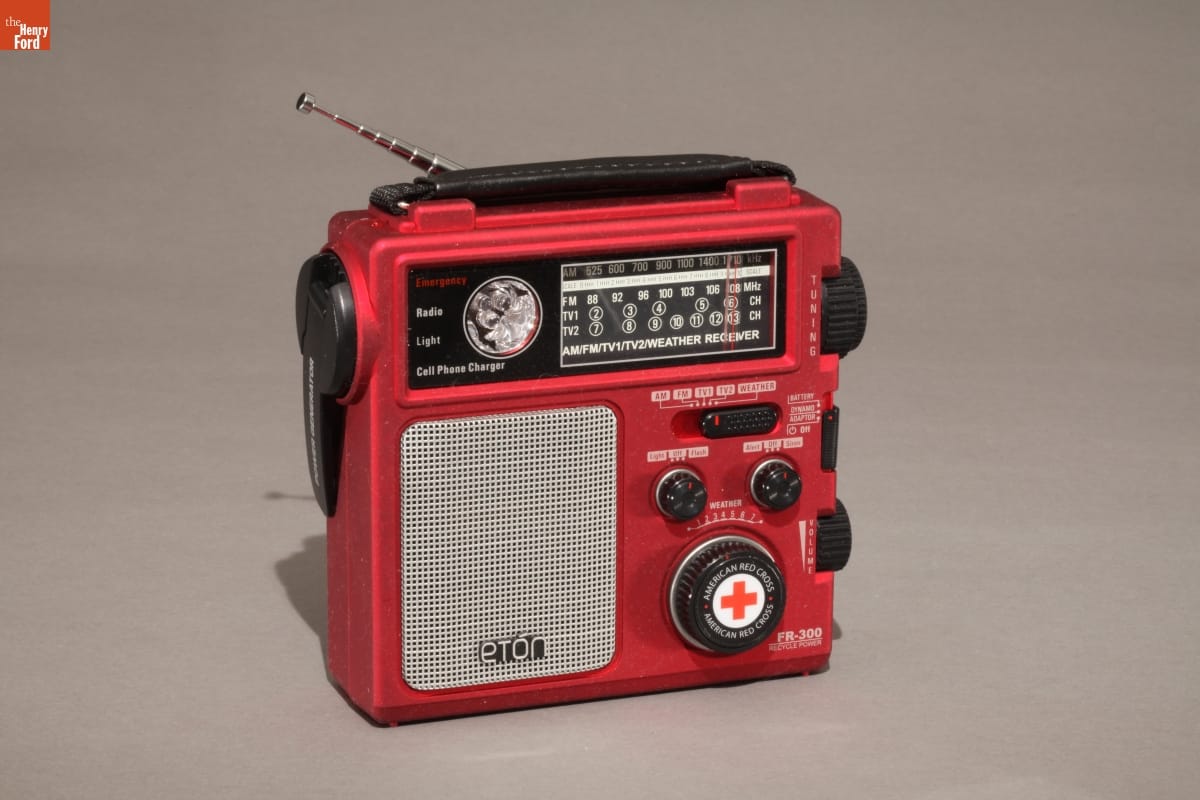
- circa 2010
- Collections - Artifact
Emergency Hand-Crank Radio and Power Generator, circa 2010
People who want to be prepared for disasters and power disruptions-or even for a post-oil society-can buy nonelectric, noncomputerized devices like this emergency radio. The radio is powered by a hand crank and includes a light and a cellphone charger.
- Veterinary Ambulance, circa 1900 - Horses and mules were everywhere on 19th-century American streets pulling cabs, carriages, streetcars, and commercial vehicles. This ambulance wagon, used by Detroit veterinarian Elijah Patterson, transported sick or injured draft animals for medical treatment. The wagon bed was lowered toward the street with a winch, which then pulled the bed, complete with animal, back into the wagon.
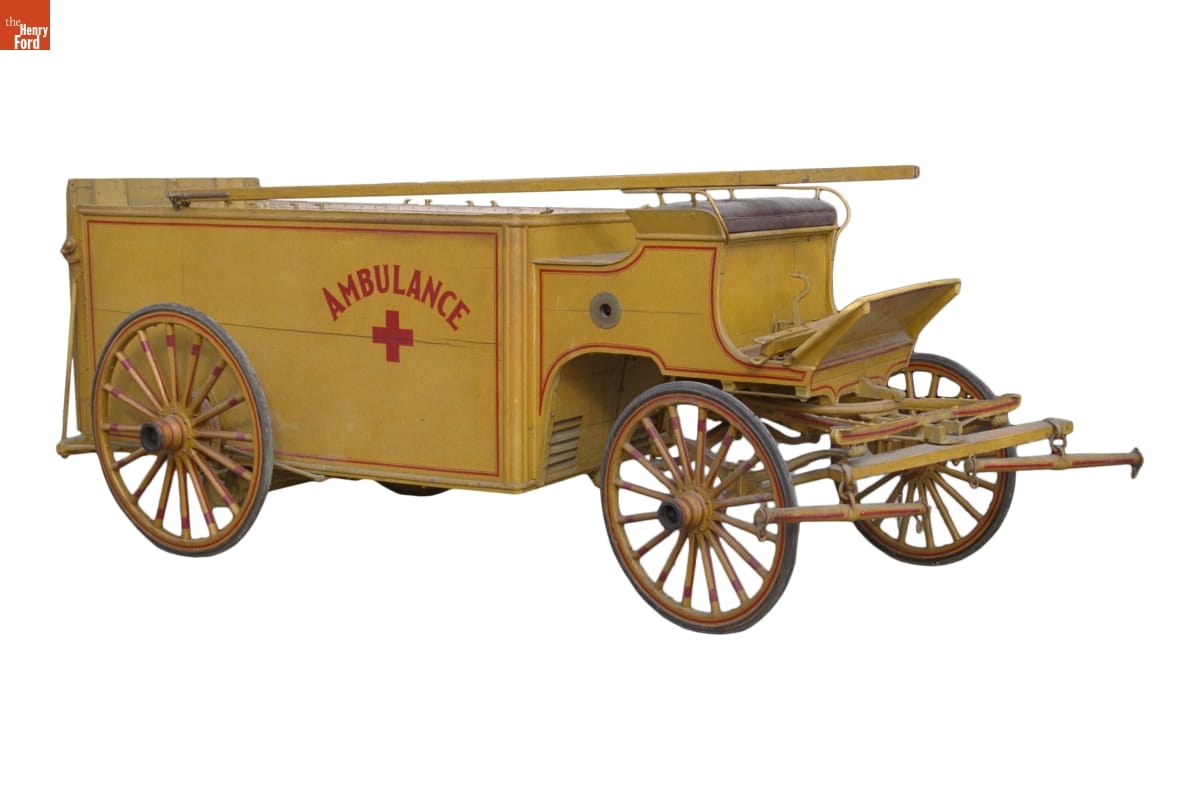
- circa 1900
- Collections - Artifact
Veterinary Ambulance, circa 1900
Horses and mules were everywhere on 19th-century American streets pulling cabs, carriages, streetcars, and commercial vehicles. This ambulance wagon, used by Detroit veterinarian Elijah Patterson, transported sick or injured draft animals for medical treatment. The wagon bed was lowered toward the street with a winch, which then pulled the bed, complete with animal, back into the wagon.
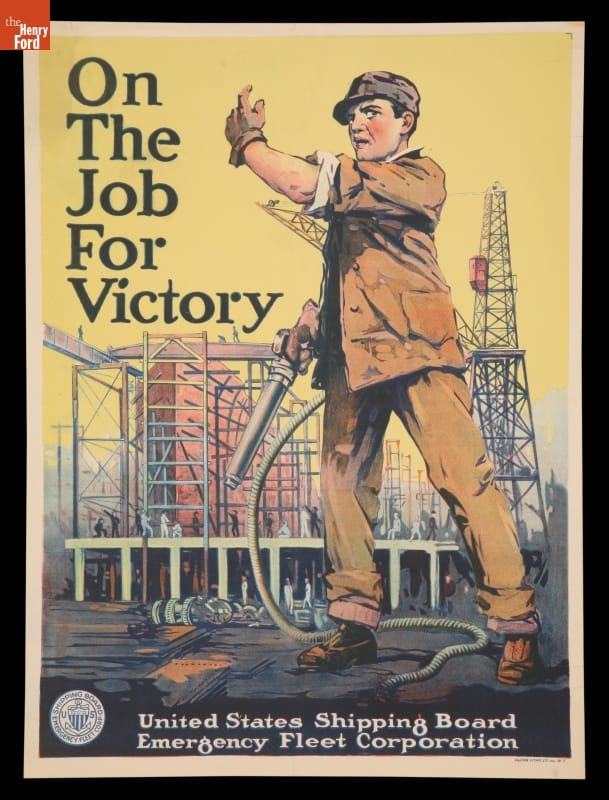
- World War I Poster, "On the Job for Victory," circa 1918 - During the First World War, governments of all the warring nations used poster campaigns to encourage civilian and military support of the war effort. Artists widely used an innovative advertising technique for these posters that moved away from a factual depiction of a product's material or event's subject to an emphasis on appealing to the viewer's emotions.
- circa 1918
- Collections - Artifact
World War I Poster, "On the Job for Victory," circa 1918
During the First World War, governments of all the warring nations used poster campaigns to encourage civilian and military support of the war effort. Artists widely used an innovative advertising technique for these posters that moved away from a factual depiction of a product's material or event's subject to an emphasis on appealing to the viewer's emotions.