
Search
- Meeting Minutes from the Dearborn Township Branch of the Equal Suffrage League of Wayne County, July 11, 1918 - Suffragists in the early 20th century joined local suffrage leagues and associations to advocate for women's right to vote. In July 1918, the Dearborn (Michigan) chapter of the Equal Suffrage League of Wayne County met to learn about organizing efforts and elect officials. Michigan suffragists worked tirelessly over the next few months to pass a state suffrage amendment.

- July 11, 1918
- Collections - Artifact
Meeting Minutes from the Dearborn Township Branch of the Equal Suffrage League of Wayne County, July 11, 1918
Suffragists in the early 20th century joined local suffrage leagues and associations to advocate for women's right to vote. In July 1918, the Dearborn (Michigan) chapter of the Equal Suffrage League of Wayne County met to learn about organizing efforts and elect officials. Michigan suffragists worked tirelessly over the next few months to pass a state suffrage amendment.
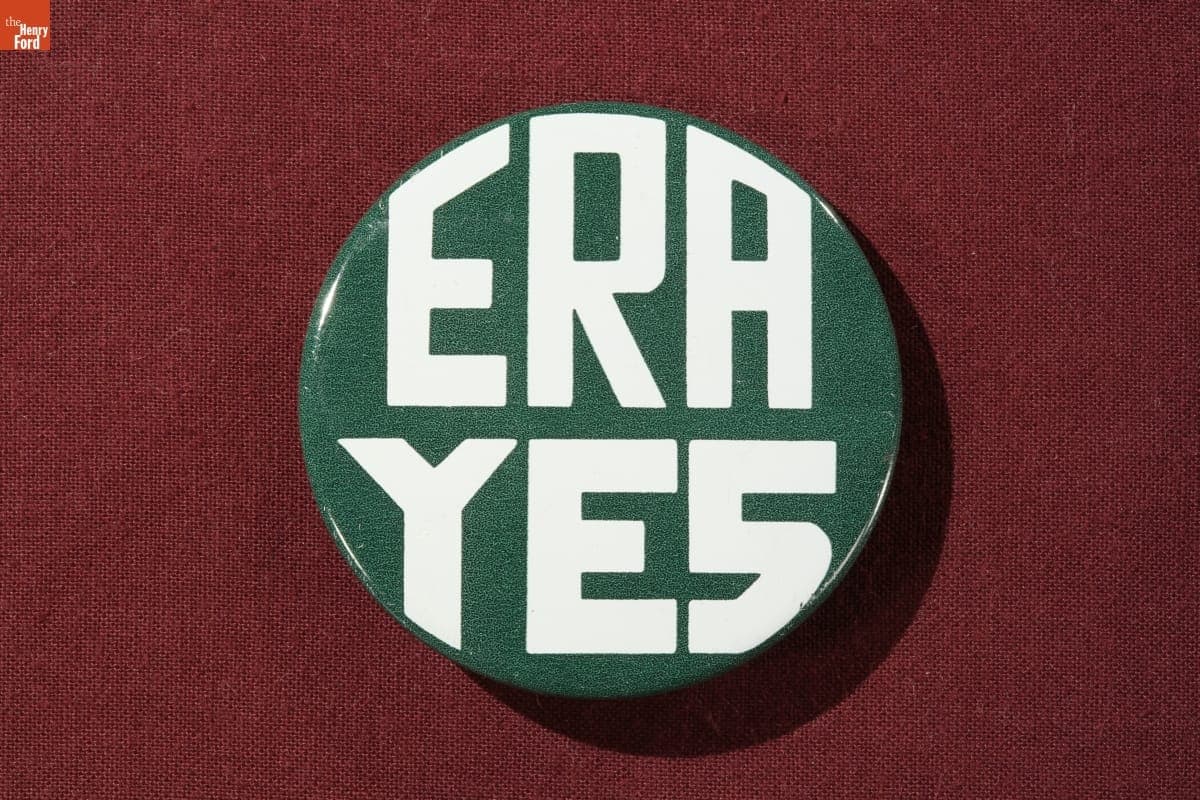
- Button, "ERA: Yes," circa 1972 - In the 1970s, women's rights activists rallied in support of the proposed Equal Rights Amendment (ERA), which would guarantee women equal rights with men as part of the United States Constitution. The ERA, first put forward in 1923, finally passed both houses of Congress in 1972 -- but it was not ratified in enough state legislatures for approval.
- circa 1972
- Collections - Artifact
Button, "ERA: Yes," circa 1972
In the 1970s, women's rights activists rallied in support of the proposed Equal Rights Amendment (ERA), which would guarantee women equal rights with men as part of the United States Constitution. The ERA, first put forward in 1923, finally passed both houses of Congress in 1972 -- but it was not ratified in enough state legislatures for approval.
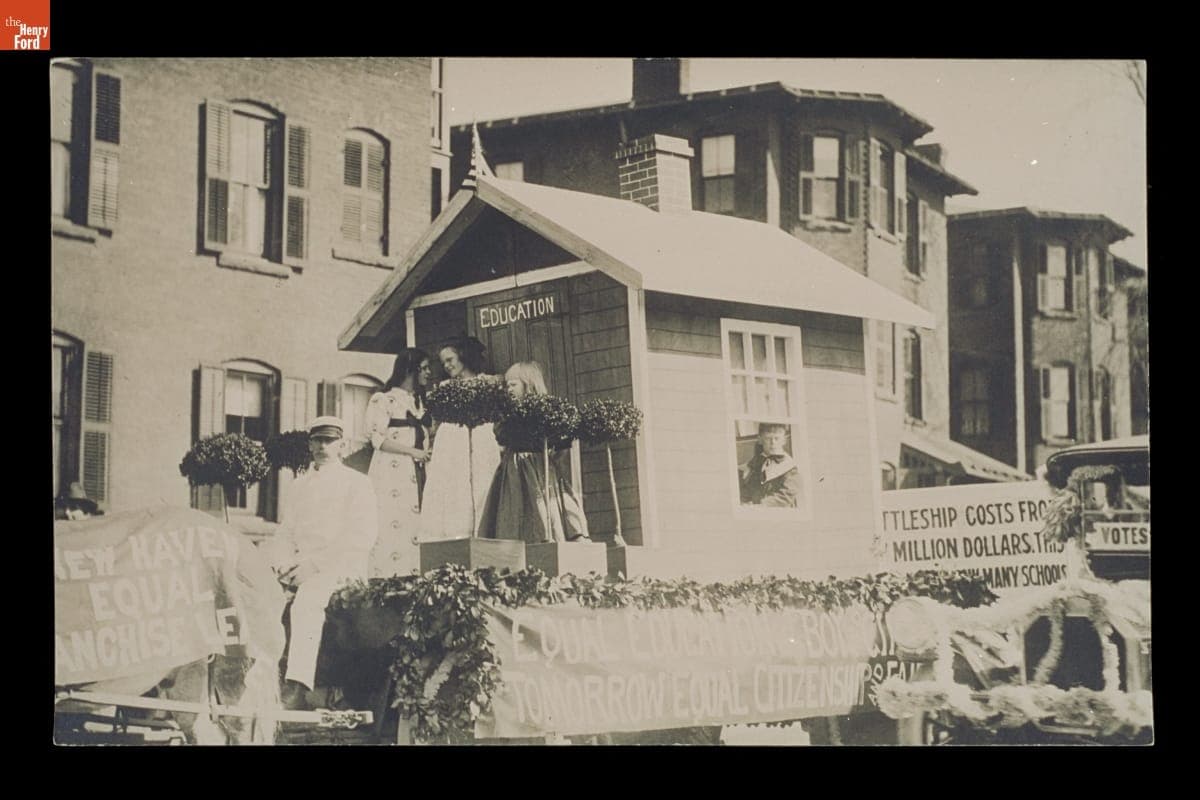
- Parade for Women's Suffrage and Equal Education, New Haven, Connecticut, circa 1915 - In the 1910s, many Americans joined the already decades-long fight for women's suffrage, or equal voting rights. To rally support, suffragists staged parades. These often elaborate processions championed numerous individual causes. This float in New Haven, Connecticut, related "equal education for boys and girls" to "equal citizenship" in the future. A constitutional amendment granting women suffrage was finally ratified in 1920.
- circa 1915
- Collections - Artifact
Parade for Women's Suffrage and Equal Education, New Haven, Connecticut, circa 1915
In the 1910s, many Americans joined the already decades-long fight for women's suffrage, or equal voting rights. To rally support, suffragists staged parades. These often elaborate processions championed numerous individual causes. This float in New Haven, Connecticut, related "equal education for boys and girls" to "equal citizenship" in the future. A constitutional amendment granting women suffrage was finally ratified in 1920.
- Button, "Freedom Now Core," circa 1960 -

- circa 1960
- Collections - Artifact
Button, "Freedom Now Core," circa 1960
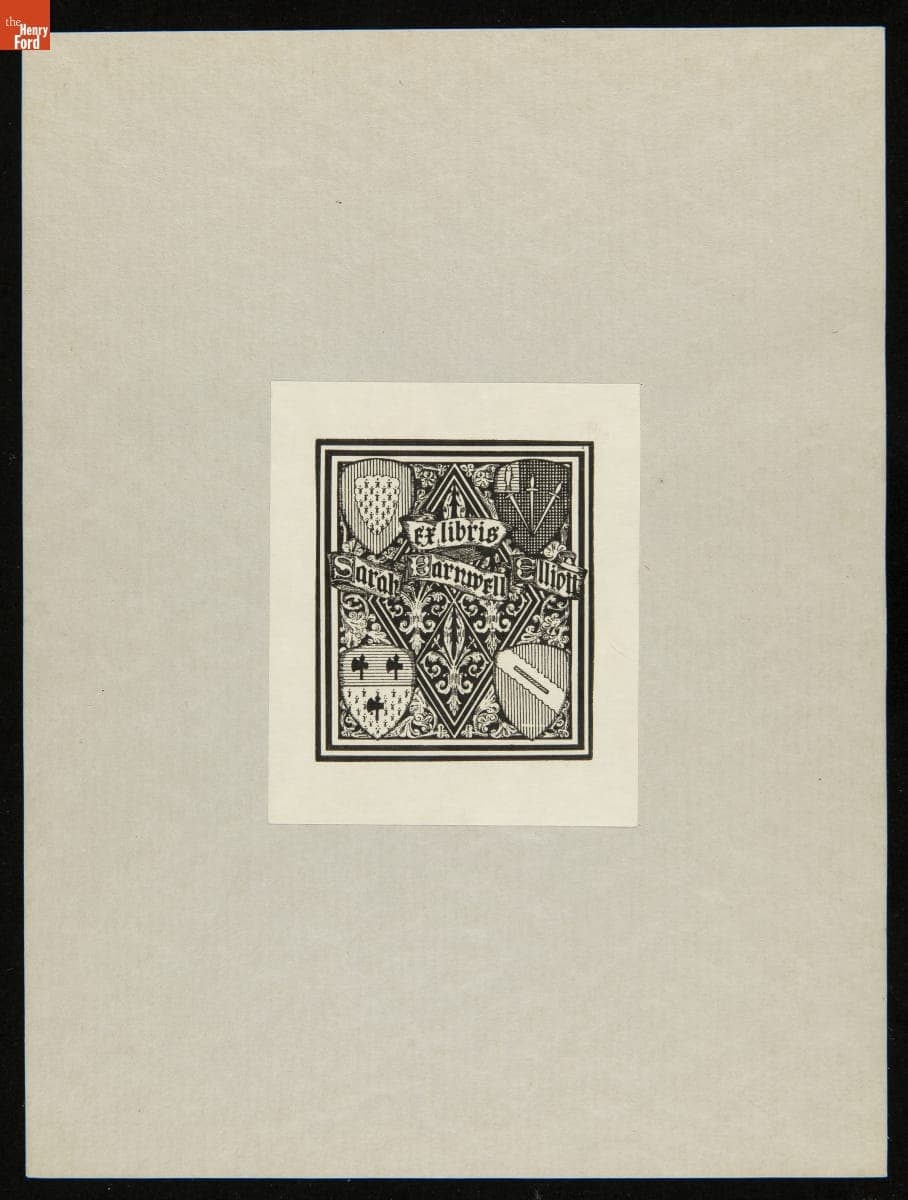
- Bookplate of Sarah Barnwell Elliott, 1905-1912 - Bookplates show ownership, but they can also tell us more. Often pasted on the inside of a book's front cover or endpaper, these printed labels contain the owner's name and sometimes the words "ex-libris" (Latin for "from the library of"). Coats of arms, crests, other decorative images, poems, mottoes, and even font type provide insight into the beliefs, passions, and interests of the book's owner.
- 1905-1912
- Collections - Artifact
Bookplate of Sarah Barnwell Elliott, 1905-1912
Bookplates show ownership, but they can also tell us more. Often pasted on the inside of a book's front cover or endpaper, these printed labels contain the owner's name and sometimes the words "ex-libris" (Latin for "from the library of"). Coats of arms, crests, other decorative images, poems, mottoes, and even font type provide insight into the beliefs, passions, and interests of the book's owner.
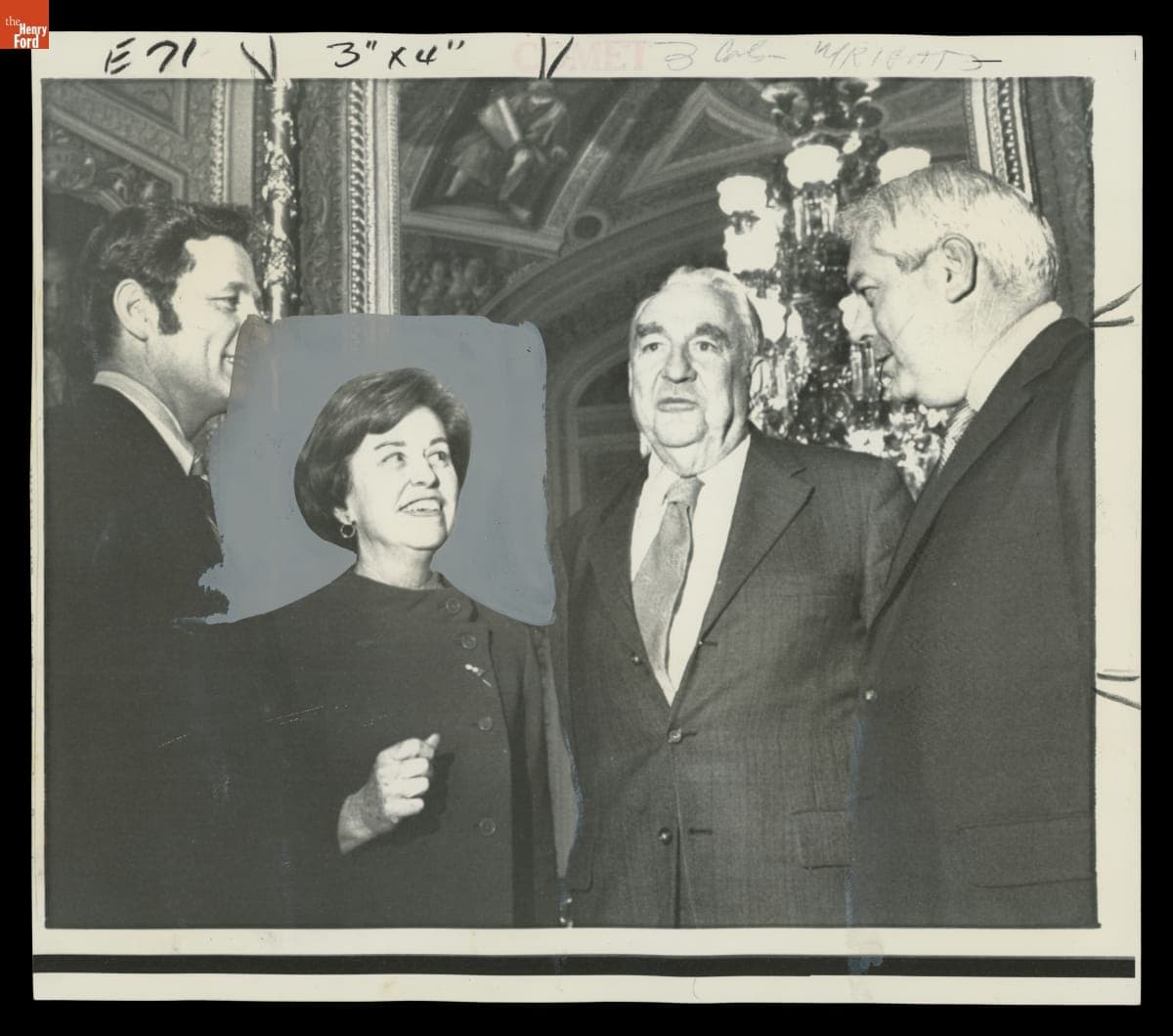
- Legislators Birch Bayh, Martha Griffiths, Sam Ervin, and Marlow Cook after the Vote on the Equal Rights Amendment, March 1972 -
- March 24, 1972
- Collections - Artifact
Legislators Birch Bayh, Martha Griffiths, Sam Ervin, and Marlow Cook after the Vote on the Equal Rights Amendment, March 1972
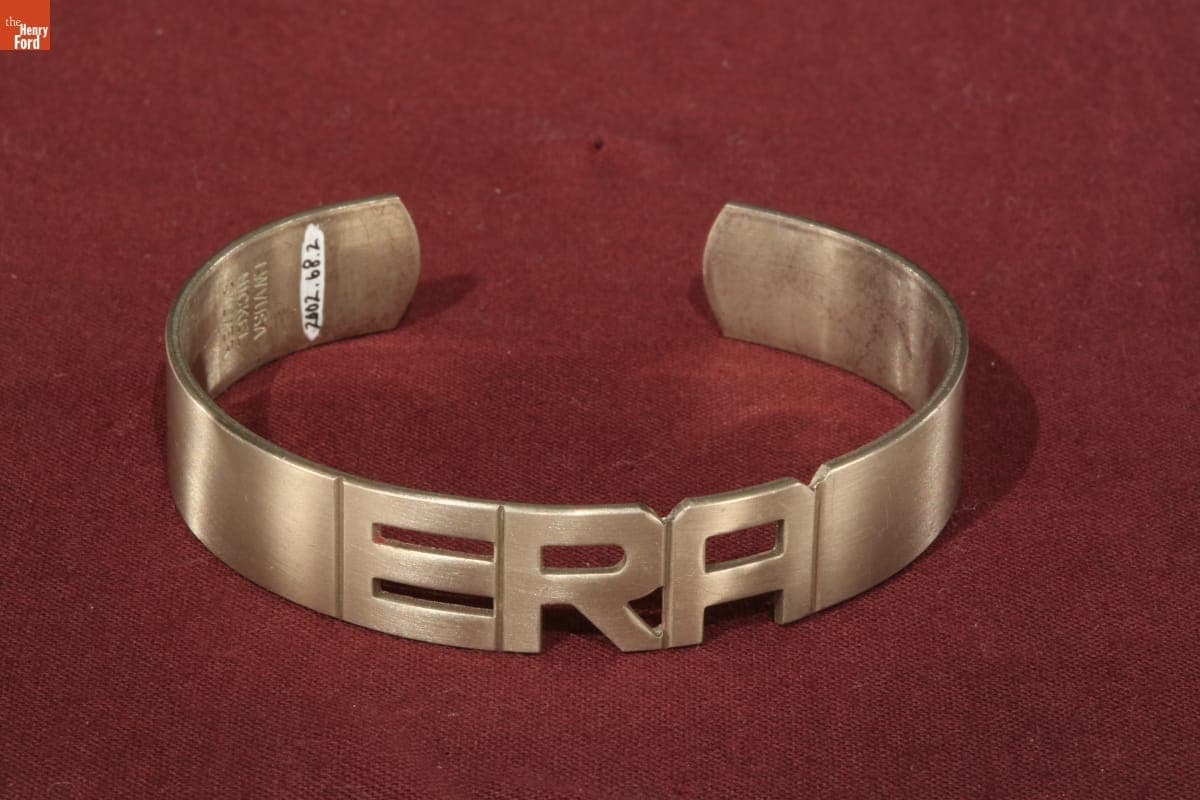
- Equal Rights Amendment Bracelet, circa 1972 - In the 1970s, women's rights activists rallied in support of the proposed Equal Rights Amendment (ERA), which would guarantee women equal rights with men as part of the United States Constitution. The ERA, first put forward in 1923, finally passed both houses of Congress in 1972 -- but it was not ratified in enough state legislatures for approval.
- circa 1972
- Collections - Artifact
Equal Rights Amendment Bracelet, circa 1972
In the 1970s, women's rights activists rallied in support of the proposed Equal Rights Amendment (ERA), which would guarantee women equal rights with men as part of the United States Constitution. The ERA, first put forward in 1923, finally passed both houses of Congress in 1972 -- but it was not ratified in enough state legislatures for approval.
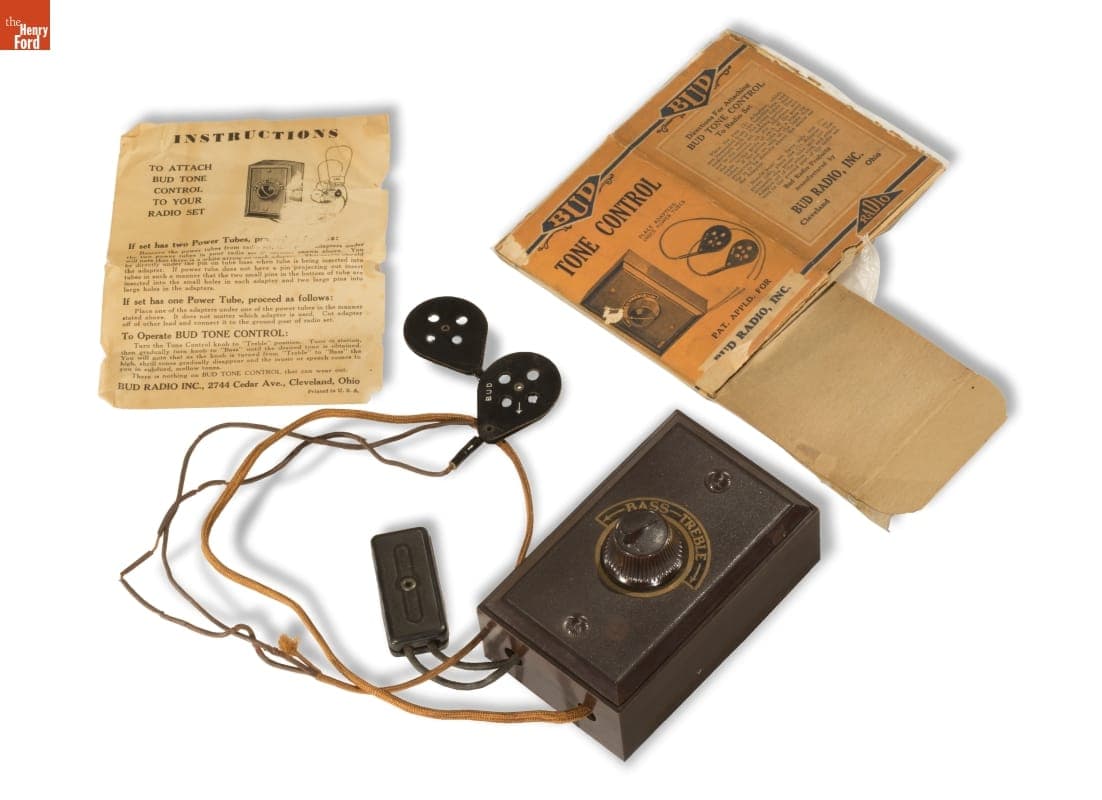
- Radio Tone Control Unit, 1928-1935 - This equalizer was an after-market device that, when connected to a radio receiver, allowed the listener to adjust the tone or timbre of a broadcast. This device would make the sounds heard through a connected radio sound "lower" or "higher" by strengthening or weakening specific frequency bands.
- 1928-1935
- Collections - Artifact
Radio Tone Control Unit, 1928-1935
This equalizer was an after-market device that, when connected to a radio receiver, allowed the listener to adjust the tone or timbre of a broadcast. This device would make the sounds heard through a connected radio sound "lower" or "higher" by strengthening or weakening specific frequency bands.
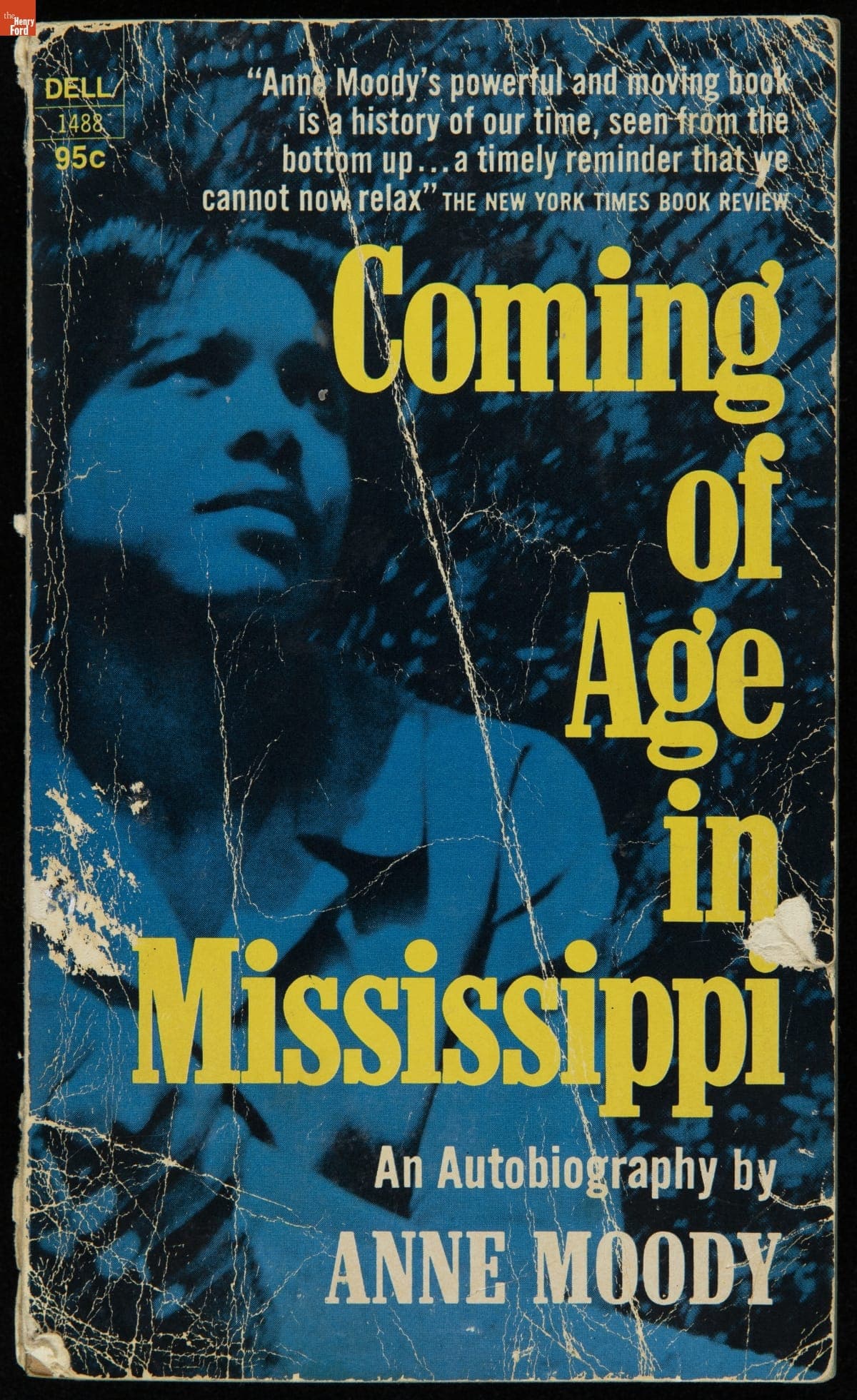
- Coming of Age in Mississippi, 1968 -
- 1968
- Collections - Artifact
Coming of Age in Mississippi, 1968
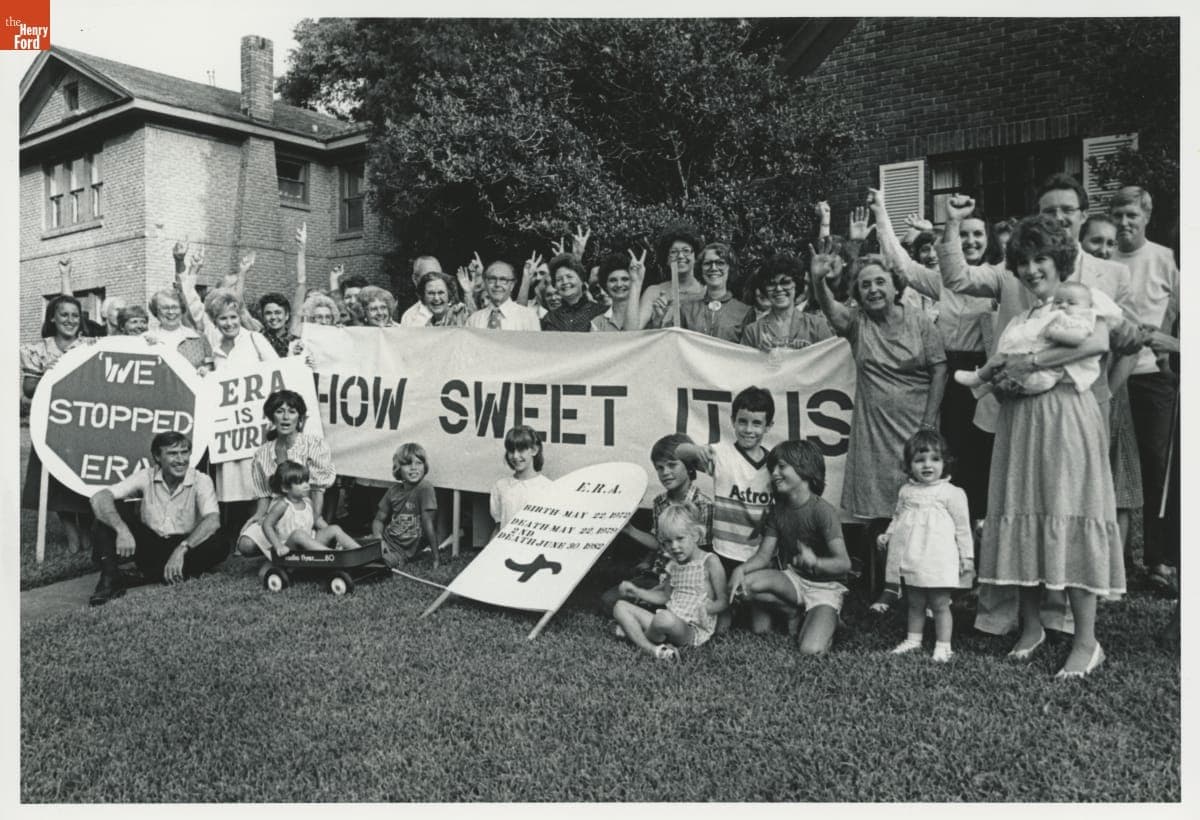
- Group Celebrating the Defeat of the Equal Rights Amendment, June 1982 -
- June 30, 1982
- Collections - Artifact
Group Celebrating the Defeat of the Equal Rights Amendment, June 1982