
Search
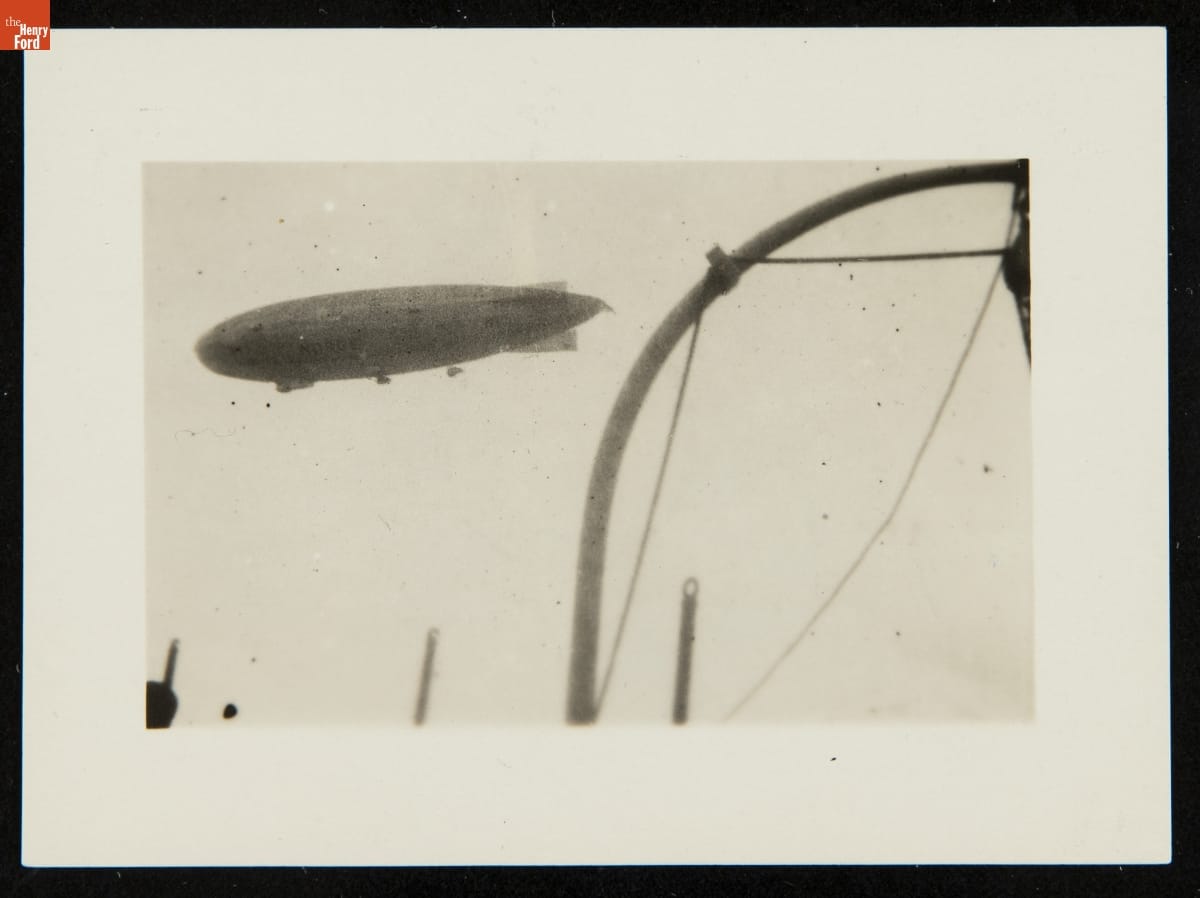
- Airship "Norge" in the Air before the Amundsen-Ellsworth-Nobile Transpolar Flight, May 1926 - The semi-rigid airship <em>Norge</em> flew over the North Pole on May 12, 1926. It was the first confirmed visit of any kind to the pole. Norwegian explorer Roald Amundsen headed the expedition. He was joined by American adventurer Lincoln Ellsworth, who helped fund the mission, Italian aviator Umberto Nobile, who designed the <em>Norge</em>, and a crew of 13 others.
- May 01, 1926
- Collections - Artifact
Airship "Norge" in the Air before the Amundsen-Ellsworth-Nobile Transpolar Flight, May 1926
The semi-rigid airship Norge flew over the North Pole on May 12, 1926. It was the first confirmed visit of any kind to the pole. Norwegian explorer Roald Amundsen headed the expedition. He was joined by American adventurer Lincoln Ellsworth, who helped fund the mission, Italian aviator Umberto Nobile, who designed the Norge, and a crew of 13 others.
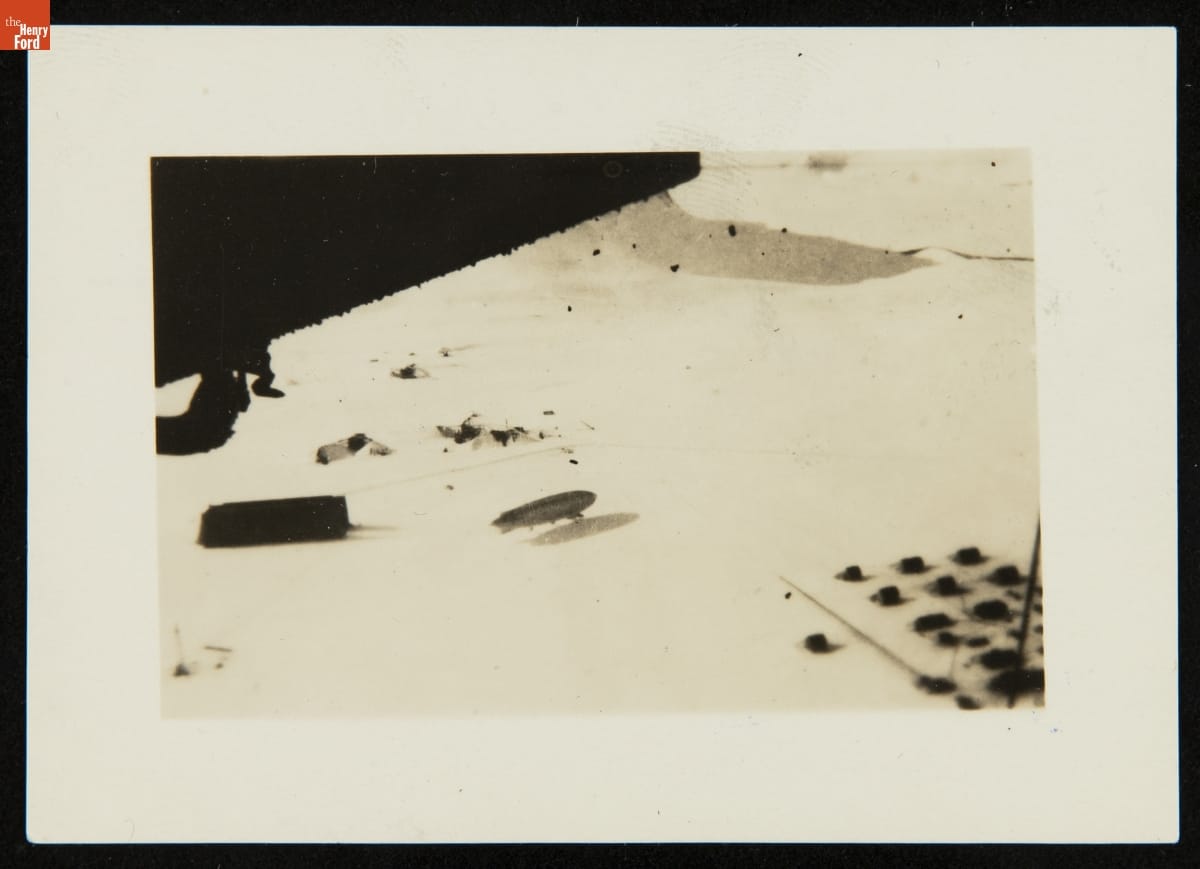
- Airship "Norge" before the Amundsen-Ellsworth-Nobile Transpolar Flight, May 1926 - The semi-rigid airship <em>Norge</em> flew over the North Pole on May 12, 1926. It was the first confirmed visit of any kind to the pole. Norwegian explorer Roald Amundsen headed the expedition. He was joined by American adventurer Lincoln Ellsworth, who helped fund the mission, Italian aviator Umberto Nobile, who designed the <em>Norge</em>, and a crew of 13 others.
- May 01, 1926
- Collections - Artifact
Airship "Norge" before the Amundsen-Ellsworth-Nobile Transpolar Flight, May 1926
The semi-rigid airship Norge flew over the North Pole on May 12, 1926. It was the first confirmed visit of any kind to the pole. Norwegian explorer Roald Amundsen headed the expedition. He was joined by American adventurer Lincoln Ellsworth, who helped fund the mission, Italian aviator Umberto Nobile, who designed the Norge, and a crew of 13 others.
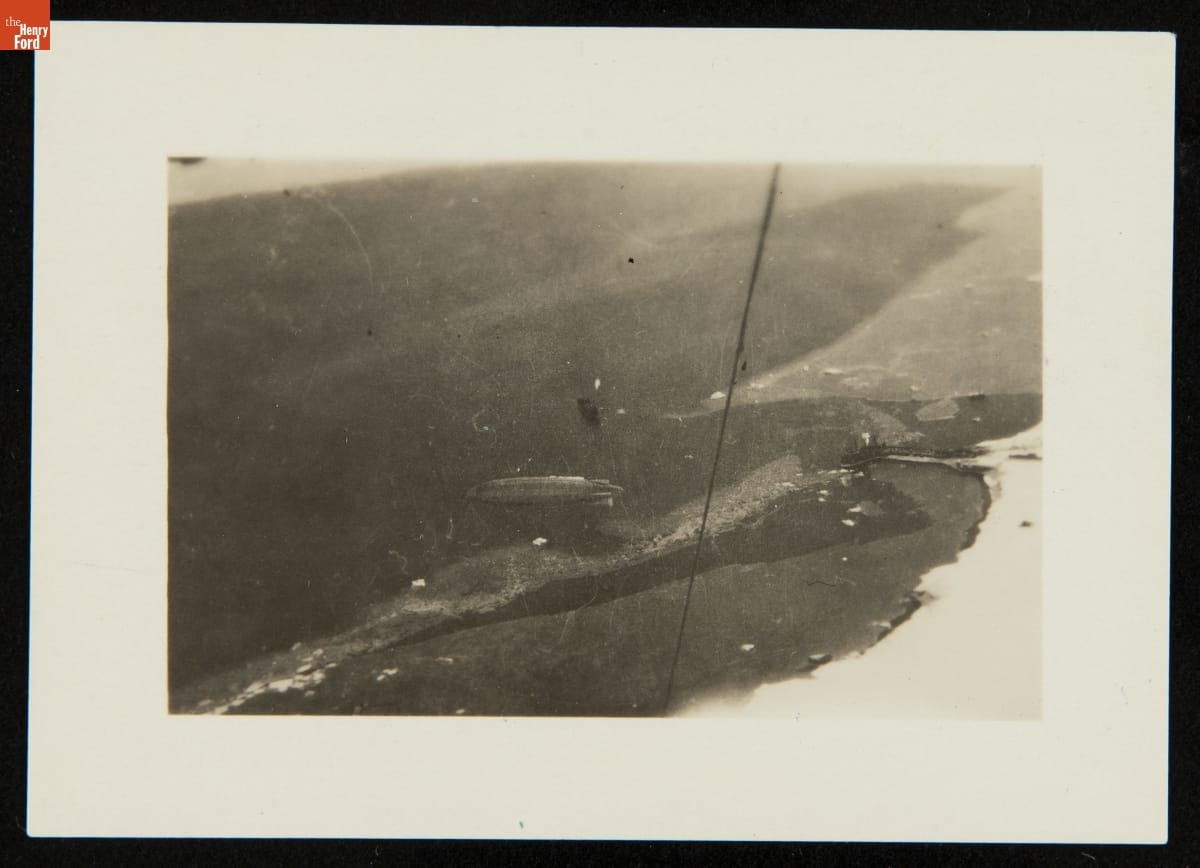
- Airship "Norge" before the Amundsen-Ellsworth-Nobile Transpolar Flight, May 1926 - The semi-rigid airship <em>Norge</em> flew over the North Pole on May 12, 1926. It was the first confirmed visit of any kind to the pole. Norwegian explorer Roald Amundsen headed the expedition. He was joined by American adventurer Lincoln Ellsworth, who helped fund the mission, Italian aviator Umberto Nobile, who designed the <em>Norge</em>, and a crew of 13 others.
- May 01, 1926
- Collections - Artifact
Airship "Norge" before the Amundsen-Ellsworth-Nobile Transpolar Flight, May 1926
The semi-rigid airship Norge flew over the North Pole on May 12, 1926. It was the first confirmed visit of any kind to the pole. Norwegian explorer Roald Amundsen headed the expedition. He was joined by American adventurer Lincoln Ellsworth, who helped fund the mission, Italian aviator Umberto Nobile, who designed the Norge, and a crew of 13 others.
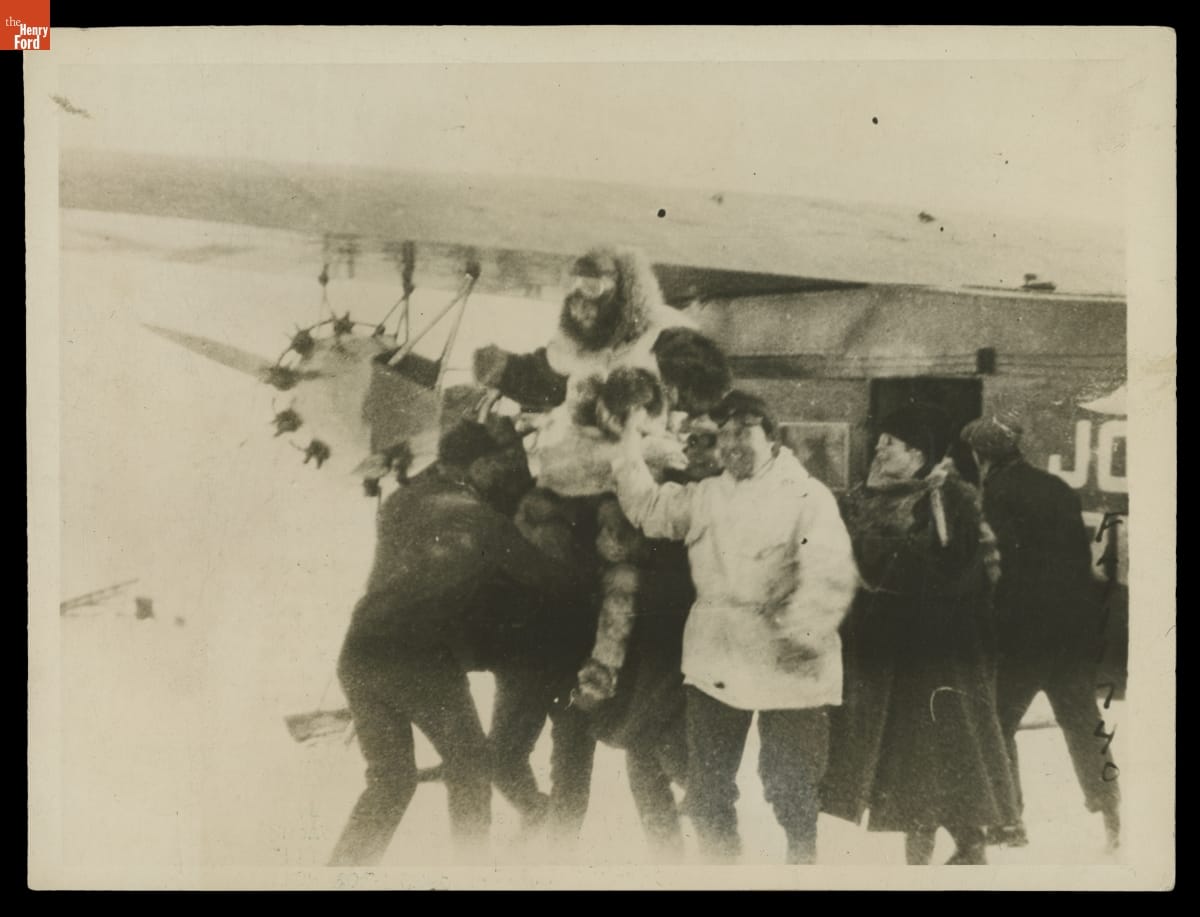
- Richard E. Byrd, Floyd Bennett, and Others Celebrate the Arctic Expedition beside the Fokker Airplane, the "Josephine Ford," June 2, 1926 - On May 9, 1926, explorer Richard Byrd and pilot Floyd Bennett flew toward the North Pole in a Fokker F.VII Tri-Motor airplane. Edsel Ford provided considerable financial support to the expedition, and Byrd named his airplane <em>Josephine Ford</em> to honor Mr. Ford's young daughter. Though Byrd is generally credited with reaching the pole, controversy remains.
- June 02, 1926
- Collections - Artifact
Richard E. Byrd, Floyd Bennett, and Others Celebrate the Arctic Expedition beside the Fokker Airplane, the "Josephine Ford," June 2, 1926
On May 9, 1926, explorer Richard Byrd and pilot Floyd Bennett flew toward the North Pole in a Fokker F.VII Tri-Motor airplane. Edsel Ford provided considerable financial support to the expedition, and Byrd named his airplane Josephine Ford to honor Mr. Ford's young daughter. Though Byrd is generally credited with reaching the pole, controversy remains.
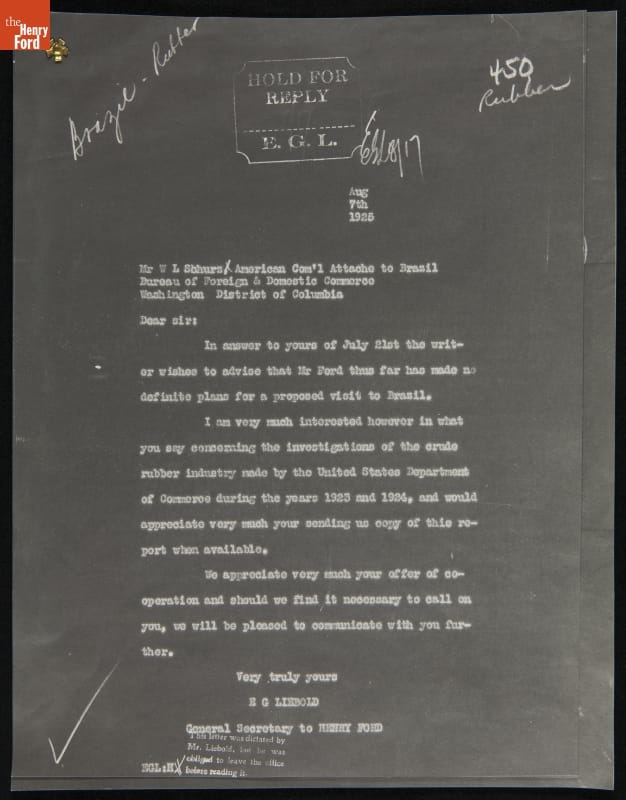
- Correspondence between W.L. Schurz and the Office of Henry Ford regarding Brazil Expedition, July - August, 1925 -
- 21 July 1925-07 August 1925
- Collections - Artifact
Correspondence between W.L. Schurz and the Office of Henry Ford regarding Brazil Expedition, July - August, 1925
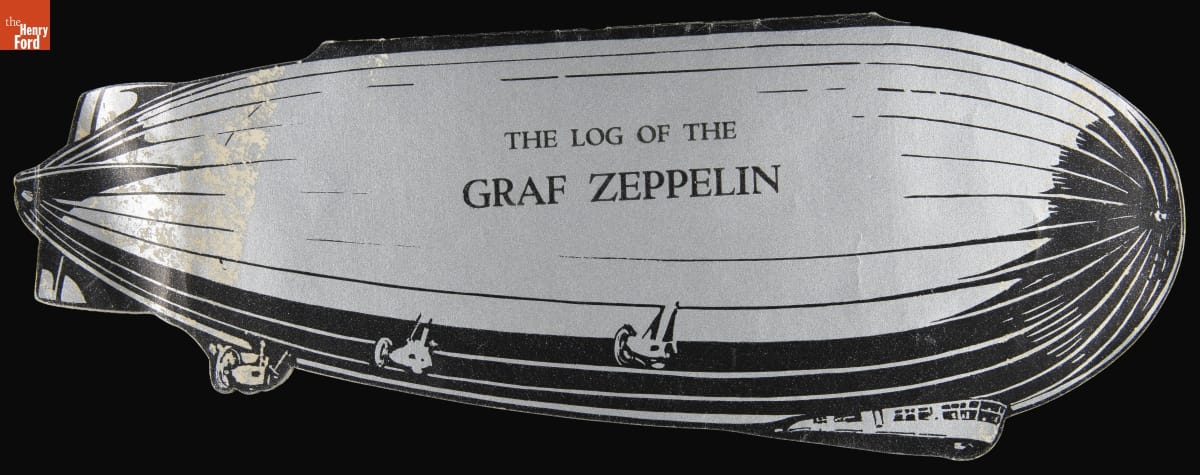
- Souvenir Booklet, "The Log of the Graf Zeppelin," 1930 - This booklet commemorates the around-the-world flight of Germany's <em>Graf Zeppelin</em> in 1929. The airship flew east from Lakehurst, New Jersey, on August 8 and returned to Lakehurst from the west on August 29, having covered 20,651 miles in three weeks. The voyage, partly financed by newspaper magnate William Randolph Hearst, brought press attention to airship travel.
- 08 August 1929-29 August 1929
- Collections - Artifact
Souvenir Booklet, "The Log of the Graf Zeppelin," 1930
This booklet commemorates the around-the-world flight of Germany's Graf Zeppelin in 1929. The airship flew east from Lakehurst, New Jersey, on August 8 and returned to Lakehurst from the west on August 29, having covered 20,651 miles in three weeks. The voyage, partly financed by newspaper magnate William Randolph Hearst, brought press attention to airship travel.
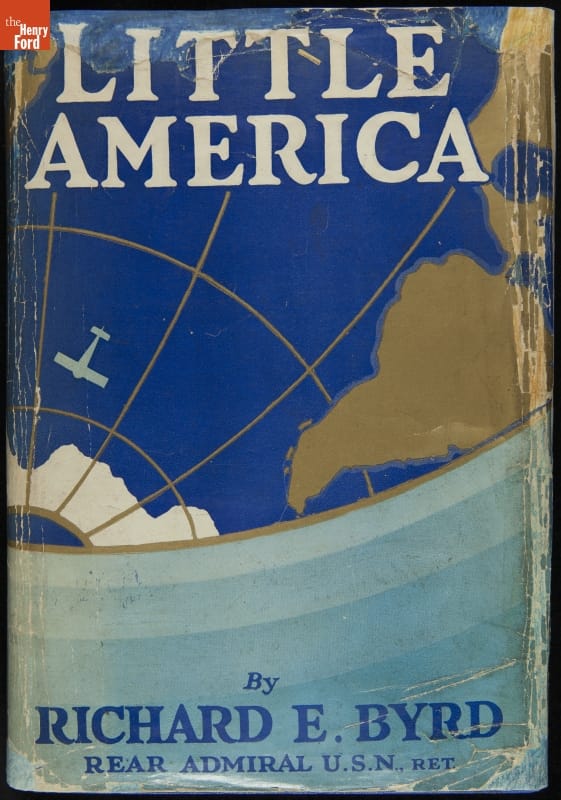
- Little America: Aerial Exploration In the Antarctic: The Flight To the South Pole - From August 1928 to June 1930, Richard Byrd led an expedition to the Antarctic with 83 men, four ships, and three airplanes. On November 28-29, 1929, Byrd and three crewmates made the first flight over the South Pole. Byrd recounted the expedition's story in his 1930 book <em>Little America: Aerial Exploration in the Antarctic: The Flight to the South Pole</em>.
- 1930
- Collections - Artifact
Little America: Aerial Exploration In the Antarctic: The Flight To the South Pole
From August 1928 to June 1930, Richard Byrd led an expedition to the Antarctic with 83 men, four ships, and three airplanes. On November 28-29, 1929, Byrd and three crewmates made the first flight over the South Pole. Byrd recounted the expedition's story in his 1930 book Little America: Aerial Exploration in the Antarctic: The Flight to the South Pole.
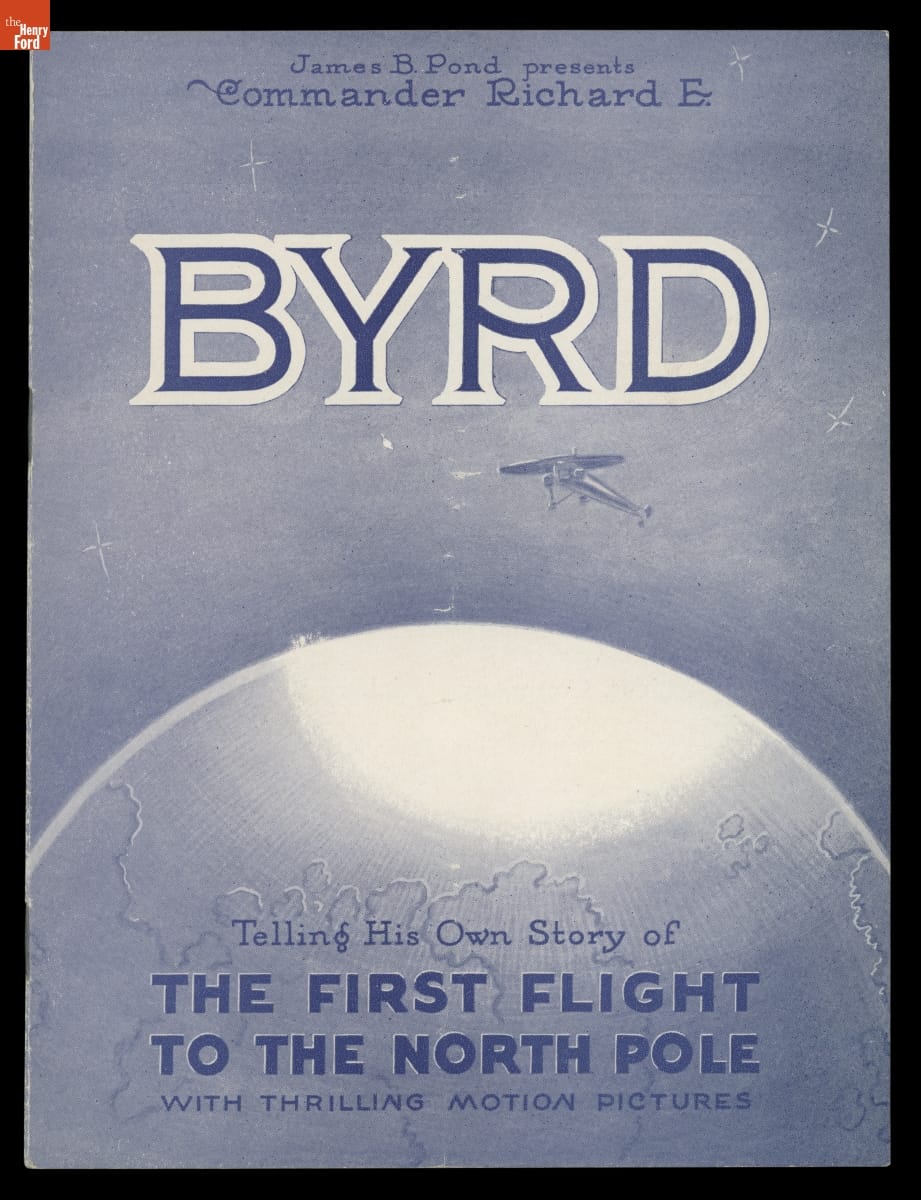
- Commander Richard E. Byrd: Telling His Own Story of the First Flight to the North Pole, June 25, 1926 - On May 9, 1926, explorer Richard Byrd and pilot Floyd Bennett flew toward the North Pole in the Fokker Tri-Motor <em>Josephine Ford</em>. Following their flight, Byrd and Bennett returned to the United States as heroes, and Byrd presented lectures recounting the polar journey. Though Byrd is generally credited with success, controversy remains over whether he reached the actual pole.
- June 25, 1926
- Collections - Artifact
Commander Richard E. Byrd: Telling His Own Story of the First Flight to the North Pole, June 25, 1926
On May 9, 1926, explorer Richard Byrd and pilot Floyd Bennett flew toward the North Pole in the Fokker Tri-Motor Josephine Ford. Following their flight, Byrd and Bennett returned to the United States as heroes, and Byrd presented lectures recounting the polar journey. Though Byrd is generally credited with success, controversy remains over whether he reached the actual pole.
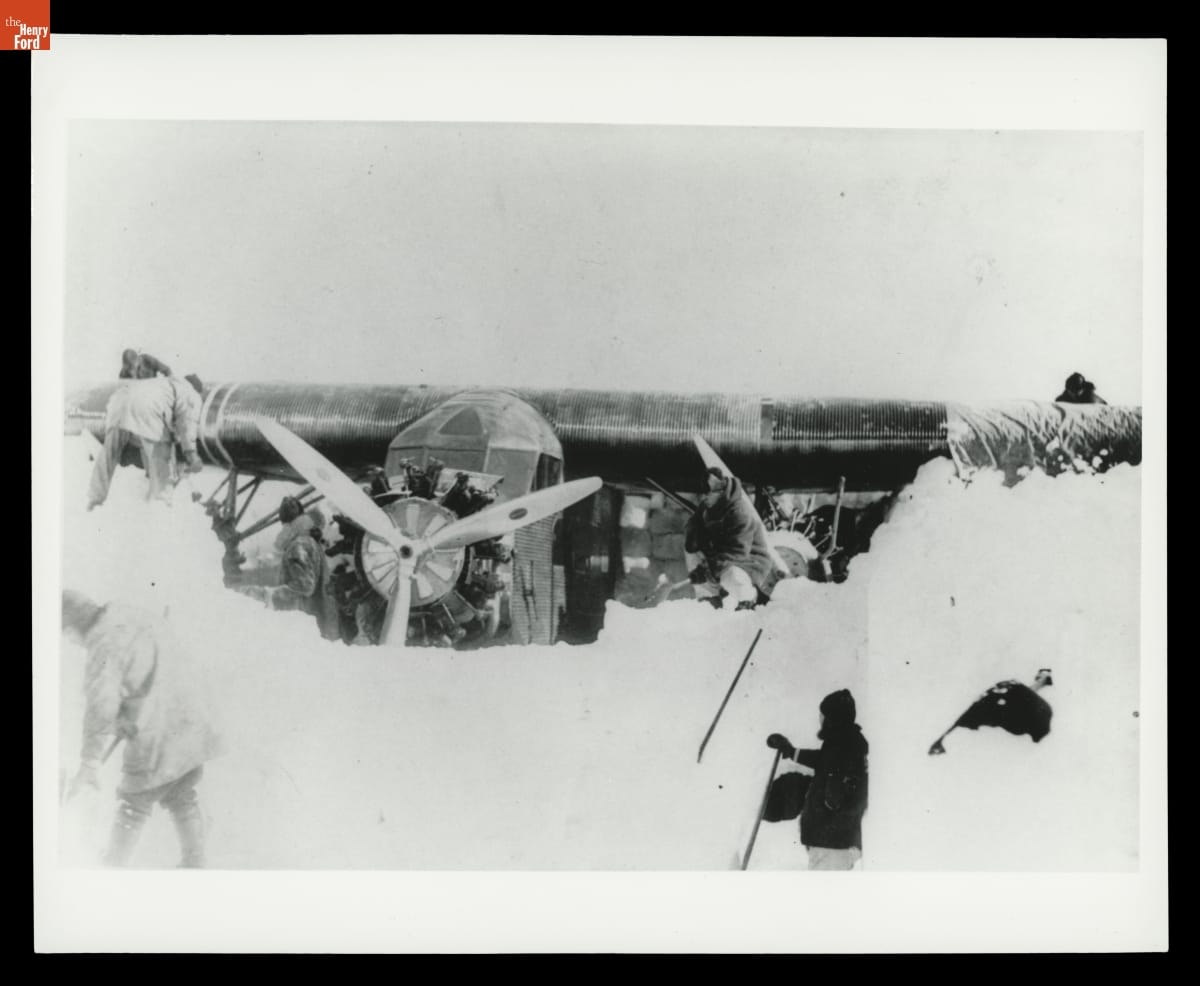
- Ford Tri-Motor Airplane "Floyd Bennett," Flown by Richard E. Byrd in Antarctica, 1928-1930 - From August 1928 to June 1930, Richard Byrd led an expedition to the Antarctic with 83 men, four ships, and three airplanes. The team operated from a base camp they called Little America. On November 28-29, 1929, Byrd and three crewmates took their Ford Tri-Motor <em>Floyd Bennett</em> on the first flight over the South Pole.
- 1928-1930
- Collections - Artifact
Ford Tri-Motor Airplane "Floyd Bennett," Flown by Richard E. Byrd in Antarctica, 1928-1930
From August 1928 to June 1930, Richard Byrd led an expedition to the Antarctic with 83 men, four ships, and three airplanes. The team operated from a base camp they called Little America. On November 28-29, 1929, Byrd and three crewmates took their Ford Tri-Motor Floyd Bennett on the first flight over the South Pole.
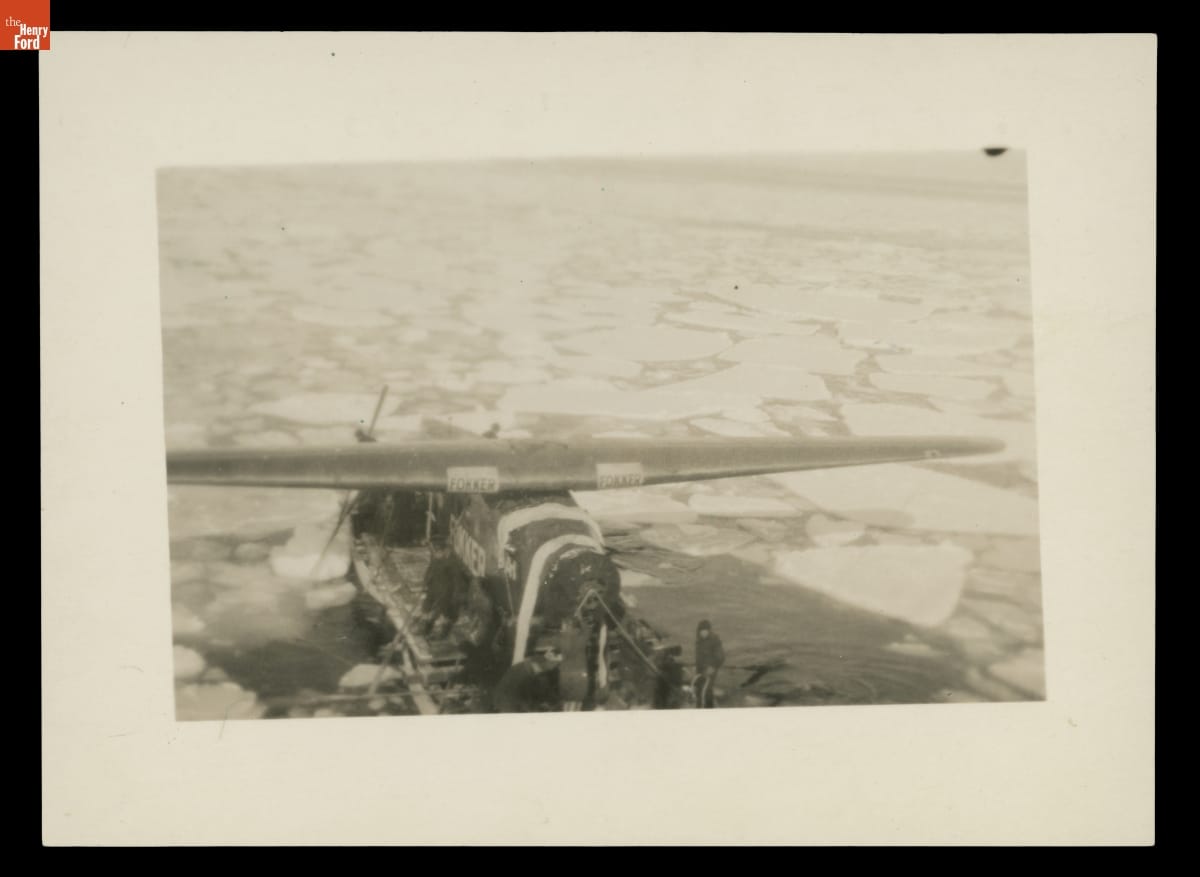
- The Fokker Airplane "Josephine Ford" in the Water during the Byrd Arctic Expedition, 1926 - Richard Byrd led an expedition to the Arctic in 1926, highlighted by a North Pole flight on May 9. When Byrd's ship <em>Chantier</em> arrived at Spitzbergen, Norway -- his base of operations -- a disabled vessel blocked the harbor's single pier. Undiscouraged, Byrd's crew built a raft from several small boats. They moved Byrd's airplane <em>Josephine Ford</em> ashore on their makeshift ferry.
- 1926
- Collections - Artifact
The Fokker Airplane "Josephine Ford" in the Water during the Byrd Arctic Expedition, 1926
Richard Byrd led an expedition to the Arctic in 1926, highlighted by a North Pole flight on May 9. When Byrd's ship Chantier arrived at Spitzbergen, Norway -- his base of operations -- a disabled vessel blocked the harbor's single pier. Undiscouraged, Byrd's crew built a raft from several small boats. They moved Byrd's airplane Josephine Ford ashore on their makeshift ferry.