
Search
- "Herald" Magazine, Bound Volume IX for February 1942 - January 1943 - The students of the Greenfield Village and Associated Schools of the Edison Institute began publishing the <em>Herald</em> in 1934. They took the name from a weekly newspaper printed and sold by Thomas Alva Edison when he worked for the Grand Trunk Railroad in 1862-63. The students' version included articles on academic, social, and recreational activities. The publication continued until 1952.
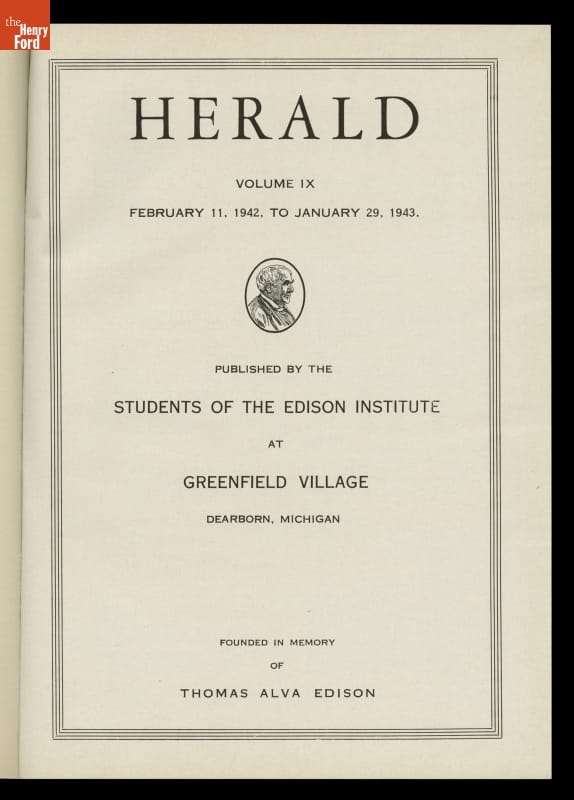
- 11 February 1942 - 29 January 1943
- Collections - Artifact
"Herald" Magazine, Bound Volume IX for February 1942 - January 1943
The students of the Greenfield Village and Associated Schools of the Edison Institute began publishing the Herald in 1934. They took the name from a weekly newspaper printed and sold by Thomas Alva Edison when he worked for the Grand Trunk Railroad in 1862-63. The students' version included articles on academic, social, and recreational activities. The publication continued until 1952.
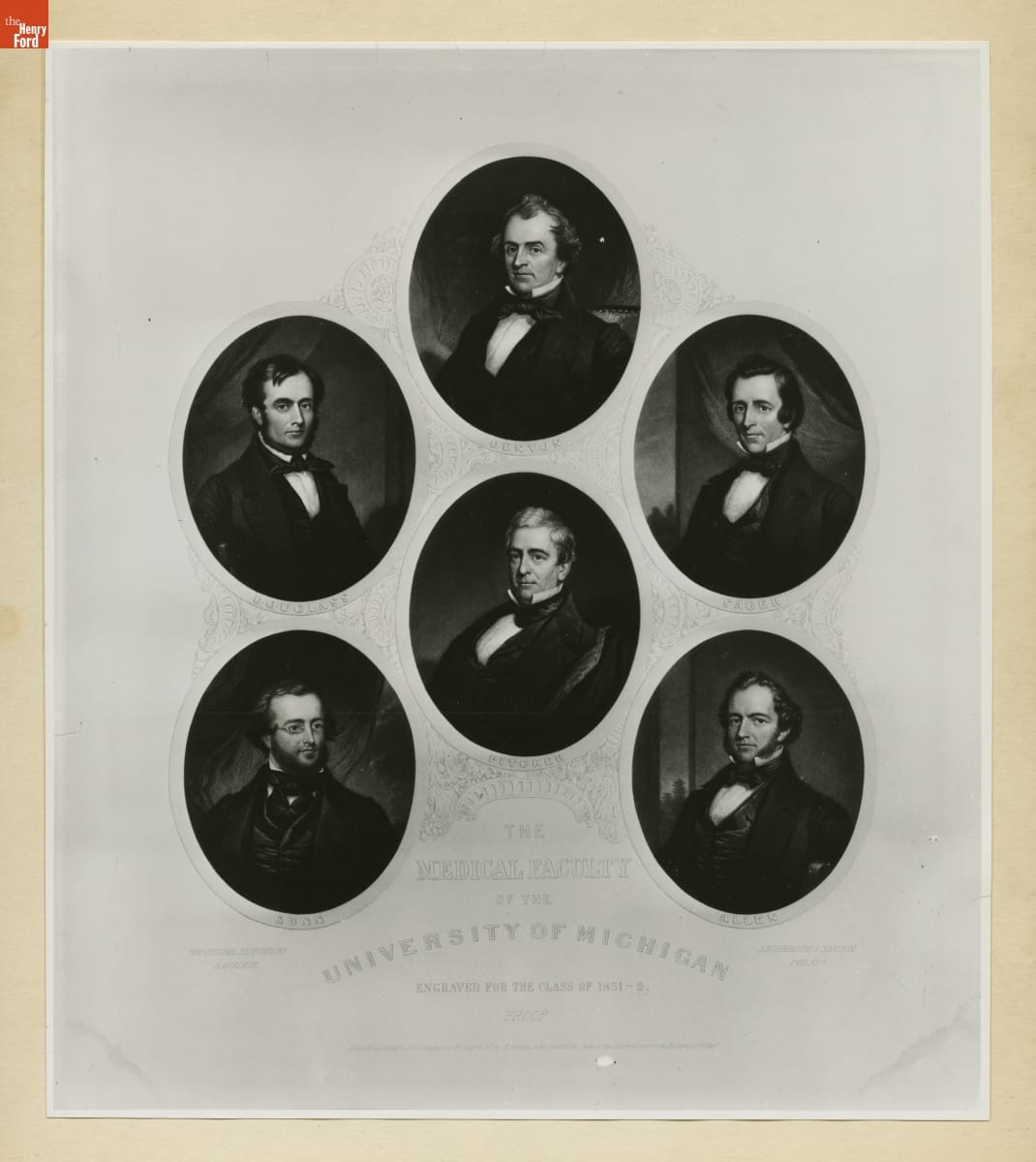
- Medical Faculty of the University of Michigan, 1851 -
- 1851
- Collections - Artifact
Medical Faculty of the University of Michigan, 1851
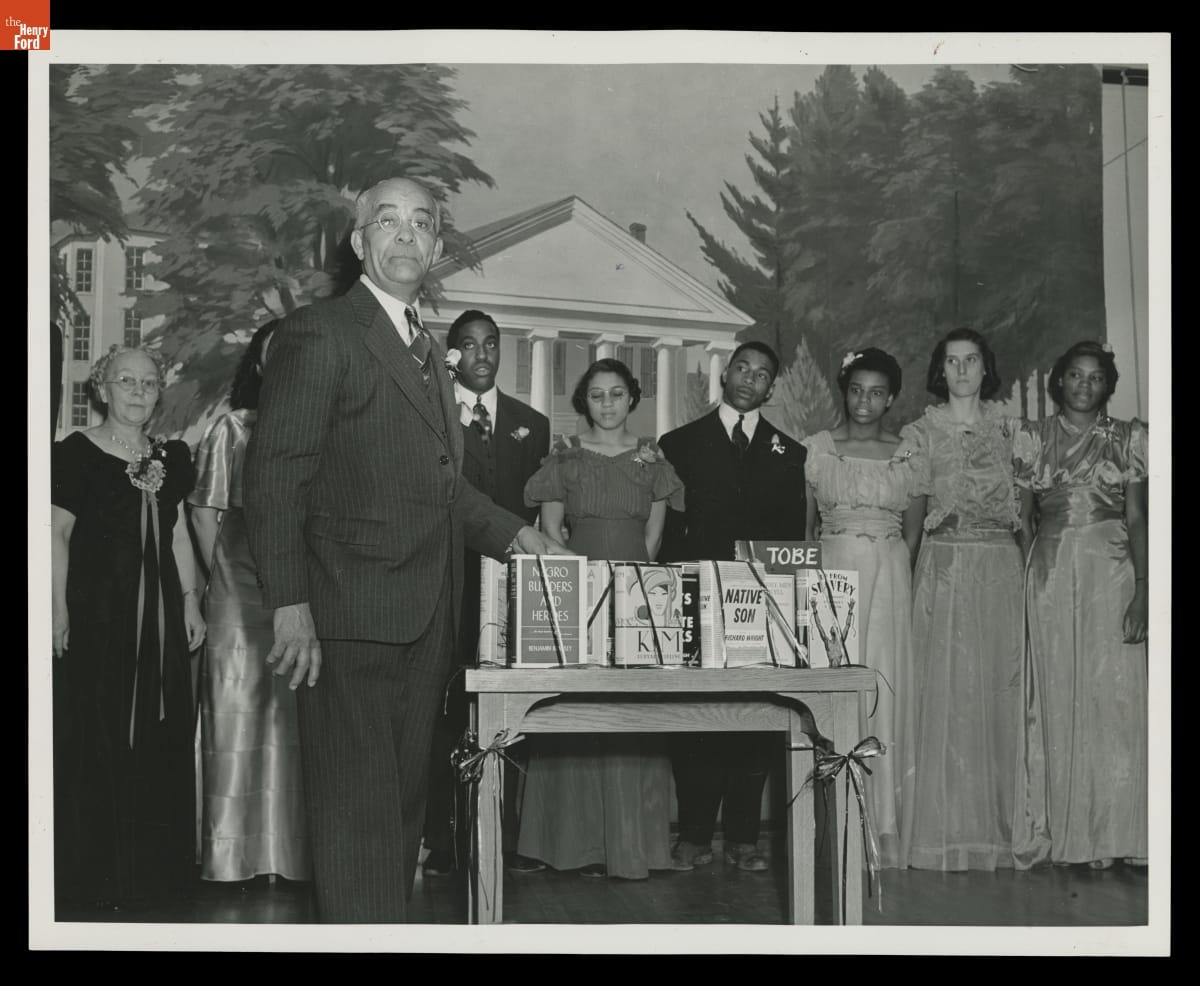
- Book Display at the Inkster High School Senior Banquet, May 2, 1940 - During the Great Depression, Ford Motor Company made efforts to improve living conditions in Inkster, Michigan, a primarily Black community hit especially hard by the economic crisis. Ford built a high school, repaired homes, established a medical clinic, and opened a low-price commissary. Improvements were funded through involuntary paycheck deductions from Inkster residents employed at Ford's nearby Rouge plant.
- May 02, 1940
- Collections - Artifact
Book Display at the Inkster High School Senior Banquet, May 2, 1940
During the Great Depression, Ford Motor Company made efforts to improve living conditions in Inkster, Michigan, a primarily Black community hit especially hard by the economic crisis. Ford built a high school, repaired homes, established a medical clinic, and opened a low-price commissary. Improvements were funded through involuntary paycheck deductions from Inkster residents employed at Ford's nearby Rouge plant.
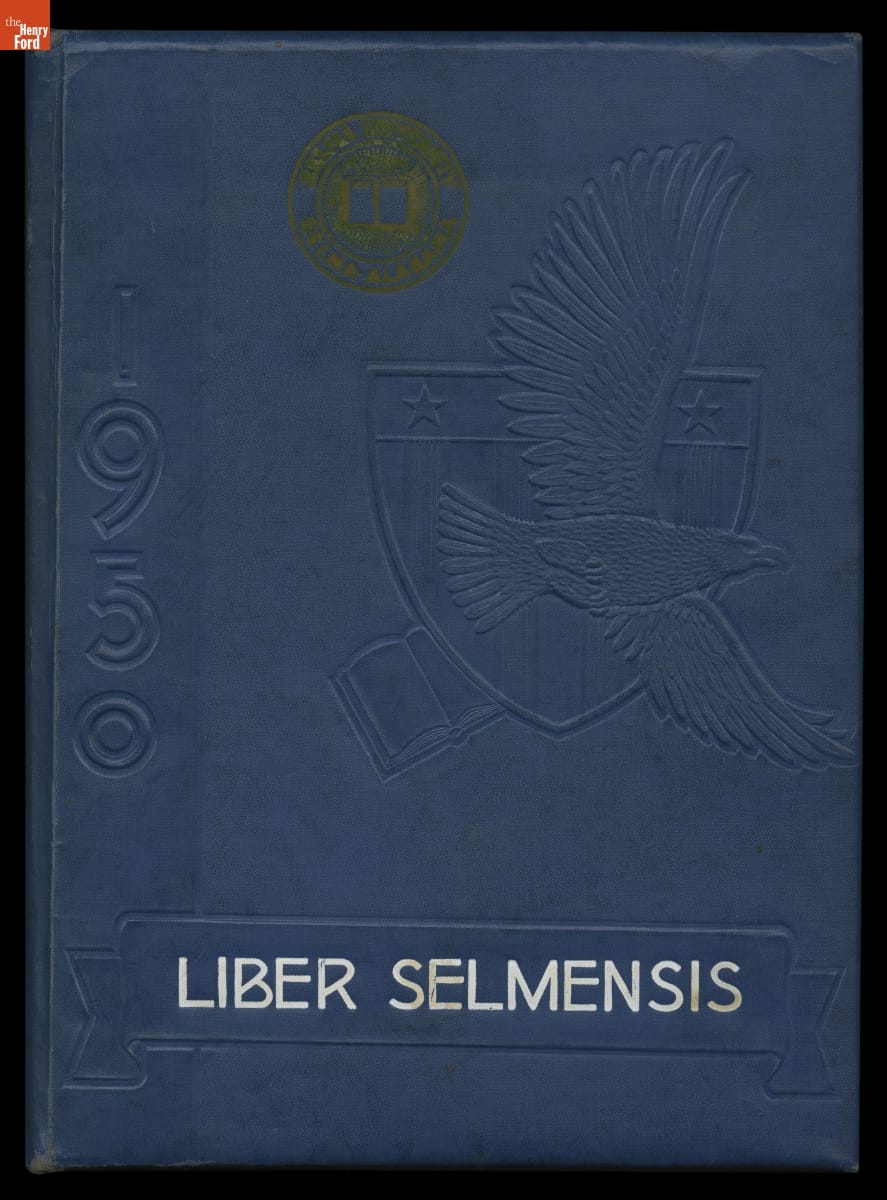
- "Liber Selmensis," Selma University Yearbook, 1949-1950 -
- 1949-1950
- Collections - Artifact
"Liber Selmensis," Selma University Yearbook, 1949-1950
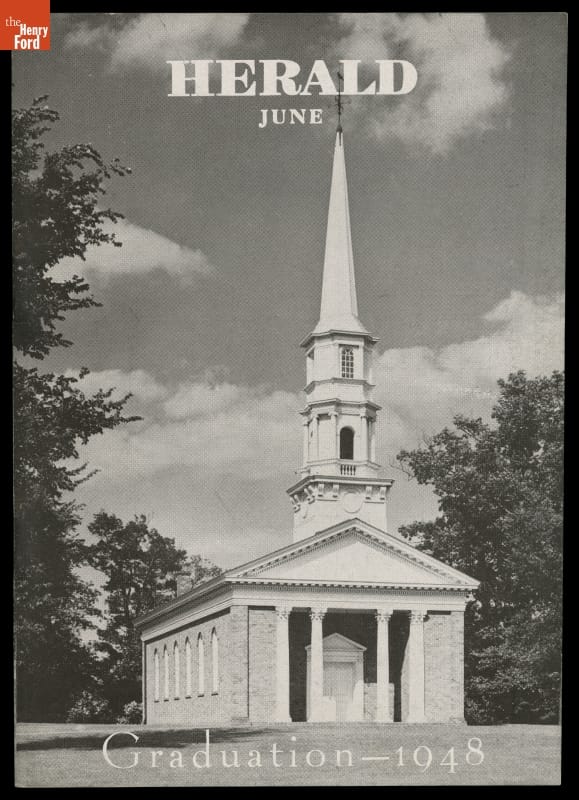
- "Herald" Magazine for June 1948, "Graduation--1948" - The students of the Greenfield Village and Associated Schools of the Edison Institute began publishing the <em>Herald</em> in 1934. They took the name from a weekly newspaper printed and sold by Thomas Alva Edison when he worked for the Grand Trunk Railroad in 1862-63. The students' version included articles on academic, social, and recreational activities. The publication continued until 1952.
- June 01, 1948
- Collections - Artifact
"Herald" Magazine for June 1948, "Graduation--1948"
The students of the Greenfield Village and Associated Schools of the Edison Institute began publishing the Herald in 1934. They took the name from a weekly newspaper printed and sold by Thomas Alva Edison when he worked for the Grand Trunk Railroad in 1862-63. The students' version included articles on academic, social, and recreational activities. The publication continued until 1952.
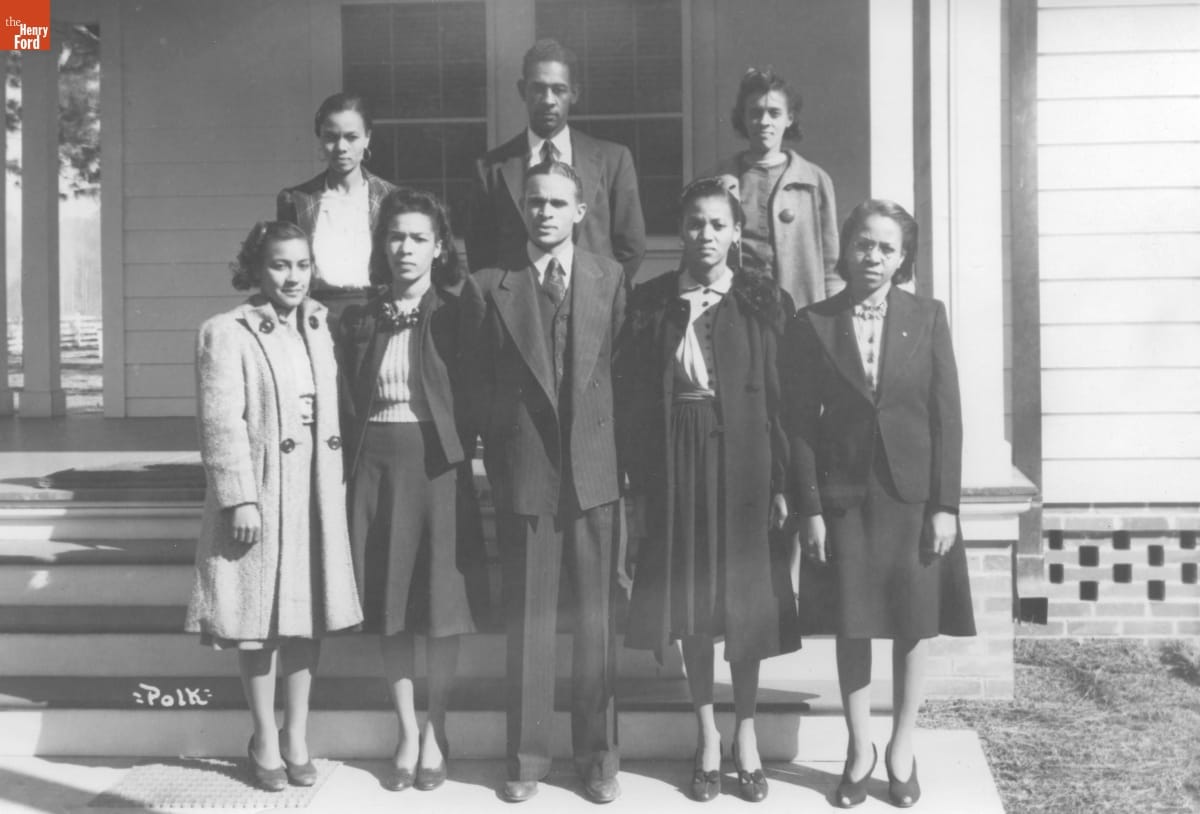
- Faculty of the George Washington Carver School, Richmond Hill, Georgia, circa 1940 - Henry Ford purchased vast amounts of land around present-day Richmond Hill, Georgia, beginning in the 1920s. After acquiring the property, Ford became interested in the economic and civic improvement of the area. He built schools, churches and community centers. In 1939, Ford founded the George Washington Carver School. This image shows the faculty at the school about 1940.
- circa 1940
- Collections - Artifact
Faculty of the George Washington Carver School, Richmond Hill, Georgia, circa 1940
Henry Ford purchased vast amounts of land around present-day Richmond Hill, Georgia, beginning in the 1920s. After acquiring the property, Ford became interested in the economic and civic improvement of the area. He built schools, churches and community centers. In 1939, Ford founded the George Washington Carver School. This image shows the faculty at the school about 1940.
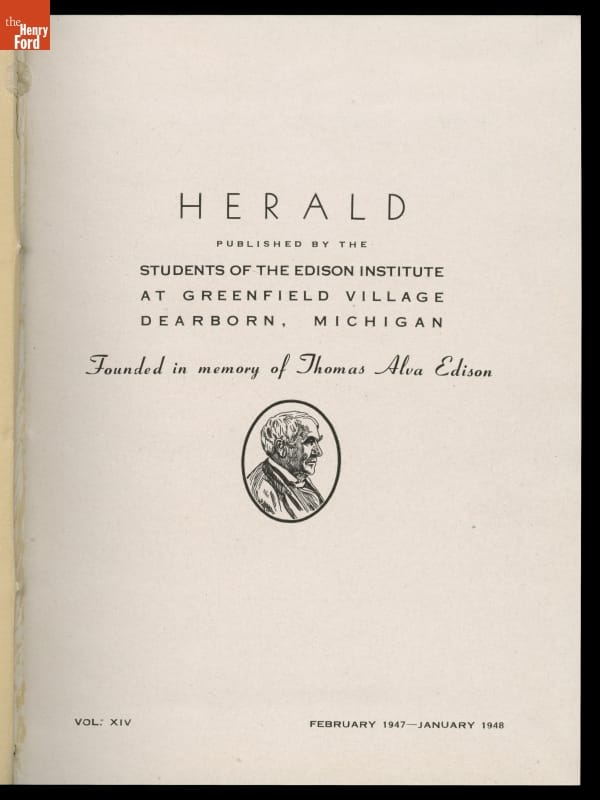
- "Herald" Magazine, Bound Volume XIV for February 1947 - January 1948 - The students of the Greenfield Village and Associated Schools of the Edison Institute began publishing the <em>Herald</em> in 1934. They took the name from a weekly newspaper printed and sold by Thomas Alva Edison when he worked for the Grand Trunk Railroad in 1862-63. The students' version included articles on academic, social, and recreational activities. The publication continued until 1952.
- February 1947 - January 1948
- Collections - Artifact
"Herald" Magazine, Bound Volume XIV for February 1947 - January 1948
The students of the Greenfield Village and Associated Schools of the Edison Institute began publishing the Herald in 1934. They took the name from a weekly newspaper printed and sold by Thomas Alva Edison when he worked for the Grand Trunk Railroad in 1862-63. The students' version included articles on academic, social, and recreational activities. The publication continued until 1952.
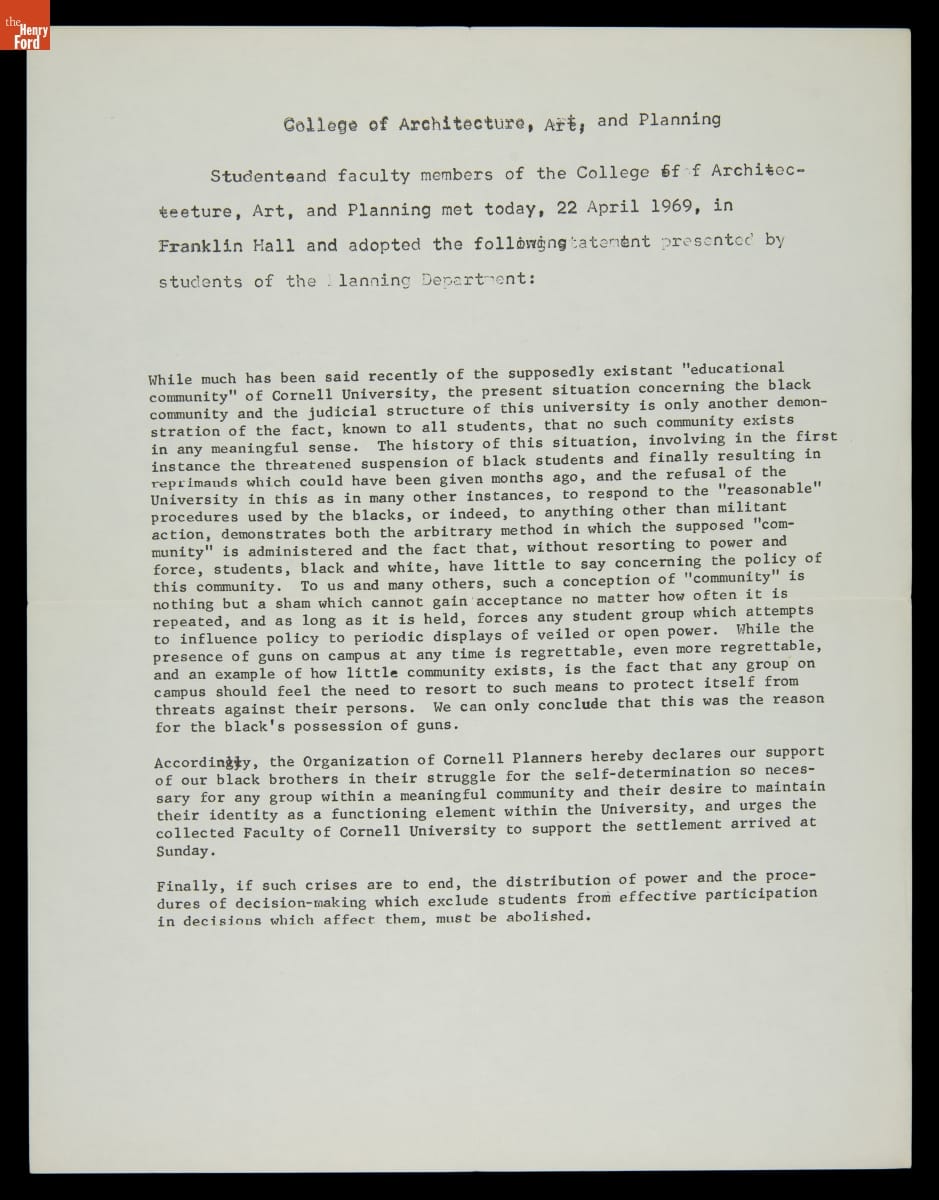
- "College of Architecture, Art, and Planning Statement," April 22, 1969 -
- April 22, 1969
- Collections - Artifact
"College of Architecture, Art, and Planning Statement," April 22, 1969
- "Herald" Magazine, Bound Volume VIII for February 1941 - January 1942 - The students of the Greenfield Village and Associated Schools of the Edison Institute began publishing the <em>Herald</em> in 1934. They took the name from a weekly newspaper printed and sold by Thomas Alva Edison when he worked for the Grand Trunk Railroad in 1862-63. The students' version included articles on academic, social, and recreational activities. The publication continued until 1952.
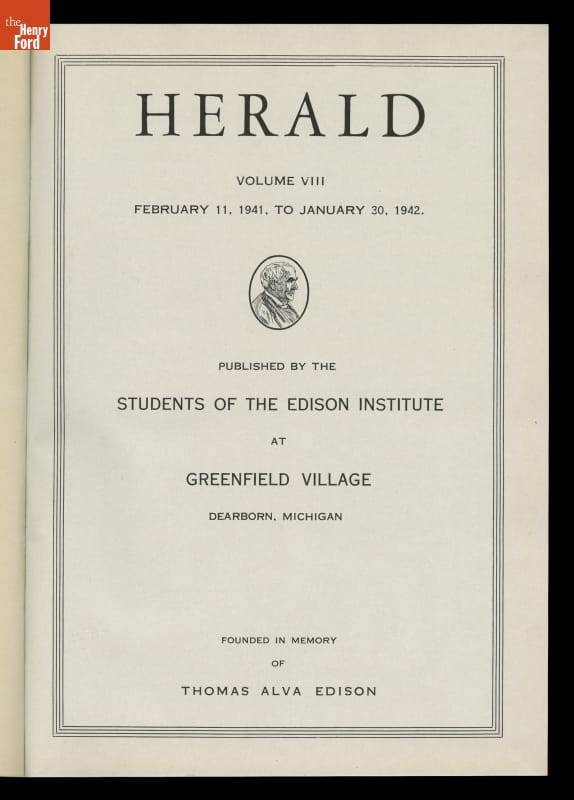
- 11 February 1941 - 30 January 1942
- Collections - Artifact
"Herald" Magazine, Bound Volume VIII for February 1941 - January 1942
The students of the Greenfield Village and Associated Schools of the Edison Institute began publishing the Herald in 1934. They took the name from a weekly newspaper printed and sold by Thomas Alva Edison when he worked for the Grand Trunk Railroad in 1862-63. The students' version included articles on academic, social, and recreational activities. The publication continued until 1952.
- "Herald" Magazine for June 1951, "Graduation - 1951" - The students of the Greenfield Village and Associated Schools of the Edison Institute began publishing the <em>Herald</em> in 1934. They took the name from a weekly newspaper printed and sold by Thomas Alva Edison when he worked for the Grand Trunk Railroad in 1862-63. The students' version included articles on academic, social, and recreational activities. The publication continued until 1952.
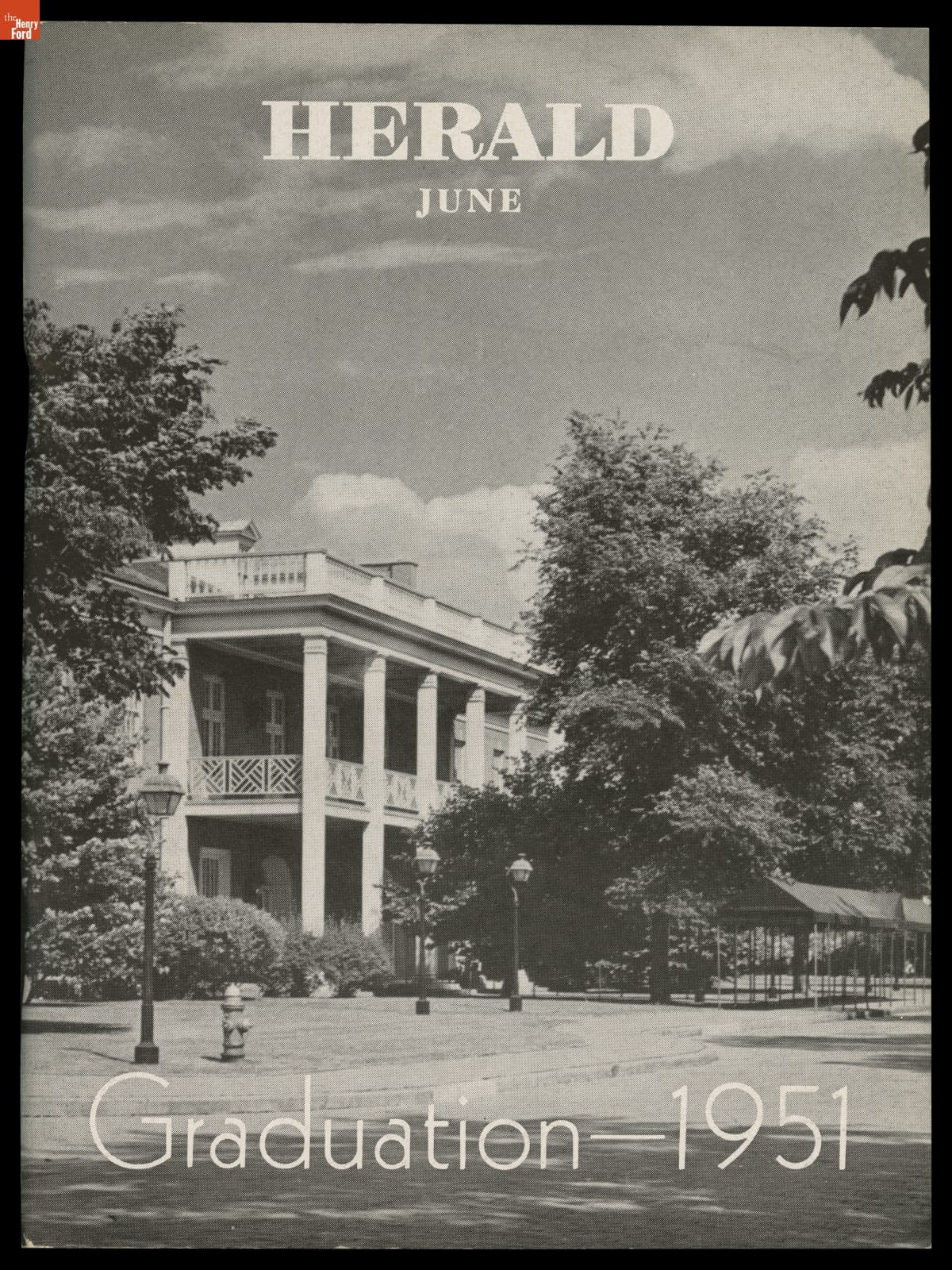
- June 01, 1951
- Collections - Artifact
"Herald" Magazine for June 1951, "Graduation - 1951"
The students of the Greenfield Village and Associated Schools of the Edison Institute began publishing the Herald in 1934. They took the name from a weekly newspaper printed and sold by Thomas Alva Edison when he worked for the Grand Trunk Railroad in 1862-63. The students' version included articles on academic, social, and recreational activities. The publication continued until 1952.