
Search
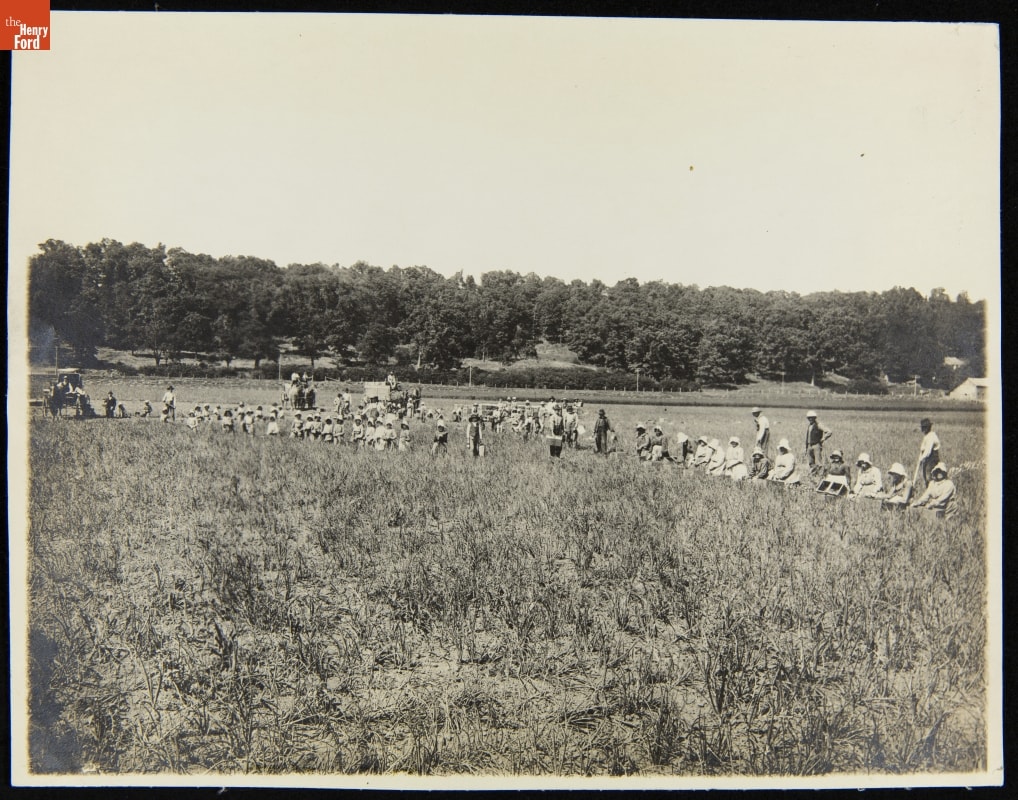
- Workers in an Onion Field, H. J. Heinz Company, circa 1910 - Entrepreneur H.J. Heinz recognized that producing the highest quality products began with where the ingredients were grown and how they were harvested. He took great care in managing every aspect of the process to ensure the best ingredients for his line of pickled foods, preserves, and condiments. This photograph shows workers spread out across one of Heinz's many onion fields.
- circa 1910
- Collections - Artifact
Workers in an Onion Field, H. J. Heinz Company, circa 1910
Entrepreneur H.J. Heinz recognized that producing the highest quality products began with where the ingredients were grown and how they were harvested. He took great care in managing every aspect of the process to ensure the best ingredients for his line of pickled foods, preserves, and condiments. This photograph shows workers spread out across one of Heinz's many onion fields.
- Lithograph, "The Dairy Farm," circa 1874 -
- circa 1874
- Collections - Artifact
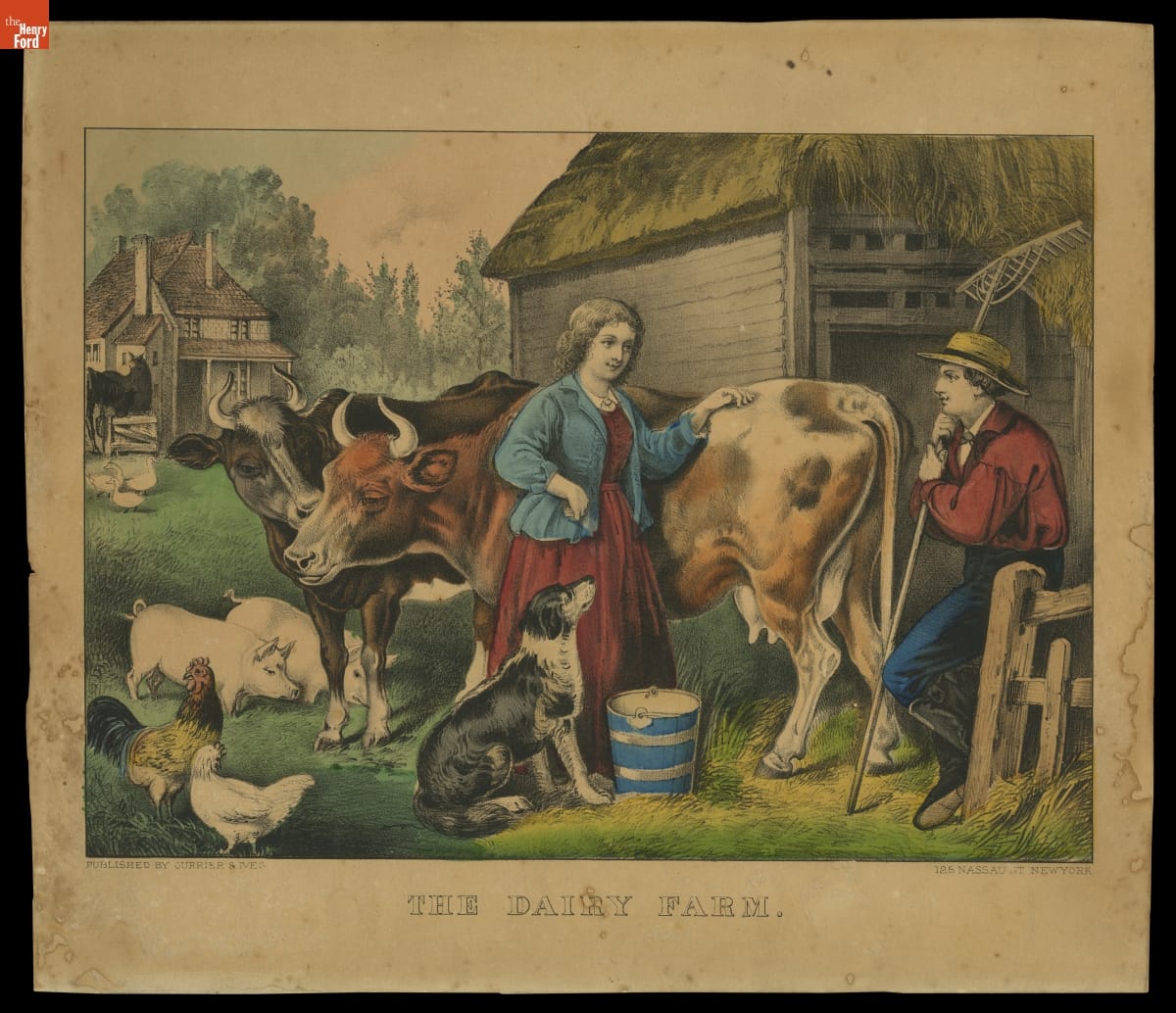
Lithograph, "The Dairy Farm," circa 1874
- French Market, New Orleans, Louisiana, circa 1906 -
- circa 1906
- Collections - Artifact
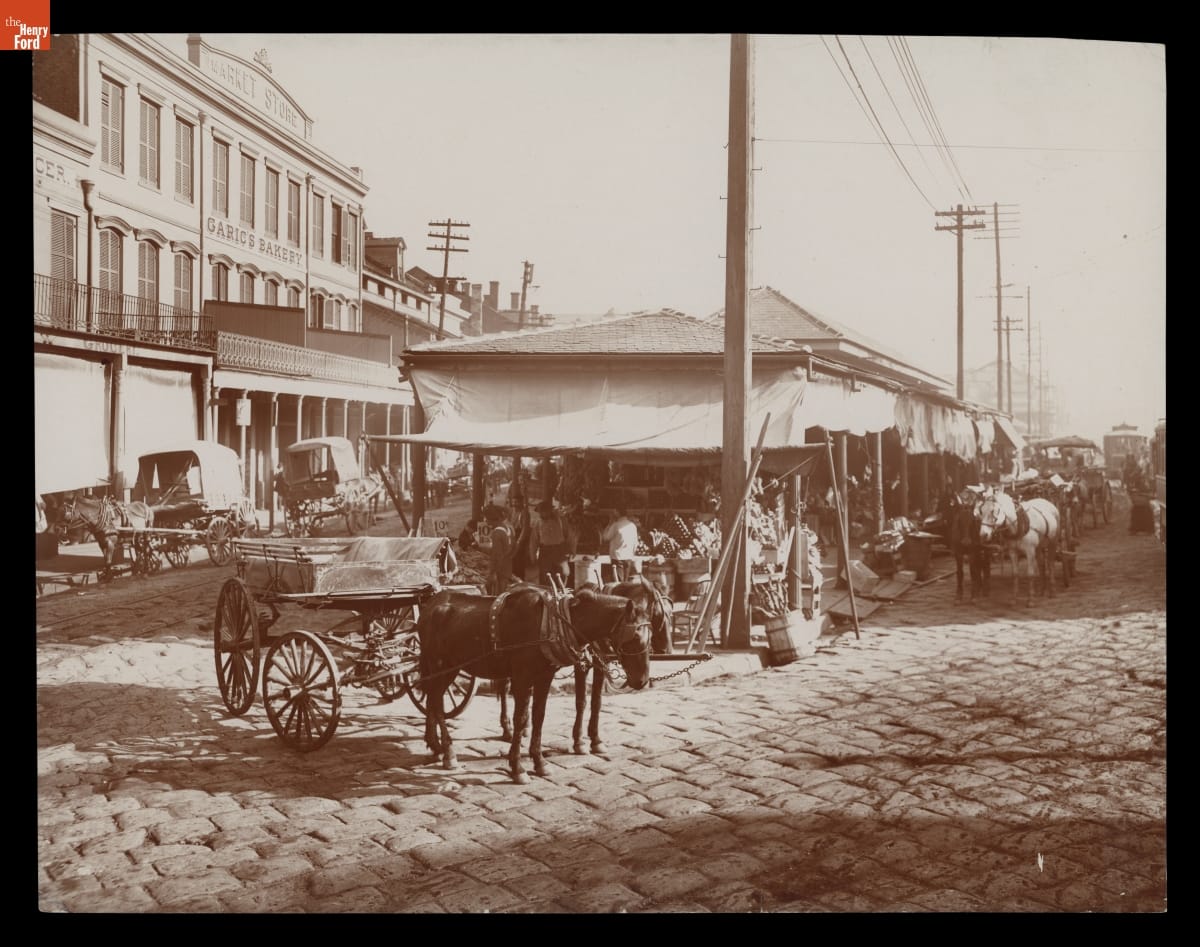
French Market, New Orleans, Louisiana, circa 1906
- Instructions for Operating Maytag Multi-Motor Engine, The Maytag Company, circa 1931 -
- circa 1931
- Collections - Artifact
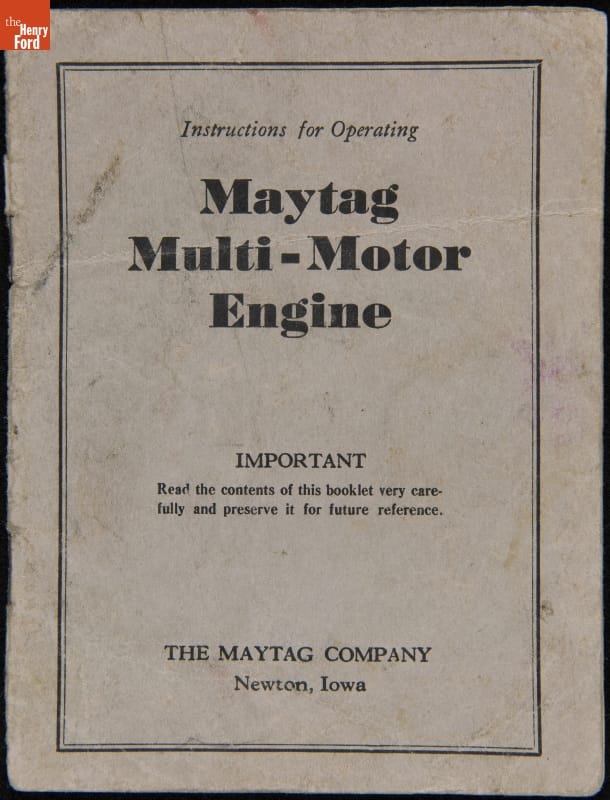
Instructions for Operating Maytag Multi-Motor Engine, The Maytag Company, circa 1931
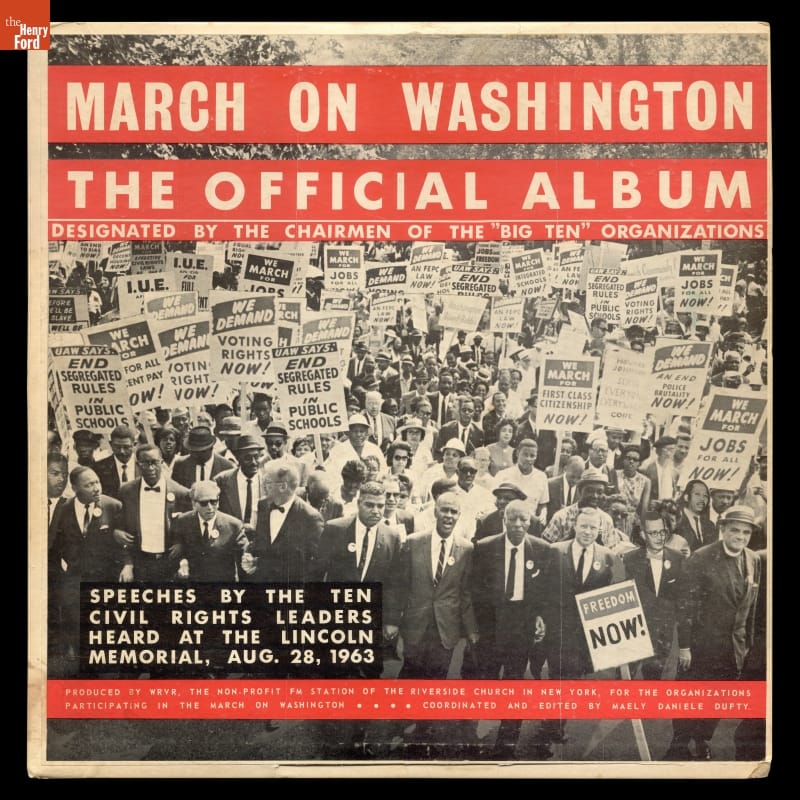
- Record Album, "March on Washington: The Official Album," 1963 - More than 250,000 civil rights advocates -- both African American and white -- showed up at this peaceful march on August 28, 1963, to support unity, jobs, and a new Civil Rights bill being proposed by President Kennedy. This LP record includes speeches by ten Civil Rights leaders heard at the Lincoln Memorial that day.
- August 28, 1963
- Collections - Artifact
Record Album, "March on Washington: The Official Album," 1963
More than 250,000 civil rights advocates -- both African American and white -- showed up at this peaceful march on August 28, 1963, to support unity, jobs, and a new Civil Rights bill being proposed by President Kennedy. This LP record includes speeches by ten Civil Rights leaders heard at the Lincoln Memorial that day.
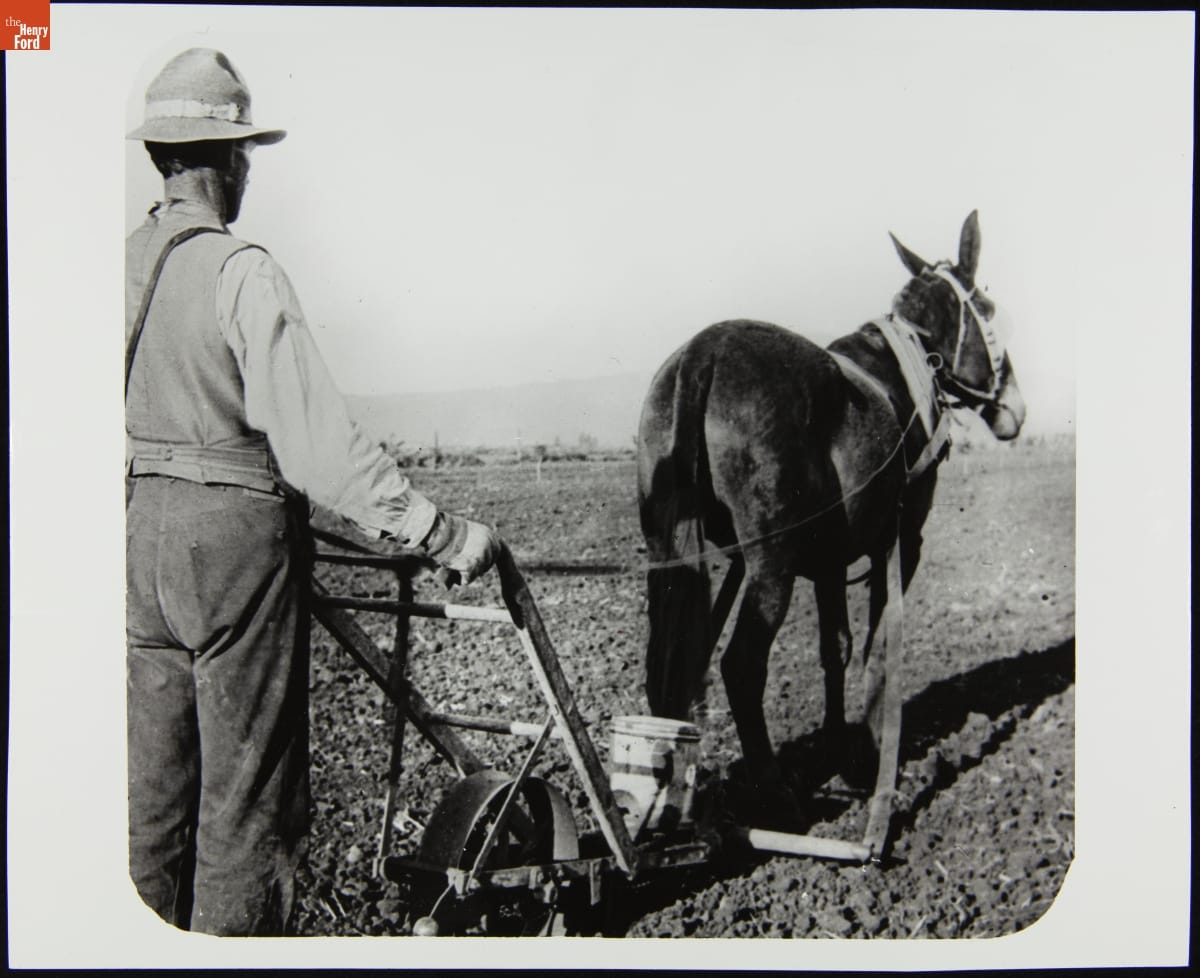
- A Farmer Works in a Field with a Mule-Drawn Drill Planter, 1870-1890 -
- 1870-1890
- Collections - Artifact
A Farmer Works in a Field with a Mule-Drawn Drill Planter, 1870-1890
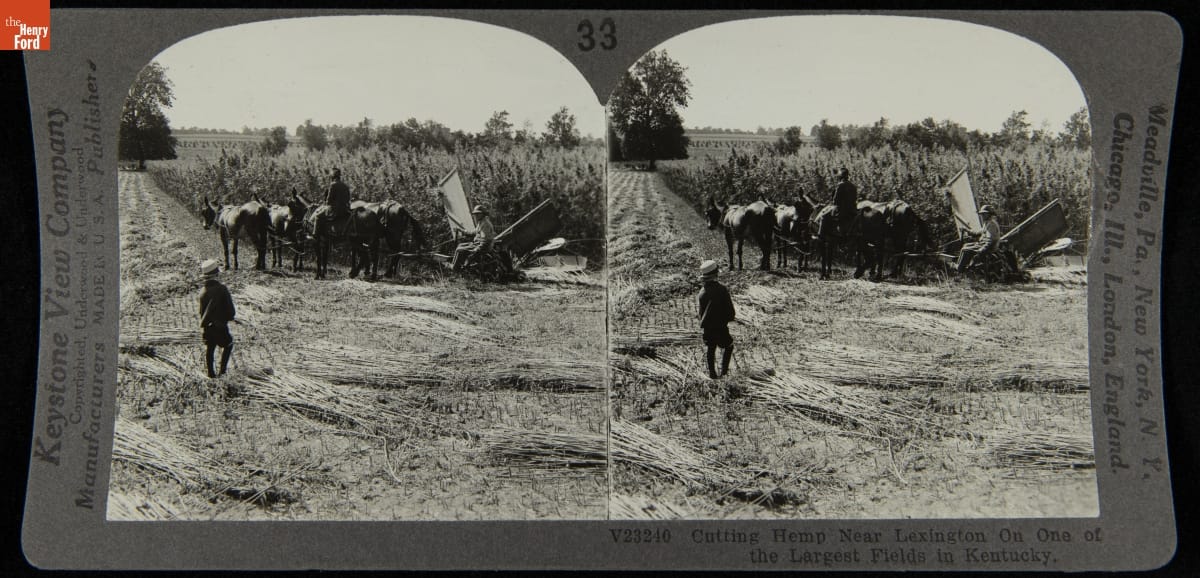
- Cutting Hemp near Lexington on One of the Largest Fields in Kentucky - This stereograph shows four mules, two men, and one self-rake reaper harvesting industrial hemp. The reaper, perhaps a McCormick-Deering model, was reinforced to cut the woody stalks and rake them onto the ground. The text incorrectly links hemp with other strains of Cannabis sativa and other species (Cannabis indica) from which medicinal or recreational products, including hashish, derive.
- Collections - Artifact
Cutting Hemp near Lexington on One of the Largest Fields in Kentucky
This stereograph shows four mules, two men, and one self-rake reaper harvesting industrial hemp. The reaper, perhaps a McCormick-Deering model, was reinforced to cut the woody stalks and rake them onto the ground. The text incorrectly links hemp with other strains of Cannabis sativa and other species (Cannabis indica) from which medicinal or recreational products, including hashish, derive.
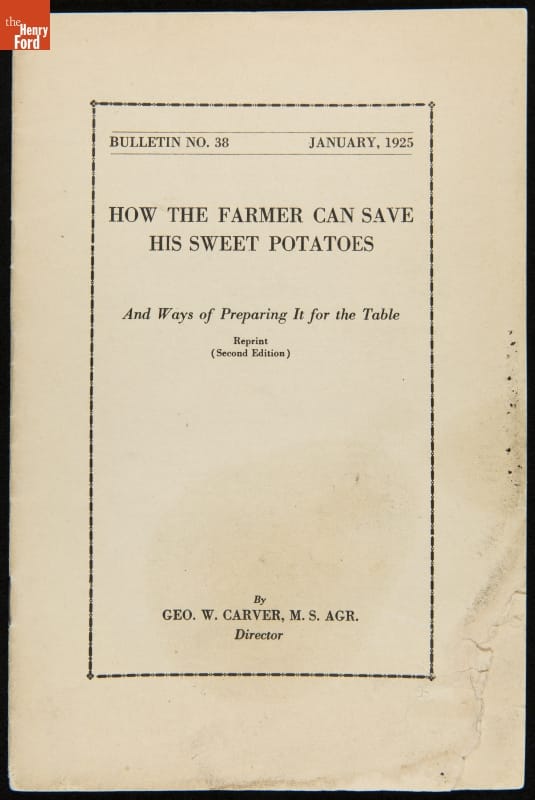
- How the Farmer Can Save His Sweet Potatoes and Ways of Preparing It for the Table, January 1925 (2nd ed.) -
- January 01, 1925
- Collections - Artifact
How the Farmer Can Save His Sweet Potatoes and Ways of Preparing It for the Table, January 1925 (2nd ed.)
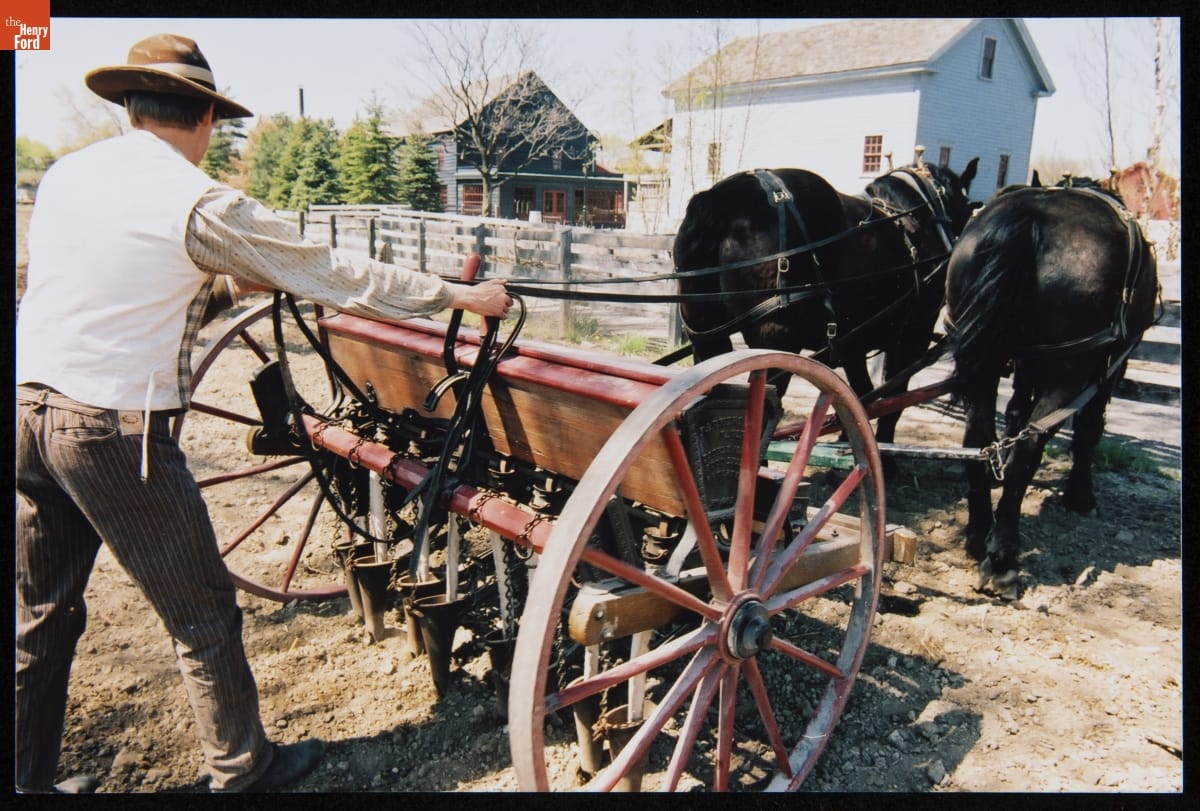
- Bickford & Huffman Grain Drill at Firestone Farm in Greenfield Village, May 2005 - Lyman Bickford and Henry Huffman began making agricultural machinery in 1842. They manufactured a grain drill in 1849 that became the "Farmers' Favorite." Dependable and affordable, this drill set a standard for the industry. Patents for "double force" seed distribution and changeable speed gearing increased the drill's utility. Farmers could use it to plant seeds and spread fertilizer at the same time.
- May 05, 2005
- Collections - Artifact
Bickford & Huffman Grain Drill at Firestone Farm in Greenfield Village, May 2005
Lyman Bickford and Henry Huffman began making agricultural machinery in 1842. They manufactured a grain drill in 1849 that became the "Farmers' Favorite." Dependable and affordable, this drill set a standard for the industry. Patents for "double force" seed distribution and changeable speed gearing increased the drill's utility. Farmers could use it to plant seeds and spread fertilizer at the same time.
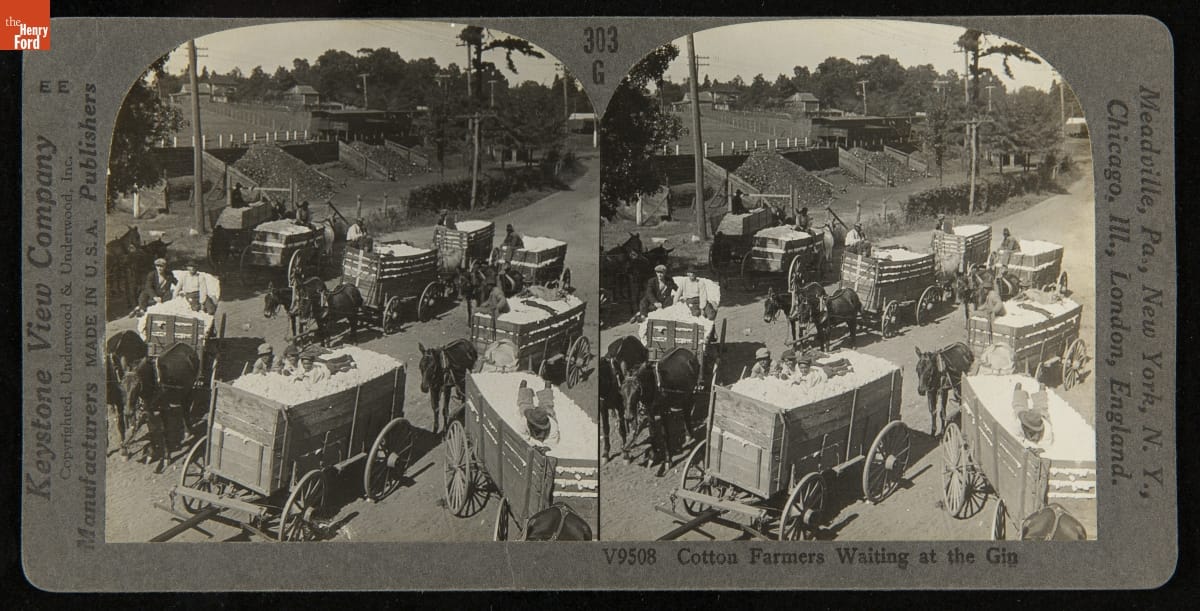
- Cotton Farmers Waiting at the Gin, 1906-1922 -
- 1906-1922
- Collections - Artifact
Cotton Farmers Waiting at the Gin, 1906-1922