
Search
- Letter from William Jennings Bryan to Dr. Frederick Lynch, 1917 -
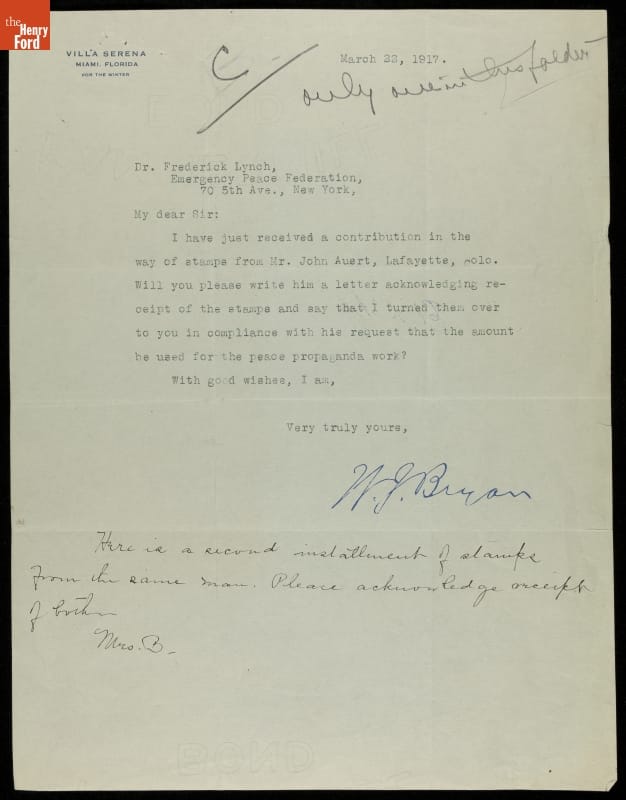
- March 22, 1917
- Collections - Artifact
Letter from William Jennings Bryan to Dr. Frederick Lynch, 1917
- Toy "G-Man" Cap Pistol, Used by James Greenhoe, 1937-1946 -
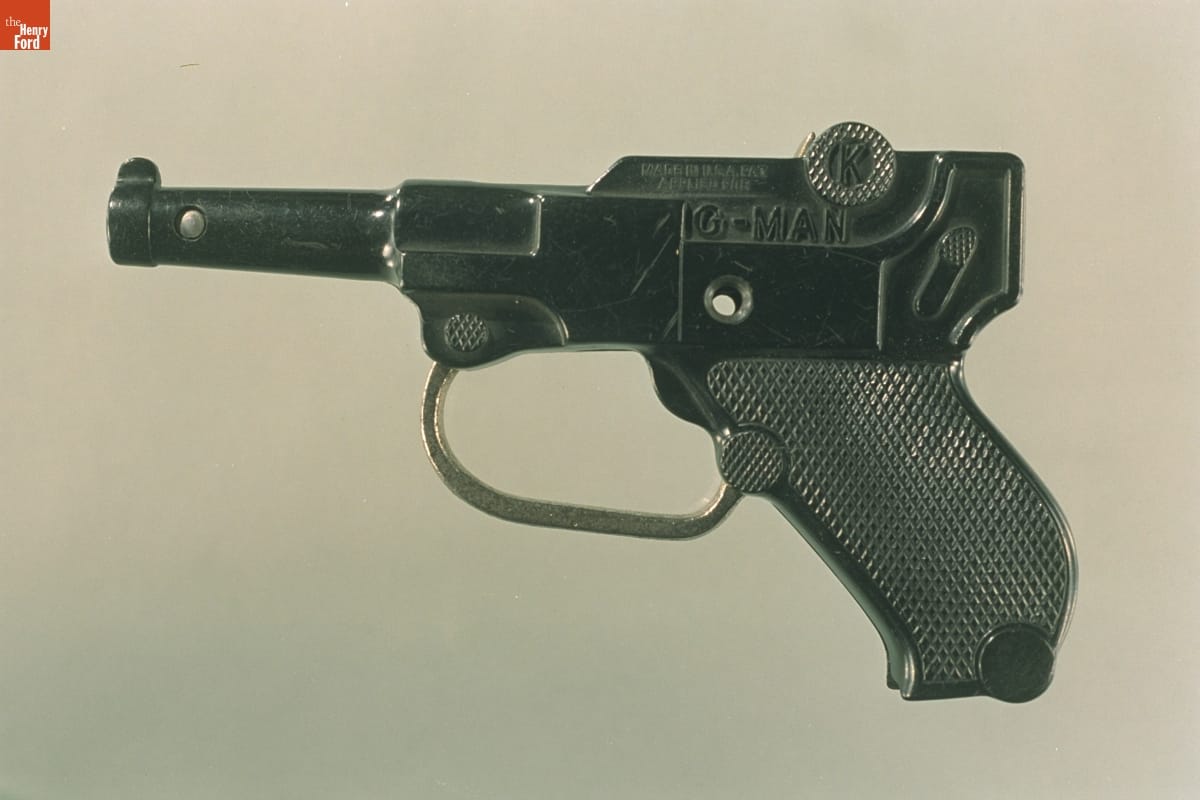
- 1937-1946
- Collections - Artifact
Toy "G-Man" Cap Pistol, Used by James Greenhoe, 1937-1946
- "Chicago Bike Map- Streets for Cycling," Spring, 2001 - Most urban road infrastructure is built for cars, so city traveling can be difficult for cyclists. This roadmap suggests the safest and most convenient routes for cyclists to take in Chicago. It was published jointly by the city of Chicago and a nonprofit bicycle advocacy group.
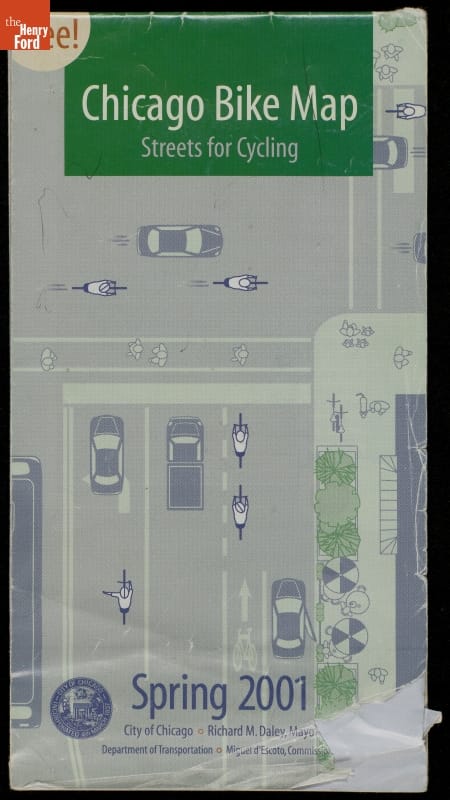
- 2001
- Collections - Artifact
"Chicago Bike Map- Streets for Cycling," Spring, 2001
Most urban road infrastructure is built for cars, so city traveling can be difficult for cyclists. This roadmap suggests the safest and most convenient routes for cyclists to take in Chicago. It was published jointly by the city of Chicago and a nonprofit bicycle advocacy group.
- Gragg "Elastic" Side Chair, circa 1808 -
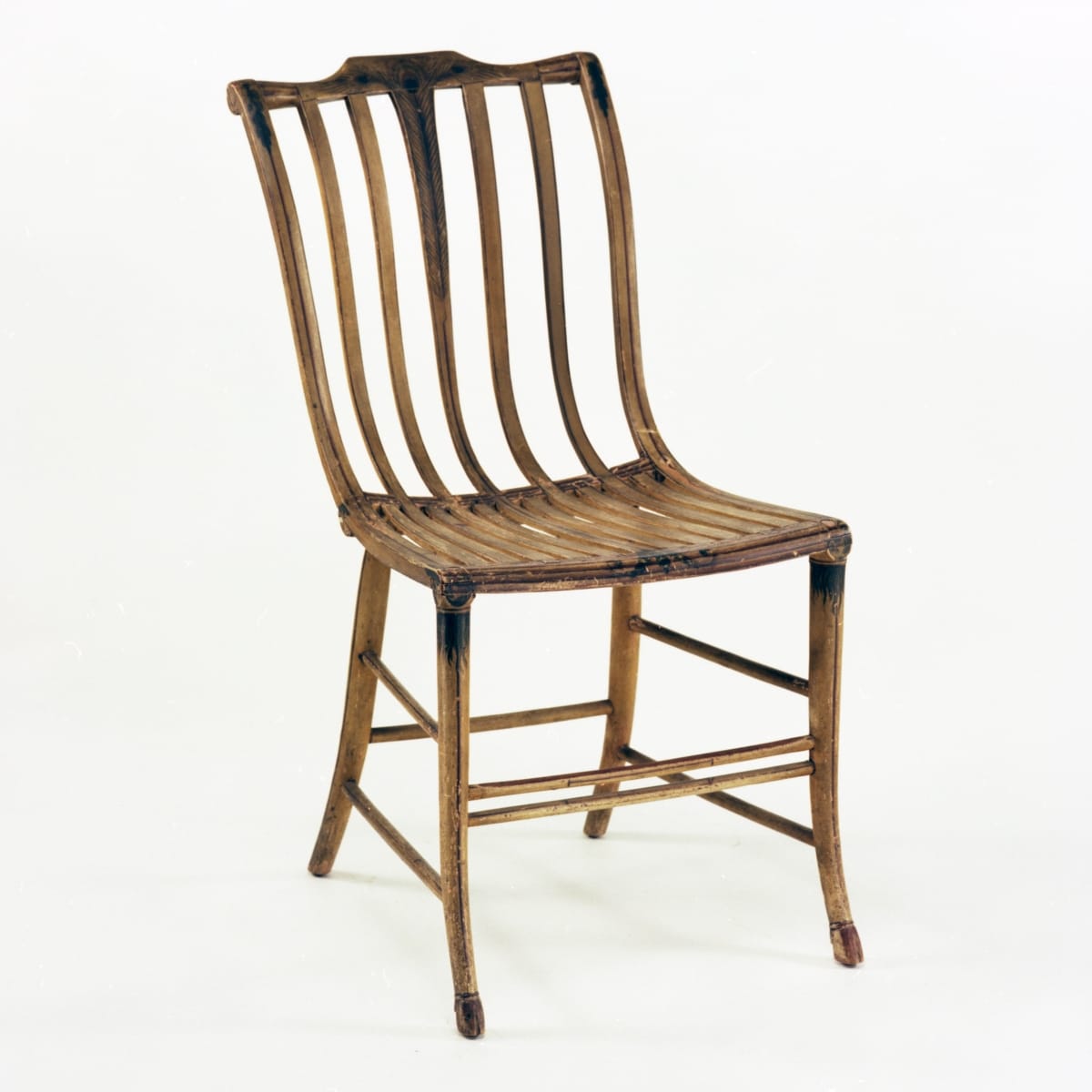
- circa 1808
- Collections - Artifact
Gragg "Elastic" Side Chair, circa 1808
- Side Chair, 1795-1805 -
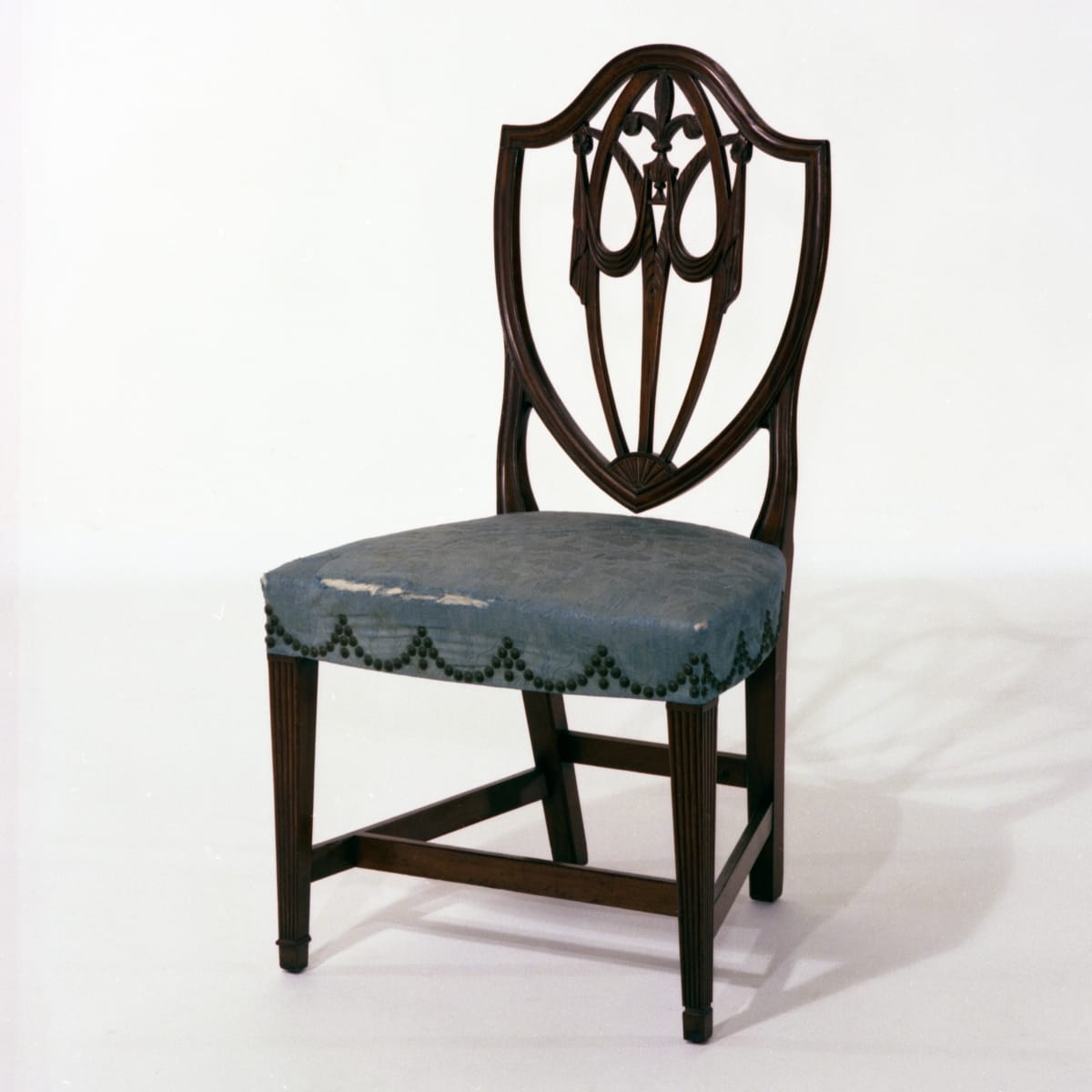
- 1795-1805
- Collections - Artifact
Side Chair, 1795-1805
- Side Chair, 1785-1805 -
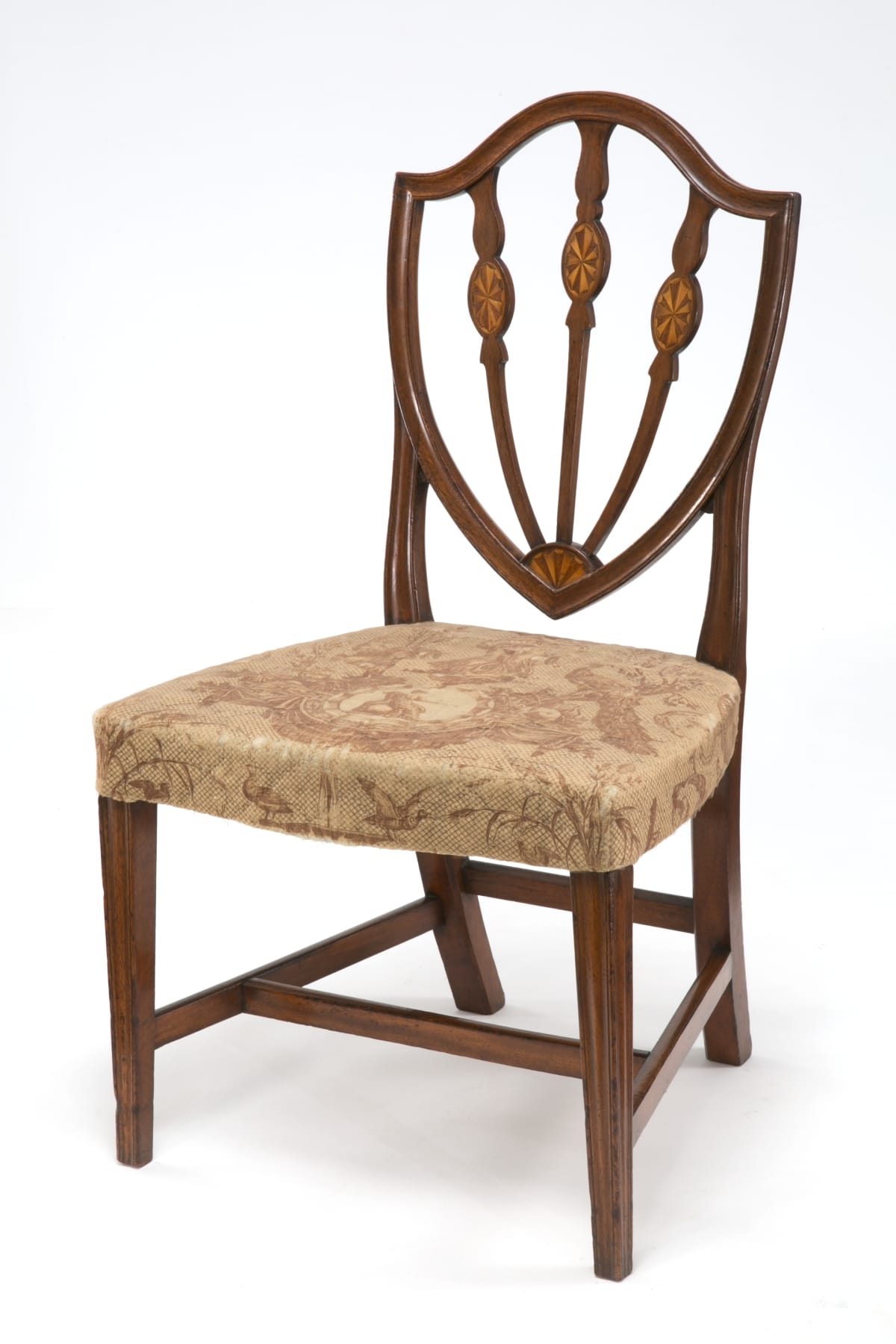
- 1785-1805
- Collections - Artifact
Side Chair, 1785-1805
- Teletype Message with Wire Service News Coverage of John F. Kennedy Assassination, November 22, 1963 - In the routine course of business, Ford Motor Company received a steady flow of news and financial reports from the Wall Street Journal. These dispatches came over the teletype machine on November 22, 1963 describing events from the arrival of President John F. Kennedy and his wife Jacqueline in Dallas through the official report of his death several hours later.
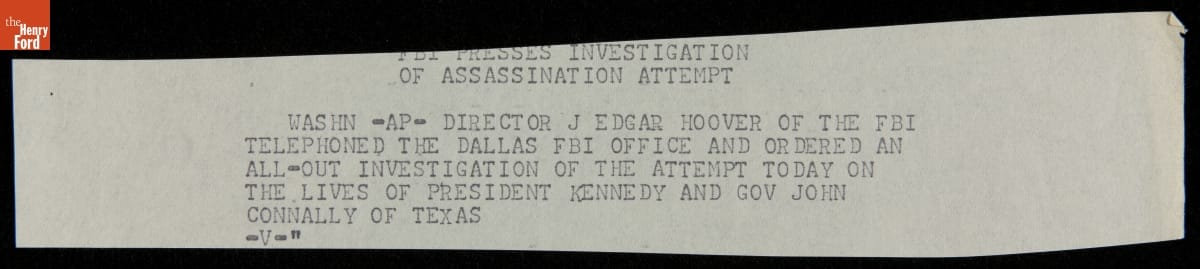
- November 22, 1963
- Collections - Artifact
Teletype Message with Wire Service News Coverage of John F. Kennedy Assassination, November 22, 1963
In the routine course of business, Ford Motor Company received a steady flow of news and financial reports from the Wall Street Journal. These dispatches came over the teletype machine on November 22, 1963 describing events from the arrival of President John F. Kennedy and his wife Jacqueline in Dallas through the official report of his death several hours later.
- Men Protesting Construction Project, August 1939 -
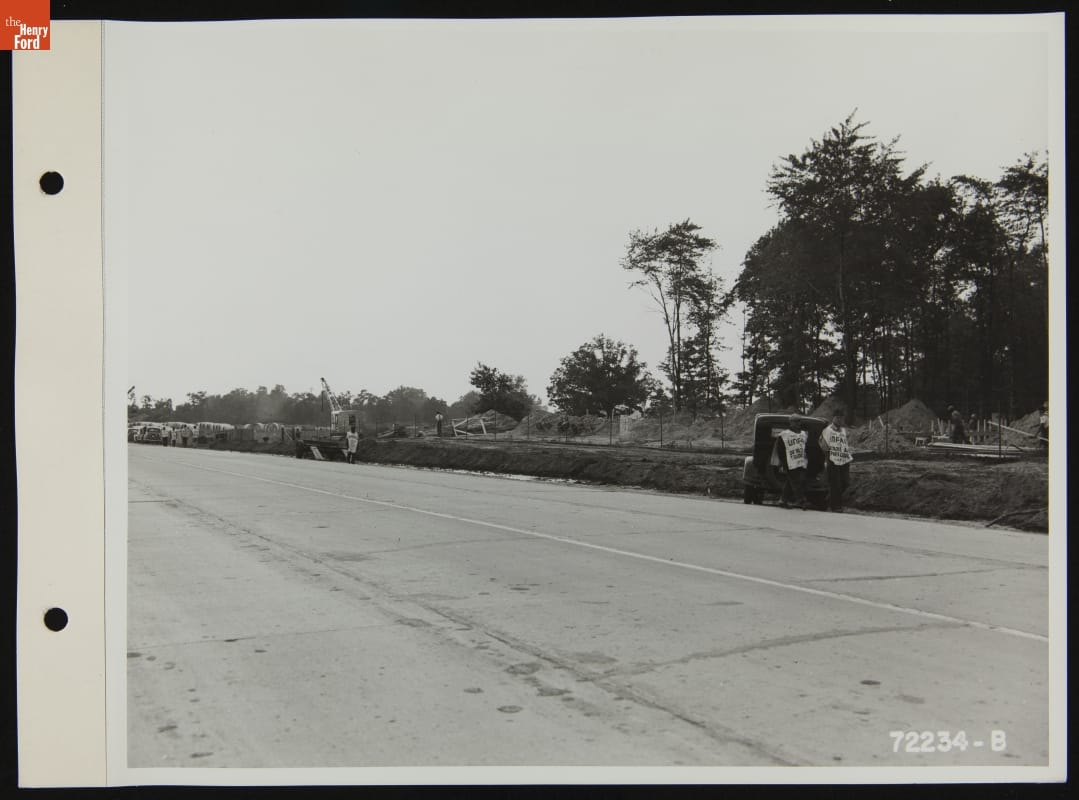
- August 10, 1939
- Collections - Artifact
Men Protesting Construction Project, August 1939
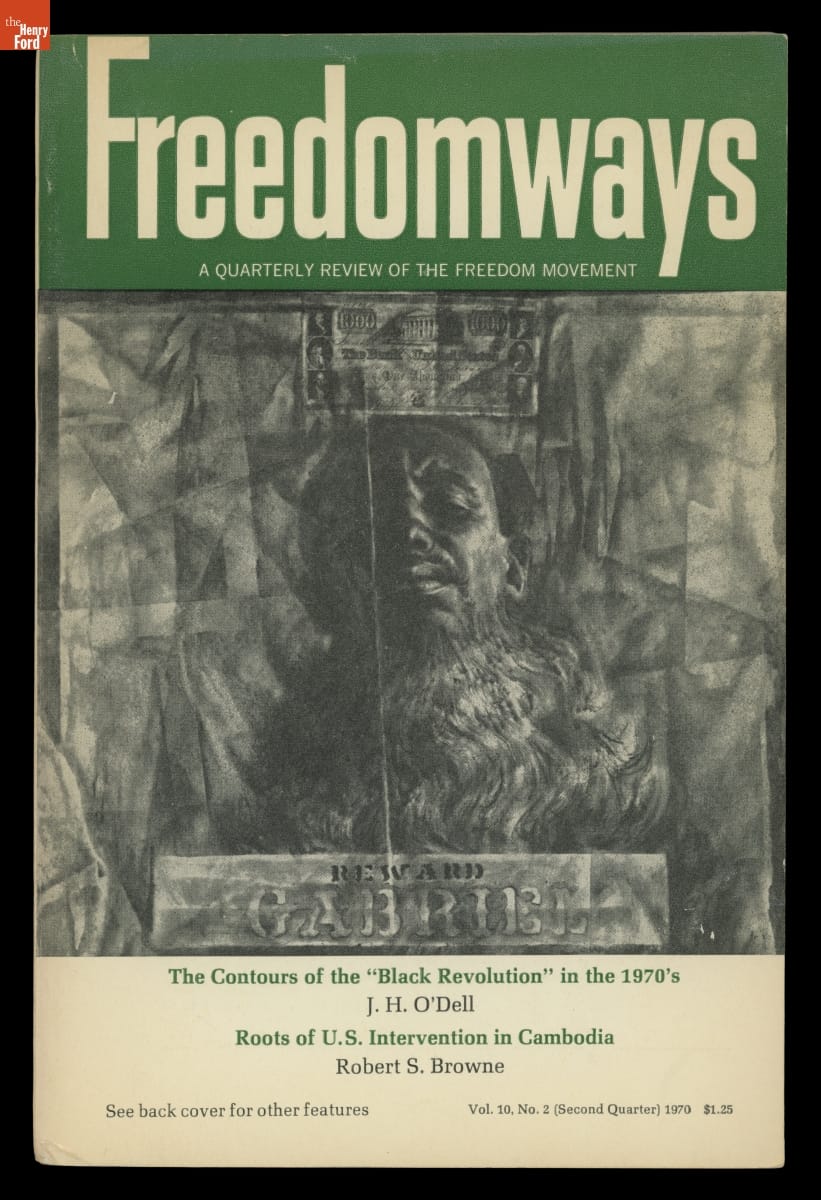
- "Freedomways," Vol. 10, No. 2, Second Quarter, 1970 - In 1961, Louis Burnham, Edward Strong, and W. E. B. Du Bois founded Freedomways, the leading African American theoretical, political, and cultural journal of its time. The journal included written works by leading Black authors, artists, politicians, and activists. The journal also reported on the political movements of the era, especially the American civil rights movement. Publication ceased in 1985.
- 1970
- Collections - Artifact
"Freedomways," Vol. 10, No. 2, Second Quarter, 1970
In 1961, Louis Burnham, Edward Strong, and W. E. B. Du Bois founded Freedomways, the leading African American theoretical, political, and cultural journal of its time. The journal included written works by leading Black authors, artists, politicians, and activists. The journal also reported on the political movements of the era, especially the American civil rights movement. Publication ceased in 1985.
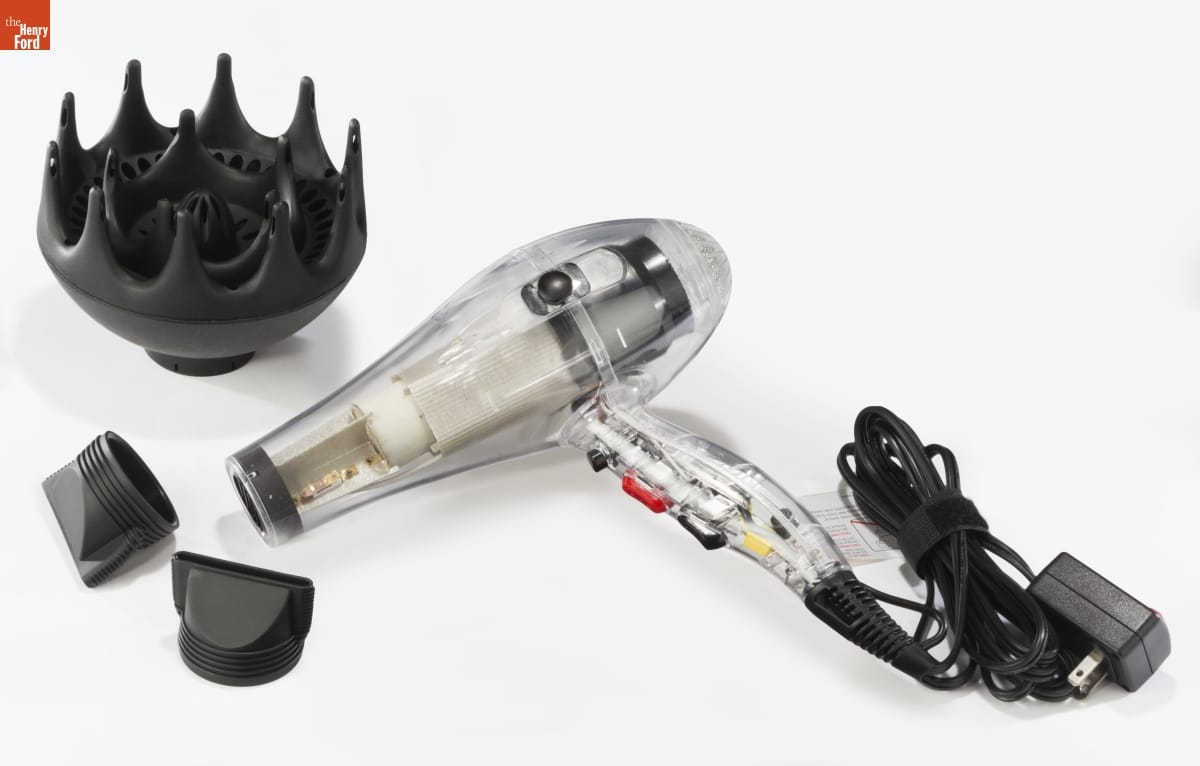
- Inglam Gem Ergo Hair Dryer, circa 2001 -
- circa 2001
- Collections - Artifact
Inglam Gem Ergo Hair Dryer, circa 2001