
Search
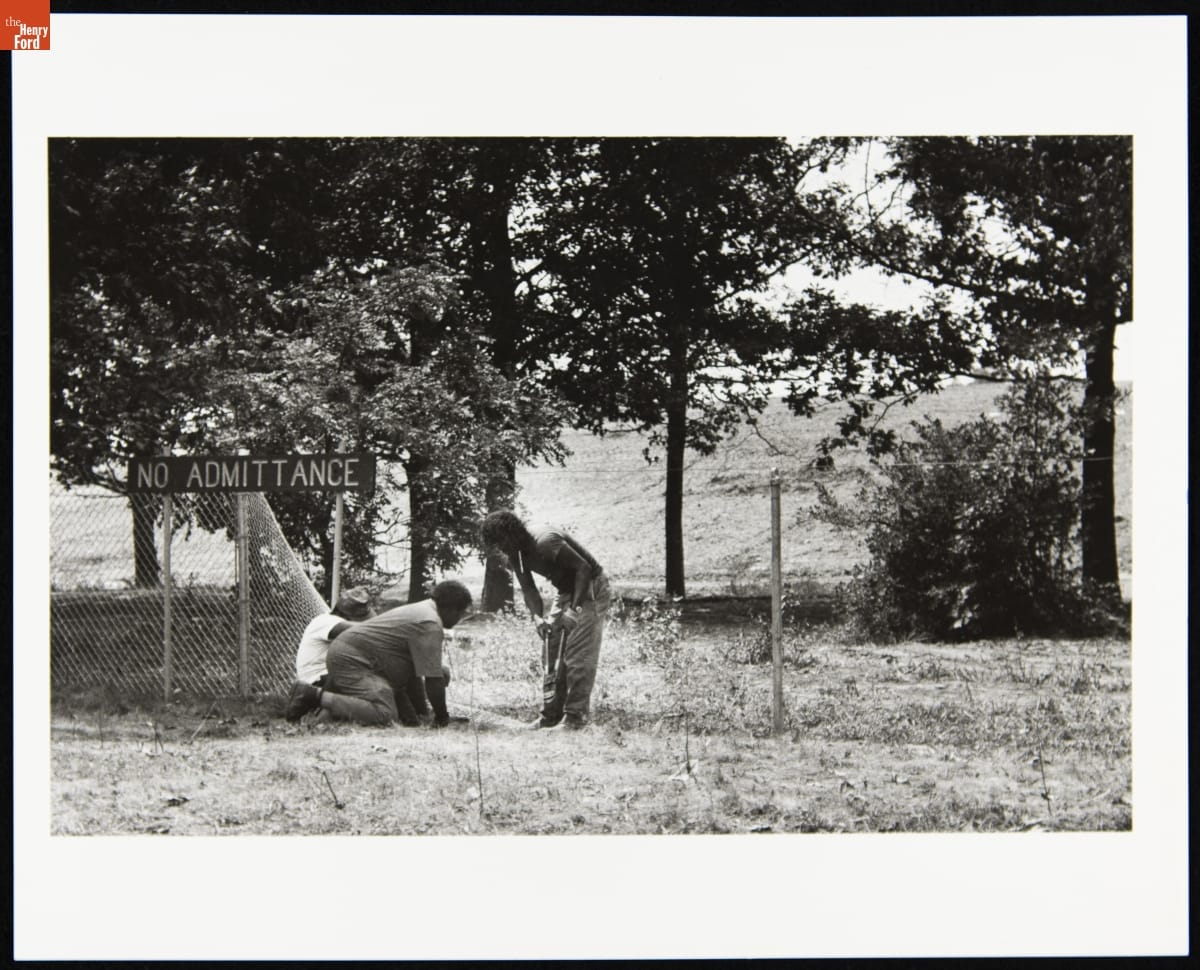
- Building a Fence at Rouge Park in Detroit, August 1991 -
- August 01, 1991
- Collections - Artifact
Building a Fence at Rouge Park in Detroit, August 1991
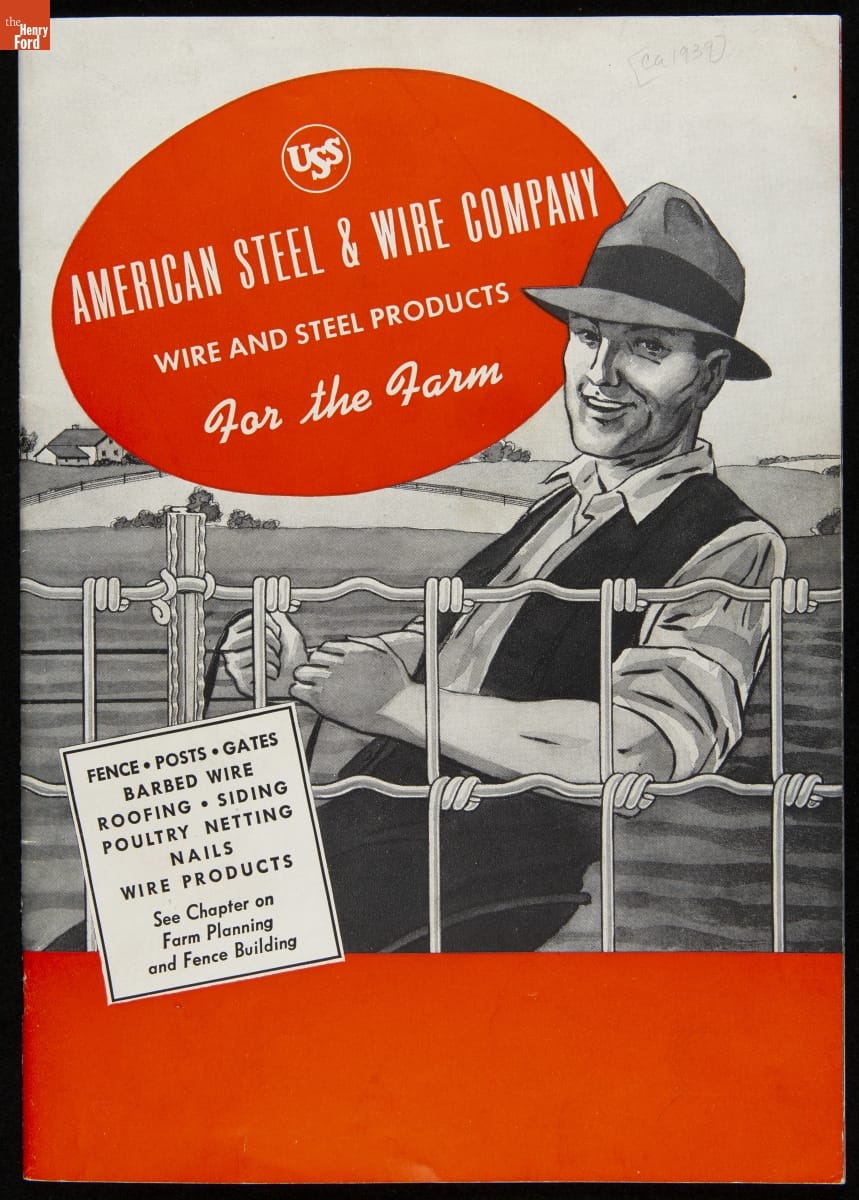
- American Steel & Wire Company Trade Catalog, "Wire and Steel Products for the Farm," circa 1939 -
- circa 1939
- Collections - Artifact
American Steel & Wire Company Trade Catalog, "Wire and Steel Products for the Farm," circa 1939
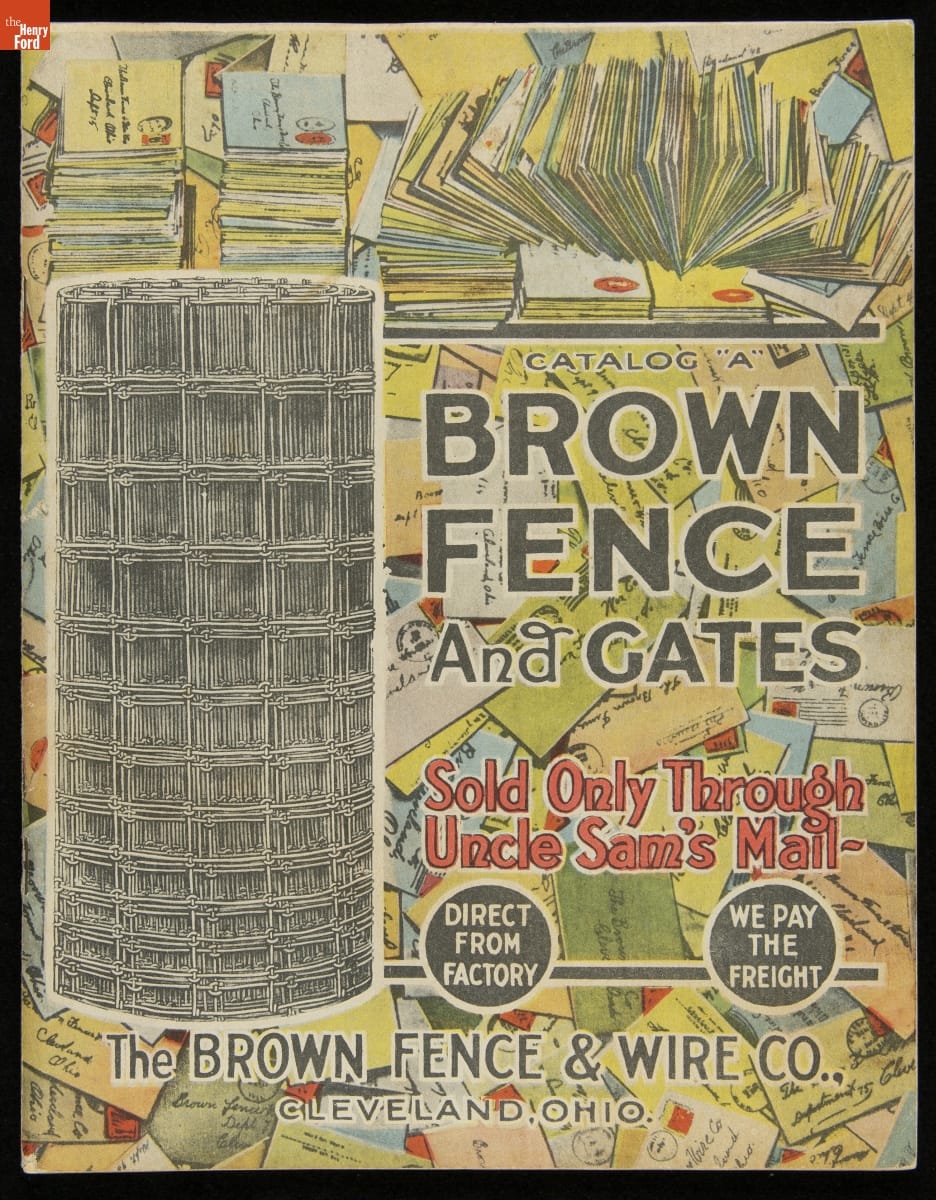
- Brown Fence & Wire Co. Trade Catalog, "Brown Fence and Gates," 1915 -
- 1915
- Collections - Artifact
Brown Fence & Wire Co. Trade Catalog, "Brown Fence and Gates," 1915
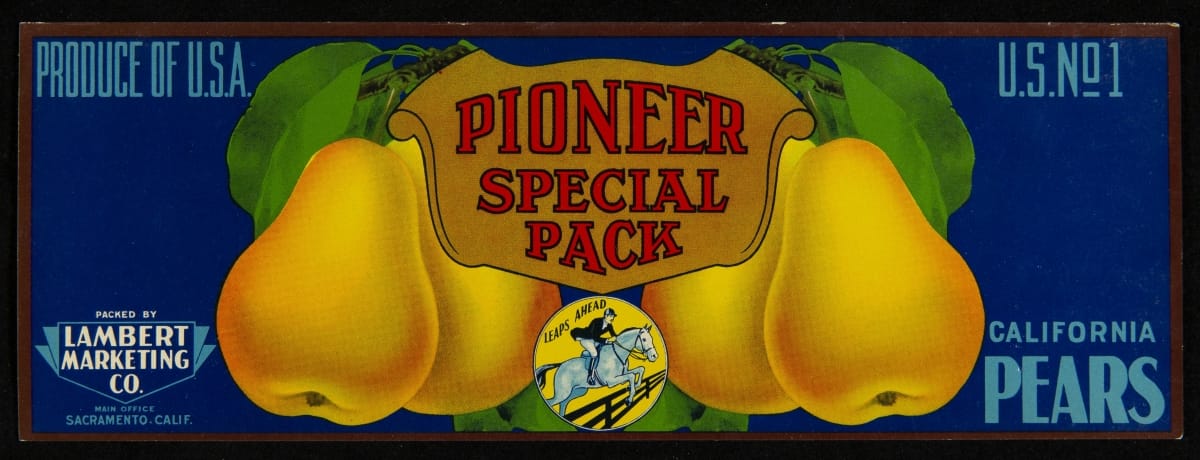
- Crate Label, "Pioneer Special Pack Brand California Pears," 1940-1950 - In 1869, the transcontinental railroad opened eastern markets to the West Coast produce industry for the first time. As produce companies shipped crates of fruits and vegetables across the country, they needed a way to distinguish their goods from their competitors'. Colorful, eye-catching labels, like this one for Pioneer Special Pack Brand California Pears, were created to attract grocers purchasing goods from wholesale markets.
- 1940-1950
- Collections - Artifact
Crate Label, "Pioneer Special Pack Brand California Pears," 1940-1950
In 1869, the transcontinental railroad opened eastern markets to the West Coast produce industry for the first time. As produce companies shipped crates of fruits and vegetables across the country, they needed a way to distinguish their goods from their competitors'. Colorful, eye-catching labels, like this one for Pioneer Special Pack Brand California Pears, were created to attract grocers purchasing goods from wholesale markets.
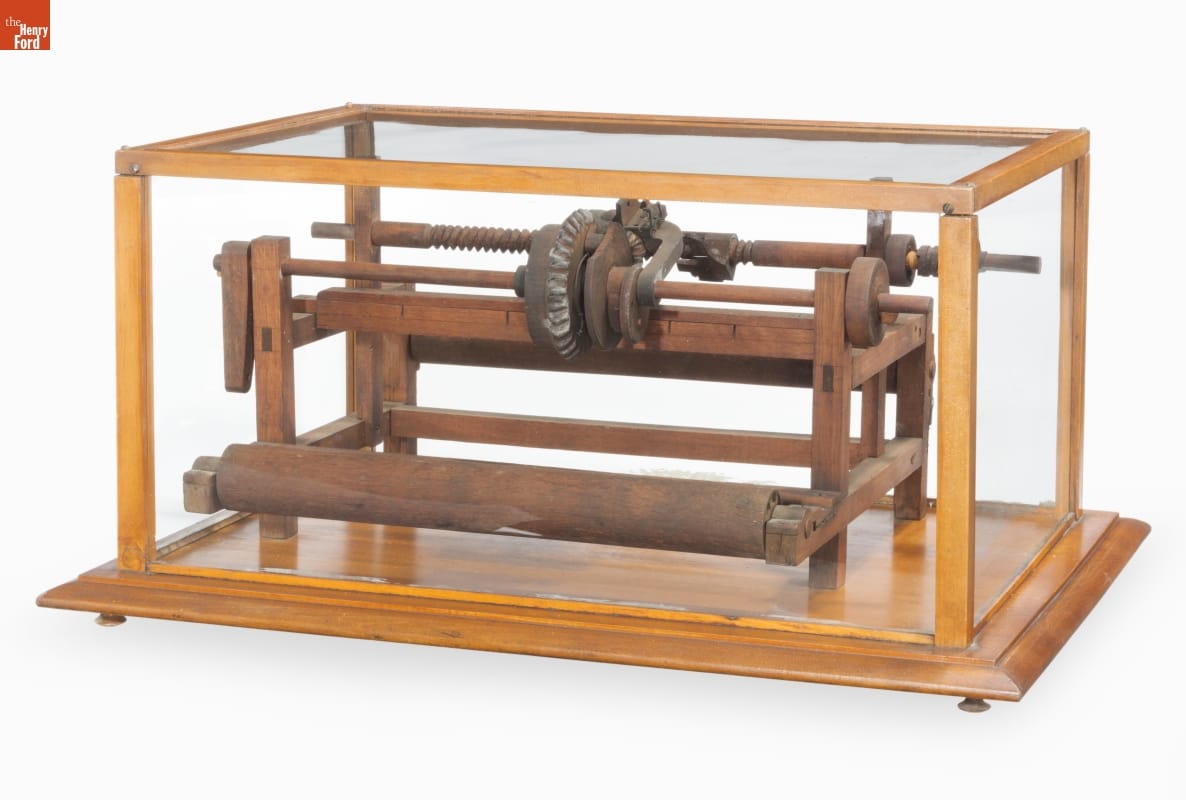
- Model of a Page Fence Loom -
- Collections - Artifact
Model of a Page Fence Loom
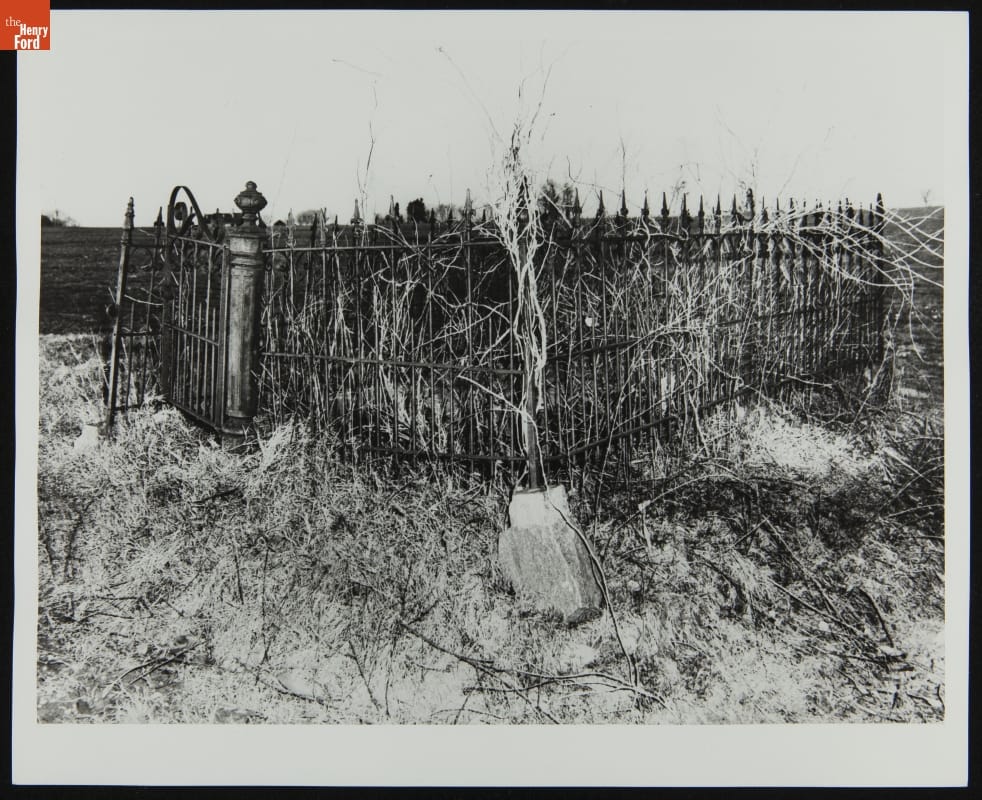
- Iron Fence Surrounding the Original Location of the Tombstone Marking the Grave of Christopher and John Rousby, 1942 -
- February 27, 1942
- Collections - Artifact
Iron Fence Surrounding the Original Location of the Tombstone Marking the Grave of Christopher and John Rousby, 1942
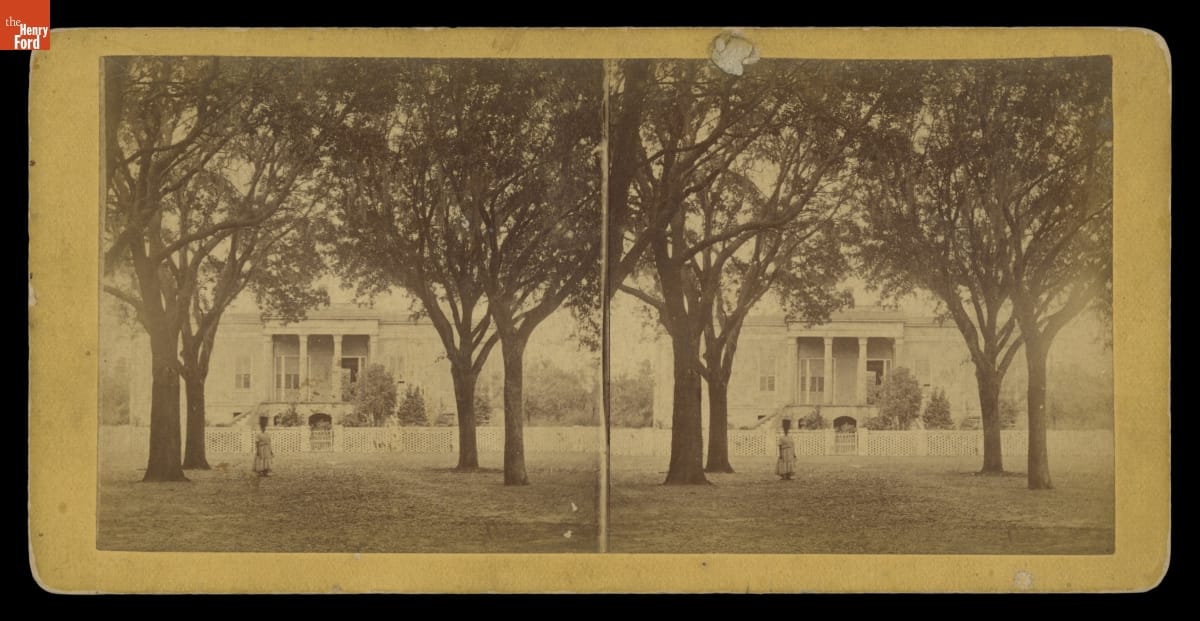
- Woman Standing in front of Hermitage Plantation House, Savannah, Georgia, circa 1875 -
- circa 1875
- Collections - Artifact
Woman Standing in front of Hermitage Plantation House, Savannah, Georgia, circa 1875
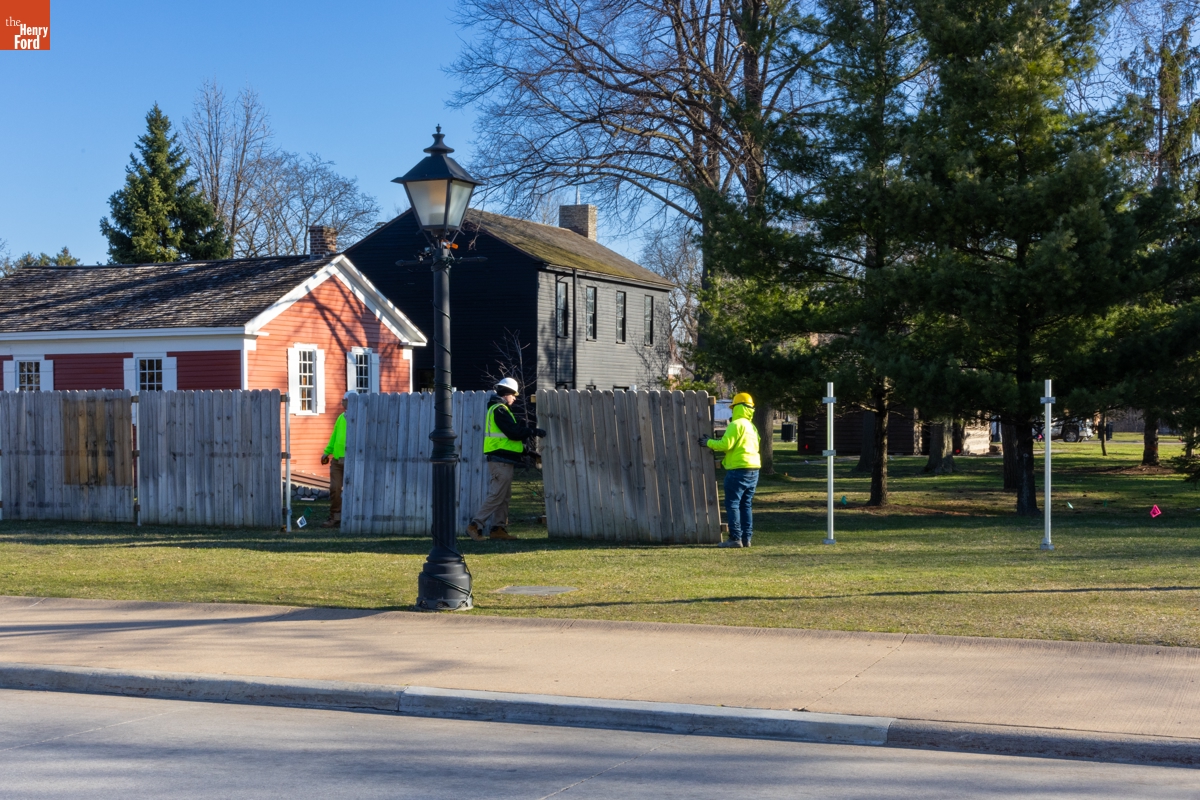
- Jackson Home Construction Fence Being Built, Greenfield Village, March 15, 2024 - The Dr. Sullivan and Mrs. Richie Jean Sherrod Jackson Home, originally located in Selma, Alabama, served as a refuge for Dr. Martin Luther King, Jr. and other civil rights leaders who planned the 1965 Selma-to-Montgomery marches. In 2023, The Henry Ford acquired the home from Jawana Jackson, the couple's only child. The home was moved and reconstructed in Greenfield Village in Dearborn, Michigan.
- March 15, 2024
- Collections - Artifact
Jackson Home Construction Fence Being Built, Greenfield Village, March 15, 2024
The Dr. Sullivan and Mrs. Richie Jean Sherrod Jackson Home, originally located in Selma, Alabama, served as a refuge for Dr. Martin Luther King, Jr. and other civil rights leaders who planned the 1965 Selma-to-Montgomery marches. In 2023, The Henry Ford acquired the home from Jawana Jackson, the couple's only child. The home was moved and reconstructed in Greenfield Village in Dearborn, Michigan.
- Jackson Home Construction Fence Being Built, Greenfield Village, March 15, 2024 - The Dr. Sullivan and Mrs. Richie Jean Sherrod Jackson Home, originally located in Selma, Alabama, served as a refuge for Dr. Martin Luther King, Jr. and other civil rights leaders who planned the 1965 Selma-to-Montgomery marches. In 2023, The Henry Ford acquired the home from Jawana Jackson, the couple's only child. The home was moved and reconstructed in Greenfield Village in Dearborn, Michigan.
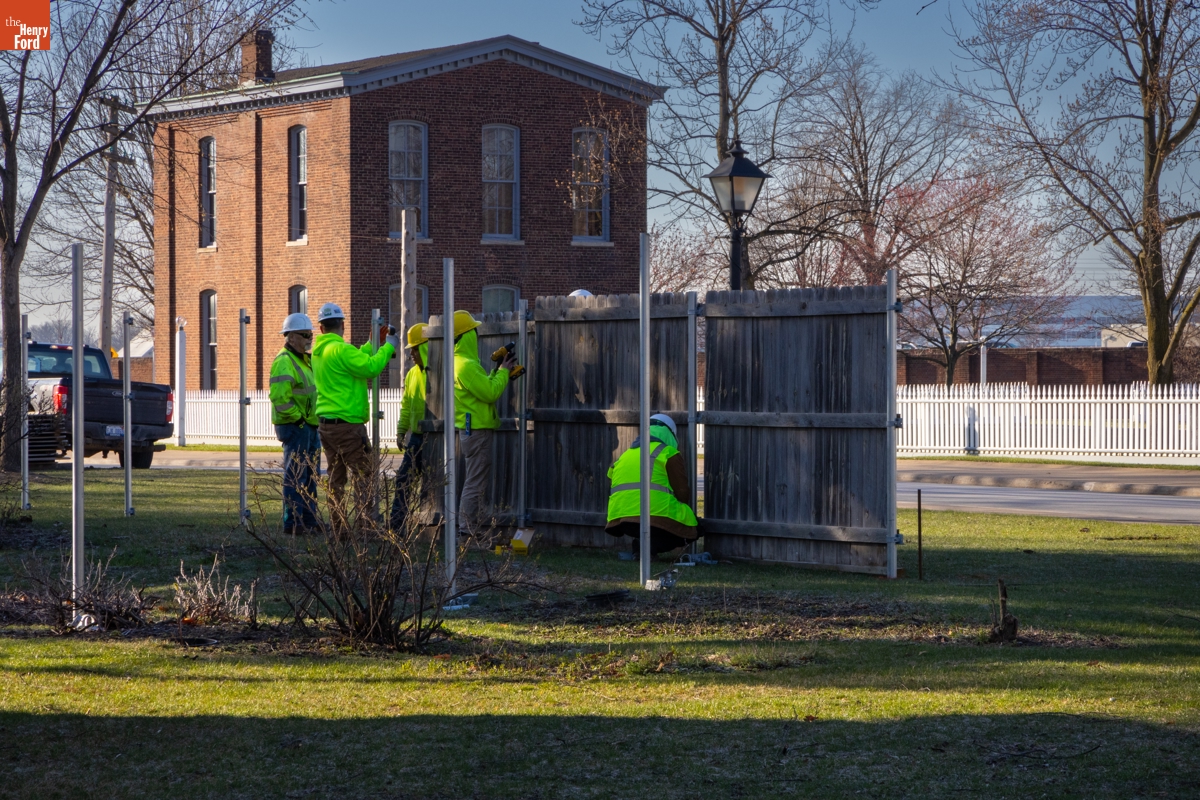
- March 15, 2024
- Collections - Artifact
Jackson Home Construction Fence Being Built, Greenfield Village, March 15, 2024
The Dr. Sullivan and Mrs. Richie Jean Sherrod Jackson Home, originally located in Selma, Alabama, served as a refuge for Dr. Martin Luther King, Jr. and other civil rights leaders who planned the 1965 Selma-to-Montgomery marches. In 2023, The Henry Ford acquired the home from Jawana Jackson, the couple's only child. The home was moved and reconstructed in Greenfield Village in Dearborn, Michigan.
- Jackson Home Construction Fence Being Built, Greenfield Village, March 15, 2024 - The Dr. Sullivan and Mrs. Richie Jean Sherrod Jackson Home, originally located in Selma, Alabama, served as a refuge for Dr. Martin Luther King, Jr. and other civil rights leaders who planned the 1965 Selma-to-Montgomery marches. In 2023, The Henry Ford acquired the home from Jawana Jackson, the couple's only child. The home was moved and reconstructed in Greenfield Village in Dearborn, Michigan.
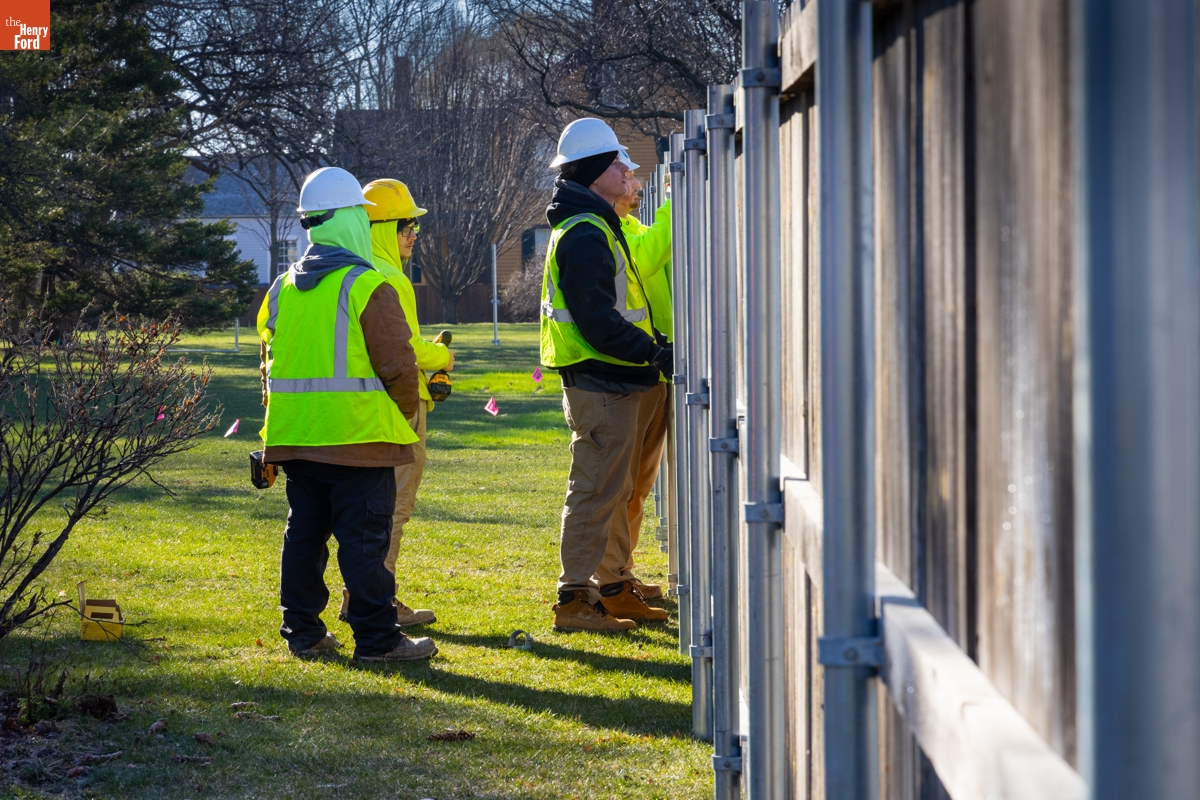
- March 15, 2024
- Collections - Artifact
Jackson Home Construction Fence Being Built, Greenfield Village, March 15, 2024
The Dr. Sullivan and Mrs. Richie Jean Sherrod Jackson Home, originally located in Selma, Alabama, served as a refuge for Dr. Martin Luther King, Jr. and other civil rights leaders who planned the 1965 Selma-to-Montgomery marches. In 2023, The Henry Ford acquired the home from Jawana Jackson, the couple's only child. The home was moved and reconstructed in Greenfield Village in Dearborn, Michigan.