
Search
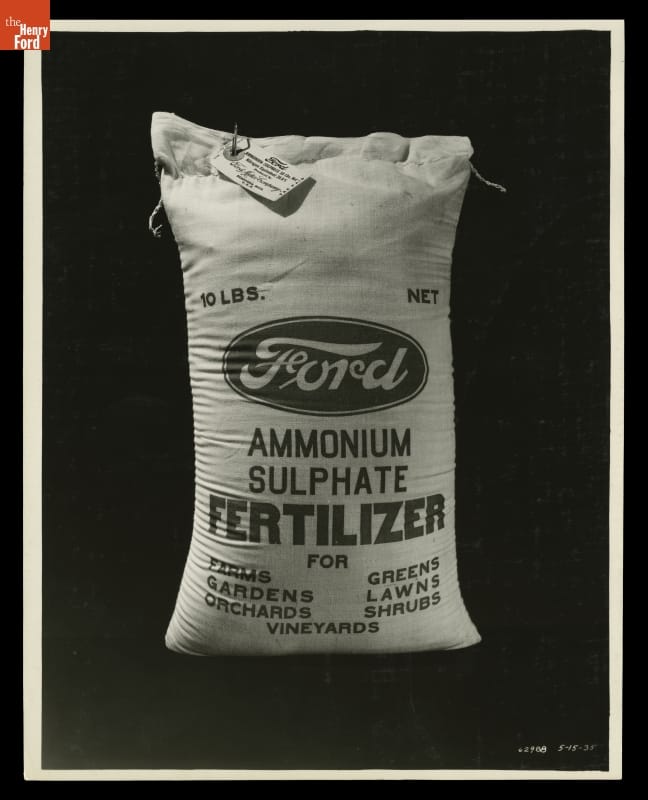
- Bag of Ford Ammonium Sulphate Fertilizer, May 1935 - The <em>New York Times</em> reported in 1924 that Ford Motor Company produced enough Ammonium Sulphate fertilizer to apply to 100,000 acres. The nitrogen-rich inorganic fertilizer was a byproduct of Ford's steel production process. Green, leafy plants need nitrogen to flourish. By 1935, the date of this bag, nitrogen-hungry hybrid corn and increasing acres of lawn grasses ensured consumer demand for this fertilizer.
- May 15, 1935
- Collections - Artifact
Bag of Ford Ammonium Sulphate Fertilizer, May 1935
The New York Times reported in 1924 that Ford Motor Company produced enough Ammonium Sulphate fertilizer to apply to 100,000 acres. The nitrogen-rich inorganic fertilizer was a byproduct of Ford's steel production process. Green, leafy plants need nitrogen to flourish. By 1935, the date of this bag, nitrogen-hungry hybrid corn and increasing acres of lawn grasses ensured consumer demand for this fertilizer.
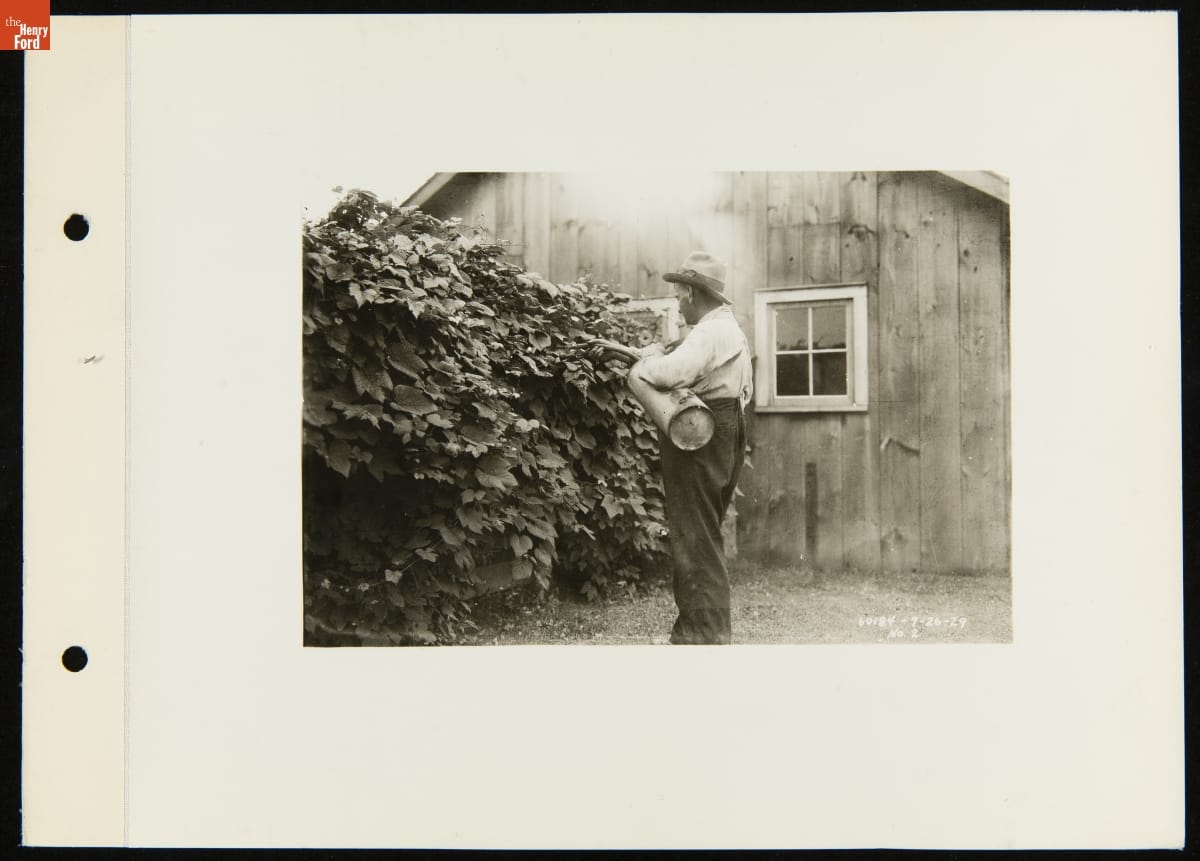
- Man Spraying Garden with Ford Ammonium Sulphate Fertilizer, July 26, 1929 -
- July 26, 1929
- Collections - Artifact
Man Spraying Garden with Ford Ammonium Sulphate Fertilizer, July 26, 1929
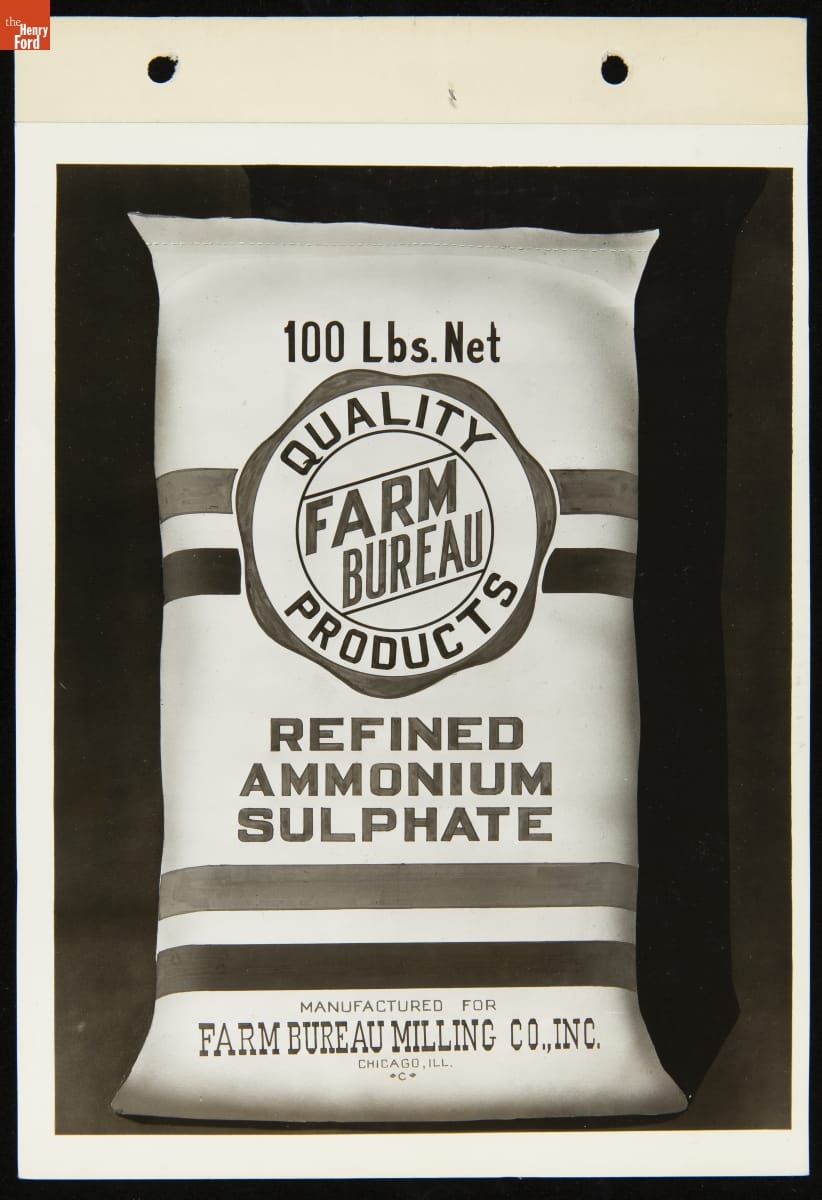
- Bag of Farm Bureau Milling Co. Refined Ammonium Sulphate Fertilizer, December 1934 -
- December 28, 1934
- Collections - Artifact
Bag of Farm Bureau Milling Co. Refined Ammonium Sulphate Fertilizer, December 1934
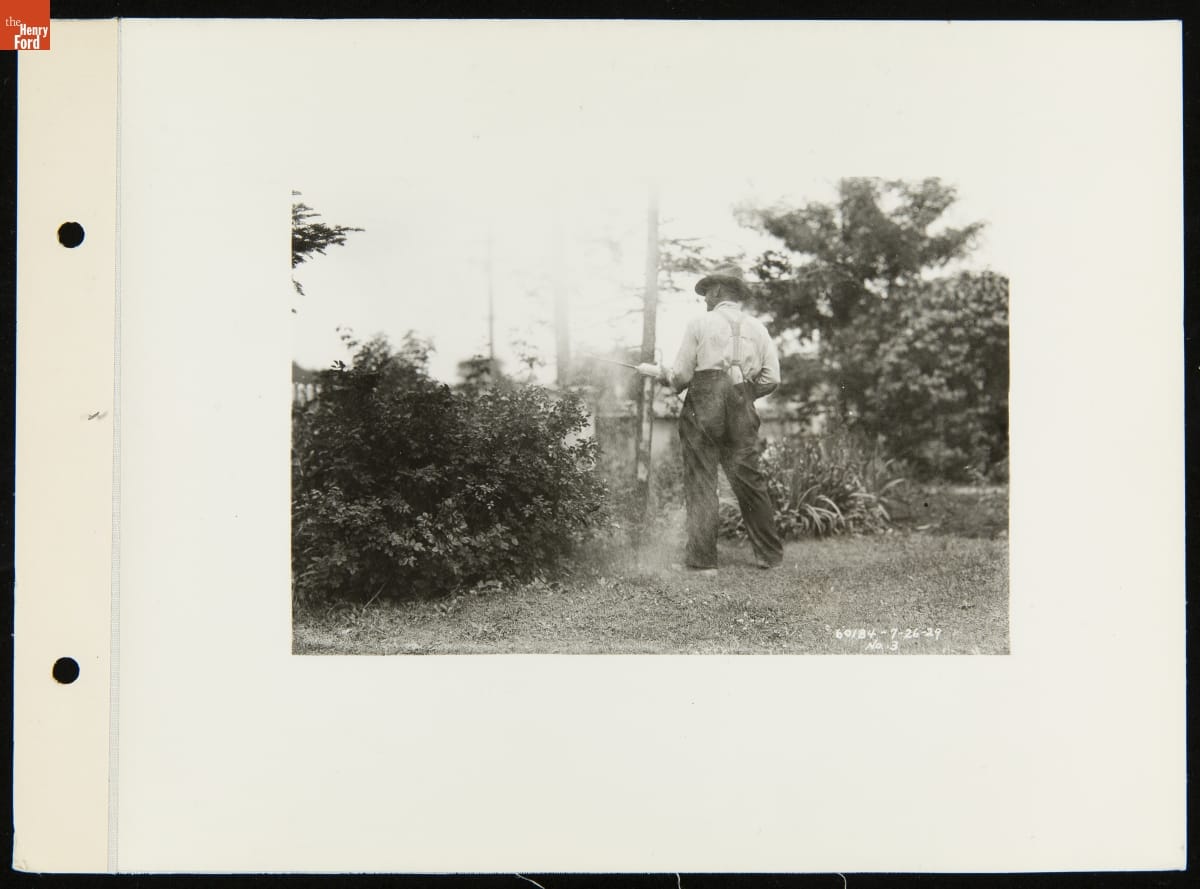
- Man Spraying a Garden with Ford Ammonium Sulphate Fertilizer, July 26, 1929 -
- July 26, 1929
- Collections - Artifact
Man Spraying a Garden with Ford Ammonium Sulphate Fertilizer, July 26, 1929
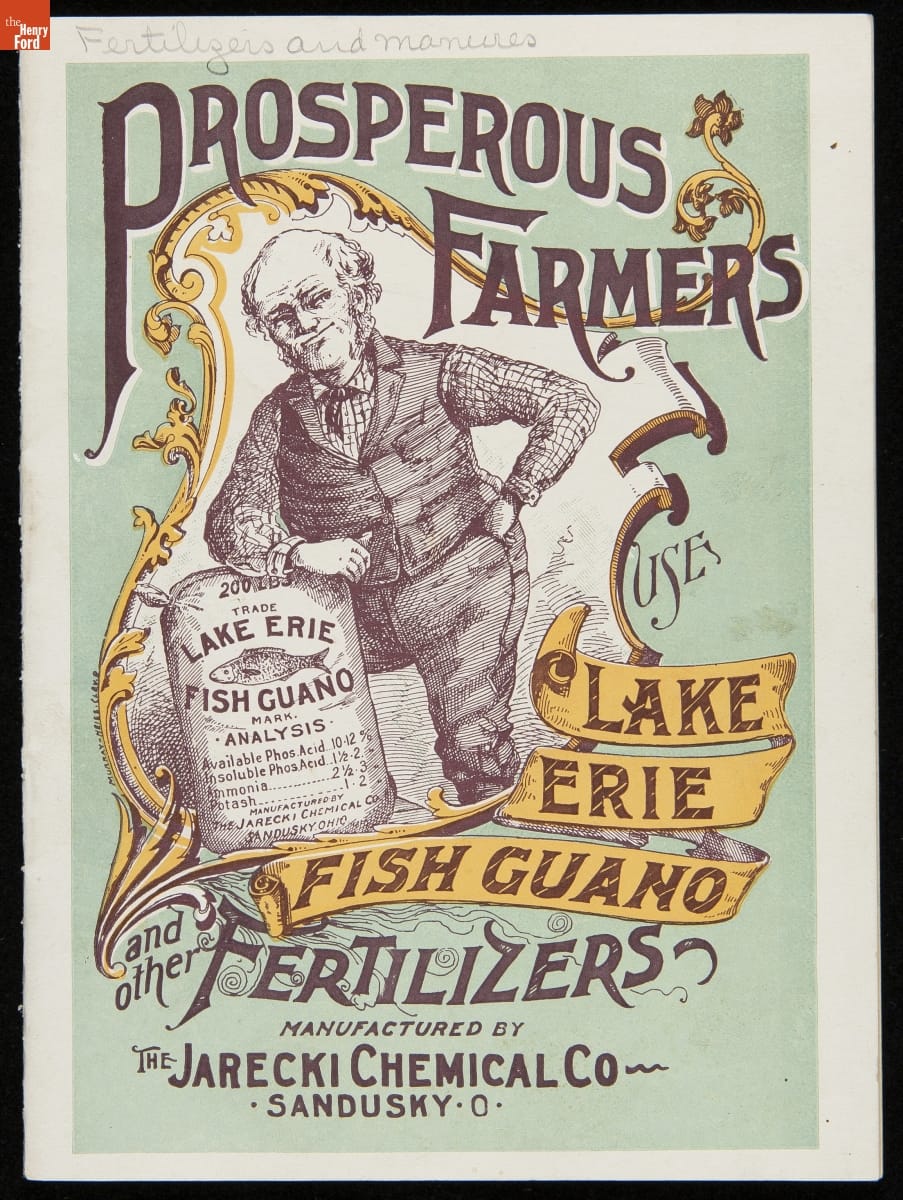
- Jarecki Chemical Company Trade Catalog, "Prosperous Farmers Use Lake Erie Fish Guano and Other Fertilizers," 1894 -
- 1894
- Collections - Artifact
Jarecki Chemical Company Trade Catalog, "Prosperous Farmers Use Lake Erie Fish Guano and Other Fertilizers," 1894
- Lawn Care, Northern States Edition, Spring 1980 - With the explosive growth of suburban neighborhoods during the 1920s, the quest to maintain a "perfect" weed-free lawn opened a lucrative market for lawn care products. O.M. Scott & Sons Co., a major fertilizer and herbicide manufacturer better known as Scotts, launched its promotional magazine, "Lawn Care," in 1928. This 1980 edition included consumer tips and recommended Scotts products.

- 1980
- Collections - Artifact
Lawn Care, Northern States Edition, Spring 1980
With the explosive growth of suburban neighborhoods during the 1920s, the quest to maintain a "perfect" weed-free lawn opened a lucrative market for lawn care products. O.M. Scott & Sons Co., a major fertilizer and herbicide manufacturer better known as Scotts, launched its promotional magazine, "Lawn Care," in 1928. This 1980 edition included consumer tips and recommended Scotts products.
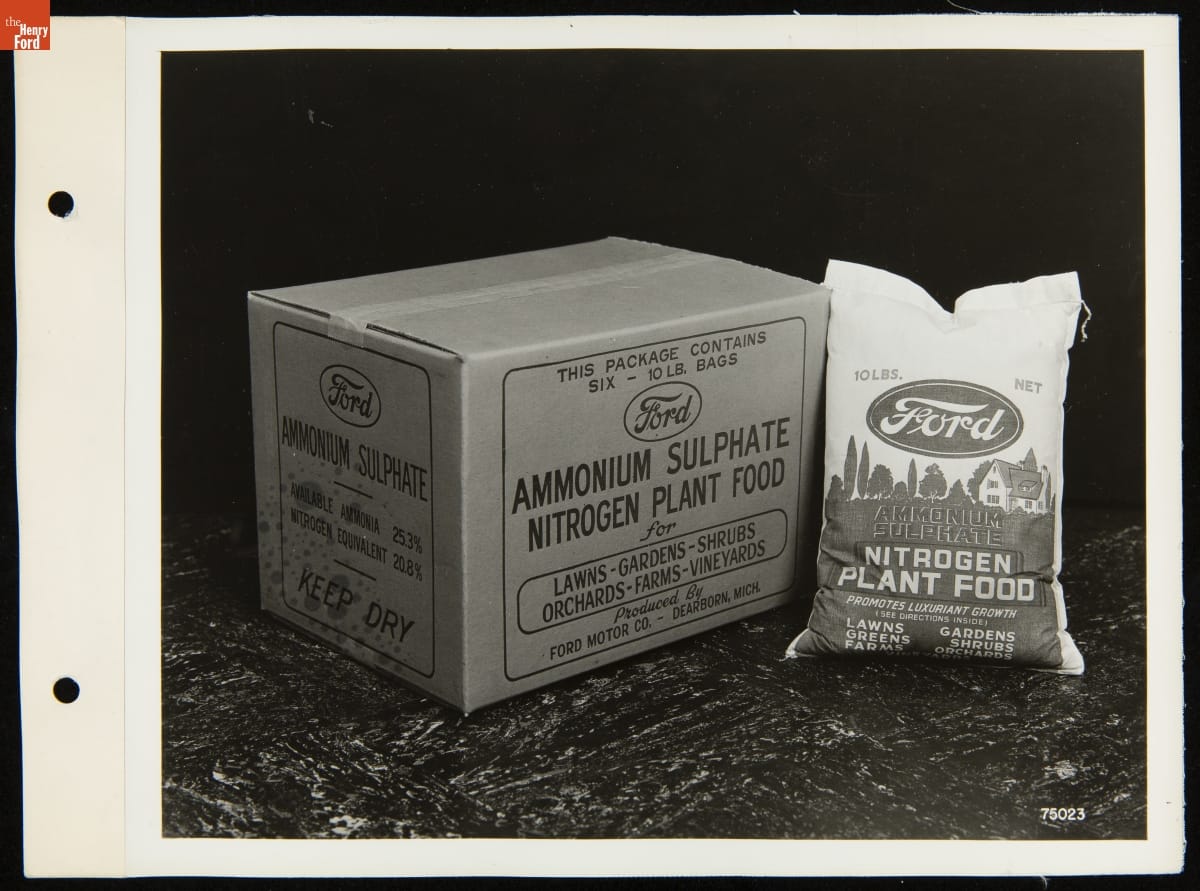
- Ford Ammonium Sulphate Nitrogen Plant Food, February 19, 1941 -
- February 19, 1941
- Collections - Artifact
Ford Ammonium Sulphate Nitrogen Plant Food, February 19, 1941
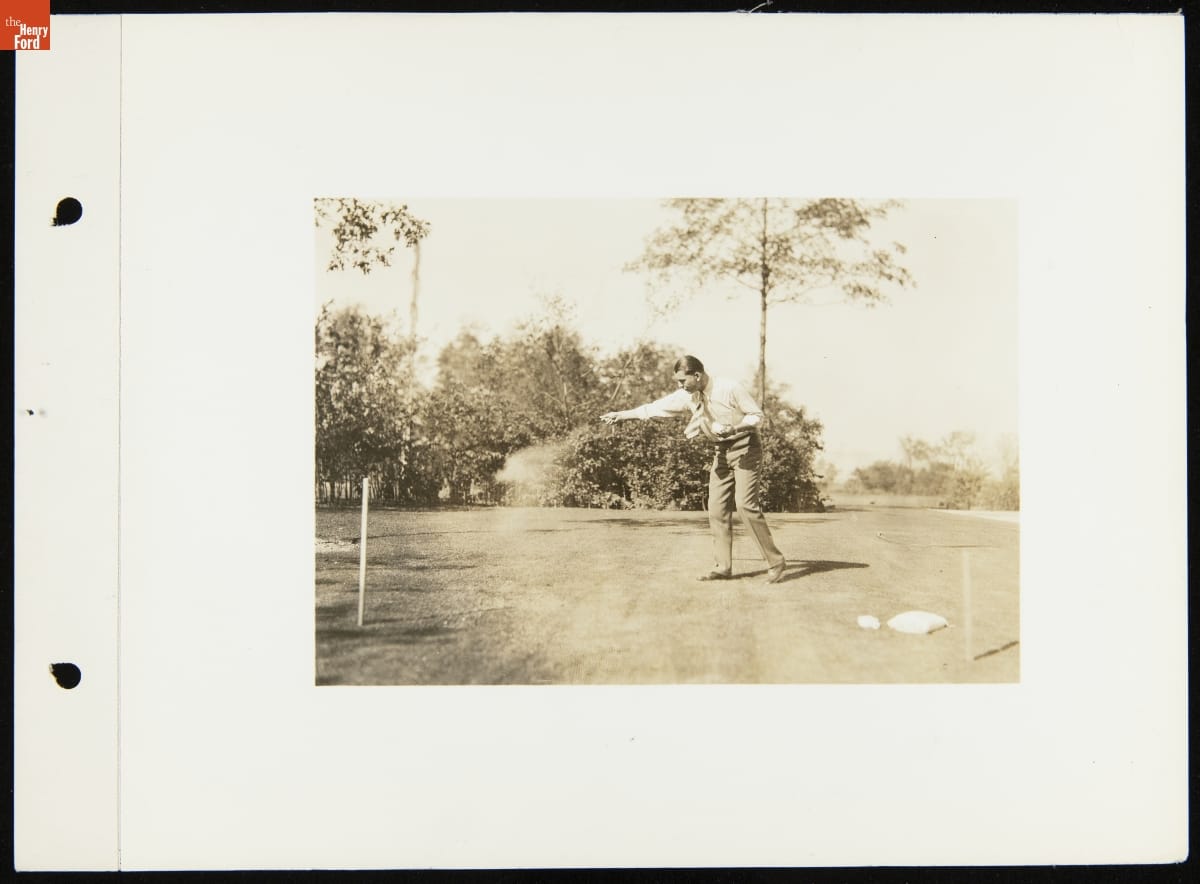
- Man Spreading Ford Ammonium Sulphate Fertilizer on a Lawn, circa 1929 - Ammonium sulfate fertilizer provides nitrogen, an essential nutrient for green lawns, and sulfur, which lowers the pH level of alkaline soils so grass can thrive. Landscapers recommend top-dressing lawns, as this photograph shows. Today, manufacturers recommend against using bare hands to top-dress, or broadcast, fertilizer because it will irritate the skin and may cause other health concerns.
- circa 1929
- Collections - Artifact
Man Spreading Ford Ammonium Sulphate Fertilizer on a Lawn, circa 1929
Ammonium sulfate fertilizer provides nitrogen, an essential nutrient for green lawns, and sulfur, which lowers the pH level of alkaline soils so grass can thrive. Landscapers recommend top-dressing lawns, as this photograph shows. Today, manufacturers recommend against using bare hands to top-dress, or broadcast, fertilizer because it will irritate the skin and may cause other health concerns.
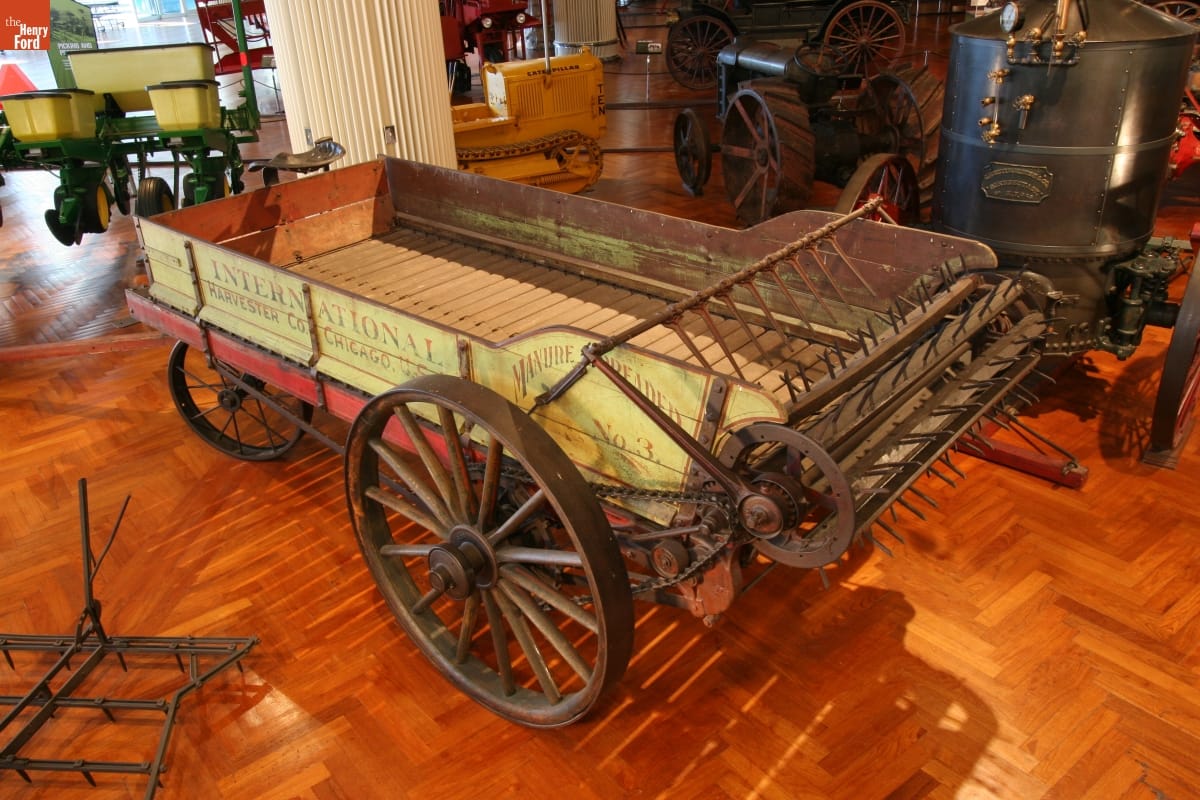
- International Harvester Manure Spreader, circa 1905 - Spreading manure to rejuvenate the soil is one of the most important, but least popular jobs on the farm. Mechanical manure spreaders made an awful job slightly less so. This circa 1905 International Harvester Manure Spreader No. 3 is a very rare survivor and an excellent example of the prevailing manure spreader design of the early 1900s.
- circa 1905
- Collections - Artifact
International Harvester Manure Spreader, circa 1905
Spreading manure to rejuvenate the soil is one of the most important, but least popular jobs on the farm. Mechanical manure spreaders made an awful job slightly less so. This circa 1905 International Harvester Manure Spreader No. 3 is a very rare survivor and an excellent example of the prevailing manure spreader design of the early 1900s.
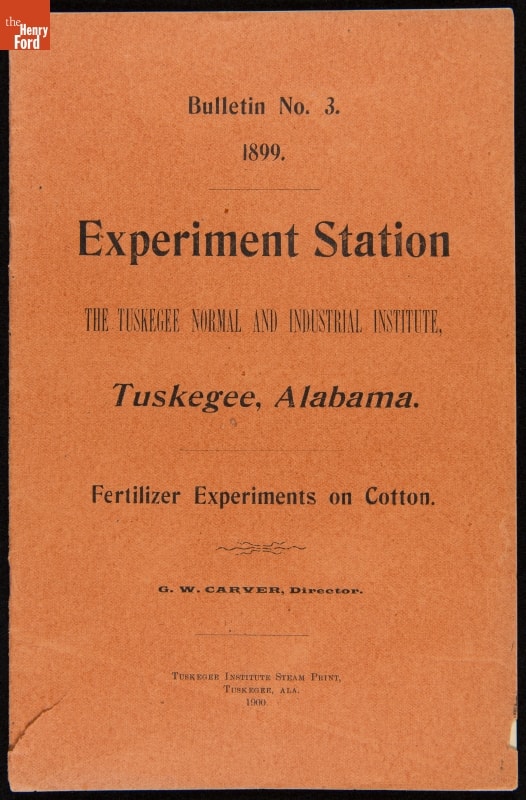
- Fertilizer Experiments with Cotton, Bulletin No. 3, 1899 - George Washington Carver directed the Agricultural Experiment Station at Tuskegee Institute in Alabama. Soil was the foundation of his work, and he urged farm families to incorporate biomass as well as natural and chemical fertilizers to replace nutrients leached out of soils by extensive cotton cultivation.
- 1899
- Collections - Artifact
Fertilizer Experiments with Cotton, Bulletin No. 3, 1899
George Washington Carver directed the Agricultural Experiment Station at Tuskegee Institute in Alabama. Soil was the foundation of his work, and he urged farm families to incorporate biomass as well as natural and chemical fertilizers to replace nutrients leached out of soils by extensive cotton cultivation.