
Search
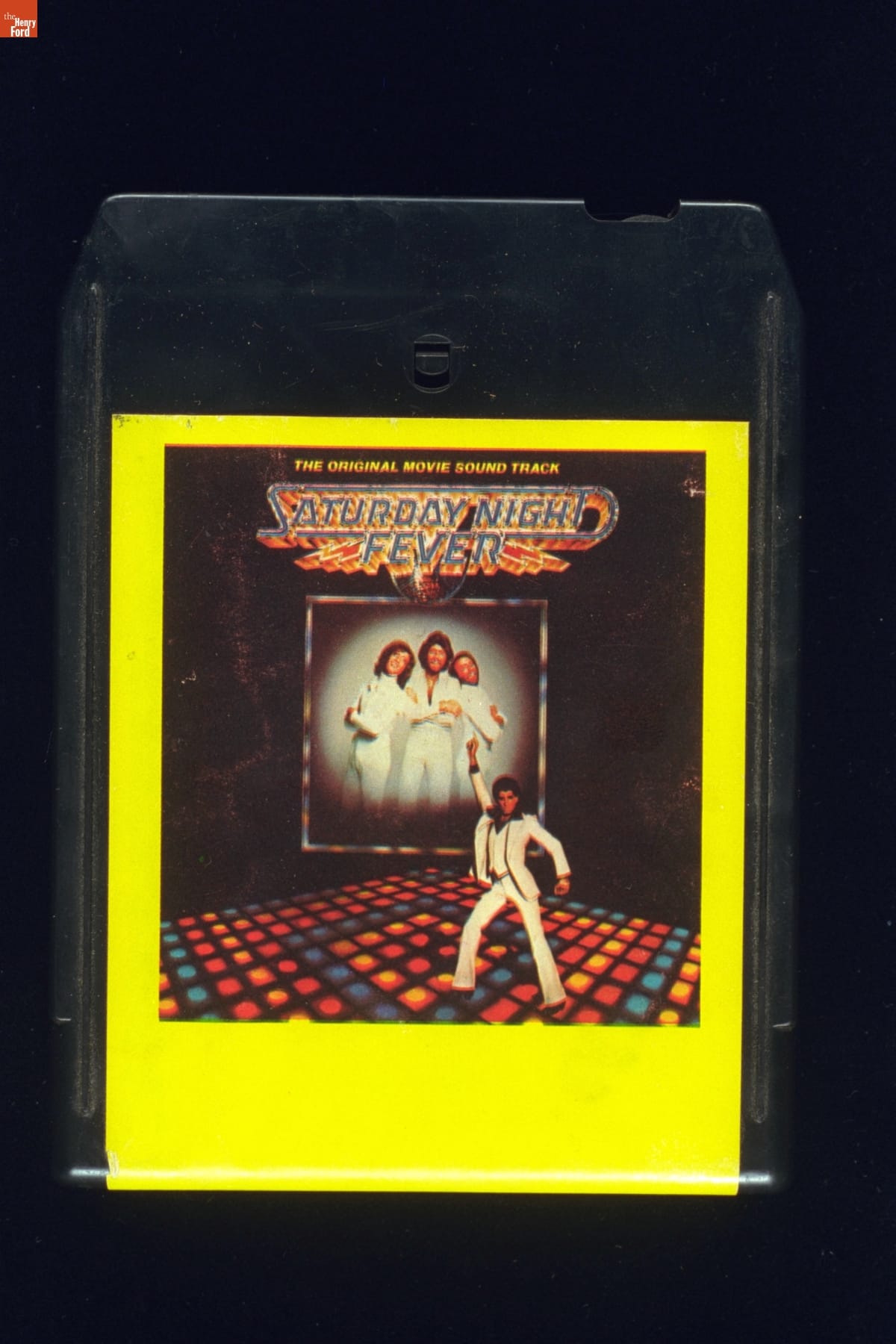
- "Saturday Night Fever" Eight Track Tape, 1977 - The 8-track tape is an endless-loop, magnetic-tape sound recording technology developed in the mid-1960s. Inventors initially conceived of the 8-track tape and player to provide music in automobiles--its portability was an attractive feature. An 8-track tape also offered long playing times, but other features could hinder listening pleasure. Improved cassette tapes and new compact disc technology displaced the 8-track in the early 1980s.
- 1977
- Collections - Artifact
"Saturday Night Fever" Eight Track Tape, 1977
The 8-track tape is an endless-loop, magnetic-tape sound recording technology developed in the mid-1960s. Inventors initially conceived of the 8-track tape and player to provide music in automobiles--its portability was an attractive feature. An 8-track tape also offered long playing times, but other features could hinder listening pleasure. Improved cassette tapes and new compact disc technology displaced the 8-track in the early 1980s.
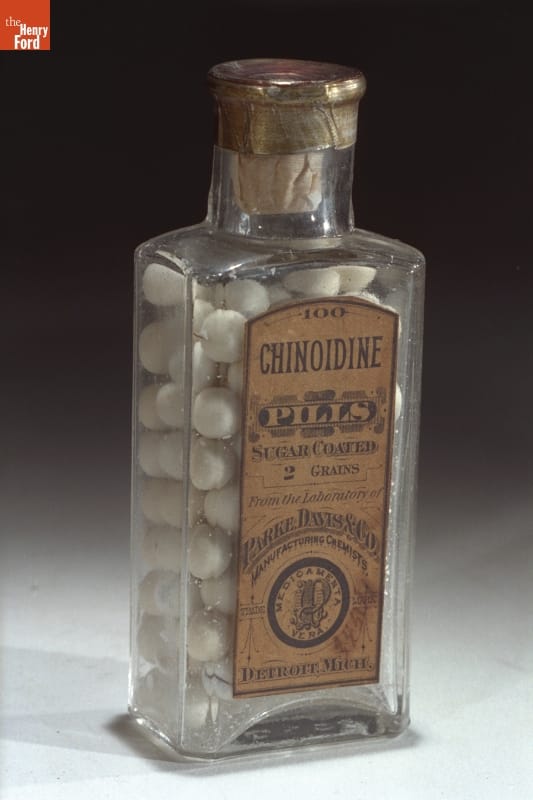
- Parke, Davis & Co. Chinoidine Pills, 1871-1900 - Nineteenth-century entrepreneurs promised cures with patent medicines. Some of these concoctions, however, contained harmful ingredients or ingredients used in unsafe quantities -- the industry was unregulated and manufacturers were secretive about their recipes. Beginning with the Pure Food and Drug Act of 1906, national legislation increasingly prohibited misleading health claims and required manufacturers to list their product's contents.
- 1871-1900
- Collections - Artifact
Parke, Davis & Co. Chinoidine Pills, 1871-1900
Nineteenth-century entrepreneurs promised cures with patent medicines. Some of these concoctions, however, contained harmful ingredients or ingredients used in unsafe quantities -- the industry was unregulated and manufacturers were secretive about their recipes. Beginning with the Pure Food and Drug Act of 1906, national legislation increasingly prohibited misleading health claims and required manufacturers to list their product's contents.
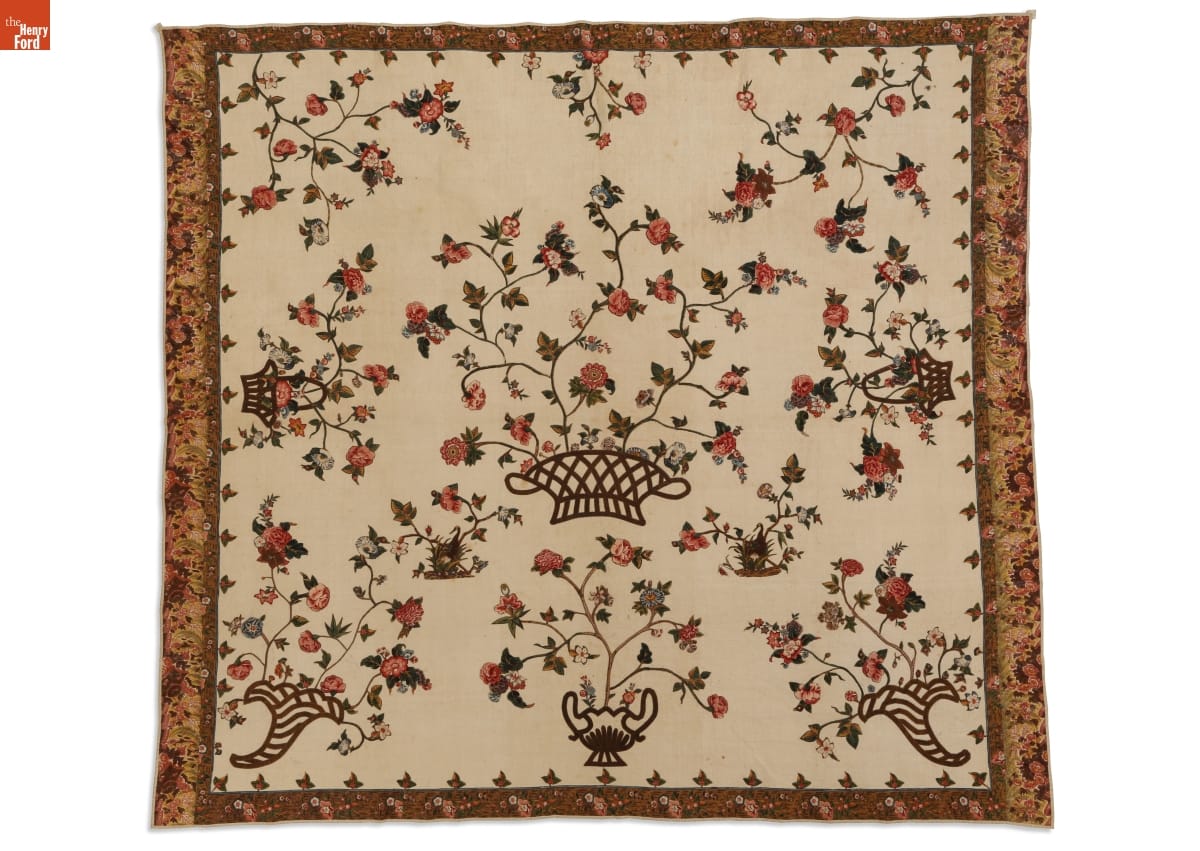
- Chintz Applique Quilt by Ruth McConnell of Philadelphia, 1793 - At first glance, Ruth McConnell's quilt looks as though she embroidered its design. Yet its flowers, birds, and other elements were cut from colorfully printed chintz and sewn onto the background fabric. (These quilts were later called "broderie perse," French for Persian embroidery.). Ruth completed this quilt shortly before Philadelphia's 1793 Yellow Fever epidemic -- as her daughter Julia noted on the back in 1849.
- 1793
- Collections - Artifact
Chintz Applique Quilt by Ruth McConnell of Philadelphia, 1793
At first glance, Ruth McConnell's quilt looks as though she embroidered its design. Yet its flowers, birds, and other elements were cut from colorfully printed chintz and sewn onto the background fabric. (These quilts were later called "broderie perse," French for Persian embroidery.). Ruth completed this quilt shortly before Philadelphia's 1793 Yellow Fever epidemic -- as her daughter Julia noted on the back in 1849.
- Milk Fever Outfit, circa 1925 -
- circa 1925
- Collections - Artifact
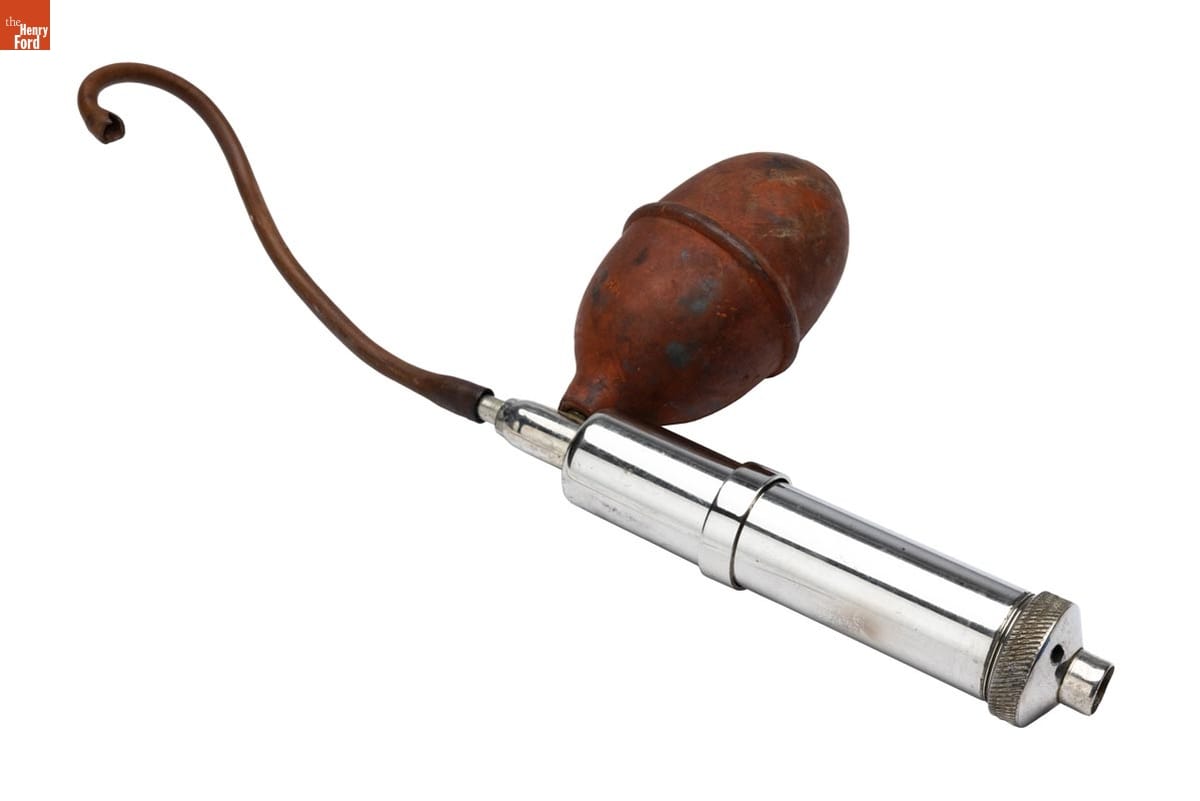
Milk Fever Outfit, circa 1925
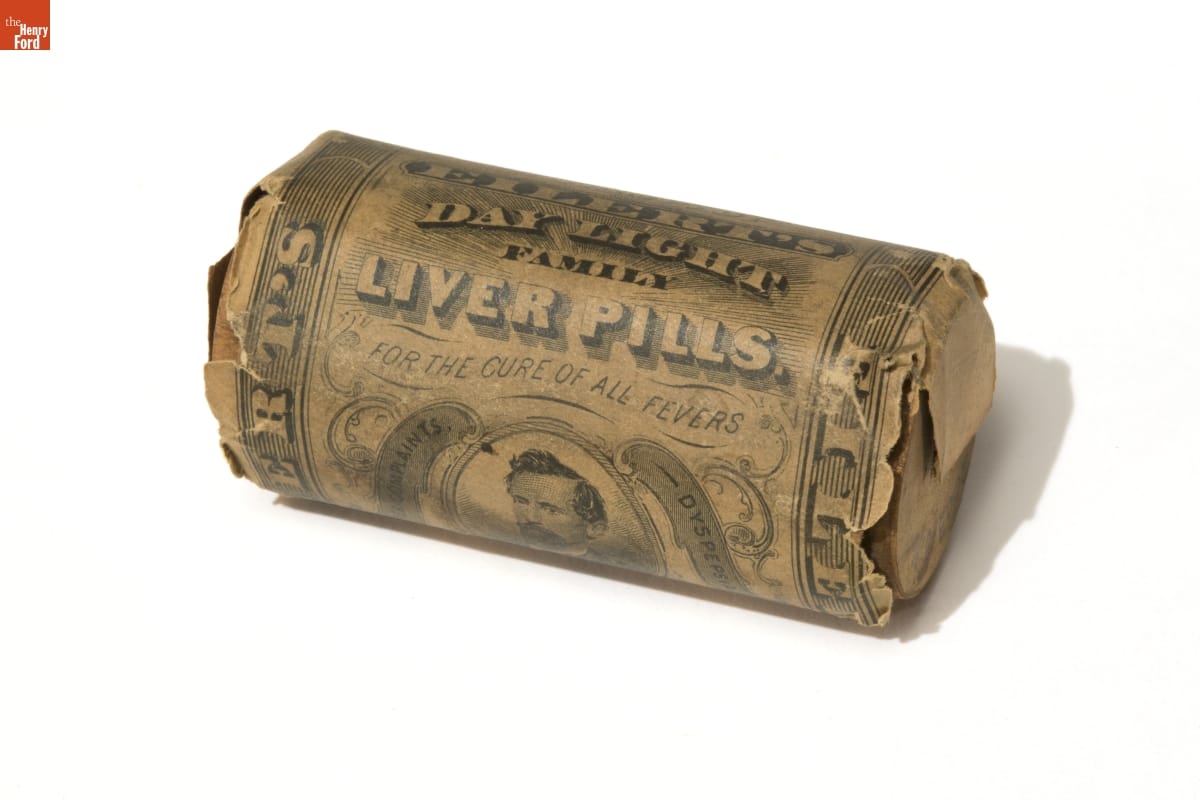
- Eilert's Day Light Family Liver Pills, 1866-1871 - Nineteenth-century entrepreneurs promised cures with patent medicines. Some of these concoctions, however, contained harmful ingredients or ingredients used in unsafe quantities -- the industry was unregulated and manufacturers were secretive about their recipes. Beginning with the Pure Food and Drug Act of 1906, national legislation increasingly prohibited misleading health claims and required manufacturers to list their product's contents.
- 1866-1871
- Collections - Artifact
Eilert's Day Light Family Liver Pills, 1866-1871
Nineteenth-century entrepreneurs promised cures with patent medicines. Some of these concoctions, however, contained harmful ingredients or ingredients used in unsafe quantities -- the industry was unregulated and manufacturers were secretive about their recipes. Beginning with the Pure Food and Drug Act of 1906, national legislation increasingly prohibited misleading health claims and required manufacturers to list their product's contents.