
Search
- Staged Portrait of Two Teenage Boys Fighting, June 28, 1876 - Tintypes, the popular "instant photographs" of the 19th century, could be produced in a matter of minutes at a price most people could afford. Tintypes democratized photography. Beginning in the mid-1850s, they gave more people than ever before the chance to have a real likeness of themselves--capturing unique glimpses of how everyday Americans looked and lived.
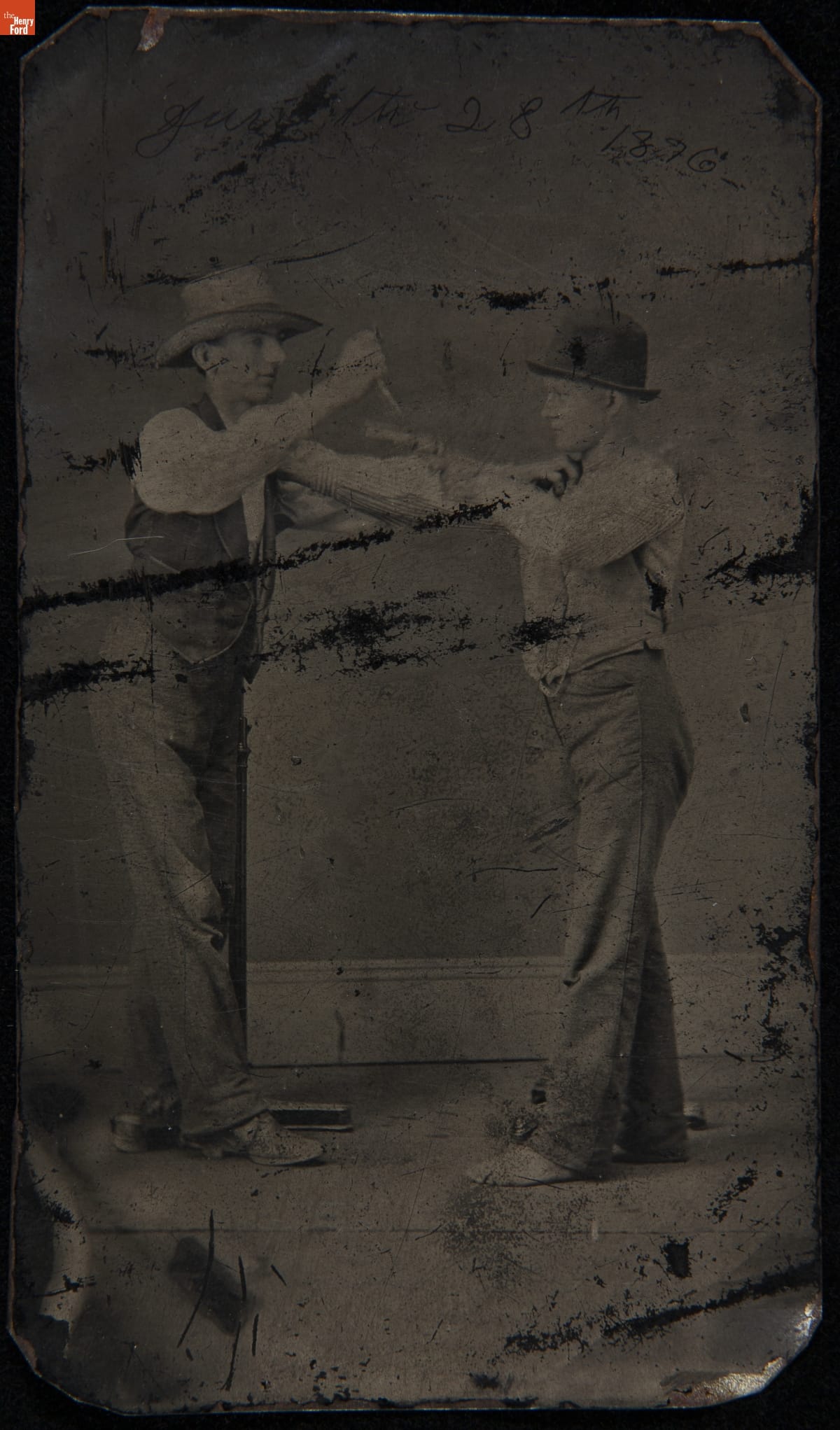
- June 28, 1876
- Collections - Artifact
Staged Portrait of Two Teenage Boys Fighting, June 28, 1876
Tintypes, the popular "instant photographs" of the 19th century, could be produced in a matter of minutes at a price most people could afford. Tintypes democratized photography. Beginning in the mid-1850s, they gave more people than ever before the chance to have a real likeness of themselves--capturing unique glimpses of how everyday Americans looked and lived.
- Black Gold: A Thrilling Epic of the Oil Fields, 1928 - In the early 20th century, some independent film studios produced motion pictures for the African American market. Films made by these studios featured all-Black casts and provided actors with positive, non-stereotypical roles. Norman Studios, a white-owned company in Jacksonville, Florida, made several such films during the 1920s. This lobby card advertises its 1928 production of the film <em>Black Gold</em>.
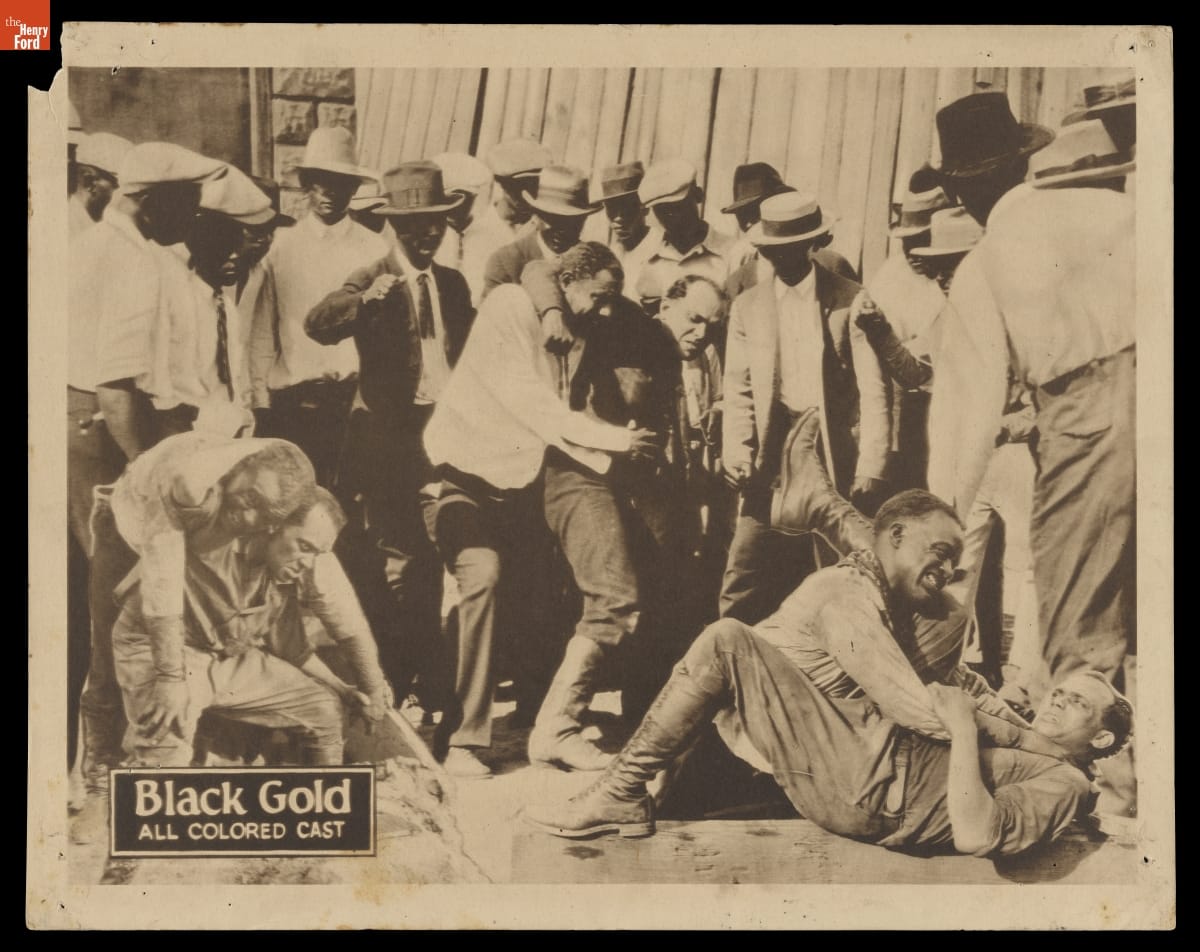
- 1928
- Collections - Artifact
Black Gold: A Thrilling Epic of the Oil Fields, 1928
In the early 20th century, some independent film studios produced motion pictures for the African American market. Films made by these studios featured all-Black casts and provided actors with positive, non-stereotypical roles. Norman Studios, a white-owned company in Jacksonville, Florida, made several such films during the 1920s. This lobby card advertises its 1928 production of the film Black Gold.
- Bear with Dog Jug, 1735-1745 -
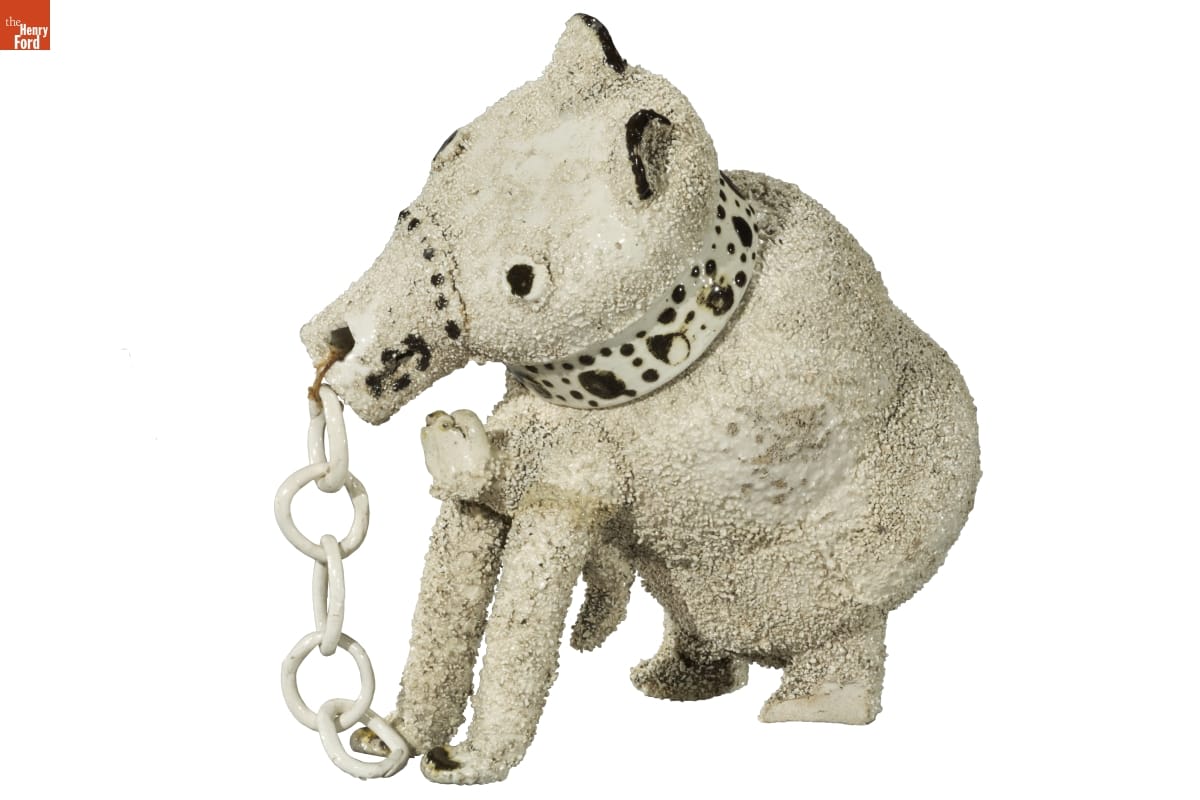
- 1735-1745
- Collections - Artifact
Bear with Dog Jug, 1735-1745
- Trade Card for Perkins Wind Mill & Ax Co., 1880-1900 - In the last third of the nineteenth century, an unprecedented variety of consumer goods and services flooded the American market. Advertisers, armed with new methods of color printing, bombarded potential customers with trade cards. Americans enjoyed and often saved the vibrant little advertisements found in product packages or distributed by local merchants. Many survive as historical records of commercialism in the United States.
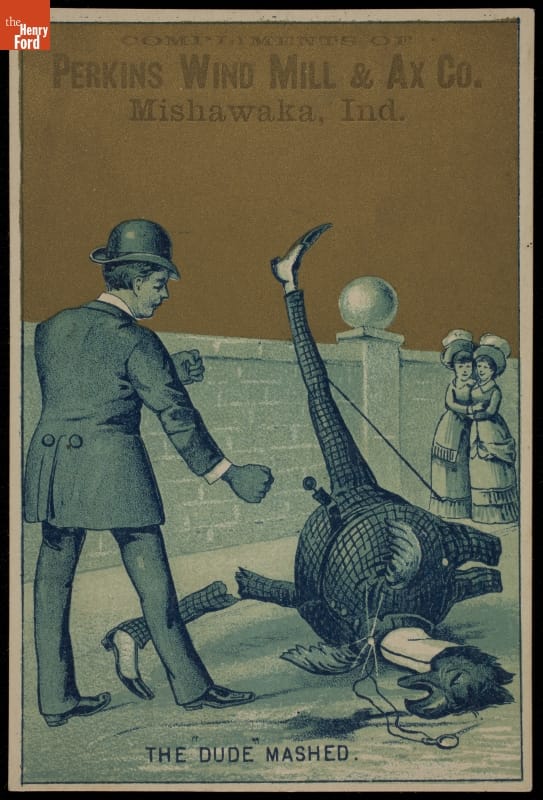
- 1886
- Collections - Artifact
Trade Card for Perkins Wind Mill & Ax Co., 1880-1900
In the last third of the nineteenth century, an unprecedented variety of consumer goods and services flooded the American market. Advertisers, armed with new methods of color printing, bombarded potential customers with trade cards. Americans enjoyed and often saved the vibrant little advertisements found in product packages or distributed by local merchants. Many survive as historical records of commercialism in the United States.
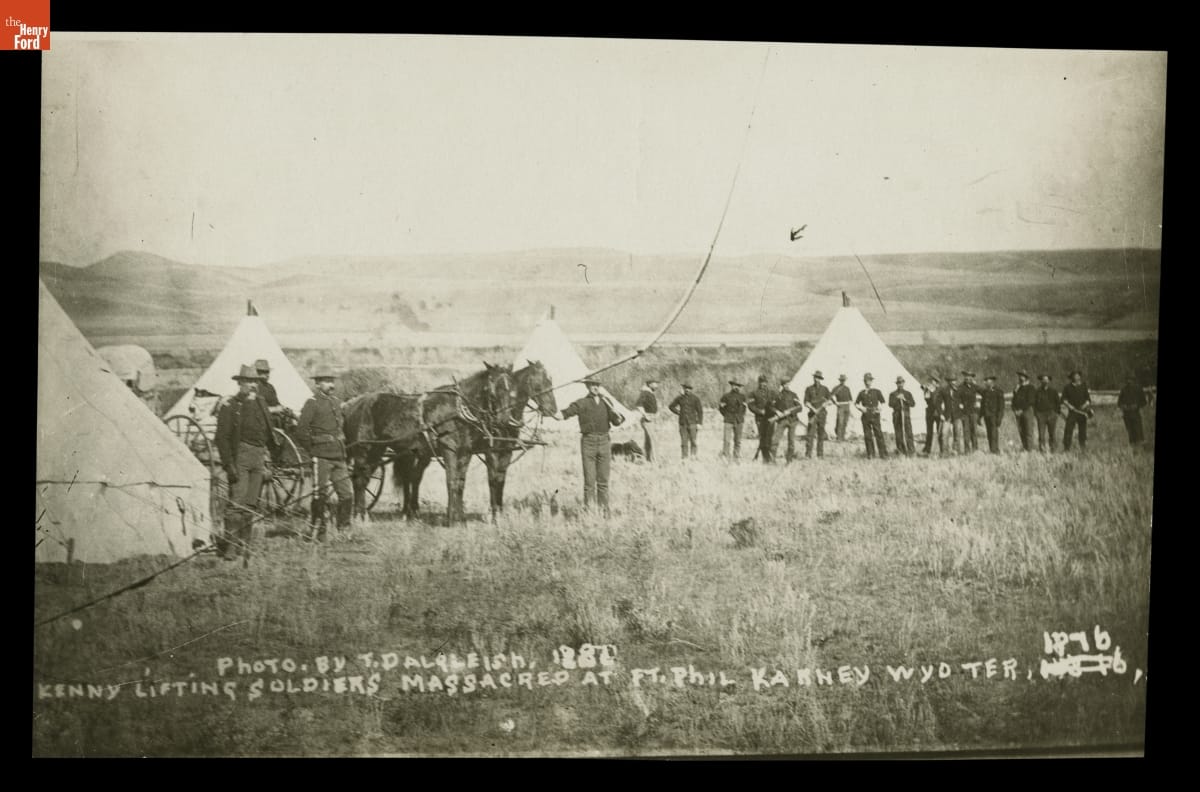
- Troops at Fort Phil Kearny, Wyoming Territory, 1888, Exhuming Bodies of Soldiers Killed in the 1866 "Fetterman Fight" - In 1866, members of Lakota (Sioux), Tsistsistas (Cheyenne), and Hiinono'ei (Arapaho) tribes wiped out Captain Fetterman and his command near Fort Phil Kearney, blunting U.S. efforts to establish outposts in the Powder River region of Wyoming and Montana. The soldiers' bodies were interred at the fort but were left when the military abandoned the post two years later. In 1888, U.S. troops returned to exhume the bodies.
- 1888
- Collections - Artifact
Troops at Fort Phil Kearny, Wyoming Territory, 1888, Exhuming Bodies of Soldiers Killed in the 1866 "Fetterman Fight"
In 1866, members of Lakota (Sioux), Tsistsistas (Cheyenne), and Hiinono'ei (Arapaho) tribes wiped out Captain Fetterman and his command near Fort Phil Kearney, blunting U.S. efforts to establish outposts in the Powder River region of Wyoming and Montana. The soldiers' bodies were interred at the fort but were left when the military abandoned the post two years later. In 1888, U.S. troops returned to exhume the bodies.