
Search
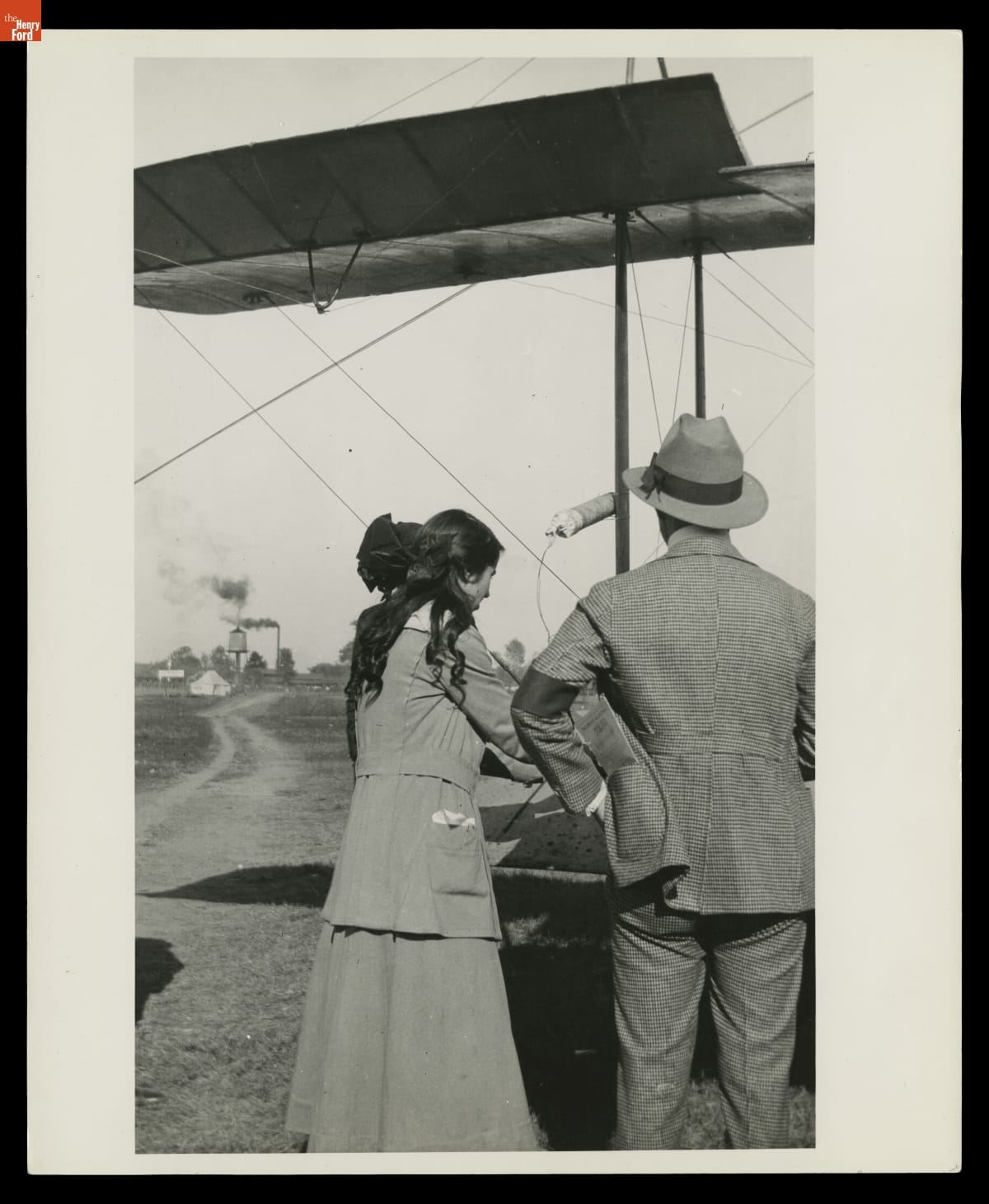
- Katherine Stinson Securing Magnesium Flares to Her Laird Biplane at the Tri-State Fair, October 1916 - Attracted by the high fees paid to stunt pilots, Katherine Stinson earned her pilot's license in 1912 as a way to finance music lessons. Flight quickly replaced music as her passion and Stinson became one of the most skilled pilots of her era. She became the first woman to skywrite at night, using flares like this, in 1915.
- October 01, 1916
- Collections - Artifact
Katherine Stinson Securing Magnesium Flares to Her Laird Biplane at the Tri-State Fair, October 1916
Attracted by the high fees paid to stunt pilots, Katherine Stinson earned her pilot's license in 1912 as a way to finance music lessons. Flight quickly replaced music as her passion and Stinson became one of the most skilled pilots of her era. She became the first woman to skywrite at night, using flares like this, in 1915.
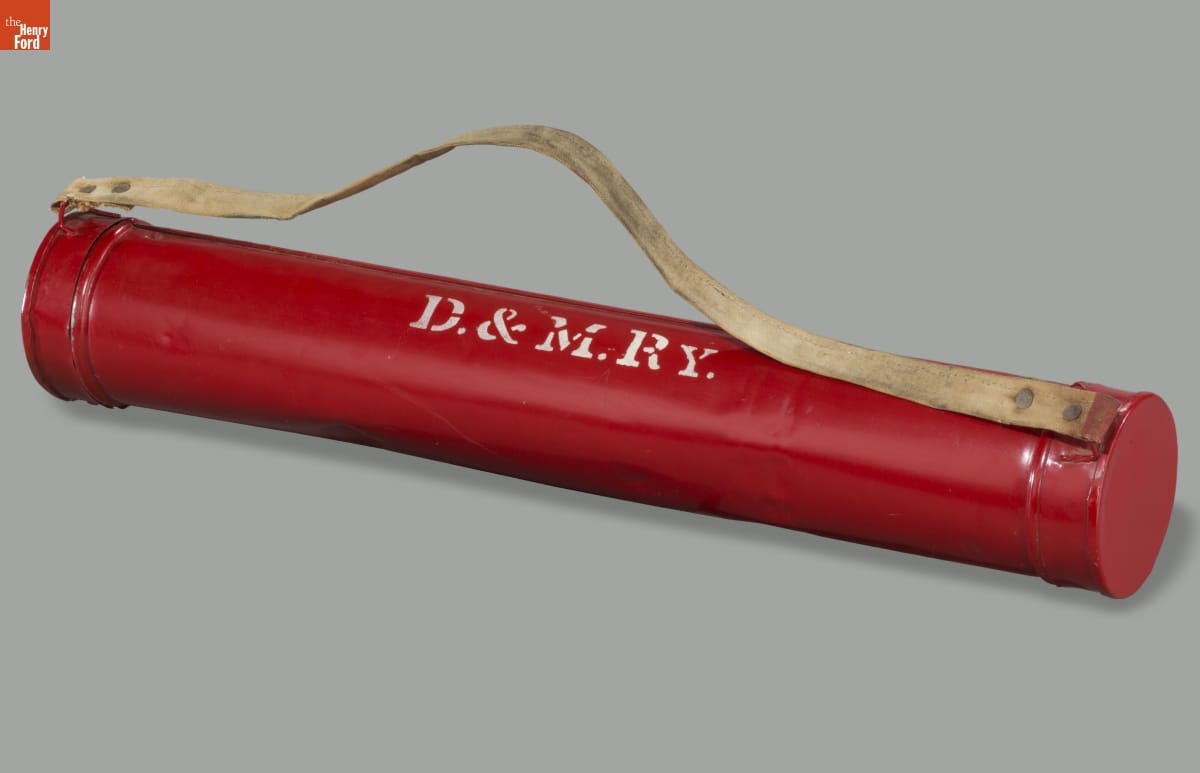
- Detroit & Mackinac Railway Flare Box, 1894-1944 - In an emergency, flares were important tools on the railroad -- especially at night. If a train made an unscheduled stop, perhaps due to a mechanical problem or a derailment, its crew placed lighted flares along the track some distance behind the disabled train. These flares warned any following trains of the trouble and reduced the risk of a rear-end collision.
- 1894-1944
- Collections - Artifact
Detroit & Mackinac Railway Flare Box, 1894-1944
In an emergency, flares were important tools on the railroad -- especially at night. If a train made an unscheduled stop, perhaps due to a mechanical problem or a derailment, its crew placed lighted flares along the track some distance behind the disabled train. These flares warned any following trains of the trouble and reduced the risk of a rear-end collision.
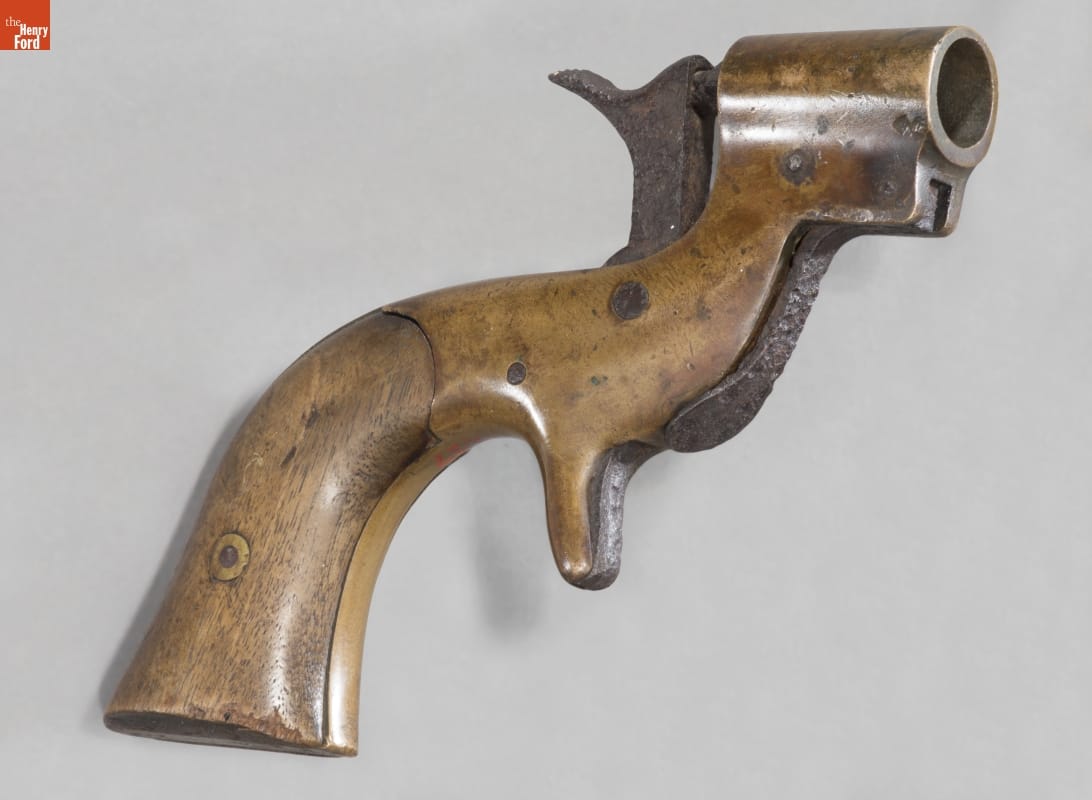
- U.S. Army Model 1862 Percussion Signal Pistol, circa 1862 - In 1859, inventor and entrepreneur Martha Coston was granted a patent for her pyrotechnic night signal and code system. During the Civil War, Coston's flares allowed ships in the Union Navy to effectively communicate with each other at night, strengthening military coordination. New York gun manufacturer William Marston produced this signal pistol to exclusively fire Coston's multiple colored signal flare.
- circa 1862
- Collections - Artifact
U.S. Army Model 1862 Percussion Signal Pistol, circa 1862
In 1859, inventor and entrepreneur Martha Coston was granted a patent for her pyrotechnic night signal and code system. During the Civil War, Coston's flares allowed ships in the Union Navy to effectively communicate with each other at night, strengthening military coordination. New York gun manufacturer William Marston produced this signal pistol to exclusively fire Coston's multiple colored signal flare.
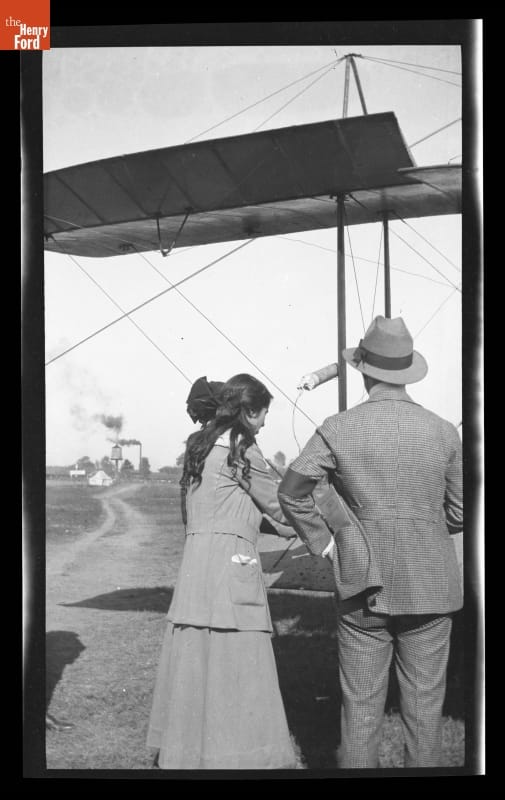
- Katherine Stinson Securing Magnesium Flares to Her Laird Biplane at the Tri-State Fair, October 1916 - Attracted by the high fees paid to stunt pilots, Katherine Stinson earned her pilot's license in 1912 as a way to finance music lessons. Flight quickly replaced music as her passion and Stinson became one of the most skilled pilots of her era. She became the first woman to skywrite at night, using flares like this, in 1915.
- October 01, 1916
- Collections - Artifact
Katherine Stinson Securing Magnesium Flares to Her Laird Biplane at the Tri-State Fair, October 1916
Attracted by the high fees paid to stunt pilots, Katherine Stinson earned her pilot's license in 1912 as a way to finance music lessons. Flight quickly replaced music as her passion and Stinson became one of the most skilled pilots of her era. She became the first woman to skywrite at night, using flares like this, in 1915.