
Search
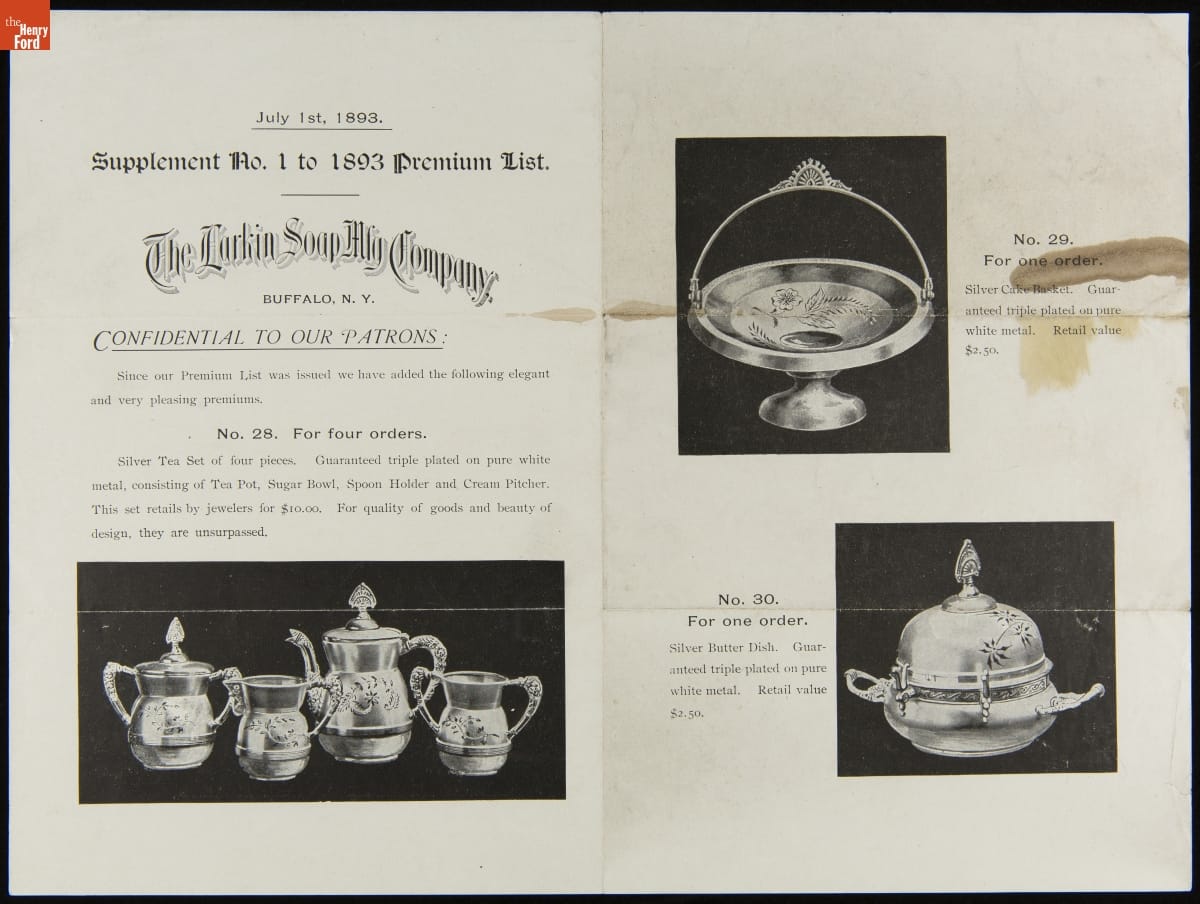
- Larkin Company, "Supplement No. 1 to 1893 Premium List," July 1, 1893 - John D. Larkin established a soap manufacturing company in 1875. He hired his brother-in-law, Elbert Hubbard, as a salesman. Hubbard developed "The Larkin Idea," a plan that sold goods directly to consumers through mail-order catalogs and offered incentivizing giveaways. It was a success. By the early 1900s, Larkin's catalogs contained pages of products and even more pages of premiums from which customers could choose.
- July 01, 1893
- Collections - Artifact
Larkin Company, "Supplement No. 1 to 1893 Premium List," July 1, 1893
John D. Larkin established a soap manufacturing company in 1875. He hired his brother-in-law, Elbert Hubbard, as a salesman. Hubbard developed "The Larkin Idea," a plan that sold goods directly to consumers through mail-order catalogs and offered incentivizing giveaways. It was a success. By the early 1900s, Larkin's catalogs contained pages of products and even more pages of premiums from which customers could choose.
- Kentucky Fried Chicken Spork, 1978-1990 -
- 1978-1990
- Collections - Artifact
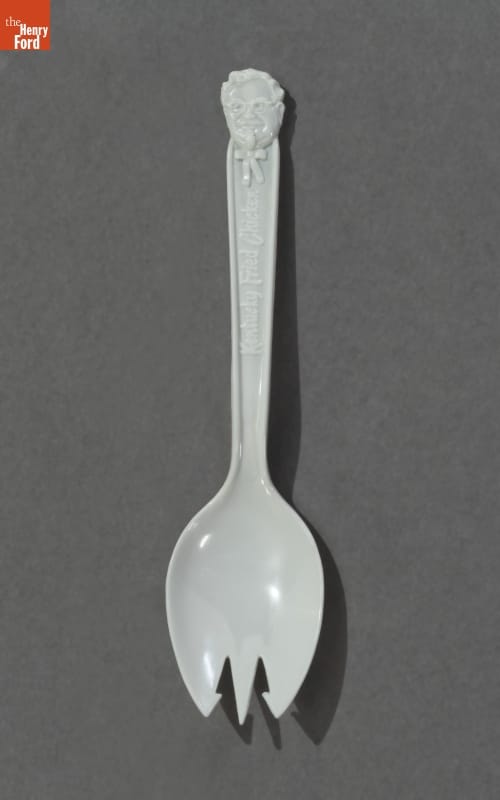
Kentucky Fried Chicken Spork, 1978-1990
- Spoon, 1721-1748 -
- 1693
- Collections - Artifact
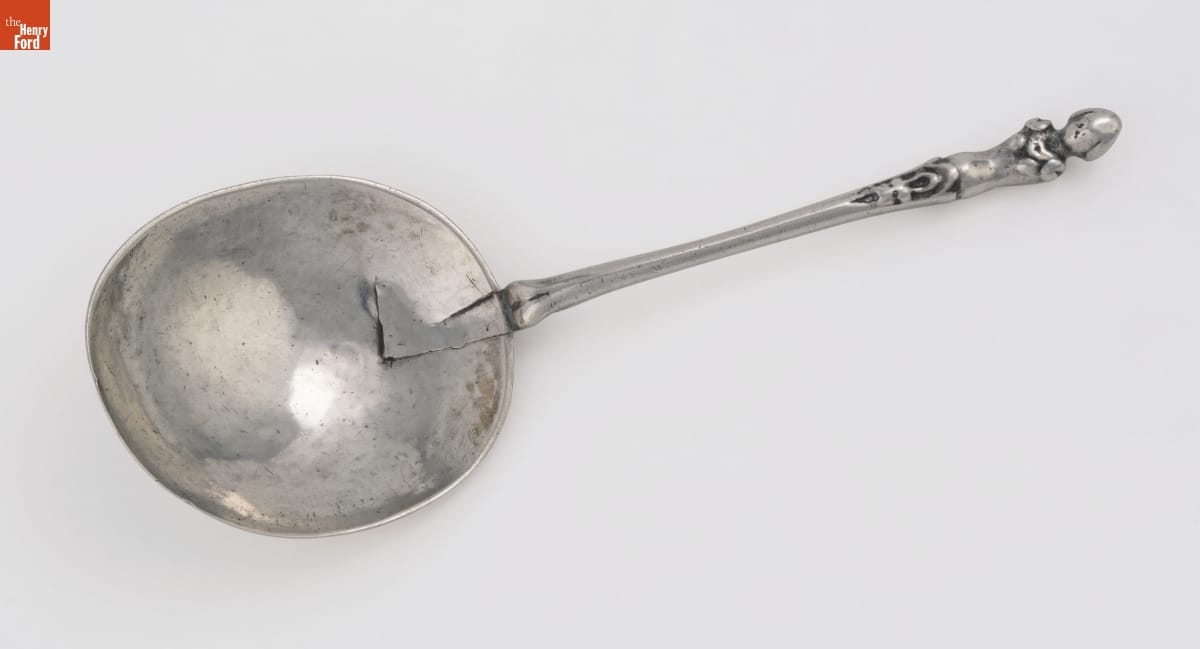
Spoon, 1721-1748
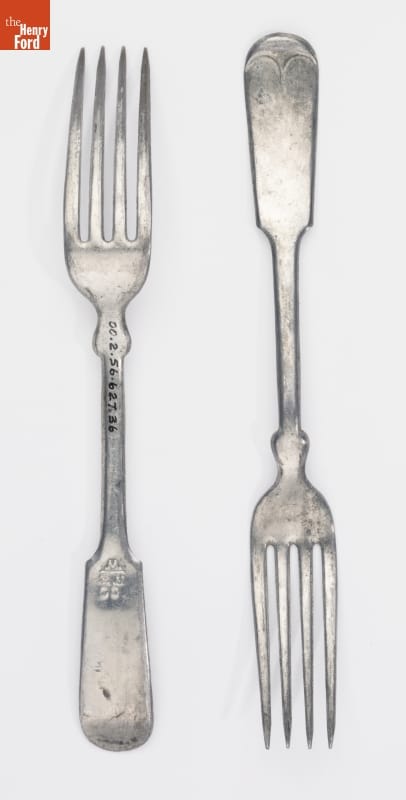
- Fork Used on Henry Ford's "Vagabonds" Camping Trips, 1920-1930 - Henry Ford, Thomas Edison, Harvey Firestone and naturalist John Burroughs embarked on a series of camping trips between 1916 and 1924. These self-proclaimed Vagabonds loved to explore nature and the pre-industrial landscape, but they also camped in style. This group of well-to-do adventurers brought along service staff and all needed amenities, including a set of utilitarian flatware.
- 1920-1930
- Collections - Artifact
Fork Used on Henry Ford's "Vagabonds" Camping Trips, 1920-1930
Henry Ford, Thomas Edison, Harvey Firestone and naturalist John Burroughs embarked on a series of camping trips between 1916 and 1924. These self-proclaimed Vagabonds loved to explore nature and the pre-industrial landscape, but they also camped in style. This group of well-to-do adventurers brought along service staff and all needed amenities, including a set of utilitarian flatware.
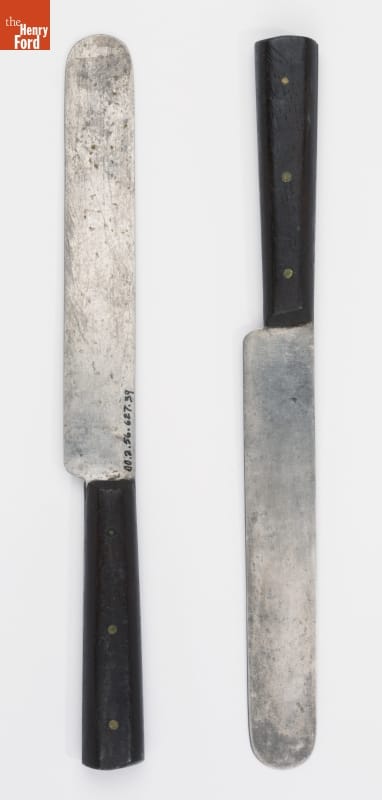
- Table Knife Used on Henry Ford's "Vagabonds" Camping Trips 1920-1930 - Henry Ford, Thomas Edison, Harvey Firestone and naturalist John Burroughs embarked on a series of camping trips between 1916 and 1924. These self-proclaimed Vagabonds loved to explore nature and the pre-industrial landscape, but they also camped in style. This group of well-to-do adventurers brought along service staff and all needed amenities, including a set of utilitarian flatware.
- 1920-1930
- Collections - Artifact
Table Knife Used on Henry Ford's "Vagabonds" Camping Trips 1920-1930
Henry Ford, Thomas Edison, Harvey Firestone and naturalist John Burroughs embarked on a series of camping trips between 1916 and 1924. These self-proclaimed Vagabonds loved to explore nature and the pre-industrial landscape, but they also camped in style. This group of well-to-do adventurers brought along service staff and all needed amenities, including a set of utilitarian flatware.
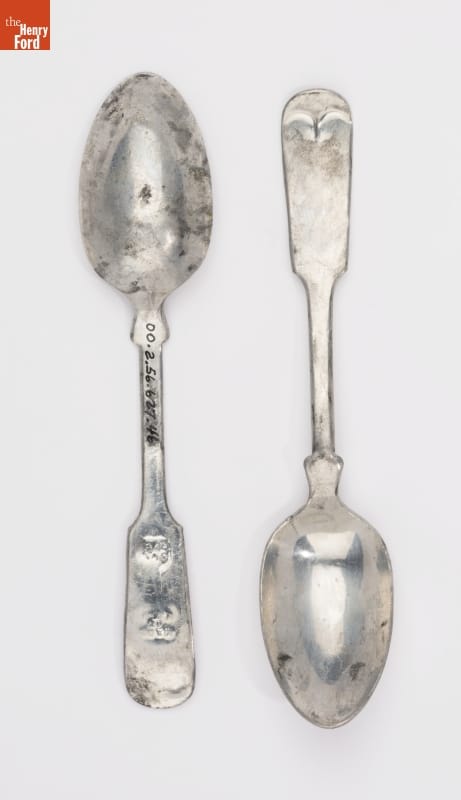
- Teaspoon Used on Henry Ford's "Vagabonds" Camping Trips, 1920-1930 - Henry Ford, Thomas Edison, Harvey Firestone and naturalist John Burroughs embarked on a series of camping trips between 1916 and 1924. These self-proclaimed Vagabonds loved to explore nature and the pre-industrial landscape, but they also camped in style. This group of well-to-do adventurers brought along service staff and all needed amenities, including a set of utilitarian flatware.
- 1920-1930
- Collections - Artifact
Teaspoon Used on Henry Ford's "Vagabonds" Camping Trips, 1920-1930
Henry Ford, Thomas Edison, Harvey Firestone and naturalist John Burroughs embarked on a series of camping trips between 1916 and 1924. These self-proclaimed Vagabonds loved to explore nature and the pre-industrial landscape, but they also camped in style. This group of well-to-do adventurers brought along service staff and all needed amenities, including a set of utilitarian flatware.
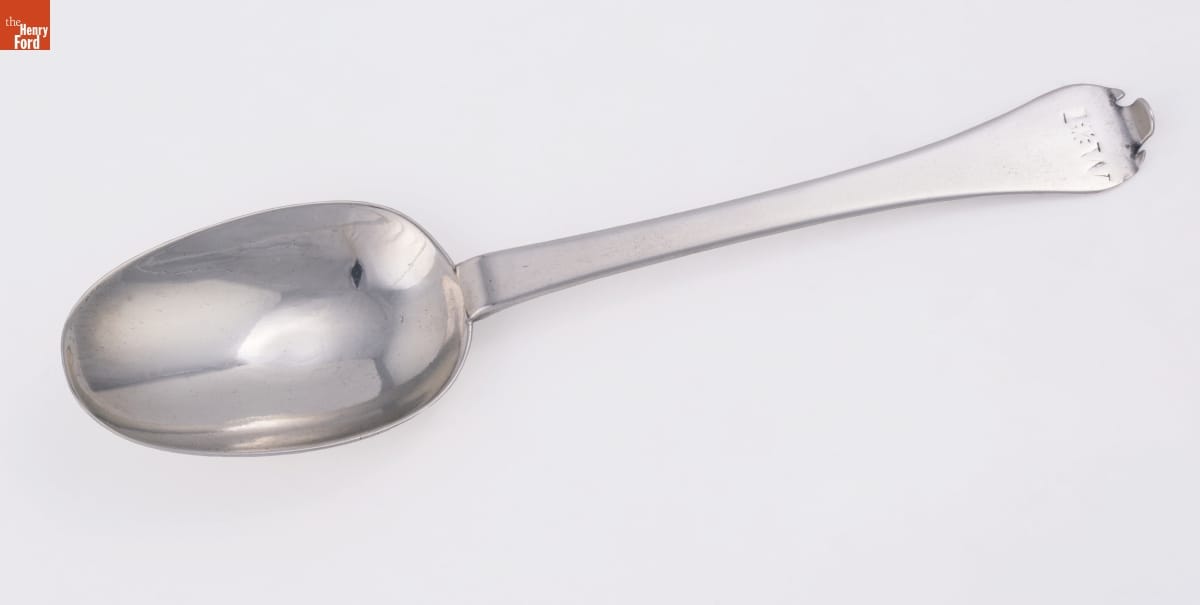
- Spoon, 1660-1710 - The notched handle and "rat tail" support on the underside of the fig-shaped bowl classify this as an English trefid spoon. Before new production methods and domestic manufacture after the turn of the 18th century, a single silver spoon carried across the ocean was a rare and treasured belonging in American households.
- 1660-1710
- Collections - Artifact
Spoon, 1660-1710
The notched handle and "rat tail" support on the underside of the fig-shaped bowl classify this as an English trefid spoon. Before new production methods and domestic manufacture after the turn of the 18th century, a single silver spoon carried across the ocean was a rare and treasured belonging in American households.
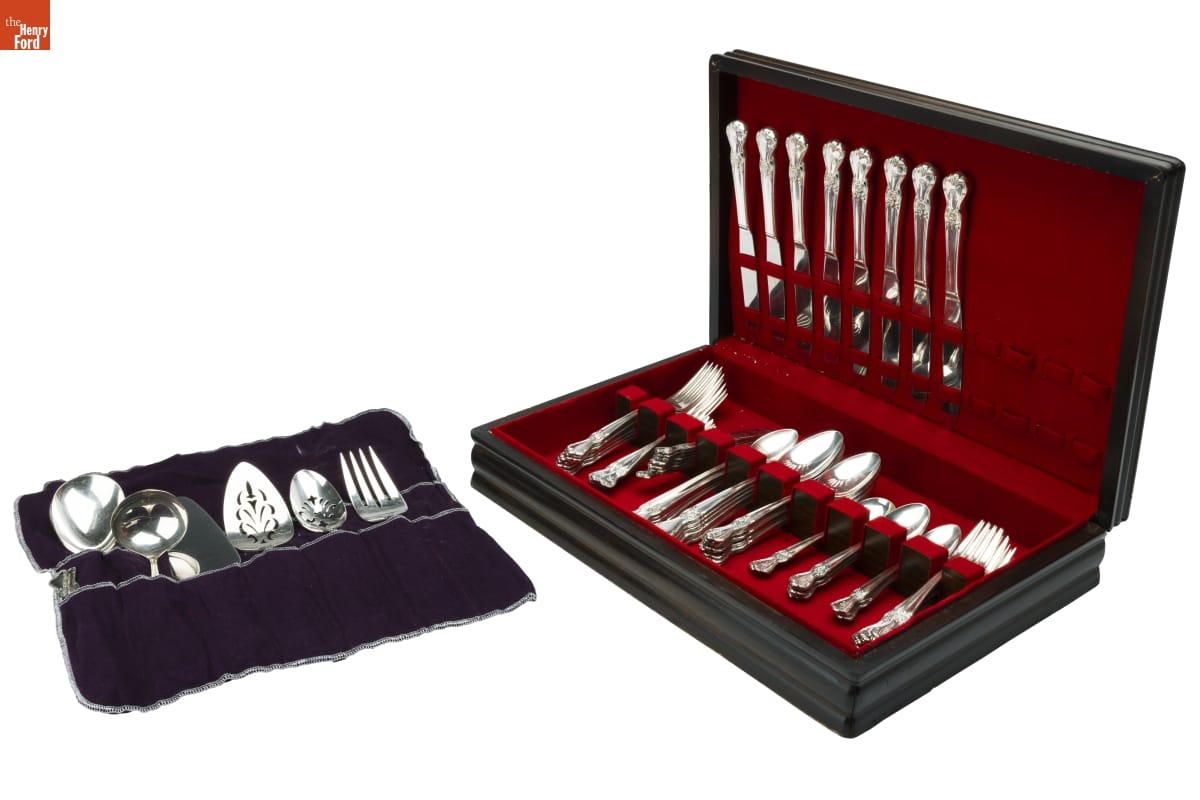
- "Old Company Plate Signature" Flatware Set with Case, 1950-1955 -
- 1950-1955
- Collections - Artifact
"Old Company Plate Signature" Flatware Set with Case, 1950-1955
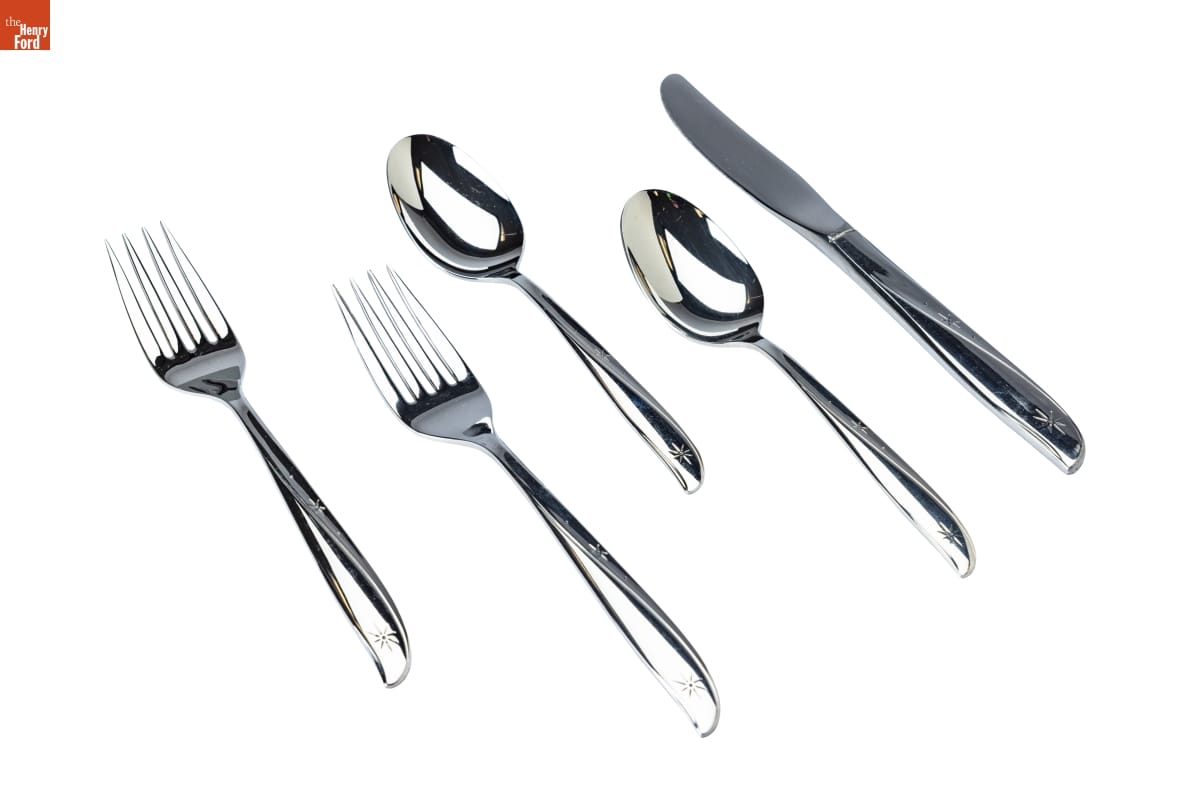
- Set of Oneida "Twin Star" Child's Size Flatware, 1959-1965 -
- 1959-1965
- Collections - Artifact
Set of Oneida "Twin Star" Child's Size Flatware, 1959-1965
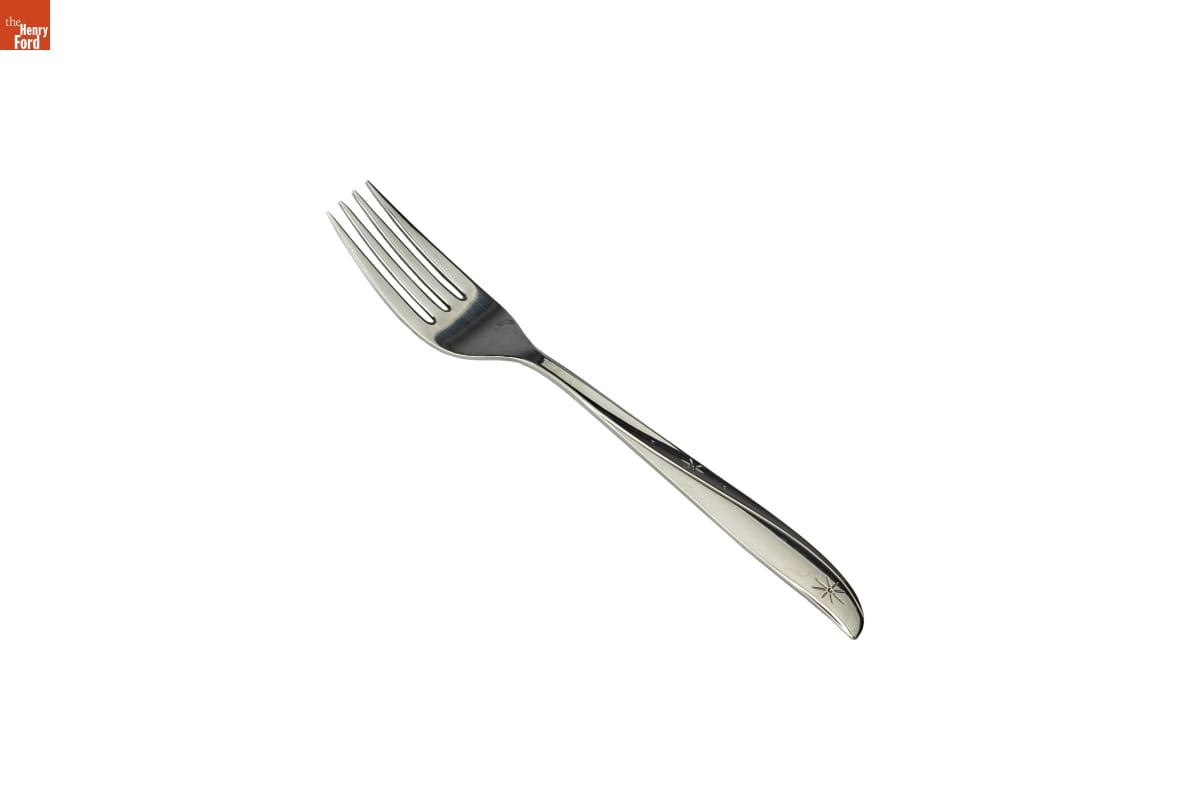
- Oneida "Twin Star" Fork, 1959-1965 - Oneida Limited retailed stainless flatware in the "Twin Star" pattern through a coupon program beginning in the late 1950s. Customers could clip coupons from General Mills products to purchase the flatware or use a "speed plan" and pay cash to get more pieces at one time. "Twin Star," made from 1959 to 1972, was one of the most popular mid-twentieth-century flatware patterns.
- 1959-1965
- Collections - Artifact
Oneida "Twin Star" Fork, 1959-1965
Oneida Limited retailed stainless flatware in the "Twin Star" pattern through a coupon program beginning in the late 1950s. Customers could clip coupons from General Mills products to purchase the flatware or use a "speed plan" and pay cash to get more pieces at one time. "Twin Star," made from 1959 to 1972, was one of the most popular mid-twentieth-century flatware patterns.