
Search
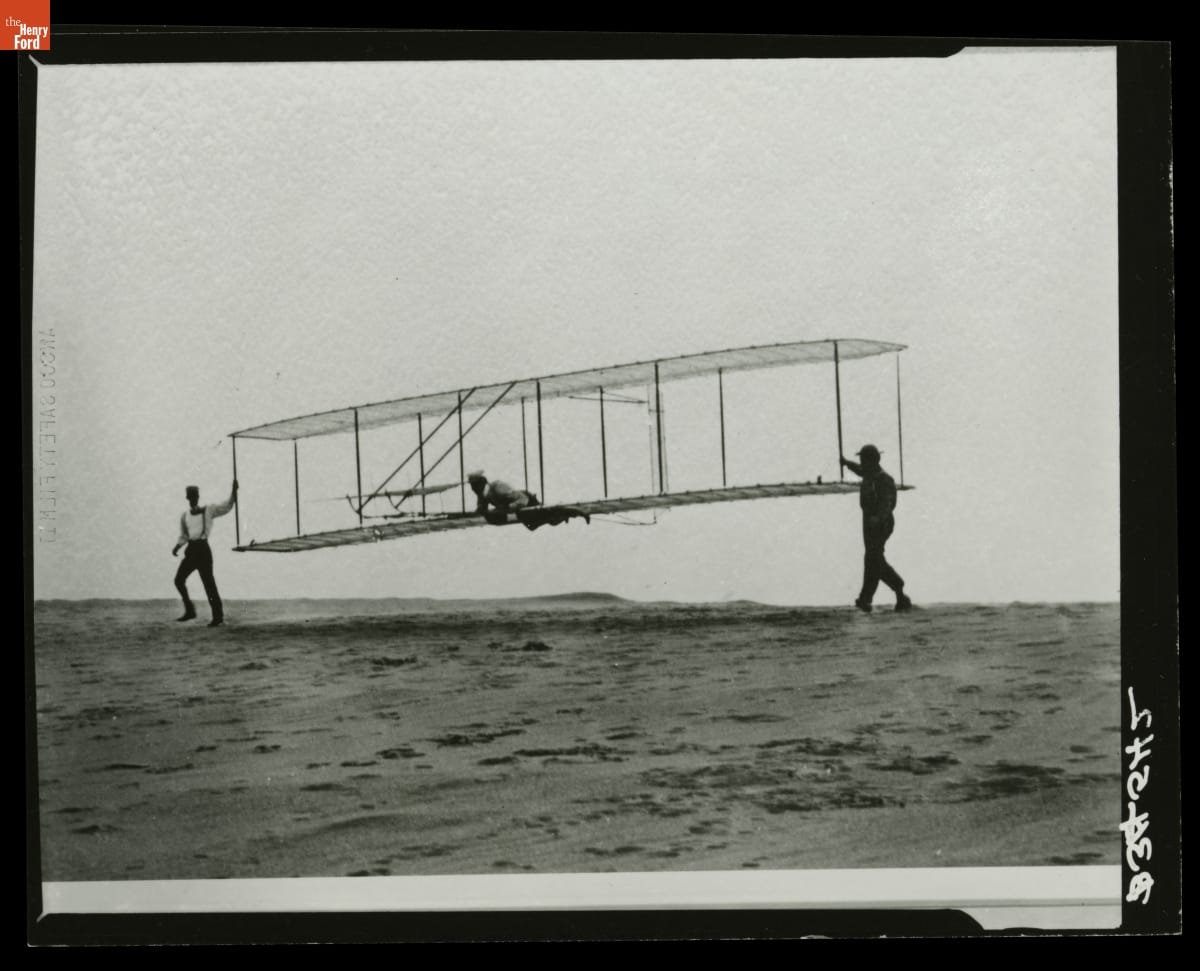
- Launching the 1902 Glider with Orville Wright Piloting, Kill Devil Hills, North Carolina - The Wright brothers' 1902 glider was their third aircraft tested at Kill Devil Hills in as many years. It was also the first built with aerodynamic calculations based on the Wrights' own wind tunnel tests. The improvements in performance were stunning. The brothers made more than 700 glides in 1902. Many were over 500 feet long, and some exceeded 600 feet.
- October 01, 1902
- Collections - Artifact
Launching the 1902 Glider with Orville Wright Piloting, Kill Devil Hills, North Carolina
The Wright brothers' 1902 glider was their third aircraft tested at Kill Devil Hills in as many years. It was also the first built with aerodynamic calculations based on the Wrights' own wind tunnel tests. The improvements in performance were stunning. The brothers made more than 700 glides in 1902. Many were over 500 feet long, and some exceeded 600 feet.
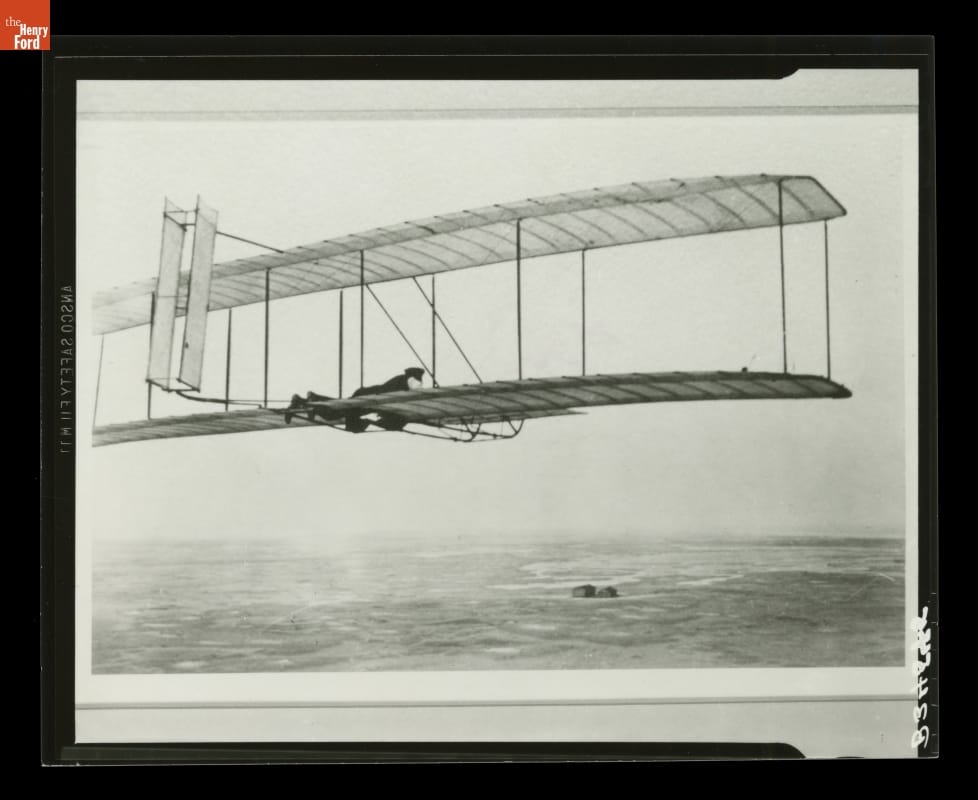
- Wright Brothers Piloting Their 1902 Glider in 1903, Kill Devil Hills, North Carolina - The Wright brothers' 1902 glider was their third aircraft tested at Kill Devil Hills in as many years. It was also the first built with aerodynamic calculations based on the Wrights' own wind tunnel tests. The improvements in performance were stunning. The brothers made more than 700 glides in 1902. Many were over 500 feet long, and some exceeded 600 feet.
- October 21, 1903
- Collections - Artifact
Wright Brothers Piloting Their 1902 Glider in 1903, Kill Devil Hills, North Carolina
The Wright brothers' 1902 glider was their third aircraft tested at Kill Devil Hills in as many years. It was also the first built with aerodynamic calculations based on the Wrights' own wind tunnel tests. The improvements in performance were stunning. The brothers made more than 700 glides in 1902. Many were over 500 feet long, and some exceeded 600 feet.
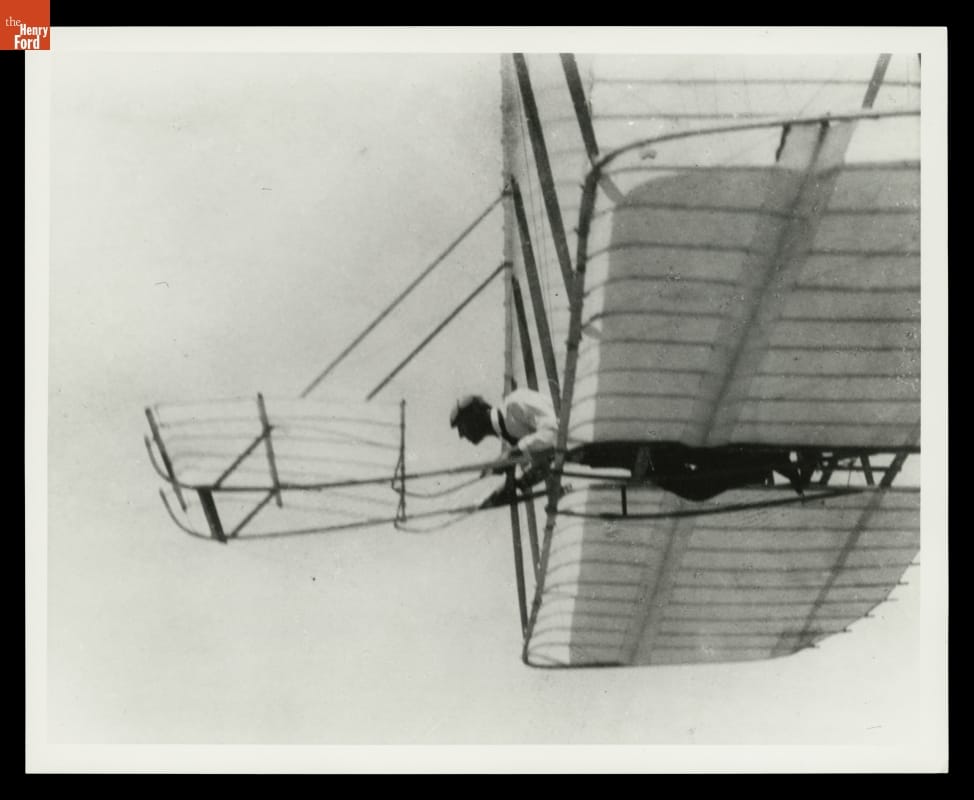
- Wilbur Wright Piloting the 1901 Glider, Kill Devil Hills, North Carolina, July 1901 - Before the Wright brothers' famous first flight in a powered, heavier-than-air craft, they experimented with piloted gliders. Here, Wilbur Wright pilots the second glider at Kitty Hawk, North Carolina. Though the brothers achieved glides of more than 300 feet with this glider, the craft was problematic. Major issues with lift and control sent them back to the drawing board.
- July 01, 1901
- Collections - Artifact
Wilbur Wright Piloting the 1901 Glider, Kill Devil Hills, North Carolina, July 1901
Before the Wright brothers' famous first flight in a powered, heavier-than-air craft, they experimented with piloted gliders. Here, Wilbur Wright pilots the second glider at Kitty Hawk, North Carolina. Though the brothers achieved glides of more than 300 feet with this glider, the craft was problematic. Major issues with lift and control sent them back to the drawing board.
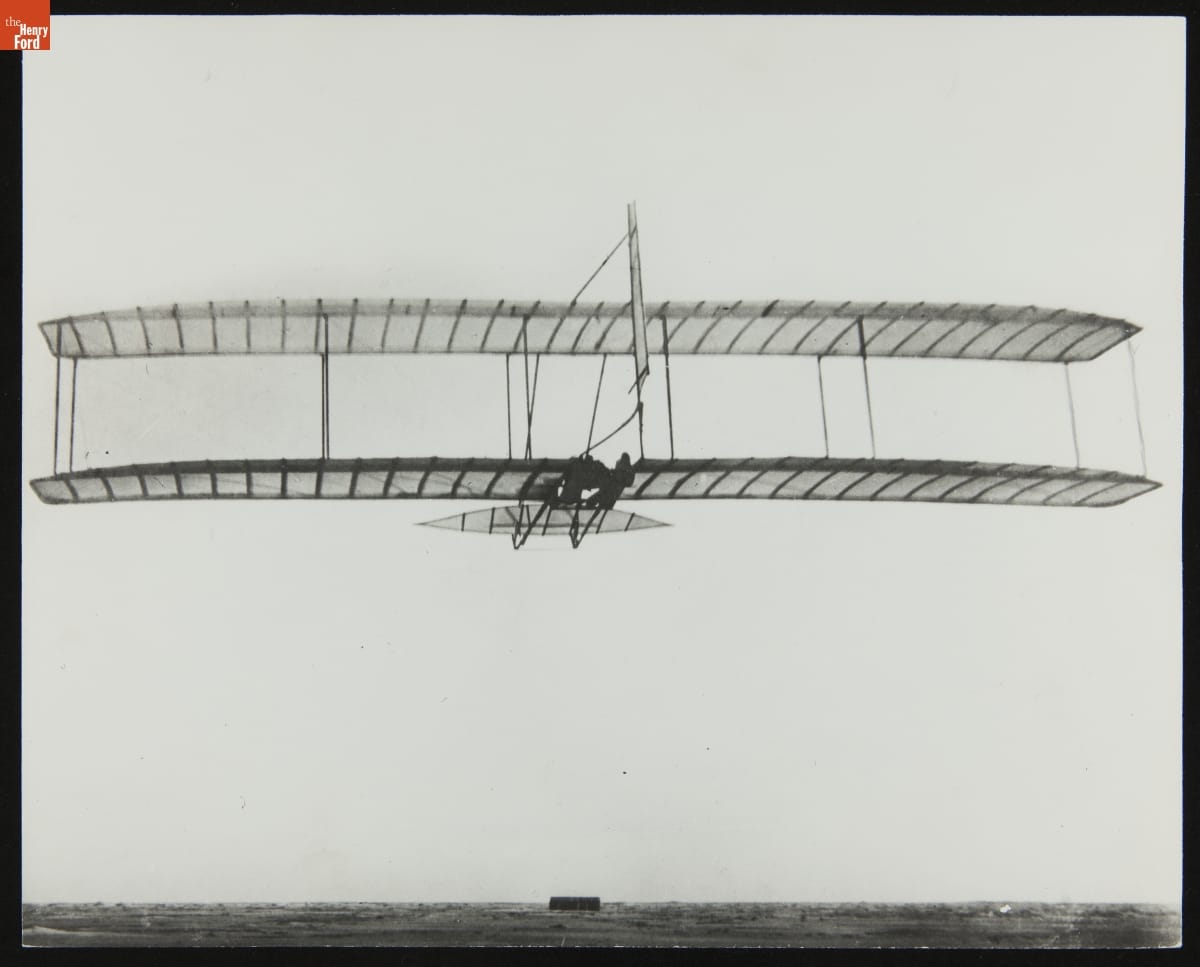
- Wright Brothers Testing the 1902 Glider at Kill Devil Hills - The Wright brothers' 1902 glider was their third aircraft tested at Kill Devil Hills in as many years. It was also the first built with aerodynamic calculations based on the Wrights' own wind tunnel tests. The improvements in performance were stunning. The brothers made more than 700 glides in 1902. Many were over 500 feet long, and some exceeded 600 feet.
- October 01, 1902
- Collections - Artifact
Wright Brothers Testing the 1902 Glider at Kill Devil Hills
The Wright brothers' 1902 glider was their third aircraft tested at Kill Devil Hills in as many years. It was also the first built with aerodynamic calculations based on the Wrights' own wind tunnel tests. The improvements in performance were stunning. The brothers made more than 700 glides in 1902. Many were over 500 feet long, and some exceeded 600 feet.
- Wright Brothers Testing the 1902 Glider at Kill Devil Hills - The Wright brothers' 1902 glider was their third aircraft tested at Kill Devil Hills in as many years. It was also the first built with aerodynamic calculations based on the Wrights' own wind tunnel tests. The improvements in performance were stunning. The brothers made more than 700 glides in 1902. Many were over 500 feet long, and some exceeded 600 feet.
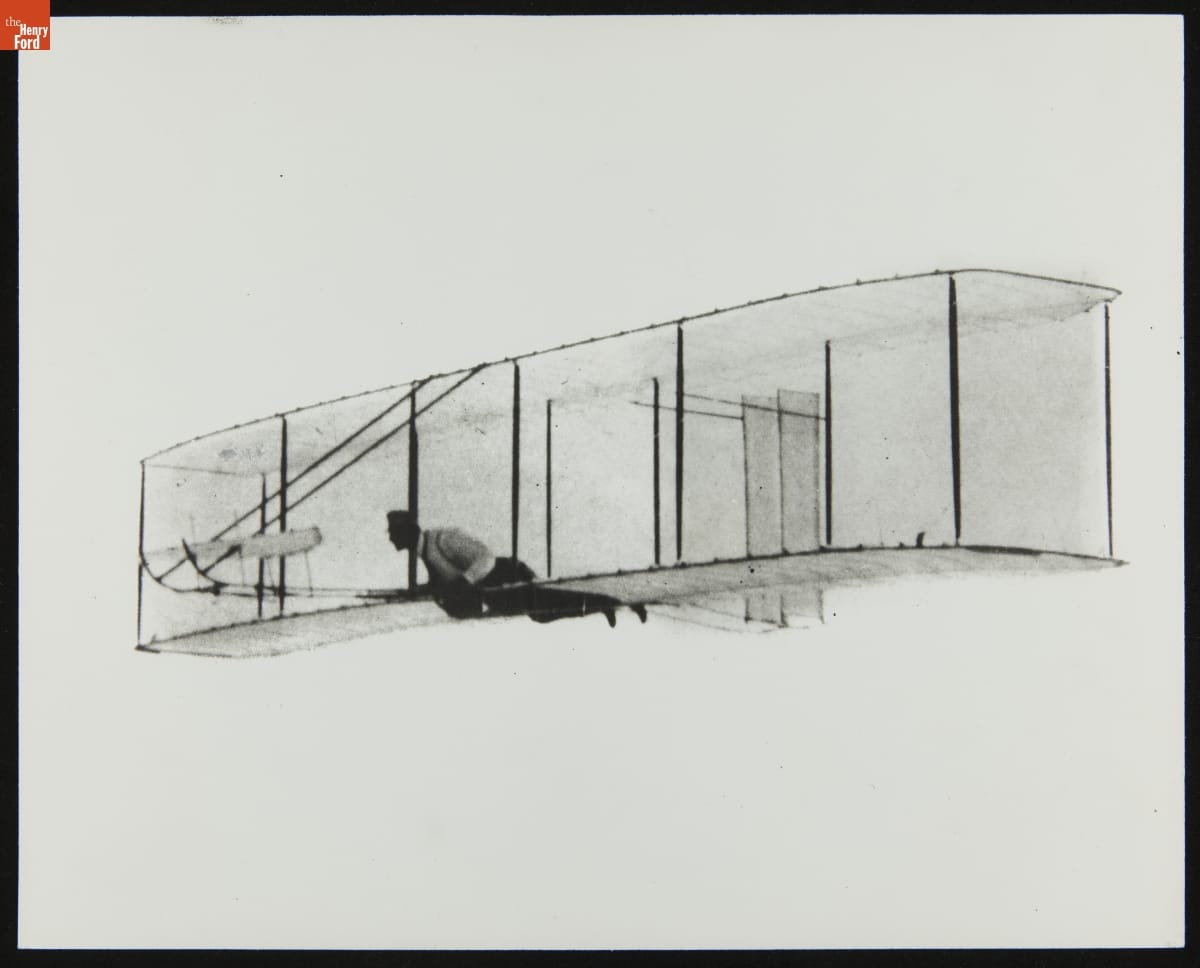
- October 02, 1902
- Collections - Artifact
Wright Brothers Testing the 1902 Glider at Kill Devil Hills
The Wright brothers' 1902 glider was their third aircraft tested at Kill Devil Hills in as many years. It was also the first built with aerodynamic calculations based on the Wrights' own wind tunnel tests. The improvements in performance were stunning. The brothers made more than 700 glides in 1902. Many were over 500 feet long, and some exceeded 600 feet.
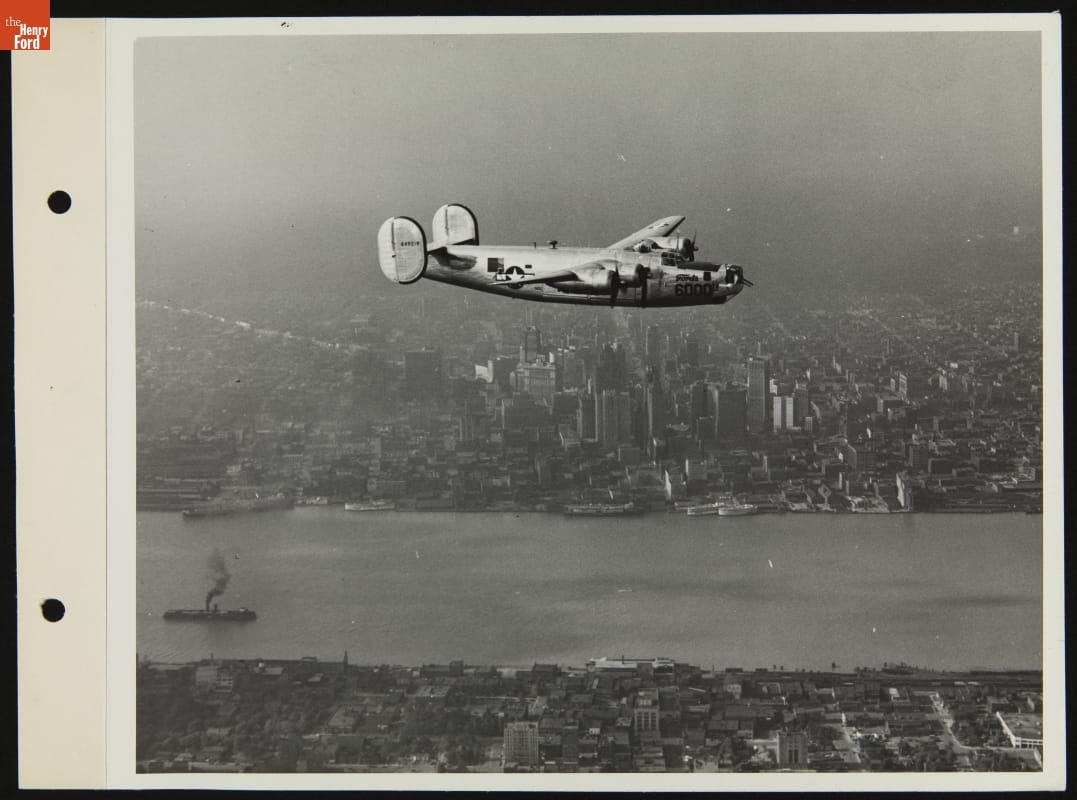
- 6000th Ford B-24 in Flight over Windsor, Canada, September 13, 1944 - During World War II, Ford Motor Company built 8,685 B-24 Liberator bomber airplanes at its Willow Run plant, 35 miles west of Detroit. By the spring of 1944, employees on Ford's bomber assembly line could turn out a finished airplane every 63 minutes. Workers completed the 6,000th B-24 in September 1944 -- with considerable fanfare.
- Collections - Artifact
6000th Ford B-24 in Flight over Windsor, Canada, September 13, 1944
During World War II, Ford Motor Company built 8,685 B-24 Liberator bomber airplanes at its Willow Run plant, 35 miles west of Detroit. By the spring of 1944, employees on Ford's bomber assembly line could turn out a finished airplane every 63 minutes. Workers completed the 6,000th B-24 in September 1944 -- with considerable fanfare.
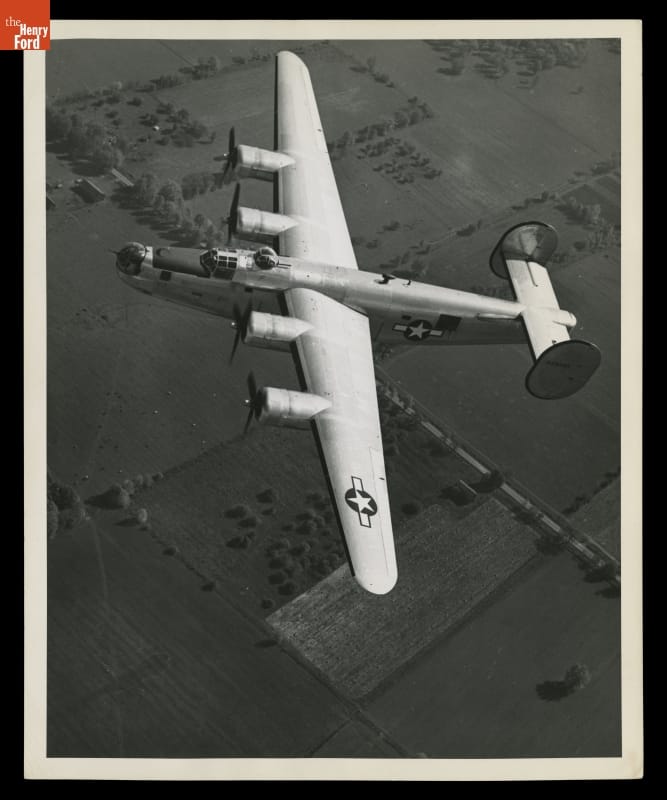
- B-24 Bomber in Flight, Willow Run Bomber Plant, 1944 - During World War II, Ford Motor Company built 8,685 B-24 Liberator bomber airplanes at its Willow Run plant. Most of them were complete airplanes flown away for delivery directly from the plant's on-site airport. The remaining bombers were shipped out by truck as "knock-down kits" for final assembly at Douglas Aircraft's plant in Tulsa, Oklahoma, or Consolidated Aircraft's plant in Fort Worth, Texas.
- October 12, 1944
- Collections - Artifact
B-24 Bomber in Flight, Willow Run Bomber Plant, 1944
During World War II, Ford Motor Company built 8,685 B-24 Liberator bomber airplanes at its Willow Run plant. Most of them were complete airplanes flown away for delivery directly from the plant's on-site airport. The remaining bombers were shipped out by truck as "knock-down kits" for final assembly at Douglas Aircraft's plant in Tulsa, Oklahoma, or Consolidated Aircraft's plant in Fort Worth, Texas.
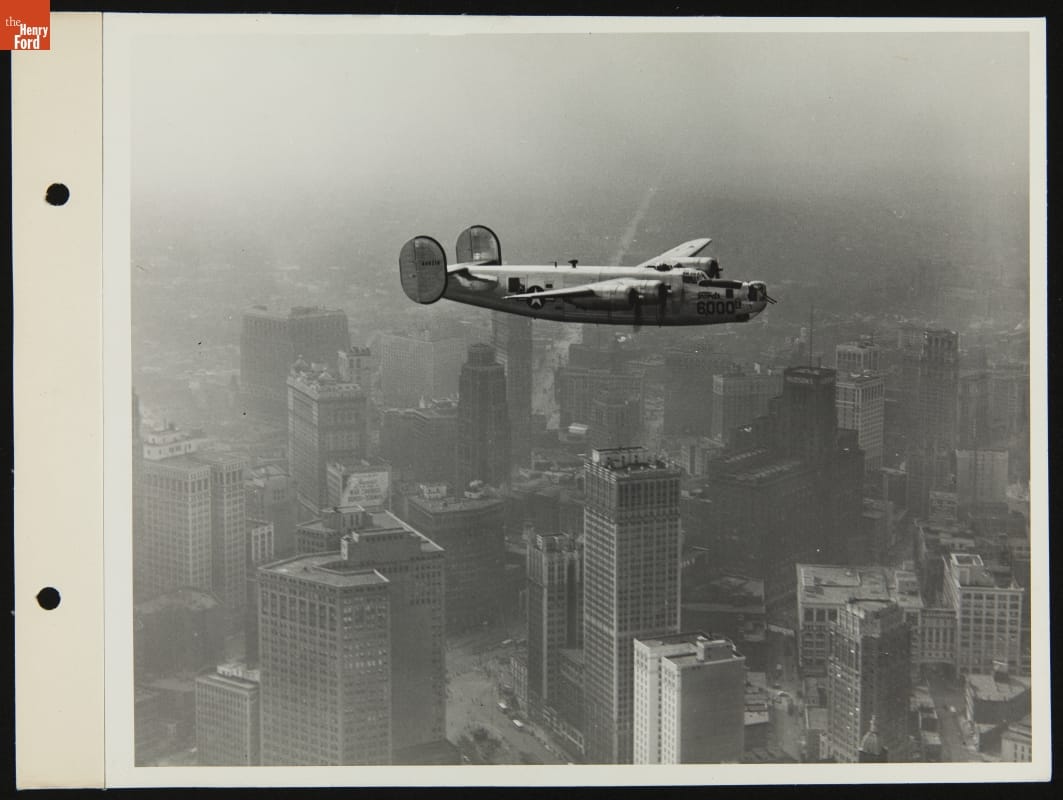
- 6000th Ford B-24 in Flight over Detroit, Michigan, September 13, 1944 - During World War II, Ford Motor Company built 8,685 B-24 Liberator bomber airplanes at its Willow Run plant, 35 miles west of Detroit. By the spring of 1944, employees on Ford's bomber assembly line could turn out a finished airplane every 63 minutes. Workers completed the 6,000th B-24 in September 1944 -- with considerable fanfare.
- September 13, 1944
- Collections - Artifact
6000th Ford B-24 in Flight over Detroit, Michigan, September 13, 1944
During World War II, Ford Motor Company built 8,685 B-24 Liberator bomber airplanes at its Willow Run plant, 35 miles west of Detroit. By the spring of 1944, employees on Ford's bomber assembly line could turn out a finished airplane every 63 minutes. Workers completed the 6,000th B-24 in September 1944 -- with considerable fanfare.
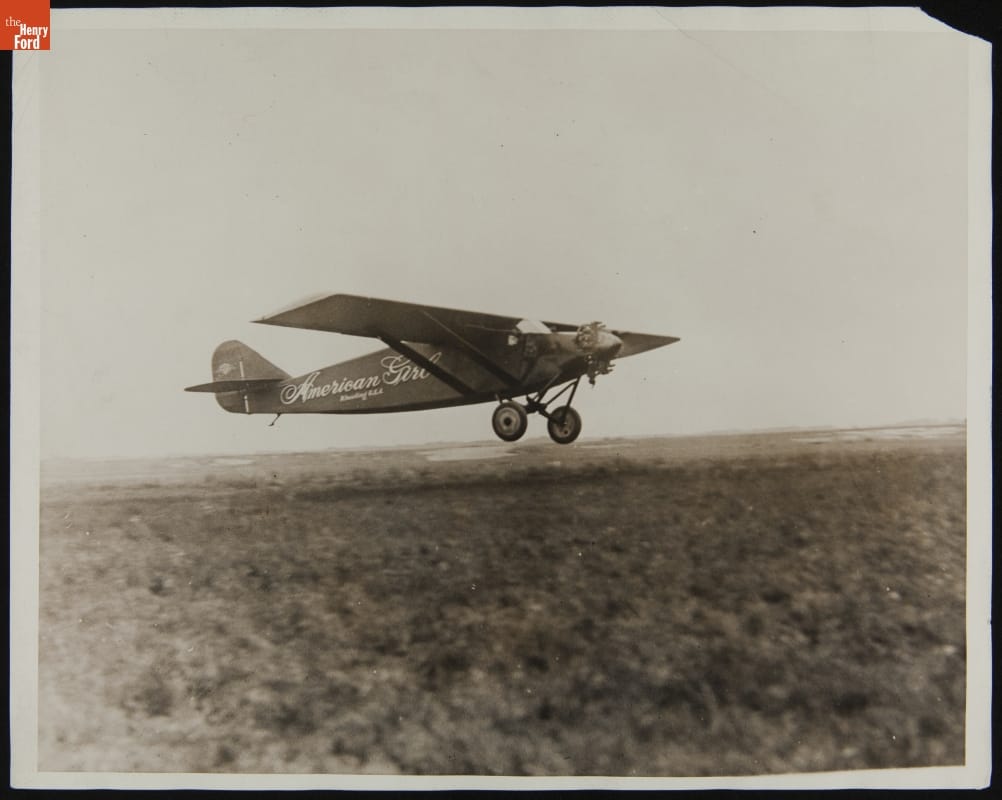
- Ruth Elder's "American Girl" on a Test Flight at Curtiss Field, October 1927 - Ruth Elder planned to be the first woman to fly across the Atlantic. On October 11, 1927, Elder and co-pilot George Haldeman took off in their Stinson Detroiter <EM>American Girl</EM>. An oil leak forced them to ditch in the ocean some 360 miles short of land. Still, the 2,623 miles Elder covered set a new distance record for a female pilot.
- October 01, 1927
- Collections - Artifact
Ruth Elder's "American Girl" on a Test Flight at Curtiss Field, October 1927
Ruth Elder planned to be the first woman to fly across the Atlantic. On October 11, 1927, Elder and co-pilot George Haldeman took off in their Stinson Detroiter American Girl. An oil leak forced them to ditch in the ocean some 360 miles short of land. Still, the 2,623 miles Elder covered set a new distance record for a female pilot.
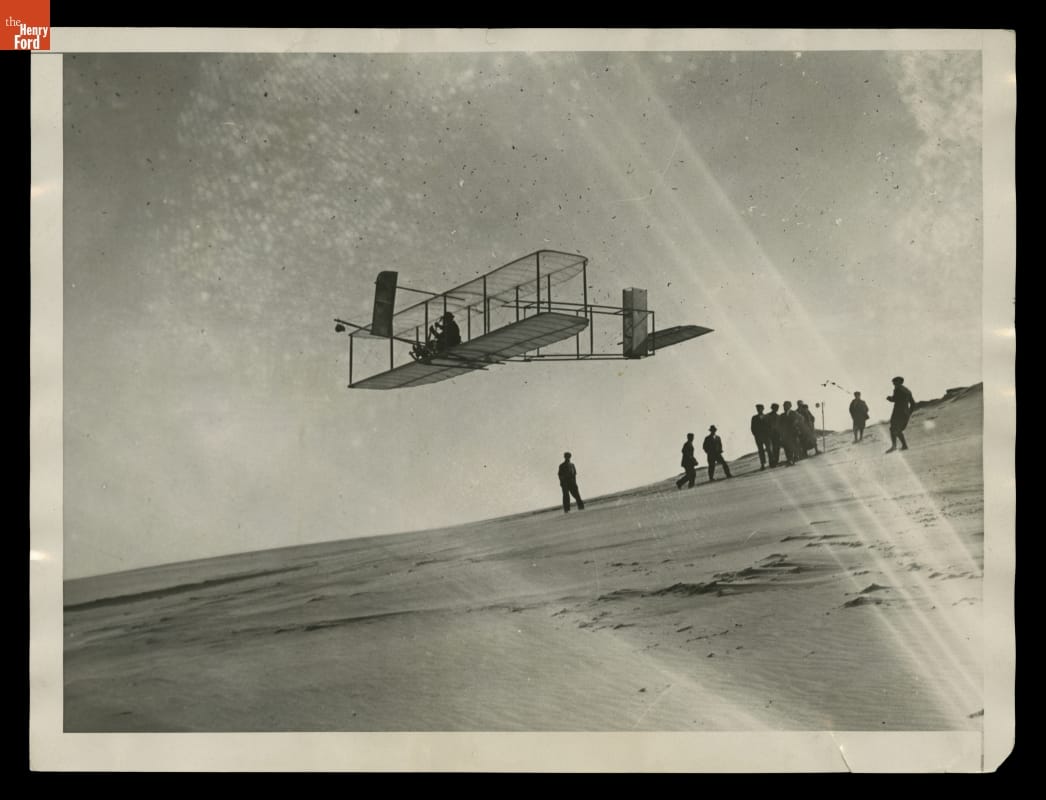
- Orville Wright Making Glider Tests at Kill Devil Hills, North Carolina, October 1911 - Orville Wright experimented with an automatic stability system to keep an airplane flying straight and level without any input from the pilot. Wright tested the apparatus in a glider at Kill Devil Hills in October 1911. On October 24, he set a record with a glide lasting 9 minutes, 45 seconds. Wright's stabilizer worked, but it was not a commercial success.
- October 01, 1911
- Collections - Artifact
Orville Wright Making Glider Tests at Kill Devil Hills, North Carolina, October 1911
Orville Wright experimented with an automatic stability system to keep an airplane flying straight and level without any input from the pilot. Wright tested the apparatus in a glider at Kill Devil Hills in October 1911. On October 24, he set a record with a glide lasting 9 minutes, 45 seconds. Wright's stabilizer worked, but it was not a commercial success.