
Search
- Woman with Basket on a Flooded Street, circa 1865 - This circa 1865 carte-de-visite shows a flooded street, possibly in the American South. Cartes-de-visite were small photographic prints on cardboard stock made in professional photographers' studios. Americans commonly collected and exchanged cartes-de-visites, which remained popular in the United States from the Civil War in the 1860s through the 1880s.
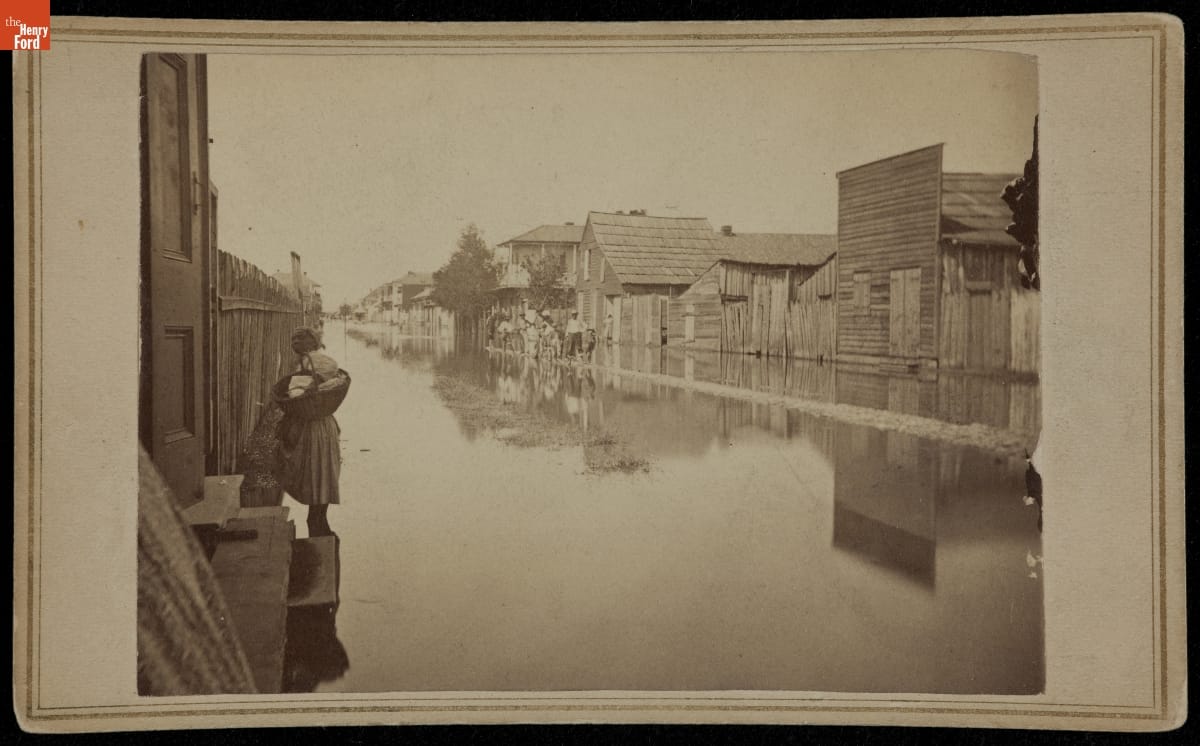
- circa 1865
- Collections - Artifact
Woman with Basket on a Flooded Street, circa 1865
This circa 1865 carte-de-visite shows a flooded street, possibly in the American South. Cartes-de-visite were small photographic prints on cardboard stock made in professional photographers' studios. Americans commonly collected and exchanged cartes-de-visites, which remained popular in the United States from the Civil War in the 1860s through the 1880s.
- Henry Ford and Frank Kulick Seated in a Ford Model T during a Flood, circa 1916 - The Ford Model T's high ten-inch ground clearance was intended to help the car clear obstacles on rough roads. But it also helped when crossing shallow streams or driving through floodwater. This photo shows Henry Ford and Frank Kulick confidently running a Model T over a flooded road around 1916.
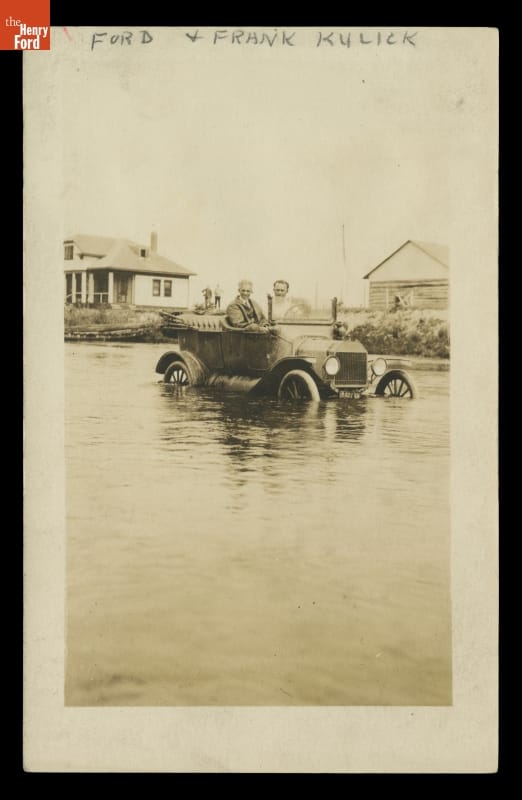
- circa 1916
- Collections - Artifact
Henry Ford and Frank Kulick Seated in a Ford Model T during a Flood, circa 1916
The Ford Model T's high ten-inch ground clearance was intended to help the car clear obstacles on rough roads. But it also helped when crossing shallow streams or driving through floodwater. This photo shows Henry Ford and Frank Kulick confidently running a Model T over a flooded road around 1916.
- Flood Waters Surround the Suwanee Ramp in Greenfield Village, May 1, 1956 - Like the late 19th century steamboats that inspired it, Greenfield Village's <i>Suwanee</i> was vulnerable to floods and droughts. If the boat was tied too tightly to its pier, high water could swamp it. Low water might cause it to run aground. <i>Suwanee</i> was pulled out of the lagoon in winter, when ice could damage its hull.
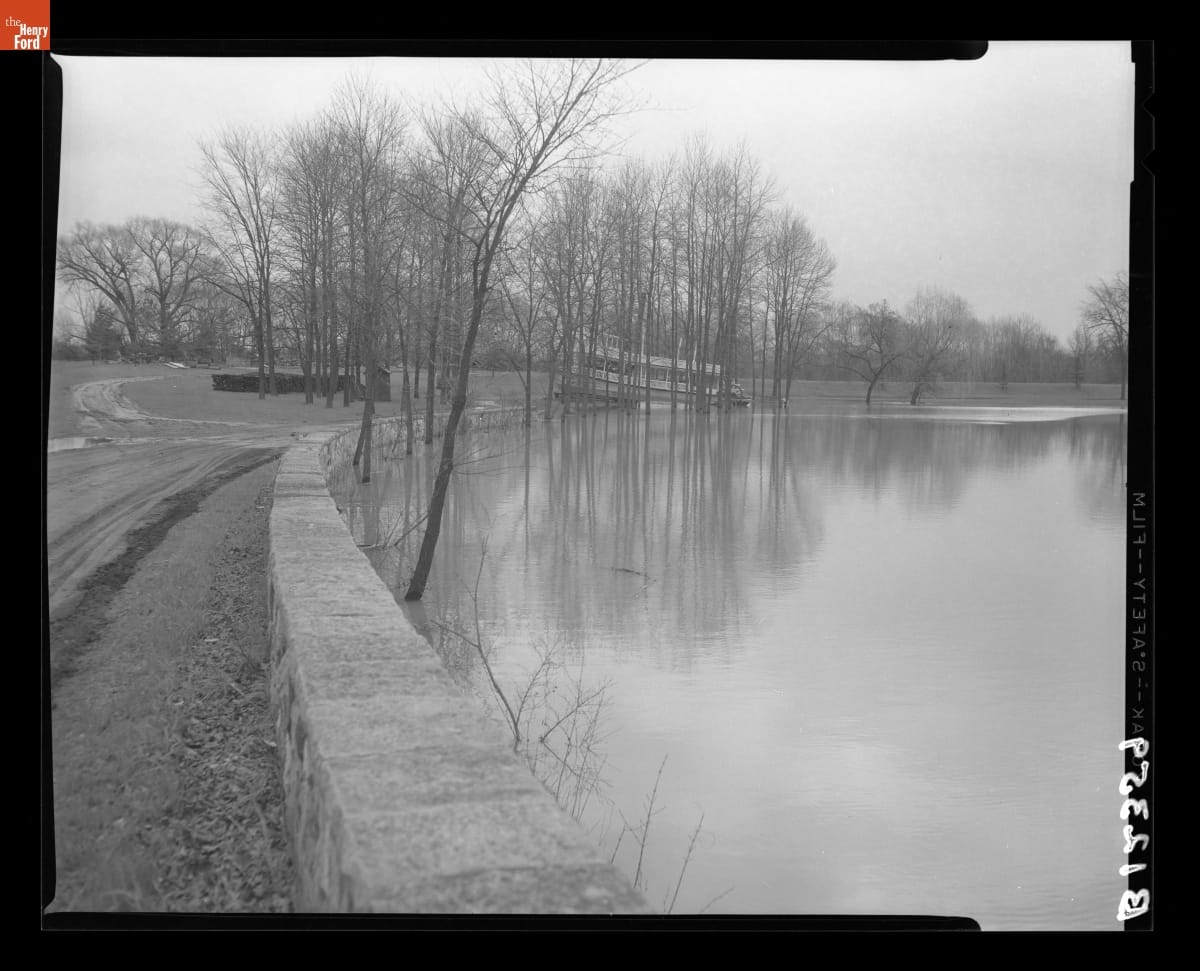
- May 01, 1956
- Collections - Artifact
Flood Waters Surround the Suwanee Ramp in Greenfield Village, May 1, 1956
Like the late 19th century steamboats that inspired it, Greenfield Village's Suwanee was vulnerable to floods and droughts. If the boat was tied too tightly to its pier, high water could swamp it. Low water might cause it to run aground. Suwanee was pulled out of the lagoon in winter, when ice could damage its hull.
- WPA Workers Clear Bridge for Resurfacing after Flood, Holyoke-South Hadley Falls, Massachusetts, 1936 - The Works Progress Administration (WPA) employed millions and spent billions to construct and repair public buildings and roads during the Great Depression. This photograph shows WPA workers repairing a Connecticut River bridge after a 1936 flood.
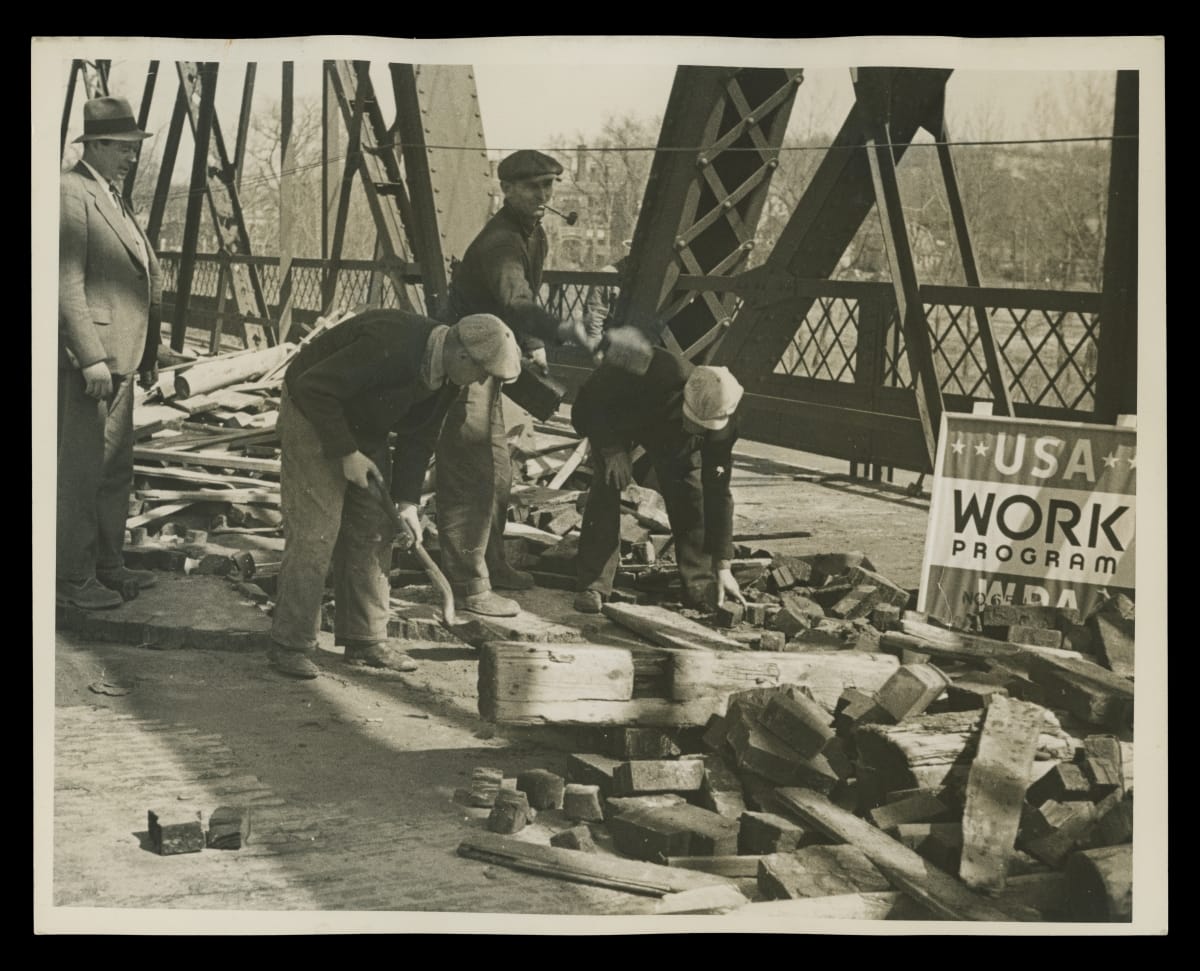
- March 25, 1936
- Collections - Artifact
WPA Workers Clear Bridge for Resurfacing after Flood, Holyoke-South Hadley Falls, Massachusetts, 1936
The Works Progress Administration (WPA) employed millions and spent billions to construct and repair public buildings and roads during the Great Depression. This photograph shows WPA workers repairing a Connecticut River bridge after a 1936 flood.
- Flood Conditions at Hydro-Electric Station at Ford Motor Company Green Island Plant, April 1922 - Ford Motor Company opened its plant at Green Island, New York, in 1923. The factory complex, located on the Hudson River near Troy, included a hydroelectric station to power its operations. Employees at Green Island made radiators and heater cores for Ford vehicles. Ford closed the factory in 1988, and it was torn down in 2004.
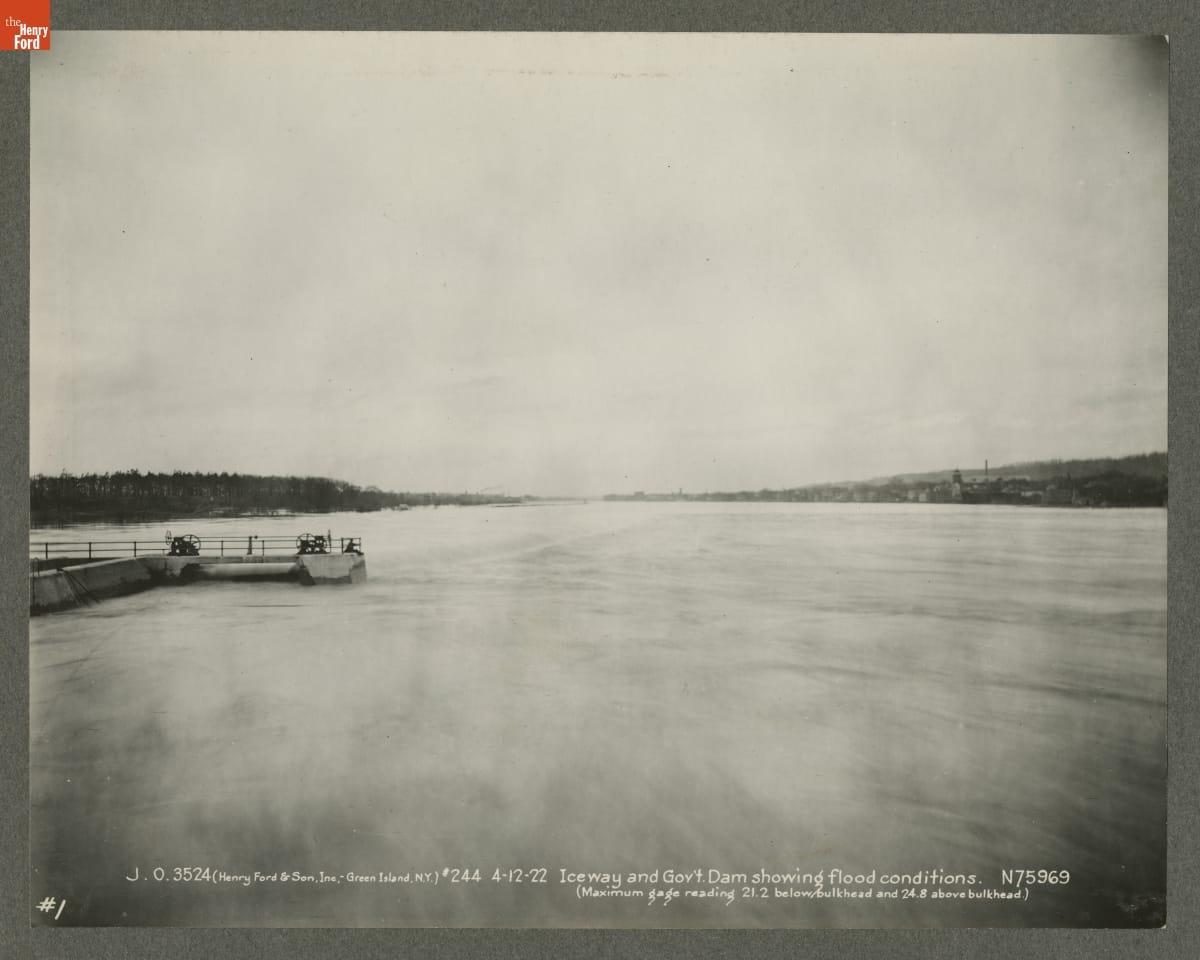
- April 12, 1922
- Collections - Artifact
Flood Conditions at Hydro-Electric Station at Ford Motor Company Green Island Plant, April 1922
Ford Motor Company opened its plant at Green Island, New York, in 1923. The factory complex, located on the Hudson River near Troy, included a hydroelectric station to power its operations. Employees at Green Island made radiators and heater cores for Ford vehicles. Ford closed the factory in 1988, and it was torn down in 2004.
- Cartoon, "Romantic Passage of Broadway, After a Heavy Rain," 1848 -
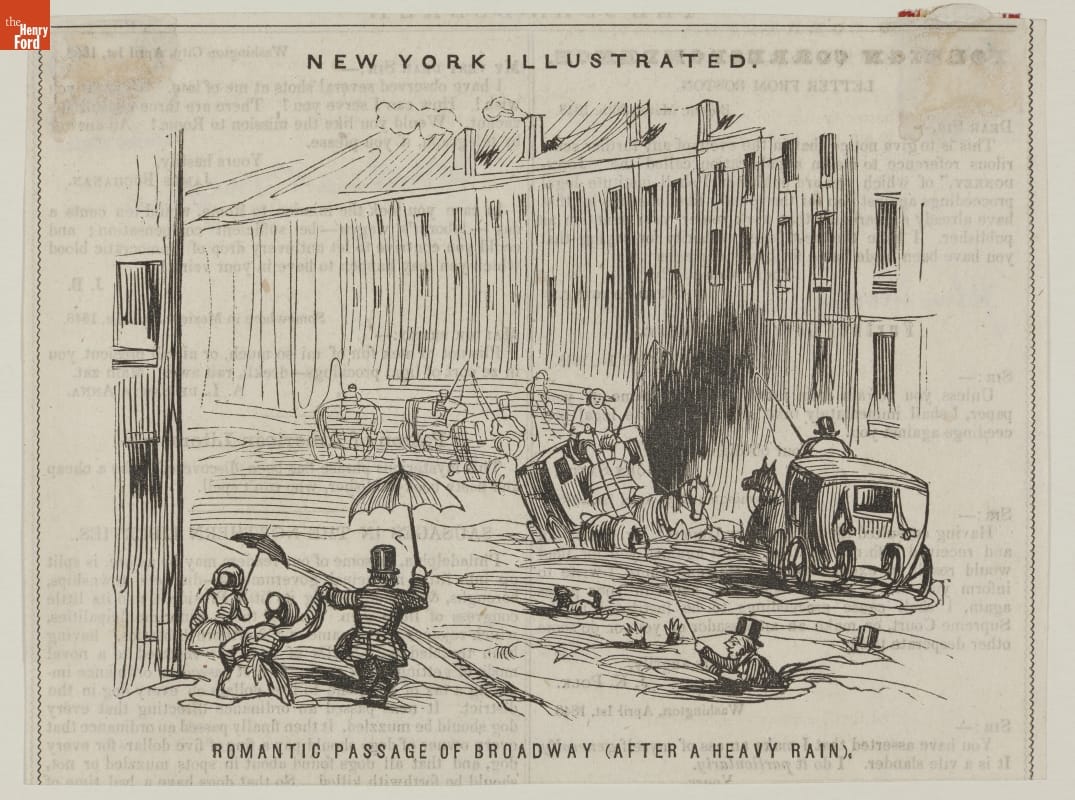
- 1848
- Collections - Artifact
Cartoon, "Romantic Passage of Broadway, After a Heavy Rain," 1848
- Suwanee Steamboat Swamped during Flood, Greenfield Village, 1968 - A summertime flood overwhelmed the steamboat <EM>Suwanee</EM> in July 1968. After the necessary repairs were made, the sternwheeler returned to service transporting visitors on the one-third-mile loop around Greenfield Village's Suwanee Lagoon.
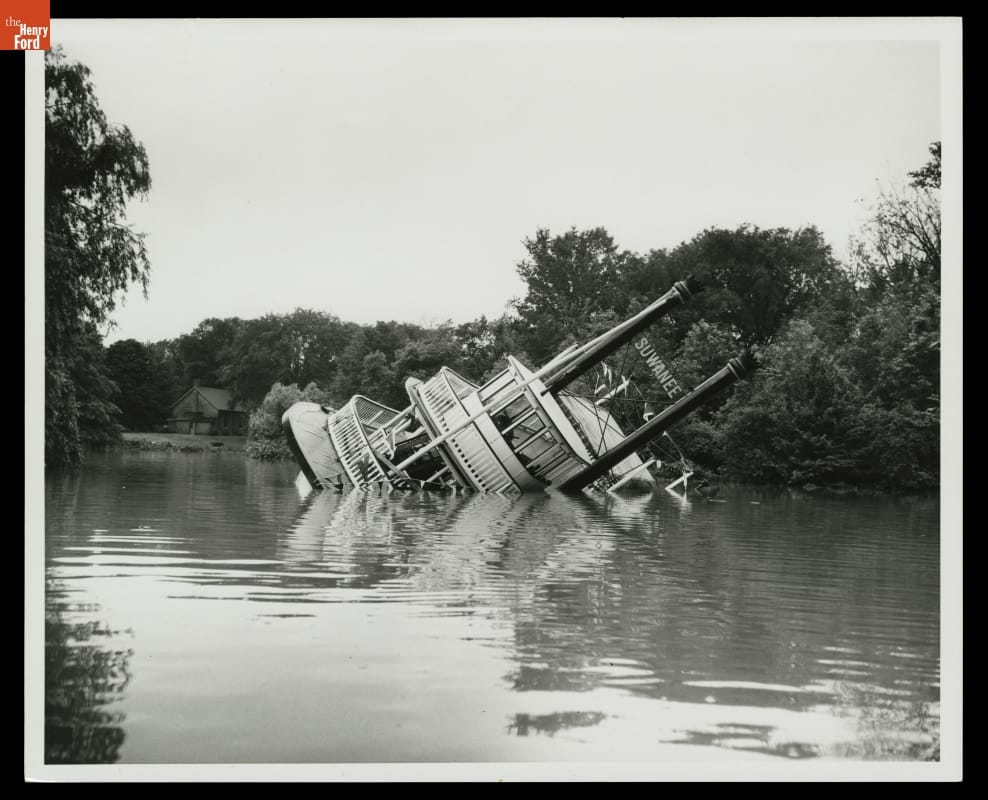
- July 10, 1968
- Collections - Artifact
Suwanee Steamboat Swamped during Flood, Greenfield Village, 1968
A summertime flood overwhelmed the steamboat Suwanee in July 1968. After the necessary repairs were made, the sternwheeler returned to service transporting visitors on the one-third-mile loop around Greenfield Village's Suwanee Lagoon.
- Suwanee Riverboat Tied Up at the Passenger Dock Due to High Water Levels, May 29, 1968 - Like the late 19th century steamboats that inspired it, Greenfield Village's <i>Suwanee</i> was vulnerable to floods and droughts. If the boat was tied too tightly to its pier, high water could swamp it. Low water might cause it to run aground. <i>Suwanee</i> was pulled out of the lagoon in winter, when ice could damage its hull.
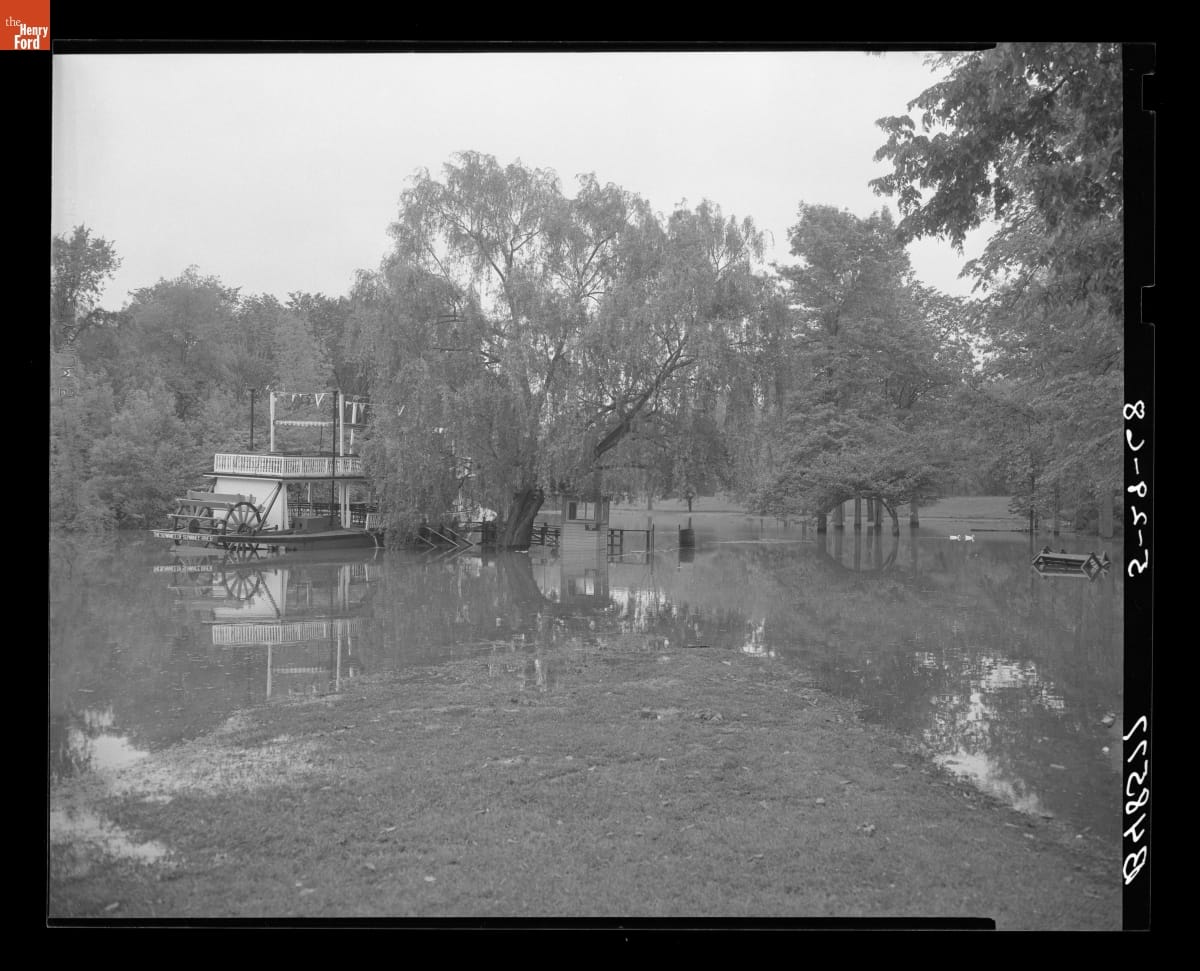
- May 29, 1968
- Collections - Artifact
Suwanee Riverboat Tied Up at the Passenger Dock Due to High Water Levels, May 29, 1968
Like the late 19th century steamboats that inspired it, Greenfield Village's Suwanee was vulnerable to floods and droughts. If the boat was tied too tightly to its pier, high water could swamp it. Low water might cause it to run aground. Suwanee was pulled out of the lagoon in winter, when ice could damage its hull.
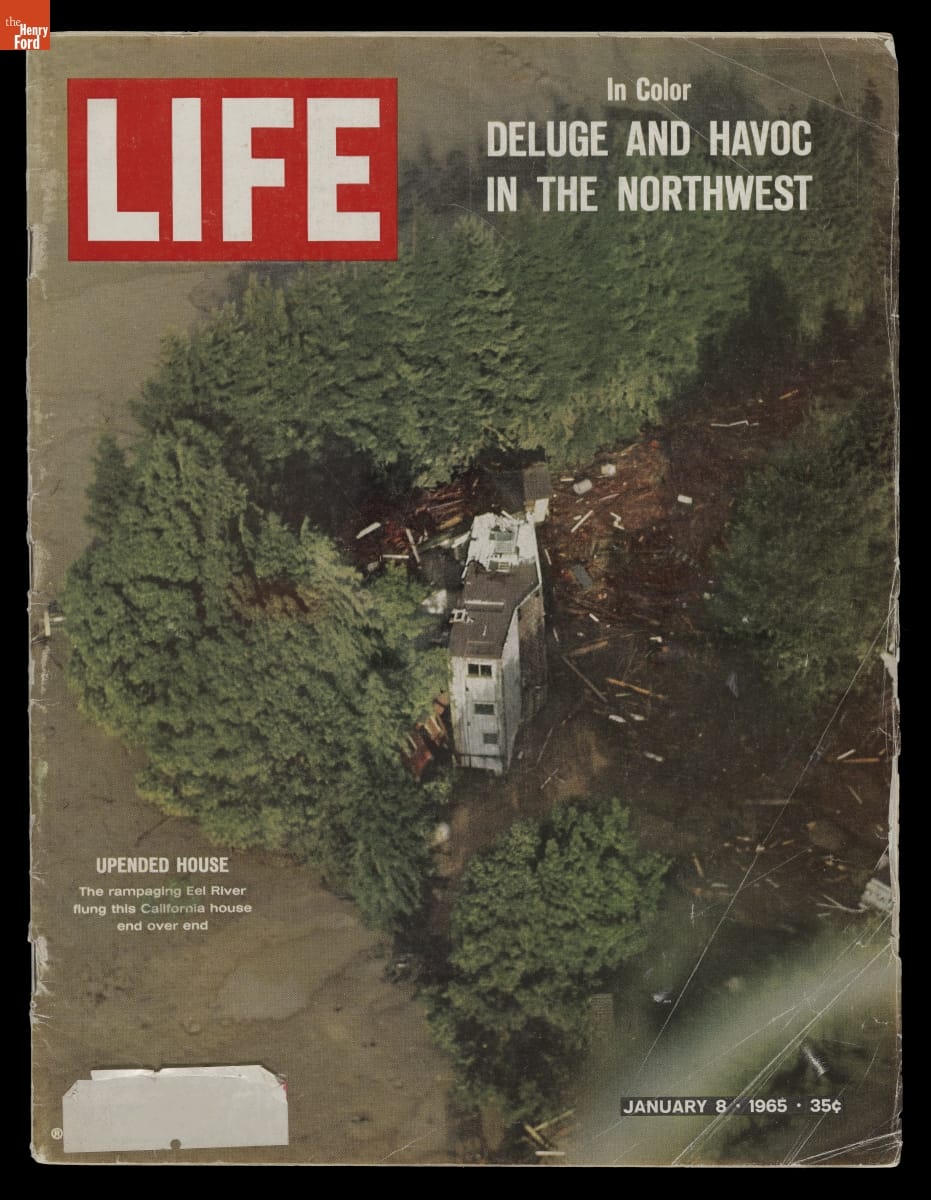
- "Life," January 8, 1965 - Henry Luce re-envisioned Life magazine after he purchased it in 1936. Under Luce's control, Life magazine became America's first all-photographic weekly news magazine, informing Americans on the country's politics, war, race, and national identity through images. Its popularity boomed; by 1970, it had more than eight million subscribers.
- January 08, 1965
- Collections - Artifact
"Life," January 8, 1965
Henry Luce re-envisioned Life magazine after he purchased it in 1936. Under Luce's control, Life magazine became America's first all-photographic weekly news magazine, informing Americans on the country's politics, war, race, and national identity through images. Its popularity boomed; by 1970, it had more than eight million subscribers.
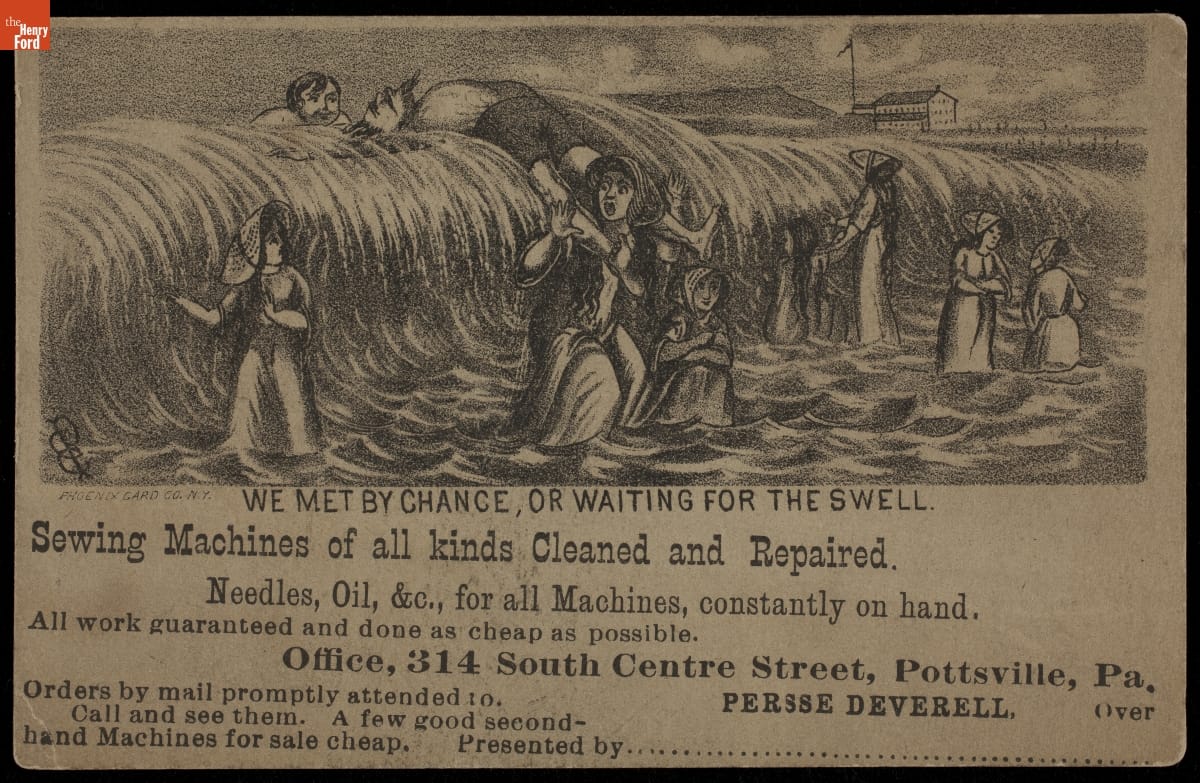
- Trade Card for Persse Deverell Sewing Machine Sales and Repair, 1880 - In the last third of the nineteenth century, an unprecedented variety of consumer goods and services flooded the American market. Advertisers bombarded potential customers with trade cards. Americans enjoyed and saved the often illustrated little advertisements found in product packages or distributed by local merchants. Many survive as historical records of commercialism in the United States.
- 1880
- Collections - Artifact
Trade Card for Persse Deverell Sewing Machine Sales and Repair, 1880
In the last third of the nineteenth century, an unprecedented variety of consumer goods and services flooded the American market. Advertisers bombarded potential customers with trade cards. Americans enjoyed and saved the often illustrated little advertisements found in product packages or distributed by local merchants. Many survive as historical records of commercialism in the United States.