
Search
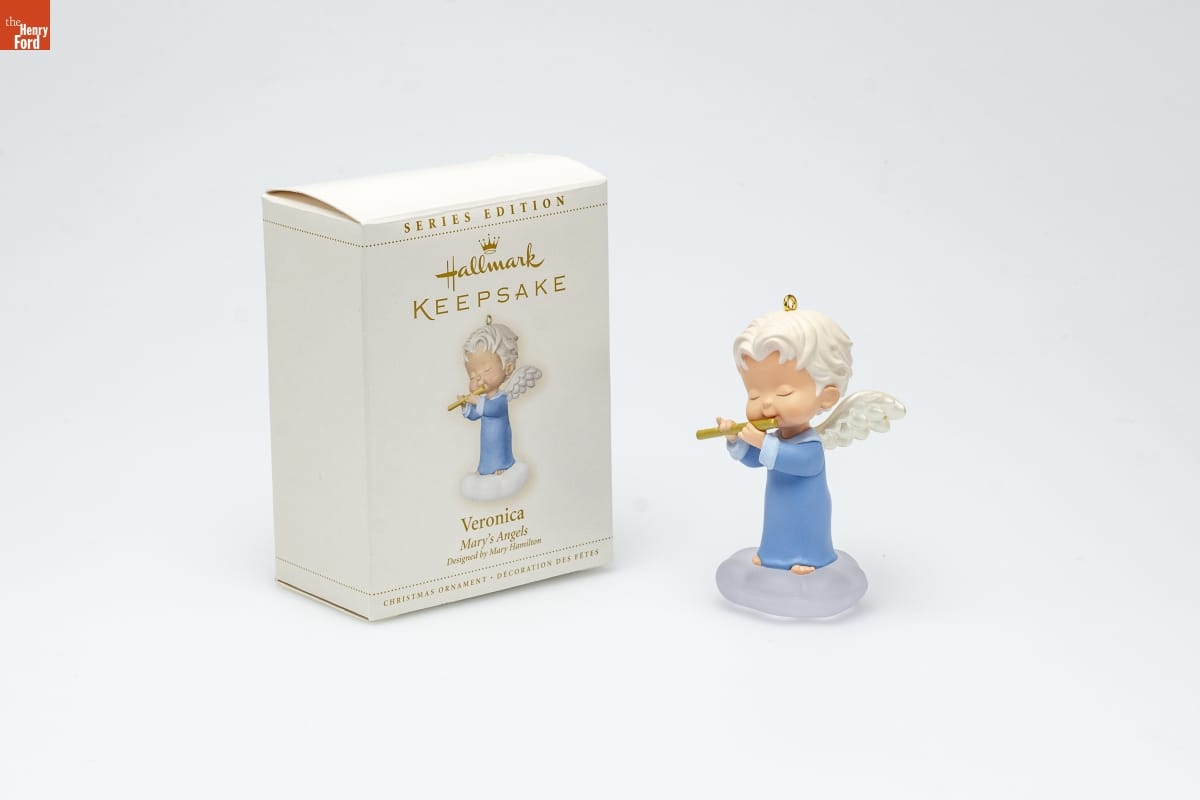
- Hallmark "Mary's Angels Series: Veronica" Christmas Ornament, 2006 - Already known for greeting cards, Hallmark introduced a line of Christmas ornaments in 1973. The company's annual release of an increasing array of ornaments revolutionized Christmas decorating, appealing to customers' interest in marking memories and milestones as well as expressing one's personality and unique tastes.
- 2006
- Collections - Artifact
Hallmark "Mary's Angels Series: Veronica" Christmas Ornament, 2006
Already known for greeting cards, Hallmark introduced a line of Christmas ornaments in 1973. The company's annual release of an increasing array of ornaments revolutionized Christmas decorating, appealing to customers' interest in marking memories and milestones as well as expressing one's personality and unique tastes.
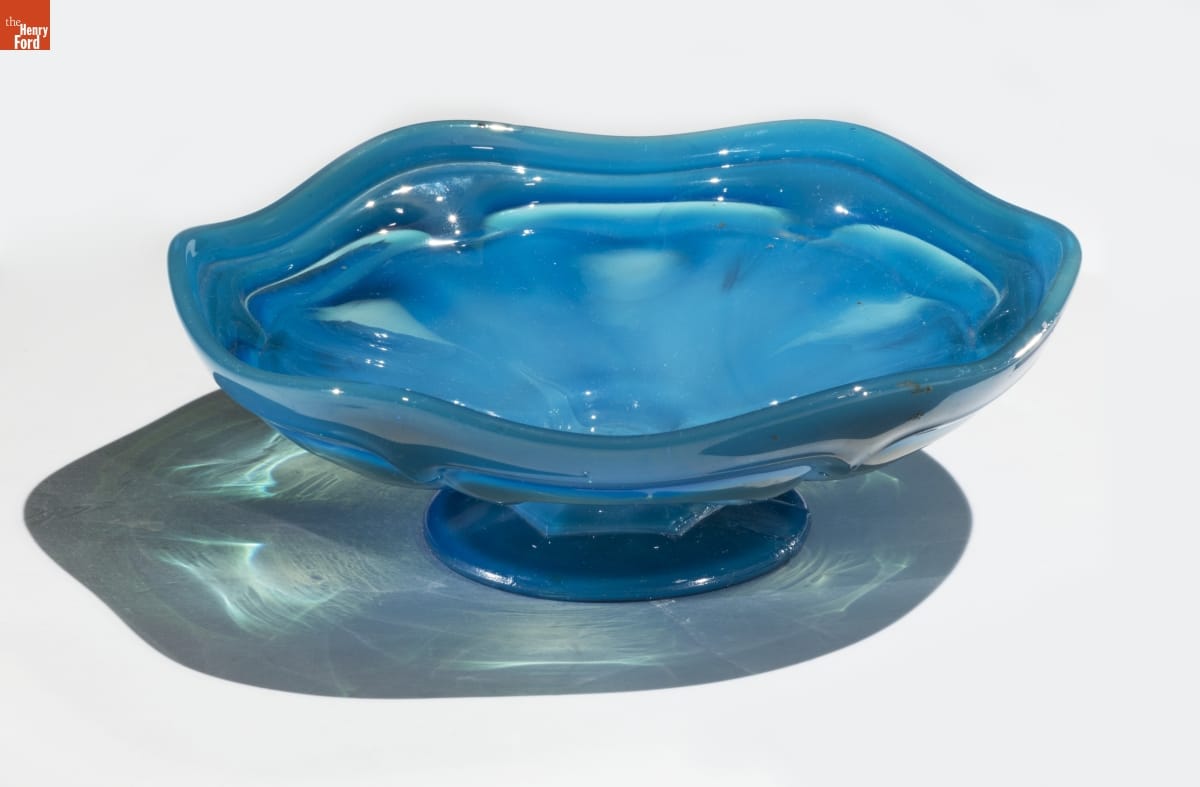
- Compote, 1865-1875 - Compotes are all-purpose serving dishes. These usually footed bowls -- with or without lids or covers -- held special desserts, fruits, candies or sauces, jellies and other foods. Blown or pressed glass compotes provided a culinary presentation method suitable to 19th-century middle-class households.
- 1865-1875
- Collections - Artifact
Compote, 1865-1875
Compotes are all-purpose serving dishes. These usually footed bowls -- with or without lids or covers -- held special desserts, fruits, candies or sauces, jellies and other foods. Blown or pressed glass compotes provided a culinary presentation method suitable to 19th-century middle-class households.
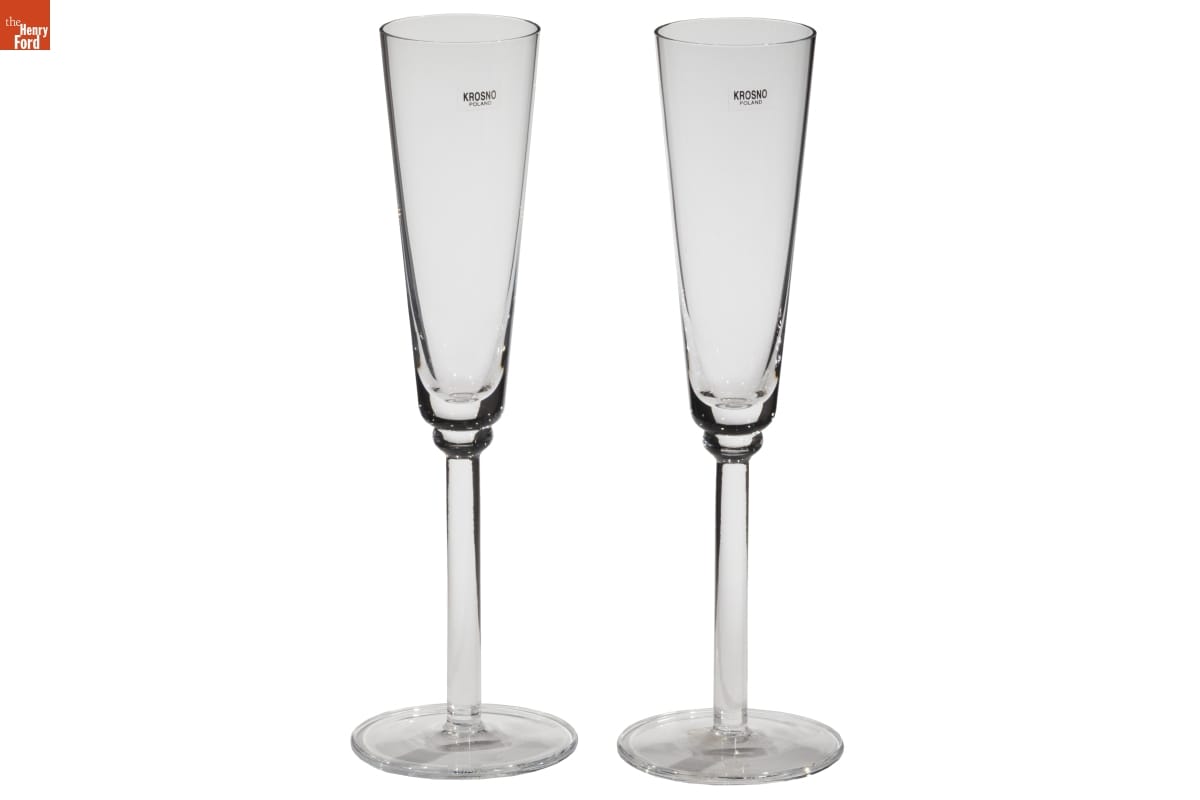
- Champagne Flutes by Krosno, 2013 - Starting in the early 1980s--and already established as an internationally recognized architect--Michael Graves began to pursue a parallel career as a product designer. Over the following three and a half decades he and his collaborators designed everything from humble household goods to limited edition luxury items for clients as diverse as Steuben, Alessi, Target, J. C. Penney, and Disney.
- 2013
- Collections - Artifact
Champagne Flutes by Krosno, 2013
Starting in the early 1980s--and already established as an internationally recognized architect--Michael Graves began to pursue a parallel career as a product designer. Over the following three and a half decades he and his collaborators designed everything from humble household goods to limited edition luxury items for clients as diverse as Steuben, Alessi, Target, J. C. Penney, and Disney.
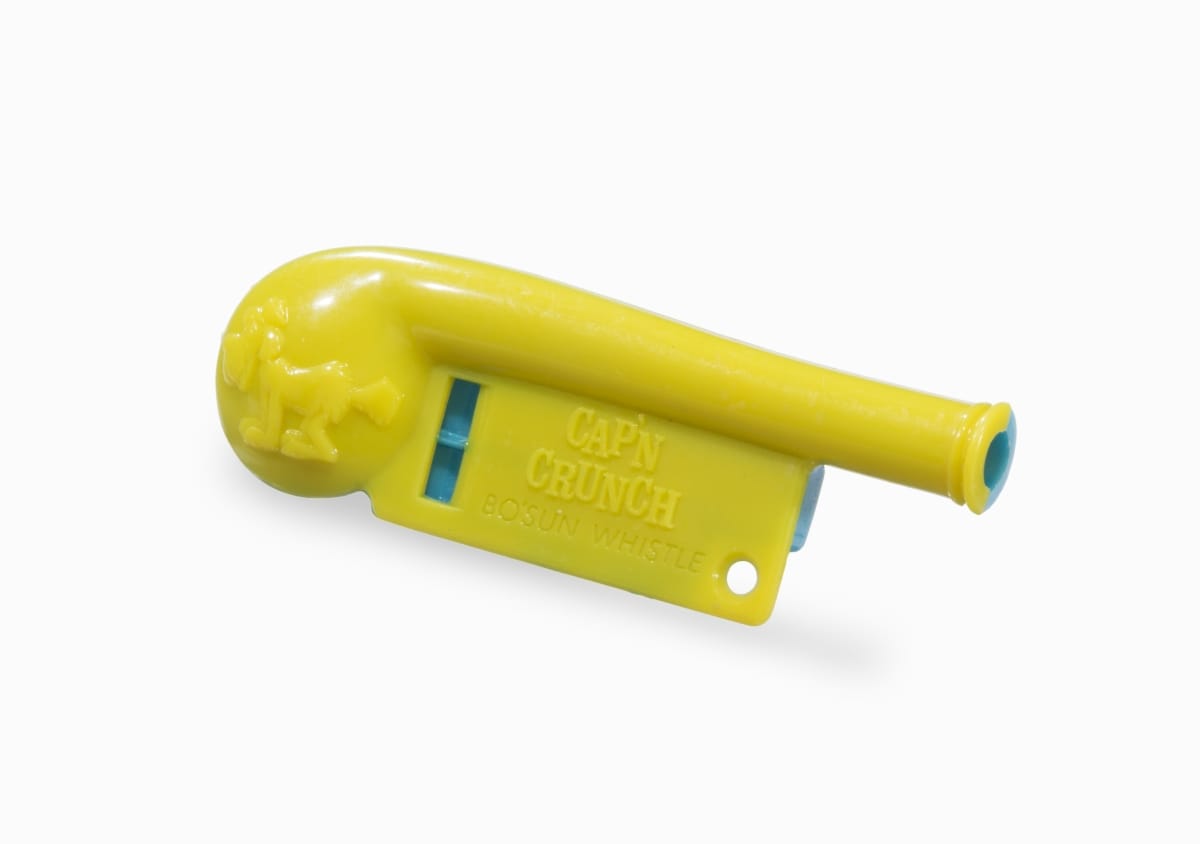
- Cap'n Crunch Bo'sun Whistle, circa 1965 - The Bo'sun Whistle was a prize included in Cap'n Crunch cereal boxes in the late-1960s. The cereal company didn't realize the whistles emitted a 2600hz tone--a sound that could trick telephone routing equipment into giving people free long-distance telephone calls. "Phone phreakers"--a group of pranksters that repurposed technology to infiltrate and test telephone system limits--prized these whistles.
- circa 1965
- Collections - Artifact
Cap'n Crunch Bo'sun Whistle, circa 1965
The Bo'sun Whistle was a prize included in Cap'n Crunch cereal boxes in the late-1960s. The cereal company didn't realize the whistles emitted a 2600hz tone--a sound that could trick telephone routing equipment into giving people free long-distance telephone calls. "Phone phreakers"--a group of pranksters that repurposed technology to infiltrate and test telephone system limits--prized these whistles.
- Tumbler, 1850-1870 - Nineteenth-century American glassmakers experimented with new methods to create products for a growing consumer market. In the 1820s, pressing glass into metal molds by machine was perfected, and by the mid-1800s, manufacturers were creating a variety of inexpensive pressed glass housewares. America's middle-class consumers could now decorate their homes with attractive glass bowls, creamers, dishes, plates, vases, and other tableware.
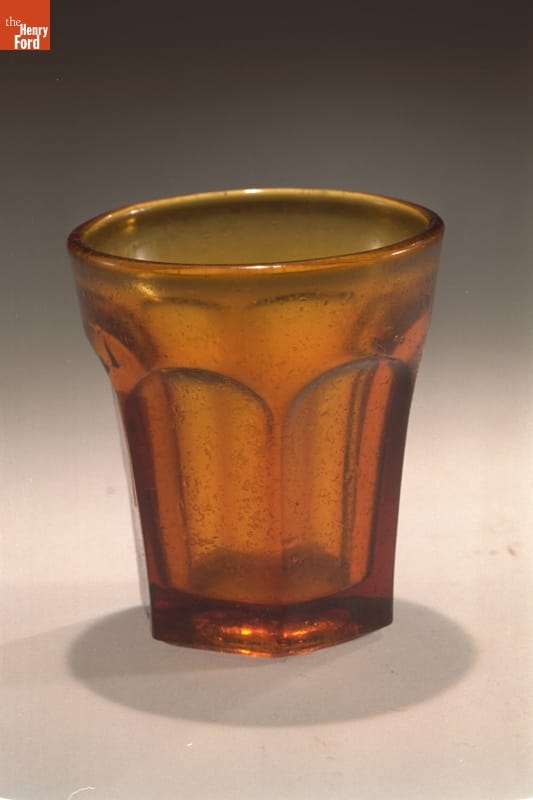
- 1850-1870
- Collections - Artifact
Tumbler, 1850-1870
Nineteenth-century American glassmakers experimented with new methods to create products for a growing consumer market. In the 1820s, pressing glass into metal molds by machine was perfected, and by the mid-1800s, manufacturers were creating a variety of inexpensive pressed glass housewares. America's middle-class consumers could now decorate their homes with attractive glass bowls, creamers, dishes, plates, vases, and other tableware.
- Tumbler, 1850-1870 - Nineteenth-century American glassmakers experimented with new methods to create products for a growing consumer market. In the 1820s, pressing glass into metal molds by machine was perfected, and by the mid-1800s, manufacturers were creating a variety of inexpensive pressed glass housewares. America's middle-class consumers could now decorate their homes with attractive glass bowls, creamers, dishes, plates, vases, and other tableware.
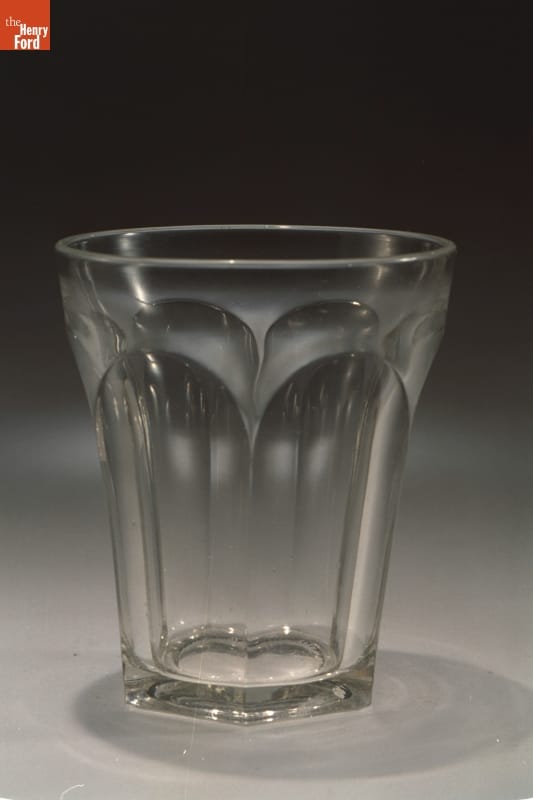
- 1850-1870
- Collections - Artifact
Tumbler, 1850-1870
Nineteenth-century American glassmakers experimented with new methods to create products for a growing consumer market. In the 1820s, pressing glass into metal molds by machine was perfected, and by the mid-1800s, manufacturers were creating a variety of inexpensive pressed glass housewares. America's middle-class consumers could now decorate their homes with attractive glass bowls, creamers, dishes, plates, vases, and other tableware.
- Glass Tumbler, 1875-1930 - Nineteenth-century American glassmakers experimented with new methods to create products for a growing consumer market. In the 1820s, pressing glass into metal molds by machine was perfected, and by the mid-1800s, manufacturers were creating a variety of inexpensive pressed glass housewares. America's middle-class consumers could now decorate their homes with attractive glass bowls, creamers, dishes, plates, vases, and other tableware.
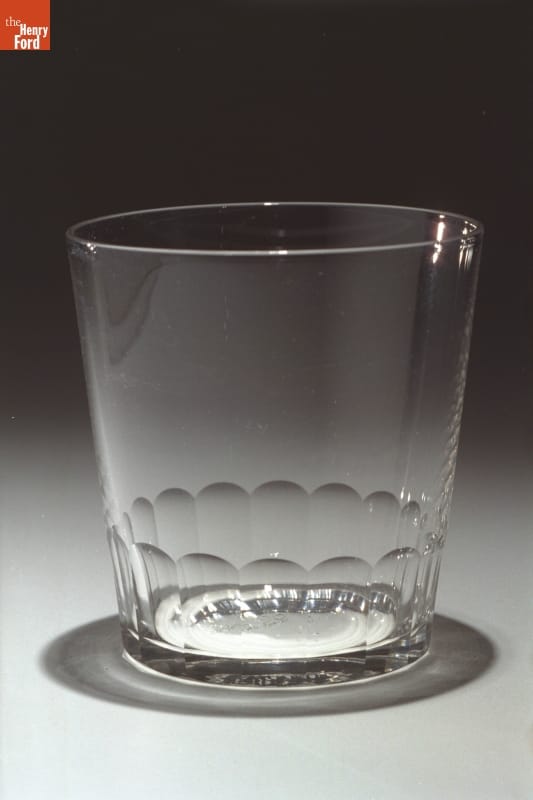
- 1875-1930
- Collections - Artifact
Glass Tumbler, 1875-1930
Nineteenth-century American glassmakers experimented with new methods to create products for a growing consumer market. In the 1820s, pressing glass into metal molds by machine was perfected, and by the mid-1800s, manufacturers were creating a variety of inexpensive pressed glass housewares. America's middle-class consumers could now decorate their homes with attractive glass bowls, creamers, dishes, plates, vases, and other tableware.
- The Tonette Company "Swanson Tonette" Flute, circa 1938 -
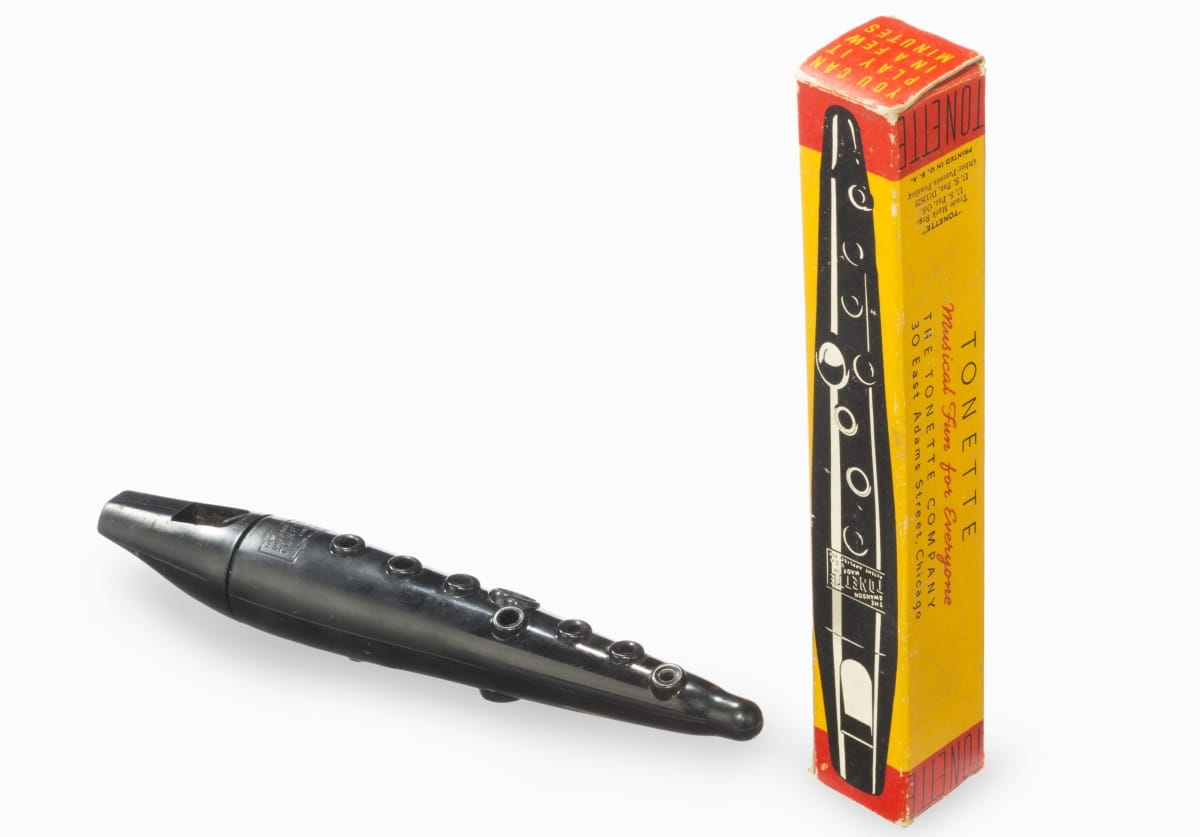
- circa 1938
- Collections - Artifact
The Tonette Company "Swanson Tonette" Flute, circa 1938
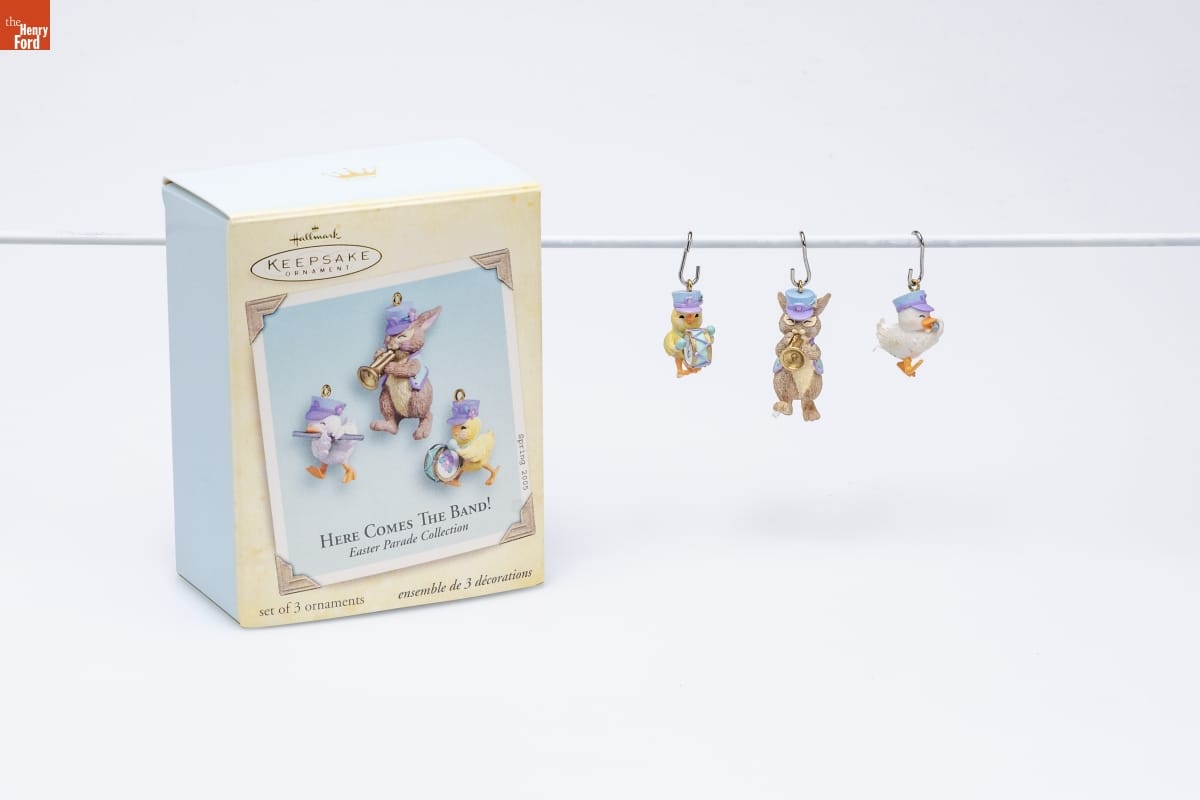
- Hallmark "Easter Parade Collection: Here Comes the Band" Spring Ornaments, 2005 - Hallmark introduced a line of Christmas ornaments in 1973. These ornaments appealed to customers' interest in marking memories, commemorating milestones, and expressing one's personality and unique tastes. This success led the company to produce ornaments for other holidays. Hallmark marketed and sold Easter and springtime ornaments in several series dating back to the 1990s.
- 2005
- Collections - Artifact
Hallmark "Easter Parade Collection: Here Comes the Band" Spring Ornaments, 2005
Hallmark introduced a line of Christmas ornaments in 1973. These ornaments appealed to customers' interest in marking memories, commemorating milestones, and expressing one's personality and unique tastes. This success led the company to produce ornaments for other holidays. Hallmark marketed and sold Easter and springtime ornaments in several series dating back to the 1990s.
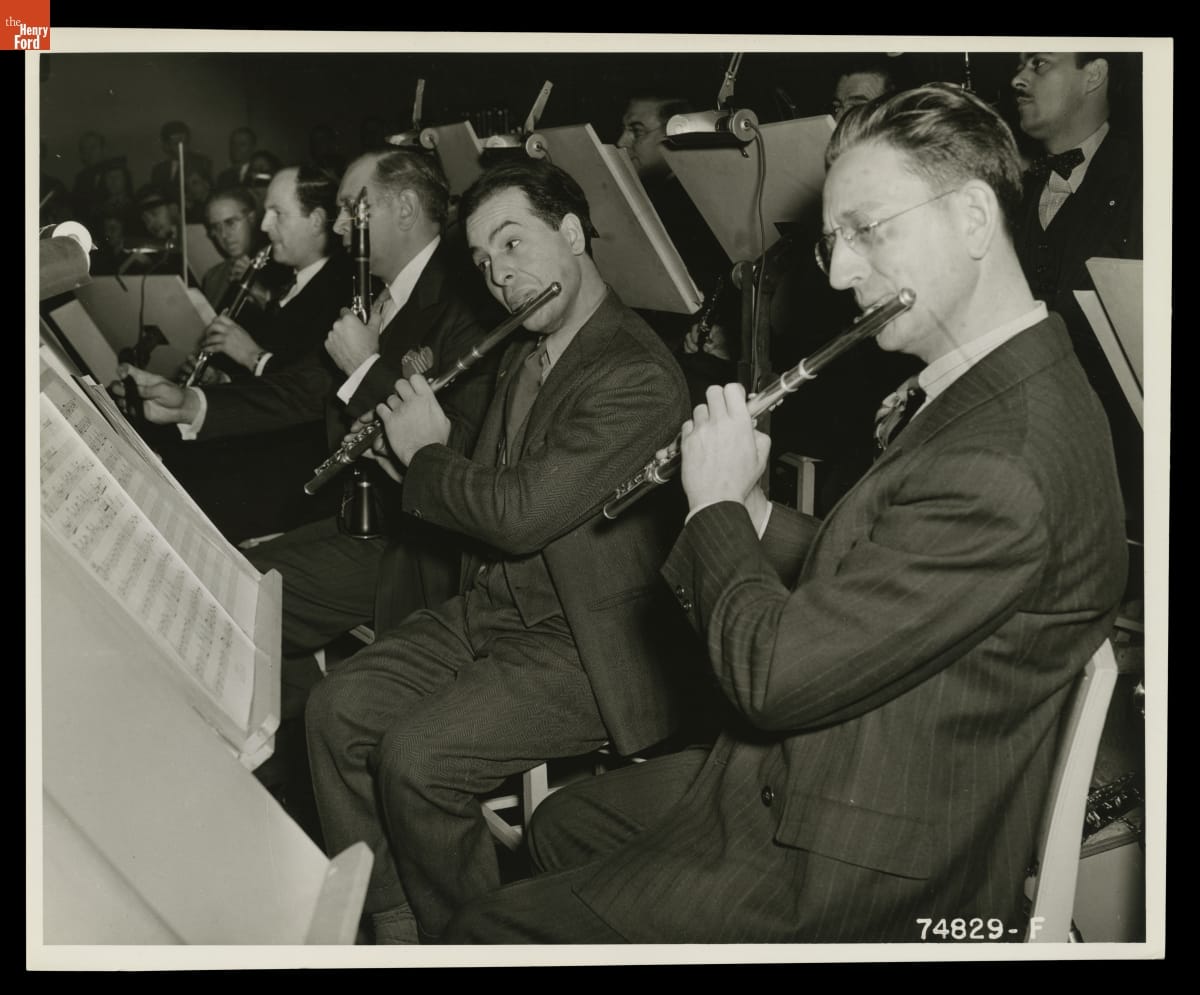
- Ford Sunday Evening Hour Orchestra Flute Section Rehearsal, January 11, 1941 - Launched in 1934, the Ford Sunday Evening Hour radio program featured classical music, guest soloists and conductors, and a weekly talk during intermission. CBS broadcasted the show live over its radio network. Members of the Detroit Symphony Orchestra -- under the name Ford Symphony Orchestra -- played musical pieces. Flutist Carmine Coppola (center), father of Francis Ford Coppola, played with the orchestra in 1941.
- January 11, 1941
- Collections - Artifact
Ford Sunday Evening Hour Orchestra Flute Section Rehearsal, January 11, 1941
Launched in 1934, the Ford Sunday Evening Hour radio program featured classical music, guest soloists and conductors, and a weekly talk during intermission. CBS broadcasted the show live over its radio network. Members of the Detroit Symphony Orchestra -- under the name Ford Symphony Orchestra -- played musical pieces. Flutist Carmine Coppola (center), father of Francis Ford Coppola, played with the orchestra in 1941.