
Search
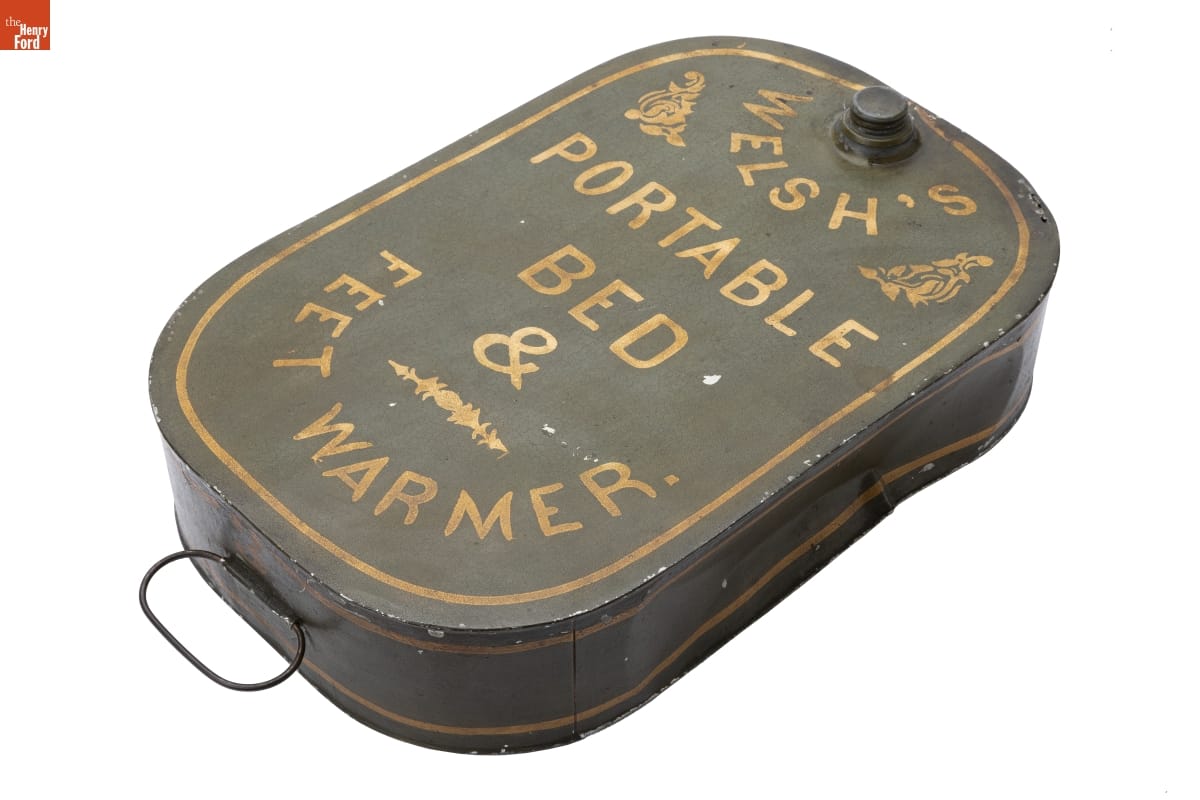
- Welsh's Bed and Feet Warmer - Foot warmers solved the problem of cold feet in past generations. Some warmers held charcoal, others held hot water. Pottery, tin, and soapstone were the favored materials to conduct the heat. The warmer was kept under the feet, then the legs and feet were tucked into a blanket, providing welcome warmth in a cold carriage or unheated church.
- Collections - Artifact
Welsh's Bed and Feet Warmer
Foot warmers solved the problem of cold feet in past generations. Some warmers held charcoal, others held hot water. Pottery, tin, and soapstone were the favored materials to conduct the heat. The warmer was kept under the feet, then the legs and feet were tucked into a blanket, providing welcome warmth in a cold carriage or unheated church.
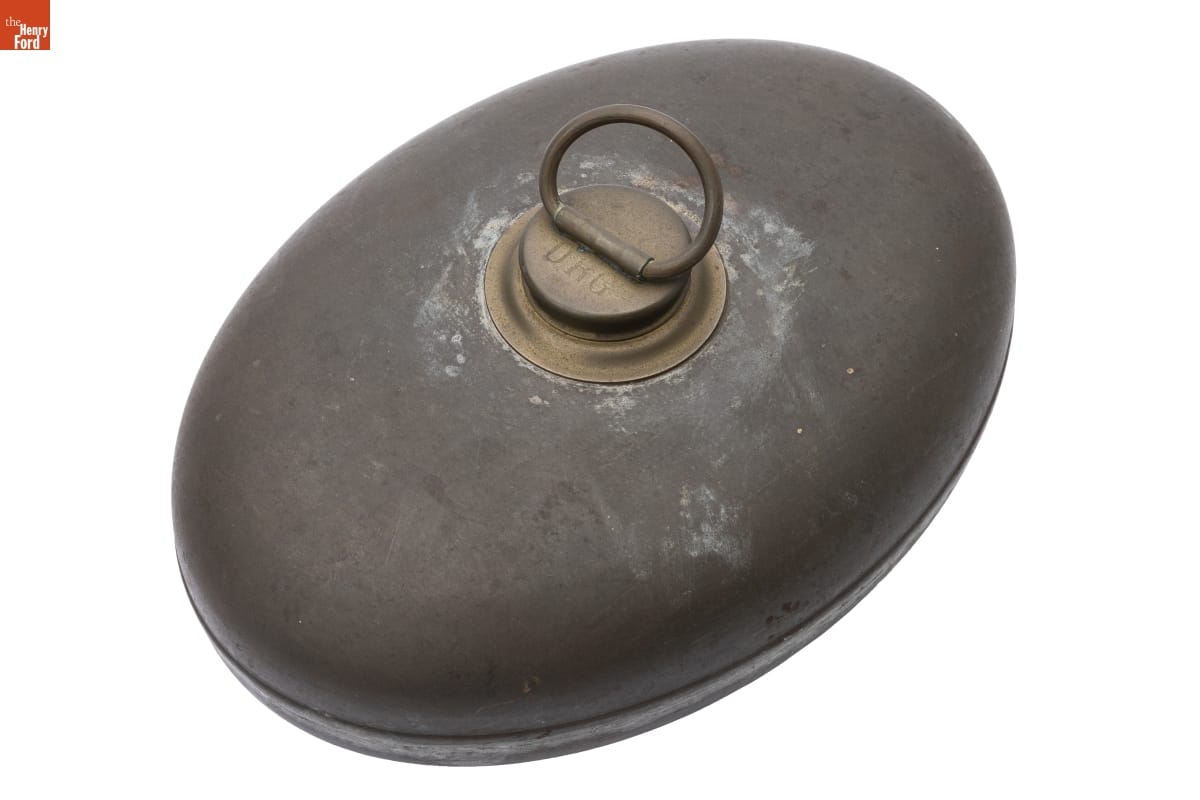
- Foot Warmer, 1800-1840 - Foot warmers solved the problem of cold feet in past generations. Some warmers held charcoal, others held hot water. Pottery, tin, and soapstone were the favored materials to conduct the heat. The warmer was kept under the feet, then the legs and feet were tucked into a blanket, providing welcome warmth in a cold carriage or unheated church.
- 1800-1840
- Collections - Artifact
Foot Warmer, 1800-1840
Foot warmers solved the problem of cold feet in past generations. Some warmers held charcoal, others held hot water. Pottery, tin, and soapstone were the favored materials to conduct the heat. The warmer was kept under the feet, then the legs and feet were tucked into a blanket, providing welcome warmth in a cold carriage or unheated church.
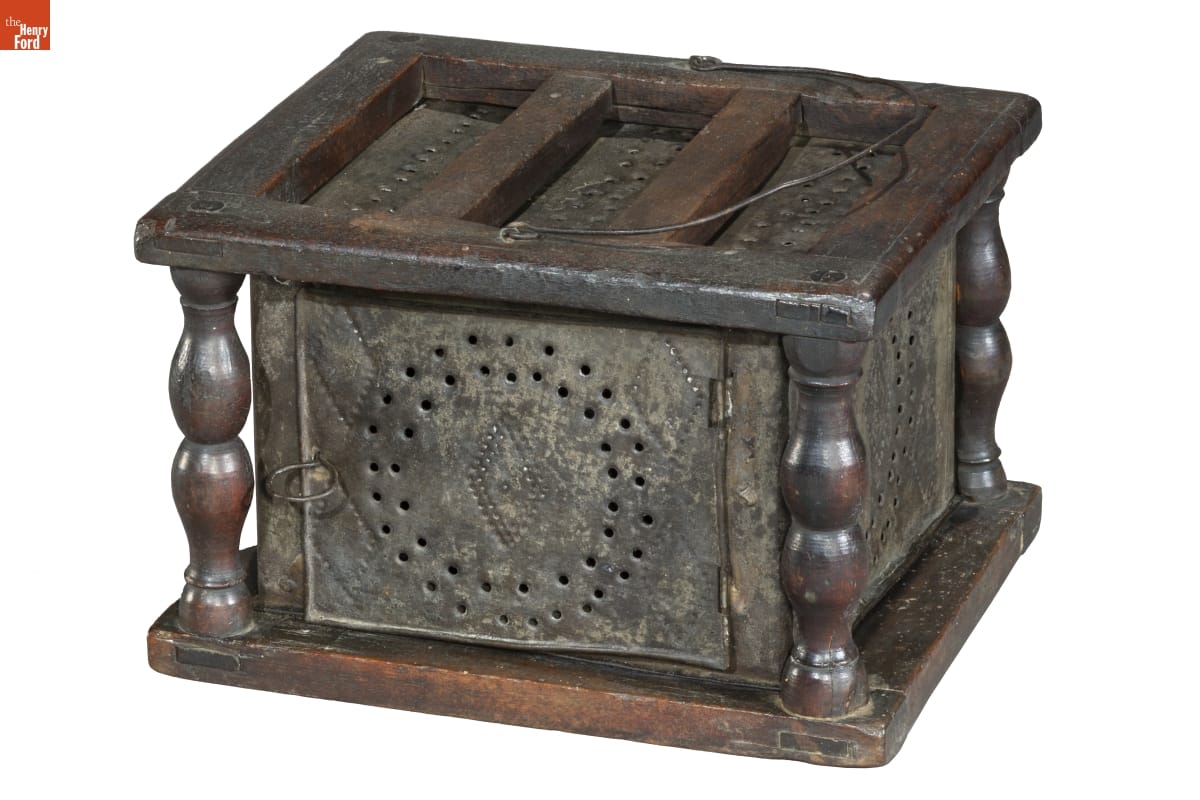
- Footwarmer, 1830-1860 - Nineteenth-century Americans filled this footwarmer's punched tin box with hot coals or charcoal to help keep their feet warm. People placed the footwarmer under their feet then wrapped a blanket around their legs, providing welcomed warmth when out for a carriage ride or attending church on a cold day. Other footwarmers used hot water or heated soapstone to solve the problem of cold feet.
- 1830-1860
- Collections - Artifact
Footwarmer, 1830-1860
Nineteenth-century Americans filled this footwarmer's punched tin box with hot coals or charcoal to help keep their feet warm. People placed the footwarmer under their feet then wrapped a blanket around their legs, providing welcomed warmth when out for a carriage ride or attending church on a cold day. Other footwarmers used hot water or heated soapstone to solve the problem of cold feet.
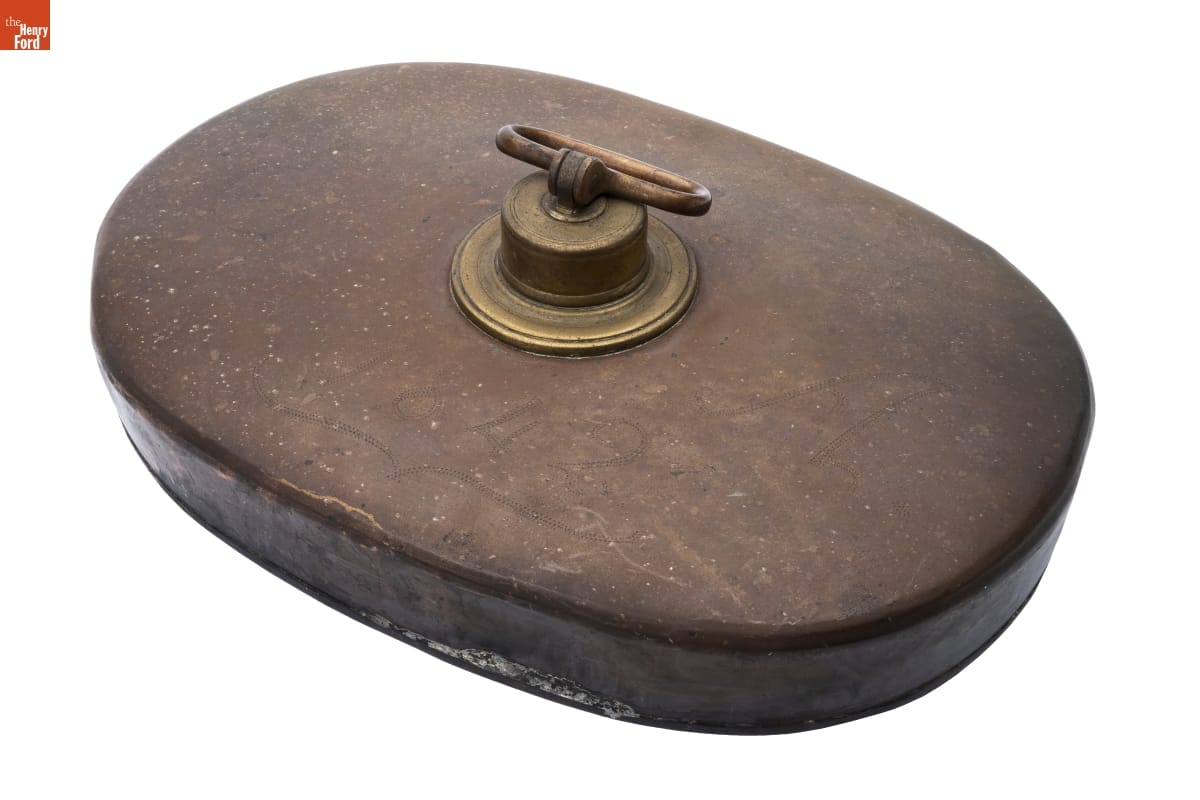
- Foot or Bed Warmer, 1842 - Foot warmers solved the problem of cold feet in past generations. Some warmers held charcoal, others held hot water. Pottery, tin, and soapstone were the favored materials to conduct the heat. The warmer was kept under the feet, then the legs and feet were tucked into a blanket, providing welcome warmth in a cold carriage or unheated church.
- 1842
- Collections - Artifact
Foot or Bed Warmer, 1842
Foot warmers solved the problem of cold feet in past generations. Some warmers held charcoal, others held hot water. Pottery, tin, and soapstone were the favored materials to conduct the heat. The warmer was kept under the feet, then the legs and feet were tucked into a blanket, providing welcome warmth in a cold carriage or unheated church.
- Stoneware Foot Warmer, 1840-1860 - Foot warmers solved the problem of cold feet in past generations. Some warmers held charcoal, others held hot water. Pottery, tin, and soapstone were the favored materials to conduct the heat. The warmer was kept under the feet, then the legs and feet were tucked into a blanket, providing welcome warmth in a cold carriage or unheated church.
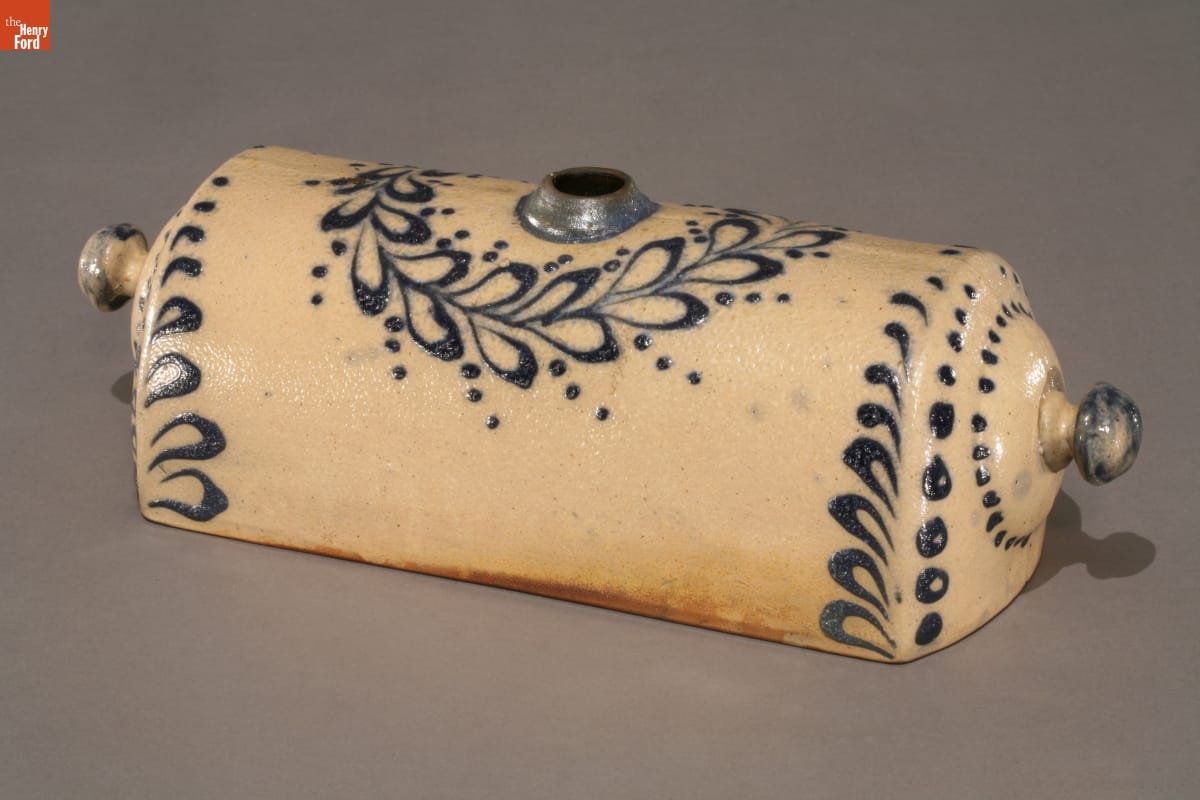
- 1840-1860
- Collections - Artifact
Stoneware Foot Warmer, 1840-1860
Foot warmers solved the problem of cold feet in past generations. Some warmers held charcoal, others held hot water. Pottery, tin, and soapstone were the favored materials to conduct the heat. The warmer was kept under the feet, then the legs and feet were tucked into a blanket, providing welcome warmth in a cold carriage or unheated church.
- Foot Warmer - Foot warmers solved the problem of cold feet in past generations. Some warmers held charcoal, others held hot water. Pottery, tin, and soapstone were the favored materials to conduct the heat. The warmer was kept under the feet, then the legs and feet were tucked into a blanket, providing welcome warmth in a cold carriage or unheated church.
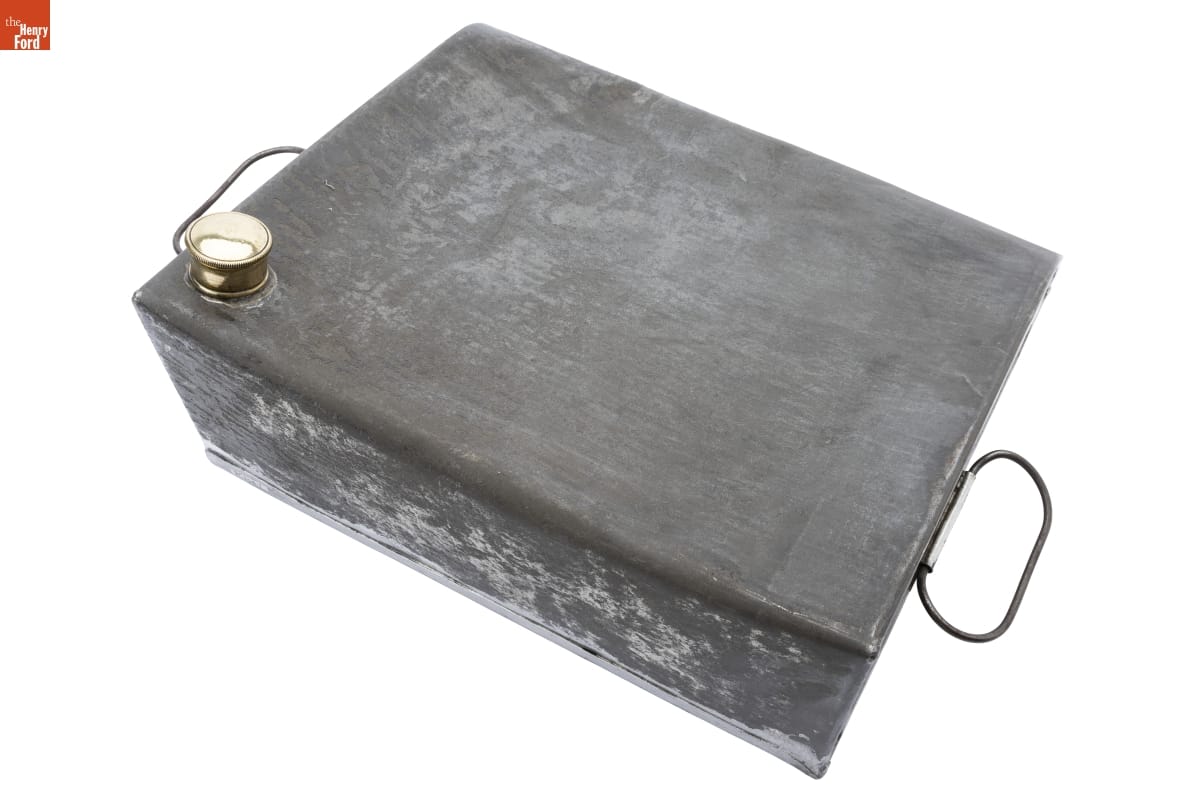
- Collections - Artifact
Foot Warmer
Foot warmers solved the problem of cold feet in past generations. Some warmers held charcoal, others held hot water. Pottery, tin, and soapstone were the favored materials to conduct the heat. The warmer was kept under the feet, then the legs and feet were tucked into a blanket, providing welcome warmth in a cold carriage or unheated church.
- Foot or Bed Warmer - Foot warmers solved the problem of cold feet in past generations. Some warmers held charcoal, others held hot water. Pottery, tin, and soapstone were the favored materials to conduct the heat. The warmer was kept under the feet, then the legs and feet were tucked into a blanket, providing welcome warmth in a cold carriage or unheated church.
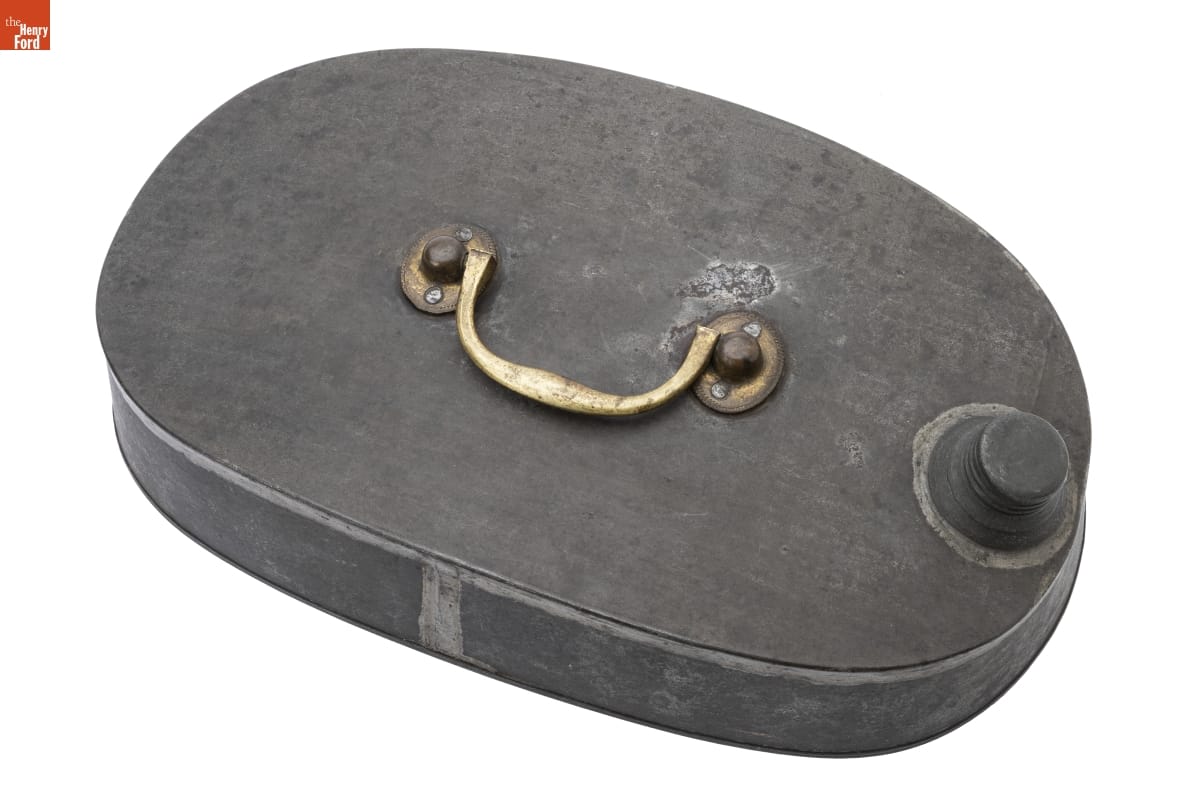
- Collections - Artifact
Foot or Bed Warmer
Foot warmers solved the problem of cold feet in past generations. Some warmers held charcoal, others held hot water. Pottery, tin, and soapstone were the favored materials to conduct the heat. The warmer was kept under the feet, then the legs and feet were tucked into a blanket, providing welcome warmth in a cold carriage or unheated church.