
Search
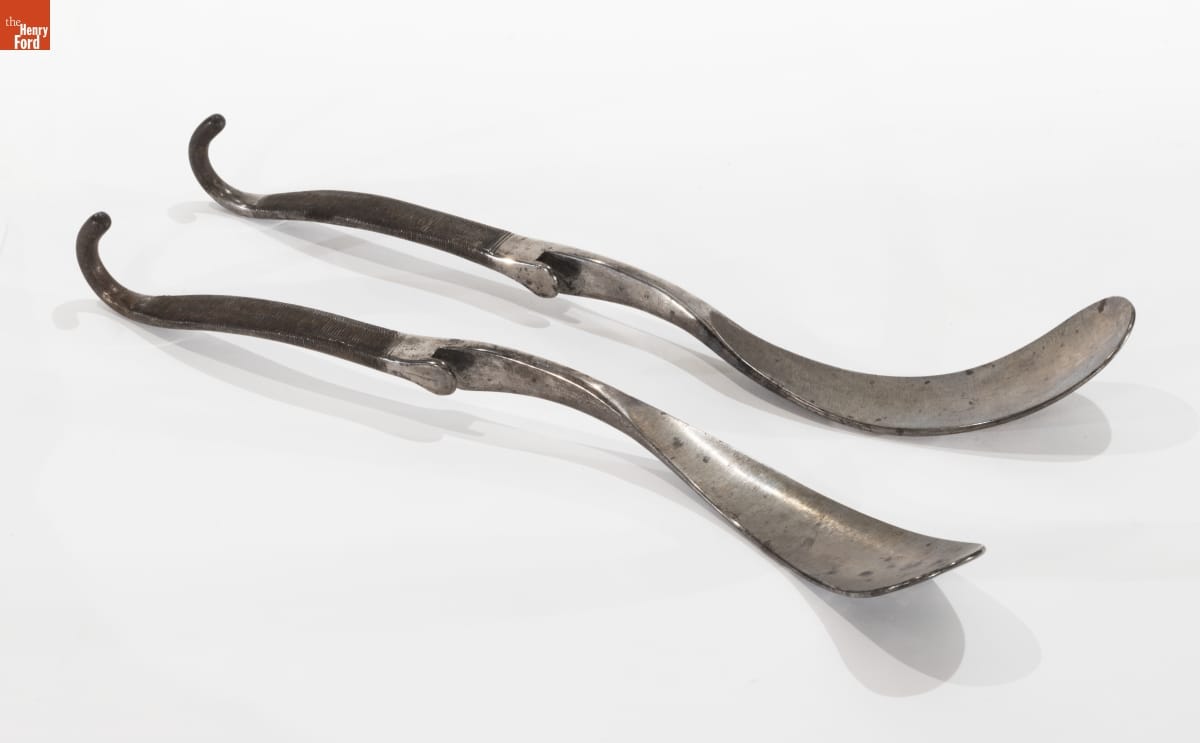
- Obstetric Forceps, circa 1852 -
- circa 1852
- Collections - Artifact
Obstetric Forceps, circa 1852
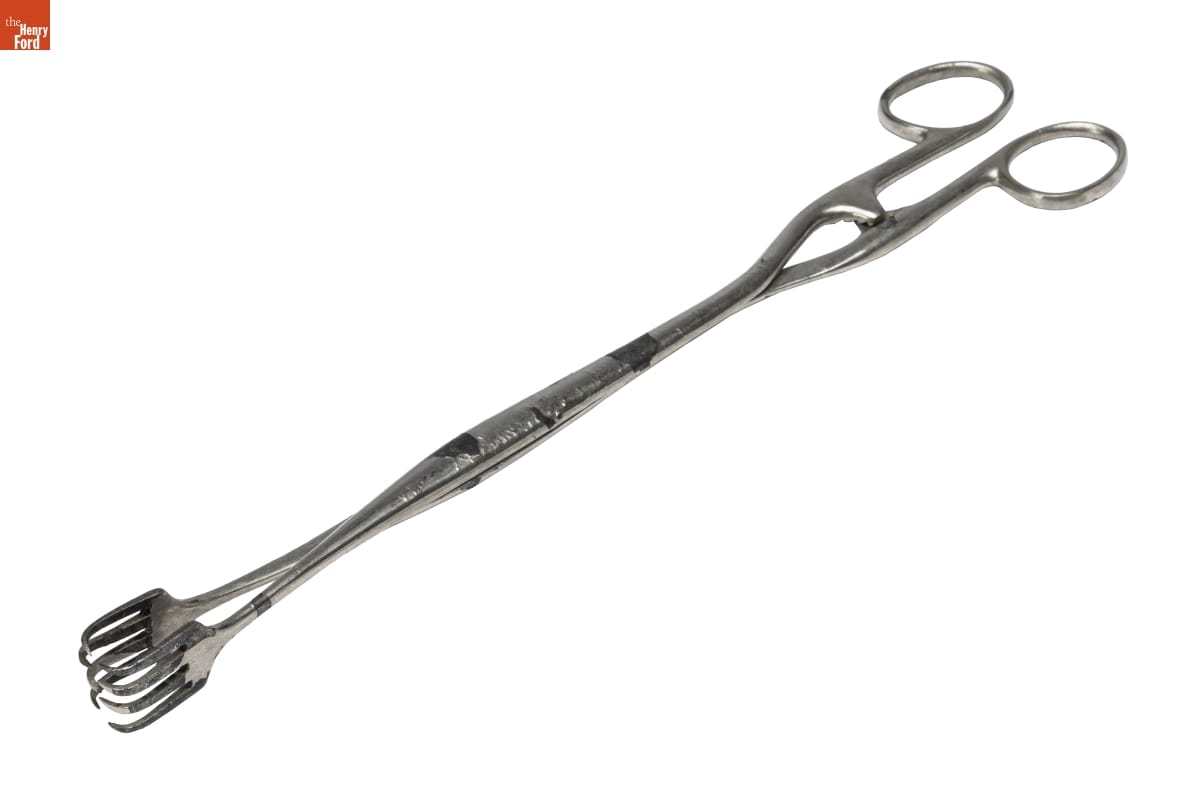
- Forceps - Veterinarians sometimes perform surgery on sick or injured animals. They use specially designed tools like traction forceps to grasp and hold the patient's tissue. The ratcheted locking system on the long handle ensures a firm grip on the delicate tissue until disengaged.
- Collections - Artifact
Forceps
Veterinarians sometimes perform surgery on sick or injured animals. They use specially designed tools like traction forceps to grasp and hold the patient's tissue. The ratcheted locking system on the long handle ensures a firm grip on the delicate tissue until disengaged.
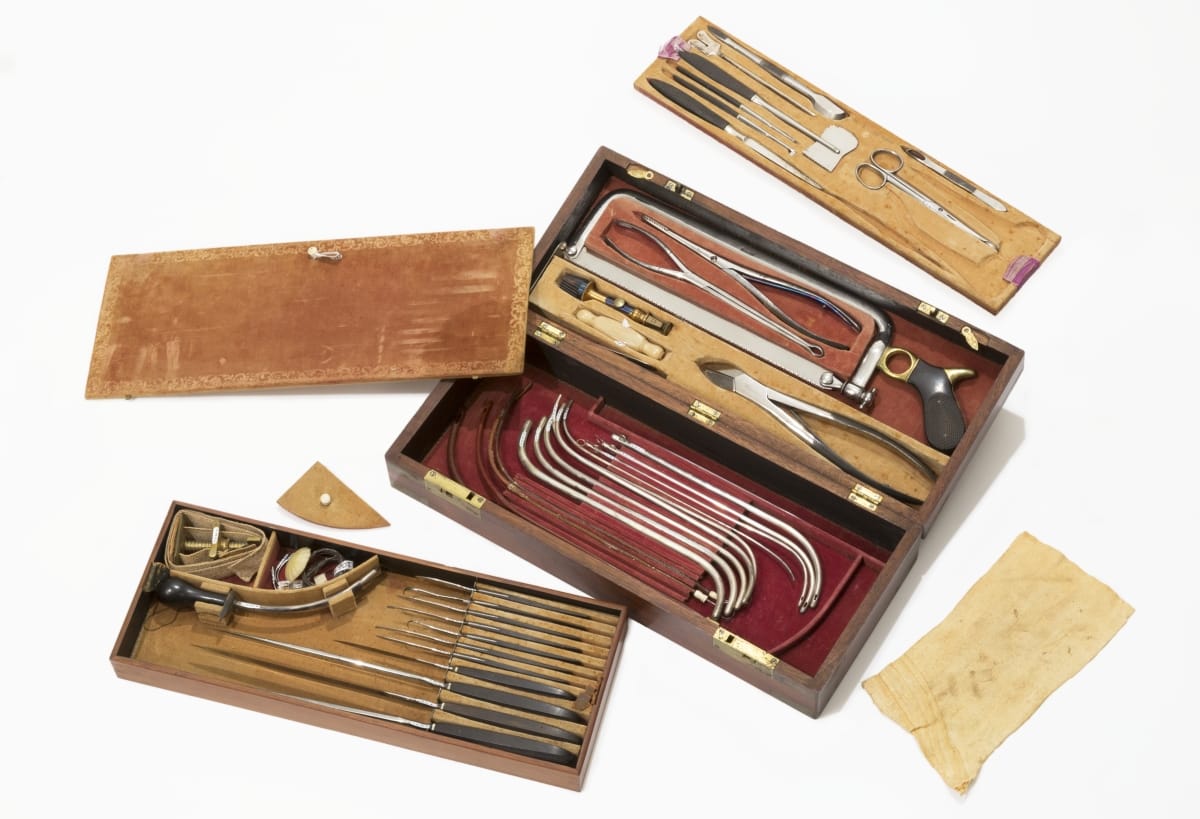
- Civil War Surgeon's Field Operating Kit, circa 1863 -
- circa 1863
- Collections - Artifact
Civil War Surgeon's Field Operating Kit, circa 1863
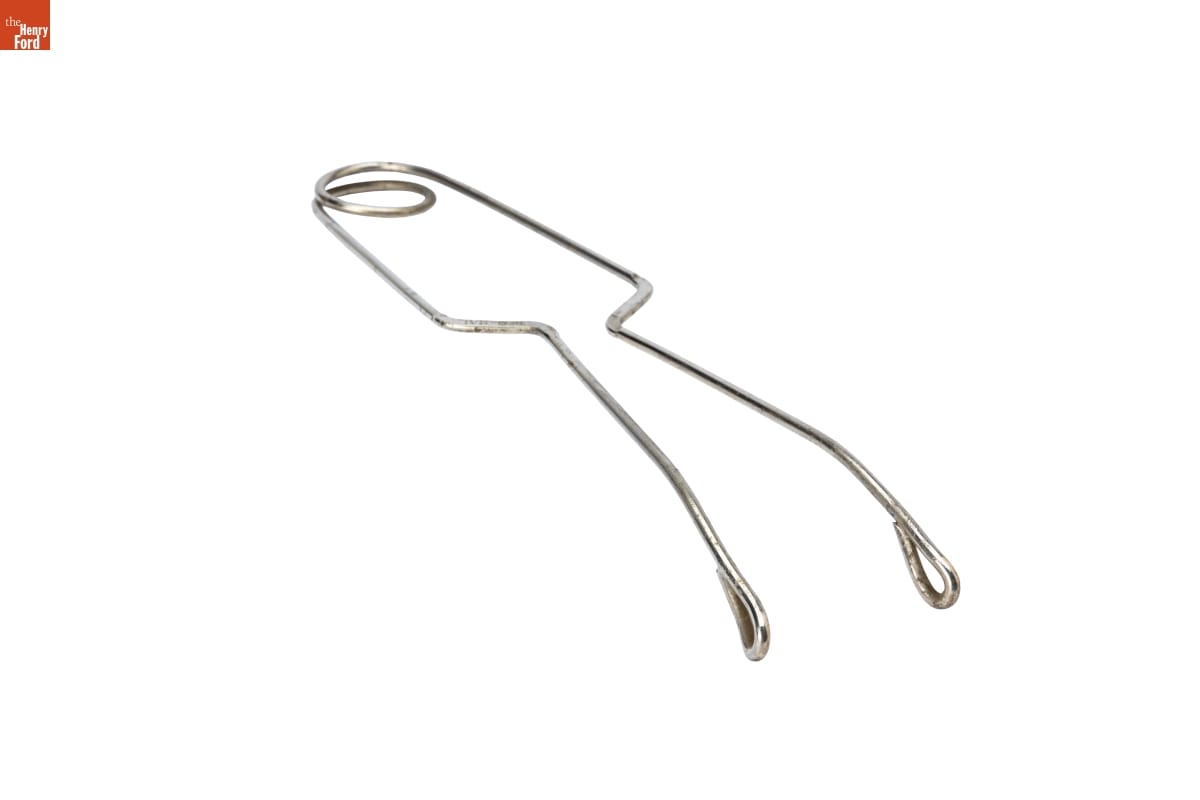
- Forceps, circa 1920 -
- circa 1920
- Collections - Artifact
Forceps, circa 1920
- Dental Forceps Used in Dr. Sullivan Jackson's Dental Office, Selma, Alabama -
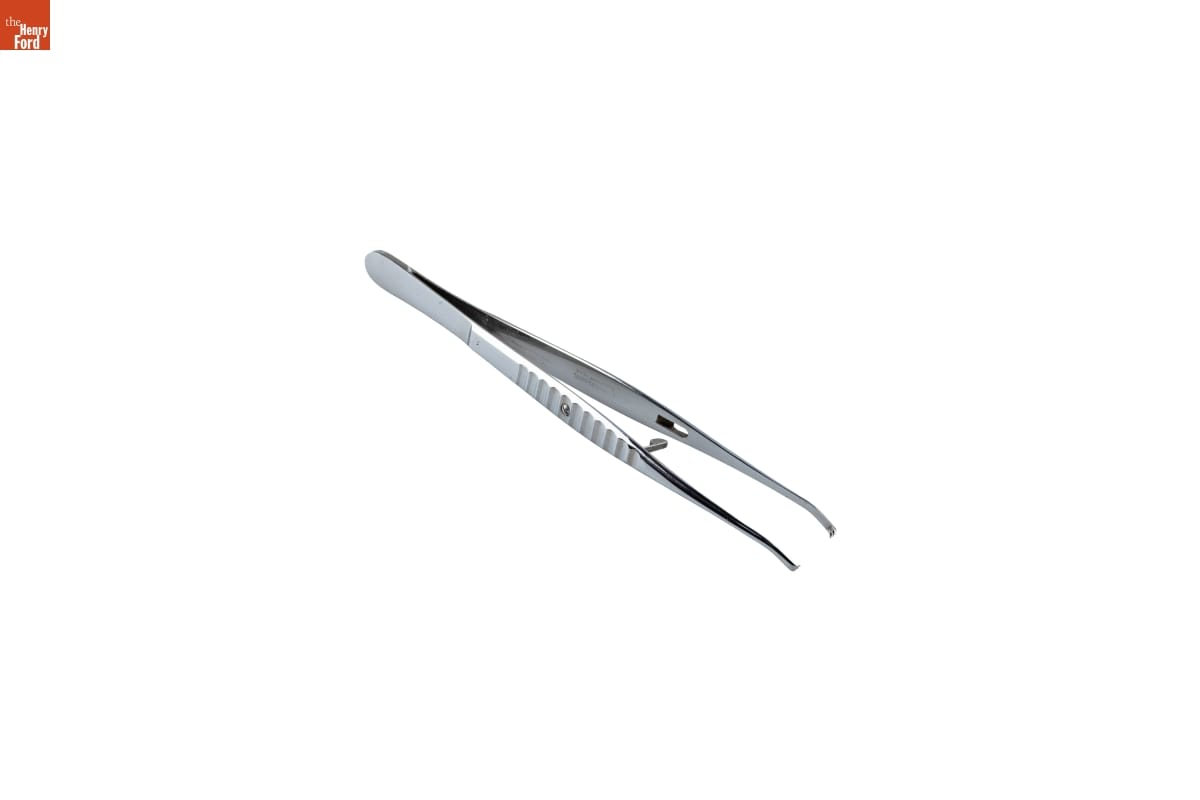
- 1960-1979
- Collections - Artifact
Dental Forceps Used in Dr. Sullivan Jackson's Dental Office, Selma, Alabama
- Hemostat Forceps Used in Dr. Sullivan Jackson's Dental Office, Selma, Alabama -
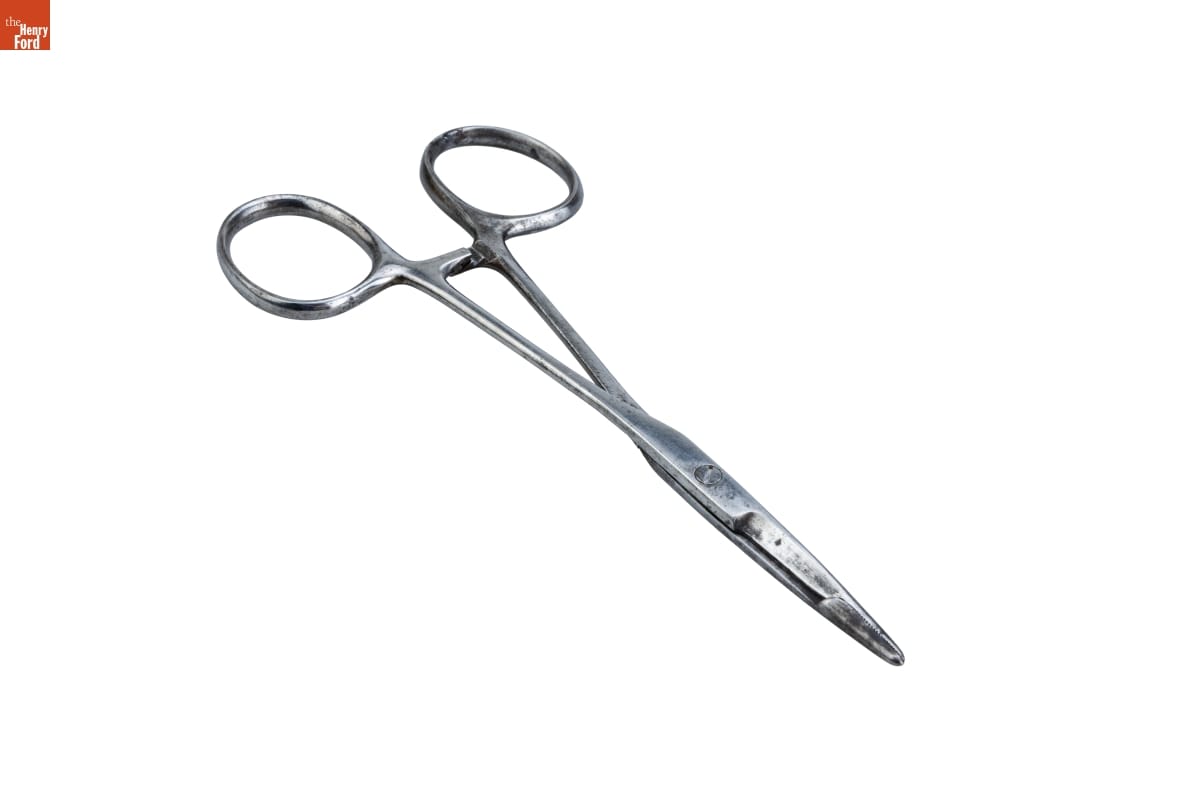
- 1960-1979
- Collections - Artifact
Hemostat Forceps Used in Dr. Sullivan Jackson's Dental Office, Selma, Alabama
- Obstetrical Forceps, circa 1910 - Many domesticated farm animals (such as hogs, sheep, or goats) give birth naturally without assistance. Veterinarians, however, may intervene if the fetus is not in the correct position, or the mother is having difficulty. Veterinarians may use obstetrical forceps to rotate the fetus or help guide it through the birth canal.
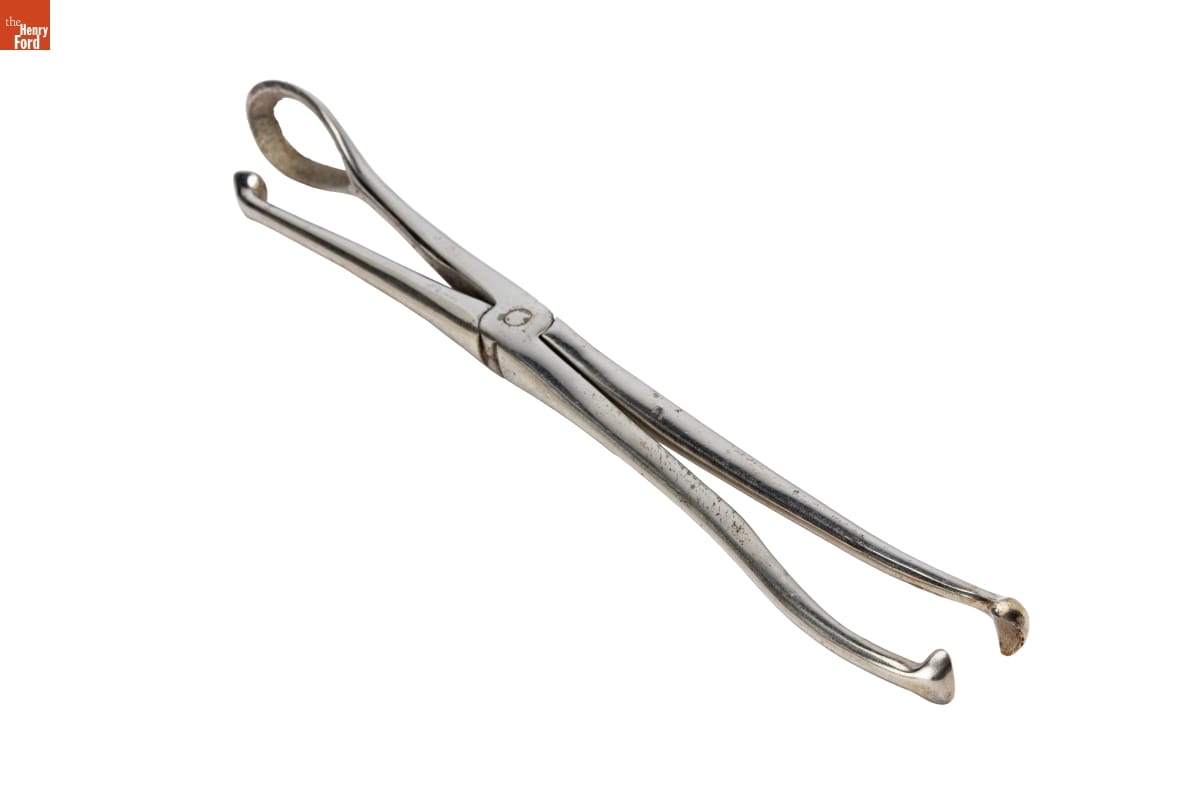
- circa 1910
- Collections - Artifact
Obstetrical Forceps, circa 1910
Many domesticated farm animals (such as hogs, sheep, or goats) give birth naturally without assistance. Veterinarians, however, may intervene if the fetus is not in the correct position, or the mother is having difficulty. Veterinarians may use obstetrical forceps to rotate the fetus or help guide it through the birth canal.
- Obstetrical Forceps, circa 1920 - Many domesticated farm animals (such as hogs, sheep, or goats) give birth naturally without assistance. Veterinarians, however, may intervene if the fetus is not in the correct position, or the mother is having difficulty. Veterinarians may use obstetrical forceps to rotate the fetus or help guide it through the birth canal.
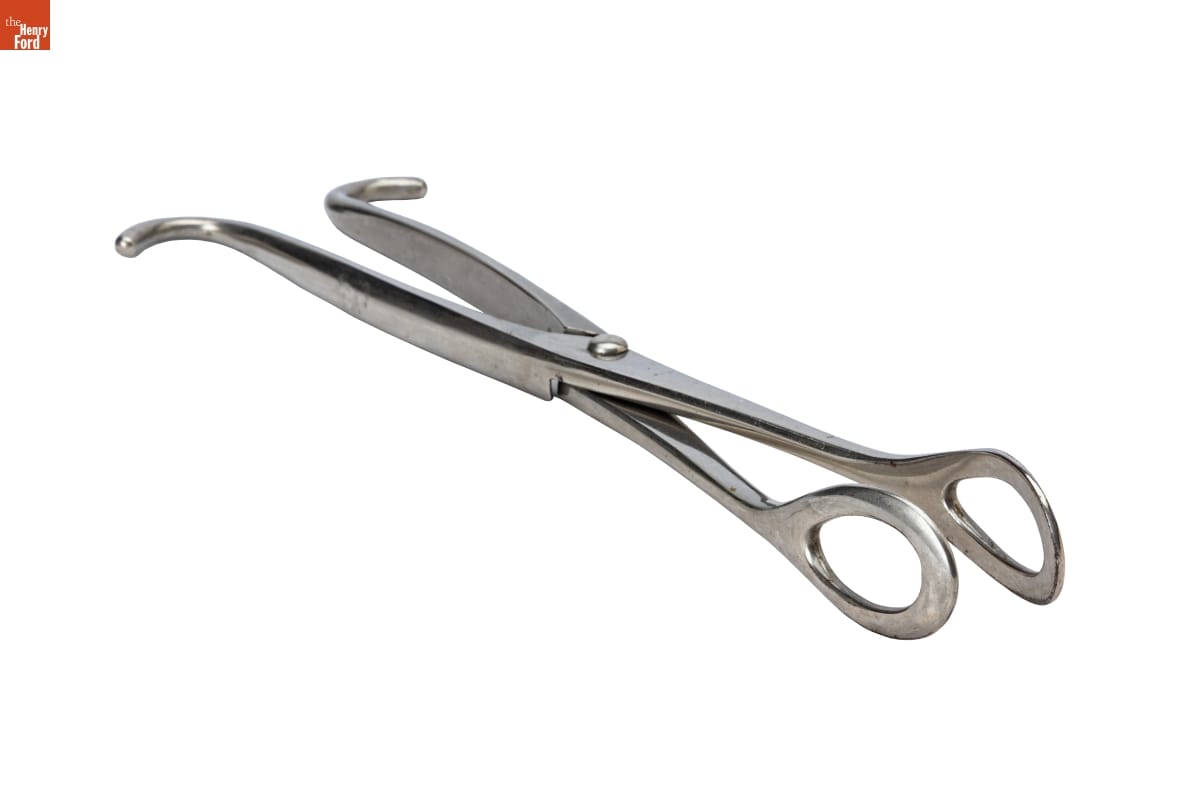
- circa 1920
- Collections - Artifact
Obstetrical Forceps, circa 1920
Many domesticated farm animals (such as hogs, sheep, or goats) give birth naturally without assistance. Veterinarians, however, may intervene if the fetus is not in the correct position, or the mother is having difficulty. Veterinarians may use obstetrical forceps to rotate the fetus or help guide it through the birth canal.
- Obstetrical Forceps, circa 1920 - Many domesticated farm animals (such as hogs, sheep, or goats) give birth naturally without assistance. Veterinarians, however, may intervene if the fetus is not in the correct position, or the mother is having difficulty. Veterinarians may use obstetrical forceps to rotate the fetus or help guide it through the birth canal.
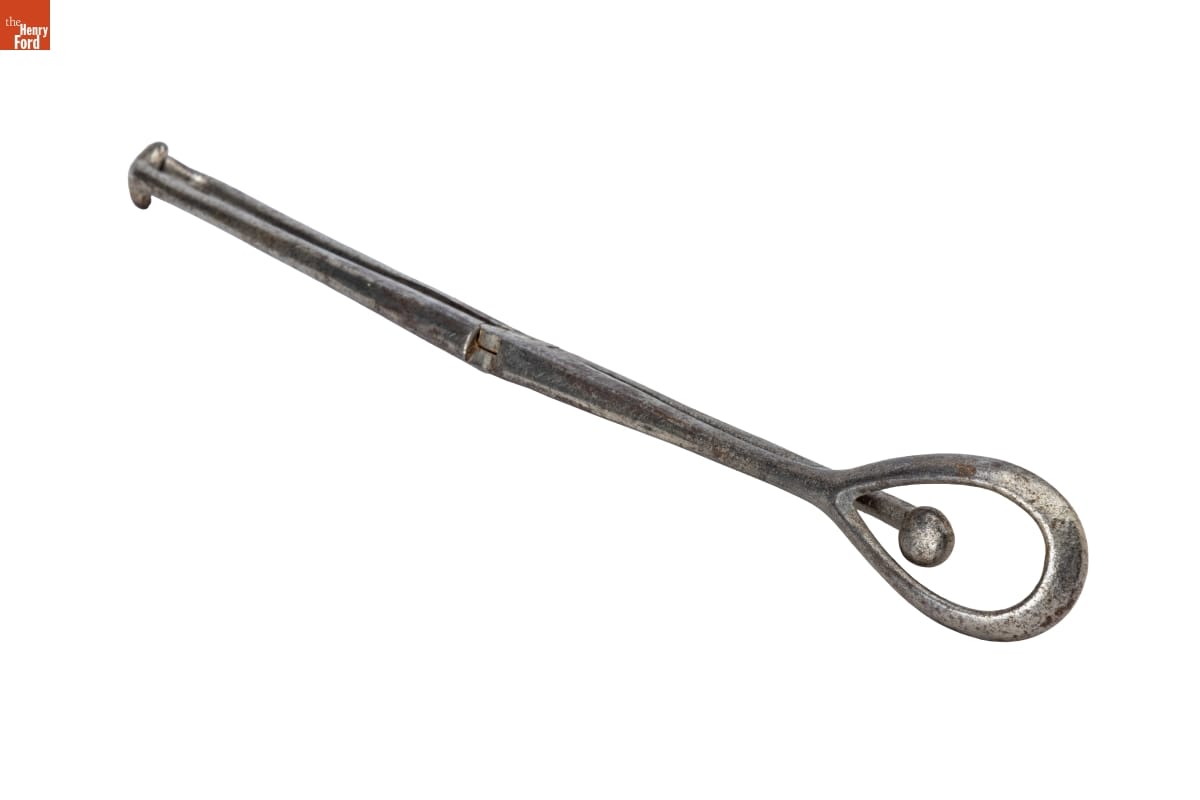
- circa 1920
- Collections - Artifact
Obstetrical Forceps, circa 1920
Many domesticated farm animals (such as hogs, sheep, or goats) give birth naturally without assistance. Veterinarians, however, may intervene if the fetus is not in the correct position, or the mother is having difficulty. Veterinarians may use obstetrical forceps to rotate the fetus or help guide it through the birth canal.
- Forceps, circa 1920 - Veterinarians sometimes perform surgery on sick or injured animals. They use specially designed tools like traction forceps to grasp and hold the patient's tissue. The ratcheted locking system on the long handle ensures a firm grip on the delicate tissue until disengaged.
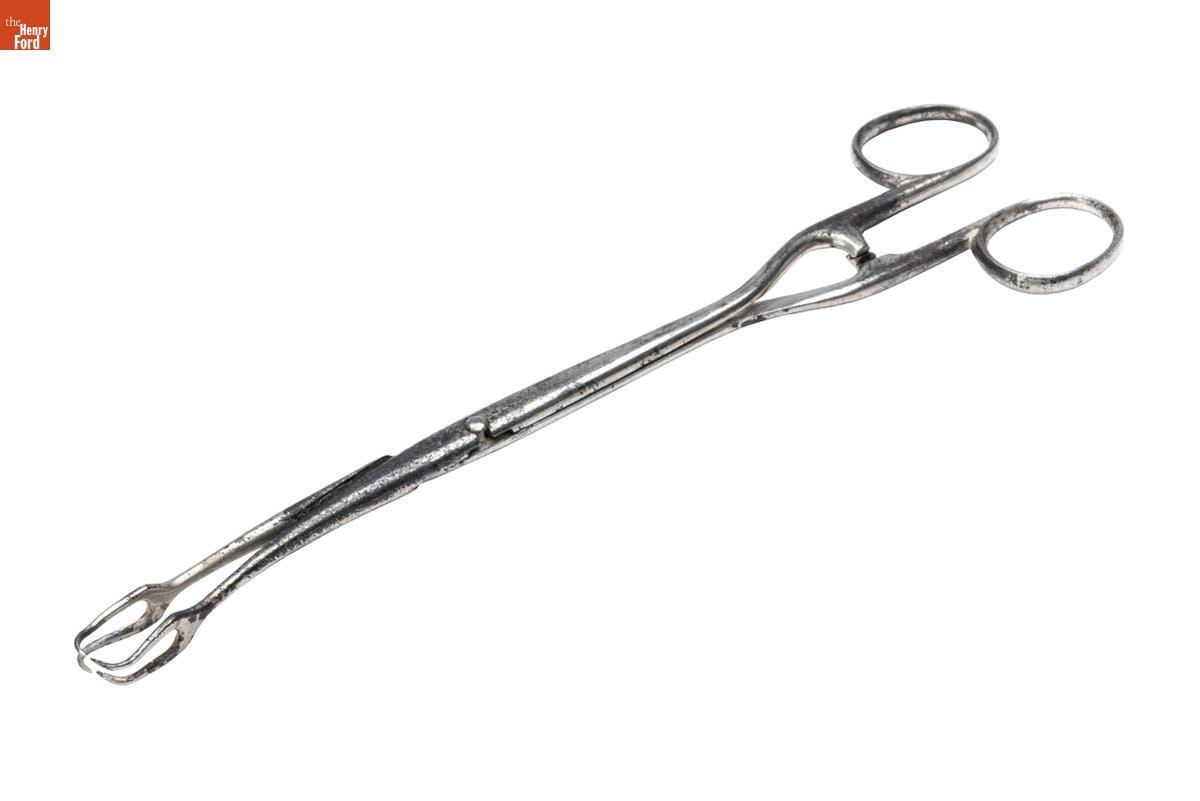
- circa 1920
- Collections - Artifact
Forceps, circa 1920
Veterinarians sometimes perform surgery on sick or injured animals. They use specially designed tools like traction forceps to grasp and hold the patient's tissue. The ratcheted locking system on the long handle ensures a firm grip on the delicate tissue until disengaged.