
Search
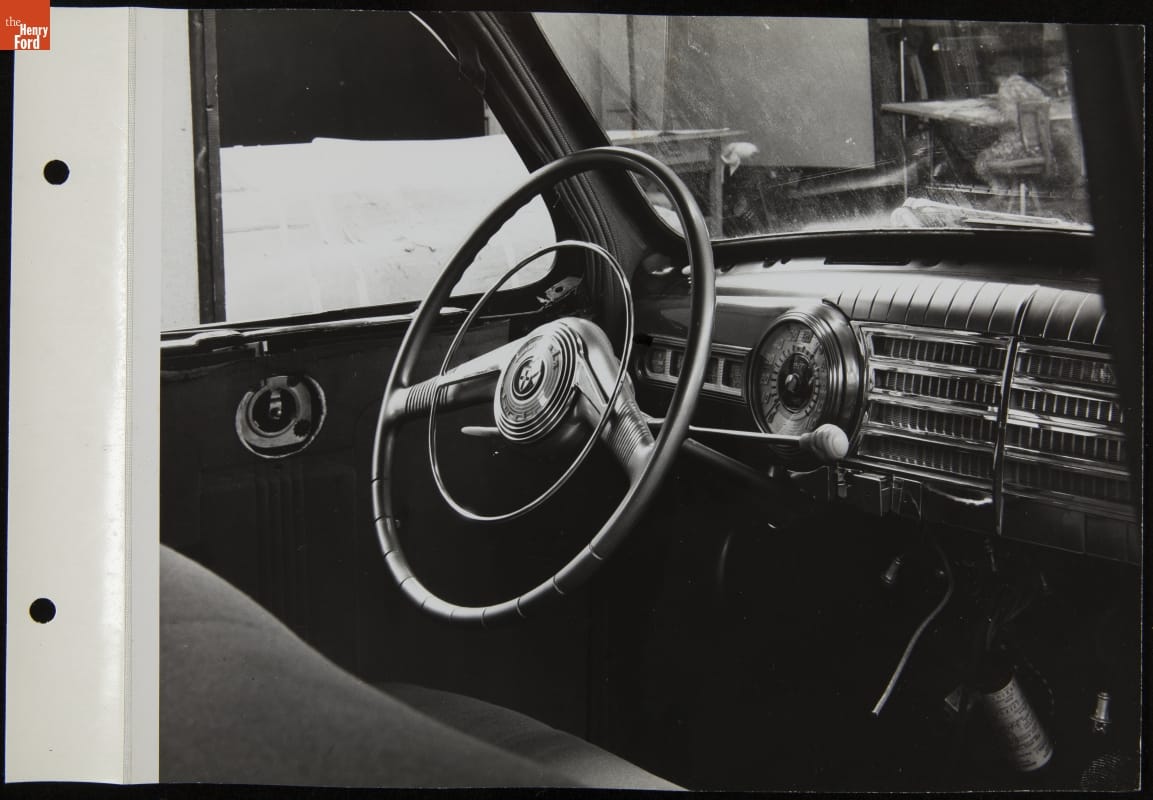
- Interior of Lincoln Zephyr Car in Design Department, Woman Designer in Background, October 1944 - With World War II moving toward a close, Lincoln designers began work on new civilian models. It was anticipated that the Lincoln Zephyr would return, so designers set about refreshing the 1942 model. However, the Zephyr name was dropped before the 1946 models -- the company's first postwar cars -- debuted.
- October 14, 1944
- Collections - Artifact
Interior of Lincoln Zephyr Car in Design Department, Woman Designer in Background, October 1944
With World War II moving toward a close, Lincoln designers began work on new civilian models. It was anticipated that the Lincoln Zephyr would return, so designers set about refreshing the 1942 model. However, the Zephyr name was dropped before the 1946 models -- the company's first postwar cars -- debuted.
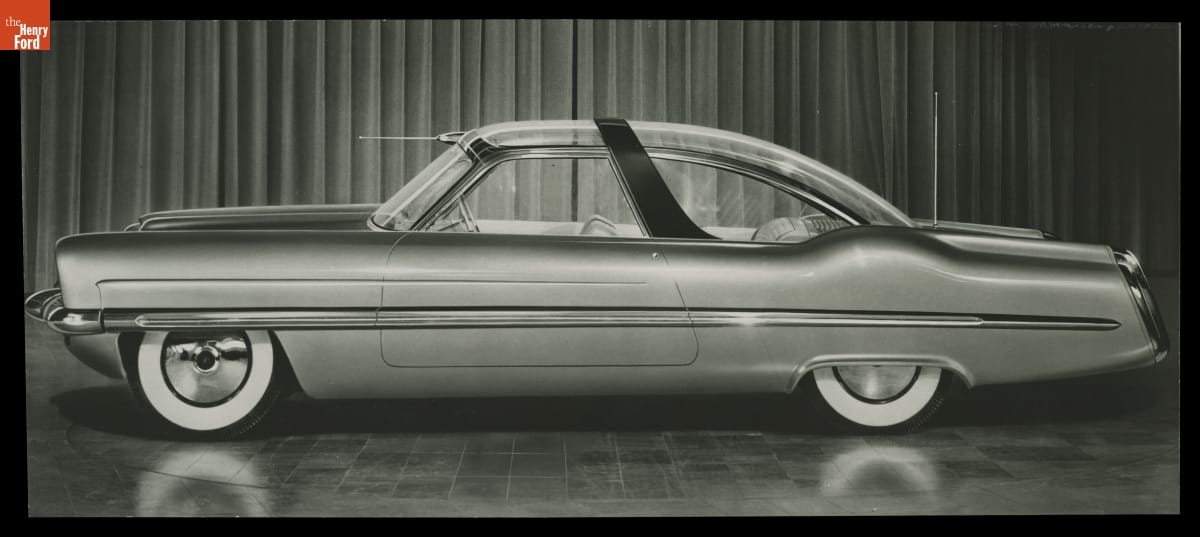
- Lincoln XL-500 Concept Car, 1953 - Ford Motor Company's Lincoln-Mercury Division revealed its Lincoln XL-500 concept car in 1953, to celebrate Ford's 50th anniversary. Promotional material heralded the car's power steering, power brakes, and push-button automatic transmission. In truth, the XL-500 was a non-running show piece. Even the "doors" were just grooves in the fiberglass body. But the XL-500's hooded headlights influenced Lincoln's 1956 production models.
- January 31, 1953
- Collections - Artifact
Lincoln XL-500 Concept Car, 1953
Ford Motor Company's Lincoln-Mercury Division revealed its Lincoln XL-500 concept car in 1953, to celebrate Ford's 50th anniversary. Promotional material heralded the car's power steering, power brakes, and push-button automatic transmission. In truth, the XL-500 was a non-running show piece. Even the "doors" were just grooves in the fiberglass body. But the XL-500's hooded headlights influenced Lincoln's 1956 production models.
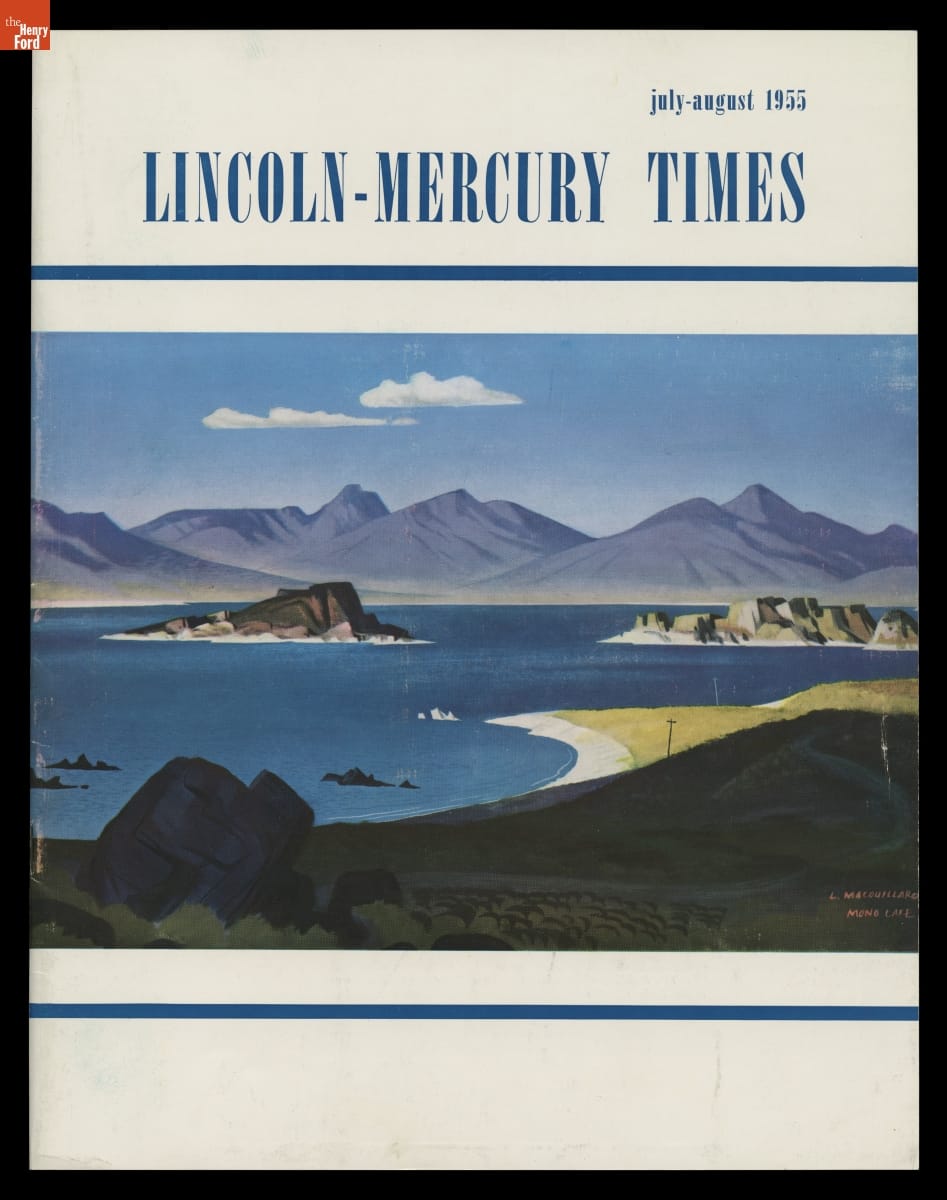
- Lincoln-Mercury Times, July-August 1955 - Ford Motor Company's Lincoln-Mercury Division published its <EM>Lincoln-Mercury Times</EM> promotional magazine bimonthly and distributed it through the division's network of dealers. The magazine featured a mix of travelogues, restaurant reviews, general-interest stories, and tips for Lincoln-Mercury owners. <EM>Lincoln-Mercury Times</EM> occasionally carried pieces by celebrated writers like Aldous Huxley.
- July 1955-August 1955
- Collections - Artifact
Lincoln-Mercury Times, July-August 1955
Ford Motor Company's Lincoln-Mercury Division published its Lincoln-Mercury Times promotional magazine bimonthly and distributed it through the division's network of dealers. The magazine featured a mix of travelogues, restaurant reviews, general-interest stories, and tips for Lincoln-Mercury owners. Lincoln-Mercury Times occasionally carried pieces by celebrated writers like Aldous Huxley.
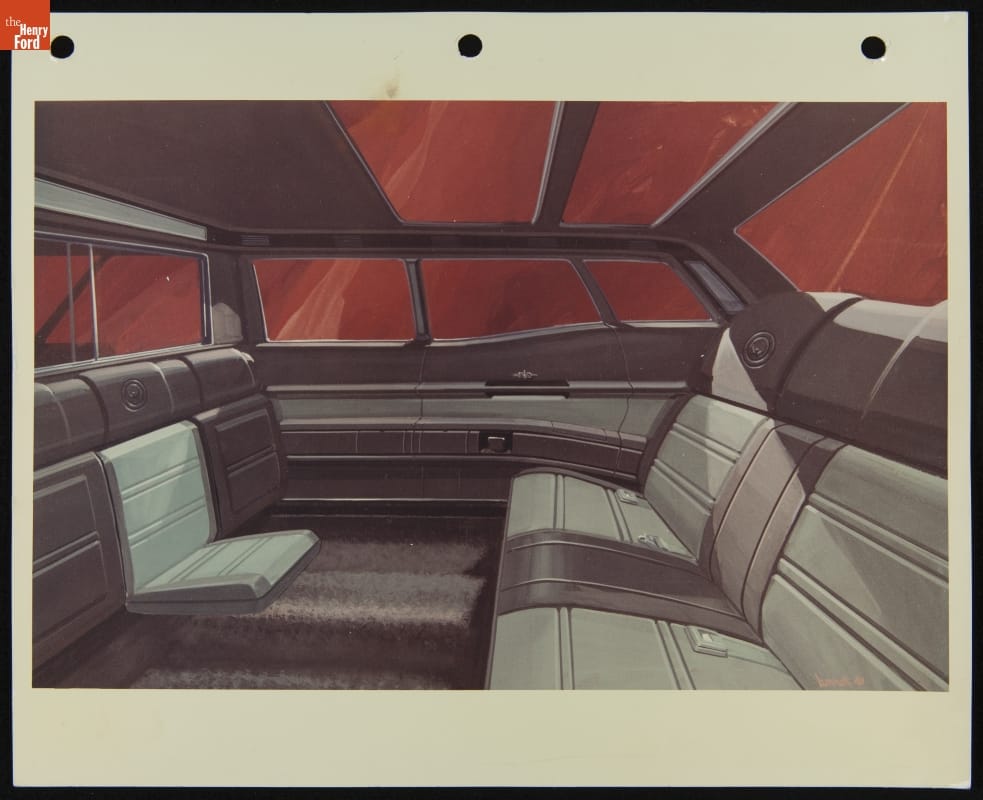
- 1972 Presidential Limousine, Styling, Interior, circa 1970 - In 1970, the Secret Service commissioned Ford Motor Company to build a replacement for the 1961 Lincoln Continental presidential parade limousine. Ford based the new car on the 1972 Lincoln Continental sedan but expanded the length and height for a roomier interior. Unlike standard Lincolns, the rear doors were hinged at the back. Large, bullet-resistant windows provided good visibility for the president.
- circa 1970
- Collections - Artifact
1972 Presidential Limousine, Styling, Interior, circa 1970
In 1970, the Secret Service commissioned Ford Motor Company to build a replacement for the 1961 Lincoln Continental presidential parade limousine. Ford based the new car on the 1972 Lincoln Continental sedan but expanded the length and height for a roomier interior. Unlike standard Lincolns, the rear doors were hinged at the back. Large, bullet-resistant windows provided good visibility for the president.
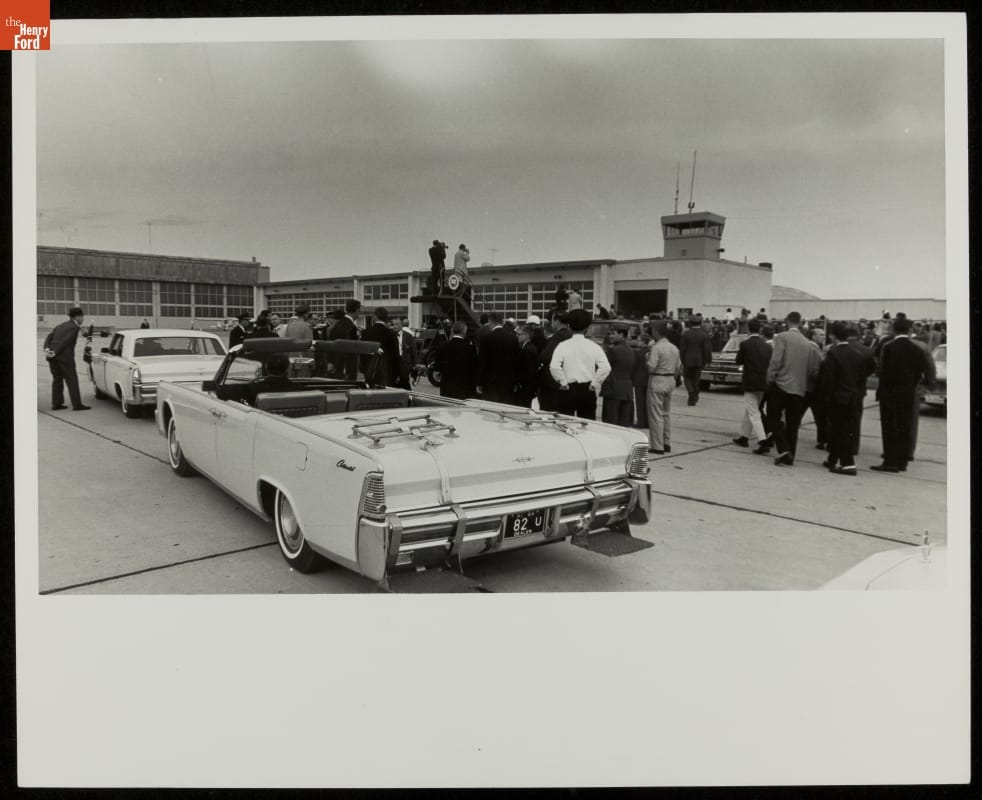
- 1964 Lincoln Convertible Presidential Motorcade Automobile, September 1964 - White House vehicles are custom-built to distinguish and protect the President of the United States. But sometimes, Secret Service agents have to adapt standard automobiles to fit their needs. Portable handrails and steps were mounted to this convertible before a motorcade. They allowed agents to ride along with a good view of their surroundings and close proximity in case of danger.
- September 28, 1964
- Collections - Artifact
1964 Lincoln Convertible Presidential Motorcade Automobile, September 1964
White House vehicles are custom-built to distinguish and protect the President of the United States. But sometimes, Secret Service agents have to adapt standard automobiles to fit their needs. Portable handrails and steps were mounted to this convertible before a motorcade. They allowed agents to ride along with a good view of their surroundings and close proximity in case of danger.
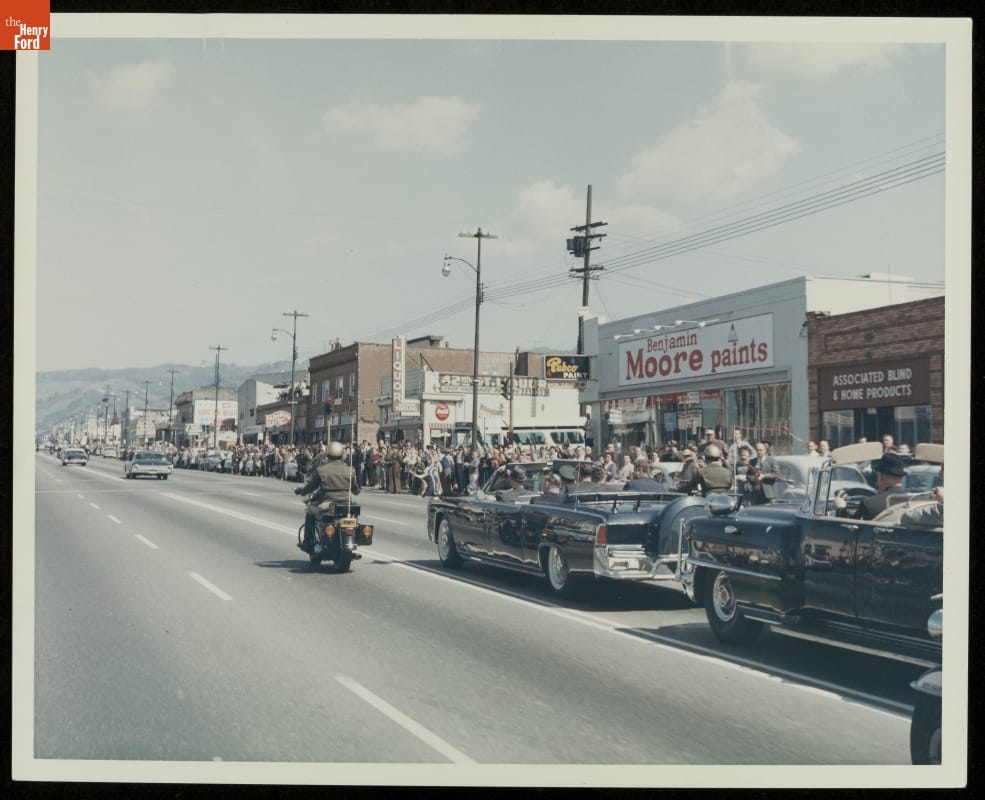
- Presidential Motorcade, Berkeley, California, March 1962 - United States Secret Service agent Morgan L. Gies was responsible for White House vehicles from 1941 to 1967, serving five presidents. This photograph from his personal collection shows a motorcade with President John F. Kennedy riding in his 1961 Lincoln Continental. Agent Gies is driving the follow-up car directly behind the President's limousine.
- March 23, 1962
- Collections - Artifact
Presidential Motorcade, Berkeley, California, March 1962
United States Secret Service agent Morgan L. Gies was responsible for White House vehicles from 1941 to 1967, serving five presidents. This photograph from his personal collection shows a motorcade with President John F. Kennedy riding in his 1961 Lincoln Continental. Agent Gies is driving the follow-up car directly behind the President's limousine.
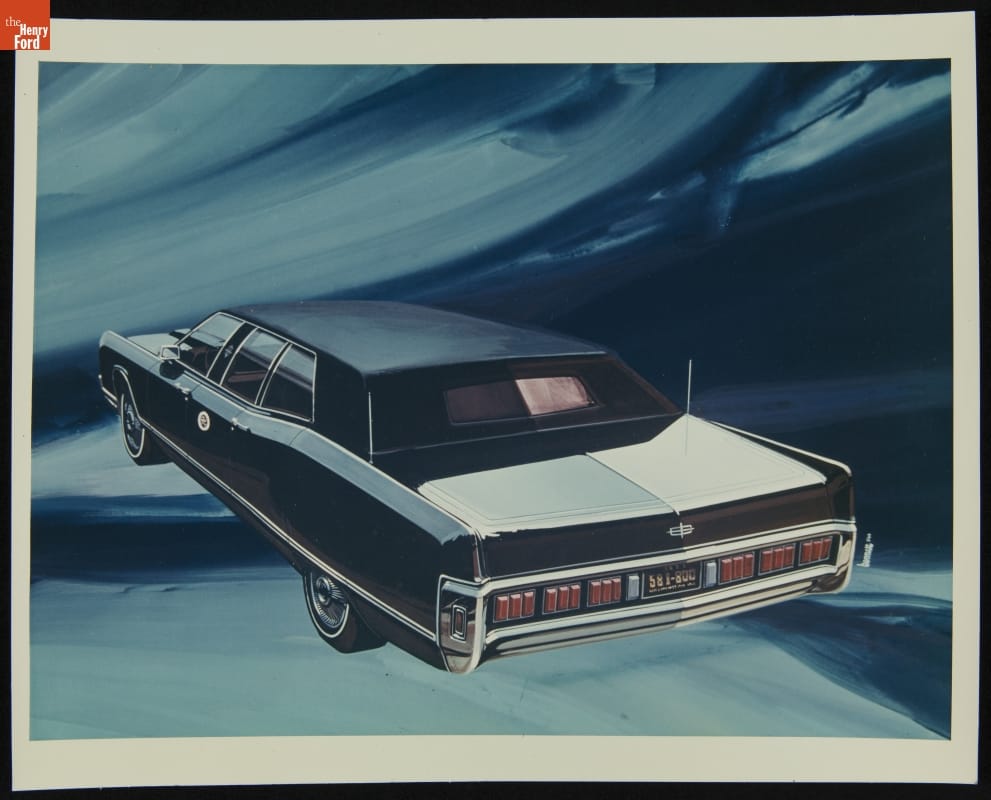
- 1972 Presidential Limousine, Styling, Exterior, circa 1970 - In 1970, the Secret Service commissioned Ford Motor Company to build a replacement for the 1961 Lincoln Continental presidential parade limousine. Ford based the new car on the 1972 Lincoln Continental sedan but expanded the length and height for a roomier interior. Unlike standard Lincolns, the rear doors were hinged at the back. Large, bullet-resistant windows provided good visibility for the president.
- circa 1970
- Collections - Artifact
1972 Presidential Limousine, Styling, Exterior, circa 1970
In 1970, the Secret Service commissioned Ford Motor Company to build a replacement for the 1961 Lincoln Continental presidential parade limousine. Ford based the new car on the 1972 Lincoln Continental sedan but expanded the length and height for a roomier interior. Unlike standard Lincolns, the rear doors were hinged at the back. Large, bullet-resistant windows provided good visibility for the president.
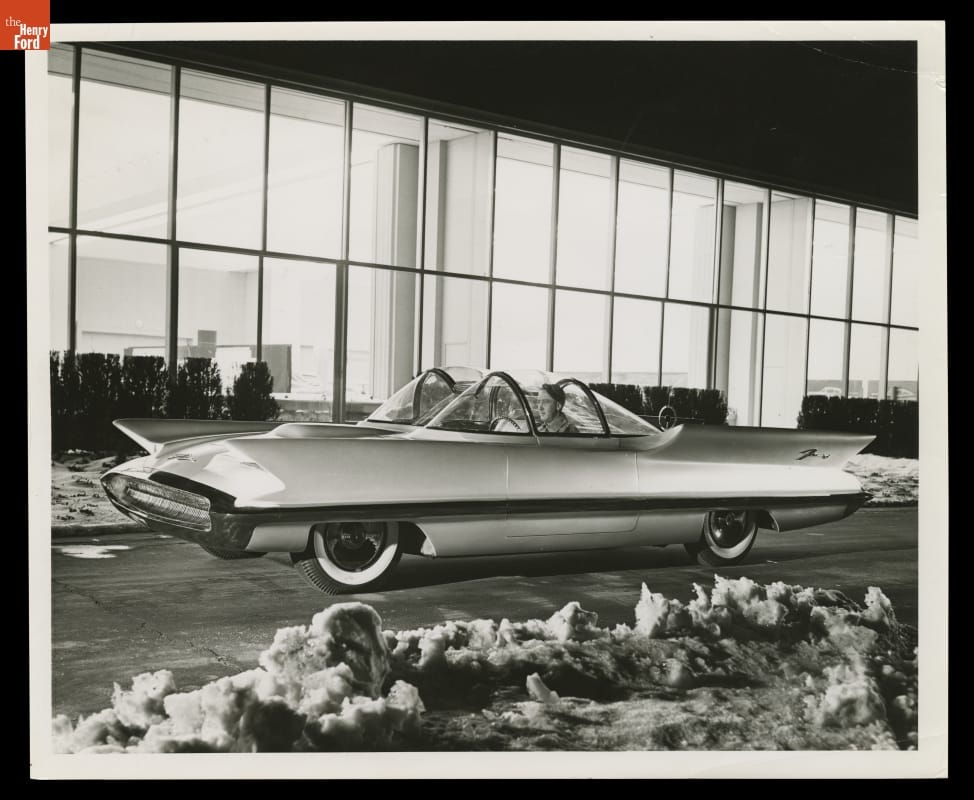
- Lincoln Futura Concept Car, 1955 - The Lincoln Futura, designed by William M. Schmidt, was a sensation at auto shows in 1955. The concept car boasted push-button transmission controls, a 300-horsepower V-8 engine, and a double-dome canopy roof. Hollywood customizer George Barris bought the Futura in 1959 and, a few years later, turned it into the Batmobile for the 1966-1968 <EM>Batman</EM> television series.
- February 18, 1955
- Collections - Artifact
Lincoln Futura Concept Car, 1955
The Lincoln Futura, designed by William M. Schmidt, was a sensation at auto shows in 1955. The concept car boasted push-button transmission controls, a 300-horsepower V-8 engine, and a double-dome canopy roof. Hollywood customizer George Barris bought the Futura in 1959 and, a few years later, turned it into the Batmobile for the 1966-1968 Batman television series.
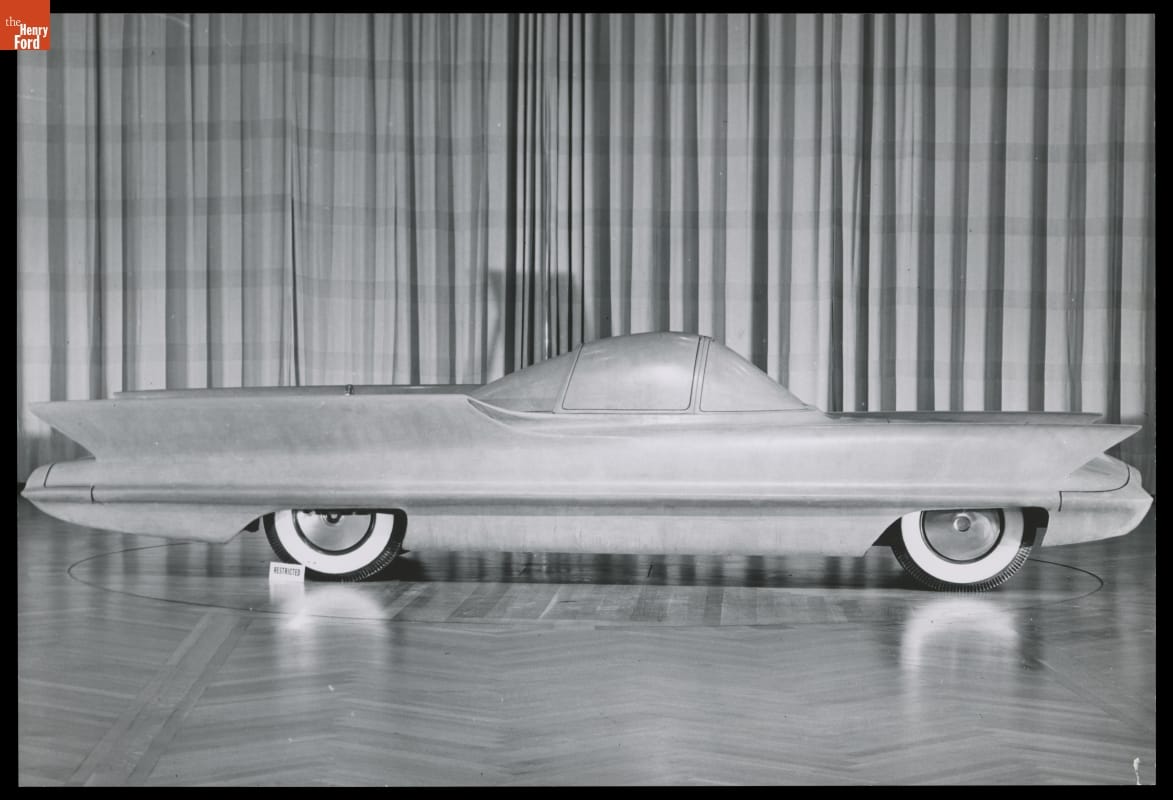
- Clay Model of 1955 Lincoln Futura Concept Car - The Lincoln Futura, designed by William M. Schmidt, was a sensation at auto shows in 1955. The concept car boasted push-button transmission controls, a 300-horsepower V-8 engine, and a double-dome canopy roof. Hollywood customizer George Barris bought the Futura in 1959 and, a few years later, turned it into the Batmobile for the 1966-1968 <EM>Batman</EM> television series.
- 1955
- Collections - Artifact
Clay Model of 1955 Lincoln Futura Concept Car
The Lincoln Futura, designed by William M. Schmidt, was a sensation at auto shows in 1955. The concept car boasted push-button transmission controls, a 300-horsepower V-8 engine, and a double-dome canopy roof. Hollywood customizer George Barris bought the Futura in 1959 and, a few years later, turned it into the Batmobile for the 1966-1968 Batman television series.
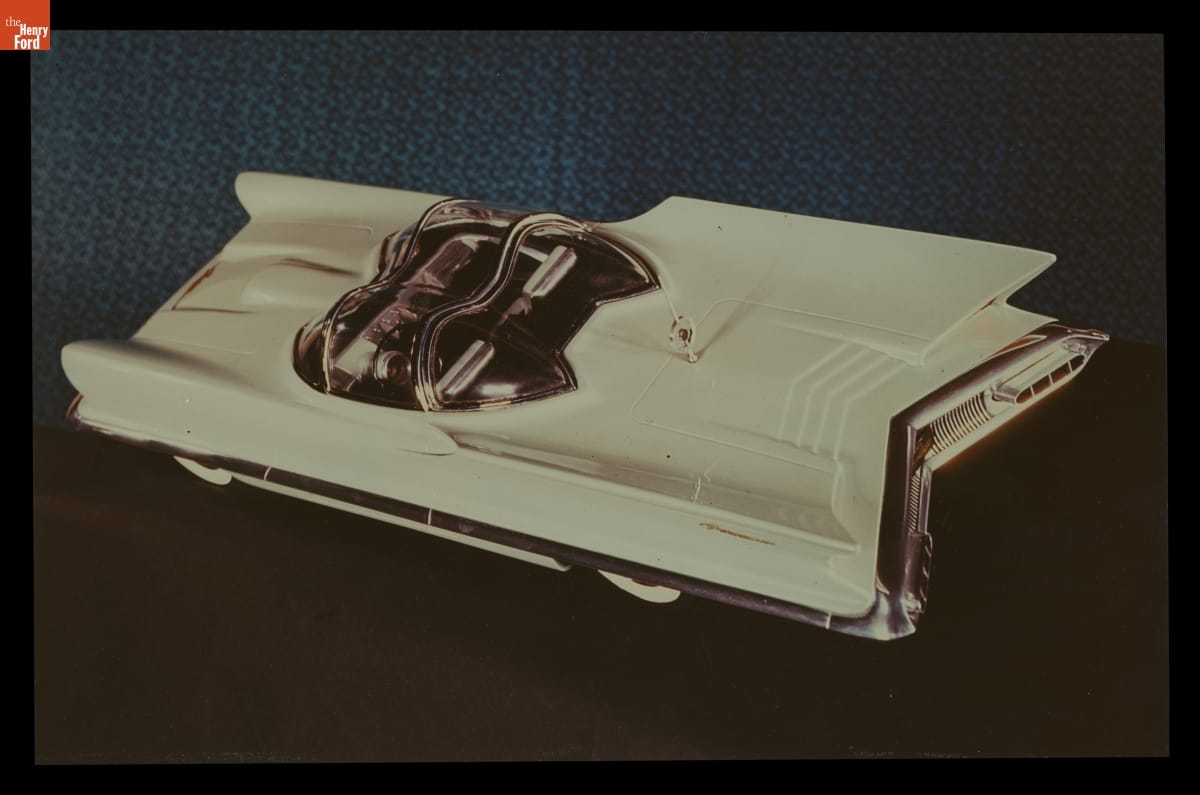
- Model of Lincoln Futura Concept Car, 1955 - The Lincoln Futura, designed by William M. Schmidt, was a sensation at auto shows in 1955. The concept car boasted push-button transmission controls, a 300-horsepower V-8 engine, and a double-dome canopy roof. Hollywood customizer George Barris bought the Futura in 1959 and, a few years later, turned it into the Batmobile for the 1966-1968 <EM>Batman</EM> television series.
- 1955
- Collections - Artifact
Model of Lincoln Futura Concept Car, 1955
The Lincoln Futura, designed by William M. Schmidt, was a sensation at auto shows in 1955. The concept car boasted push-button transmission controls, a 300-horsepower V-8 engine, and a double-dome canopy roof. Hollywood customizer George Barris bought the Futura in 1959 and, a few years later, turned it into the Batmobile for the 1966-1968 Batman television series.