
Search
- Women Making Electric Harnesses for B-24 Bombers at Phoenix Mills, September 1944 - In the early 1920s, Henry Ford began locating small hydroelectrically powered plants in rural southeast Michigan. These "Village Industries" employed local people who could maintain farms while working at the factory. Women represented most of the workforce at Phoenix Mill. During World War II, they manufactured electrical harnesses for B-24 bomber airplanes assembled at Ford's nearby Willow Run plant.
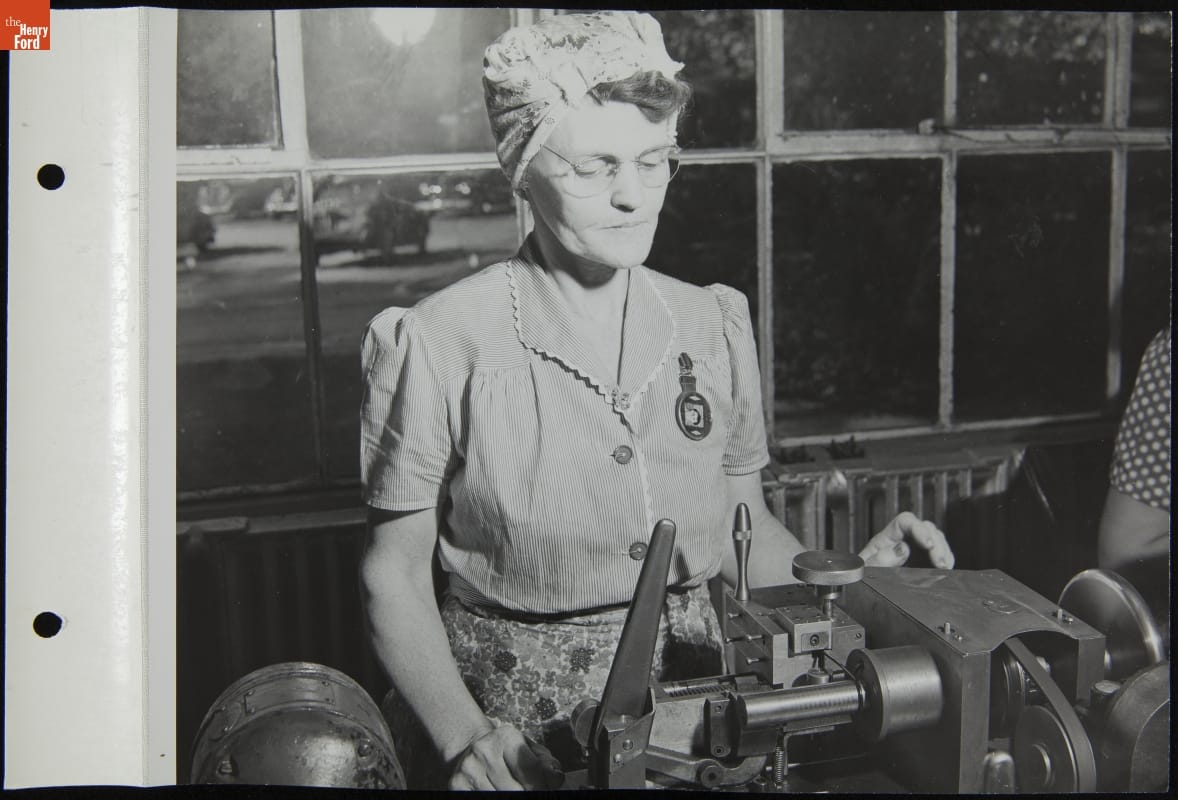
- September 25, 1944
- Collections - Artifact
Women Making Electric Harnesses for B-24 Bombers at Phoenix Mills, September 1944
In the early 1920s, Henry Ford began locating small hydroelectrically powered plants in rural southeast Michigan. These "Village Industries" employed local people who could maintain farms while working at the factory. Women represented most of the workforce at Phoenix Mill. During World War II, they manufactured electrical harnesses for B-24 bomber airplanes assembled at Ford's nearby Willow Run plant.
- Women Making Electric Harnesses for B-24 Bombers at Phoenix Mills, September 1944 - In the early 1920s, Henry Ford began locating small hydroelectrically powered plants in rural southeast Michigan. These "Village Industries" employed local people who could maintain farms while working at the factory. Women represented most of the workforce at Phoenix Mill. During World War II, they manufactured electrical harnesses for B-24 bomber airplanes assembled at Ford's nearby Willow Run plant.
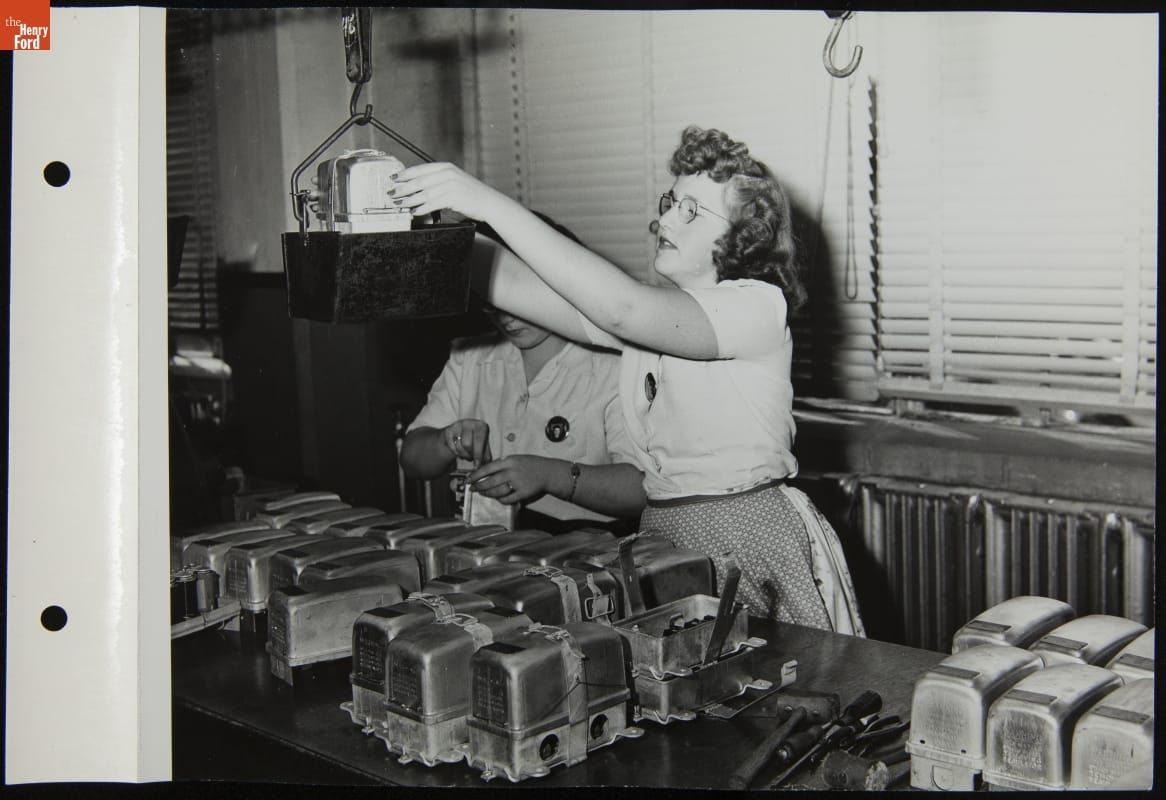
- September 25, 1944
- Collections - Artifact
Women Making Electric Harnesses for B-24 Bombers at Phoenix Mills, September 1944
In the early 1920s, Henry Ford began locating small hydroelectrically powered plants in rural southeast Michigan. These "Village Industries" employed local people who could maintain farms while working at the factory. Women represented most of the workforce at Phoenix Mill. During World War II, they manufactured electrical harnesses for B-24 bomber airplanes assembled at Ford's nearby Willow Run plant.
- Ford Village Industries Newburgh Drill Plant, Livonia, Michigan, 1945 - Henry Ford began setting up small-scale factories in towns throughout southeast Michigan in the 1920s. These "Village Industries" -- usually located at the site of an old mill -- employed local residents and supplied Ford with parts, tools and equipment. Newburgh Mill -- situated along the Middle Rouge River -- opened in 1935 and made most of the twist drills used in Ford's operations.
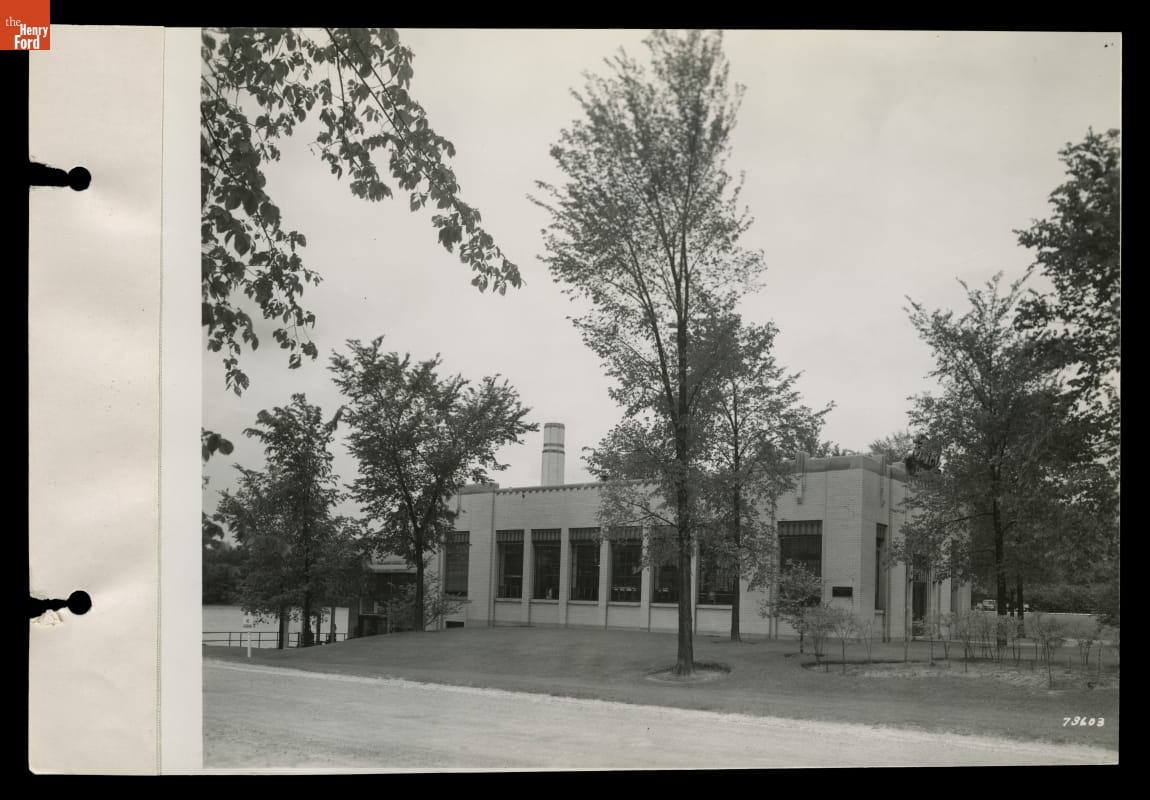
- May 29, 1945
- Collections - Artifact
Ford Village Industries Newburgh Drill Plant, Livonia, Michigan, 1945
Henry Ford began setting up small-scale factories in towns throughout southeast Michigan in the 1920s. These "Village Industries" -- usually located at the site of an old mill -- employed local residents and supplied Ford with parts, tools and equipment. Newburgh Mill -- situated along the Middle Rouge River -- opened in 1935 and made most of the twist drills used in Ford's operations.
- Women Making Castings at Hayden Mills, Tecumseh, Michigan, September 1944 - In the 1920s and '30s, Henry Ford set up small-scale factories throughout southeast Michigan. These "Village Industries" supplied Ford with tools and vehicle parts, and they employed local people who could maintain farms while working at the factory. At Hayden Mills in Tecumseh, employees cleaned and packed Ford-grown soybeans. During World War II, they built parts for B-24 bomber airplanes.
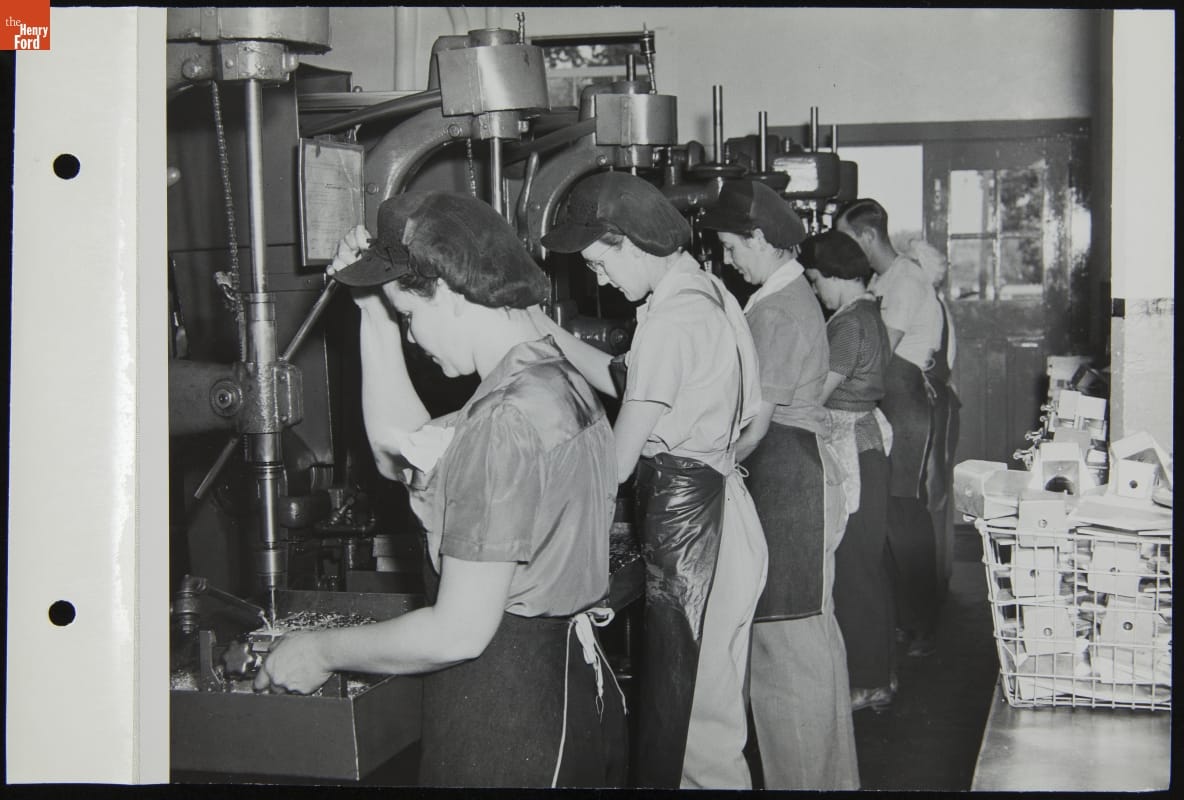
- September 12, 1944
- Collections - Artifact
Women Making Castings at Hayden Mills, Tecumseh, Michigan, September 1944
In the 1920s and '30s, Henry Ford set up small-scale factories throughout southeast Michigan. These "Village Industries" supplied Ford with tools and vehicle parts, and they employed local people who could maintain farms while working at the factory. At Hayden Mills in Tecumseh, employees cleaned and packed Ford-grown soybeans. During World War II, they built parts for B-24 bomber airplanes.
- Construction at Ford Motor Company Hydroelectric Plant, Dundee, Michigan, July 1935 - In the early 1920s, Henry Ford began locating small hydroelectrically powered plants in rural southeast Michigan. These "Village Industries" employed local people who could maintain farms while working at the factory. This plant in Dundee operated from 1936 until 1954. During World War II, workers here manufactured parts for Pratt & Whitney engines, tanks, vehicles, and gun directors.
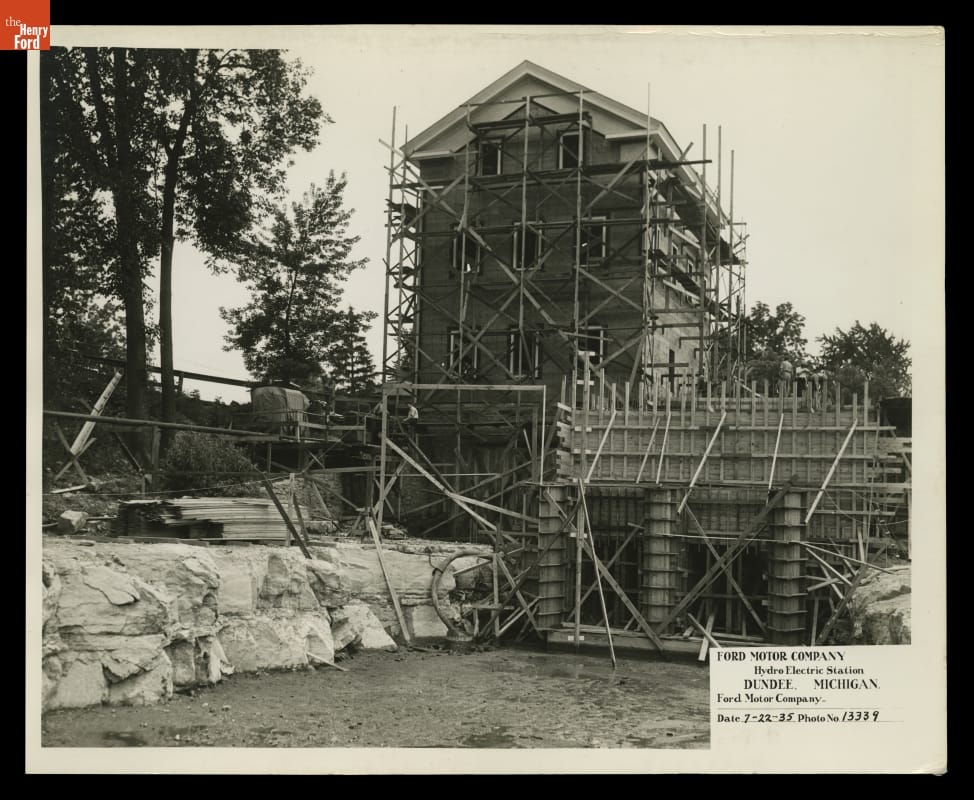
- July 22, 1935
- Collections - Artifact
Construction at Ford Motor Company Hydroelectric Plant, Dundee, Michigan, July 1935
In the early 1920s, Henry Ford began locating small hydroelectrically powered plants in rural southeast Michigan. These "Village Industries" employed local people who could maintain farms while working at the factory. This plant in Dundee operated from 1936 until 1954. During World War II, workers here manufactured parts for Pratt & Whitney engines, tanks, vehicles, and gun directors.
- Construction at Ford Motor Company Hydroelectric Plant, Dundee, Michigan, October 1935 - In the early 1920s, Henry Ford began locating small hydroelectrically powered plants in rural southeast Michigan. These "Village Industries" employed local people who could maintain farms while working at the factory. This plant in Dundee operated from 1936 until 1954. During World War II, workers here manufactured parts for Pratt & Whitney engines, tanks, vehicles, and gun directors.
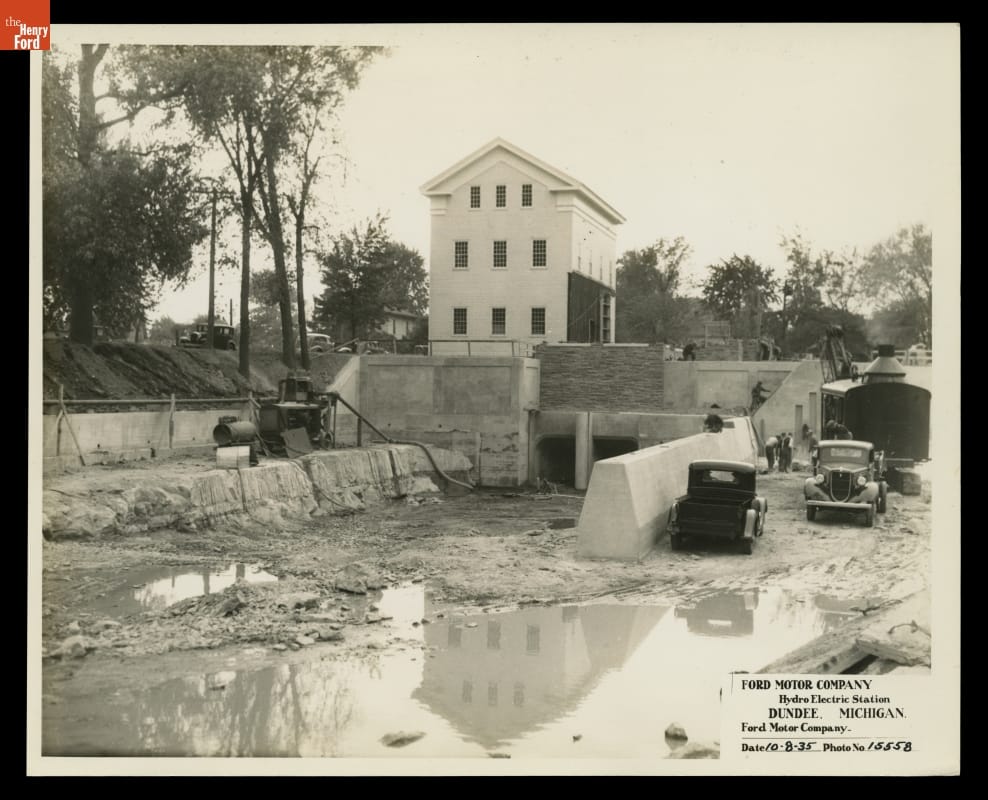
- October 08, 1935
- Collections - Artifact
Construction at Ford Motor Company Hydroelectric Plant, Dundee, Michigan, October 1935
In the early 1920s, Henry Ford began locating small hydroelectrically powered plants in rural southeast Michigan. These "Village Industries" employed local people who could maintain farms while working at the factory. This plant in Dundee operated from 1936 until 1954. During World War II, workers here manufactured parts for Pratt & Whitney engines, tanks, vehicles, and gun directors.
- Ford Motor Company Powerhouse, Milan, Michigan, June 1945 - In the early 1920s, Henry Ford began locating small hydroelectrically powered plants in rural southeast Michigan. These "Village Industries" employed local people who could maintain farms while working at the factory. The plant in Milan operated from 1938 until 1947. Workers there made ignition coils and ammeters for Ford Motor Company vehicles.
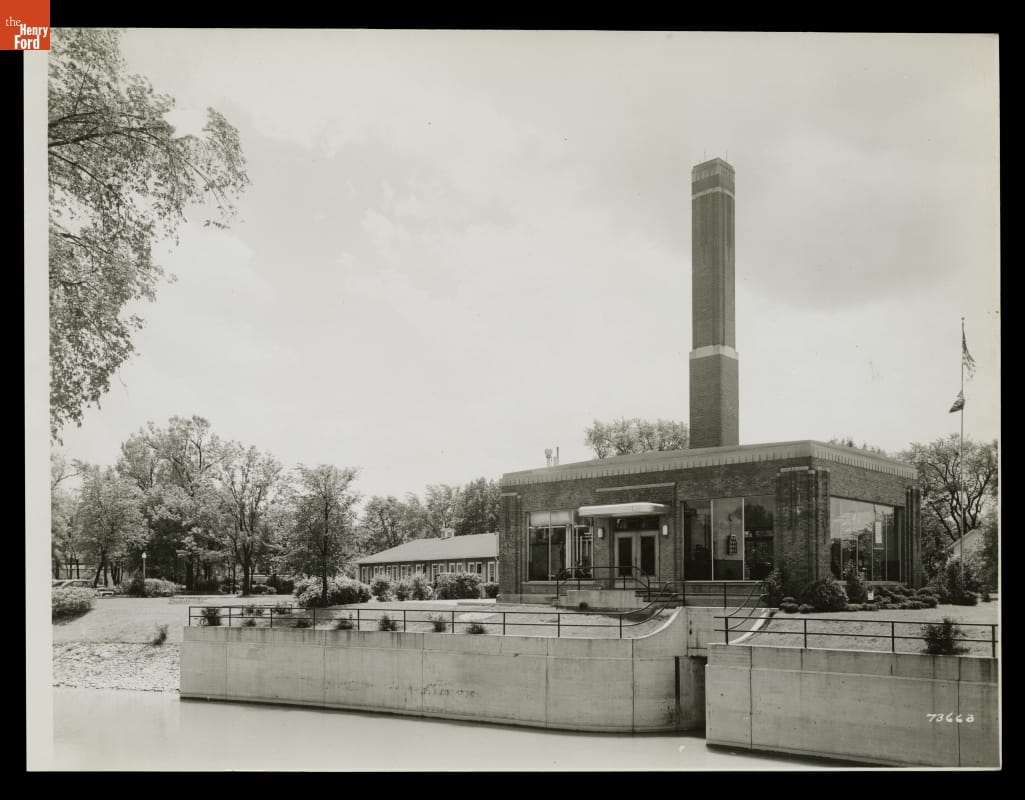
- June 14, 1945
- Collections - Artifact
Ford Motor Company Powerhouse, Milan, Michigan, June 1945
In the early 1920s, Henry Ford began locating small hydroelectrically powered plants in rural southeast Michigan. These "Village Industries" employed local people who could maintain farms while working at the factory. The plant in Milan operated from 1938 until 1947. Workers there made ignition coils and ammeters for Ford Motor Company vehicles.
- Willow Run Ford Village Industry Plant, July 1945 - In the 1920s and '30s, Henry Ford located small hydroelectrically powered factories throughout rural southeast Michigan. Built in 1939, the Willow Run plant differed from other "Village Industries." Instead of local residents, boys from Ford's nearby Camp Willow Run -- which provided income and life-skills training for underprivileged teenagers -- worked here, supplying door and ignition locks and keys for Ford's passenger cars.
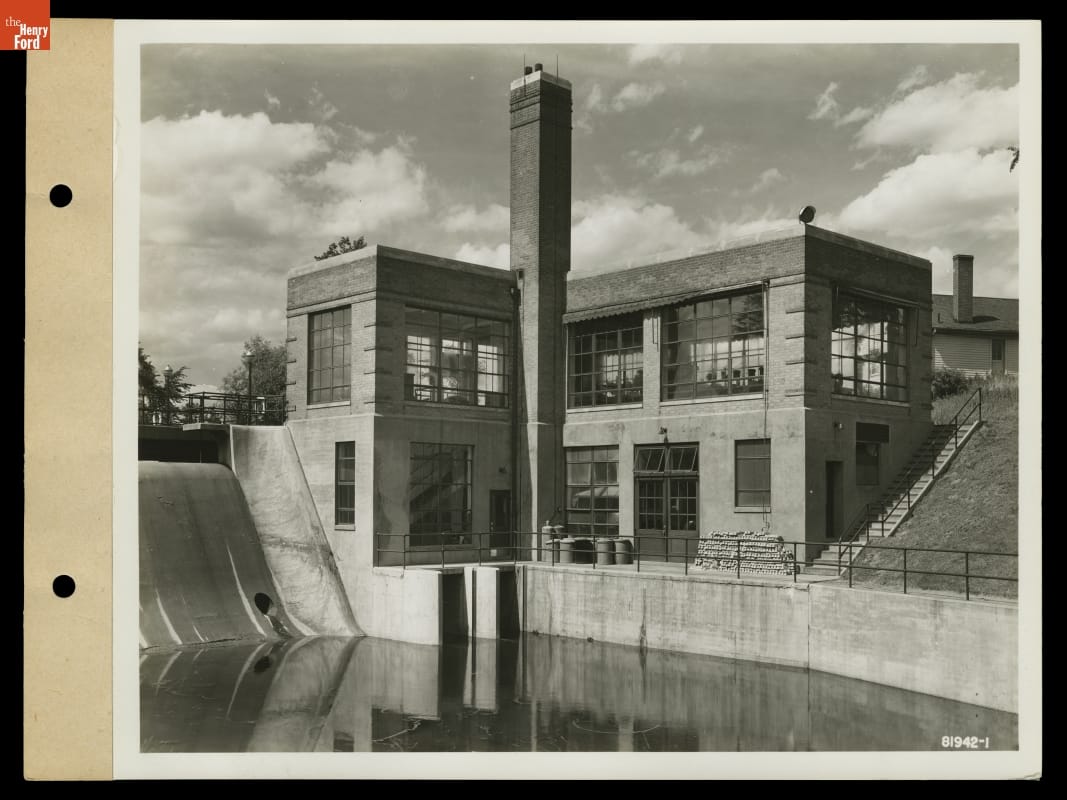
- July 11, 1945
- Collections - Artifact
Willow Run Ford Village Industry Plant, July 1945
In the 1920s and '30s, Henry Ford located small hydroelectrically powered factories throughout rural southeast Michigan. Built in 1939, the Willow Run plant differed from other "Village Industries." Instead of local residents, boys from Ford's nearby Camp Willow Run -- which provided income and life-skills training for underprivileged teenagers -- worked here, supplying door and ignition locks and keys for Ford's passenger cars.
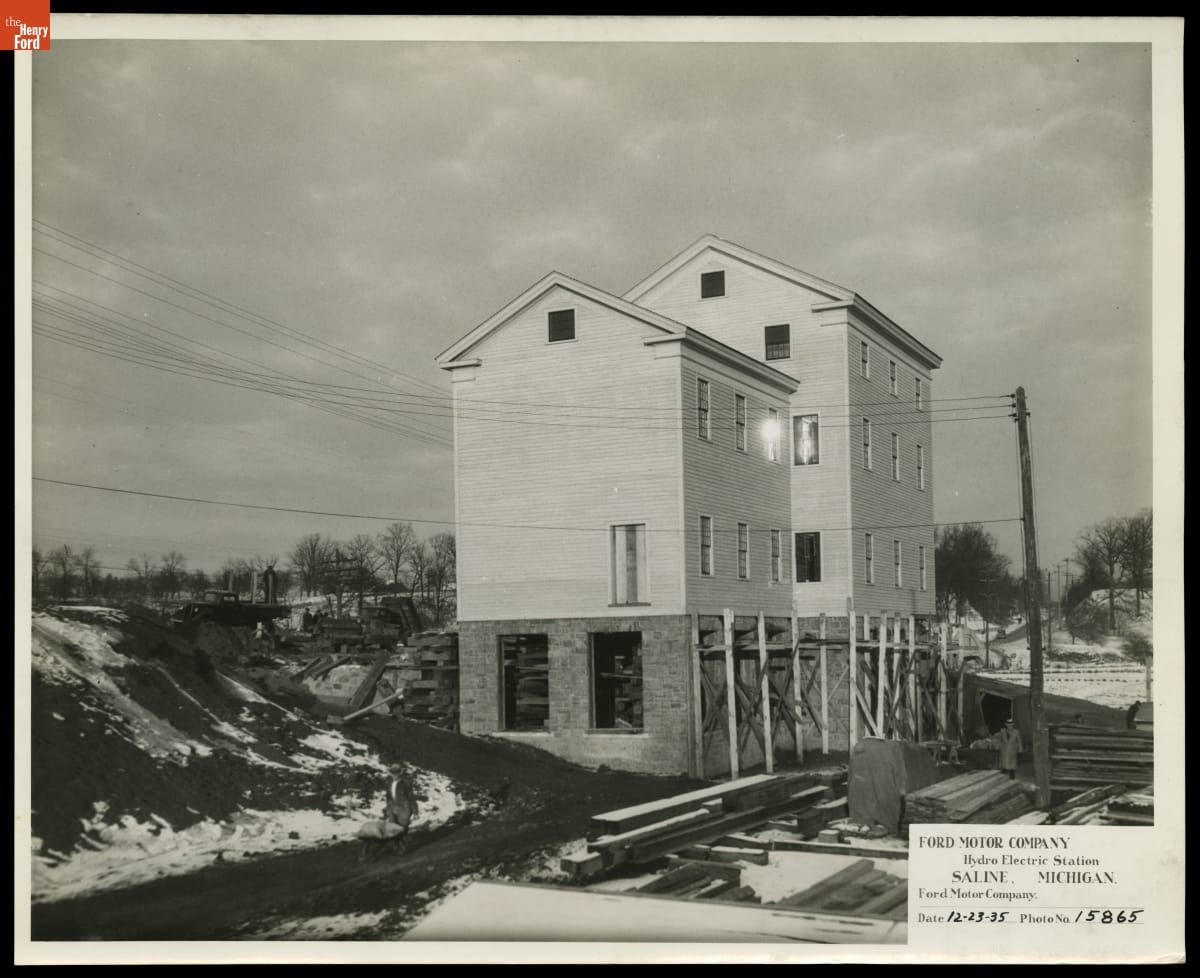
- Construction at Ford Motor Company Hydroelectric Station, Saline, Michigan, December 1935 - In the early 1920s, Henry Ford began locating small hydroelectrically powered plants in rural southeast Michigan. These "Village Industries" employed local people who could maintain farms while working at the factory. One plant, constructed in Saline in the mid-1930s, operated until 1947. During World War II, workers here processed soybean oil for paints and plastics and machined parts for Pratt & Whitney engines.
- December 23, 1935
- Collections - Artifact
Construction at Ford Motor Company Hydroelectric Station, Saline, Michigan, December 1935
In the early 1920s, Henry Ford began locating small hydroelectrically powered plants in rural southeast Michigan. These "Village Industries" employed local people who could maintain farms while working at the factory. One plant, constructed in Saline in the mid-1930s, operated until 1947. During World War II, workers here processed soybean oil for paints and plastics and machined parts for Pratt & Whitney engines.
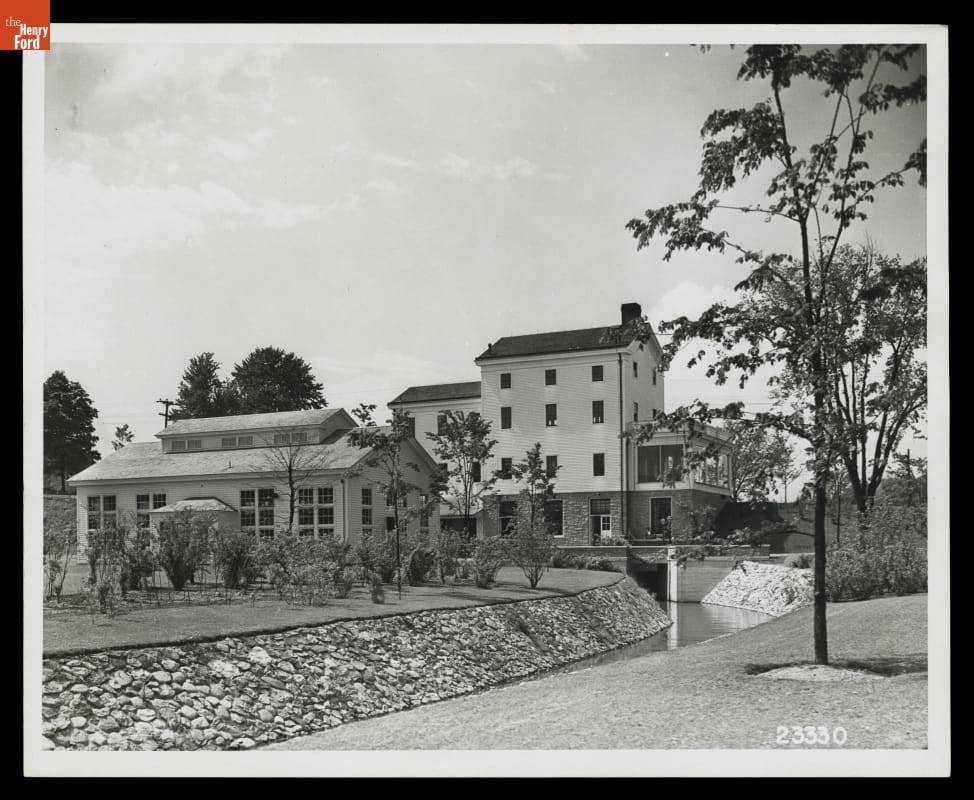
- Ford Village Industries in Saline, Michigan, 1938 - In the early 1920s, Henry Ford began locating small hydroelectrically powered plants in rural southeast Michigan. These "Village Industries" employed local people who could maintain farms while working at the factory. One plant, constructed in Saline in the mid-1930s, operated until 1947. During World War II, workers here processed soybean oil for paints and plastics and machined parts for Pratt & Whitney engines.
- May 26, 1938
- Collections - Artifact
Ford Village Industries in Saline, Michigan, 1938
In the early 1920s, Henry Ford began locating small hydroelectrically powered plants in rural southeast Michigan. These "Village Industries" employed local people who could maintain farms while working at the factory. One plant, constructed in Saline in the mid-1930s, operated until 1947. During World War II, workers here processed soybean oil for paints and plastics and machined parts for Pratt & Whitney engines.