
Search
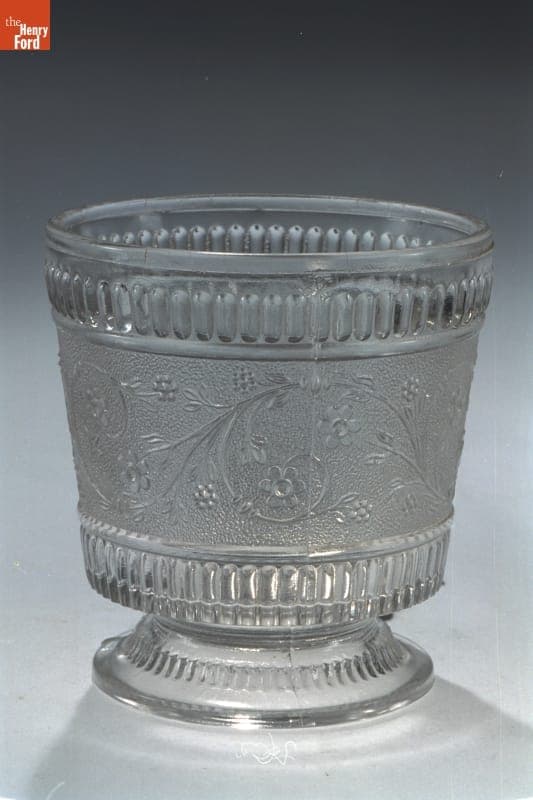
- Footed Dish, 1890-1895 - Nineteenth-century American glassmakers experimented with new methods to create products for a growing consumer market. In the 1820s, pressing glass into metal molds by machine was perfected, and by the mid-1800s, manufacturers were creating a variety of inexpensive pressed glass housewares. America's middle-class consumers could now decorate their homes with attractive glass bowls, creamers, dishes, plates, vases, and other tableware.
- 1890-1895
- Collections - Artifact
Footed Dish, 1890-1895
Nineteenth-century American glassmakers experimented with new methods to create products for a growing consumer market. In the 1820s, pressing glass into metal molds by machine was perfected, and by the mid-1800s, manufacturers were creating a variety of inexpensive pressed glass housewares. America's middle-class consumers could now decorate their homes with attractive glass bowls, creamers, dishes, plates, vases, and other tableware.
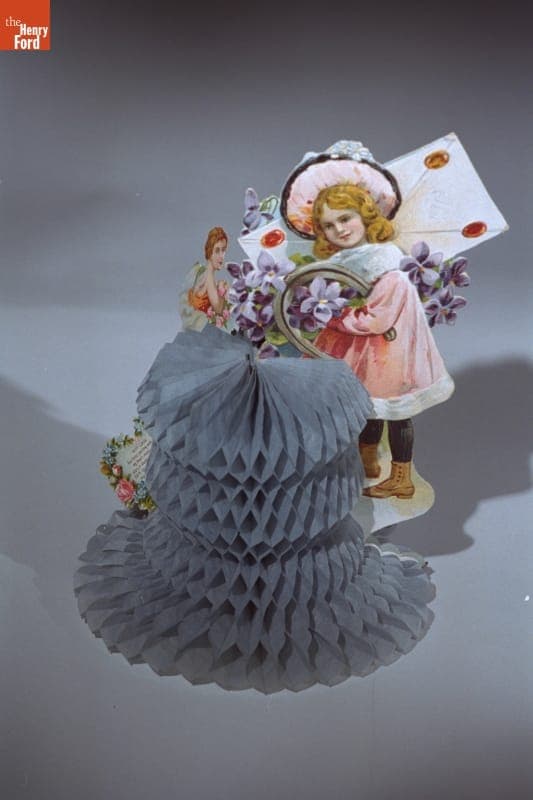
- Three-Dimensional Valentine Card, "With Love," 1900-1920 - The custom of sending messages of affection on February 14 dates back to Roman times, when mid-February was a time to meet and court prospective mates. The earliest American valentines were labors of love, handmade by the sender. The spread of commercially produced valentines in the second half of the nineteenth century made sending and receiving Valentine's Day cards a more lighthearted activity.
- 1900-1920
- Collections - Artifact
Three-Dimensional Valentine Card, "With Love," 1900-1920
The custom of sending messages of affection on February 14 dates back to Roman times, when mid-February was a time to meet and court prospective mates. The earliest American valentines were labors of love, handmade by the sender. The spread of commercially produced valentines in the second half of the nineteenth century made sending and receiving Valentine's Day cards a more lighthearted activity.
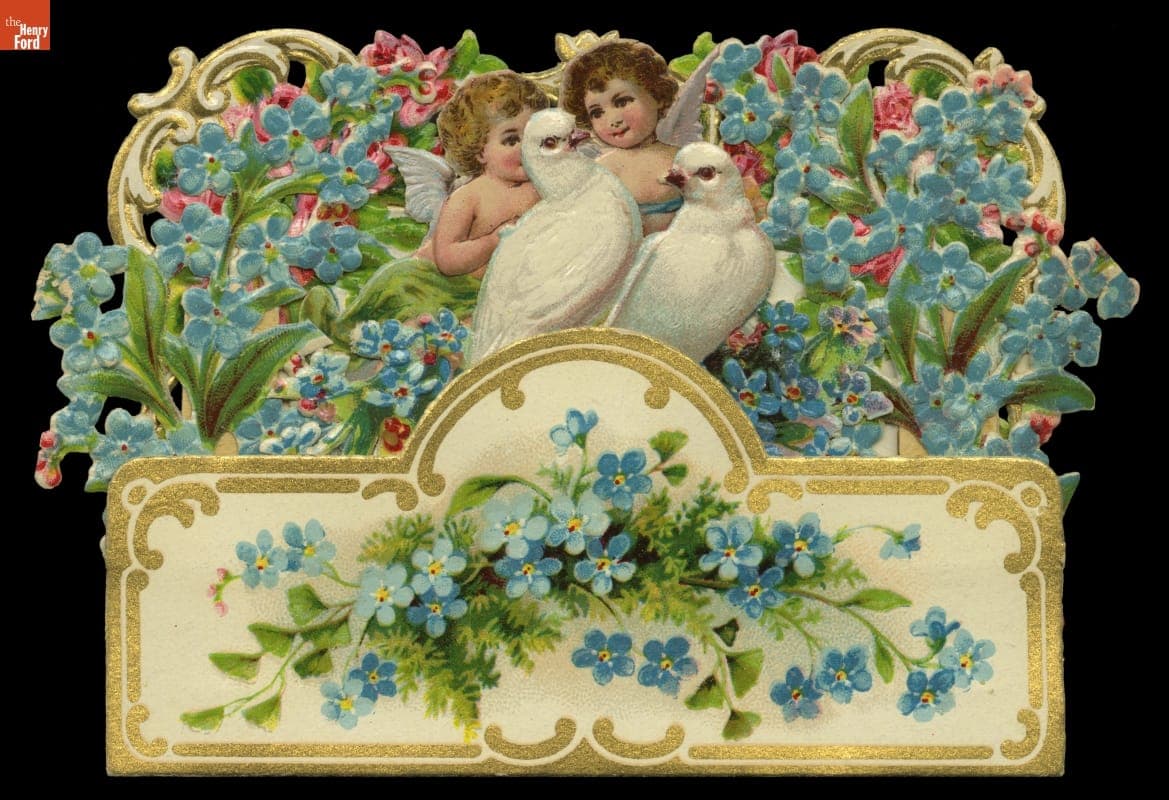
- Valentine Card, circa 1900 - The custom of sending messages of affection on February 14 dates back to Roman times, when mid-February was a time to meet and court prospective mates. The earliest American valentines were labors of love, handmade by the sender. The spread of commercially produced valentines in the second half of the nineteenth century made sending and receiving Valentine's Day cards a more lighthearted activity.
- circa 1900
- Collections - Artifact
Valentine Card, circa 1900
The custom of sending messages of affection on February 14 dates back to Roman times, when mid-February was a time to meet and court prospective mates. The earliest American valentines were labors of love, handmade by the sender. The spread of commercially produced valentines in the second half of the nineteenth century made sending and receiving Valentine's Day cards a more lighthearted activity.
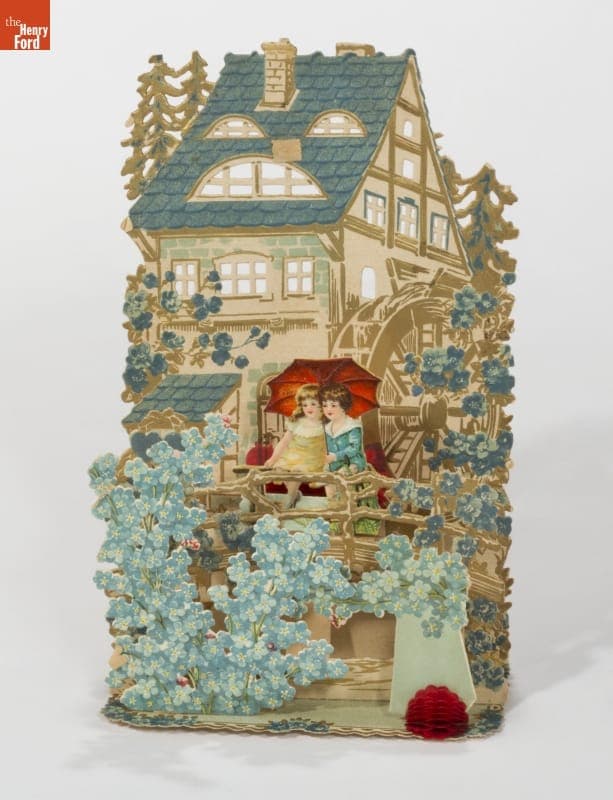
- Three-Dimensional Valentine, "To My Valentine," circa 1900 - The custom of sending messages of affection on February 14 dates back to Roman times, when mid-February was a time to meet and court prospective mates. The earliest American valentines were labors of love, handmade by the sender. The spread of commercially produced valentines in the second half of the nineteenth century made sending and receiving Valentine's Day cards a more lighthearted activity.
- circa 1900
- Collections - Artifact
Three-Dimensional Valentine, "To My Valentine," circa 1900
The custom of sending messages of affection on February 14 dates back to Roman times, when mid-February was a time to meet and court prospective mates. The earliest American valentines were labors of love, handmade by the sender. The spread of commercially produced valentines in the second half of the nineteenth century made sending and receiving Valentine's Day cards a more lighthearted activity.
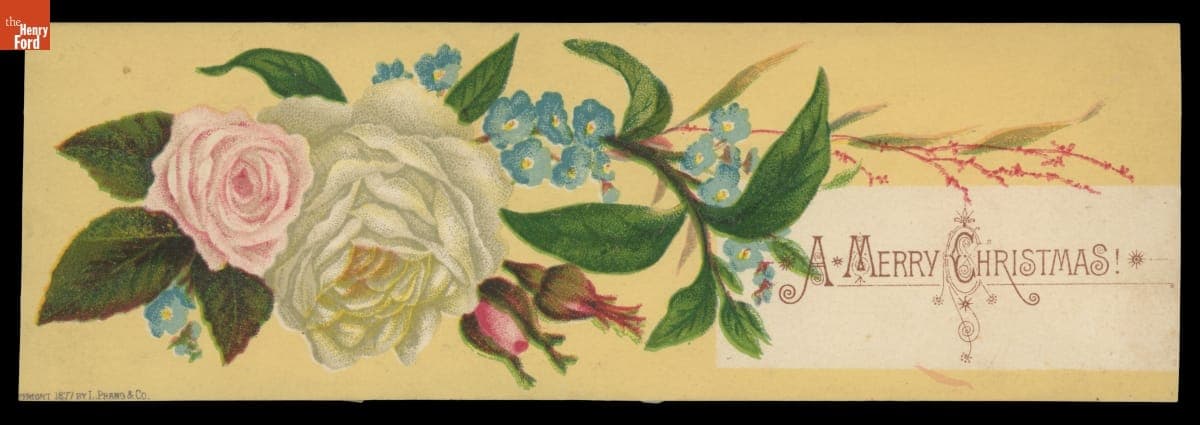
- "A Merry Christmas" - Louis Prang, a German immigrant printer based in Boston, Massachusetts, introduced colorful chromolithographed Christmas cards in the mid-1870s, which helped spur an annual holiday card-giving tradition in America. Prang's early cards featured images of flowers with a simple holiday greeting -- but they were a big hit. Today, many consider Louis Prang the father of the American Christmas card.
- 1877
- Collections - Artifact
"A Merry Christmas"
Louis Prang, a German immigrant printer based in Boston, Massachusetts, introduced colorful chromolithographed Christmas cards in the mid-1870s, which helped spur an annual holiday card-giving tradition in America. Prang's early cards featured images of flowers with a simple holiday greeting -- but they were a big hit. Today, many consider Louis Prang the father of the American Christmas card.