
Search
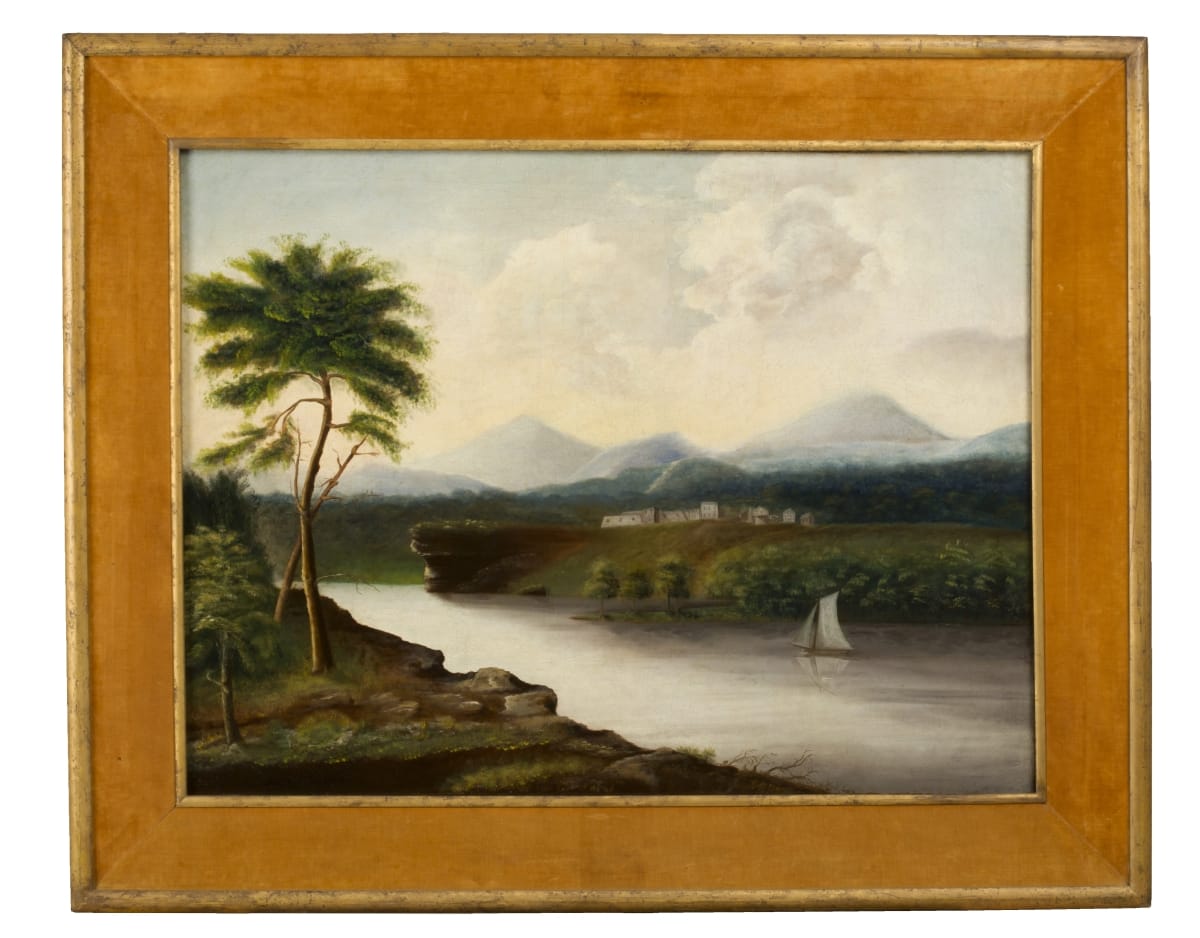
- Oil Painting, Fort Ticonderoga by George Washington Mark, circa 1845 - George Washington Mark was a successful house, sign, and furniture painter in Greenfield, Massachusetts, in the early 1800s. Sometime in the 1830s and 40s, he tried his hand at more artistic endeavors creating paintings of local interest -- generally landscapes and historic subjects. Around 1845, Mark painted this work depicting the ruins of New York's historic Fort Ticonderoga.
- circa 1845
- Collections - Artifact
Oil Painting, Fort Ticonderoga by George Washington Mark, circa 1845
George Washington Mark was a successful house, sign, and furniture painter in Greenfield, Massachusetts, in the early 1800s. Sometime in the 1830s and 40s, he tried his hand at more artistic endeavors creating paintings of local interest -- generally landscapes and historic subjects. Around 1845, Mark painted this work depicting the ruins of New York's historic Fort Ticonderoga.
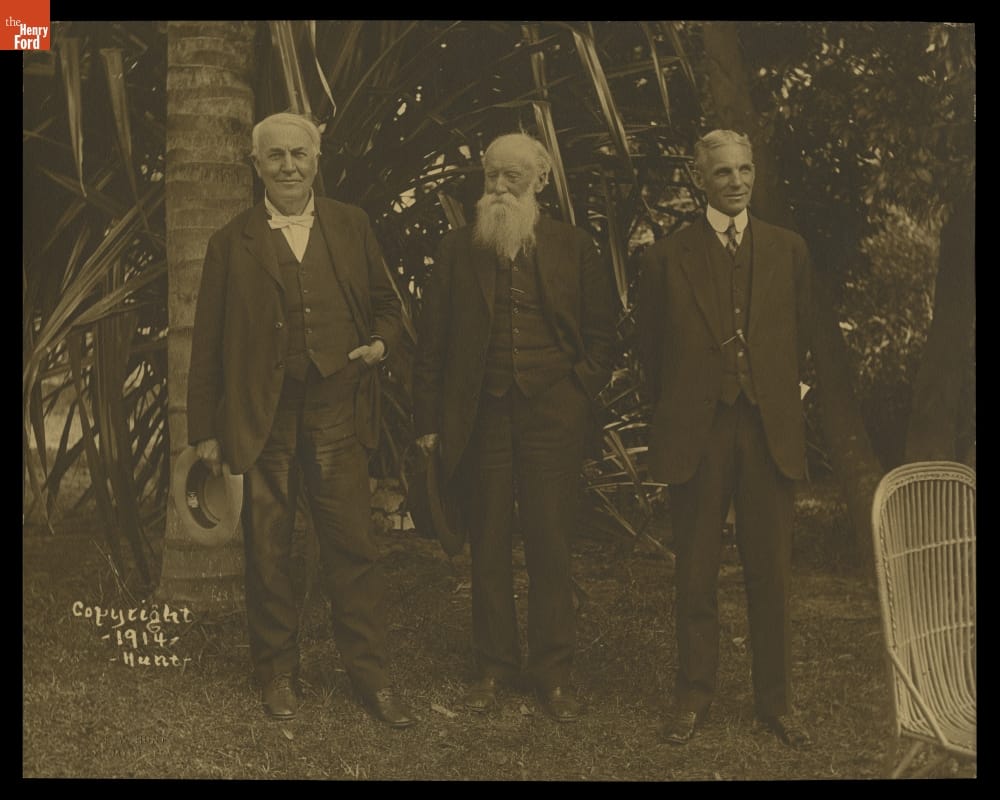
- Thomas Edison, John Burroughs and Henry Ford in Fort Myers, Florida, 1914 - John Burroughs (1837-1921) was an internationally known naturalist and writer. His writings appealed to Henry Ford, who invited Burroughs in 1914 to join him and Thomas Edison to explore the Florida Everglades together. This led to the more famous Vagabond camping trips of a few years later, which also involved Harvey Firestone.
- 1914
- Collections - Artifact
Thomas Edison, John Burroughs and Henry Ford in Fort Myers, Florida, 1914
John Burroughs (1837-1921) was an internationally known naturalist and writer. His writings appealed to Henry Ford, who invited Burroughs in 1914 to join him and Thomas Edison to explore the Florida Everglades together. This led to the more famous Vagabond camping trips of a few years later, which also involved Harvey Firestone.
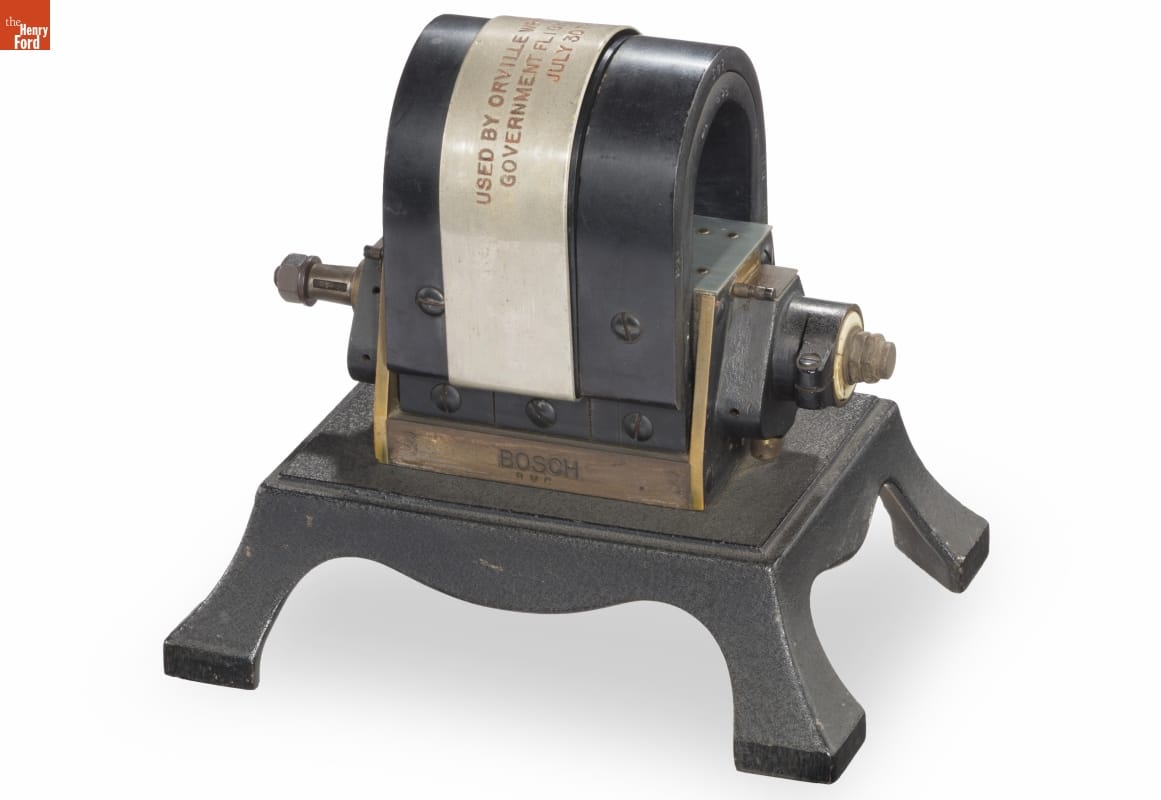
- Bosch Type ARN Magneto, Used by Orville Wright at Fort Myer, Virginia, 1909 - Orville Wright used this magneto, which generated spark for his airplane's engine, during demonstration flights for the U.S. Army at Fort Myer, Virginia, in July 1909. Fort Myer represented tragedy and triumph. Orville was seriously injured, and passenger Thomas Selfridge was killed, during initial demonstrations there in September 1908. Ten months later, Orville returned and completed the demo flights successfully.
- July 30, 1909
- Collections - Artifact
Bosch Type ARN Magneto, Used by Orville Wright at Fort Myer, Virginia, 1909
Orville Wright used this magneto, which generated spark for his airplane's engine, during demonstration flights for the U.S. Army at Fort Myer, Virginia, in July 1909. Fort Myer represented tragedy and triumph. Orville was seriously injured, and passenger Thomas Selfridge was killed, during initial demonstrations there in September 1908. Ten months later, Orville returned and completed the demo flights successfully.
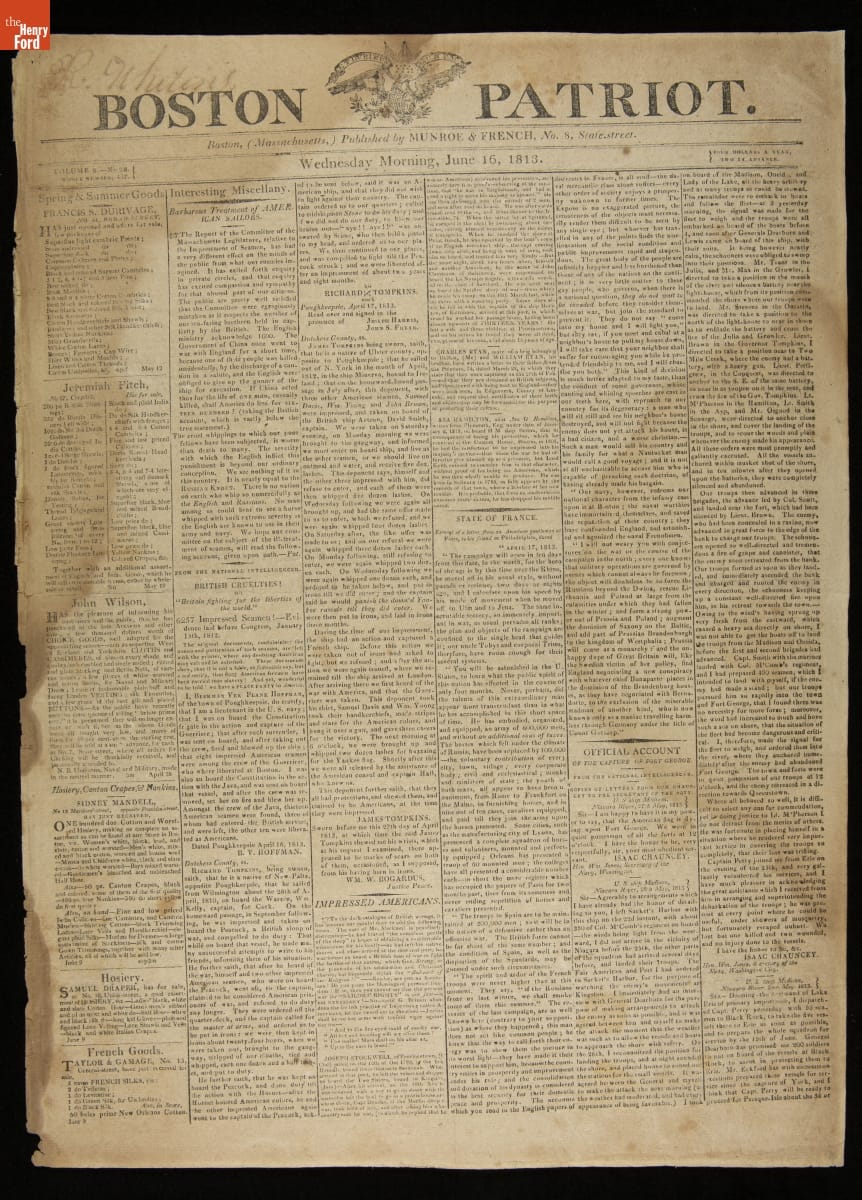
- Boston Patriot, Volume 9, No. 28, June 16, 1813 -
- June 16, 1813
- Collections - Artifact
Boston Patriot, Volume 9, No. 28, June 16, 1813
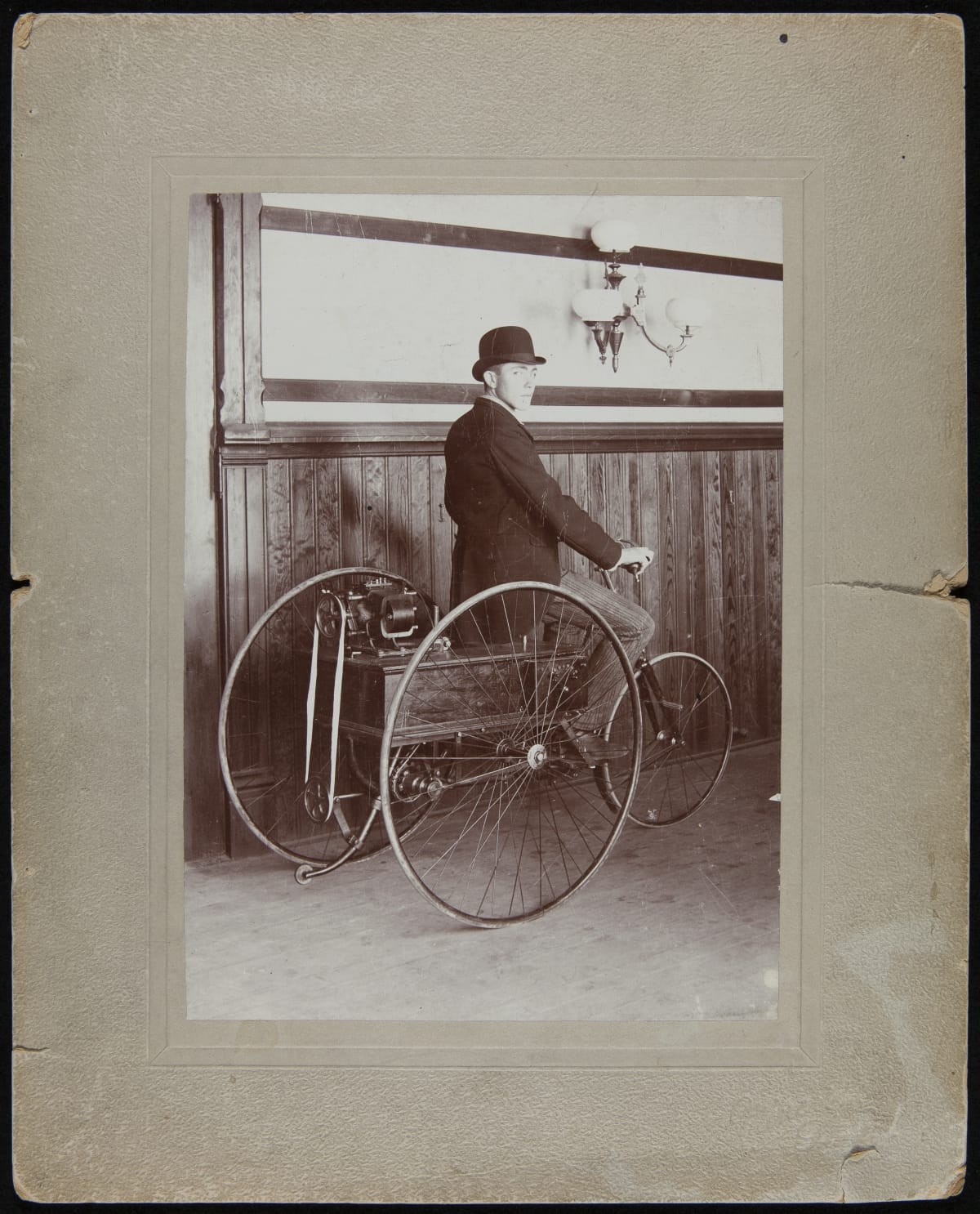
- M. M. M. Slattery's Electric Tricycle, circa 1910 - Marmaduke Slattery, chief electrician at the Fort Wayne Jenney Electric Light Company, had this electric tricycle built in 1889. Slattery powered his tricycle with storage batteries--probably of his own design--which reportedly could run for nine hours. Slattery died in 1892 but the vehicle must have remained in the Indiana city--this image was taken around 1910 by a Fort Wayne photographer.
- circa 1910
- Collections - Artifact
M. M. M. Slattery's Electric Tricycle, circa 1910
Marmaduke Slattery, chief electrician at the Fort Wayne Jenney Electric Light Company, had this electric tricycle built in 1889. Slattery powered his tricycle with storage batteries--probably of his own design--which reportedly could run for nine hours. Slattery died in 1892 but the vehicle must have remained in the Indiana city--this image was taken around 1910 by a Fort Wayne photographer.
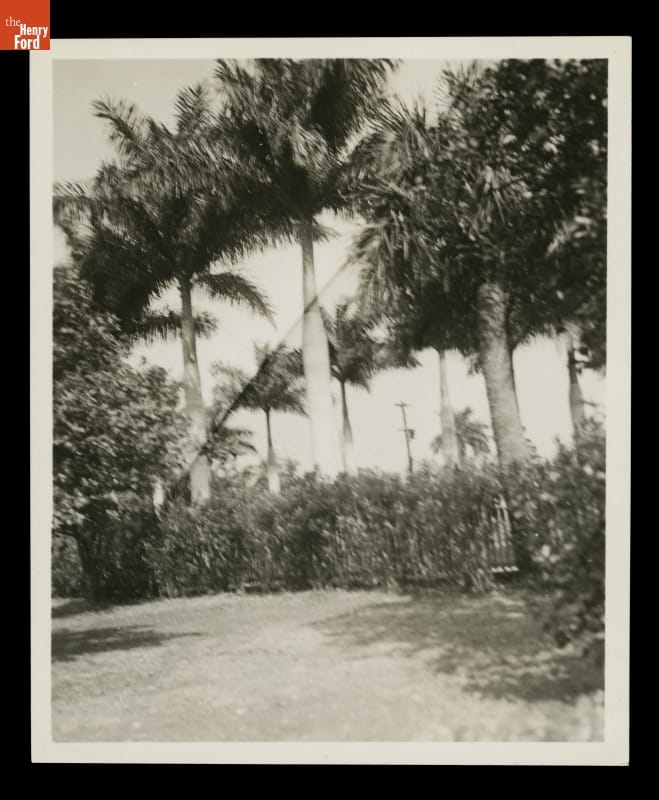
- Grounds of "The Mangoes," Winter Estate of Henry and Clara Ford, circa 1925 - In 1916, Henry and Clara Ford purchased "The Mangoes." The Fort Myers, Florida, property adjoined the winter home of Thomas Edison -- Henry's friend and mentor. The Fords' estate featured a Craftsman bungalow and grounds lush with citrus trees and tropical plants. This image shows the variety of plant life found at the Fords' winter retreat.
- circa 1925
- Collections - Artifact
Grounds of "The Mangoes," Winter Estate of Henry and Clara Ford, circa 1925
In 1916, Henry and Clara Ford purchased "The Mangoes." The Fort Myers, Florida, property adjoined the winter home of Thomas Edison -- Henry's friend and mentor. The Fords' estate featured a Craftsman bungalow and grounds lush with citrus trees and tropical plants. This image shows the variety of plant life found at the Fords' winter retreat.
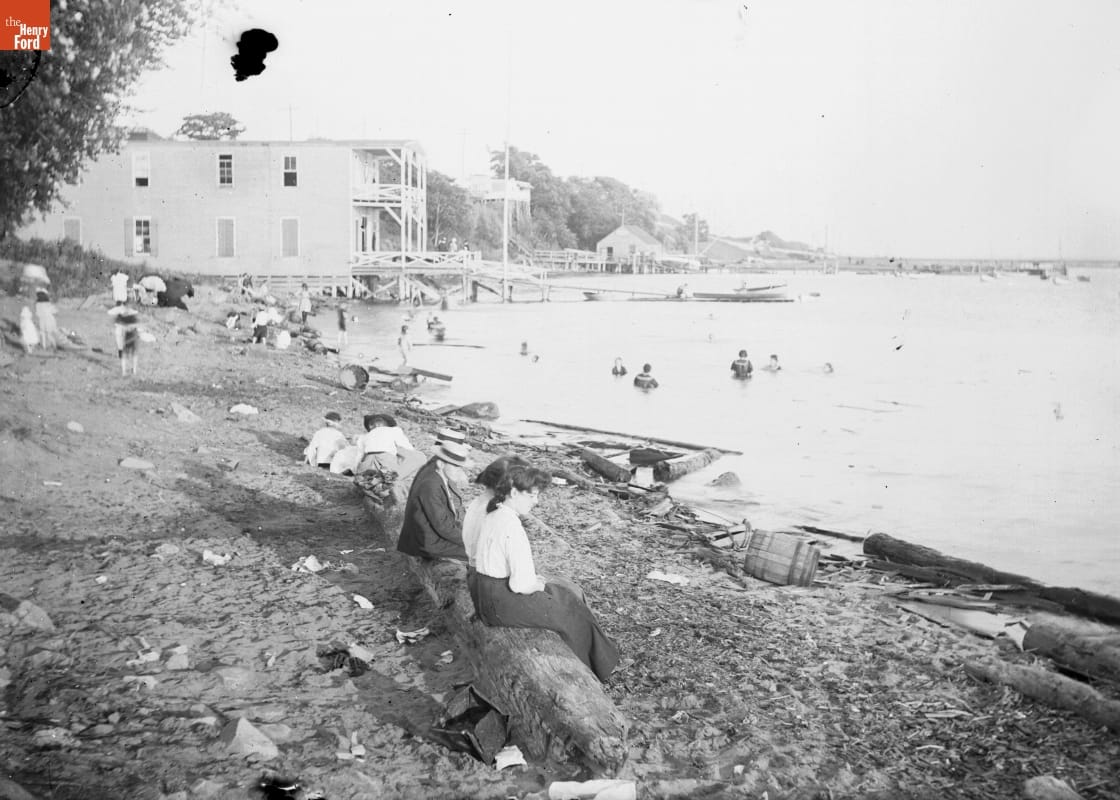
- Fort Hamilton, Beach, 1890-1915 - In 1890, Jenny Young Chandler, 25 years old and recently widowed, began working for the <EM>New York Herald</EM>. As a photojournalist and feature writer, Chandler captured life in Brooklyn, New York, and vicinity. By 1922, the time of her death, she had produced over 800 glass plate negatives. Her sensitive, insightful photographs depict people from all walks of life and the world in which they lived.
- 1890-1915
- Collections - Artifact
Fort Hamilton, Beach, 1890-1915
In 1890, Jenny Young Chandler, 25 years old and recently widowed, began working for the New York Herald. As a photojournalist and feature writer, Chandler captured life in Brooklyn, New York, and vicinity. By 1922, the time of her death, she had produced over 800 glass plate negatives. Her sensitive, insightful photographs depict people from all walks of life and the world in which they lived.
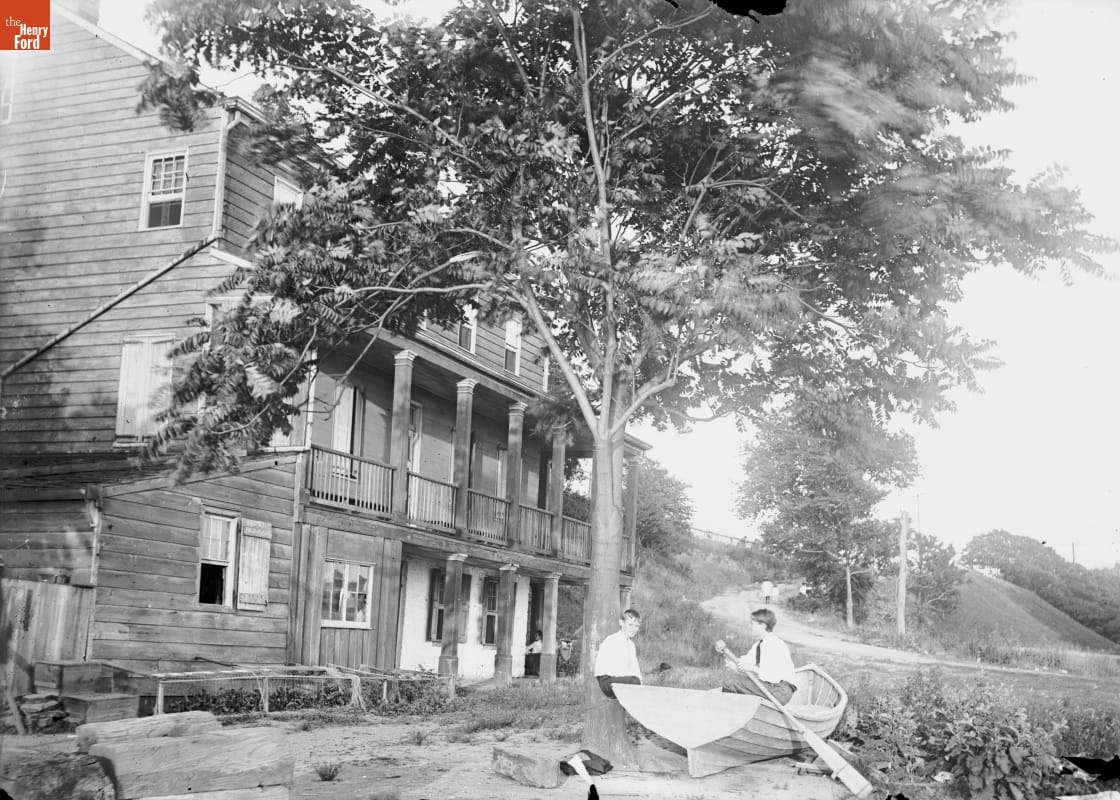
- Fort Hamilton, Young Men with Row Boat, 1890-1915 - In 1890, Jenny Young Chandler, 25 years old and recently widowed, began working for the <EM>New York Herald</EM>. As a photojournalist and feature writer, Chandler captured life in Brooklyn, New York, and vicinity. By 1922, the time of her death, she had produced over 800 glass plate negatives. Her sensitive, insightful photographs depict people from all walks of life and the world in which they lived.
- 1890-1915
- Collections - Artifact
Fort Hamilton, Young Men with Row Boat, 1890-1915
In 1890, Jenny Young Chandler, 25 years old and recently widowed, began working for the New York Herald. As a photojournalist and feature writer, Chandler captured life in Brooklyn, New York, and vicinity. By 1922, the time of her death, she had produced over 800 glass plate negatives. Her sensitive, insightful photographs depict people from all walks of life and the world in which they lived.
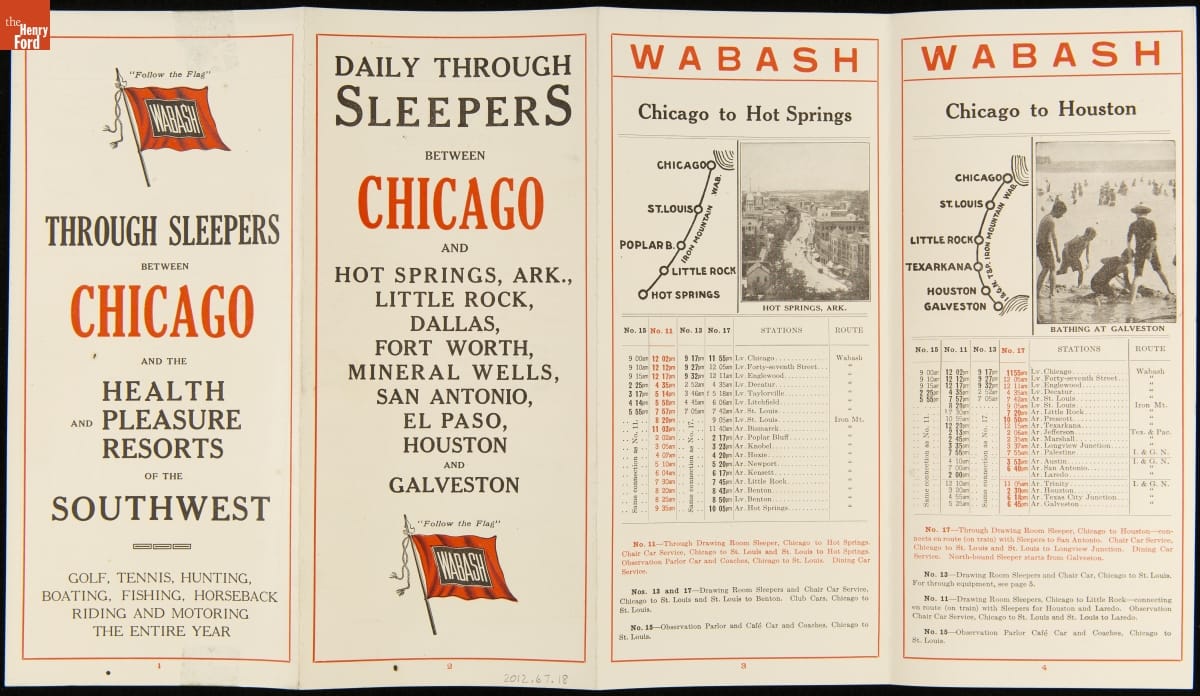
- Daily Through Sleepers between Chicago and the Health and Pleasure Resorts of the Southwest, 1915 - The Wabash Railway, with origins dating back to 1838, was a strong Midwestern carrier until Amtrak took over the national passenger railroad system in 1971. This timetable advertised Wabash's through trains between Chicago and resort communities in Arkansas and Texas. Wabash operated the service in cooperation with the St. Louis, Iron Mountain & Southern Railway and the International & Great Northern Railway.
- 1915
- Collections - Artifact
Daily Through Sleepers between Chicago and the Health and Pleasure Resorts of the Southwest, 1915
The Wabash Railway, with origins dating back to 1838, was a strong Midwestern carrier until Amtrak took over the national passenger railroad system in 1971. This timetable advertised Wabash's through trains between Chicago and resort communities in Arkansas and Texas. Wabash operated the service in cooperation with the St. Louis, Iron Mountain & Southern Railway and the International & Great Northern Railway.
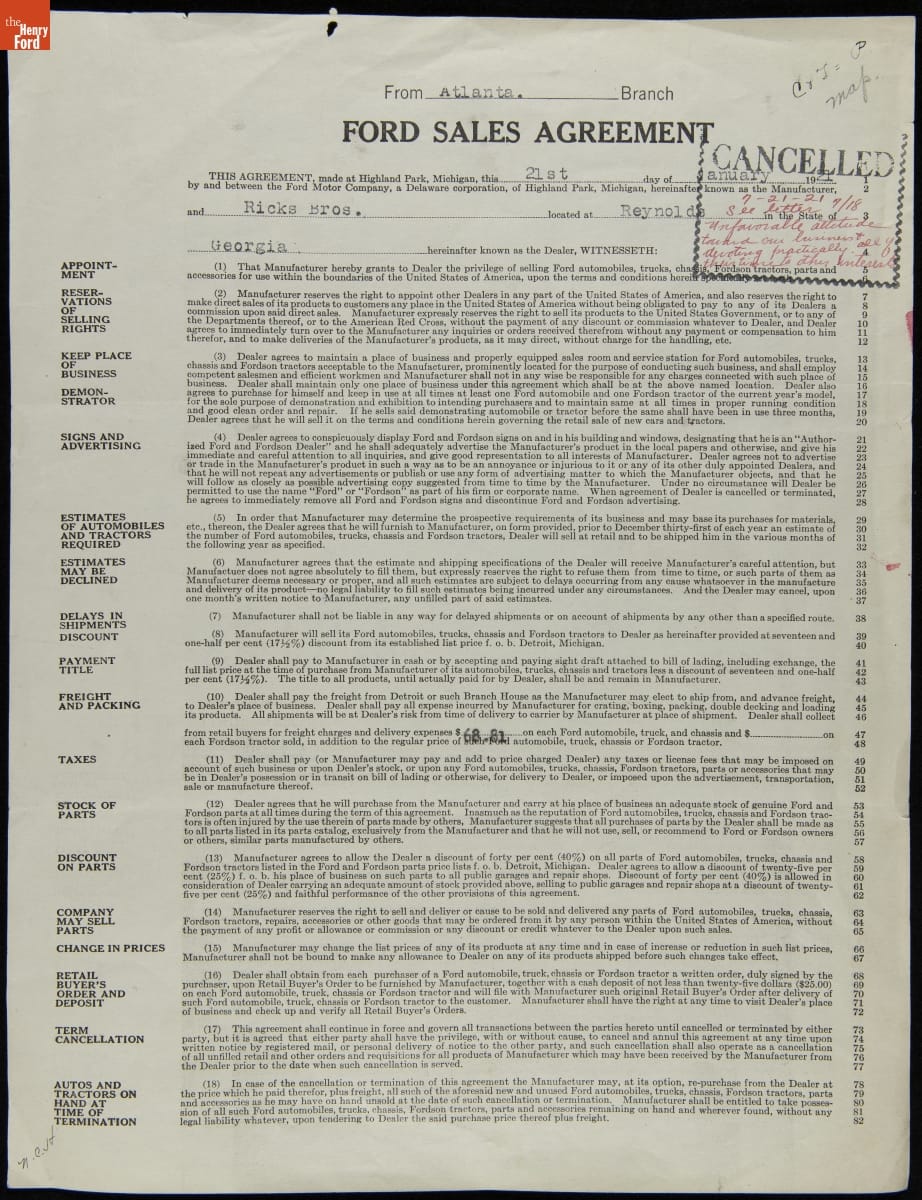
- Cancelled Requisition Form for Mrs. W.R. Puckett, Fort Gaines, Georgia, August 1921 - Though it operated some direct-sales offices in major cities, Ford Motor Company sold most of its Model T cars through franchise agreements with independent dealers. Each franchisee received the right to sell Ford cars within a specific territory. Ford encouraged dealers by offering discounts and rebates to high sellers. But low-selling dealers risked losing their territories.
- August 01, 1921
- Collections - Artifact
Cancelled Requisition Form for Mrs. W.R. Puckett, Fort Gaines, Georgia, August 1921
Though it operated some direct-sales offices in major cities, Ford Motor Company sold most of its Model T cars through franchise agreements with independent dealers. Each franchisee received the right to sell Ford cars within a specific territory. Ford encouraged dealers by offering discounts and rebates to high sellers. But low-selling dealers risked losing their territories.