
Search
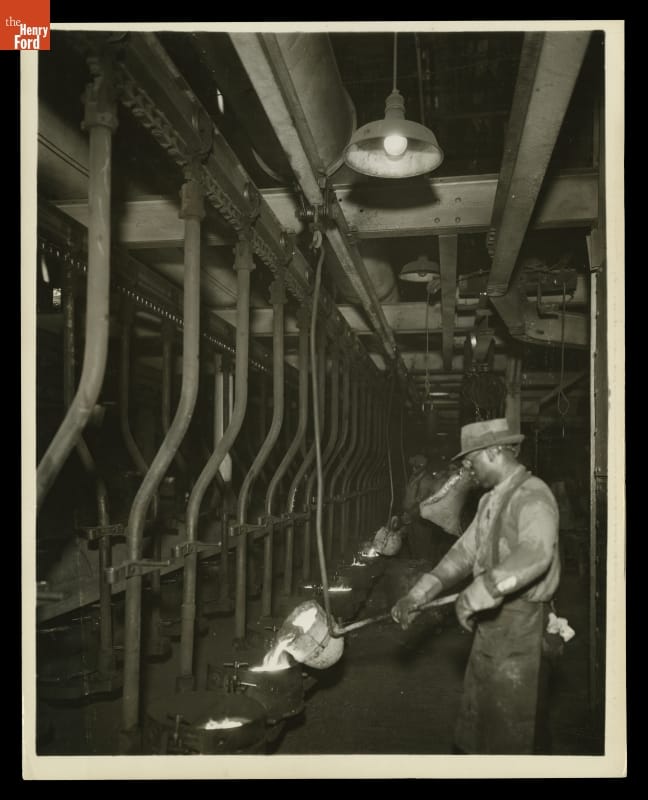
- Foundry Workers at the Ford Rouge Plant, 1934 - Workers at the Ford Rouge plant's foundry poured a molten mixture of metal, coke, and limestone into molds to create cast-metal engine blocks and parts. Once "shaken out" of their molds, castings were roughly machined before heading elsewhere for finishing and assembly. The Rouge foundry set an industry benchmark in 1932 by successfully casting Ford's intricate, single-piece V-8 engine block.
- 1934
- Collections - Artifact
Foundry Workers at the Ford Rouge Plant, 1934
Workers at the Ford Rouge plant's foundry poured a molten mixture of metal, coke, and limestone into molds to create cast-metal engine blocks and parts. Once "shaken out" of their molds, castings were roughly machined before heading elsewhere for finishing and assembly. The Rouge foundry set an industry benchmark in 1932 by successfully casting Ford's intricate, single-piece V-8 engine block.
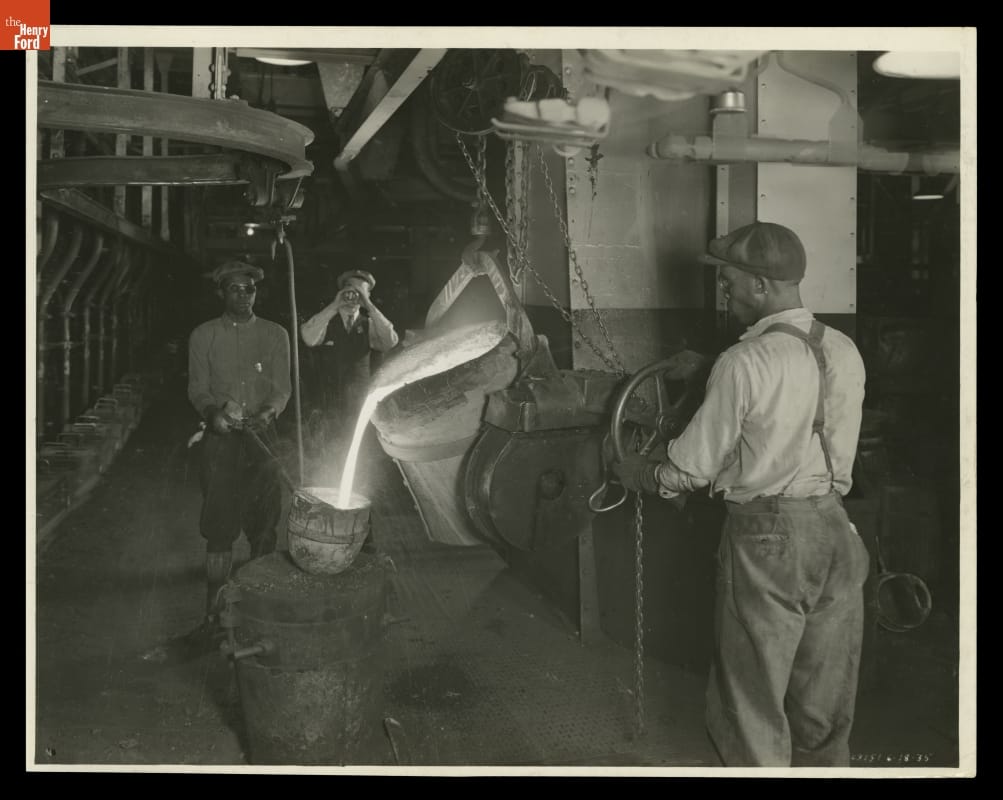
- Camshaft Casting by Foundry Workers, Ford Rouge Plant, 1935 - Workers at the Ford Rouge plant's foundry poured a molten mixture of metal, coke, and limestone into molds to create cast-metal engine blocks and parts. Once "shaken out" of their molds, castings were roughly machined before heading elsewhere for finishing and assembly. The Rouge foundry set an industry benchmark in 1932 by successfully casting Ford's intricate, single-piece V-8 engine block.
- June 18, 1935
- Collections - Artifact
Camshaft Casting by Foundry Workers, Ford Rouge Plant, 1935
Workers at the Ford Rouge plant's foundry poured a molten mixture of metal, coke, and limestone into molds to create cast-metal engine blocks and parts. Once "shaken out" of their molds, castings were roughly machined before heading elsewhere for finishing and assembly. The Rouge foundry set an industry benchmark in 1932 by successfully casting Ford's intricate, single-piece V-8 engine block.
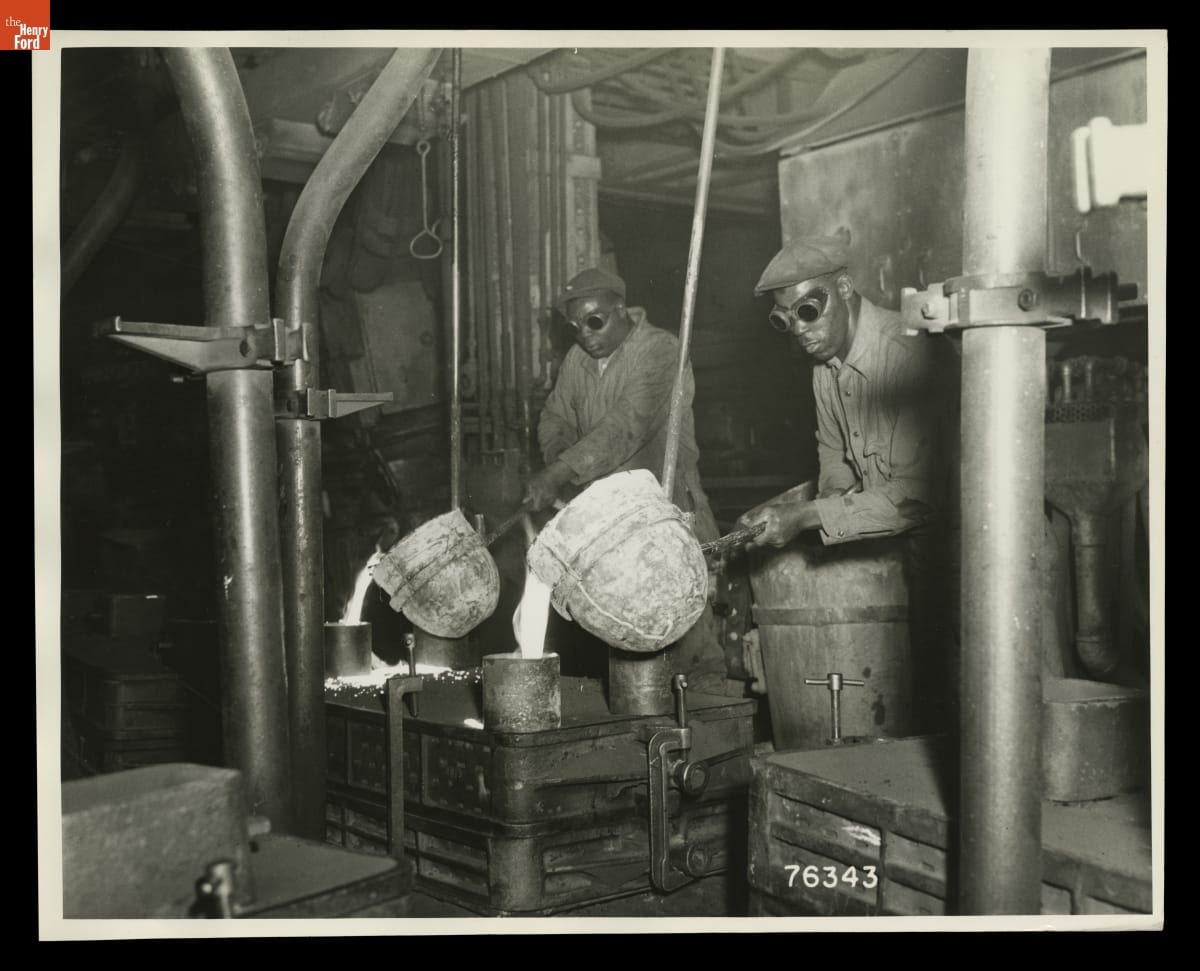
- Workers Pouring Molten Metal in the Foundry at the Ford Motor Company Rouge Plant, November 10, 1941 - Workers at the Ford Rouge plant's foundry poured a molten mixture of metal, coke, and limestone into molds to create cast-metal engine blocks and parts. Once "shaken out" of their molds, castings were roughly machined before heading elsewhere for finishing and assembly. The Rouge foundry set an industry benchmark in 1932 by successfully casting Ford's intricate, single-piece V-8 engine block.
- November 10, 1941
- Collections - Artifact
Workers Pouring Molten Metal in the Foundry at the Ford Motor Company Rouge Plant, November 10, 1941
Workers at the Ford Rouge plant's foundry poured a molten mixture of metal, coke, and limestone into molds to create cast-metal engine blocks and parts. Once "shaken out" of their molds, castings were roughly machined before heading elsewhere for finishing and assembly. The Rouge foundry set an industry benchmark in 1932 by successfully casting Ford's intricate, single-piece V-8 engine block.
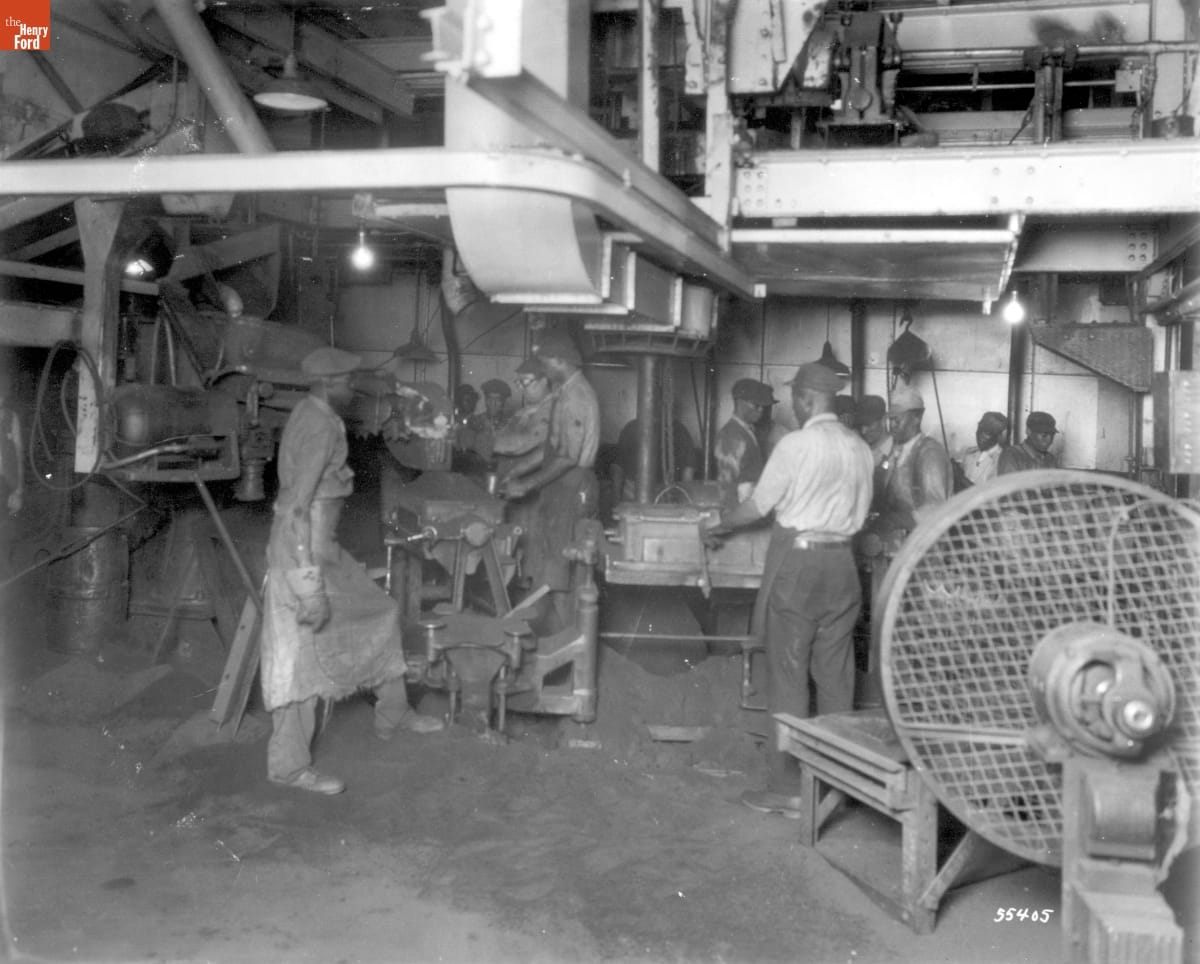
- Workers Making Cylinder Blocks in the Foundry at the Ford Motor Company Rouge Plant, 1930 - Workers at the Ford Rouge plant's foundry poured a molten mixture of metal, coke, and limestone into molds to create cast-metal engine blocks and parts. Once "shaken out" of their molds, castings were roughly machined before heading elsewhere for finishing and assembly. The Rouge foundry set an industry benchmark in 1932 by successfully casting Ford's intricate, single-piece V-8 engine block.
- 1930
- Collections - Artifact
Workers Making Cylinder Blocks in the Foundry at the Ford Motor Company Rouge Plant, 1930
Workers at the Ford Rouge plant's foundry poured a molten mixture of metal, coke, and limestone into molds to create cast-metal engine blocks and parts. Once "shaken out" of their molds, castings were roughly machined before heading elsewhere for finishing and assembly. The Rouge foundry set an industry benchmark in 1932 by successfully casting Ford's intricate, single-piece V-8 engine block.
- Drag Conveyor in Foundry, Ford Plant in Cork, Ireland, February 1929 - Henry Ford formed an Irish subsidiary company, Henry Ford & Son Limited, in 1917. Two years later, he opened a tractor plant in County Cork, Ireland -- his father's birthplace. Soon the factory began producing automobile engines and parts for Ford factories in England. Apart from a temporary closure during World War II, the plant remained in operation until 1984.
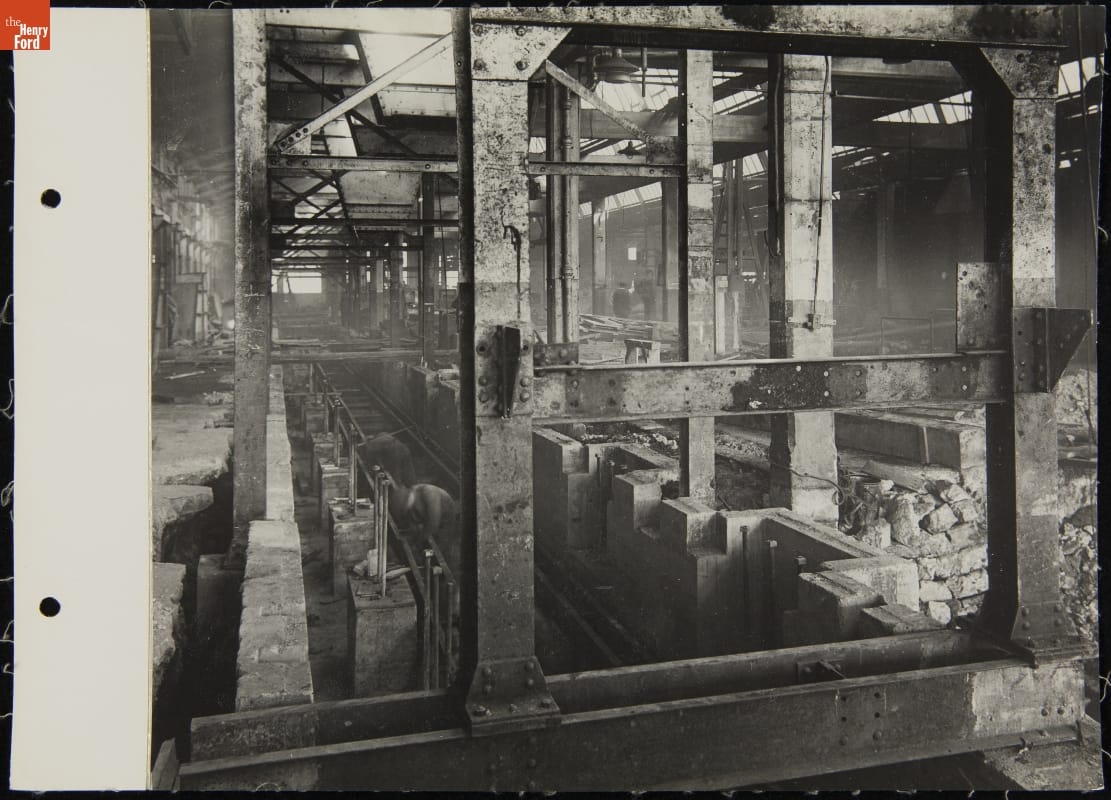
- February 05, 1929
- Collections - Artifact
Drag Conveyor in Foundry, Ford Plant in Cork, Ireland, February 1929
Henry Ford formed an Irish subsidiary company, Henry Ford & Son Limited, in 1917. Two years later, he opened a tractor plant in County Cork, Ireland -- his father's birthplace. Soon the factory began producing automobile engines and parts for Ford factories in England. Apart from a temporary closure during World War II, the plant remained in operation until 1984.
- Tool, 1900-1950 -
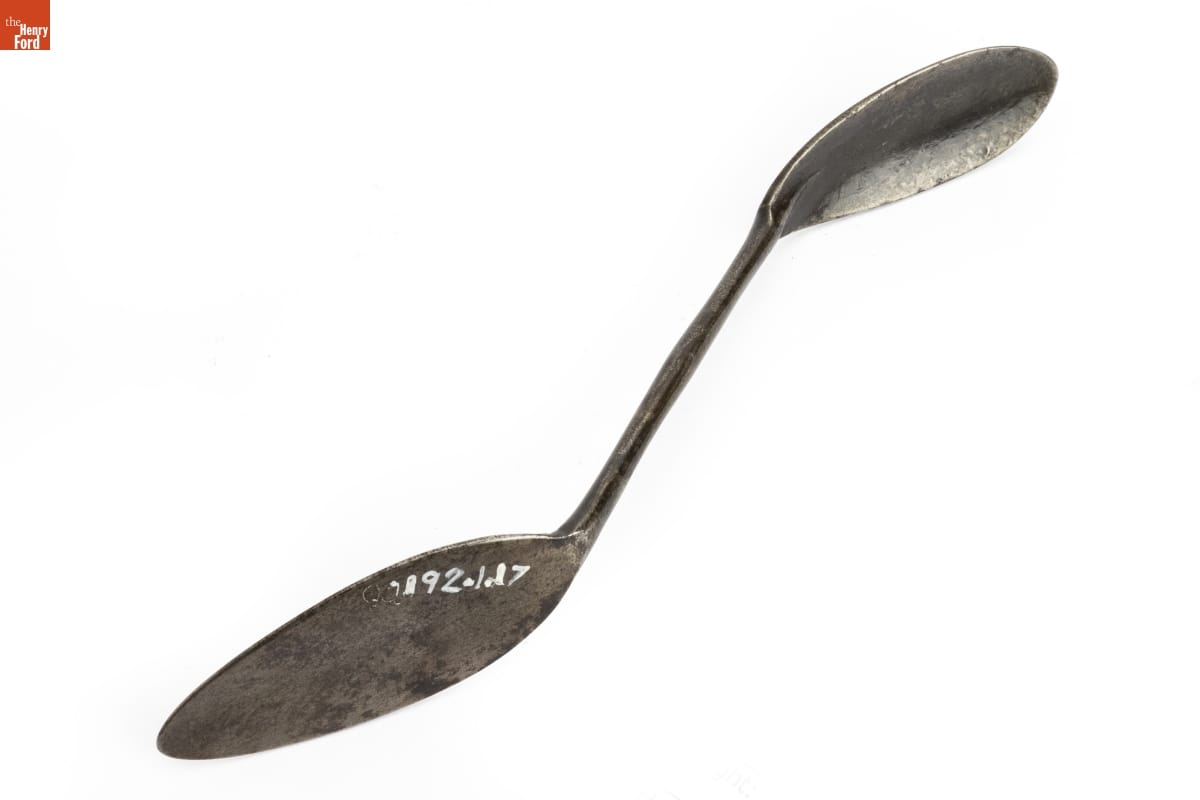
- 1900-1950
- Collections - Artifact
Tool, 1900-1950
- Trowel, 1900-1950 -
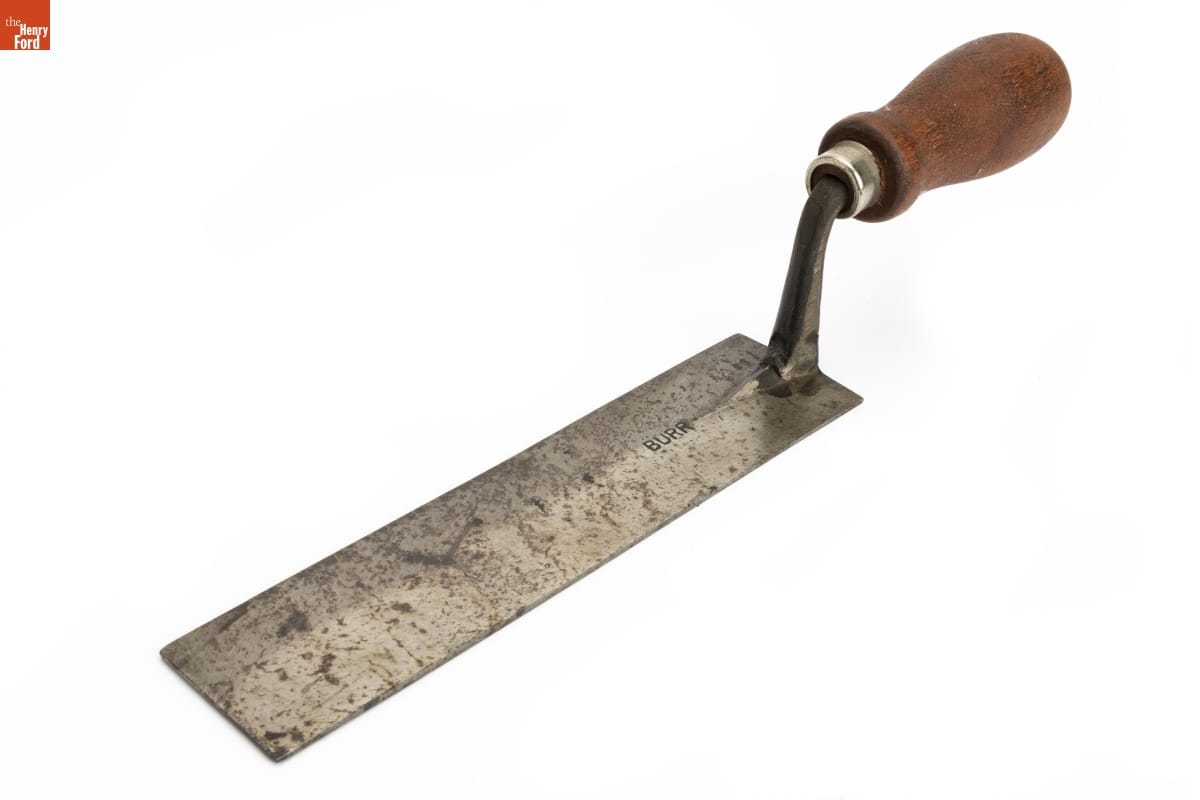
- 1900-1950
- Collections - Artifact
Trowel, 1900-1950
- AMF Thermatool, Inc. Brochure, "Flexible Automation: AMF Versatran Industrial Robots," 1970 -
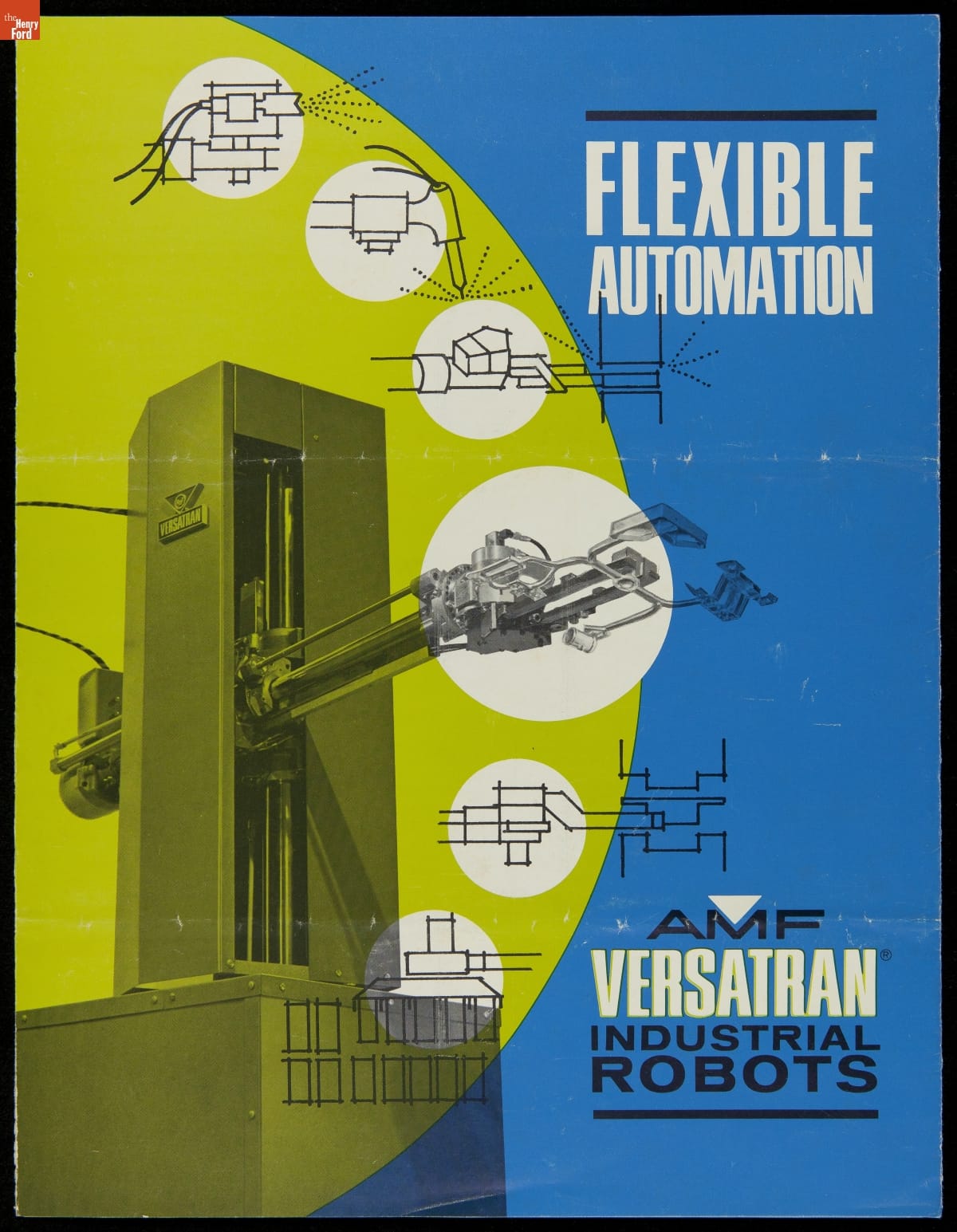
- 1970
- Collections - Artifact
AMF Thermatool, Inc. Brochure, "Flexible Automation: AMF Versatran Industrial Robots," 1970
- Trade Card for Morenci Foundry & Machine Shop, 1875-1885 - In the last third of the nineteenth century, an unprecedented variety of consumer goods and services flooded the American market. Advertisers, armed with new methods of color printing, bombarded potential customers with trade cards. Americans enjoyed and often saved the vibrant little advertisements found in product packages or distributed by local merchants. Many survive as historical records of commercialism in the United States.
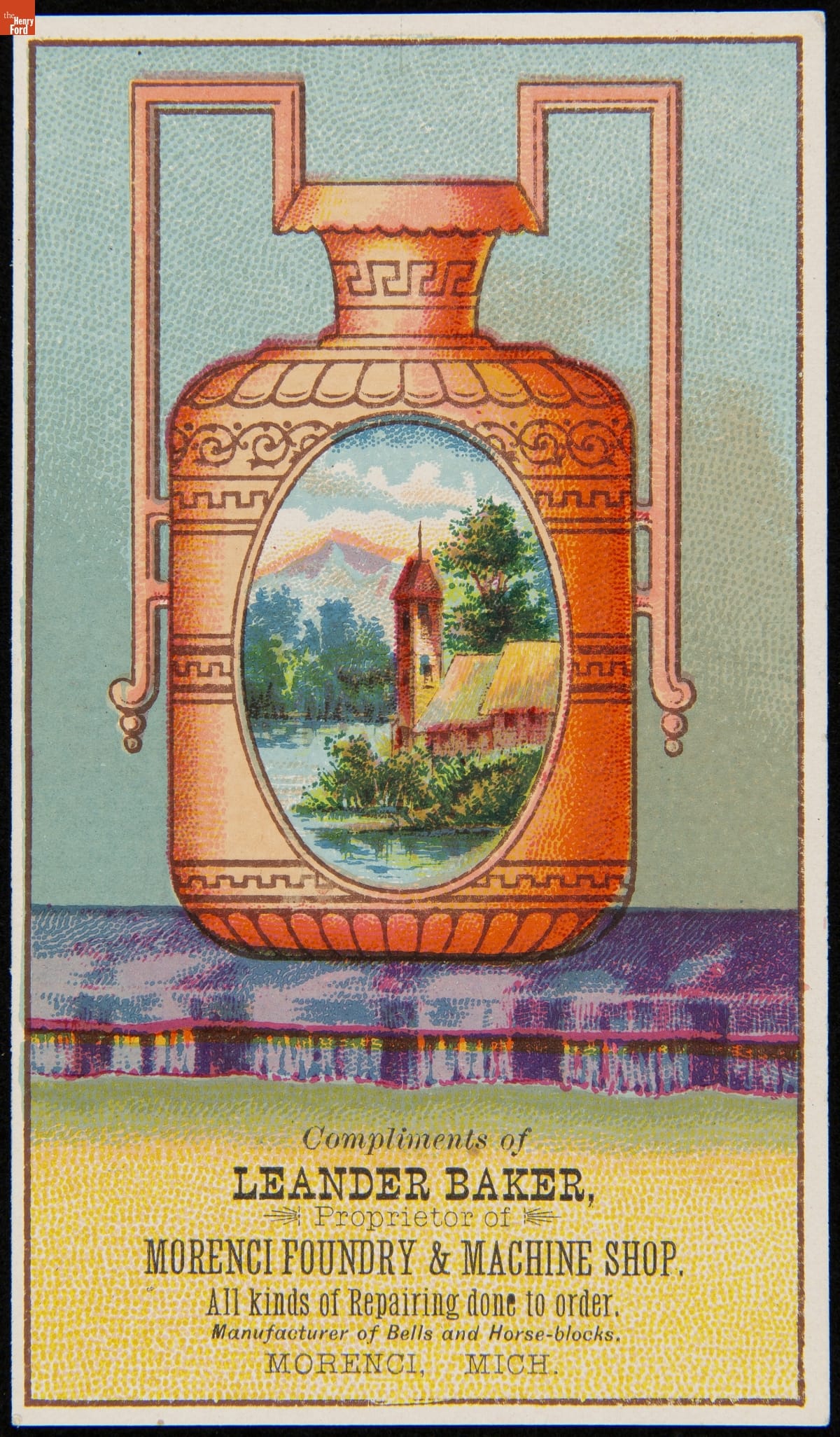
- 1875-1885
- Collections - Artifact
Trade Card for Morenci Foundry & Machine Shop, 1875-1885
In the last third of the nineteenth century, an unprecedented variety of consumer goods and services flooded the American market. Advertisers, armed with new methods of color printing, bombarded potential customers with trade cards. Americans enjoyed and often saved the vibrant little advertisements found in product packages or distributed by local merchants. Many survive as historical records of commercialism in the United States.
- Box Lifter, 1900-1950 -
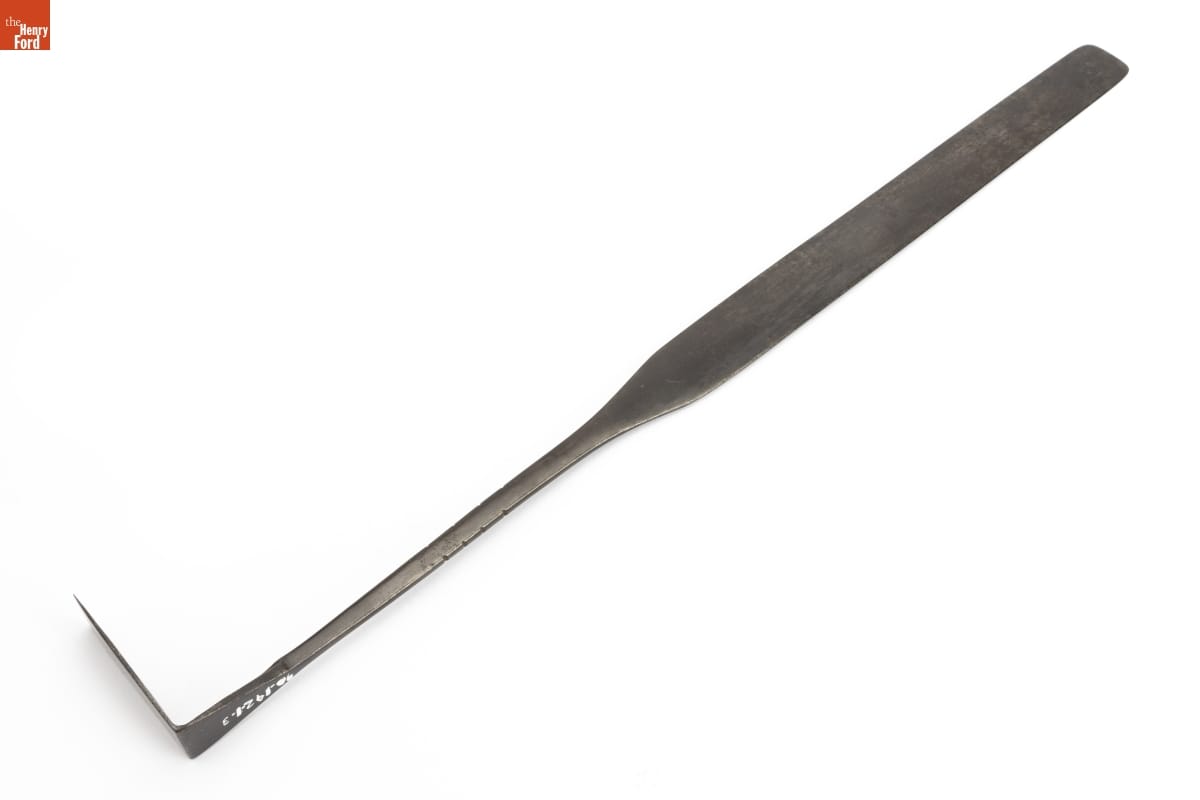
- 1900-1950
- Collections - Artifact
Box Lifter, 1900-1950