
Search
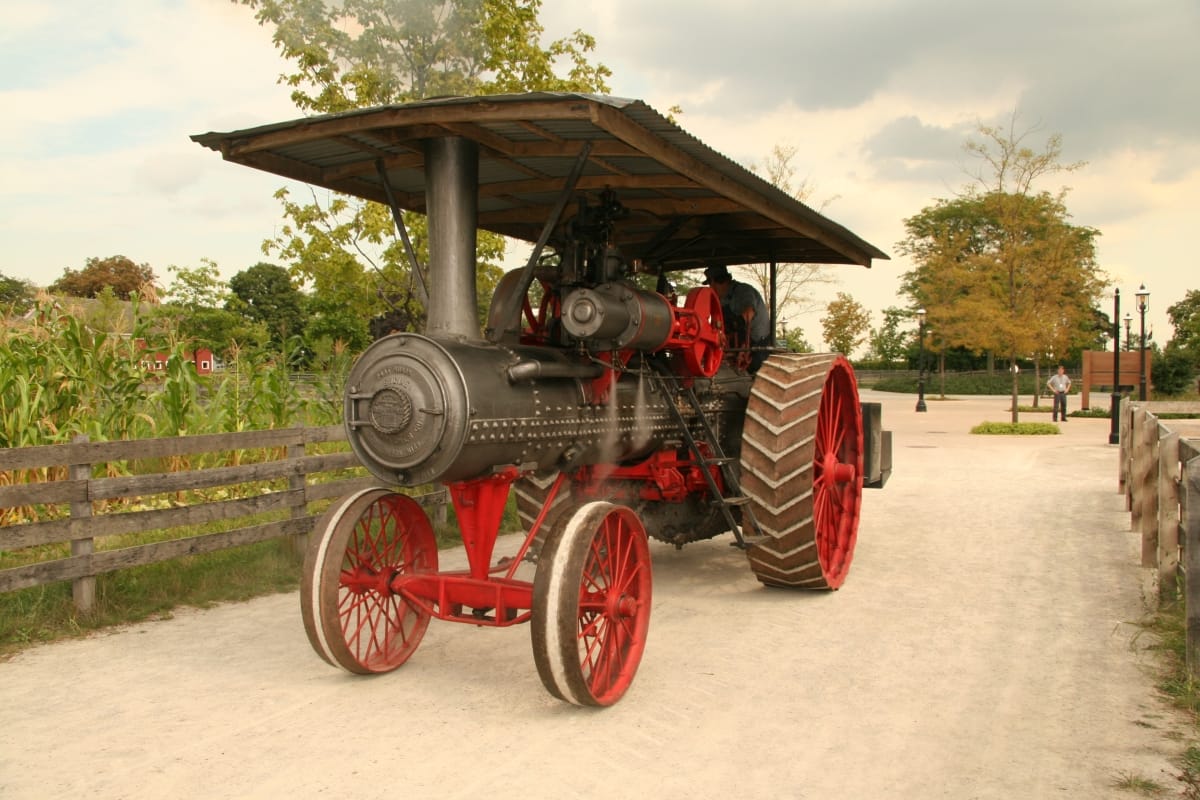
- Port Huron Steam Traction Engine, "Longfellow," 1916 - The late 19th to early 20th centuries saw huge steam engines like this used for threshing grain. They could move over the roads under their own power. Individual farmers generally did not own such machines. Rather, men made a business of moving from farm to farm, threshing grain during harvest time. Joseph Freund of Westphalia, Michigan, bought this machine in 1917 and used it to power a Port Huron "Rusher" thresher-separator in Clinton and Ionia Counties, Michigan.
- December 22, 1916
- Collections - Artifact
Port Huron Steam Traction Engine, "Longfellow," 1916
The late 19th to early 20th centuries saw huge steam engines like this used for threshing grain. They could move over the roads under their own power. Individual farmers generally did not own such machines. Rather, men made a business of moving from farm to farm, threshing grain during harvest time. Joseph Freund of Westphalia, Michigan, bought this machine in 1917 and used it to power a Port Huron "Rusher" thresher-separator in Clinton and Ionia Counties, Michigan.
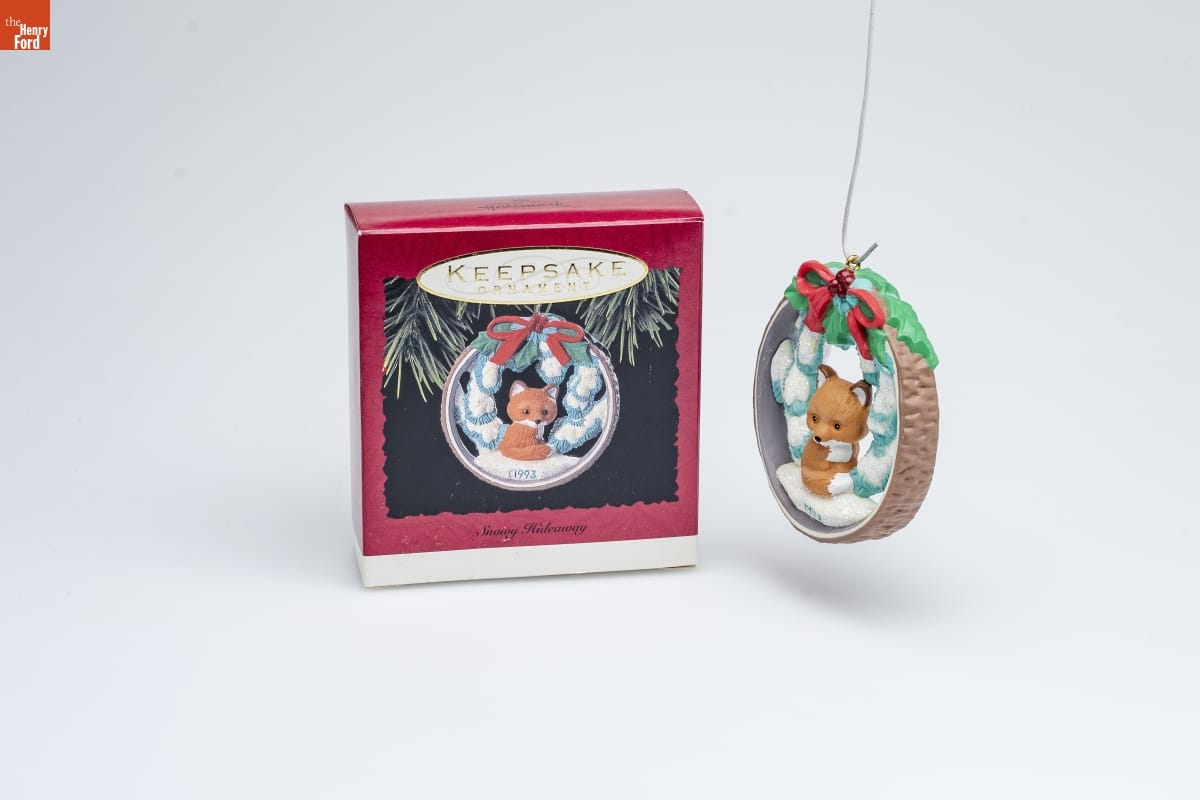
- Hallmark "Snowy Hideaway" Christmas Ornament, 1993 - Already known for greeting cards, Hallmark introduced a line of Christmas ornaments in 1973. The company's annual release of an increasing array of ornaments revolutionized Christmas decorating, appealing to customers' interest in marking memories and milestones as well as expressing one's personality and unique tastes.
- 1993
- Collections - Artifact
Hallmark "Snowy Hideaway" Christmas Ornament, 1993
Already known for greeting cards, Hallmark introduced a line of Christmas ornaments in 1973. The company's annual release of an increasing array of ornaments revolutionized Christmas decorating, appealing to customers' interest in marking memories and milestones as well as expressing one's personality and unique tastes.
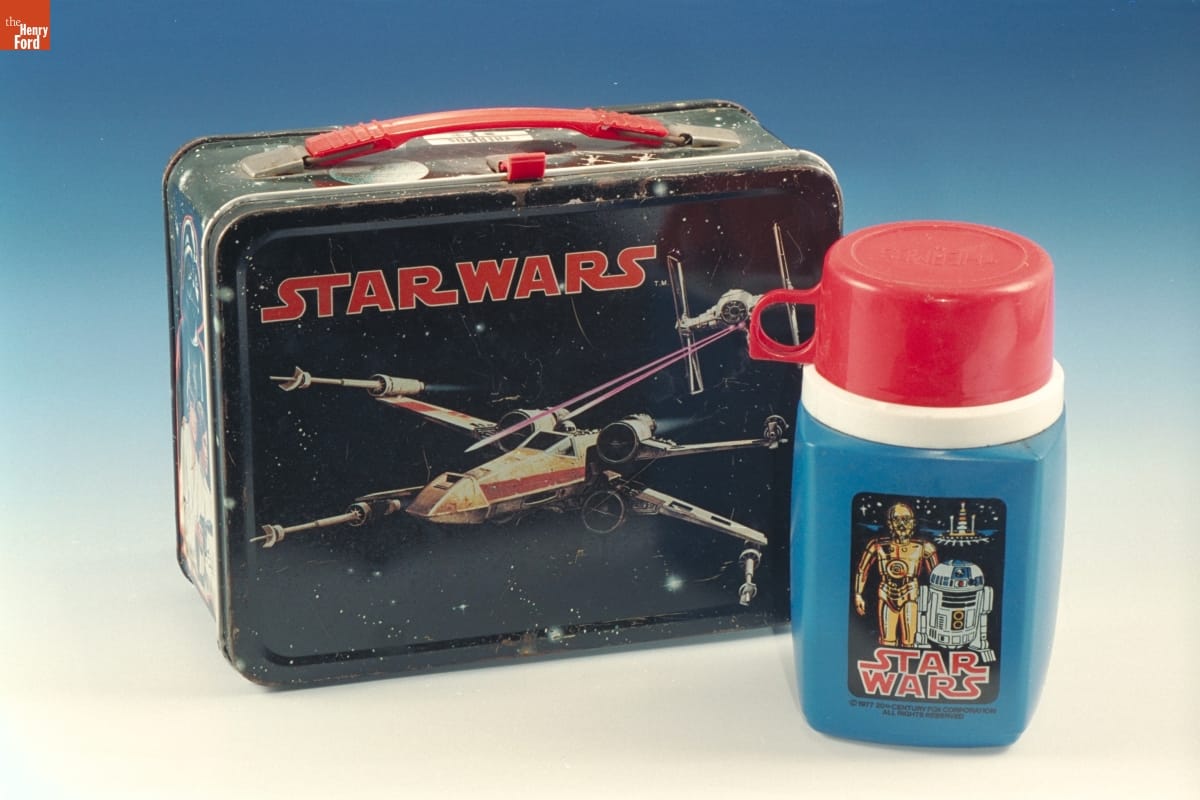
- Star Wars Lunchbox, 1977 - The first pictorial lunchboxes, introduced in 1950, featured Hopalong Cassidy. Since then, generations of children have proudly sported pictorial images of their favorite television shows, movies, and celebrities on the sides of their school lunchboxes. This metal lunchbox was produced for the 1977 <EM>Star Wars</EM> movie, which went on to become a pop culture classic.
- 1977
- Collections - Artifact
Star Wars Lunchbox, 1977
The first pictorial lunchboxes, introduced in 1950, featured Hopalong Cassidy. Since then, generations of children have proudly sported pictorial images of their favorite television shows, movies, and celebrities on the sides of their school lunchboxes. This metal lunchbox was produced for the 1977 Star Wars movie, which went on to become a pop culture classic.
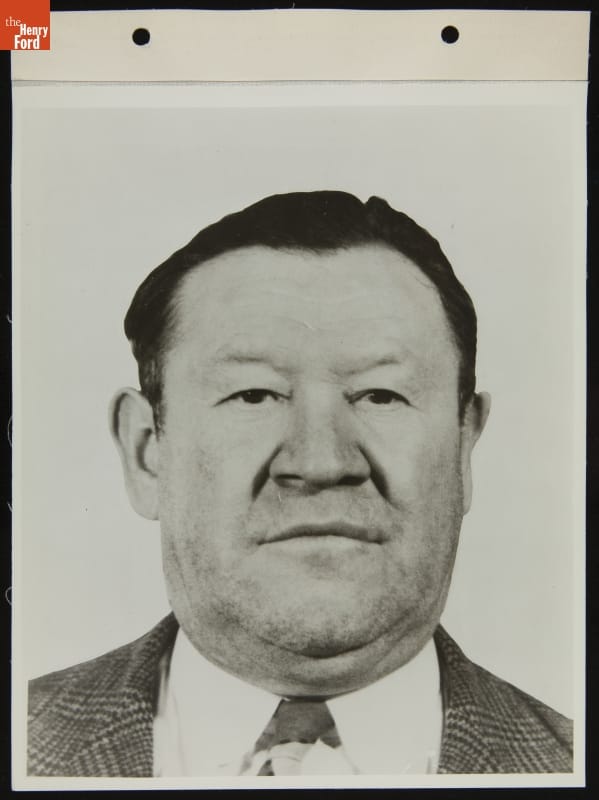
- Jim Thorpe While Employed at Ford Motor Company, December 1944 - Jim Thorpe (1887-1953), also called Wa-Tho-Tuk, was a citizen of the Thâkîwaki (Sac and Fox Nation). In the 1912 Olympics he earned gold in the classic pentathlon and decathlon. He also played baseball, football, and basketball professionally, and is widely considered to be one of America's greatest athletes. This photo was taken while Thorpe was employed as security staff at Ford Motor Company.
- December 04, 1944
- Collections - Artifact
Jim Thorpe While Employed at Ford Motor Company, December 1944
Jim Thorpe (1887-1953), also called Wa-Tho-Tuk, was a citizen of the Thâkîwaki (Sac and Fox Nation). In the 1912 Olympics he earned gold in the classic pentathlon and decathlon. He also played baseball, football, and basketball professionally, and is widely considered to be one of America's greatest athletes. This photo was taken while Thorpe was employed as security staff at Ford Motor Company.
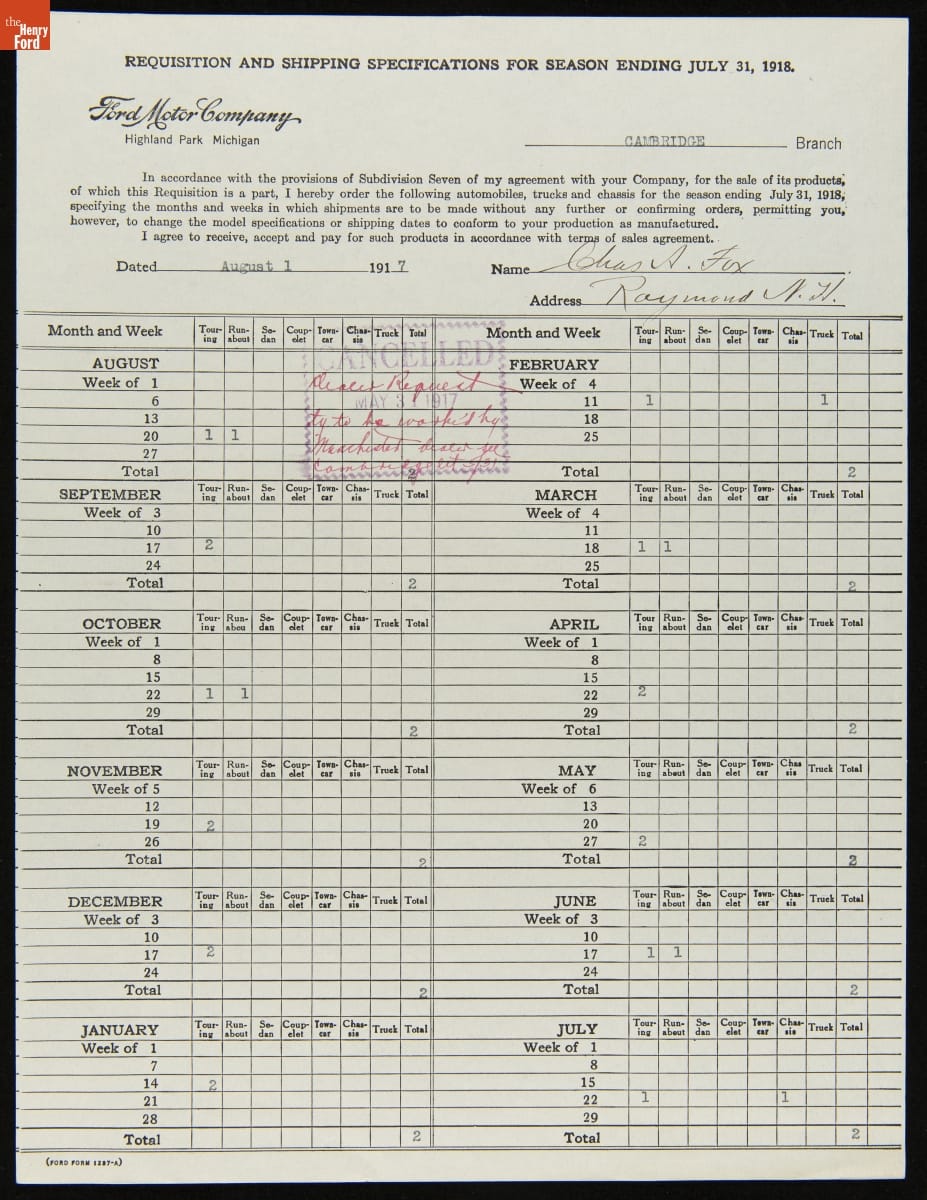
- Cancelled Requisition Form for Chas A. Fox, Raymond, New Hampshire, August 1, 1917 - Though it operated some direct-sales offices in major cities, Ford Motor Company sold most of its Model T cars through franchise agreements with independent dealers. Each franchisee received the right to sell Ford cars within a specific territory. Ford encouraged dealers by offering discounts and rebates to high sellers. But low-selling dealers risked losing their territories.
- August 01, 1917
- Collections - Artifact
Cancelled Requisition Form for Chas A. Fox, Raymond, New Hampshire, August 1, 1917
Though it operated some direct-sales offices in major cities, Ford Motor Company sold most of its Model T cars through franchise agreements with independent dealers. Each franchisee received the right to sell Ford cars within a specific territory. Ford encouraged dealers by offering discounts and rebates to high sellers. But low-selling dealers risked losing their territories.
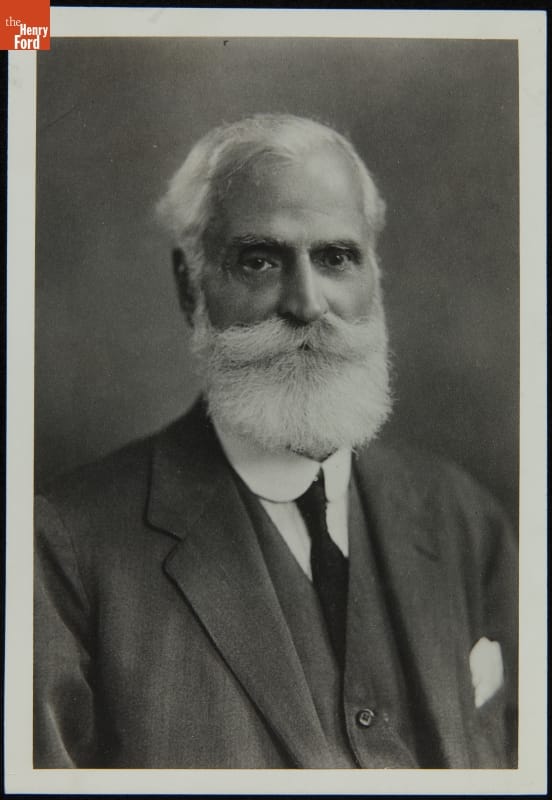
- Portrait of Sir George Lane-Fox, 1915-1932 -
- 1915-1932
- Collections - Artifact
Portrait of Sir George Lane-Fox, 1915-1932
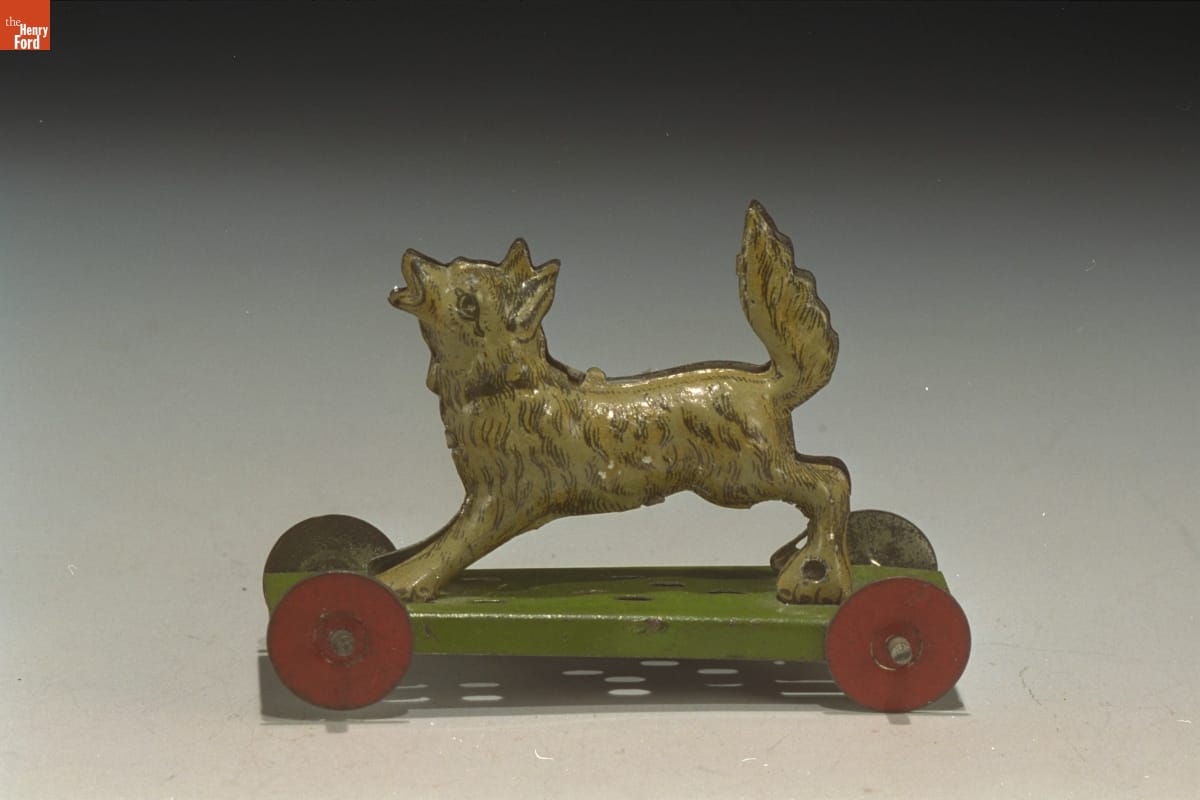
- Toy Fox, circa 1900 - Toy companies began making small, inexpensive, yet colorful, tin toys in the late 19th century. Over the years, toymakers stamped tin into shapes of soldiers, boats, trains, cars and even animals -- like this fox. Children could purchase these low-priced toys from shopkeepers or street vendors. These mass-produced toys -- though not meant to last -- provided fun for just a few pennies.
- circa 1900
- Collections - Artifact
Toy Fox, circa 1900
Toy companies began making small, inexpensive, yet colorful, tin toys in the late 19th century. Over the years, toymakers stamped tin into shapes of soldiers, boats, trains, cars and even animals -- like this fox. Children could purchase these low-priced toys from shopkeepers or street vendors. These mass-produced toys -- though not meant to last -- provided fun for just a few pennies.
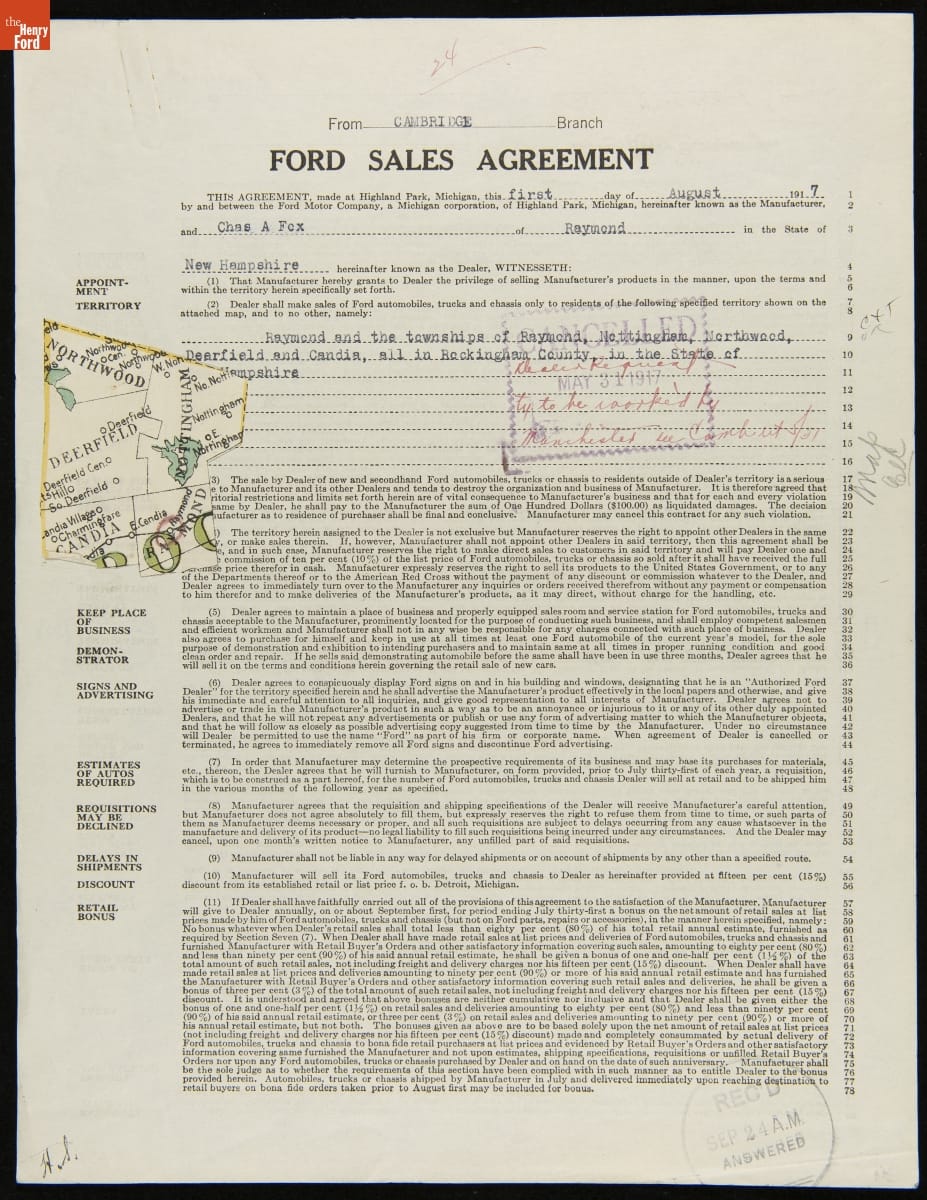
- Cancelled Ford Sales Agreement for Chas A. Fox, Raymond, New Hampshire, August 1, 1917 - Though it operated some direct-sales offices in major cities, Ford Motor Company sold most of its Model T cars through franchise agreements with independent dealers. Each franchisee received the right to sell Ford cars within a specific territory. Ford encouraged dealers by offering discounts and rebates to high sellers. But low-selling dealers risked losing their territories.
- August 01, 1917
- Collections - Artifact
Cancelled Ford Sales Agreement for Chas A. Fox, Raymond, New Hampshire, August 1, 1917
Though it operated some direct-sales offices in major cities, Ford Motor Company sold most of its Model T cars through franchise agreements with independent dealers. Each franchisee received the right to sell Ford cars within a specific territory. Ford encouraged dealers by offering discounts and rebates to high sellers. But low-selling dealers risked losing their territories.
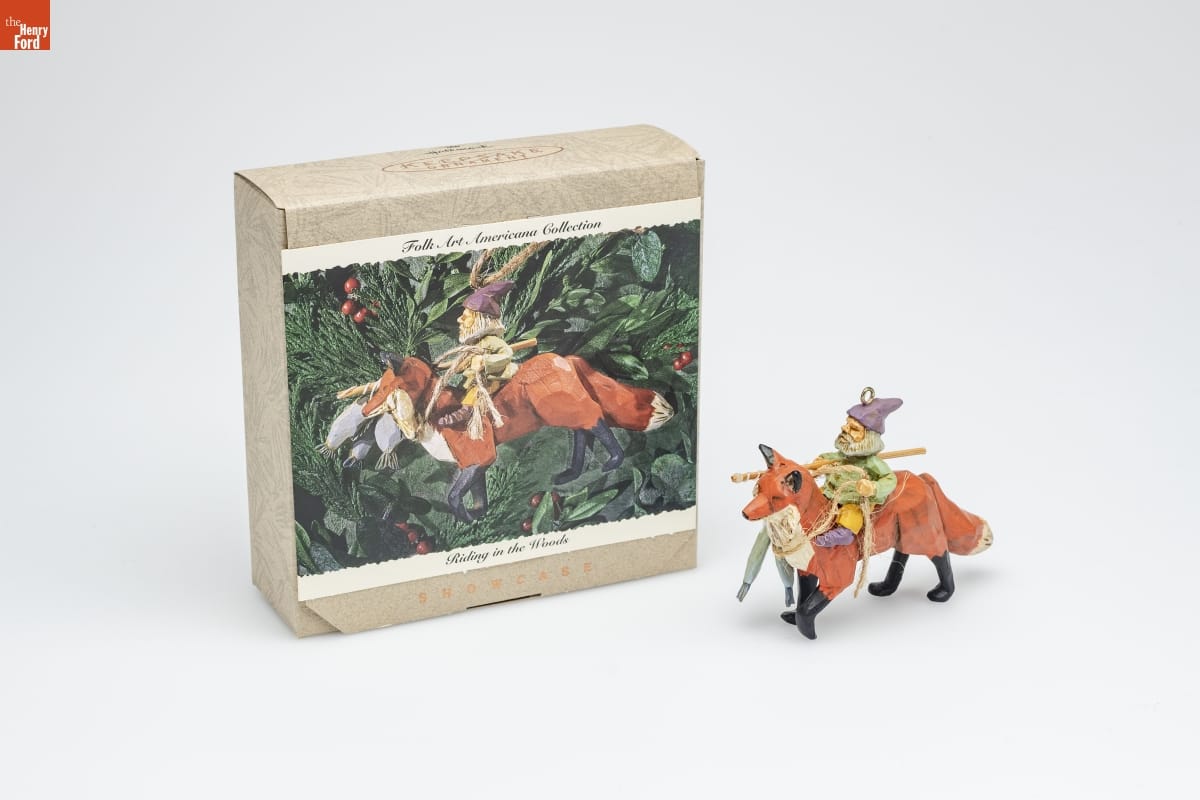
- Hallmark "Folk Art Americana Collection: Riding in the Woods" Christmas Ornament, 1993 - Already known for greeting cards, Hallmark introduced a line of Christmas ornaments in 1973. The company's annual release of an increasing array of ornaments revolutionized Christmas decorating, appealing to customers' interest in marking memories and milestones as well as expressing one's personality and unique tastes.
- 1993
- Collections - Artifact
Hallmark "Folk Art Americana Collection: Riding in the Woods" Christmas Ornament, 1993
Already known for greeting cards, Hallmark introduced a line of Christmas ornaments in 1973. The company's annual release of an increasing array of ornaments revolutionized Christmas decorating, appealing to customers' interest in marking memories and milestones as well as expressing one's personality and unique tastes.
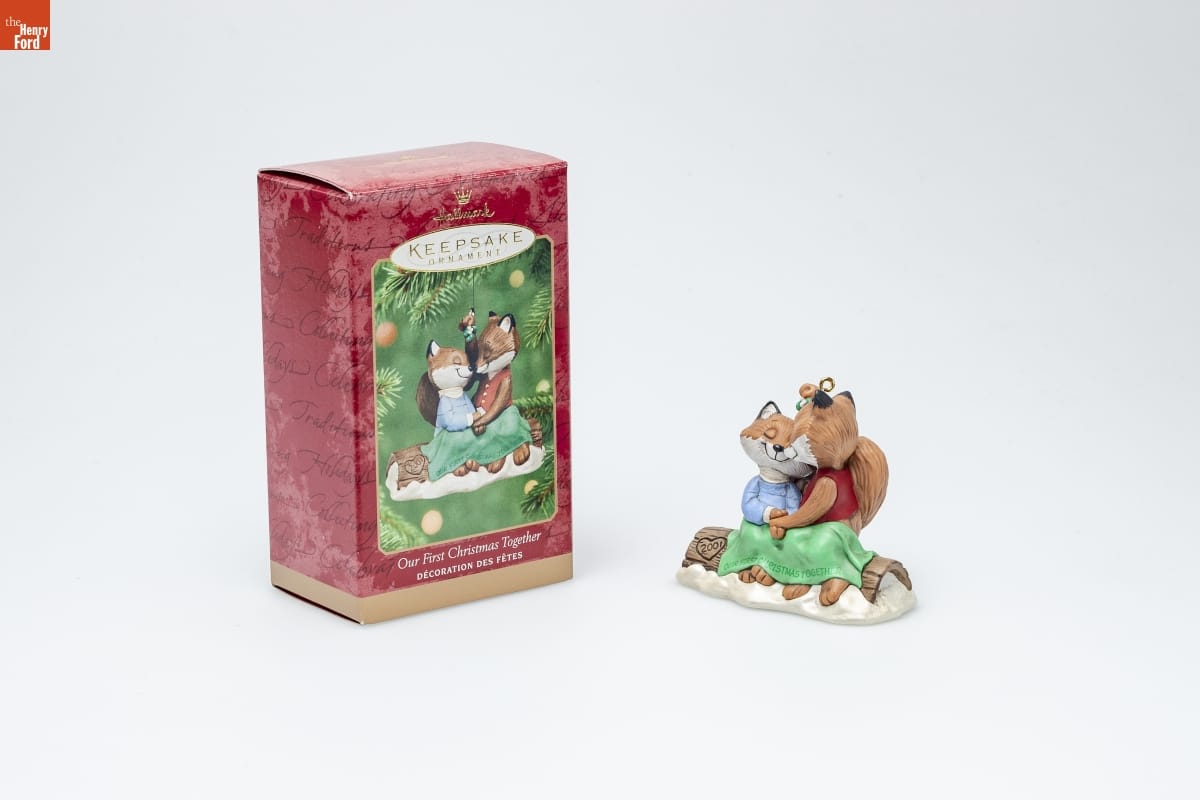
- Hallmark "Our First Christmas Together" Christmas Ornament, 2001 - Already known for greeting cards, Hallmark introduced a line of Christmas ornaments in 1973. The company's annual release of an increasing array of ornaments appealed to customers' interest in marking memories and milestones as well as expressing one's personality and unique tastes. Purchasing an ornament like this one would bring back happy family memories of that event year after year.
- 2001
- Collections - Artifact
Hallmark "Our First Christmas Together" Christmas Ornament, 2001
Already known for greeting cards, Hallmark introduced a line of Christmas ornaments in 1973. The company's annual release of an increasing array of ornaments appealed to customers' interest in marking memories and milestones as well as expressing one's personality and unique tastes. Purchasing an ornament like this one would bring back happy family memories of that event year after year.