
Search
- Letter Written by Union Army Private Albert Manning from "Camp Foster," Roanoke Island, North Carolina, February 17, 1862 -
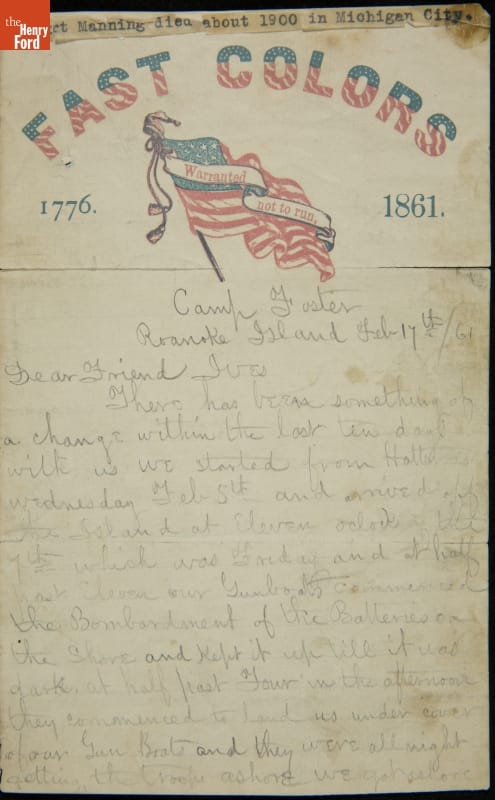
- February 17, 1862
- Collections - Artifact
Letter Written by Union Army Private Albert Manning from "Camp Foster," Roanoke Island, North Carolina, February 17, 1862
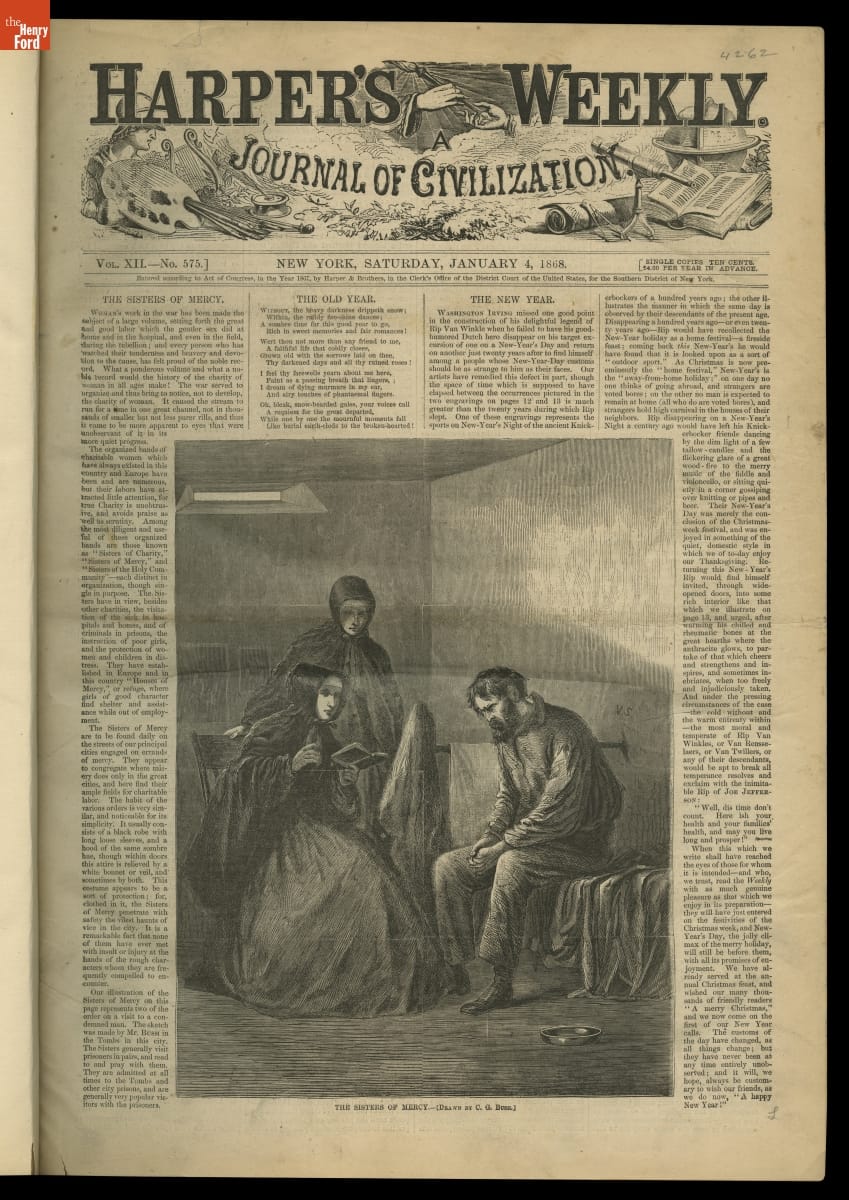
- Harper's Weekly, Volume 12, 1868 - <em>Harper's Weekly</em> began publishing in 1857. Published by Harper & Brothers, issues contained news articles, literary works, essays, and illustrations depicting life in America and around the world. <em> Harper's Weekly</em> ceased publication in 1916.
- January 1868-December 1868
- Collections - Artifact
Harper's Weekly, Volume 12, 1868
Harper's Weekly began publishing in 1857. Published by Harper & Brothers, issues contained news articles, literary works, essays, and illustrations depicting life in America and around the world. Harper's Weekly ceased publication in 1916.
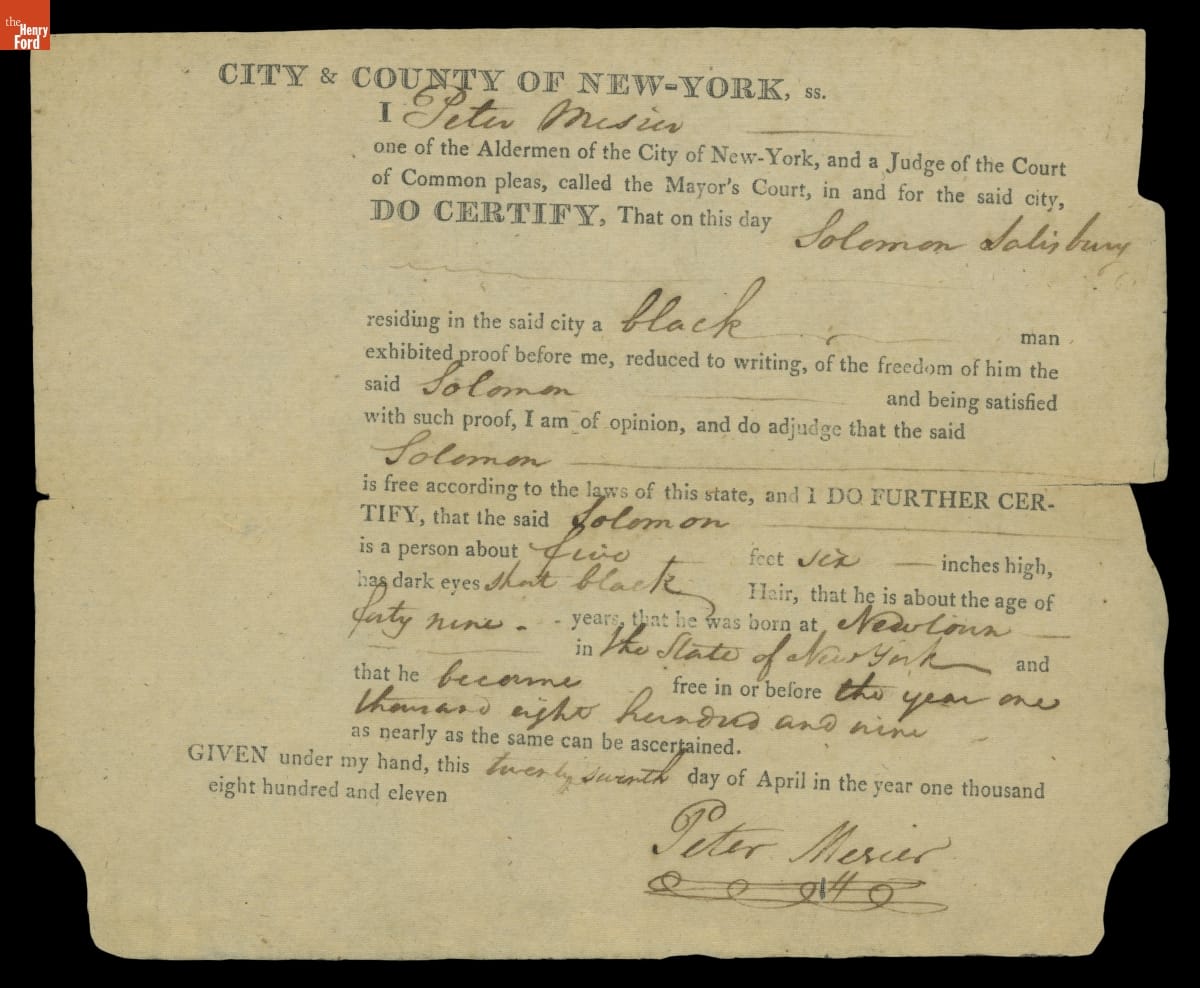
- Certificate Verifying Solomon Salisbury's Status as a Free Man, April 27, 1811 -
- April 27, 1811
- Collections - Artifact
Certificate Verifying Solomon Salisbury's Status as a Free Man, April 27, 1811
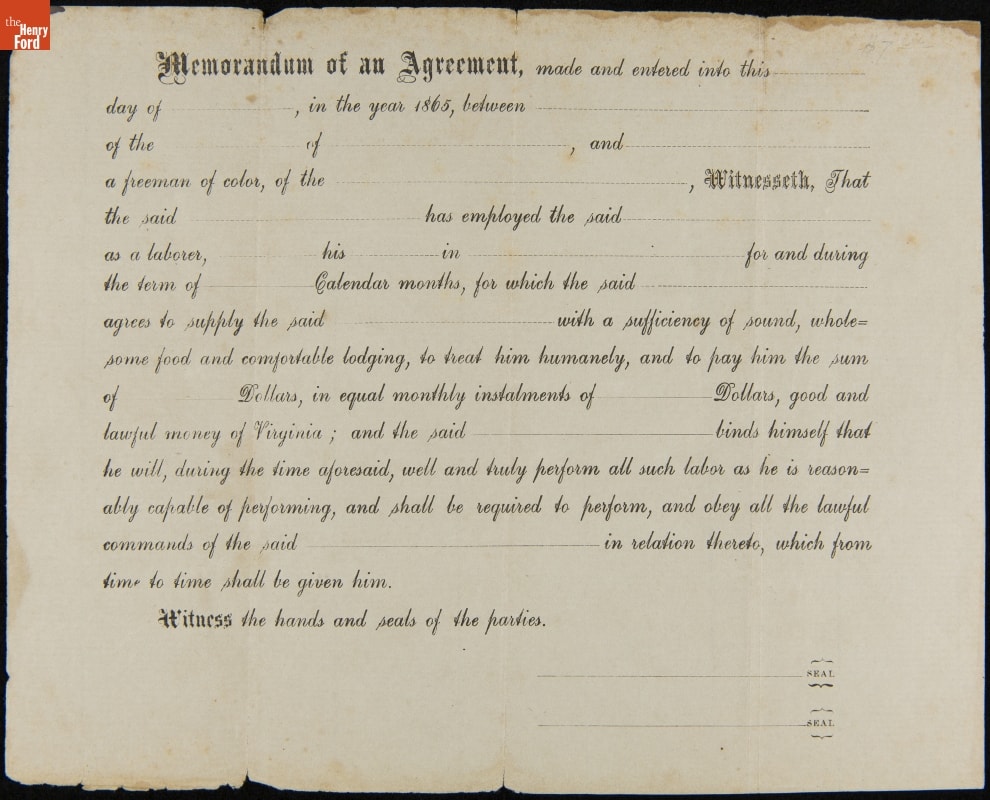
- Freedman's Work Agreement Form, Virginia, 1865 -
- 1865
- Collections - Artifact
Freedman's Work Agreement Form, Virginia, 1865
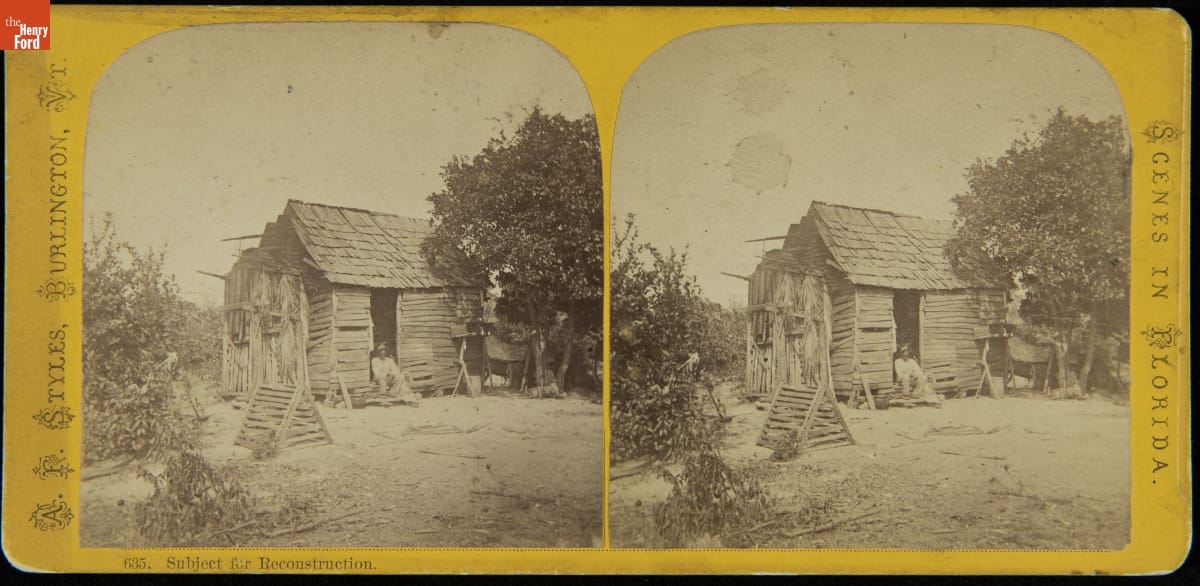
- Subject for Reconstruction, 1866-1868 - This ramshackle building housed freed people in Florida. The man and child sitting on the front step likely called it home. They raised chickens and protected them in a triangle coop in the yard and in nesting boxes on stilts under the shade tree (perhaps an orange tree). They faced an uncertain future as the national government sought equality while others opposed rights expansion for freedmen.
- 1866-1868
- Collections - Artifact
Subject for Reconstruction, 1866-1868
This ramshackle building housed freed people in Florida. The man and child sitting on the front step likely called it home. They raised chickens and protected them in a triangle coop in the yard and in nesting boxes on stilts under the shade tree (perhaps an orange tree). They faced an uncertain future as the national government sought equality while others opposed rights expansion for freedmen.
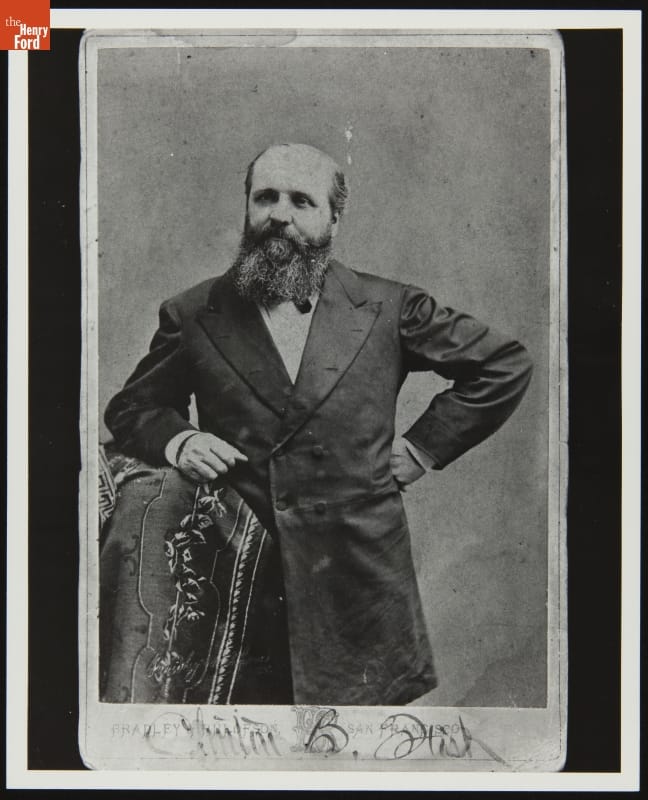
- Clinton B. Fisk, circa 1874 - Clinton Bowen Fisk (1828-1890), photographed about the time President Ulysses S. Grant appointed him to the Board of Indian Commissioners in 1874, gained lasting recognition as the founder of Fisk University. He was an abolitionist, Civil War brigadier general, businessman, banker, and Freedmen Bureau official. He campaigned as the Prohibitionist Party candidate in the 1888 presidential election.
- circa 1874
- Collections - Artifact
Clinton B. Fisk, circa 1874
Clinton Bowen Fisk (1828-1890), photographed about the time President Ulysses S. Grant appointed him to the Board of Indian Commissioners in 1874, gained lasting recognition as the founder of Fisk University. He was an abolitionist, Civil War brigadier general, businessman, banker, and Freedmen Bureau official. He campaigned as the Prohibitionist Party candidate in the 1888 presidential election.
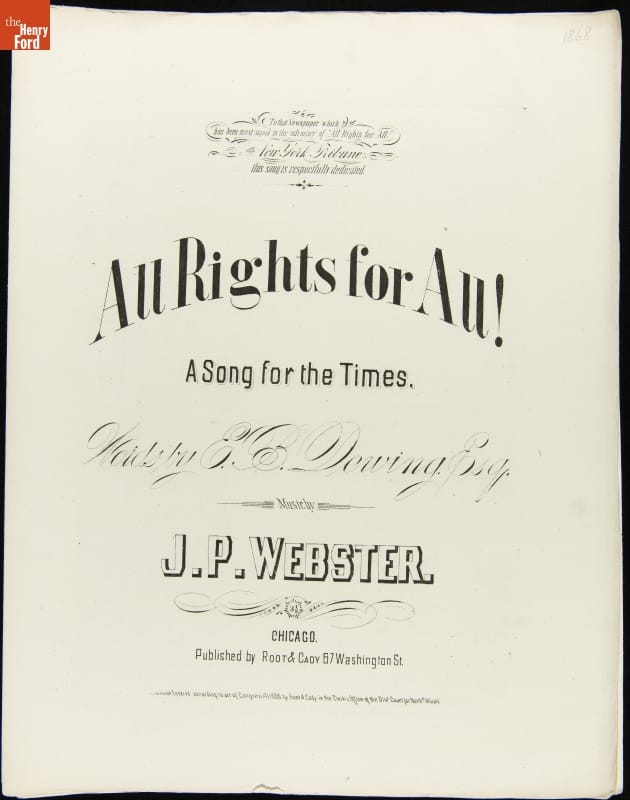
- "All Rights for All!, A Song for the Times," 1868 -
- 1868
- Collections - Artifact
"All Rights for All!, A Song for the Times," 1868
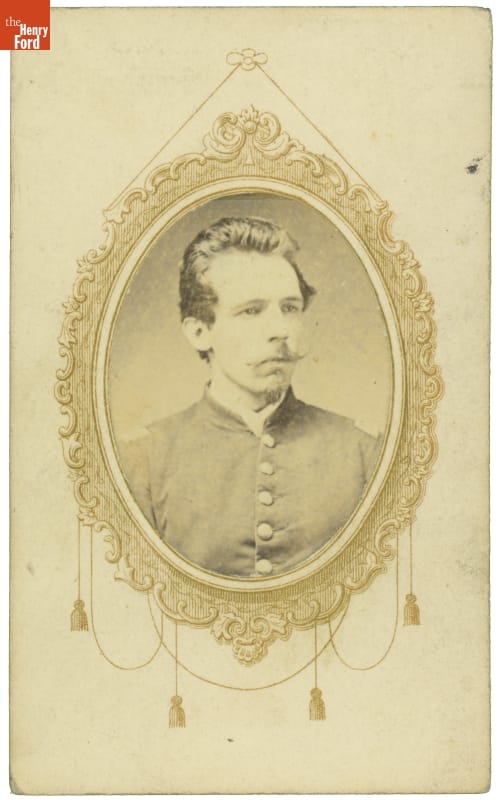
- Portrait of Lieutenant Andrew Coats, 7th Colored Infantry Regiment, 1864 - Scottish-born Andrew Coats was a Lieutenant in the 7th U.S. Colored Infantry. The regiment, organized in September 1863, first deployed to the occupied coastal territories stretching from South Carolina to Florida. This photograph was taken after he arrived in 1864. Coats served as Acting Assistant Adjutant General (AAAG) for the District of Florida, before joining the Veteran Reserve Corps in late 1864.
- 1864
- Collections - Artifact
Portrait of Lieutenant Andrew Coats, 7th Colored Infantry Regiment, 1864
Scottish-born Andrew Coats was a Lieutenant in the 7th U.S. Colored Infantry. The regiment, organized in September 1863, first deployed to the occupied coastal territories stretching from South Carolina to Florida. This photograph was taken after he arrived in 1864. Coats served as Acting Assistant Adjutant General (AAAG) for the District of Florida, before joining the Veteran Reserve Corps in late 1864.
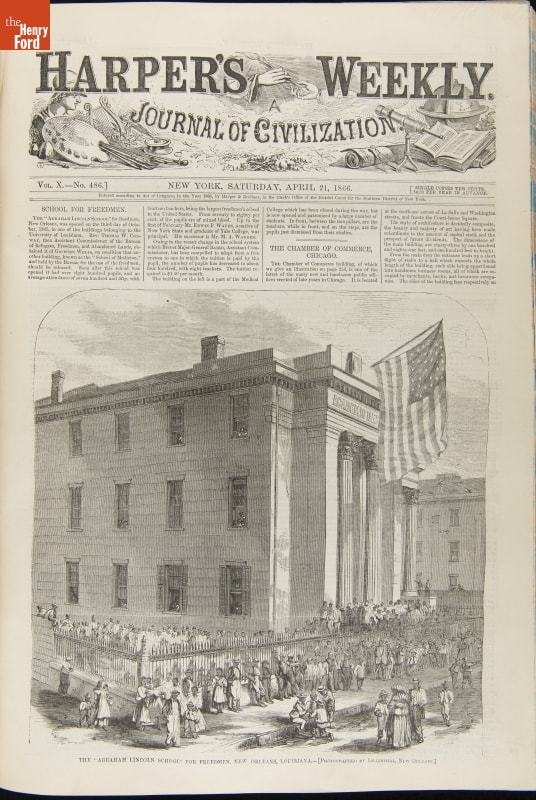
- "Harper's Weekly" Bound Volume of Issues from January-December 1866 - <em>Harper's Weekly</em> began publishing in 1857. Published by Harper & Brothers, issues contained news articles, literary works, essays, and illustrations depicting life in America and around the world. <em> Harper's Weekly</em> ceased publication in 1916.
- January 1866-December 1866
- Collections - Artifact
"Harper's Weekly" Bound Volume of Issues from January-December 1866
Harper's Weekly began publishing in 1857. Published by Harper & Brothers, issues contained news articles, literary works, essays, and illustrations depicting life in America and around the world. Harper's Weekly ceased publication in 1916.
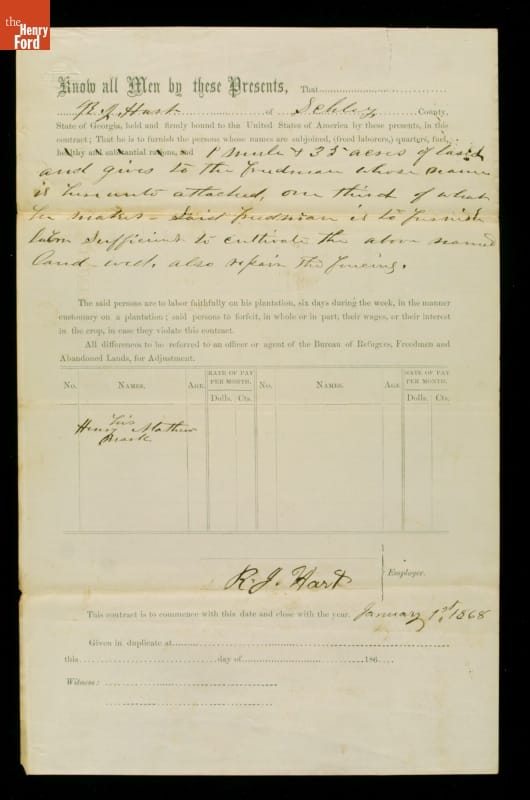
- Freedman's Contract for a Mule and Land, January 1, 1868 - After the Civil War, white landowners contracted with black freed persons to work their land and grow crops. In this 1868 contract, R. Hart agreed to furnish Henry Mathew with 35 acres, a mule, and, after harvest, 1/3 of his crop in compensation for his labor. While seemingly straightforward many contracts trapped black laborers into a lifetime of poverty.
- January 01, 1868
- Collections - Artifact
Freedman's Contract for a Mule and Land, January 1, 1868
After the Civil War, white landowners contracted with black freed persons to work their land and grow crops. In this 1868 contract, R. Hart agreed to furnish Henry Mathew with 35 acres, a mule, and, after harvest, 1/3 of his crop in compensation for his labor. While seemingly straightforward many contracts trapped black laborers into a lifetime of poverty.