
Search
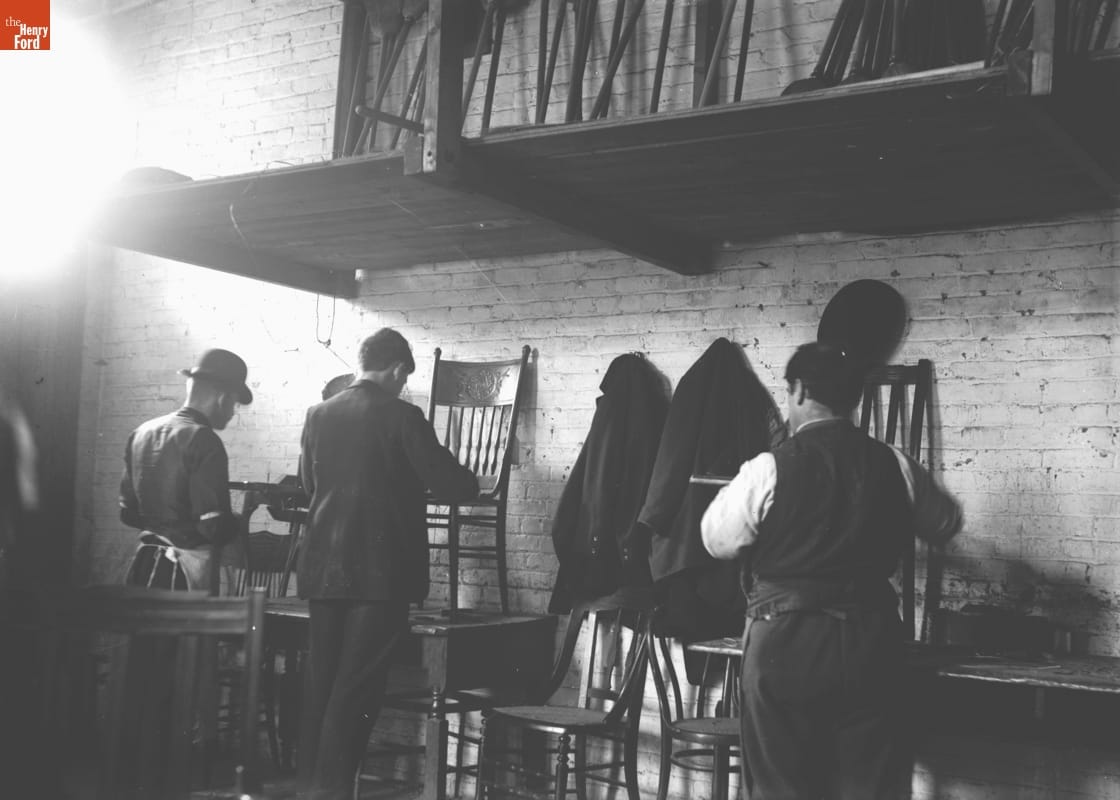
- Home for Blind, Chair Caning, 1890-1915 - In 1890, Jenny Young Chandler, 25 years old and recently widowed, began working for the <EM>New York Herald</EM>. As a photojournalist and feature writer, Chandler captured life in Brooklyn, New York, and vicinity. By 1922, the time of her death, she had produced over 800 glass plate negatives. Her sensitive, insightful photographs depict people from all walks of life and the world in which they lived.
- 1890-1915
- Collections - Artifact
Home for Blind, Chair Caning, 1890-1915
In 1890, Jenny Young Chandler, 25 years old and recently widowed, began working for the New York Herald. As a photojournalist and feature writer, Chandler captured life in Brooklyn, New York, and vicinity. By 1922, the time of her death, she had produced over 800 glass plate negatives. Her sensitive, insightful photographs depict people from all walks of life and the world in which they lived.
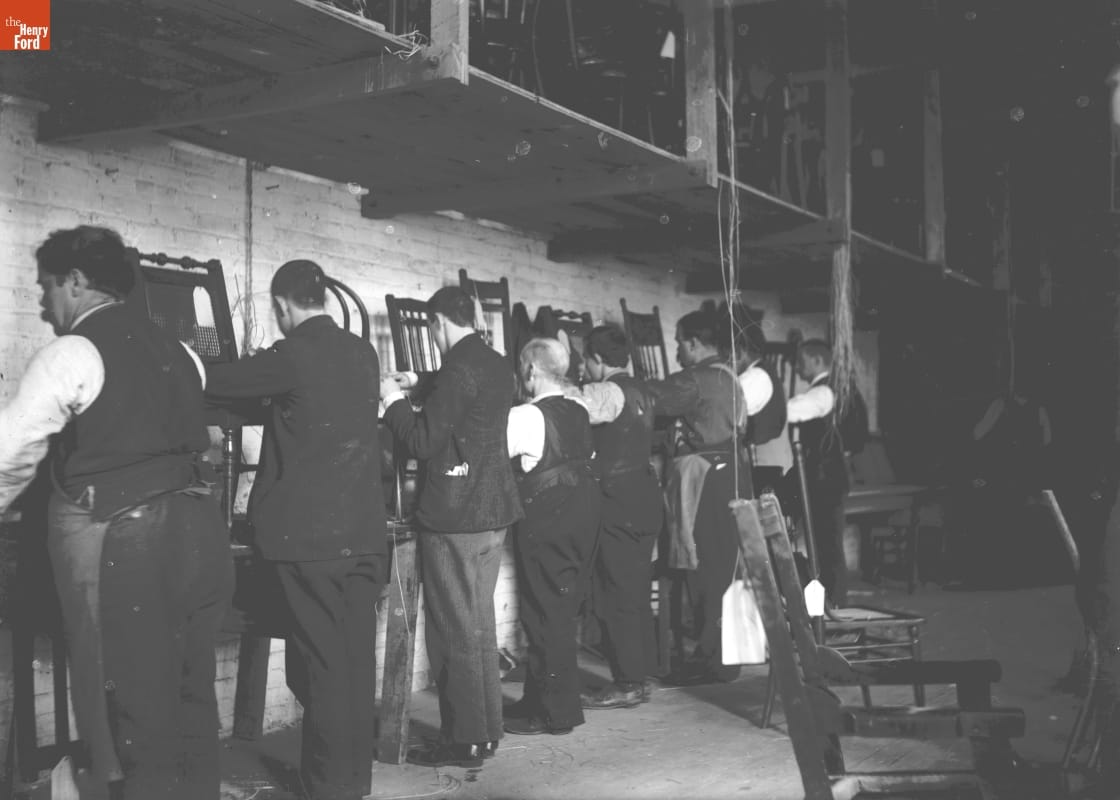
- Home for Blind, Chair Caning, 1890-1915 - In 1890, Jenny Young Chandler, 25 years old and recently widowed, began working for the <EM>New York Herald</EM>. As a photojournalist and feature writer, Chandler captured life in Brooklyn, New York, and vicinity. By 1922, the time of her death, she had produced over 800 glass plate negatives. Her sensitive, insightful photographs depict people from all walks of life and the world in which they lived.
- 1890-1915
- Collections - Artifact
Home for Blind, Chair Caning, 1890-1915
In 1890, Jenny Young Chandler, 25 years old and recently widowed, began working for the New York Herald. As a photojournalist and feature writer, Chandler captured life in Brooklyn, New York, and vicinity. By 1922, the time of her death, she had produced over 800 glass plate negatives. Her sensitive, insightful photographs depict people from all walks of life and the world in which they lived.
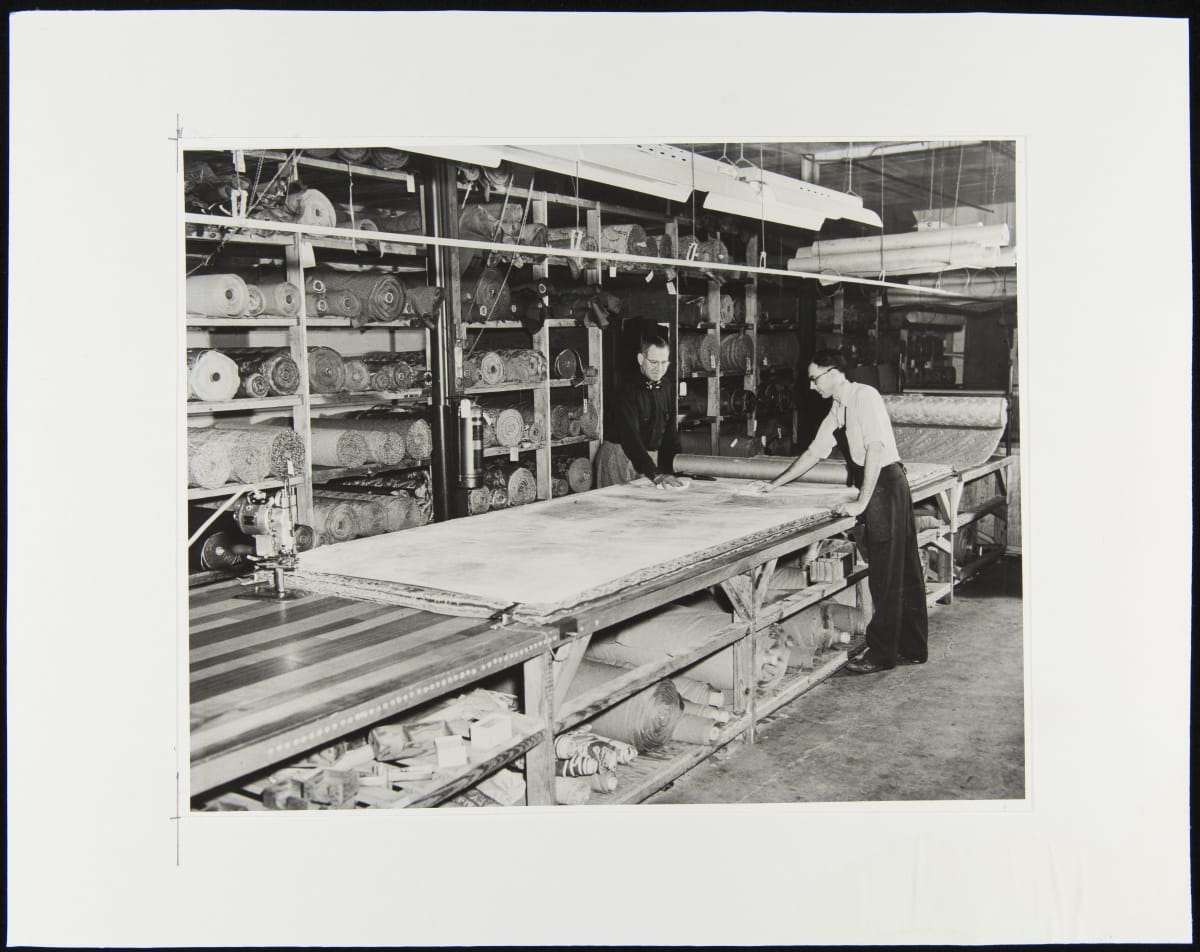
- La-Z-Boy Fabric Department, 1940-1959 - La-Z-Boy co-founders Edwin Shoemaker and Edward Knabusch built the company's first factory with very little outside help, completing it by 1928. The cousins planned for efficiency in their three-story structure from the start, but they always looked for ways to improve the factory layout and manufacturing process.
- 1940-1959
- Collections - Artifact
La-Z-Boy Fabric Department, 1940-1959
La-Z-Boy co-founders Edwin Shoemaker and Edward Knabusch built the company's first factory with very little outside help, completing it by 1928. The cousins planned for efficiency in their three-story structure from the start, but they always looked for ways to improve the factory layout and manufacturing process.
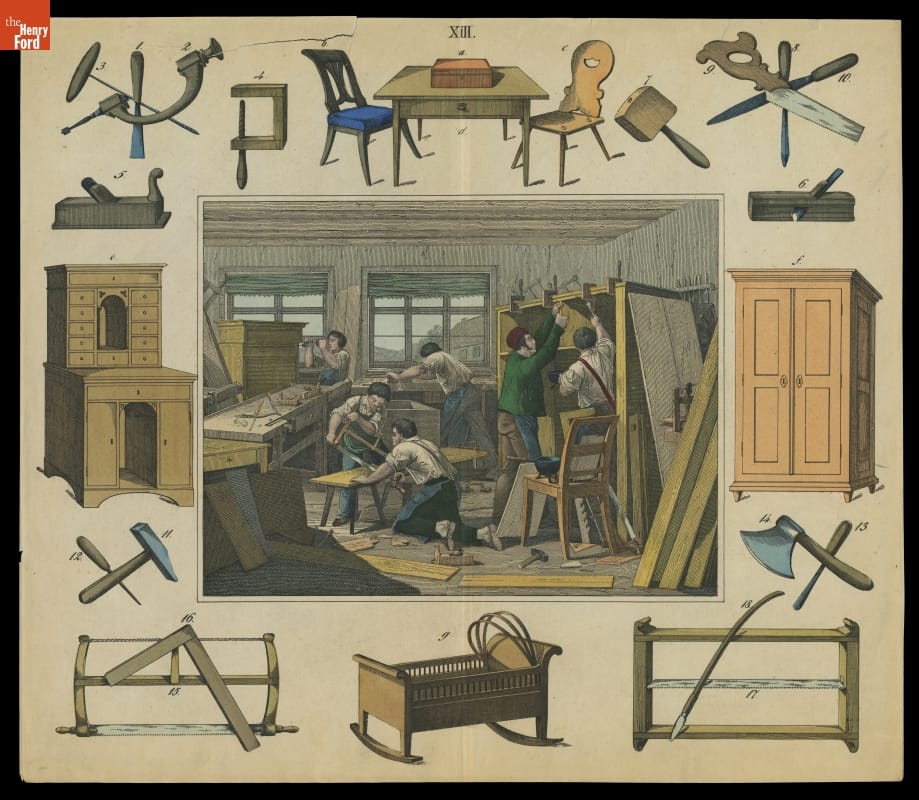
- Engraving, Cabinetmaker's Shop, Tools and Products, circa 1810 -
- circa 1810
- Collections - Artifact
Engraving, Cabinetmaker's Shop, Tools and Products, circa 1810
- La-Z-Boy Chair Manufacturing Workstation, Monroe, Michigan, 1940-1959 - La-Z-Boy co-founders Edwin Shoemaker and Edward Knabusch built the company's first factory with very little outside help, completing it by 1928. The cousins planned for efficiency in their three-story structure from the start, but they always looked for ways to improve the factory layout and manufacturing process.
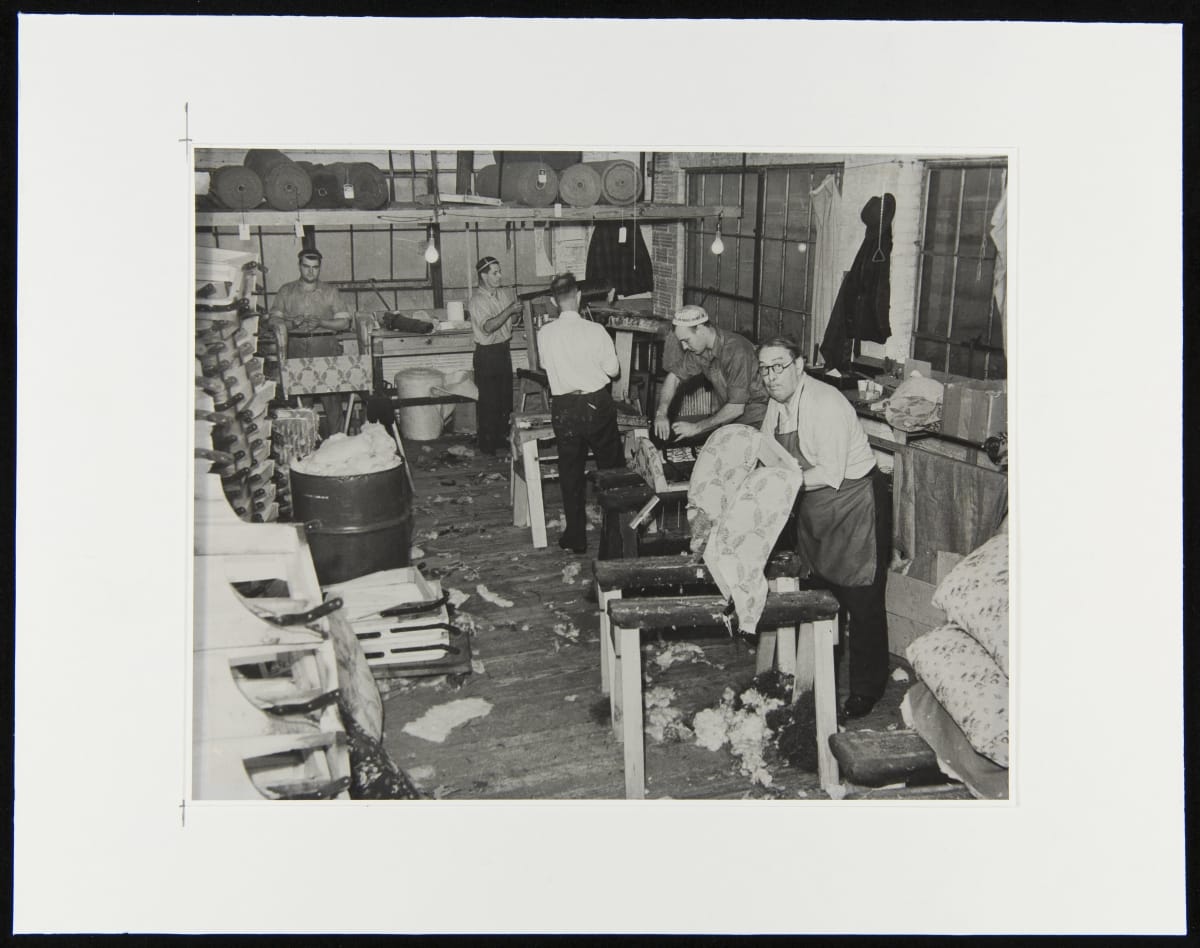
- 1940-1959
- Collections - Artifact
La-Z-Boy Chair Manufacturing Workstation, Monroe, Michigan, 1940-1959
La-Z-Boy co-founders Edwin Shoemaker and Edward Knabusch built the company's first factory with very little outside help, completing it by 1928. The cousins planned for efficiency in their three-story structure from the start, but they always looked for ways to improve the factory layout and manufacturing process.