
Search
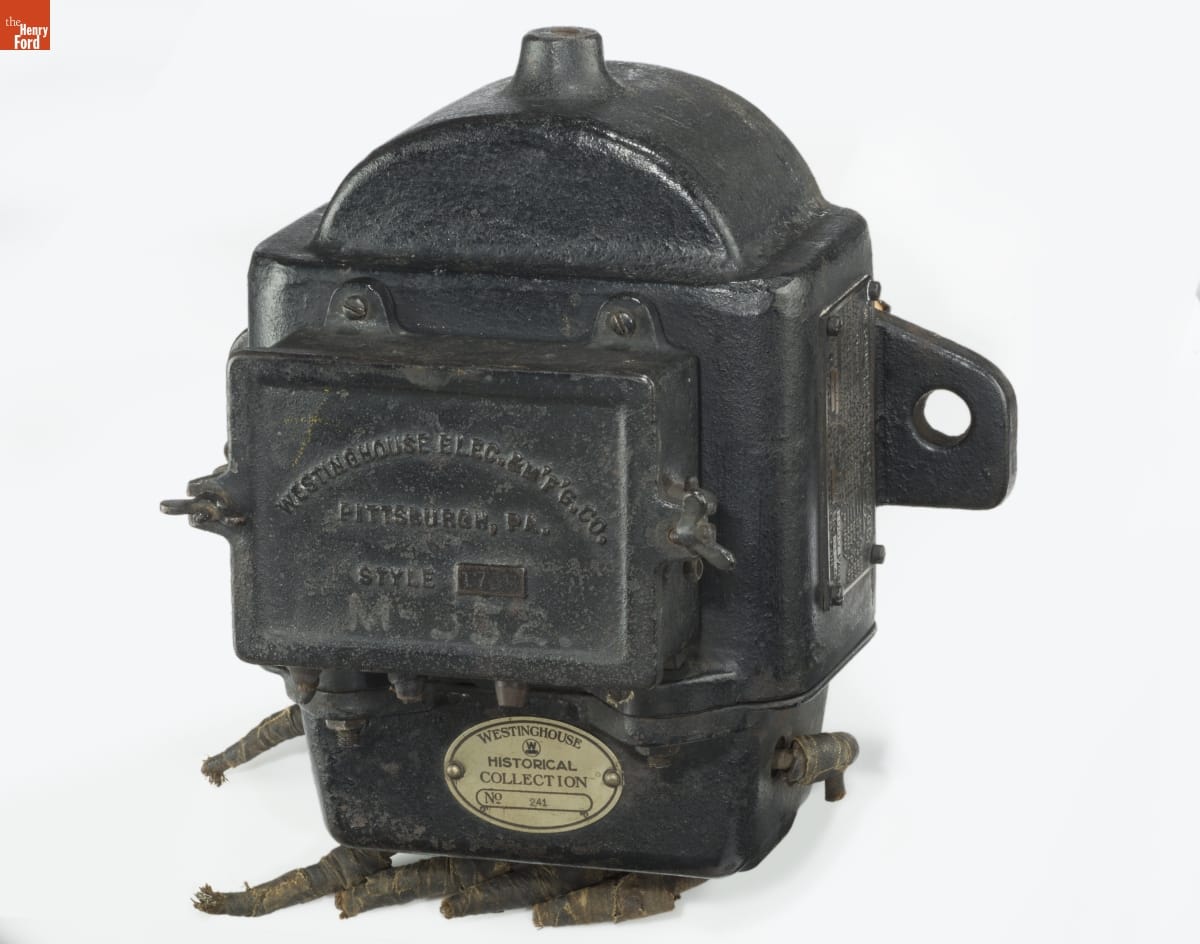
- Westinghouse Transformer and Style 1750 Fuse Block, 1893-1910 - Transformers increase or decrease voltage and are essential to alternating current (AC) power systems. In the late 1800s, with the help of transformers, AC power systems proved more efficient and economical than their direct current competitors. Transformers helped convert electricity to high voltage for transmission across long distances, then reduced it to lower, safer voltages for use in homes and factories.
- 1893-1910
- Collections - Artifact
Westinghouse Transformer and Style 1750 Fuse Block, 1893-1910
Transformers increase or decrease voltage and are essential to alternating current (AC) power systems. In the late 1800s, with the help of transformers, AC power systems proved more efficient and economical than their direct current competitors. Transformers helped convert electricity to high voltage for transmission across long distances, then reduced it to lower, safer voltages for use in homes and factories.
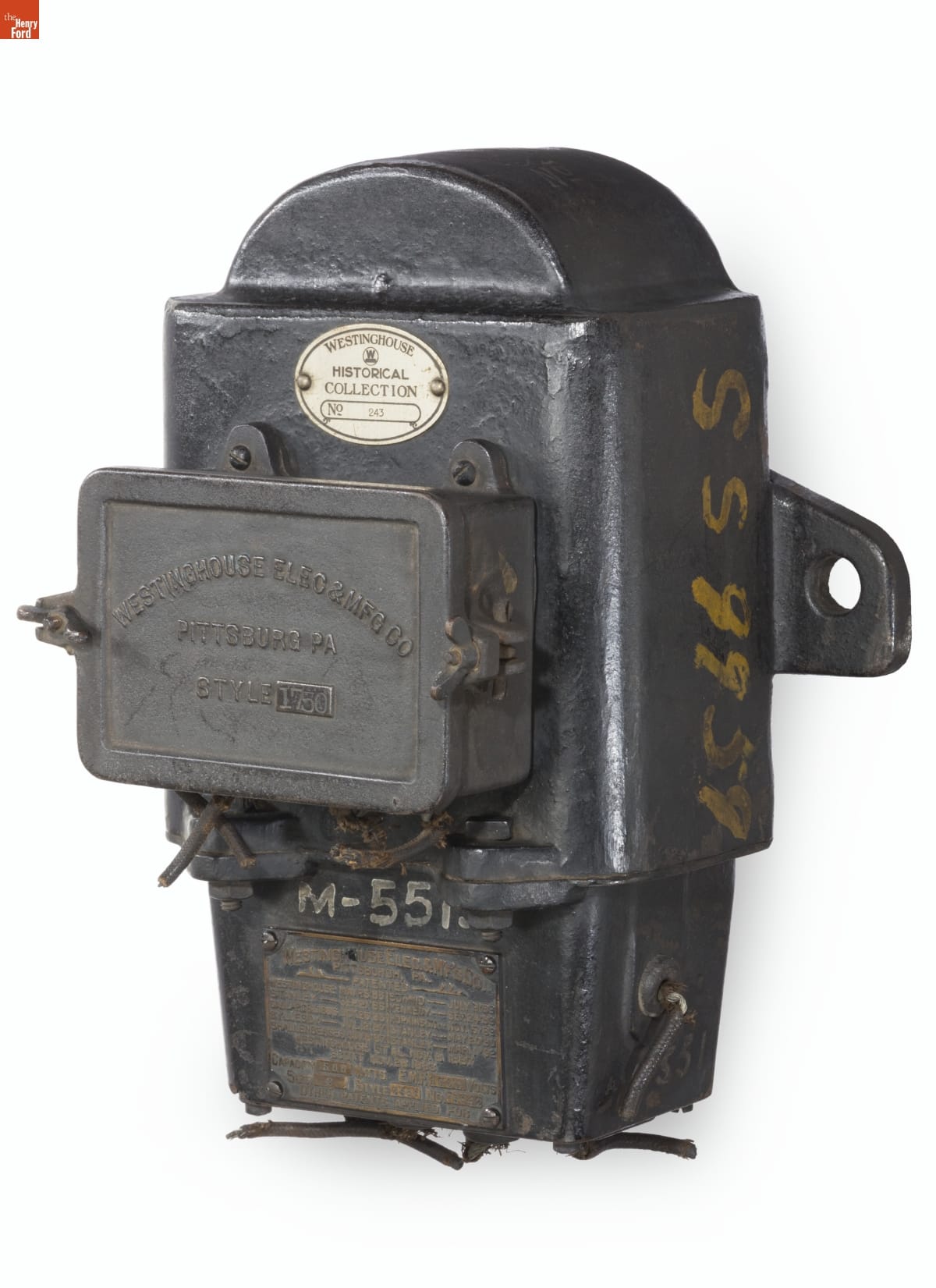
- Westinghouse Type CS Transformer and Style 1750 Fuse Block, 1893-1910 - Transformers increase or decrease voltage and are essential to alternating current (AC) power systems. In the late 1800s, with the help of transformers, AC power systems proved more efficient and economical than their direct current competitors. Transformers helped convert electricity to high voltage for transmission across long distances, then reduced it to lower, safer voltages for use in homes and factories.
- 1893-1910
- Collections - Artifact
Westinghouse Type CS Transformer and Style 1750 Fuse Block, 1893-1910
Transformers increase or decrease voltage and are essential to alternating current (AC) power systems. In the late 1800s, with the help of transformers, AC power systems proved more efficient and economical than their direct current competitors. Transformers helped convert electricity to high voltage for transmission across long distances, then reduced it to lower, safer voltages for use in homes and factories.
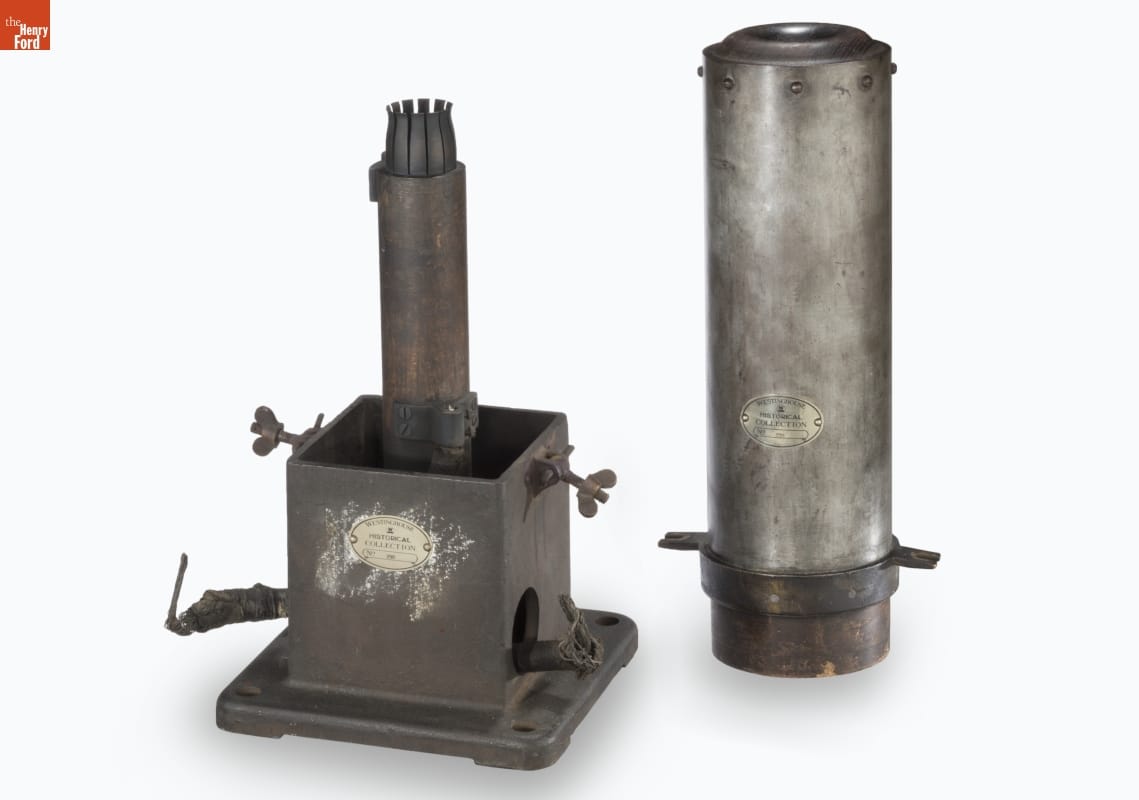
- Experimental Expulsion Fuse Box -
- Collections - Artifact
Experimental Expulsion Fuse Box
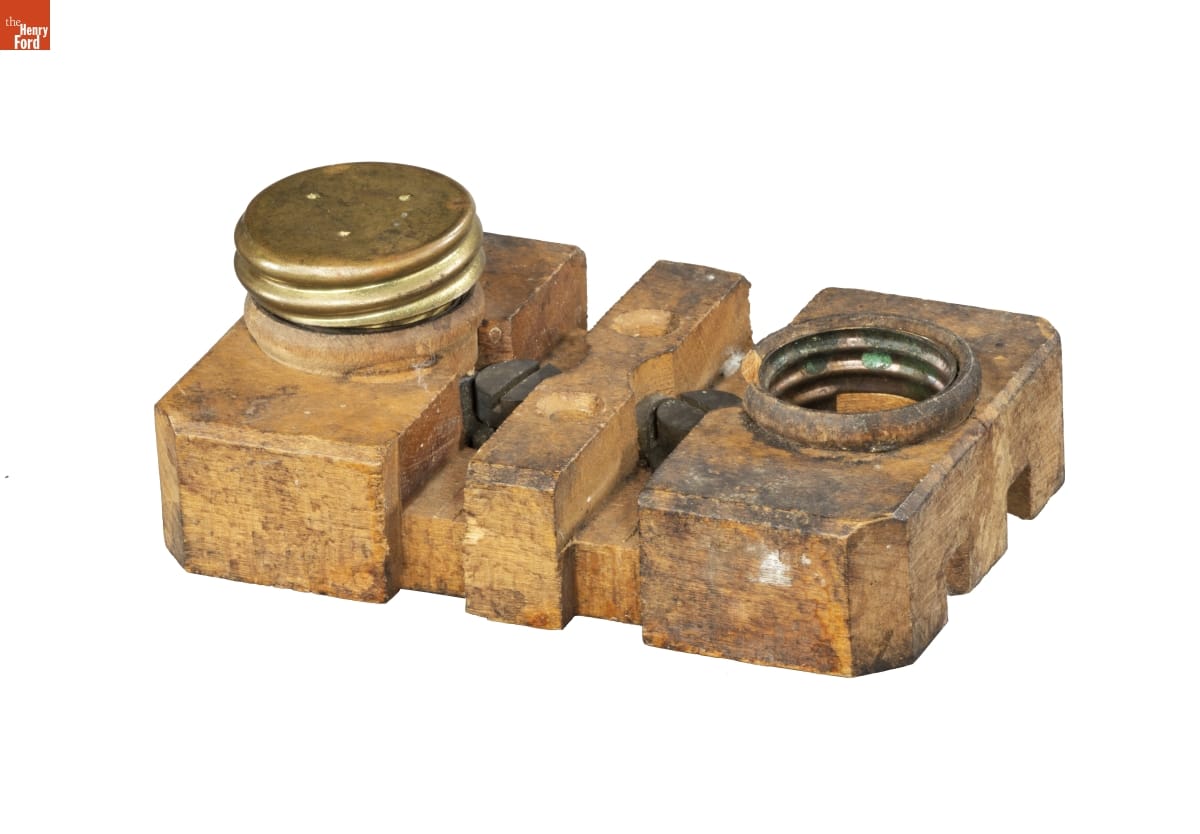
- Main Line Cut-Out - Short circuits and current overloads can overheat wires within electrical power and lighting systems, causing damage and possibly starting a fire. In the late 19th century, a cutout with a fuse or fuse-wire protected these systems--the fuse would burn out and break the electric circuit if a surge or overload occurred. Replacing the fuse returned the circuit to working order.
- Collections - Artifact
Main Line Cut-Out
Short circuits and current overloads can overheat wires within electrical power and lighting systems, causing damage and possibly starting a fire. In the late 19th century, a cutout with a fuse or fuse-wire protected these systems--the fuse would burn out and break the electric circuit if a surge or overload occurred. Replacing the fuse returned the circuit to working order.
- Line Cut-Out - Short circuits and current overloads can overheat wires within electrical power and lighting systems, causing damage and possibly starting a fire. In the late 19th century, a cutout with a fuse or fuse-wire protected these systems--the fuse would burn out and break the electric circuit if a surge or overload occurred. Replacing the fuse returned the circuit to working order.
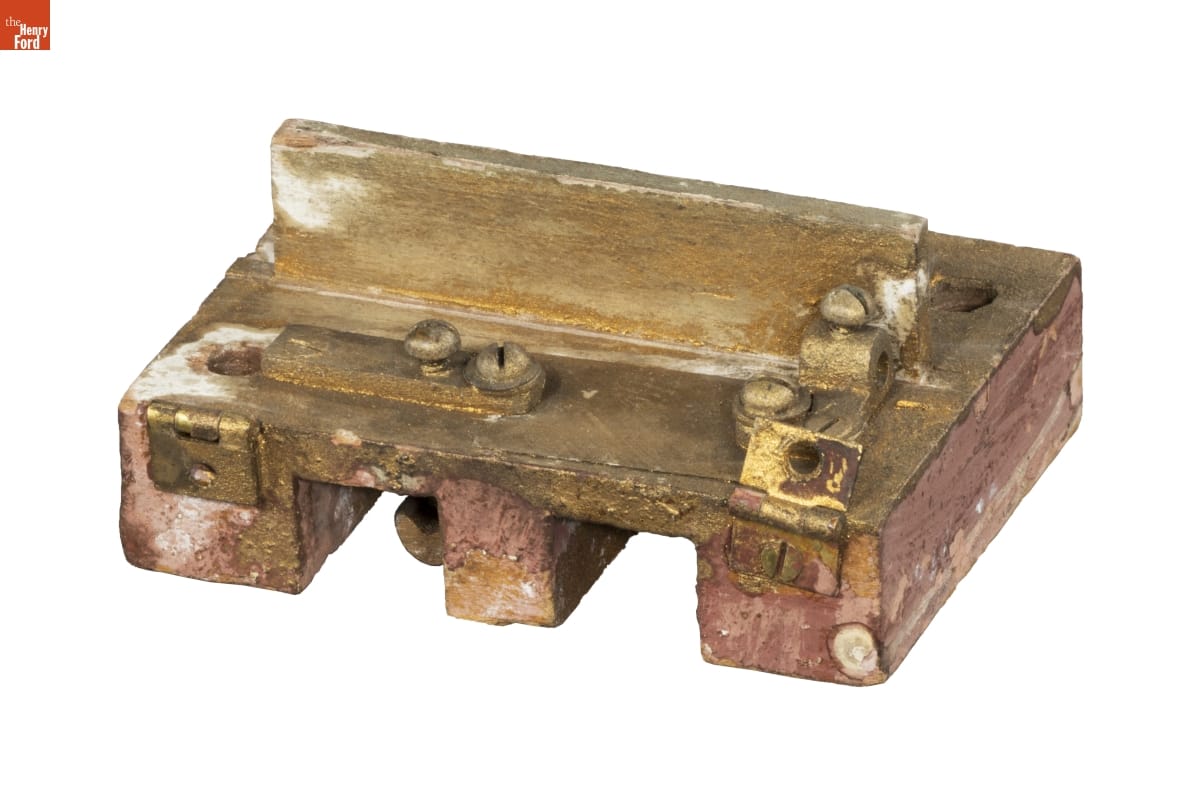
- Collections - Artifact
Line Cut-Out
Short circuits and current overloads can overheat wires within electrical power and lighting systems, causing damage and possibly starting a fire. In the late 19th century, a cutout with a fuse or fuse-wire protected these systems--the fuse would burn out and break the electric circuit if a surge or overload occurred. Replacing the fuse returned the circuit to working order.
- Fuse, 1903-1911 -
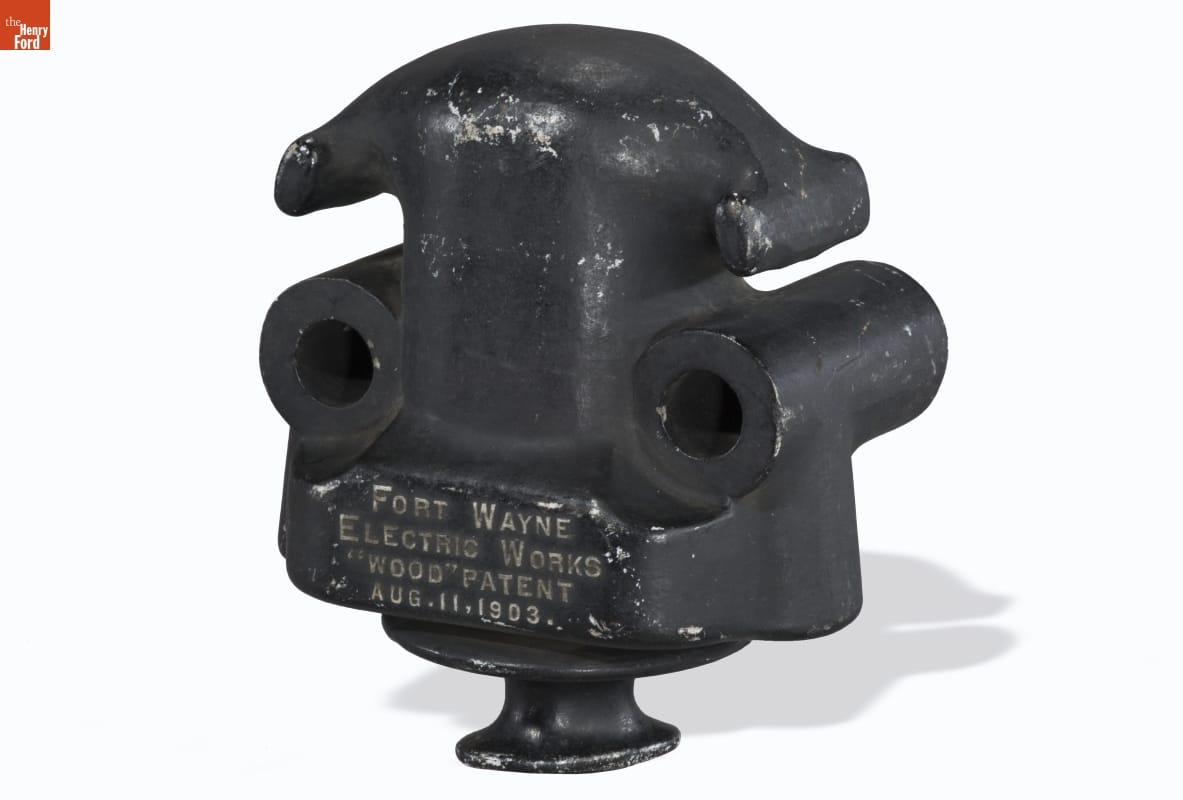
- 1903-1911
- Collections - Artifact
Fuse, 1903-1911
- Bergmann & Company Cut Out and Fuse Block, Used in the Michigan Trust Building, circa 1889 -
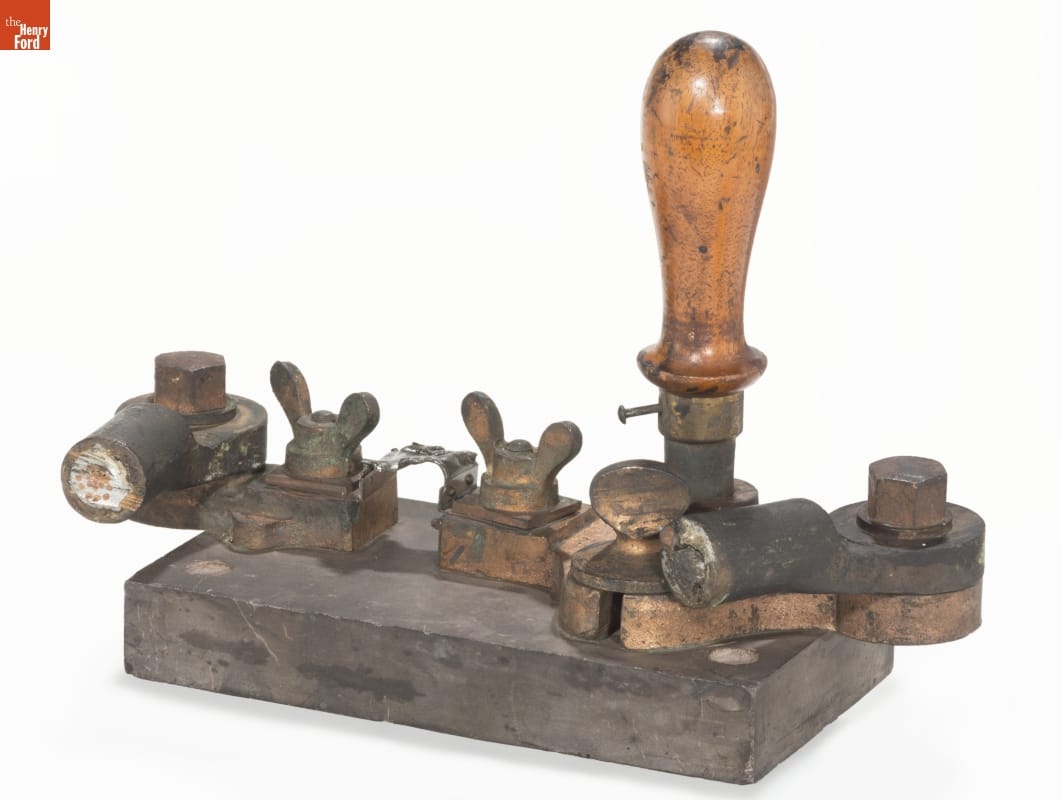
- circa 1889
- Collections - Artifact
Bergmann & Company Cut Out and Fuse Block, Used in the Michigan Trust Building, circa 1889
- Linton & Southwick Electric Switch with Fuse Blocks, 1890-1910 - Switches open or close an electrical circuit to turn things off or on. In the late 1800s and early 1900s, knife switches were commonly found in engine or generating rooms, connected to factory motors, or mounted on a building's power and lighting switchboard. Operators pushed the hinged, metal blades into the switch's jaws to send electricity to where it was needed.
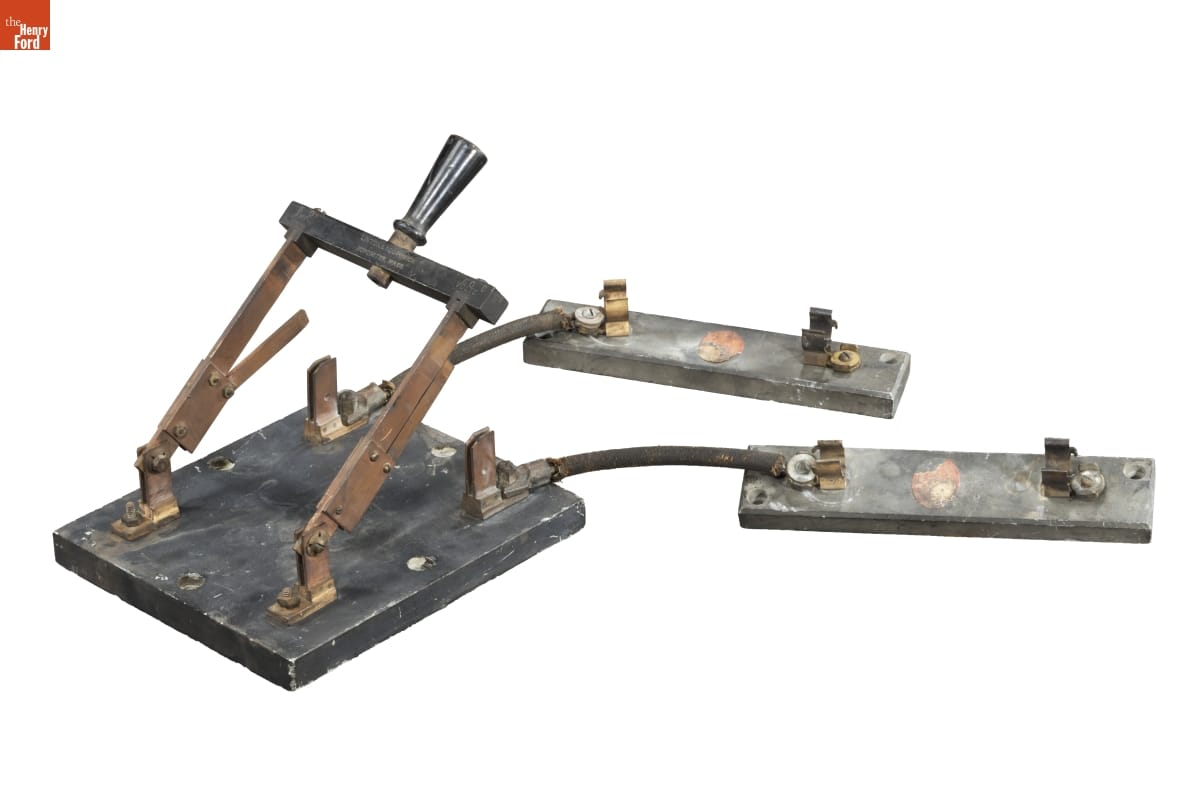
- 1890-1910
- Collections - Artifact
Linton & Southwick Electric Switch with Fuse Blocks, 1890-1910
Switches open or close an electrical circuit to turn things off or on. In the late 1800s and early 1900s, knife switches were commonly found in engine or generating rooms, connected to factory motors, or mounted on a building's power and lighting switchboard. Operators pushed the hinged, metal blades into the switch's jaws to send electricity to where it was needed.
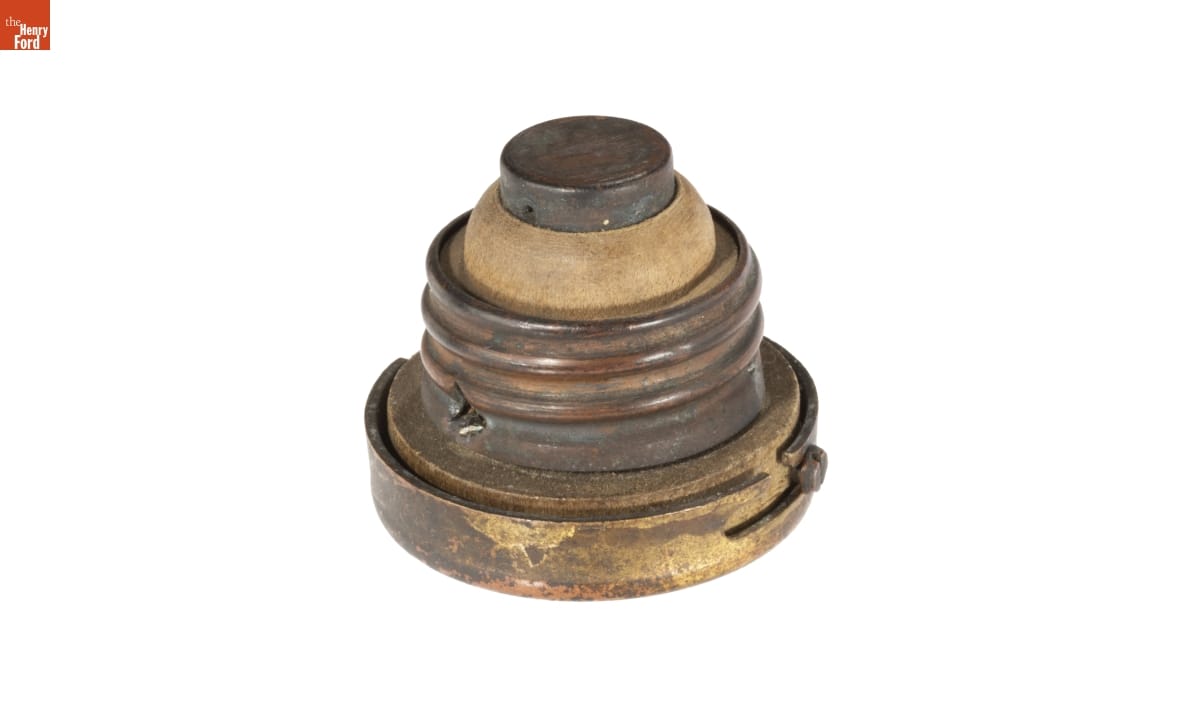
- Edison Size #1 Safety Fuse, circa 1883 - Short circuits and current overloads can overheat wires within electrical power and lighting systems, causing damage and possibly starting a fire. In the late 19th century, a cutout with a fuse or fuse-wire protected these systems--the fuse would burn out and break the electric circuit if a surge or overload occurred. Replacing the fuse returned the circuit to working order.
- circa 1883
- Collections - Artifact
Edison Size #1 Safety Fuse, circa 1883
Short circuits and current overloads can overheat wires within electrical power and lighting systems, causing damage and possibly starting a fire. In the late 19th century, a cutout with a fuse or fuse-wire protected these systems--the fuse would burn out and break the electric circuit if a surge or overload occurred. Replacing the fuse returned the circuit to working order.
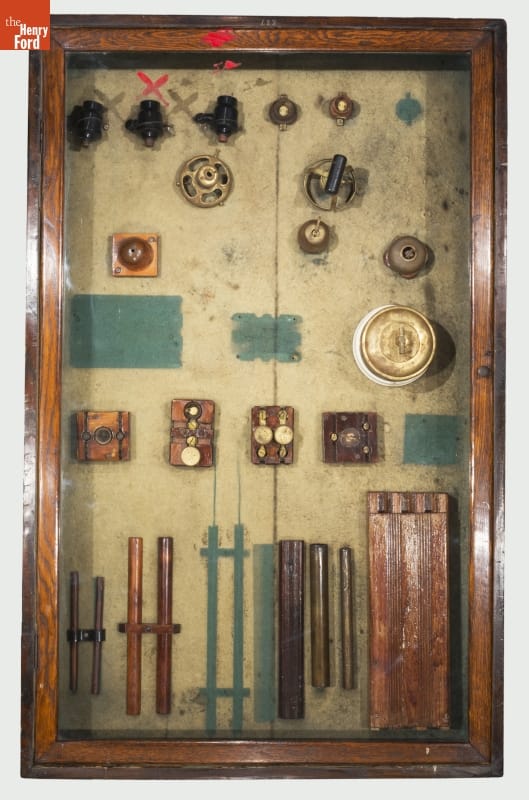
- Display Case of Early Wiring Material, 1880-1892 -
- 1880-1892
- Collections - Artifact
Display Case of Early Wiring Material, 1880-1892