
Search
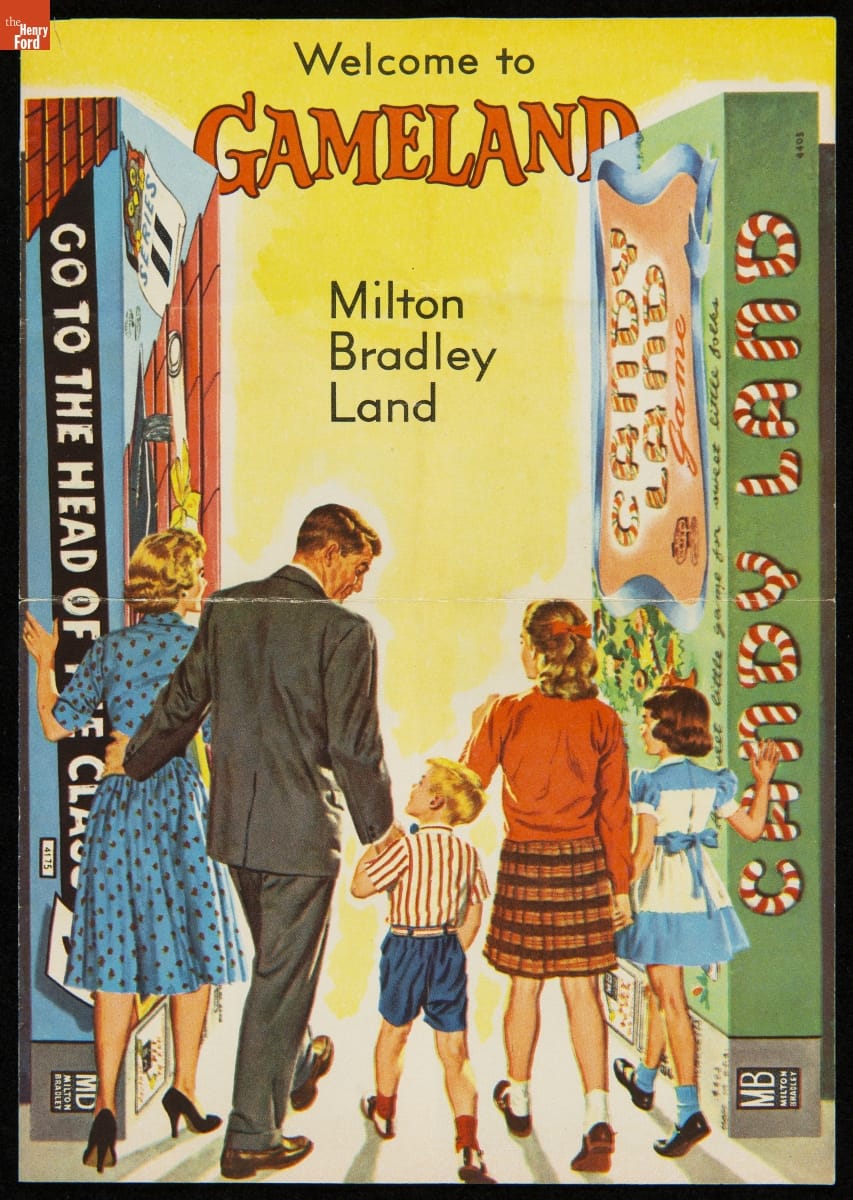
- Milton Bradley Company Catalog, "Welcome to Gameland," 1964 - Milton Bradley, a Springfield, Massachusetts, lithographer, published his first board game in 1860. It was a hit, and Bradley soon became a leader in the growing American game business. By his death in 1911, Bradley's company was one of the nation's best known and most prolific game and toy manufacturers. Milton Bradley products remained popular even after the company's 1984 acquisition by Hasbro, Inc.
- 1964
- Collections - Artifact
Milton Bradley Company Catalog, "Welcome to Gameland," 1964
Milton Bradley, a Springfield, Massachusetts, lithographer, published his first board game in 1860. It was a hit, and Bradley soon became a leader in the growing American game business. By his death in 1911, Bradley's company was one of the nation's best known and most prolific game and toy manufacturers. Milton Bradley products remained popular even after the company's 1984 acquisition by Hasbro, Inc.
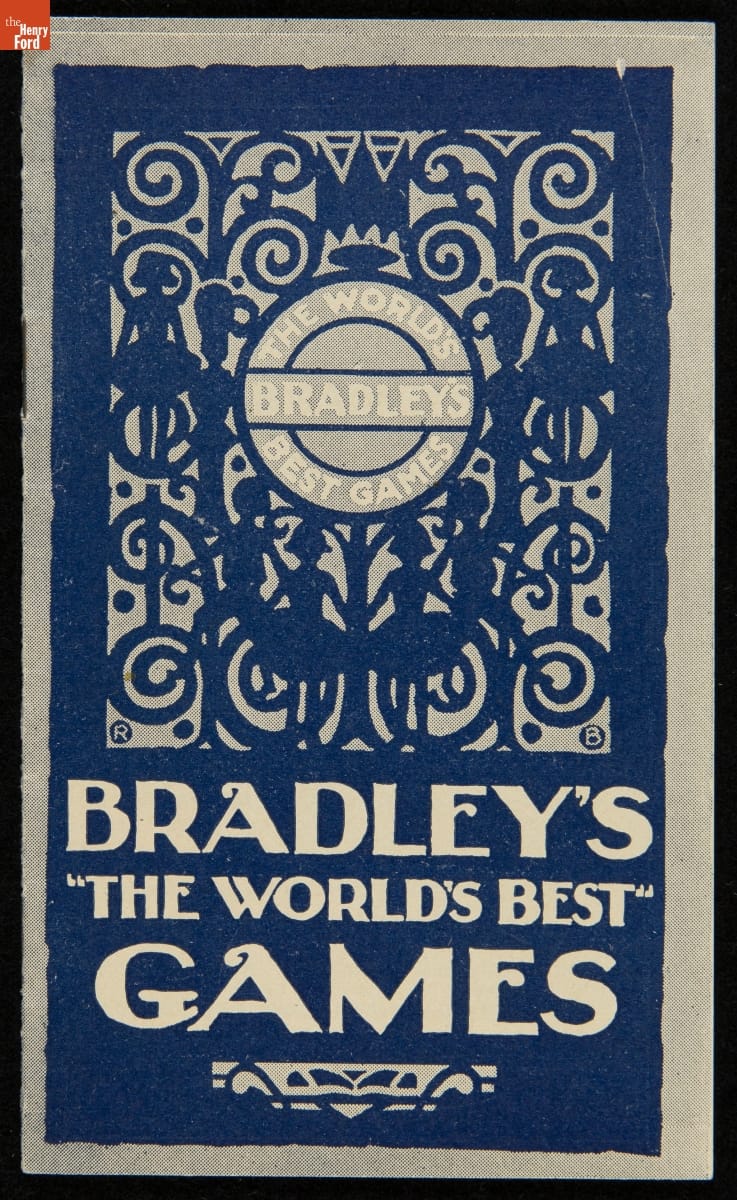
- Milton Bradley Company Trade Catalog, "Bradley's The World's Best Games," 1919-1920 - Milton Bradley, a Springfield, Massachusetts, lithographer, published his first board game in 1860. It was a hit, and Bradley soon became a leader in the growing American game business. By his death in 1911, Bradley's company was one of the nation's best known and most prolific game and toy manufacturers. Milton Bradley products remained popular even after the company's 1984 acquisition by Hasbro, Inc.
- 1919-1920
- Collections - Artifact
Milton Bradley Company Trade Catalog, "Bradley's The World's Best Games," 1919-1920
Milton Bradley, a Springfield, Massachusetts, lithographer, published his first board game in 1860. It was a hit, and Bradley soon became a leader in the growing American game business. By his death in 1911, Bradley's company was one of the nation's best known and most prolific game and toy manufacturers. Milton Bradley products remained popular even after the company's 1984 acquisition by Hasbro, Inc.
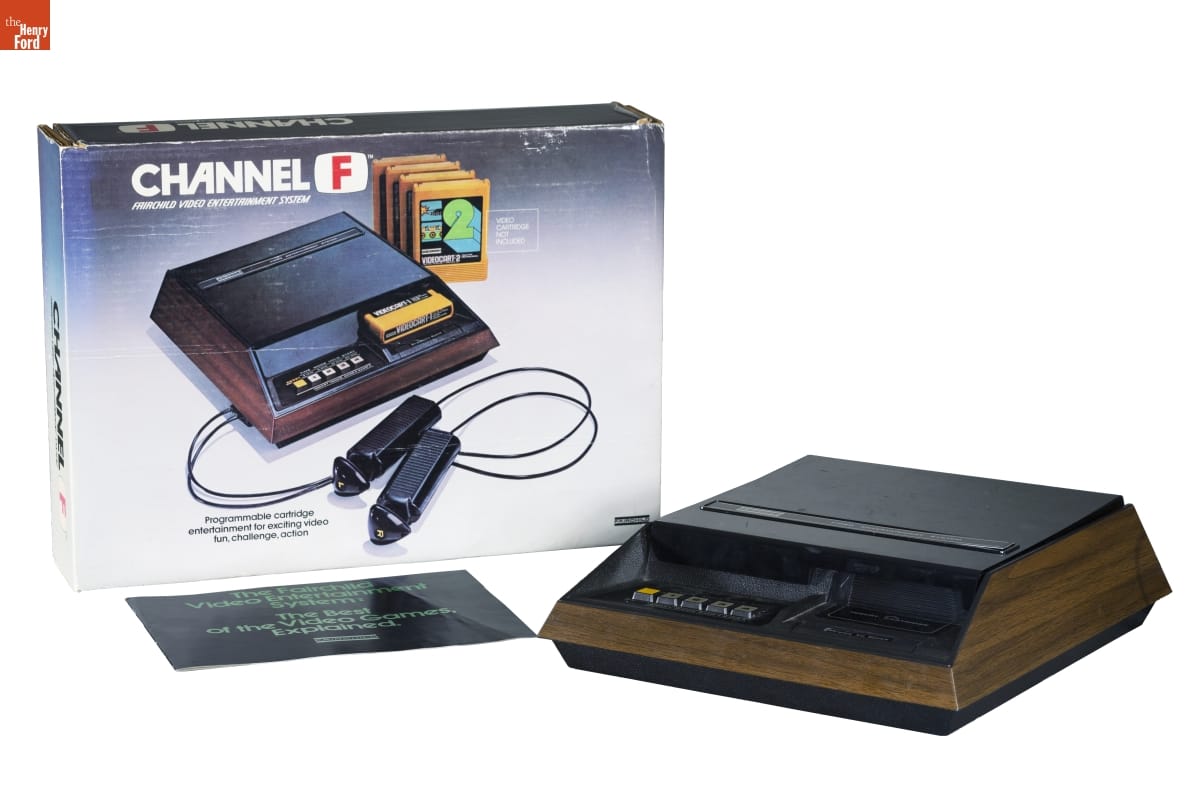
- Fairchild Channel F Video Game System, 1976 - The Fairchild Channel F Video Entertainment System is the first home video game console to include interchangeable cartridges. Jerry Lawson, Fairchild's head of engineering and hardware, co-invented the cartridge, which continues to be adapted into systems today. Lawson was one of the first Black engineers to work in Silicon Valley and was an early member of the Homebrew Computer Club.
- 1976
- Collections - Artifact
Fairchild Channel F Video Game System, 1976
The Fairchild Channel F Video Entertainment System is the first home video game console to include interchangeable cartridges. Jerry Lawson, Fairchild's head of engineering and hardware, co-invented the cartridge, which continues to be adapted into systems today. Lawson was one of the first Black engineers to work in Silicon Valley and was an early member of the Homebrew Computer Club.
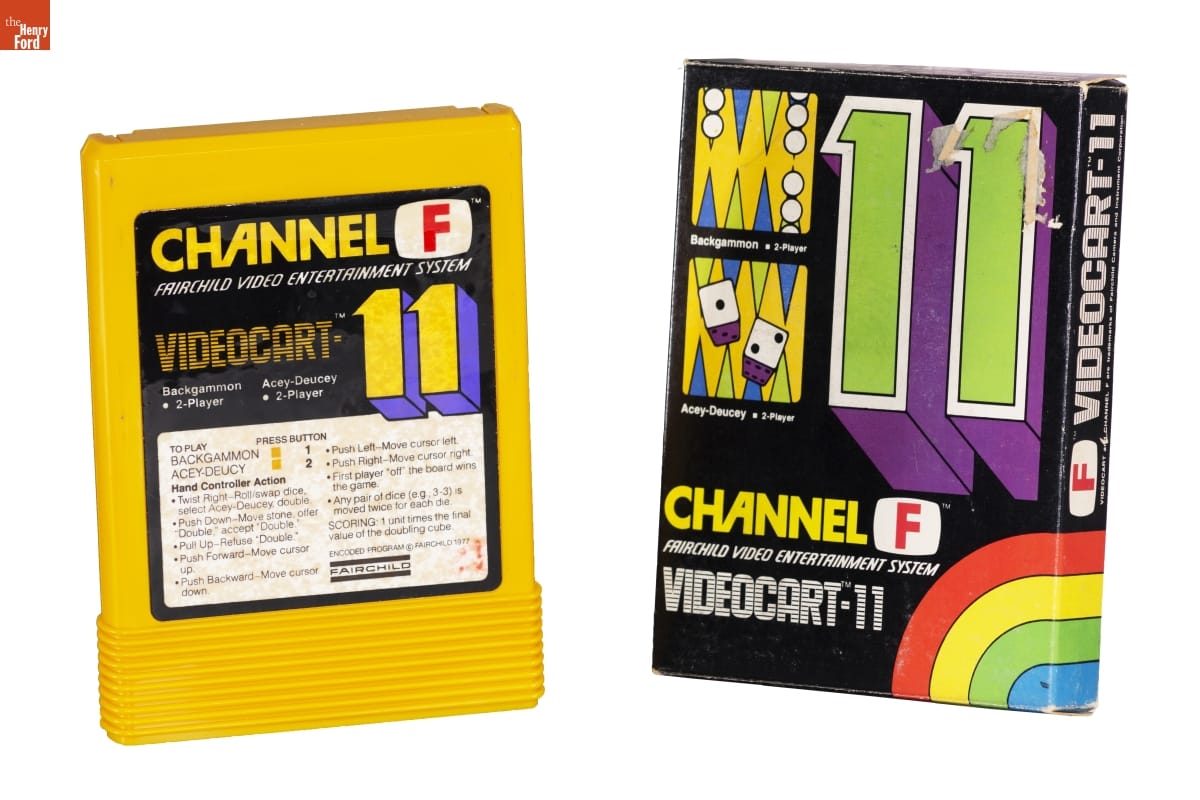
- Fairchild Videocart-11 Game, "Backgammon, Acey-Deucey," 1977 - The Fairchild Channel F Video Entertainment System is the first home video game console to include interchangeable cartridges. Jerry Lawson, Fairchild's head of engineering and hardware, co-invented the cartridge, which continues to be adapted into systems today. Lawson was one of the first Black engineers to work in Silicon Valley and was an early member of the Homebrew Computer Club.
- 1977
- Collections - Artifact
Fairchild Videocart-11 Game, "Backgammon, Acey-Deucey," 1977
The Fairchild Channel F Video Entertainment System is the first home video game console to include interchangeable cartridges. Jerry Lawson, Fairchild's head of engineering and hardware, co-invented the cartridge, which continues to be adapted into systems today. Lawson was one of the first Black engineers to work in Silicon Valley and was an early member of the Homebrew Computer Club.
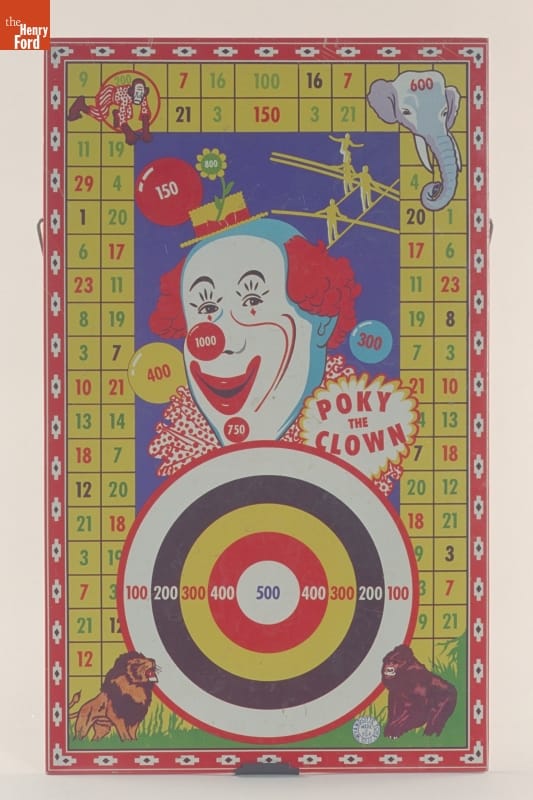
- Poky the Clown Target Board, 1940-1950 - Players shoot at Poky the Clown's nose in this game made by the All Metal Products Company, also known as Wyandotte Toys. The company produced a range of metal toys, including toy guns. At one time the company was the largest manufacturer of toy guns. This target game originally came with a dart gun and three suction cup darts.
- 1940-1950
- Collections - Artifact
Poky the Clown Target Board, 1940-1950
Players shoot at Poky the Clown's nose in this game made by the All Metal Products Company, also known as Wyandotte Toys. The company produced a range of metal toys, including toy guns. At one time the company was the largest manufacturer of toy guns. This target game originally came with a dart gun and three suction cup darts.
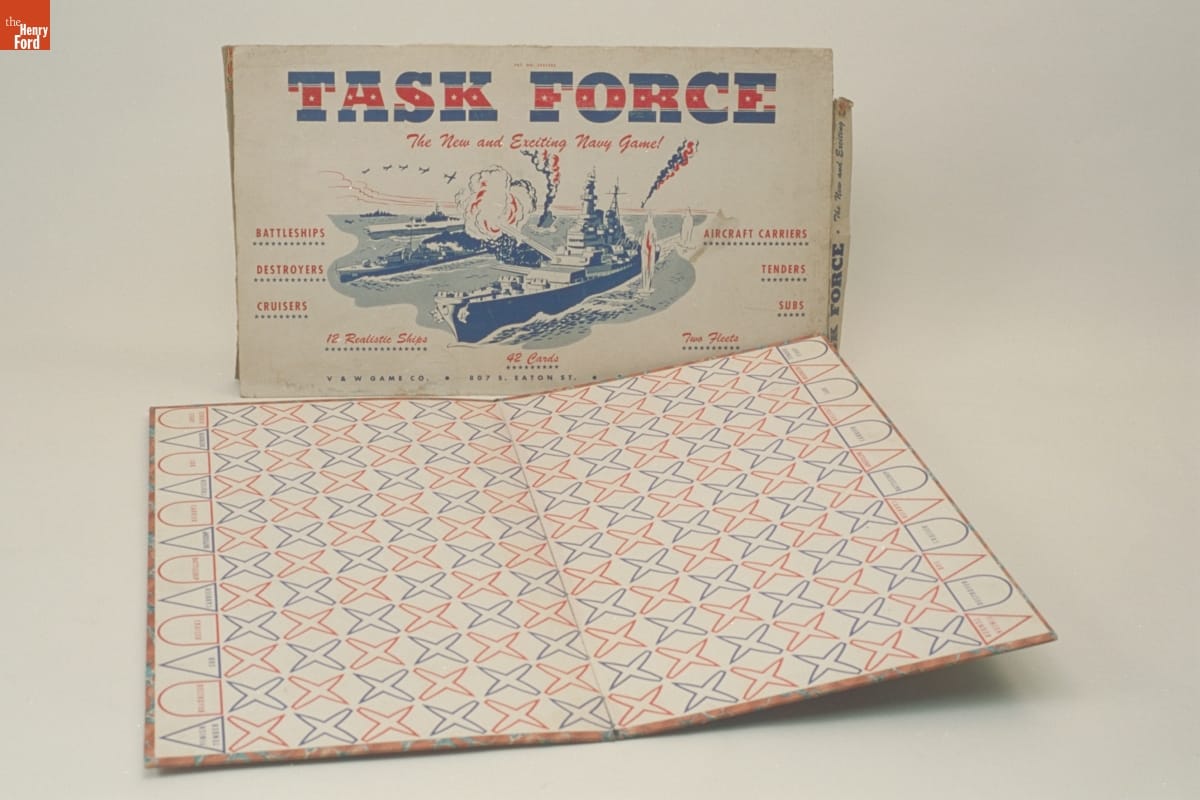
- Game, Task Force, circa 1951 - Guy W. Vitale, a World War II U. S. Navy veteran, patented this game in 1951. Players move ships across the board to their home ports. Along the way, players attack and try to destroy the enemy's (the opposing player's) fleet. The game was produced by a little-known game company in Albion, Michigan.
- circa 1951
- Collections - Artifact
Game, Task Force, circa 1951
Guy W. Vitale, a World War II U. S. Navy veteran, patented this game in 1951. Players move ships across the board to their home ports. Along the way, players attack and try to destroy the enemy's (the opposing player's) fleet. The game was produced by a little-known game company in Albion, Michigan.
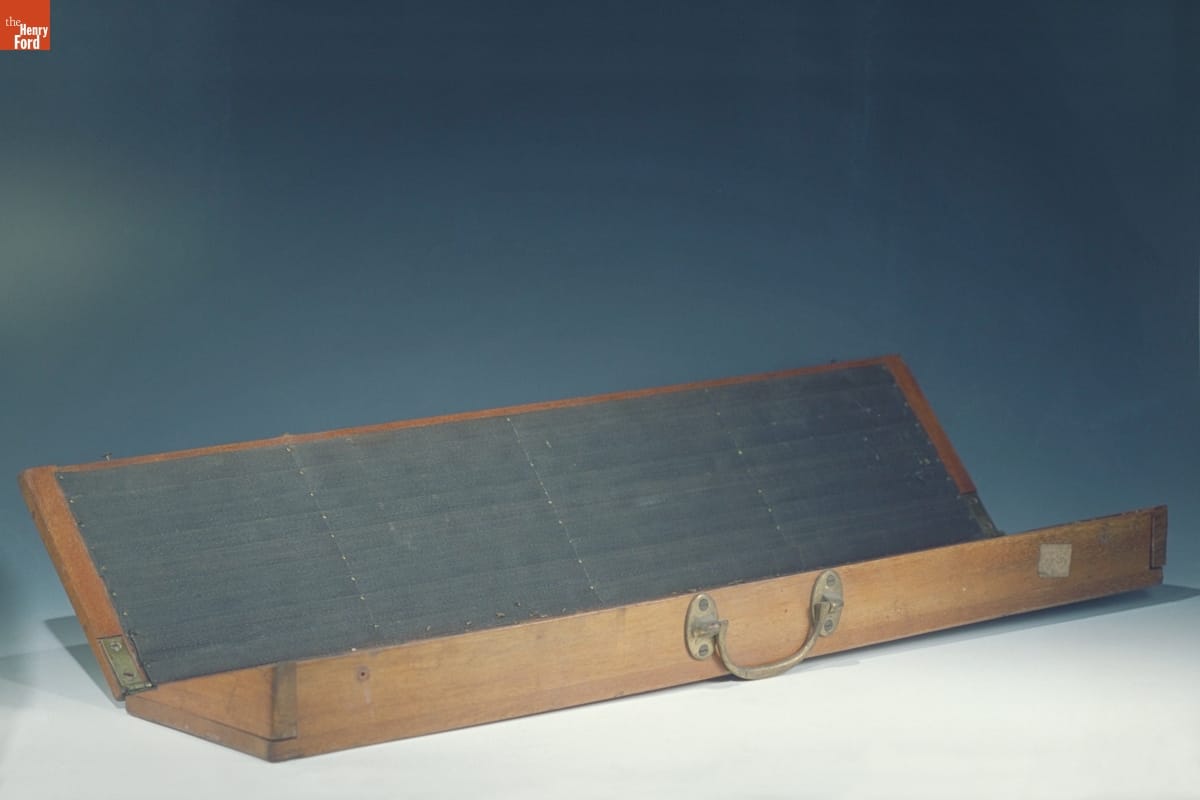
- Chastleton Patience Board, circa 1900 - This fold-out game board provides a solid surface for playing Patience -- a number of puzzle card games similar to Solitaire. Long fabric pockets secure cards in play, while wood slots provide storage. The board was designed by Mary Whitmore Jones who also authored works describing how to play the infinite varieties of the game.
- circa 1900
- Collections - Artifact
Chastleton Patience Board, circa 1900
This fold-out game board provides a solid surface for playing Patience -- a number of puzzle card games similar to Solitaire. Long fabric pockets secure cards in play, while wood slots provide storage. The board was designed by Mary Whitmore Jones who also authored works describing how to play the infinite varieties of the game.
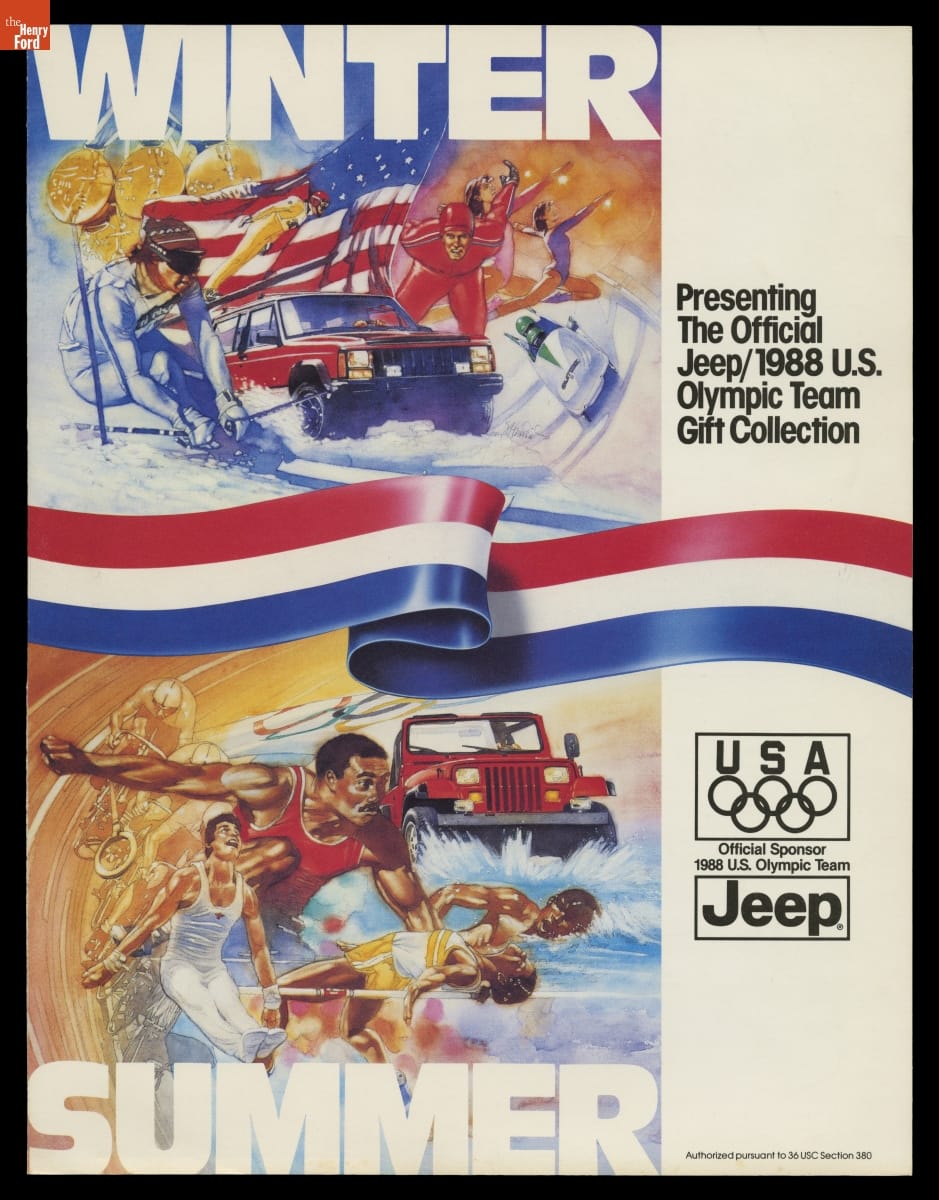
- "Presenting the Official Jeep/1988 U.S. Olympic Team Gift Collection," 1988 - Chrysler's Jeep brand sponsored the 1988 U.S. Olympic Team at both the Winter Games held in Calgary, Alberta, Canada, and at the Summer Games held in Seoul, South Korea. This catalog featured a variety of co-branded Jeep/U.S. Olympic Team merchandise including hats, shirts, mugs, pins, and pens.
- 1988
- Collections - Artifact
"Presenting the Official Jeep/1988 U.S. Olympic Team Gift Collection," 1988
Chrysler's Jeep brand sponsored the 1988 U.S. Olympic Team at both the Winter Games held in Calgary, Alberta, Canada, and at the Summer Games held in Seoul, South Korea. This catalog featured a variety of co-branded Jeep/U.S. Olympic Team merchandise including hats, shirts, mugs, pins, and pens.
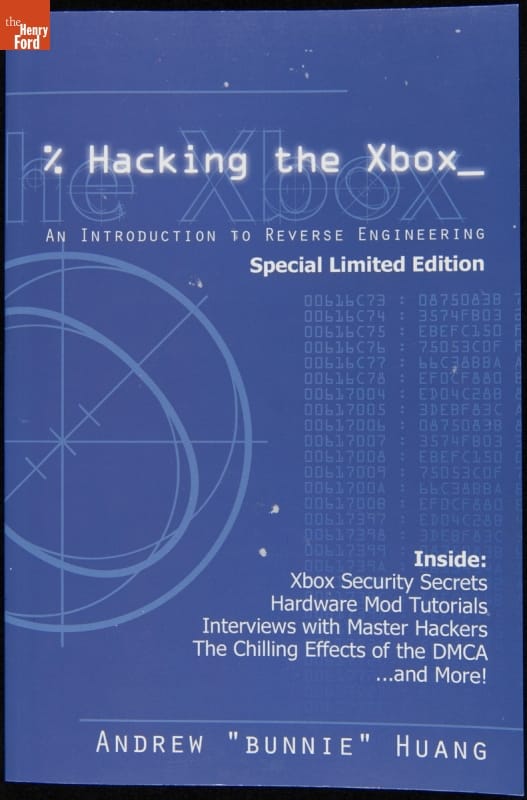
- "Hacking the Xbox: An Introduction to Reverse Engineering, Special Limited Edition" by Andrew "bunnie" Huang, 2003 - When Andrew "bunnie" Huang used a screwdriver to open his Microsoft Xbox, he willingly opened a legal Pandora's box. Marketed as a simple gaming system, the Xbox was actually a powerful computer with locked down features. Huang's modifications unlocked the system's full potential--and challenged copyright law. His book, "Hacking the Xbox," is a controversial guidebook for the "mod-chipping" movement.
- 2003
- Collections - Artifact
"Hacking the Xbox: An Introduction to Reverse Engineering, Special Limited Edition" by Andrew "bunnie" Huang, 2003
When Andrew "bunnie" Huang used a screwdriver to open his Microsoft Xbox, he willingly opened a legal Pandora's box. Marketed as a simple gaming system, the Xbox was actually a powerful computer with locked down features. Huang's modifications unlocked the system's full potential--and challenged copyright law. His book, "Hacking the Xbox," is a controversial guidebook for the "mod-chipping" movement.
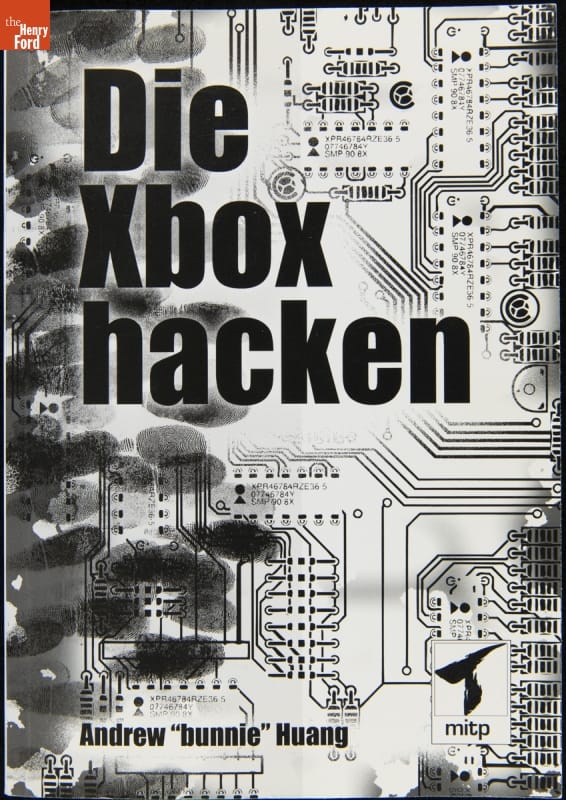
- "Die Xbox hacken," by Andrew "bunnie" Huang, Translated into German from English, 2003 - When Andrew "bunnie" Huang used a screwdriver to open his Microsoft Xbox, he willingly opened a legal Pandora's box. Marketed as a simple gaming system, the Xbox was actually a powerful computer with locked down features. Huang's modifications unlocked the system's full potential--and challenged copyright law. His book, "Hacking the Xbox," is a controversial guidebook for the "mod-chipping" movement.
- 2003
- Collections - Artifact
"Die Xbox hacken," by Andrew "bunnie" Huang, Translated into German from English, 2003
When Andrew "bunnie" Huang used a screwdriver to open his Microsoft Xbox, he willingly opened a legal Pandora's box. Marketed as a simple gaming system, the Xbox was actually a powerful computer with locked down features. Huang's modifications unlocked the system's full potential--and challenged copyright law. His book, "Hacking the Xbox," is a controversial guidebook for the "mod-chipping" movement.