
Search
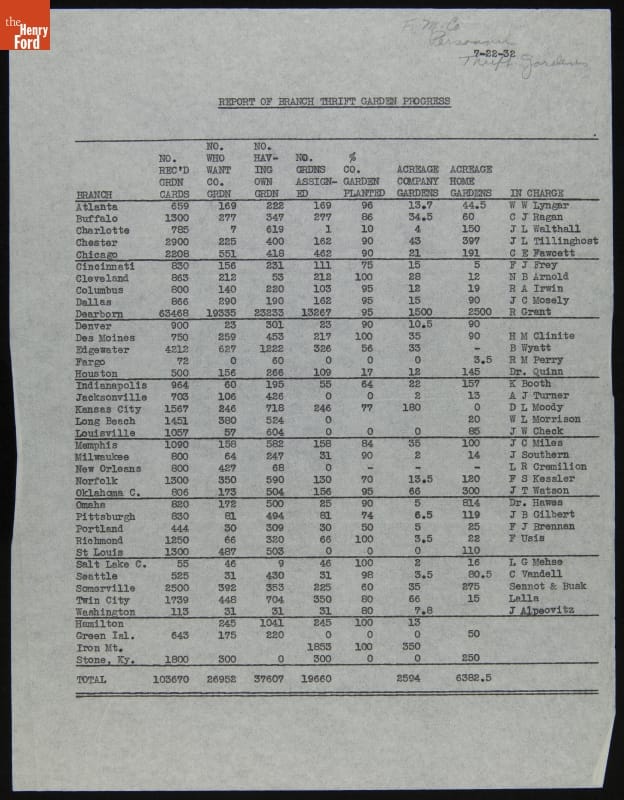
- Report of Branch Thrift Garden Progress, July 1932 -
- July 22, 1932
- Collections - Artifact
Report of Branch Thrift Garden Progress, July 1932
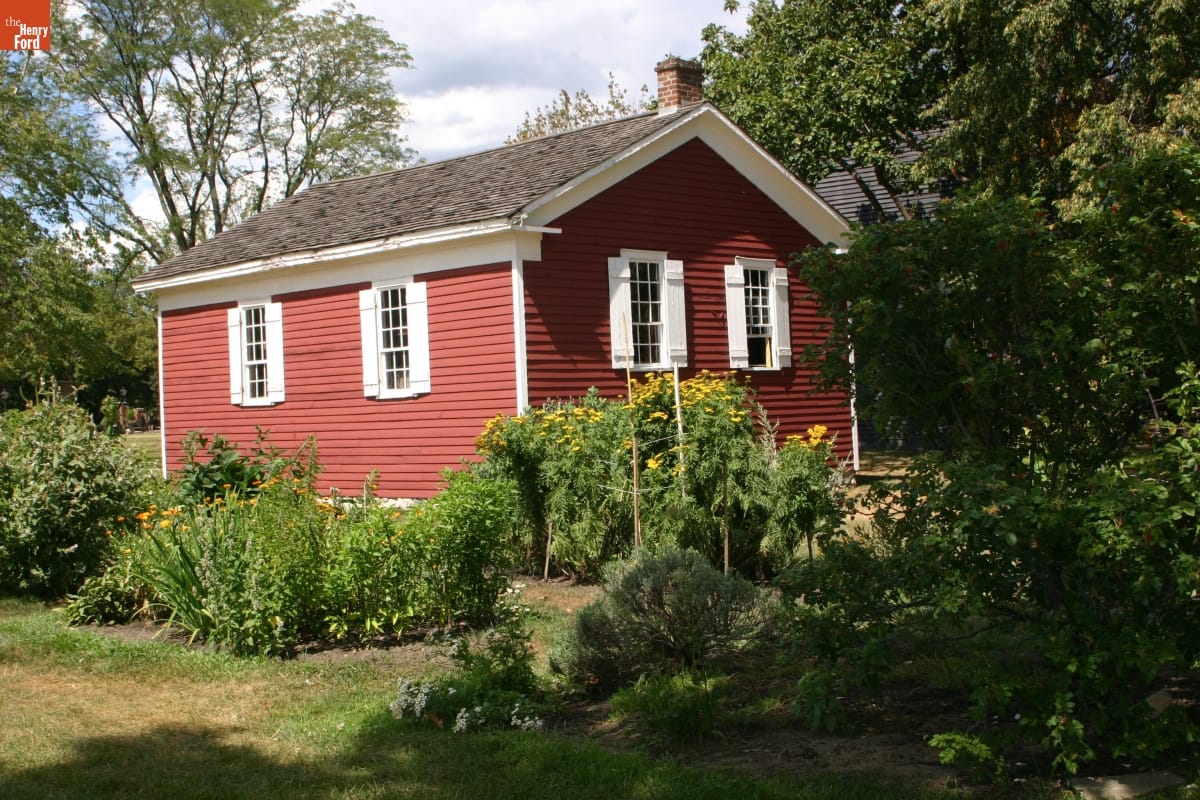
- Garden by Dr. Howard's Office in Greenfield Village, August 2008 - Dr. Alonson B. Howard, a physician in rural Tekonsha, Michigan, used plants in his practice. He dried, crushed, decocted, extracted, and purified parts of skunk cabbage, bloodroot, blue vervain, boneset, and white snakeroot among others into pills, powders, and tinctures. In 2008, the Village Herb Associates planted other medicinal herbs near Howard's relocated office to convey the importance of plants to medicine.
- August 15, 2008
- Collections - Artifact
Garden by Dr. Howard's Office in Greenfield Village, August 2008
Dr. Alonson B. Howard, a physician in rural Tekonsha, Michigan, used plants in his practice. He dried, crushed, decocted, extracted, and purified parts of skunk cabbage, bloodroot, blue vervain, boneset, and white snakeroot among others into pills, powders, and tinctures. In 2008, the Village Herb Associates planted other medicinal herbs near Howard's relocated office to convey the importance of plants to medicine.
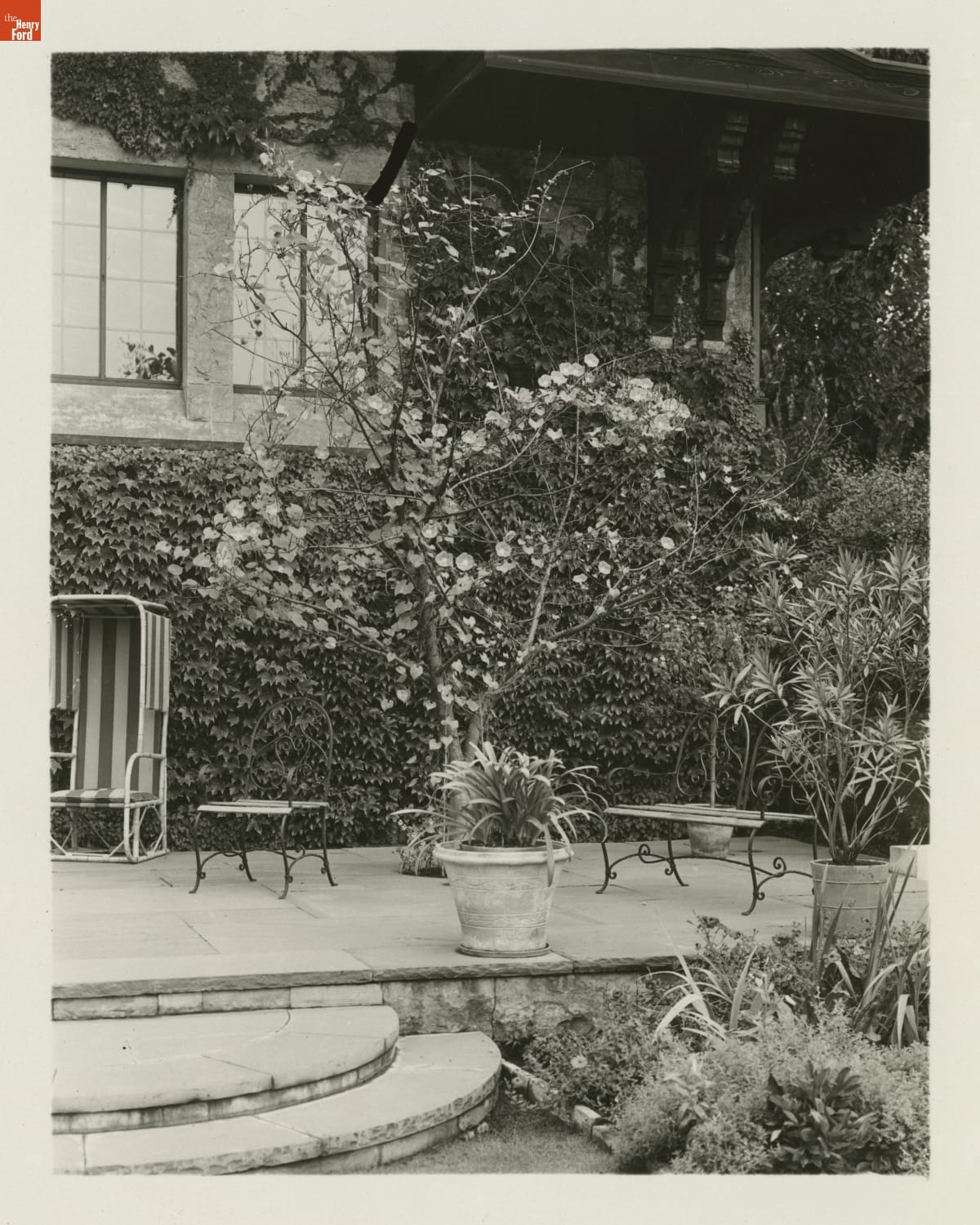
- Morning Glory Vines at Fair Lane Estate, Dearborn, Michigan, September 1931 - In the early 1910s, Henry and Clara Ford selected 1,300 acres of farmland in Dearborn, Michigan, as the site for a new home. They would call the estate Fair Lane. In 1916 the couple moved into the newly constructed, 56-room mansion. Henry and Clara would find their new home a peaceful respite -- surrounded by woods, meadows, gardens, and the nature they loved.
- September 17, 1931
- Collections - Artifact
Morning Glory Vines at Fair Lane Estate, Dearborn, Michigan, September 1931
In the early 1910s, Henry and Clara Ford selected 1,300 acres of farmland in Dearborn, Michigan, as the site for a new home. They would call the estate Fair Lane. In 1916 the couple moved into the newly constructed, 56-room mansion. Henry and Clara would find their new home a peaceful respite -- surrounded by woods, meadows, gardens, and the nature they loved.
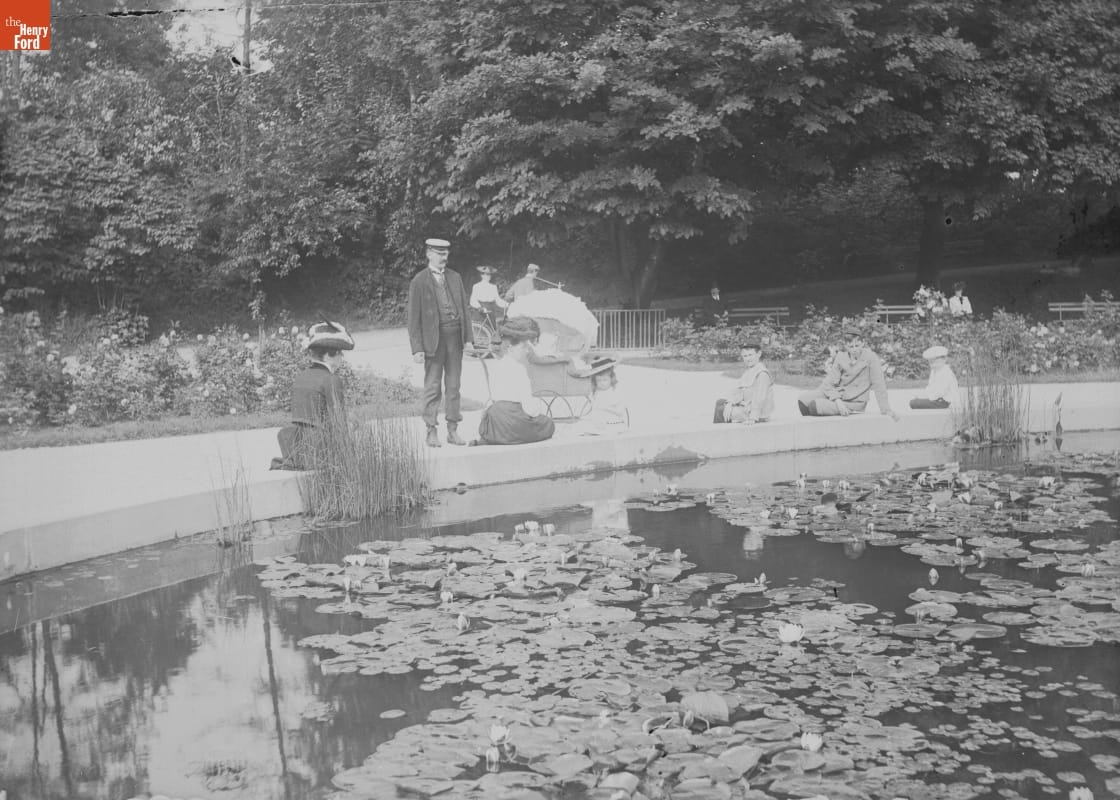
- Rose Garden, Lily Pond in Prospect Park, 1890-1915 - In 1890, Jenny Young Chandler, 25 years old and recently widowed, began working for the <EM>New York Herald</EM>. As a photojournalist and feature writer, Chandler captured life in Brooklyn, New York, and vicinity. By 1922, the time of her death, she had produced over 800 glass plate negatives. Her sensitive, insightful photographs depict people from all walks of life and the world in which they lived.
- 1890-1915
- Collections - Artifact
Rose Garden, Lily Pond in Prospect Park, 1890-1915
In 1890, Jenny Young Chandler, 25 years old and recently widowed, began working for the New York Herald. As a photojournalist and feature writer, Chandler captured life in Brooklyn, New York, and vicinity. By 1922, the time of her death, she had produced over 800 glass plate negatives. Her sensitive, insightful photographs depict people from all walks of life and the world in which they lived.
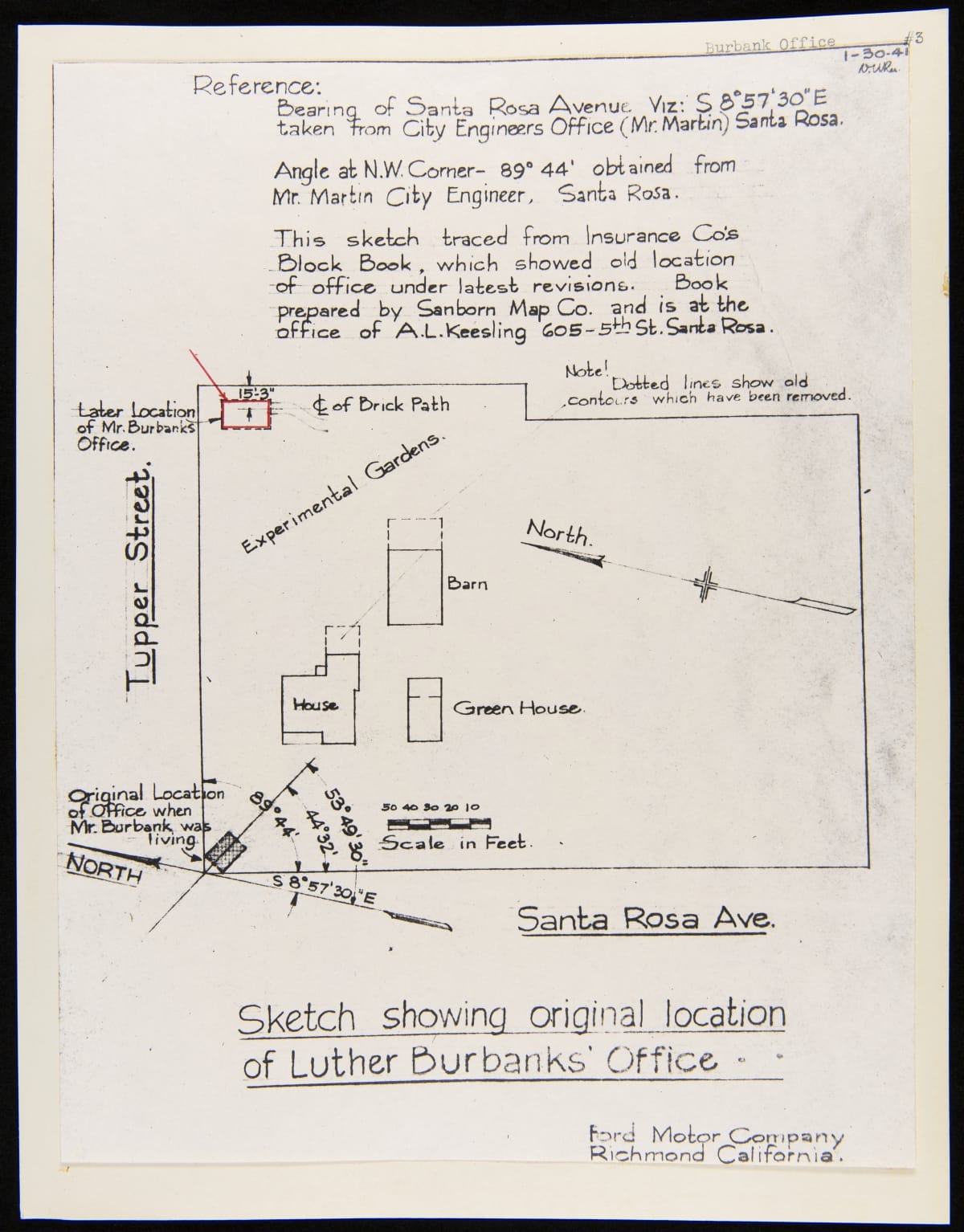
- Sketch Showing Original Location of Luther Burbank Garden Office, Santa Rosa, California, January 30, 1941 - Luther Burbank (1849-1926), a much-heralded American horticulturalist, gained a reputation for selectively breeding more than 800 new fruits, vegetables, flowers, and other plants. He opened a "Bureau of Information" in 1910 to sell seeds and souvenirs. Burbank's widow described it as the "little office" when she offered it to Henry Ford in 1928. This map documents its original locations in Santa Rosa, California.
- January 30, 1941
- Collections - Artifact
Sketch Showing Original Location of Luther Burbank Garden Office, Santa Rosa, California, January 30, 1941
Luther Burbank (1849-1926), a much-heralded American horticulturalist, gained a reputation for selectively breeding more than 800 new fruits, vegetables, flowers, and other plants. He opened a "Bureau of Information" in 1910 to sell seeds and souvenirs. Burbank's widow described it as the "little office" when she offered it to Henry Ford in 1928. This map documents its original locations in Santa Rosa, California.
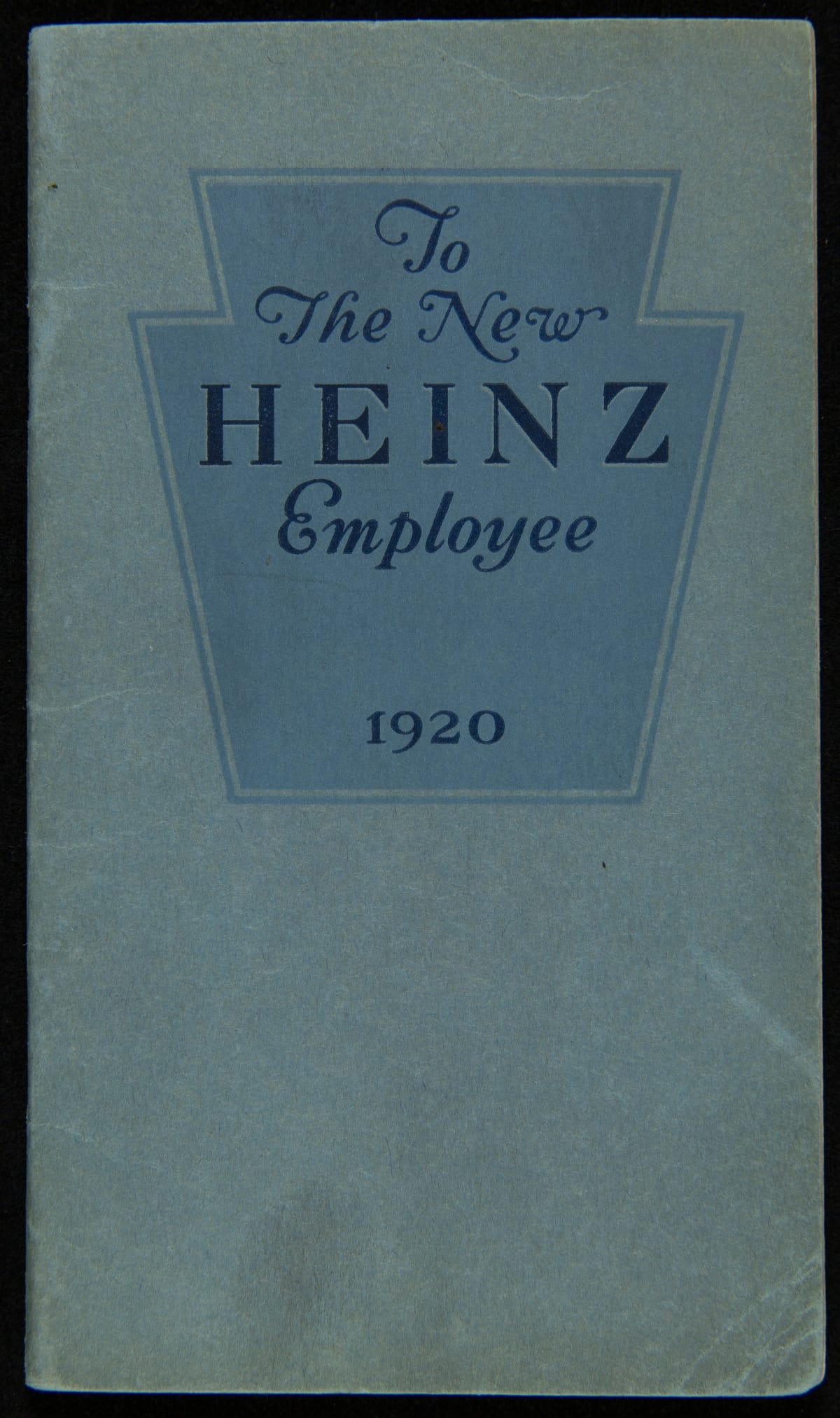
- H. J. Heinz Employee Handbook, "To The New Heinz Employee," 1920 - From its founding, a guiding principle of the H.J. Heinz Company was to promote strong company relationships with its employees. This resulted in a world-class employee welfare program which included amenities, programs, and policies with consideration for their well-being. This employee handbook from 1920 explains each of these provisions and encourages teamwork and a strong personal work ethic from the incoming employee.
- 1920
- Collections - Artifact
H. J. Heinz Employee Handbook, "To The New Heinz Employee," 1920
From its founding, a guiding principle of the H.J. Heinz Company was to promote strong company relationships with its employees. This resulted in a world-class employee welfare program which included amenities, programs, and policies with consideration for their well-being. This employee handbook from 1920 explains each of these provisions and encourages teamwork and a strong personal work ethic from the incoming employee.
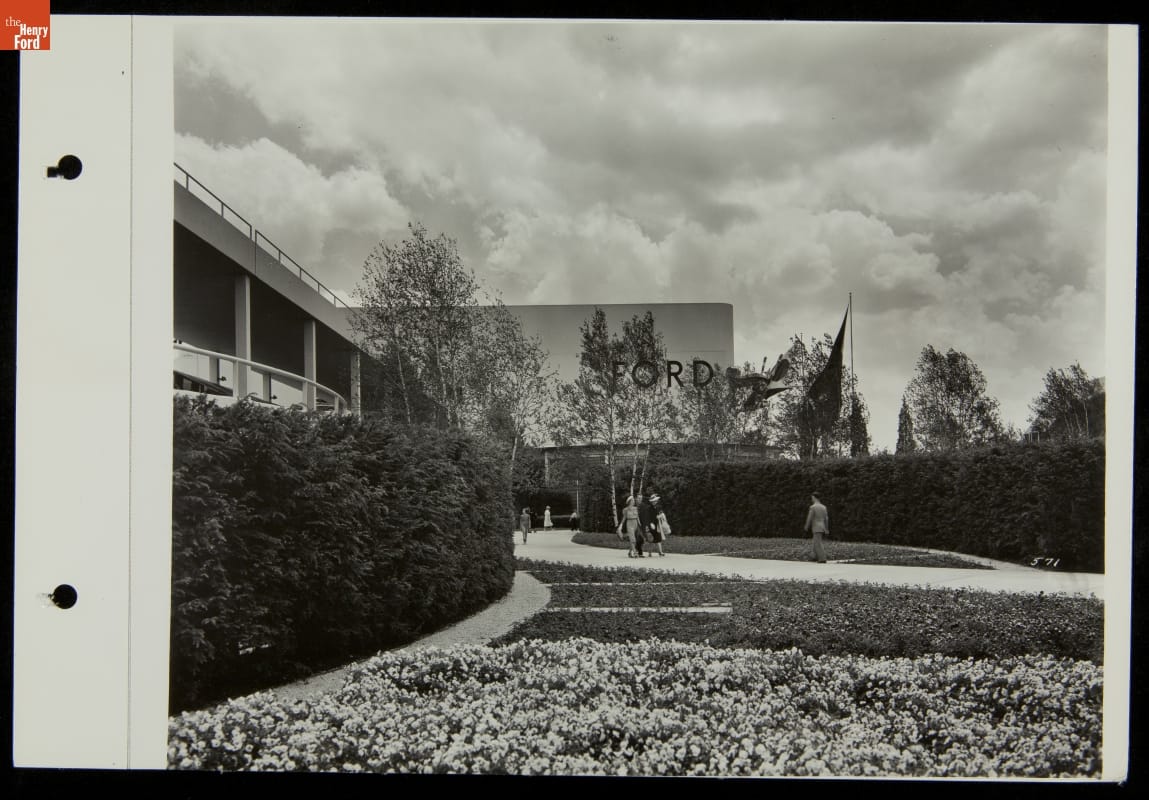
- Garden near Ford Building, Ford Exposition, New York World's Fair, 1939 - Ford Motor Company was a major participant in the 1939-40 New York World's Fair. In addition to educational demonstrations, exhibits, complimentary entertainment, and rides on the Road of Tomorrow experience, visitors to the Ford exposition found places to rest. Outdoors, on the grounds of the Ford building, fairgoers could relax among fountains and landscaped gardens.
- July 01, 1939
- Collections - Artifact
Garden near Ford Building, Ford Exposition, New York World's Fair, 1939
Ford Motor Company was a major participant in the 1939-40 New York World's Fair. In addition to educational demonstrations, exhibits, complimentary entertainment, and rides on the Road of Tomorrow experience, visitors to the Ford exposition found places to rest. Outdoors, on the grounds of the Ford building, fairgoers could relax among fountains and landscaped gardens.
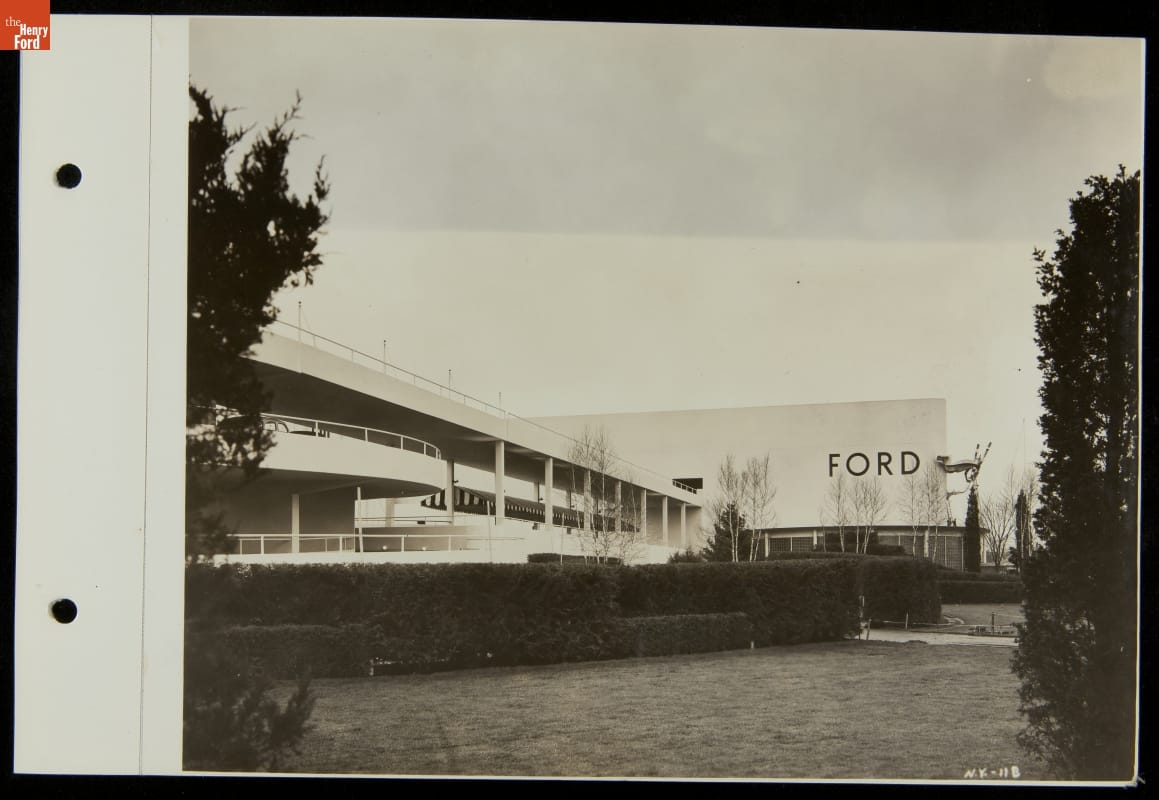
- "The Road of Tomorrow" and Ford Building, Ford Exposition, New York World's Fair, 1939 - Ford Motor Company was a major participant in the 1939-40 New York World's Fair. Visitors to Ford's exposition could view educational demonstrations, peruse exhibits, enjoy complimentary entertainment, and take a ride on the Road of Tomorrow experience. This photograph shows the landscaped grounds surrounding the Ford building and the Road of Tomorrow track.
- 1939
- Collections - Artifact
"The Road of Tomorrow" and Ford Building, Ford Exposition, New York World's Fair, 1939
Ford Motor Company was a major participant in the 1939-40 New York World's Fair. Visitors to Ford's exposition could view educational demonstrations, peruse exhibits, enjoy complimentary entertainment, and take a ride on the Road of Tomorrow experience. This photograph shows the landscaped grounds surrounding the Ford building and the Road of Tomorrow track.
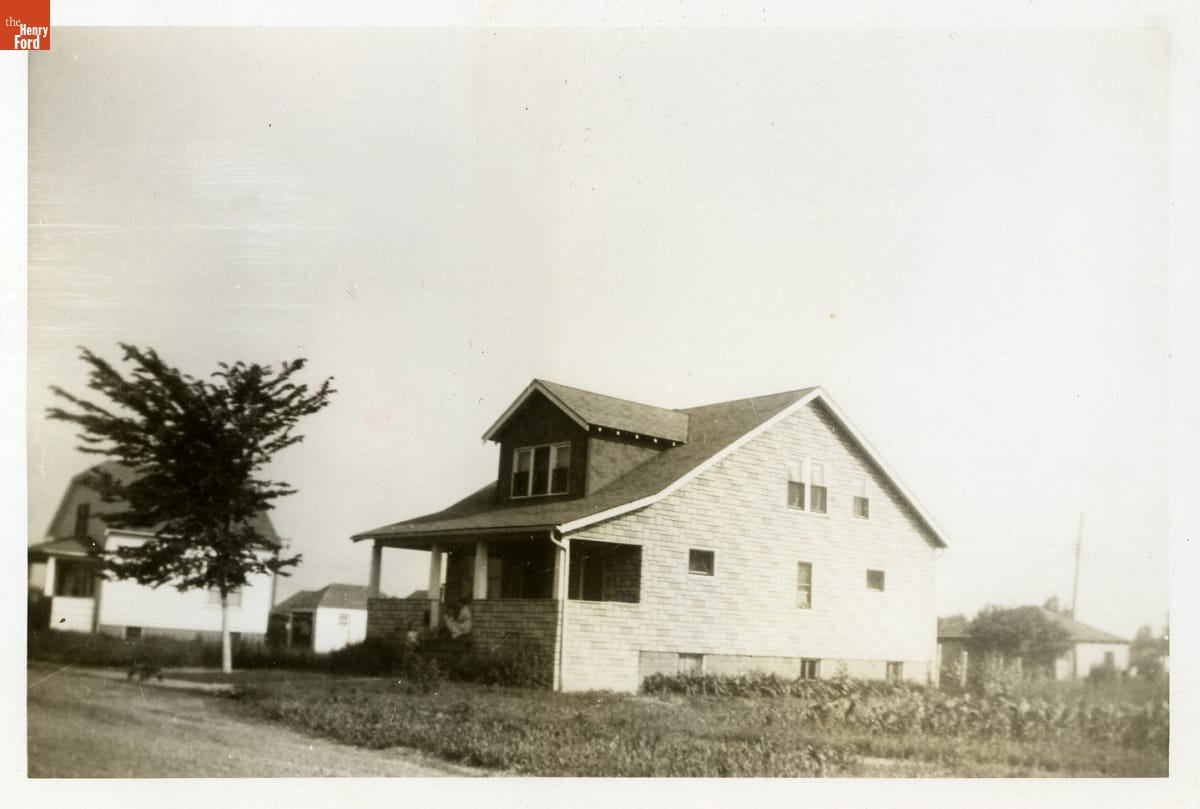
- Davis Family Home on Cleophus Street, Lincoln Park, Michigan, circa 1945 - Cleoda Davis (1899-1964) migrated from North Carolina during World War I, where he found work at a shipbuilding company in River Rouge, Michigan. He later worked as a pipe fitter for a chemical company in Detroit. In the early 1920s, Davis married Della Louise Massey (1902-1998) of North Carolina. They raised their three children in Lincoln Park, Michigan.
- circa 1945
- Collections - Artifact
Davis Family Home on Cleophus Street, Lincoln Park, Michigan, circa 1945
Cleoda Davis (1899-1964) migrated from North Carolina during World War I, where he found work at a shipbuilding company in River Rouge, Michigan. He later worked as a pipe fitter for a chemical company in Detroit. In the early 1920s, Davis married Della Louise Massey (1902-1998) of North Carolina. They raised their three children in Lincoln Park, Michigan.
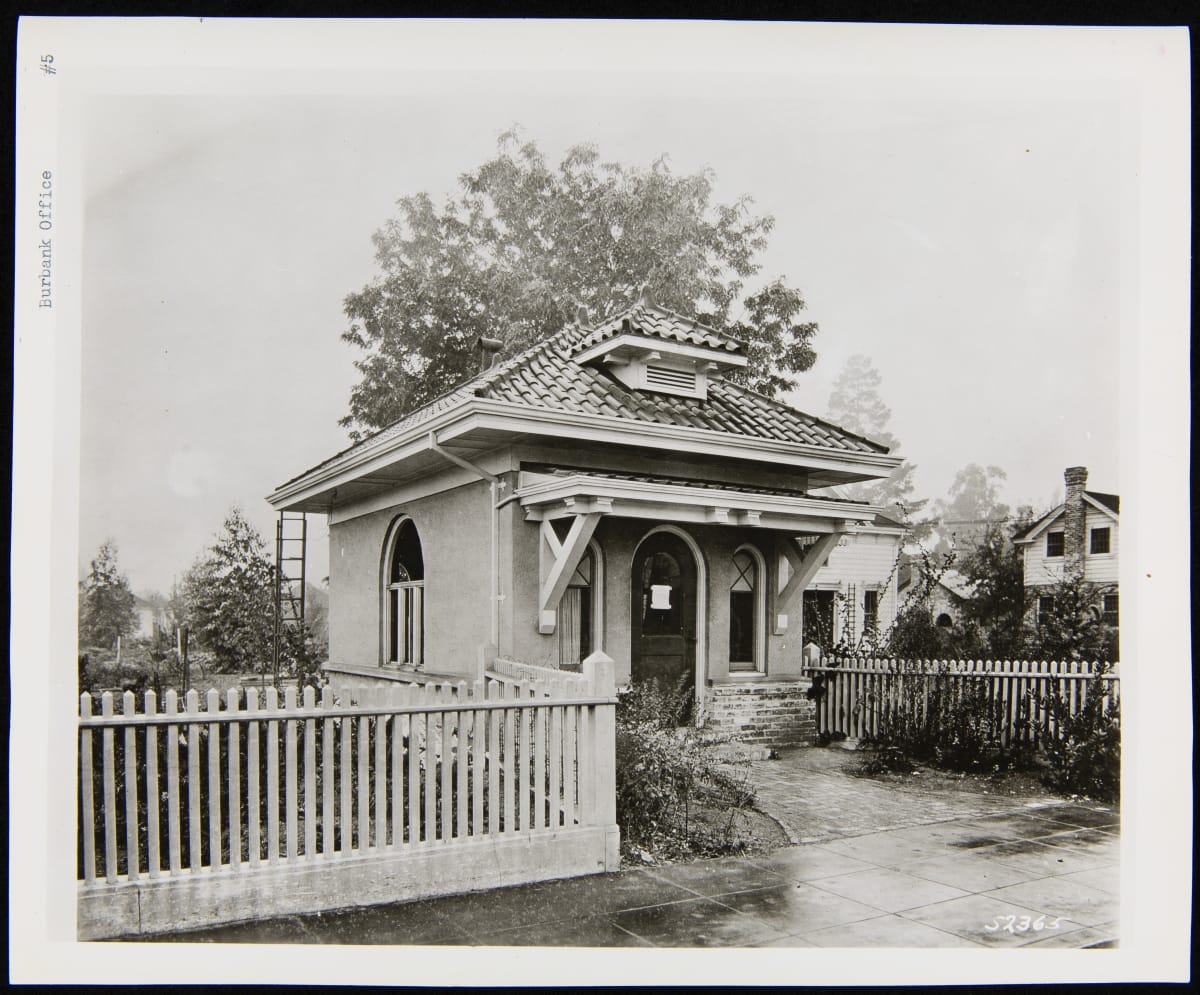
- Burbank Experimental Gardens Information Office, 1928 - Luther Burbank (1849-1926), a much-heralded American horticulturalist, gained a reputation for selectively breeding more than 800 new fruits, vegetables, flowers, and other plants. He opened this building in 1910 to sell seeds and souvenirs to inquisitive patrons. It served many purposes over the years and was moved once before Burbank's widow sent it to Henry Ford in 1928 for inclusion in Greenfield Village.
- 1928
- Collections - Artifact
Burbank Experimental Gardens Information Office, 1928
Luther Burbank (1849-1926), a much-heralded American horticulturalist, gained a reputation for selectively breeding more than 800 new fruits, vegetables, flowers, and other plants. He opened this building in 1910 to sell seeds and souvenirs to inquisitive patrons. It served many purposes over the years and was moved once before Burbank's widow sent it to Henry Ford in 1928 for inclusion in Greenfield Village.