
Search
- Geometric "Queen Anne" Wallpaper Sample, Designed by Christopher Dresser, 1870-1890 -
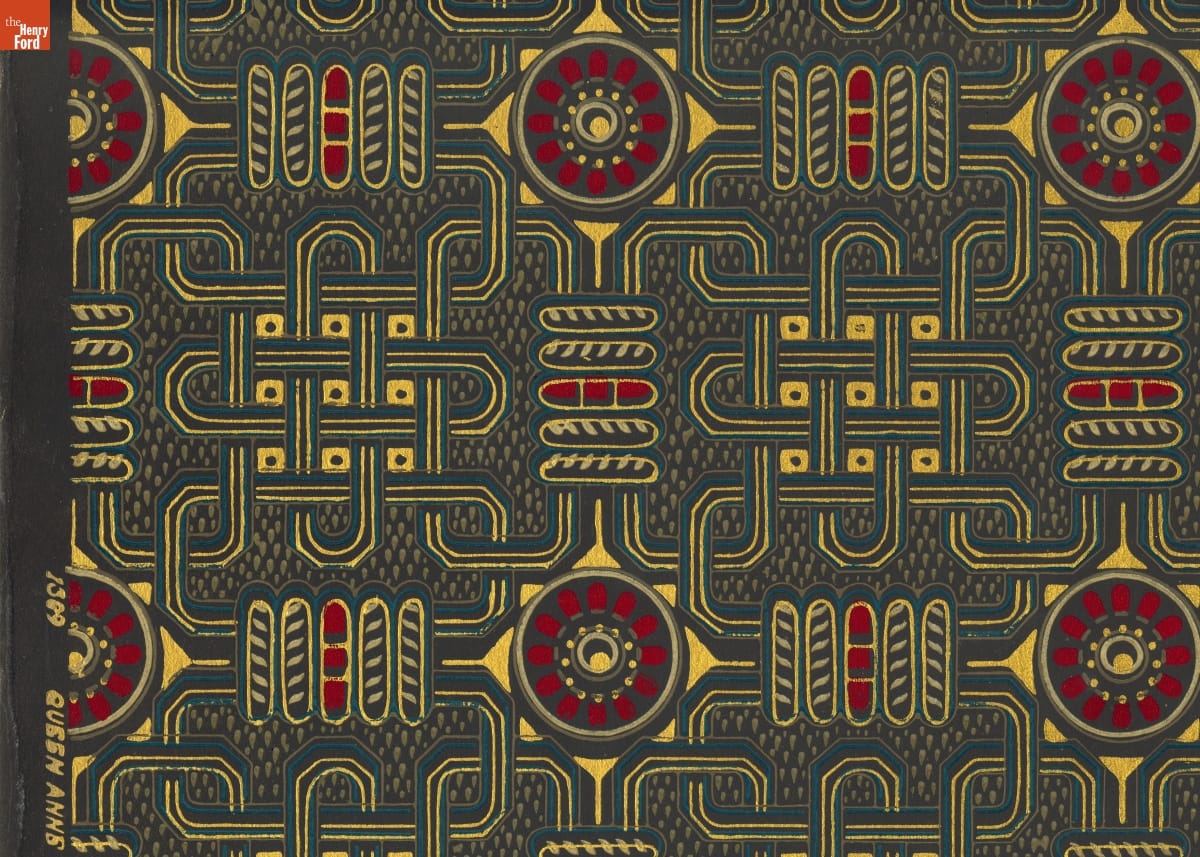
- 1870-1890
- Collections - Artifact
Geometric "Queen Anne" Wallpaper Sample, Designed by Christopher Dresser, 1870-1890
- Mechanical Chromatrope Lantern Slide, 1860-1900 - Magic lanterns use a concave mirror and light source to project images on glass slides with painted or photographic scenes. Developed in the 17th century, magic lanterns predate slide projectors and motion pictures. In the hands of magicians, they became "lanterns of fright," projecting wondrous images and apparitions. Slide themes ranged widely: exotic travel, folklore, advertising, history, science, and art.
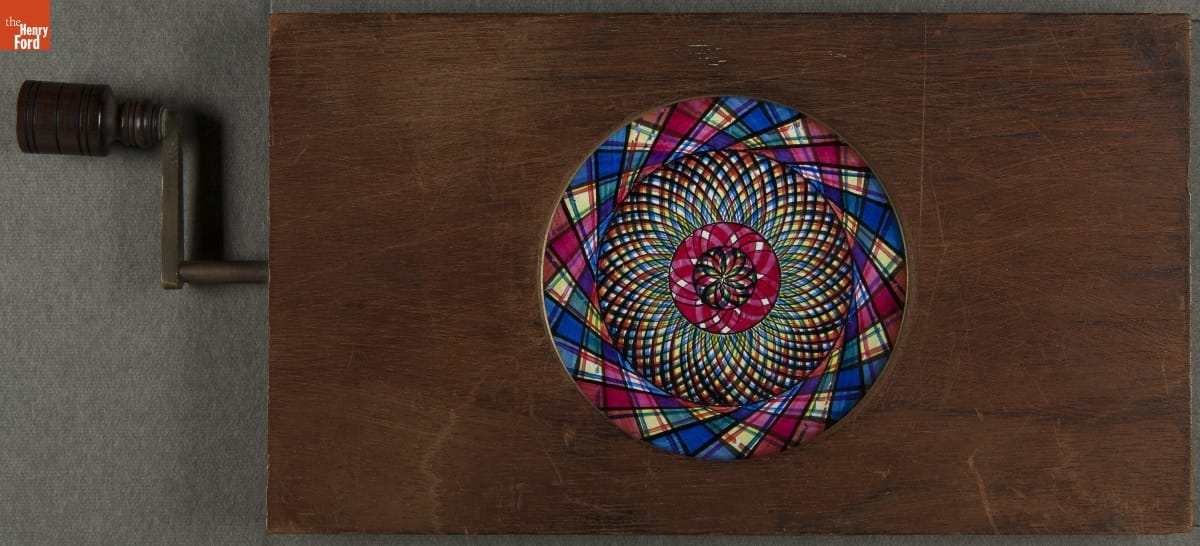
- 1860-1900
- Collections - Artifact
Mechanical Chromatrope Lantern Slide, 1860-1900
Magic lanterns use a concave mirror and light source to project images on glass slides with painted or photographic scenes. Developed in the 17th century, magic lanterns predate slide projectors and motion pictures. In the hands of magicians, they became "lanterns of fright," projecting wondrous images and apparitions. Slide themes ranged widely: exotic travel, folklore, advertising, history, science, and art.
- Sketch for Public Art Sculpture, "Star of David: A Living Memorial to the Holocaust," 1989 - Lillian Schwartz is a pioneer of computer-generated art. From 1969-2002, she was a "resident visitor" at Bell Laboratories, producing groundbreaking films, videos, and multimedia works. The Schwartz Collection spans Lillian's childhood into her late career, documenting an expansive mindset, mastery over traditional and experimental mediums alike--and above all--an ability to create inspirational connections between science, art, and technology.
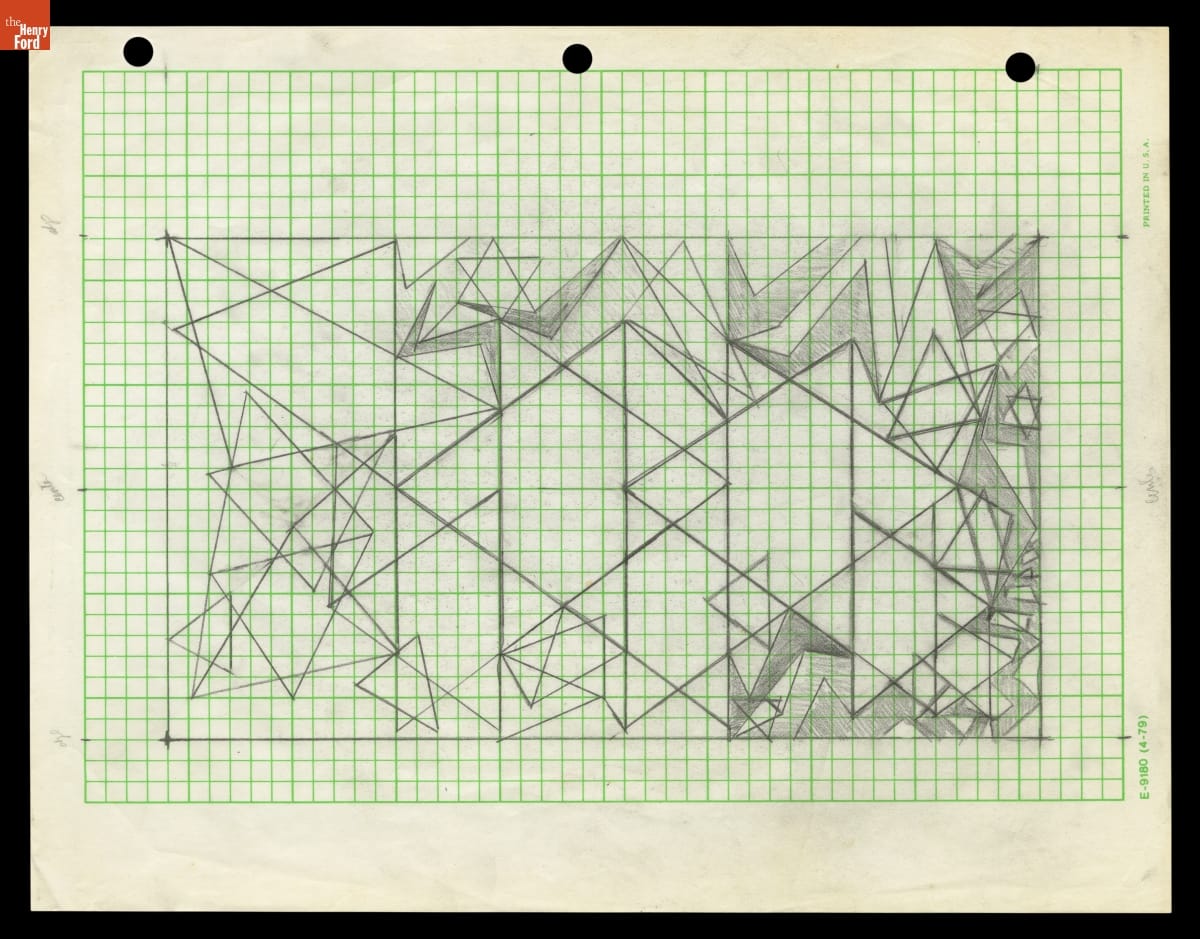
- circa 1989
- Collections - Artifact
Sketch for Public Art Sculpture, "Star of David: A Living Memorial to the Holocaust," 1989
Lillian Schwartz is a pioneer of computer-generated art. From 1969-2002, she was a "resident visitor" at Bell Laboratories, producing groundbreaking films, videos, and multimedia works. The Schwartz Collection spans Lillian's childhood into her late career, documenting an expansive mindset, mastery over traditional and experimental mediums alike--and above all--an ability to create inspirational connections between science, art, and technology.
- Mechanical Lantern Slides, Set of 5 Chromatropes, 1860-1900 - Magic lanterns use a concave mirror and light source to project images on glass slides with painted or photographic scenes. Developed in the 17th century, magic lanterns predate slide projectors and motion pictures. In the hands of magicians, they became "lanterns of fright," projecting wondrous images and apparitions. Slide themes ranged widely: exotic travel, folklore, advertising, history, science, and art.
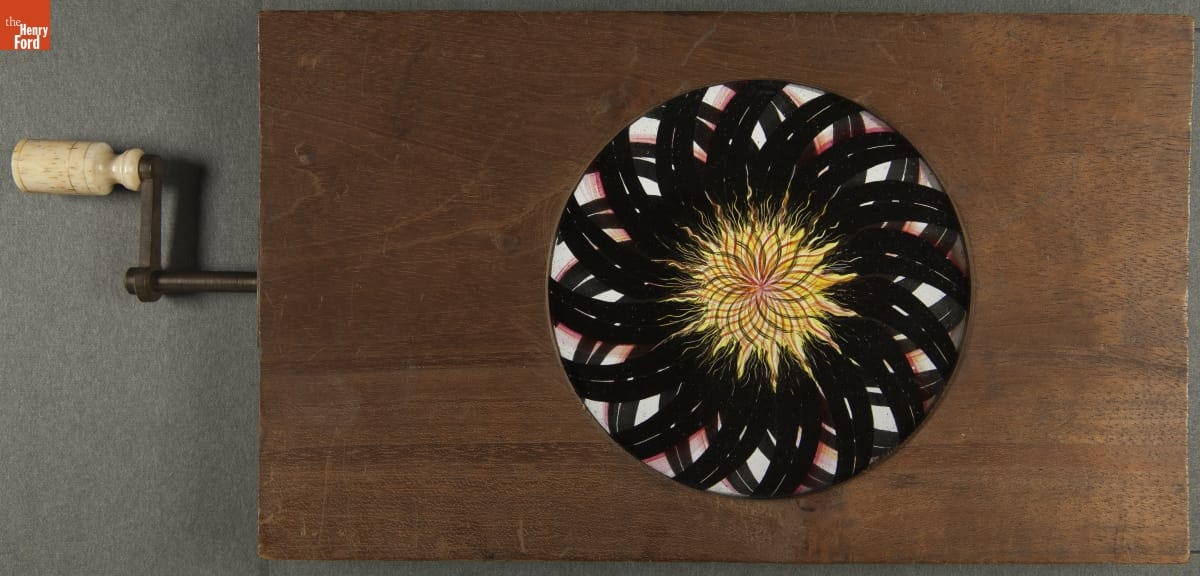
- 1860-1900
- Collections - Artifact
Mechanical Lantern Slides, Set of 5 Chromatropes, 1860-1900
Magic lanterns use a concave mirror and light source to project images on glass slides with painted or photographic scenes. Developed in the 17th century, magic lanterns predate slide projectors and motion pictures. In the hands of magicians, they became "lanterns of fright," projecting wondrous images and apparitions. Slide themes ranged widely: exotic travel, folklore, advertising, history, science, and art.
- Bandbox, 1857 - In the early 1800s, Americans used bandboxes to store clothing, accessories, and other small items. Bandboxes were handy containers in the home, or when traveling by stage, boat, or rail. Manufacturers covered these inexpensive pasteboard or wooden boxes with colorful papers. Some bandboxes were covered with papers depicting animals, places or specific scenes. Others, such as this one, were covered with decorative wallpaper of the day.
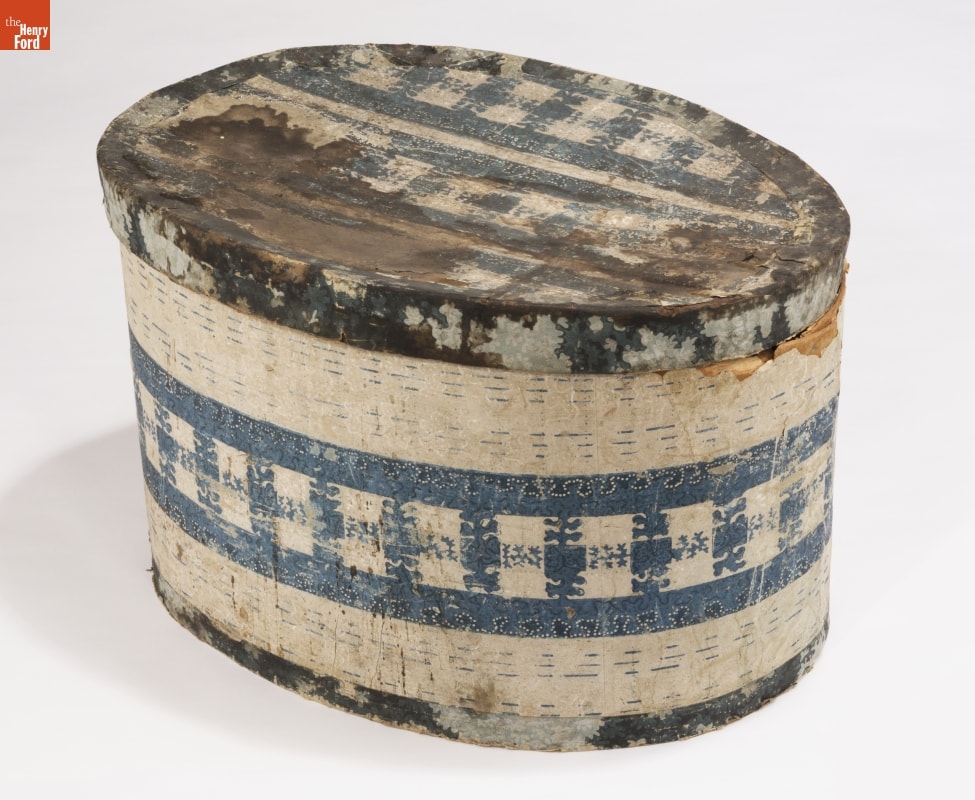
- 1857
- Collections - Artifact
Bandbox, 1857
In the early 1800s, Americans used bandboxes to store clothing, accessories, and other small items. Bandboxes were handy containers in the home, or when traveling by stage, boat, or rail. Manufacturers covered these inexpensive pasteboard or wooden boxes with colorful papers. Some bandboxes were covered with papers depicting animals, places or specific scenes. Others, such as this one, were covered with decorative wallpaper of the day.
- Sketch for Public Art Sculpture, "Star of David: A Living Memorial to the Holocaust," 1989 - Lillian Schwartz is a pioneer of computer-generated art. From 1969-2002, she was a "resident visitor" at Bell Laboratories, producing groundbreaking films, videos, and multimedia works. The Schwartz Collection spans Lillian's childhood into her late career, documenting an expansive mindset, mastery over traditional and experimental mediums alike--and above all--an ability to create inspirational connections between science, art, and technology.
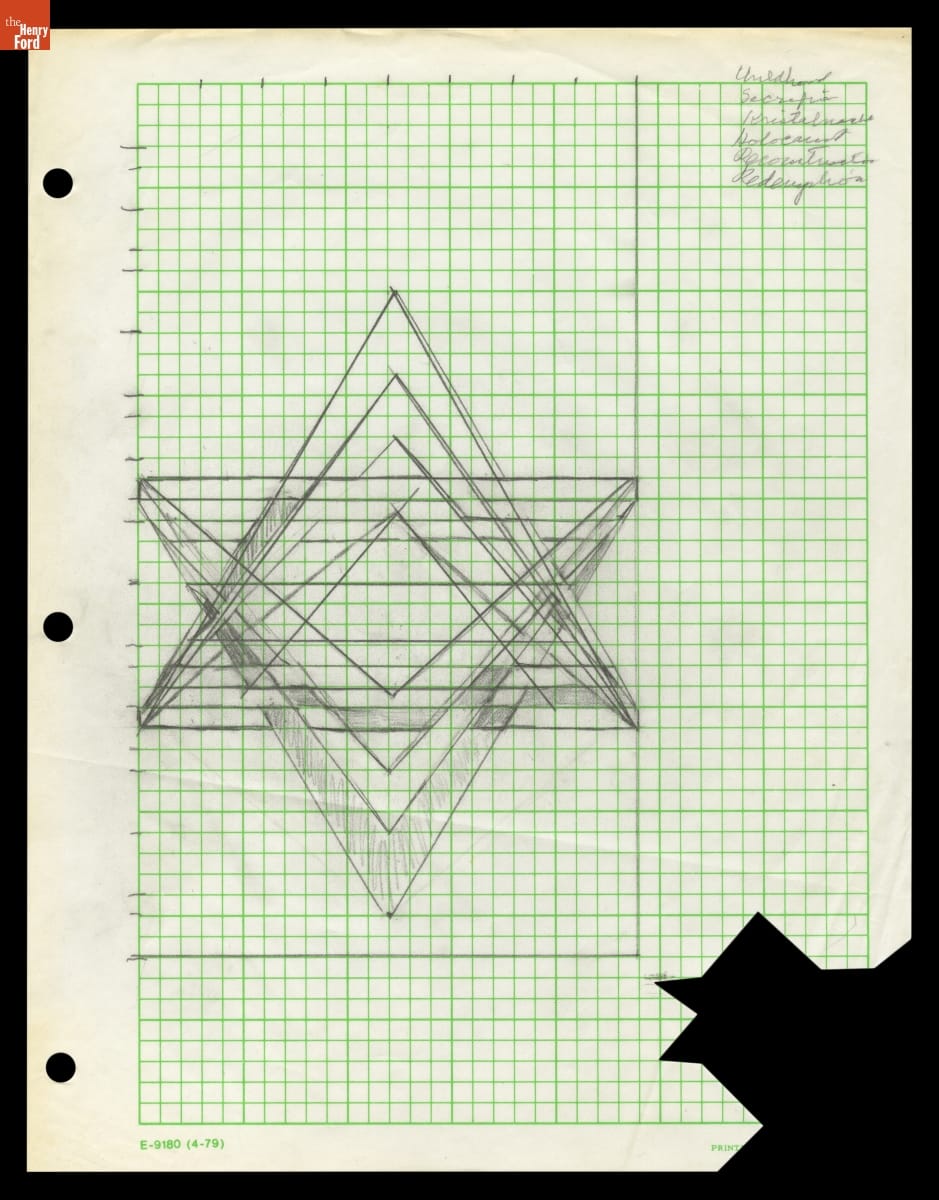
- circa 1989
- Collections - Artifact
Sketch for Public Art Sculpture, "Star of David: A Living Memorial to the Holocaust," 1989
Lillian Schwartz is a pioneer of computer-generated art. From 1969-2002, she was a "resident visitor" at Bell Laboratories, producing groundbreaking films, videos, and multimedia works. The Schwartz Collection spans Lillian's childhood into her late career, documenting an expansive mindset, mastery over traditional and experimental mediums alike--and above all--an ability to create inspirational connections between science, art, and technology.
- Bandbox, 1845-1855 - In the early 1800s, Americans used bandboxes to store clothing, accessories, and other small items. Bandboxes were handy containers in the home, or when traveling by stage, boat, or rail. Manufacturers covered these inexpensive pasteboard or wooden boxes with colorful papers. Some bandboxes were covered with papers depicting animals, places or specific scenes. Others, such as this one, were covered with decorative wallpaper of the day.
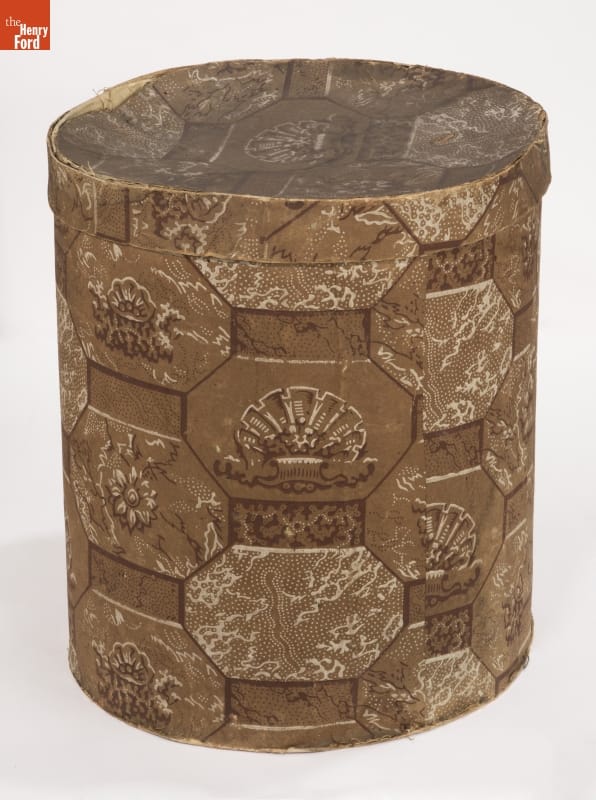
- 1845-1855
- Collections - Artifact
Bandbox, 1845-1855
In the early 1800s, Americans used bandboxes to store clothing, accessories, and other small items. Bandboxes were handy containers in the home, or when traveling by stage, boat, or rail. Manufacturers covered these inexpensive pasteboard or wooden boxes with colorful papers. Some bandboxes were covered with papers depicting animals, places or specific scenes. Others, such as this one, were covered with decorative wallpaper of the day.
- "Bulletin of the Computer Arts Society," May 1977 - Lillian Schwartz is a pioneer of computer-generated art. From 1969-2002, she was a "resident visitor" at Bell Laboratories, producing groundbreaking films, videos, and multimedia works. The Schwartz Collection spans Lillian's childhood into her late career, documenting an expansive mindset, mastery over traditional and experimental mediums alike--and above all--an ability to create inspirational connections between science, art, and technology.
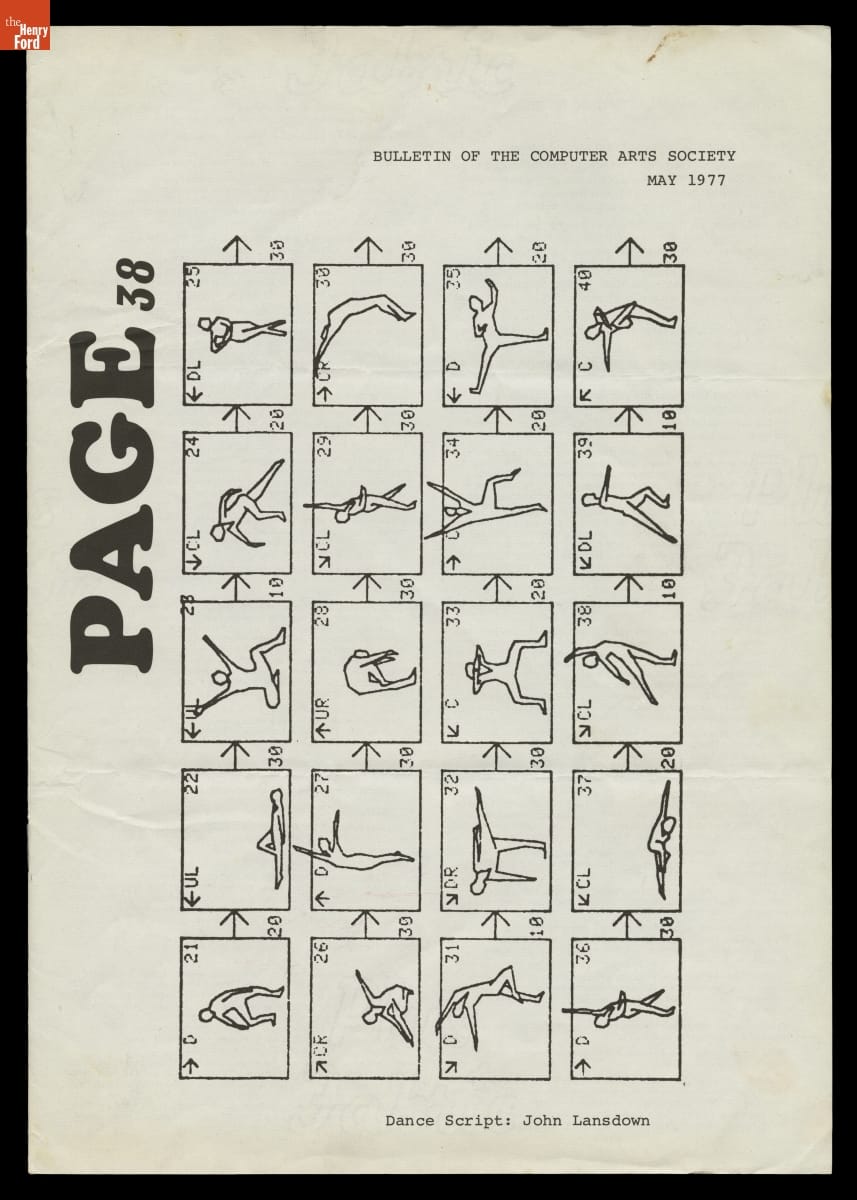
- May 01, 1977
- Collections - Artifact
"Bulletin of the Computer Arts Society," May 1977
Lillian Schwartz is a pioneer of computer-generated art. From 1969-2002, she was a "resident visitor" at Bell Laboratories, producing groundbreaking films, videos, and multimedia works. The Schwartz Collection spans Lillian's childhood into her late career, documenting an expansive mindset, mastery over traditional and experimental mediums alike--and above all--an ability to create inspirational connections between science, art, and technology.
- Bandbox, 1825-1850 - In the early 1800s, Americans used bandboxes to store clothing, accessories, and other small items. Bandboxes were handy containers in the home, or when traveling by stage, boat, or rail. Manufacturers covered these inexpensive pasteboard or wooden boxes with colorful papers. Some bandboxes were covered with papers depicting animals, places or specific scenes. Others, such as this one, were covered with decorative wallpaper of the day.
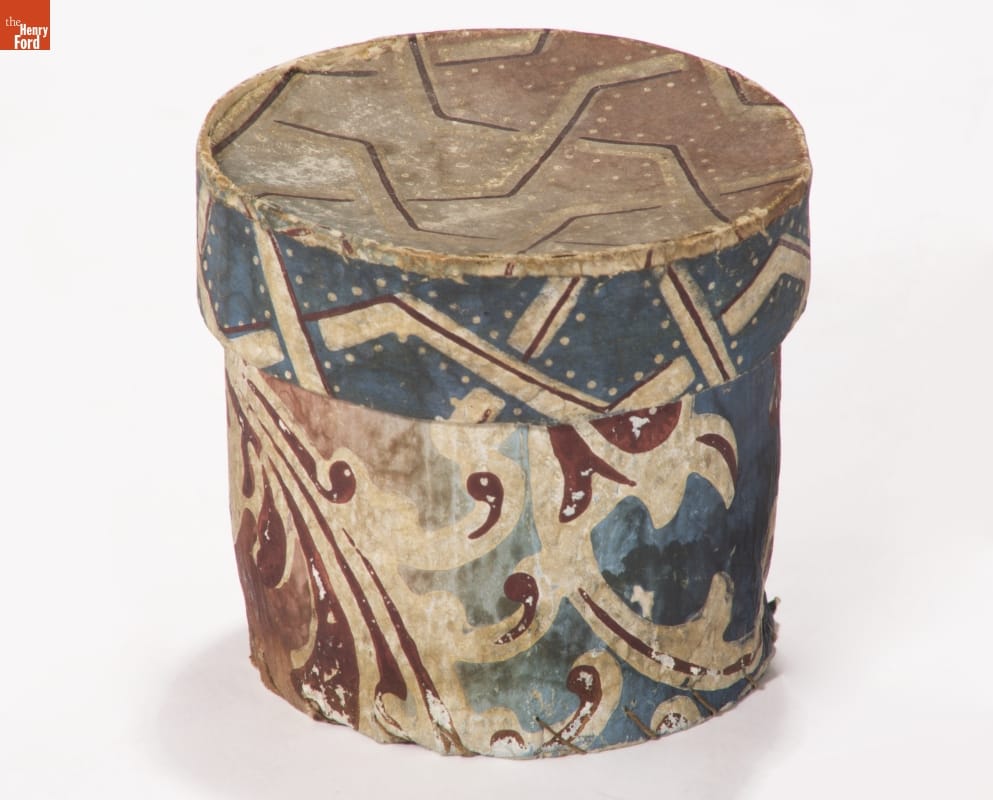
- 1825-1850
- Collections - Artifact
Bandbox, 1825-1850
In the early 1800s, Americans used bandboxes to store clothing, accessories, and other small items. Bandboxes were handy containers in the home, or when traveling by stage, boat, or rail. Manufacturers covered these inexpensive pasteboard or wooden boxes with colorful papers. Some bandboxes were covered with papers depicting animals, places or specific scenes. Others, such as this one, were covered with decorative wallpaper of the day.
- Geometric and Floral Border Wallpaper Sample, 1870-1880 -
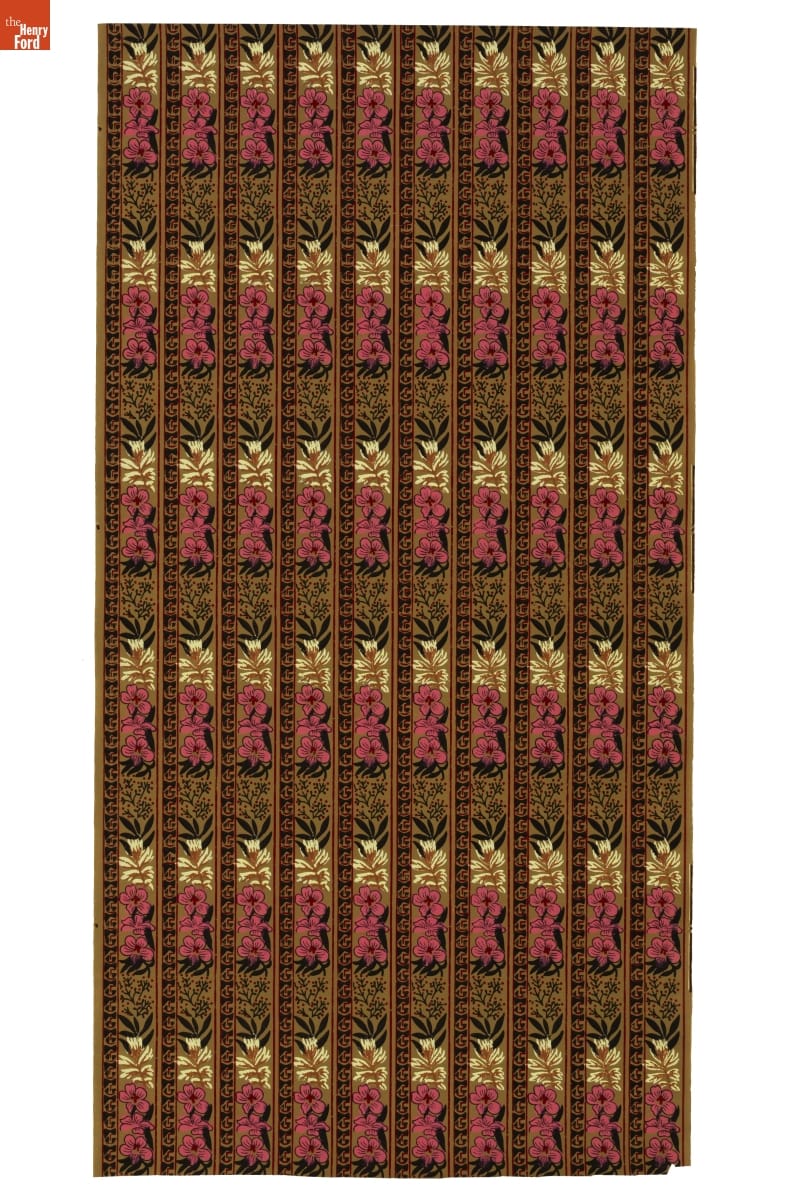
- 1870-1880
- Collections - Artifact
Geometric and Floral Border Wallpaper Sample, 1870-1880