
Search
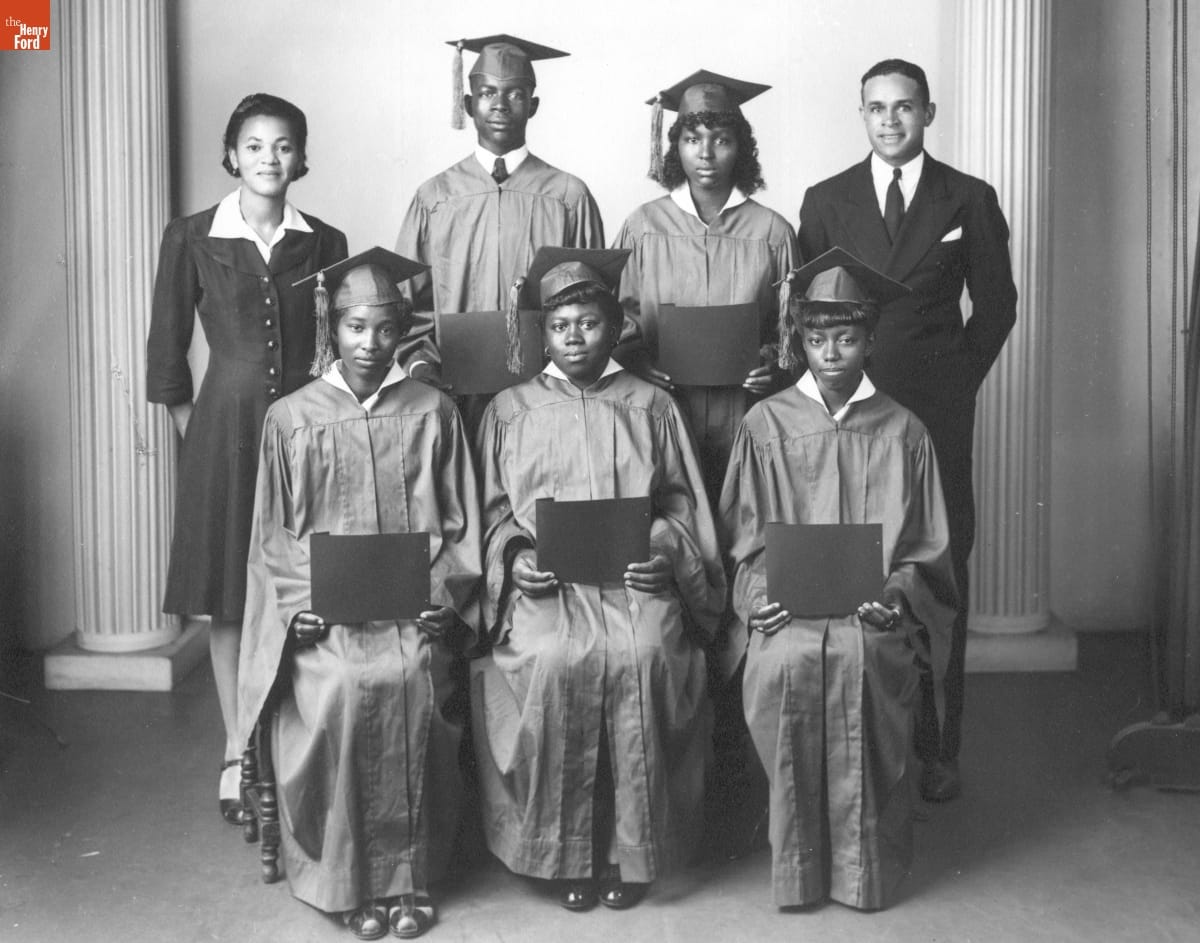
- Graduating Students and Teachers at George Washington Carver School, Richmond Hill, Georgia, 1945 - Henry Ford purchased vast amounts of land around present-day Richmond Hill, Georgia, beginning in the 1920s. After acquiring the property, Ford became interested in the economic and civic improvement of the area. He built schools, churches, and community centers. In 1939, Ford founded the George Washington Carver School. This image shows the 1945 graduating class and their teachers.
- June 01, 1945
- Collections - Artifact
Graduating Students and Teachers at George Washington Carver School, Richmond Hill, Georgia, 1945
Henry Ford purchased vast amounts of land around present-day Richmond Hill, Georgia, beginning in the 1920s. After acquiring the property, Ford became interested in the economic and civic improvement of the area. He built schools, churches, and community centers. In 1939, Ford founded the George Washington Carver School. This image shows the 1945 graduating class and their teachers.
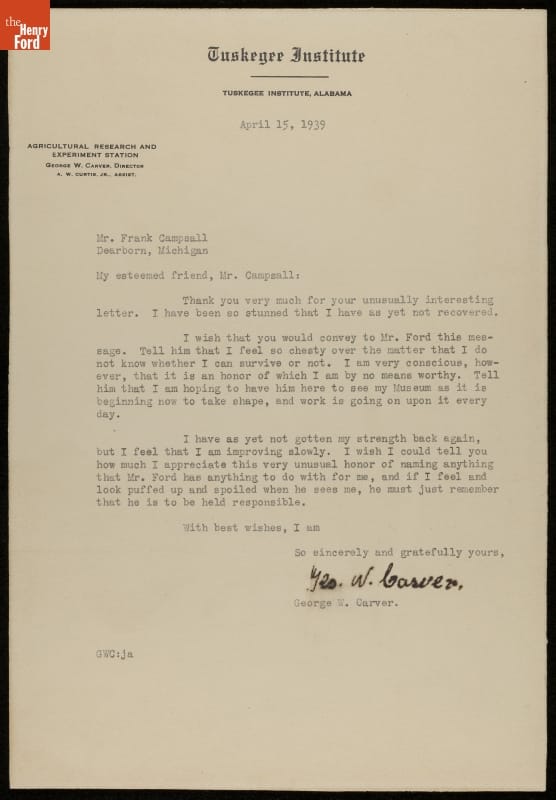
- Letter from George Washington Carver to Frank Campsall, April 15, 1939 - George Washington Carver and Henry Ford became friends in the late 1930s, drawn together by a mutual interest in developing new industrial products from the fruits of the soil. Carver's warm letters to Ford, Clara Ford, and Ford's secretary Frank Campsall speak to the genuine depth of the friendship. Carver often gives Ford advice on research avenues to pursue and suggests recipes for natural health.
- April 15, 1939
- Collections - Artifact
Letter from George Washington Carver to Frank Campsall, April 15, 1939
George Washington Carver and Henry Ford became friends in the late 1930s, drawn together by a mutual interest in developing new industrial products from the fruits of the soil. Carver's warm letters to Ford, Clara Ford, and Ford's secretary Frank Campsall speak to the genuine depth of the friendship. Carver often gives Ford advice on research avenues to pursue and suggests recipes for natural health.
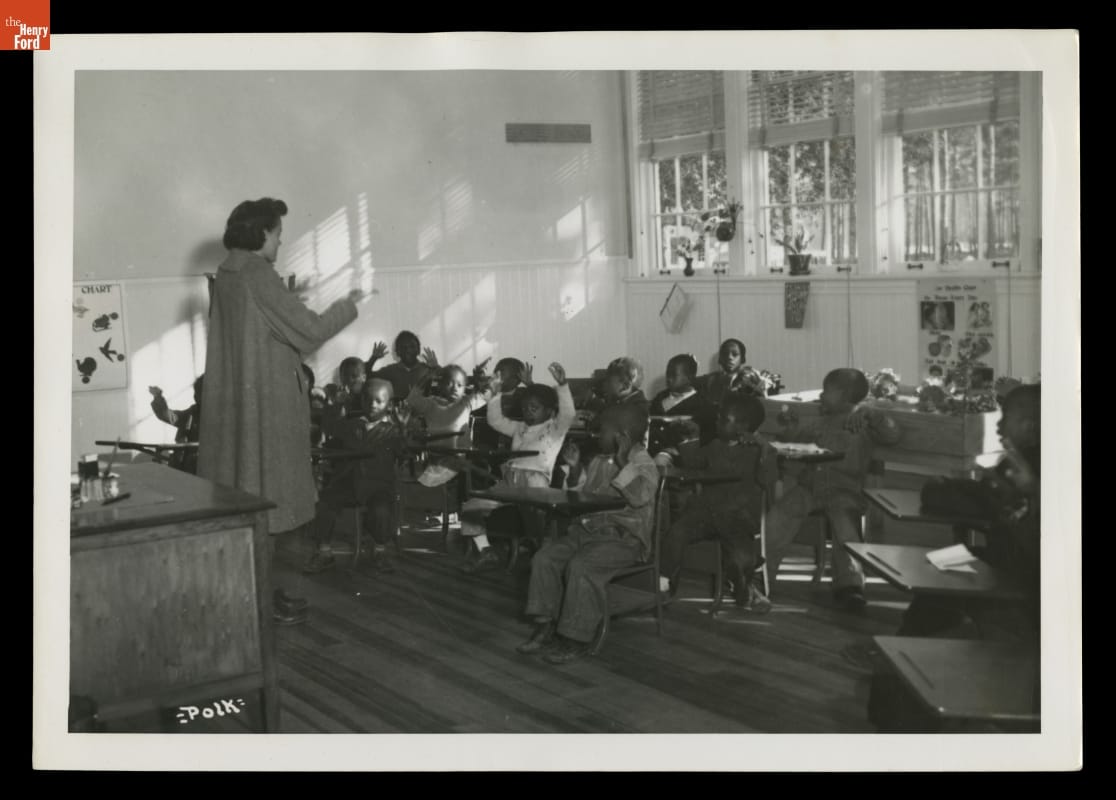
- Teacher and First Grade Students at George Washington Carver School, Richmond Hill, Georgia, circa 1940 - Henry Ford purchased vast amounts of land around present-day Richmond Hill, Georgia, beginning in the 1920s. After acquiring the property, Ford became interested in the economic and civic improvement of the area. He built schools, churches and community centers. In 1939, Ford founded the George Washington Carver School. This image shows first grade students attending classes in the new school.
- circa 1940
- Collections - Artifact
Teacher and First Grade Students at George Washington Carver School, Richmond Hill, Georgia, circa 1940
Henry Ford purchased vast amounts of land around present-day Richmond Hill, Georgia, beginning in the 1920s. After acquiring the property, Ford became interested in the economic and civic improvement of the area. He built schools, churches and community centers. In 1939, Ford founded the George Washington Carver School. This image shows first grade students attending classes in the new school.
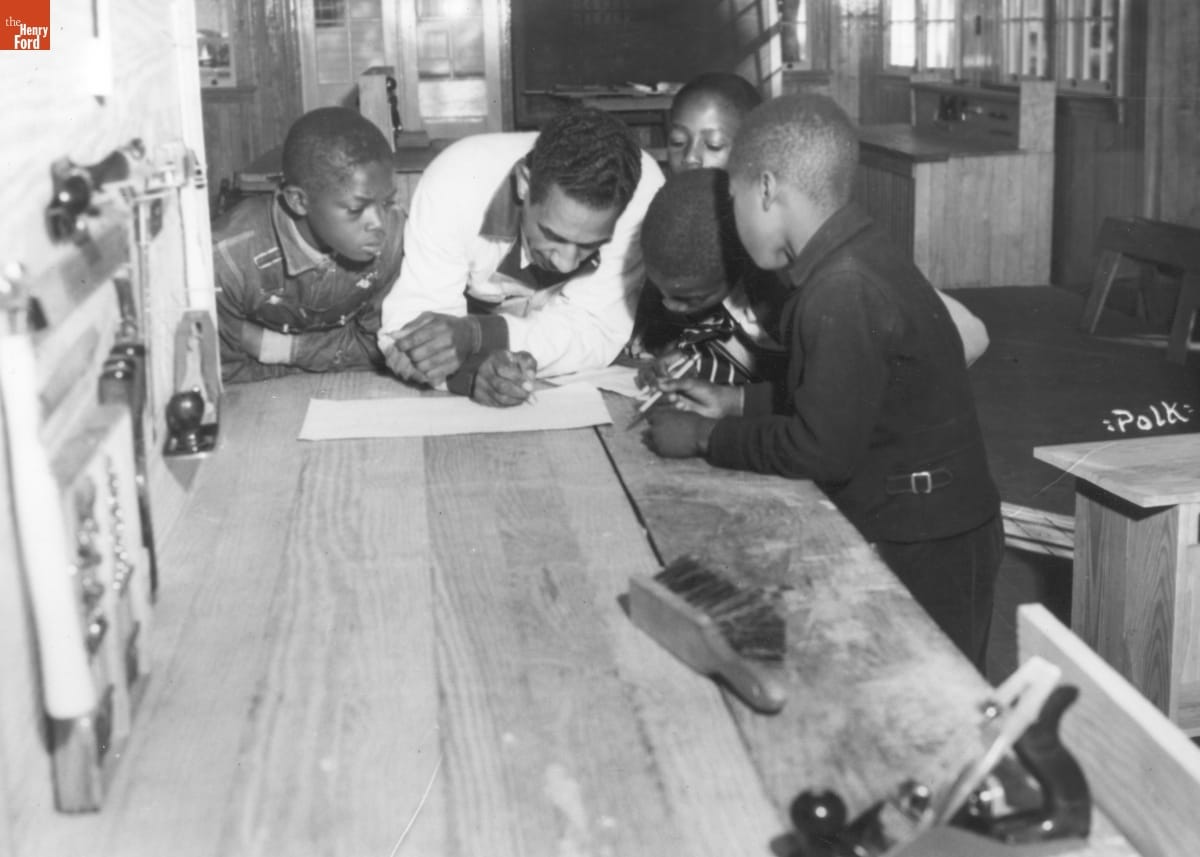
- Shop Class at the George Washington Carver School, Richmond Hill, Georgia, circa 1940 - Henry Ford purchased vast amounts of land around present-day Richmond Hill, Georgia, beginning in the 1920s. After acquiring the property, Ford became interested in the economic and civic improvement of the area. In 1939, Ford built a school for African-American children -- one of many local projects. He named the school in honor of his friend and famed educator and agricultural scientist George Washington Carver.
- circa 1940
- Collections - Artifact
Shop Class at the George Washington Carver School, Richmond Hill, Georgia, circa 1940
Henry Ford purchased vast amounts of land around present-day Richmond Hill, Georgia, beginning in the 1920s. After acquiring the property, Ford became interested in the economic and civic improvement of the area. In 1939, Ford built a school for African-American children -- one of many local projects. He named the school in honor of his friend and famed educator and agricultural scientist George Washington Carver.
- Dining Hall at the George Washington Carver School, Richmond Hill, Georgia, 1941 - Henry Ford purchased vast amounts of land around present-day Richmond Hill, Georgia, beginning in the 1920s. After acquiring the property, Ford became interested in the economic and civic improvement of the area. In 1939, Ford built a school for African-American children -- one of many local projects. He named the school in honor of his friend and famed educator and agricultural scientist George Washington Carver.
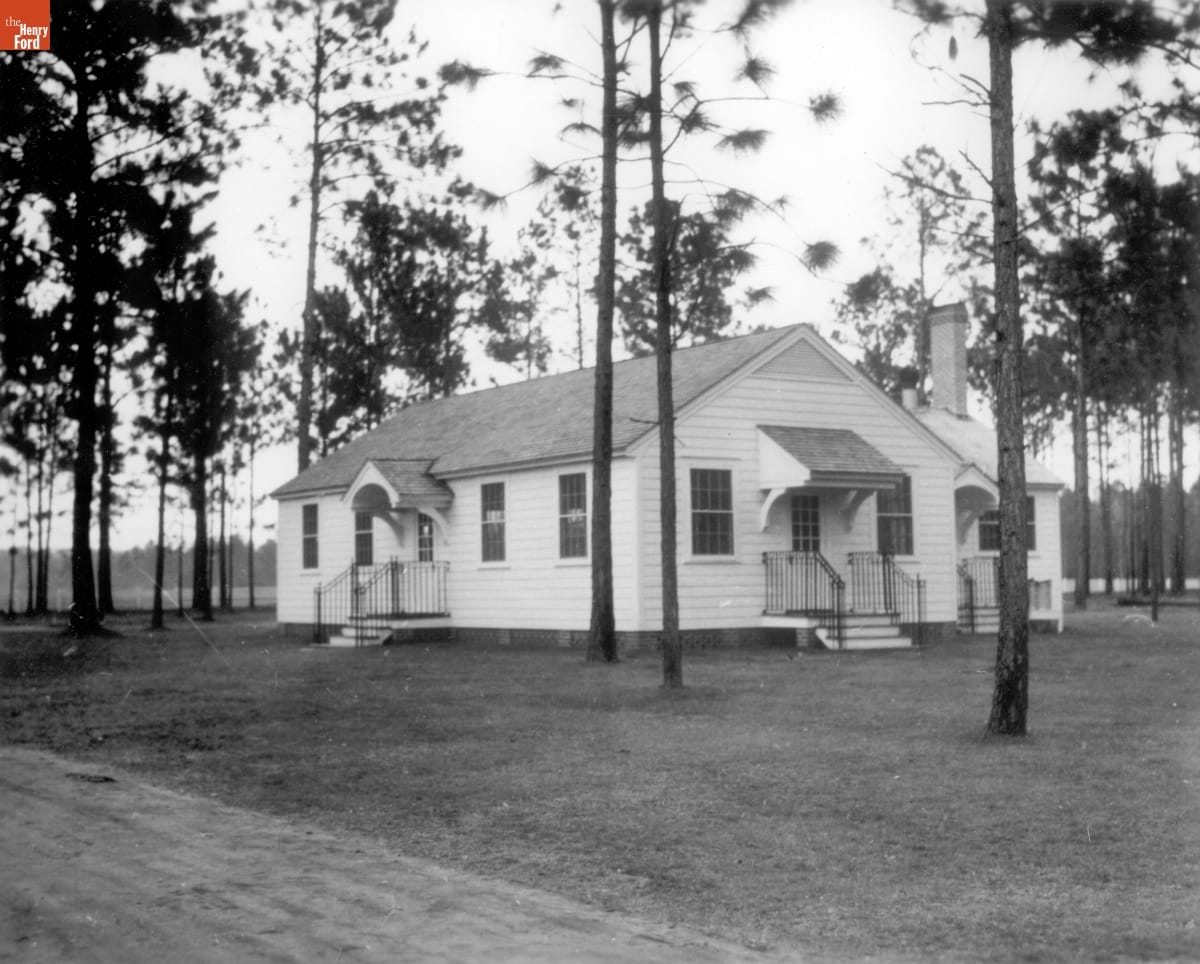
- 1941
- Collections - Artifact
Dining Hall at the George Washington Carver School, Richmond Hill, Georgia, 1941
Henry Ford purchased vast amounts of land around present-day Richmond Hill, Georgia, beginning in the 1920s. After acquiring the property, Ford became interested in the economic and civic improvement of the area. In 1939, Ford built a school for African-American children -- one of many local projects. He named the school in honor of his friend and famed educator and agricultural scientist George Washington Carver.
- School Bus for George Washington Carver School, Richmond Hill, Georgia, circa 1940 -
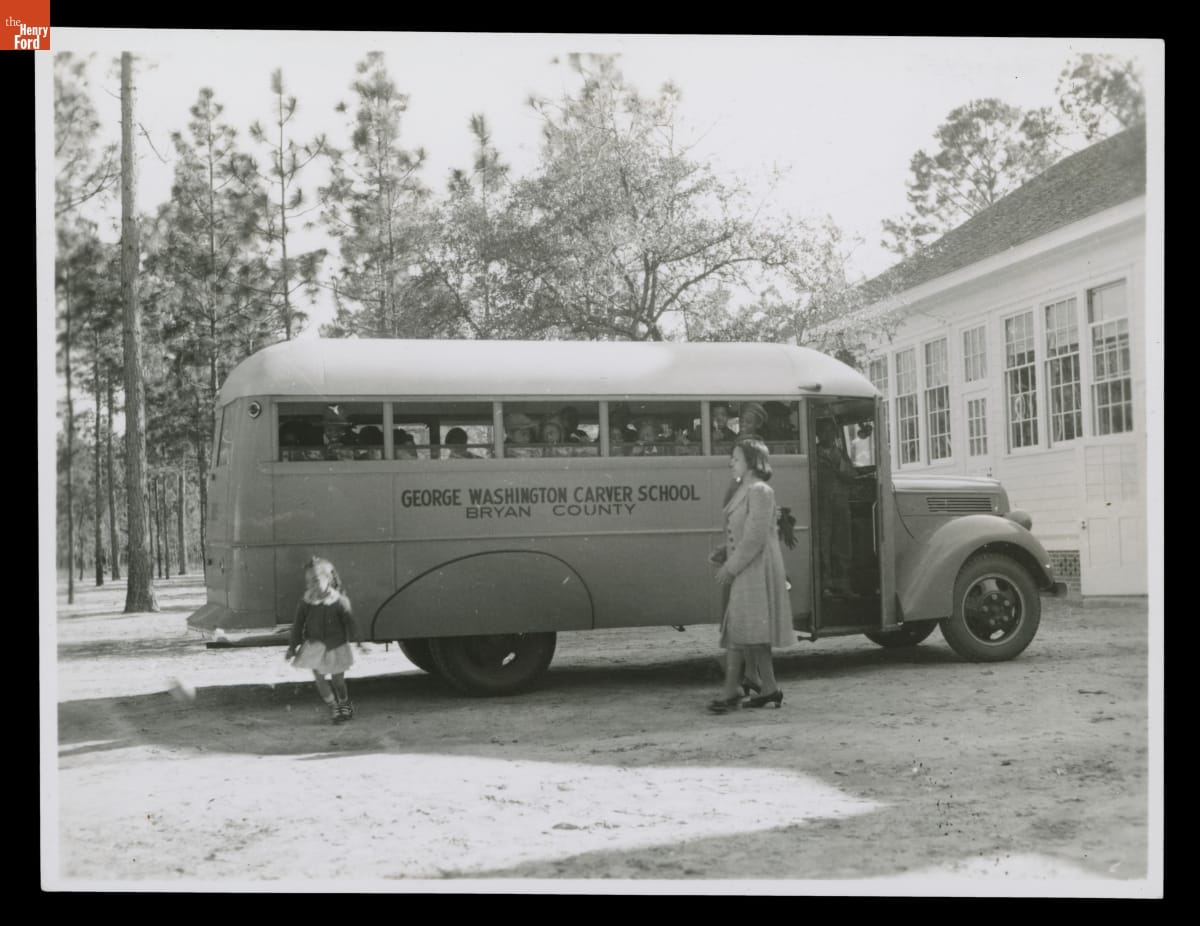
- circa 1940
- Collections - Artifact
School Bus for George Washington Carver School, Richmond Hill, Georgia, circa 1940
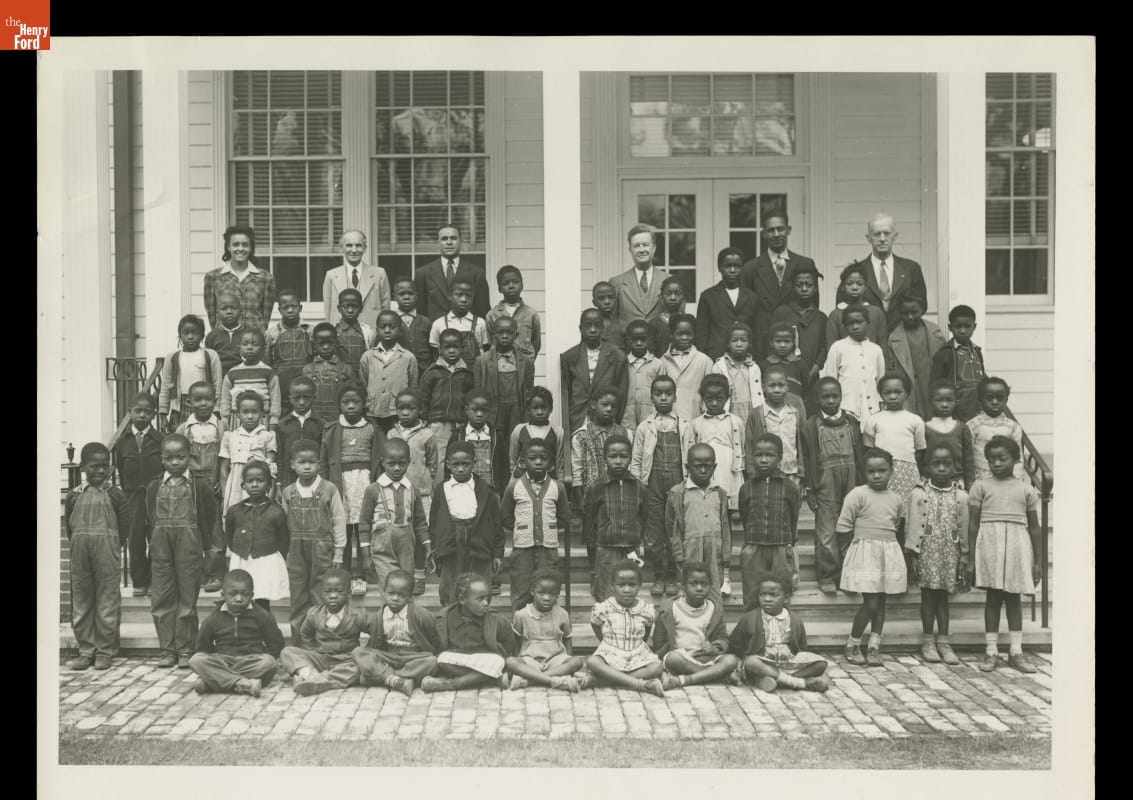
- Henry Ford and Frank Campsall with Students and Faculty at George Washington Carver School, Richmond Hill, Georgia, circa 1940 - Henry Ford purchased vast amounts of land around present-day Richmond Hill, Georgia, beginning in the 1920s. After acquiring the property, Ford became interested in the civic improvement of the area. He built schools, churches and community centers. In 1939, Ford founded the George Washington Carver School, named in honor of his friend. In this image, Ford poses with the faculty and local schoolchildren.
- circa 1940
- Collections - Artifact
Henry Ford and Frank Campsall with Students and Faculty at George Washington Carver School, Richmond Hill, Georgia, circa 1940
Henry Ford purchased vast amounts of land around present-day Richmond Hill, Georgia, beginning in the 1920s. After acquiring the property, Ford became interested in the civic improvement of the area. He built schools, churches and community centers. In 1939, Ford founded the George Washington Carver School, named in honor of his friend. In this image, Ford poses with the faculty and local schoolchildren.
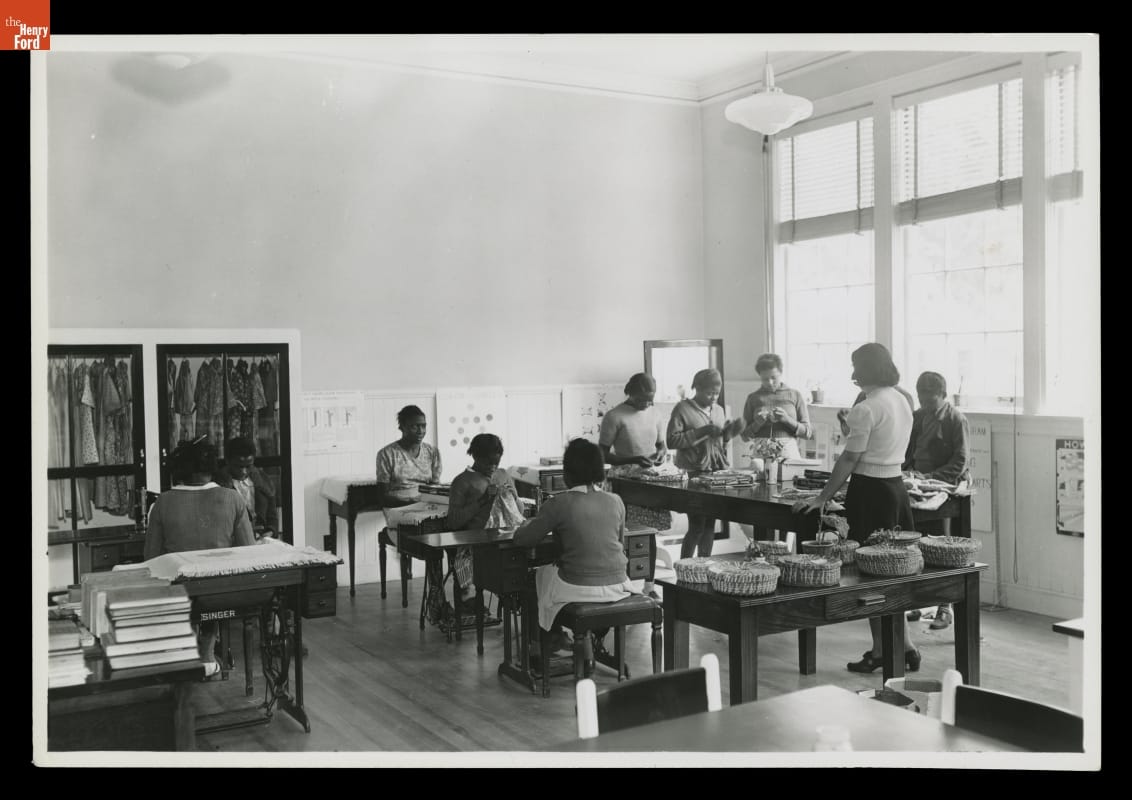
- Students in Sewing Classroom at George Washington Carver School, Richmond Hill, Georgia, circa 1940 - Henry Ford purchased vast amounts of land around present-day Richmond Hill, Georgia, beginning in the 1920s. After acquiring the property, Ford became interested in the economic and civic improvement of the area. He built schools, churches and community centers. In 1939, Ford founded the George Washington Carver School. This image shows a group of teenage girls attending a sewing class in the new school.
- circa 1940
- Collections - Artifact
Students in Sewing Classroom at George Washington Carver School, Richmond Hill, Georgia, circa 1940
Henry Ford purchased vast amounts of land around present-day Richmond Hill, Georgia, beginning in the 1920s. After acquiring the property, Ford became interested in the economic and civic improvement of the area. He built schools, churches and community centers. In 1939, Ford founded the George Washington Carver School. This image shows a group of teenage girls attending a sewing class in the new school.
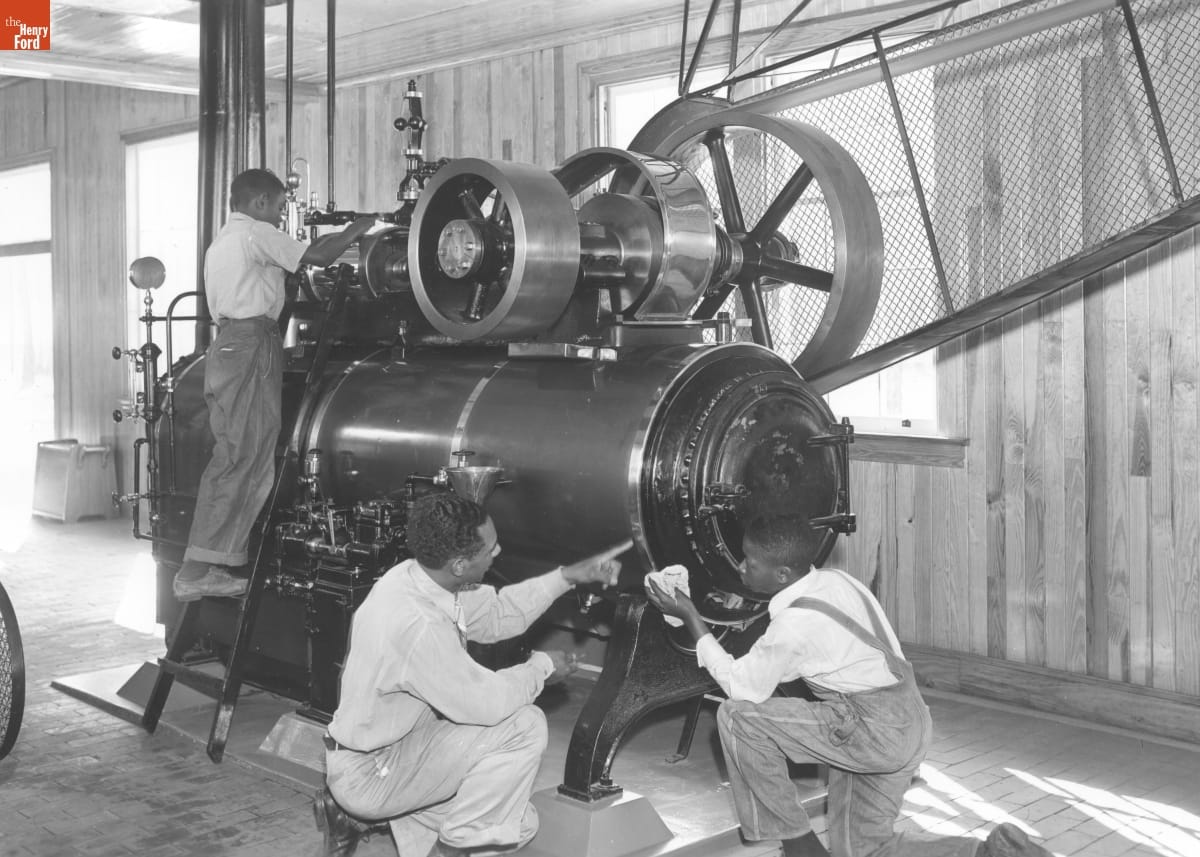
- Students Working on a Steam Engine at the George Washington Carver School, Richmond Hill, Georiga, circa 1940 -
- circa 1940
- Collections - Artifact
Students Working on a Steam Engine at the George Washington Carver School, Richmond Hill, Georiga, circa 1940
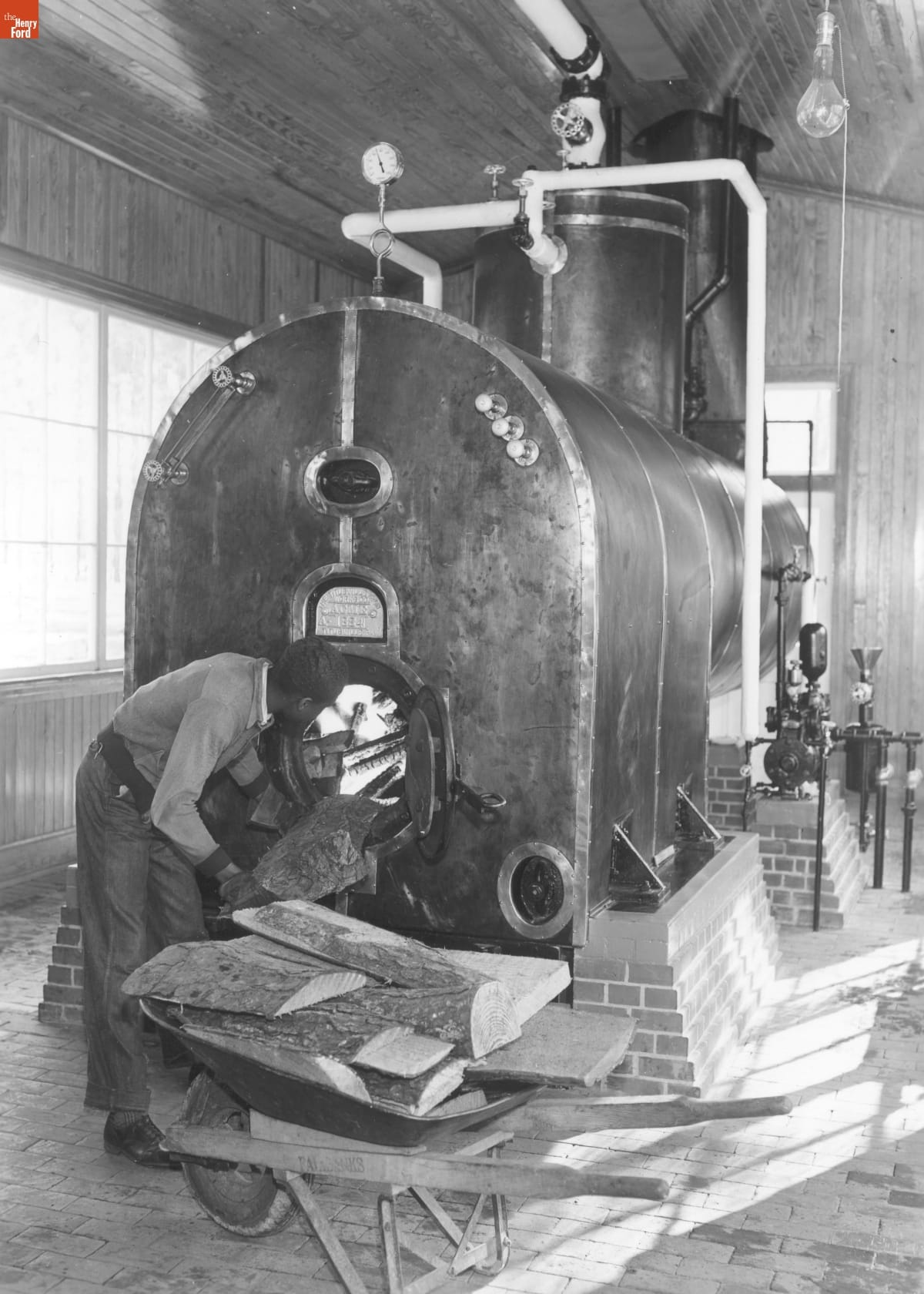
- Boiler at the George Washington Carver School, Richmond Hill, Georgia, circa 1940 -
- circa 1940
- Collections - Artifact
Boiler at the George Washington Carver School, Richmond Hill, Georgia, circa 1940