
Search
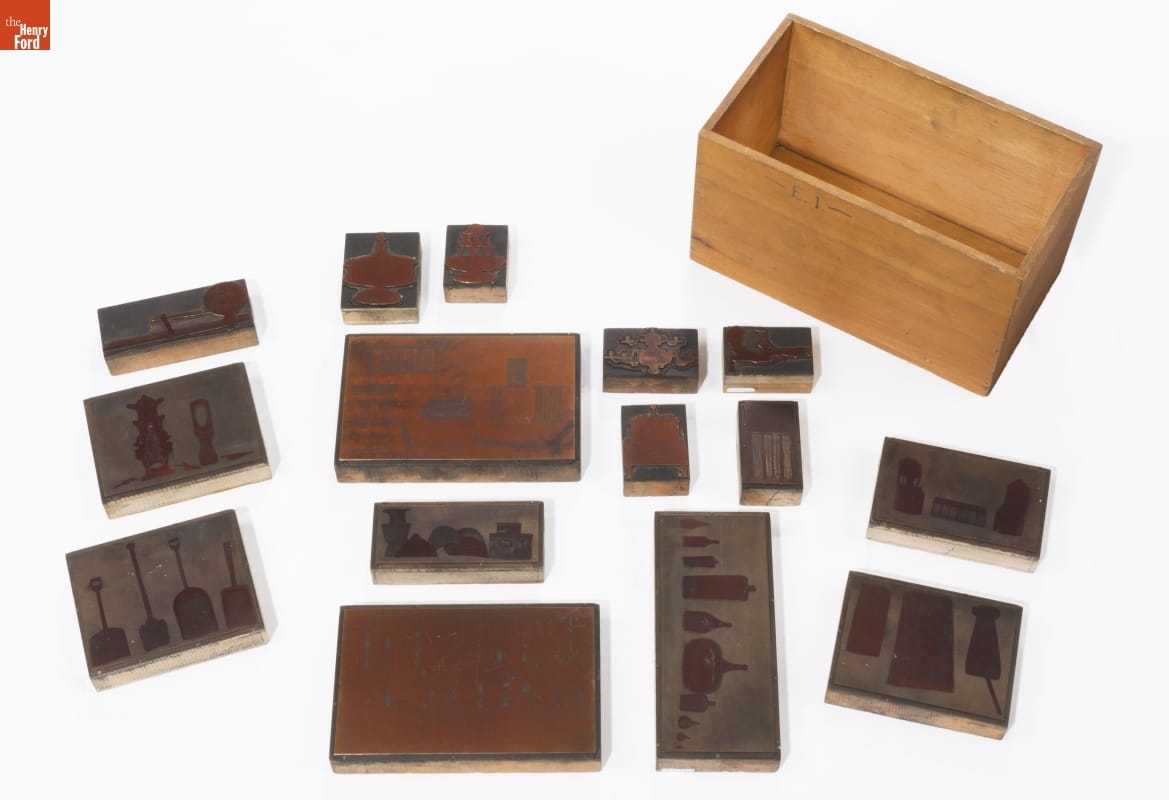
- Box of Edison Institute Printing Plates, 1929-1940 -
- 1929-1940
- Collections - Artifact
Box of Edison Institute Printing Plates, 1929-1940
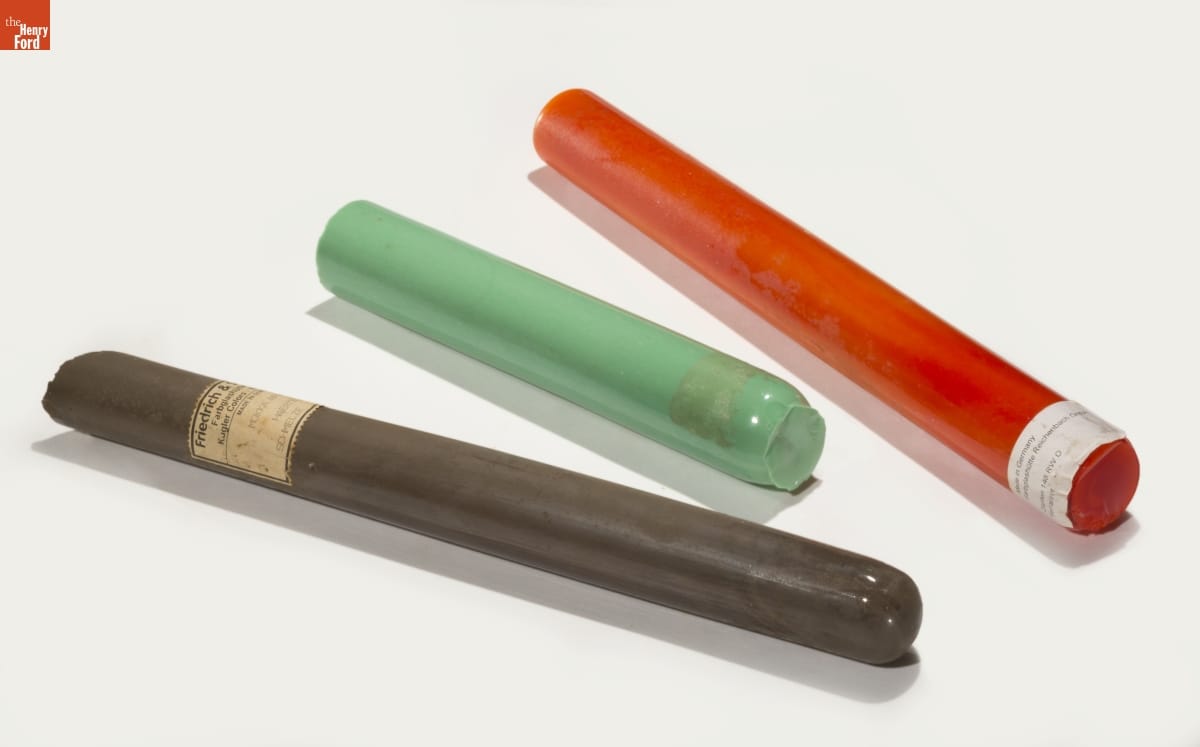
- Glass Rods, Used by Paul Stankard, 2010-2015 - Paperweight artist Paul Stankard creates small botanical worlds in glass. Using a technique called flame working, Stankard melts rods of glass--pulled and shaped with tweezers and other tools--to fashion amazingly lifelike tiny flowers, insects, and even human figures. These "inclusions" are then encased in a glass mold to produce a paperweight.
- 2010-2015
- Collections - Artifact
Glass Rods, Used by Paul Stankard, 2010-2015
Paperweight artist Paul Stankard creates small botanical worlds in glass. Using a technique called flame working, Stankard melts rods of glass--pulled and shaped with tweezers and other tools--to fashion amazingly lifelike tiny flowers, insects, and even human figures. These "inclusions" are then encased in a glass mold to produce a paperweight.
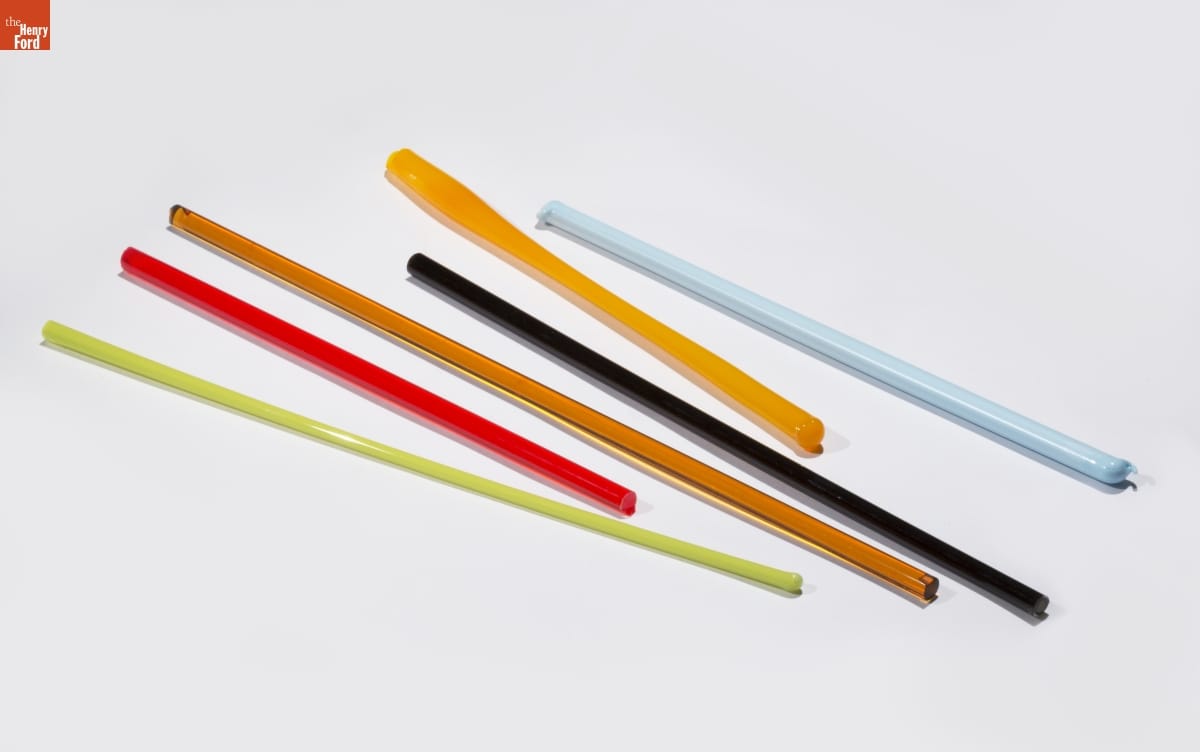
- Glass Rods, Used by Paul Stankard, 2010-2015 - Paperweight artist Paul Stankard creates small botanical worlds in glass. Using a technique called flame working, Stankard melts rods of glass--pulled and shaped with tweezers and other tools--to fashion amazingly lifelike tiny flowers, insects, and even human figures. These "inclusions" are then encased in a glass mold to produce a paperweight.
- 2010-2015
- Collections - Artifact
Glass Rods, Used by Paul Stankard, 2010-2015
Paperweight artist Paul Stankard creates small botanical worlds in glass. Using a technique called flame working, Stankard melts rods of glass--pulled and shaped with tweezers and other tools--to fashion amazingly lifelike tiny flowers, insects, and even human figures. These "inclusions" are then encased in a glass mold to produce a paperweight.
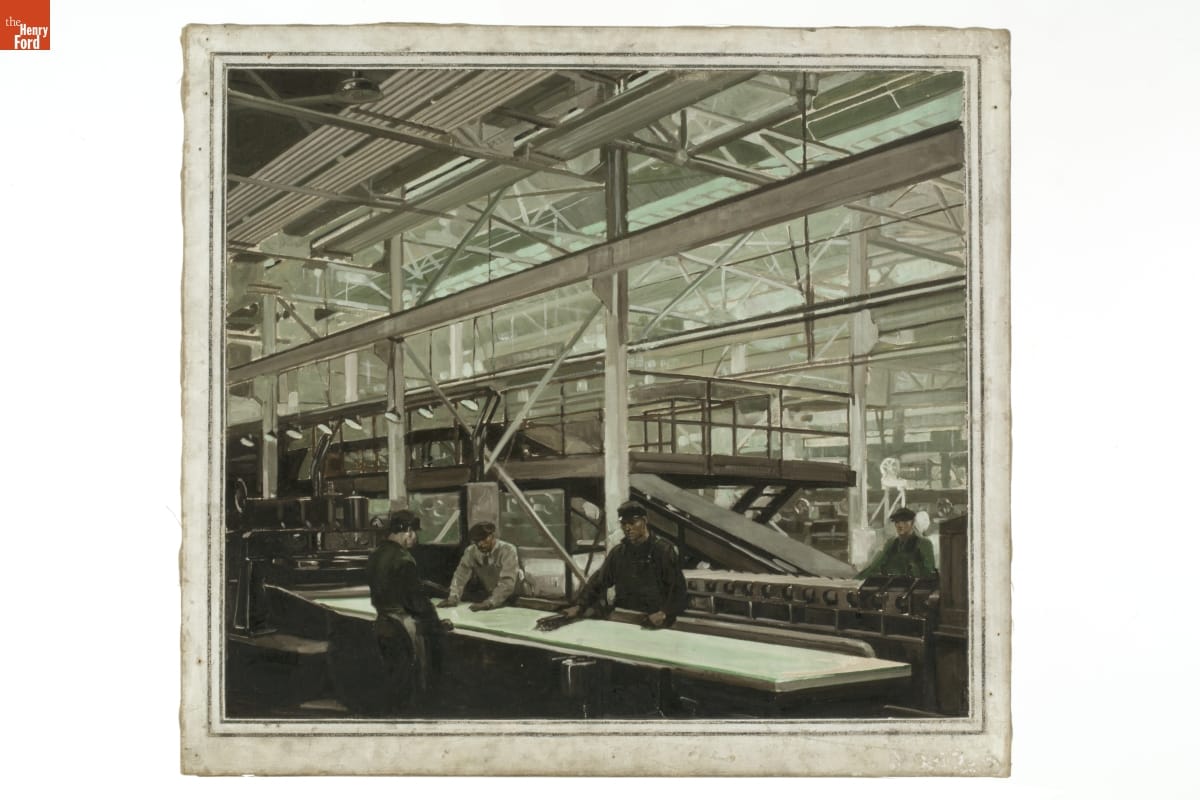
- Ford Rouge Glass Plant, 1924 - In 1924-25 the Ford Motor Company ran a series of sixteen dramatic advertisements in the <EM>Saturday Evening Post</EM> and <EM>Country Gentleman</EM> magazines. The effectiveness of the ads was due in large part to the specially commissioned artwork that accompanied the descriptive text. This painting was not used in the published campaign: an alternate view appeared in the 9th ad in the series.
- 1924
- Collections - Artifact
Ford Rouge Glass Plant, 1924
In 1924-25 the Ford Motor Company ran a series of sixteen dramatic advertisements in the Saturday Evening Post and Country Gentleman magazines. The effectiveness of the ads was due in large part to the specially commissioned artwork that accompanied the descriptive text. This painting was not used in the published campaign: an alternate view appeared in the 9th ad in the series.
- Hallmark "Festive Star" Christmas Ornament, 1989 - Already known for greeting cards, Hallmark introduced a line of Christmas ornaments in 1973. The company's annual release of an increasing array of ornaments revolutionized Christmas decorating, appealing to customers' interest in marking memories and milestones as well as expressing one's personality and unique tastes.
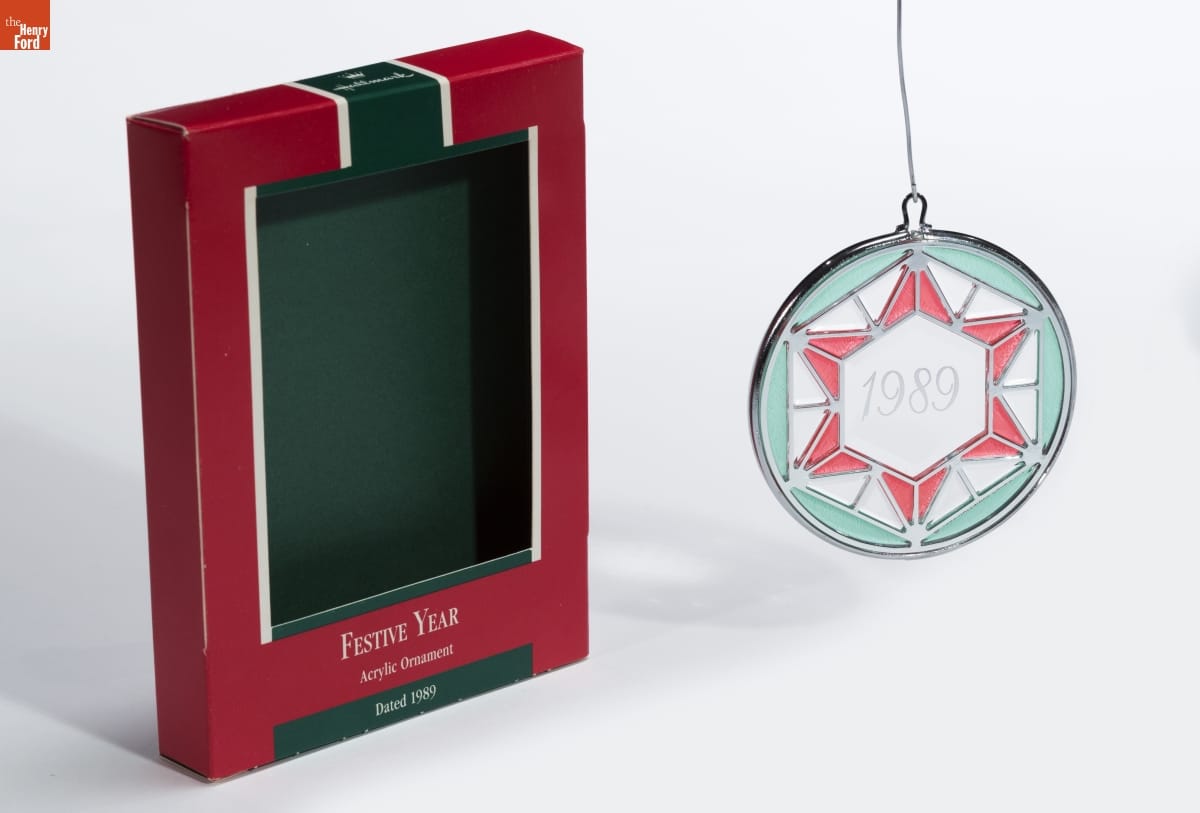
- 1989
- Collections - Artifact
Hallmark "Festive Star" Christmas Ornament, 1989
Already known for greeting cards, Hallmark introduced a line of Christmas ornaments in 1973. The company's annual release of an increasing array of ornaments revolutionized Christmas decorating, appealing to customers' interest in marking memories and milestones as well as expressing one's personality and unique tastes.
- Ford Rouge Glass Furnace, 1924 - In 1924-25 the Ford Motor Company ran a series of sixteen dramatic advertisements in the <EM>Saturday Evening Post</EM> and <EM>Country Gentleman</EM> magazines. The effectiveness of the ads was due in large part to the specially commissioned artwork that accompanied the descriptive text. This painting was not used in the published campaign: an alternate view appeared in the 9th ad in the series.
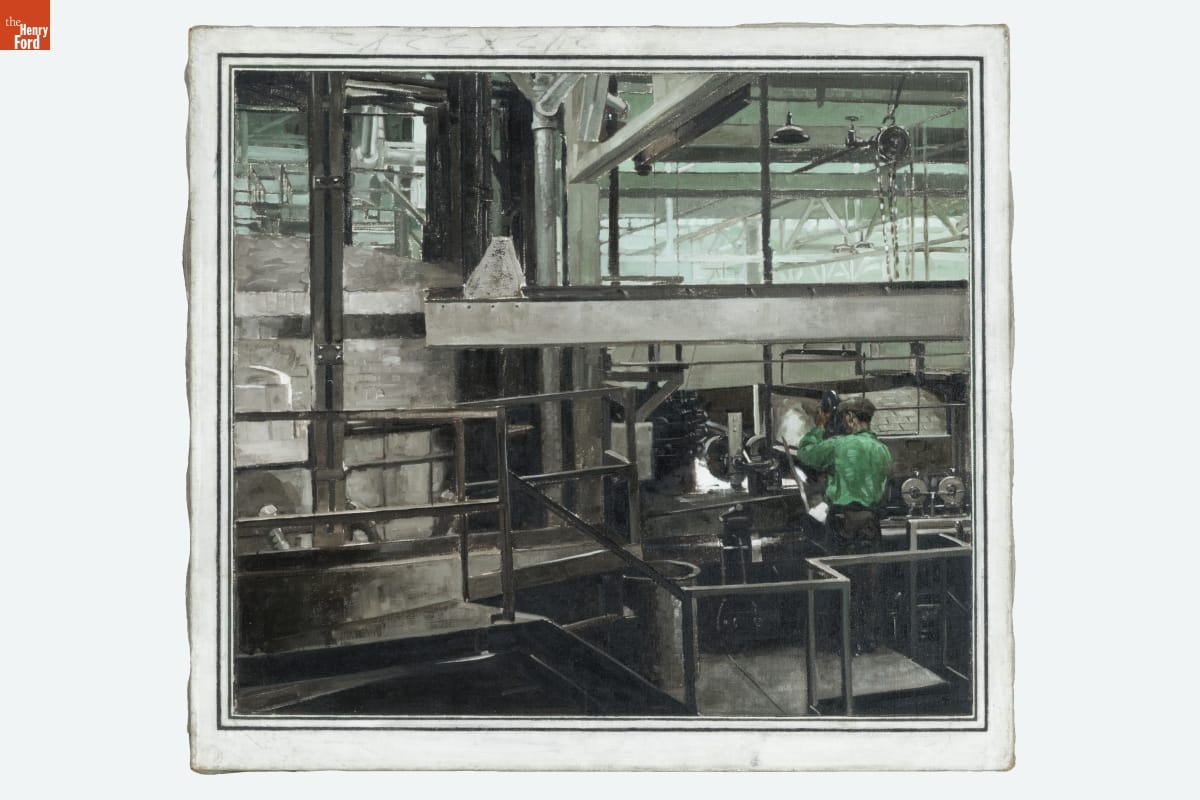
- 1924
- Collections - Artifact
Ford Rouge Glass Furnace, 1924
In 1924-25 the Ford Motor Company ran a series of sixteen dramatic advertisements in the Saturday Evening Post and Country Gentleman magazines. The effectiveness of the ads was due in large part to the specially commissioned artwork that accompanied the descriptive text. This painting was not used in the published campaign: an alternate view appeared in the 9th ad in the series.