
Search
- Bruce Bachmann Interview Video Recording, 2017 -

- 2017
- Collections - Artifact
Bruce Bachmann Interview Video Recording, 2017
- Davidson-Gerson Modern Glass Gallery Video Recording, 2017 -
- 2017
- Collections - Artifact
Davidson-Gerson Modern Glass Gallery Video Recording, 2017
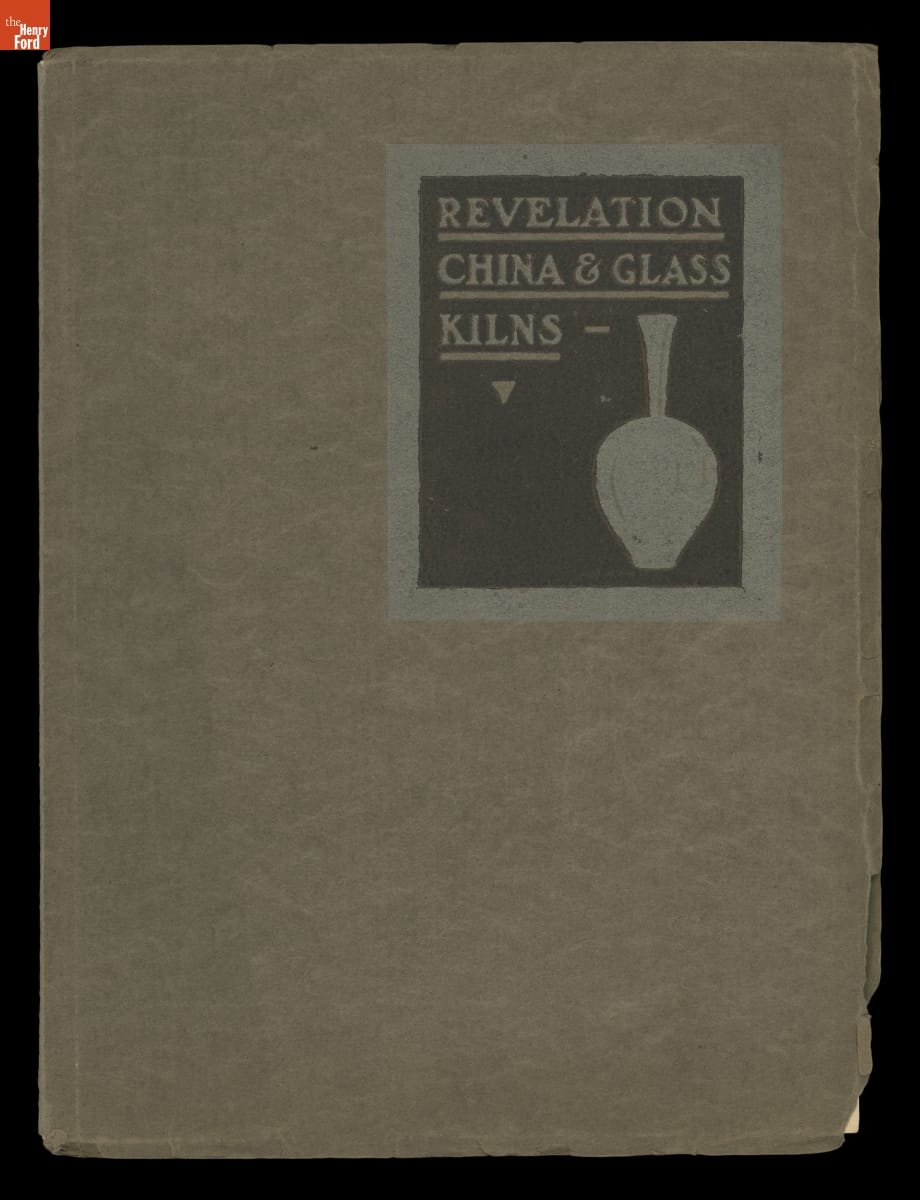
- H.J. Caulkins & Company Catalog, "Revelation Kilns," 1913-1937 - Horace J. Caulkins' Detroit-based company began producing the Revelation line of china kilns in the 1890s, when a china painting craze swept the nation. Caulkins partnered with china painter Mary Chase Perry to help promote Revelation kilns, and the pair founded Detroit's renowned Pewabic Pottery in 1903. The pottery sold Revelation kilns and replacement parts well into the 20th century.
- 1913-1937
- Collections - Artifact
H.J. Caulkins & Company Catalog, "Revelation Kilns," 1913-1937
Horace J. Caulkins' Detroit-based company began producing the Revelation line of china kilns in the 1890s, when a china painting craze swept the nation. Caulkins partnered with china painter Mary Chase Perry to help promote Revelation kilns, and the pair founded Detroit's renowned Pewabic Pottery in 1903. The pottery sold Revelation kilns and replacement parts well into the 20th century.
- "National Geographic," Vol. 126, No. 3, September 1964 - The National Geographic Society published the first issue of its magazine in the fall of 1888, within a year of its founding. <i>National Geographic</i>, initially a scholarly magazine for the Society's members, would not include a photograph in its pages until 1905; its distinctive yellow border would not appear until 1910. By 2024, more than one-and-a-half million subscribers received a digital or print version.

- September 01, 1964
- Collections - Artifact
"National Geographic," Vol. 126, No. 3, September 1964
The National Geographic Society published the first issue of its magazine in the fall of 1888, within a year of its founding. National Geographic, initially a scholarly magazine for the Society's members, would not include a photograph in its pages until 1905; its distinctive yellow border would not appear until 1910. By 2024, more than one-and-a-half million subscribers received a digital or print version.