
Search
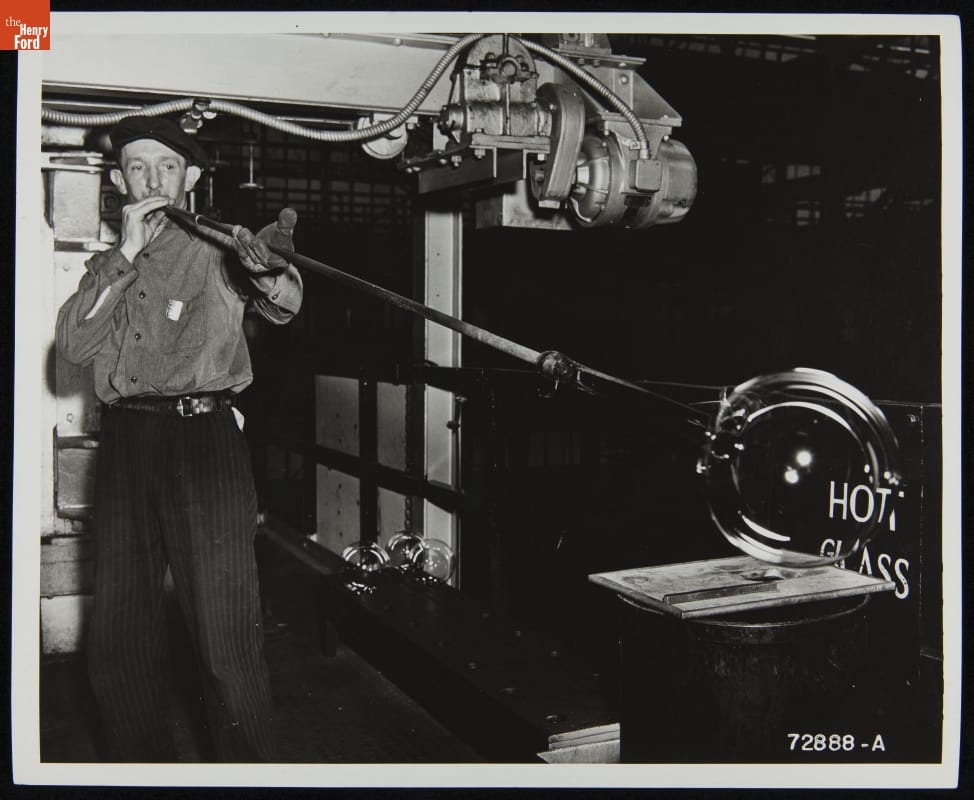
- Testing Batches of Glass at the Ford Rouge Glass Plant, 1940 - Unsatisfied with glass from outside suppliers, Ford Motor Company established its own glass plant at the Rouge in 1923. Furnaces produced molten glass, while overhead grinders and polishers worked the material to a perfectly smooth and clear finish. Two other Ford glass plants, in Pennsylvania and Minnesota, combined with the Rouge to manufacture 20 million feet of glass each year.
- January 03, 1940
- Collections - Artifact
Testing Batches of Glass at the Ford Rouge Glass Plant, 1940
Unsatisfied with glass from outside suppliers, Ford Motor Company established its own glass plant at the Rouge in 1923. Furnaces produced molten glass, while overhead grinders and polishers worked the material to a perfectly smooth and clear finish. Two other Ford glass plants, in Pennsylvania and Minnesota, combined with the Rouge to manufacture 20 million feet of glass each year.
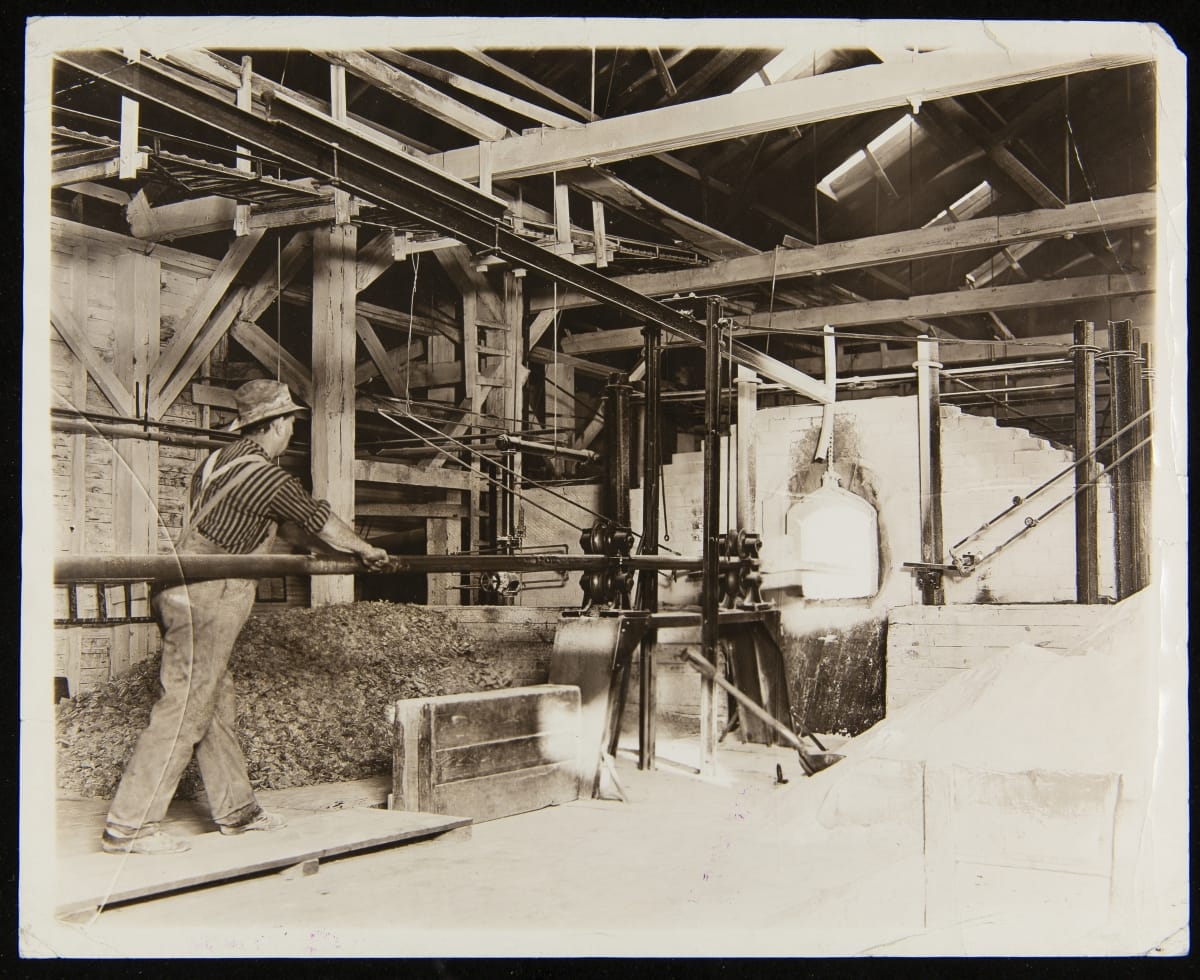
- Employee Working at Heinz Glass Factory, Sharpsburg, Pennsylvania, 1885-1910 - Before complete mechanization of the manufacturing process, many tasks at the Heinz factory were done by hand. The H.J. Heinz Company made their own boxes, glassware, cans, advertisements, and labels, allowing most production to be completed in-house. This photograph features a worker at the Heinz Glass Factory.
- 1885-1910
- Collections - Artifact
Employee Working at Heinz Glass Factory, Sharpsburg, Pennsylvania, 1885-1910
Before complete mechanization of the manufacturing process, many tasks at the Heinz factory were done by hand. The H.J. Heinz Company made their own boxes, glassware, cans, advertisements, and labels, allowing most production to be completed in-house. This photograph features a worker at the Heinz Glass Factory.
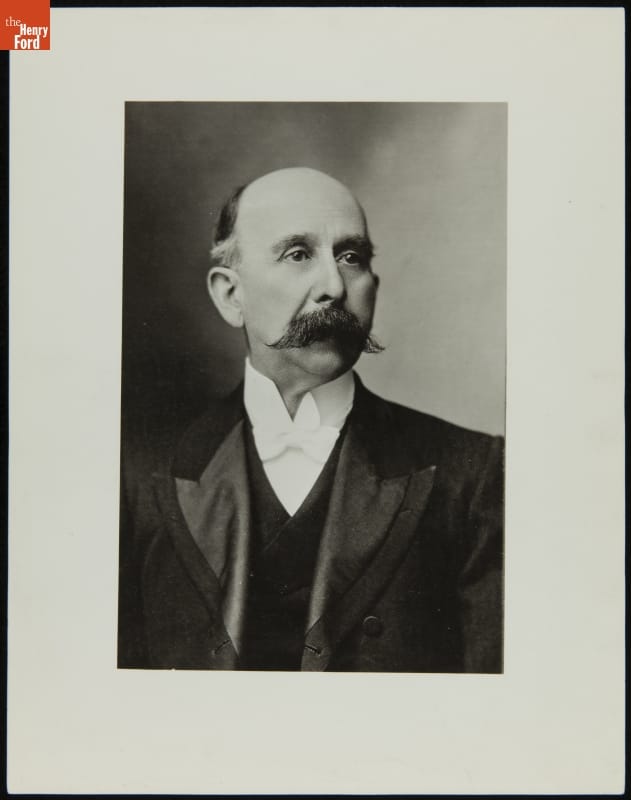
- Portrait of William Holzer, 1880-1900 -
- 1880-1900
- Collections - Artifact
Portrait of William Holzer, 1880-1900
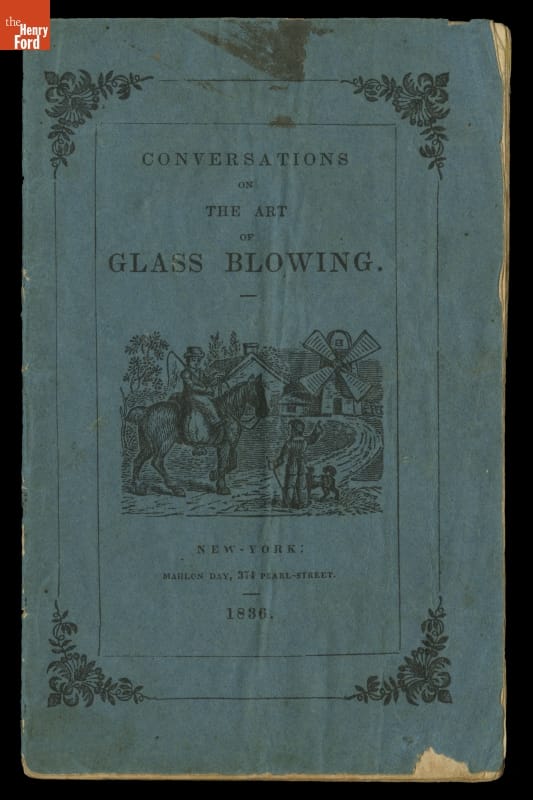
- "Conversations on the Art of Glass Blowing," 1836 -
- 1836
- Collections - Artifact
"Conversations on the Art of Glass Blowing," 1836
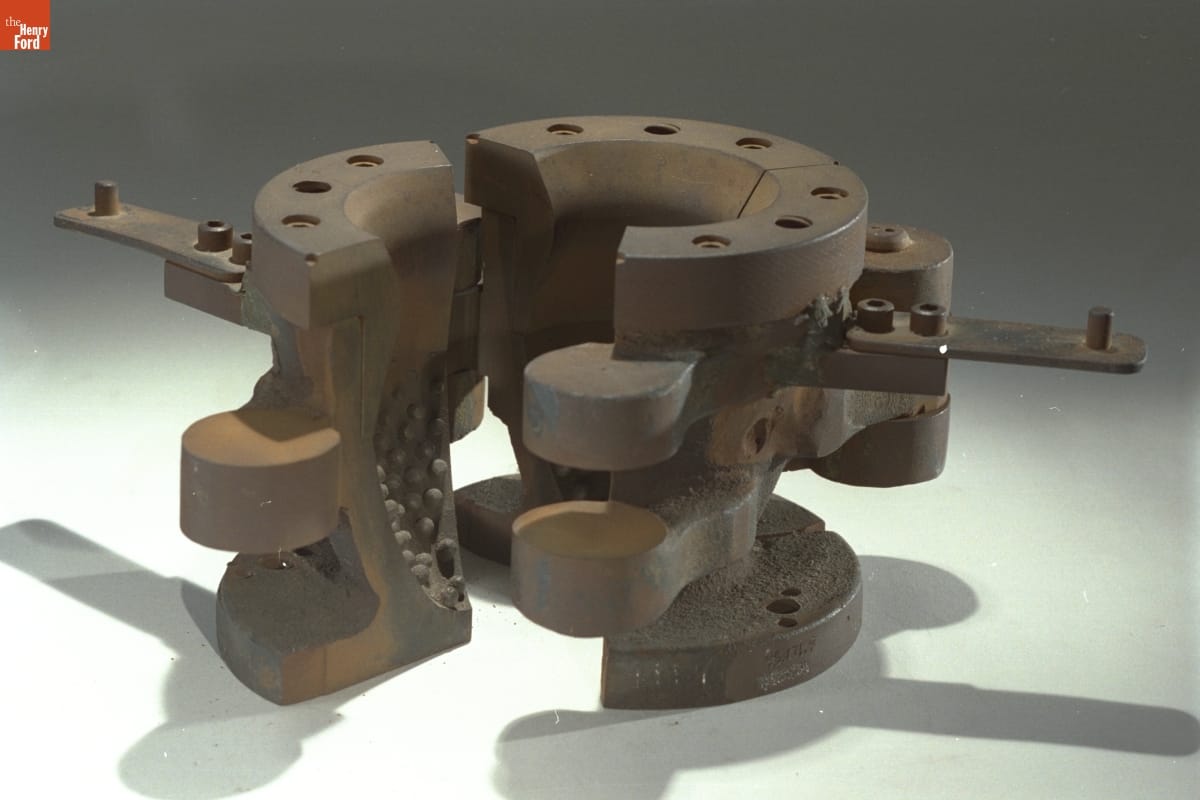
- Bubble Vase Glass Mold, Used at Tiffin Glass Company, 1900-1960 -
- 1900-1960
- Collections - Artifact
Bubble Vase Glass Mold, Used at Tiffin Glass Company, 1900-1960
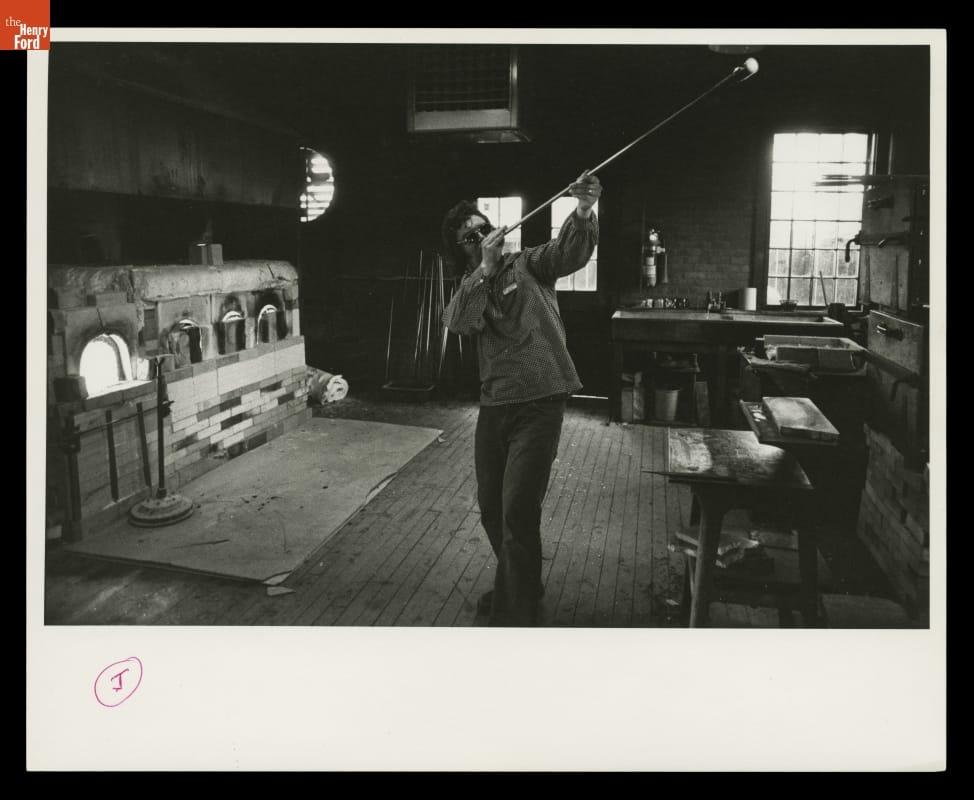
- Glassblower in Greenfield Village, circa 1981 -
- circa 1981
- Collections - Artifact
Glassblower in Greenfield Village, circa 1981
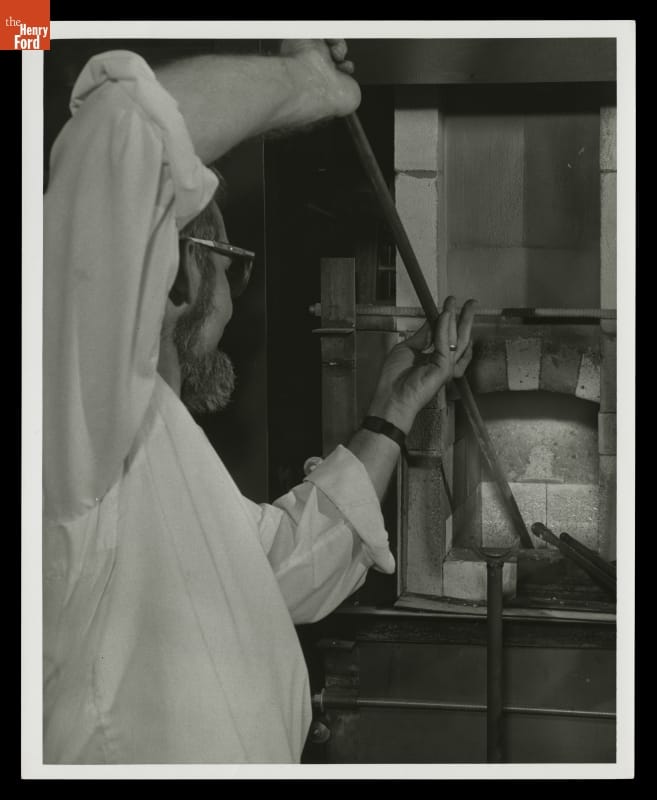
- Glassblower in Greenfield Village, 1970 -
- July 27, 1970
- Collections - Artifact
Glassblower in Greenfield Village, 1970
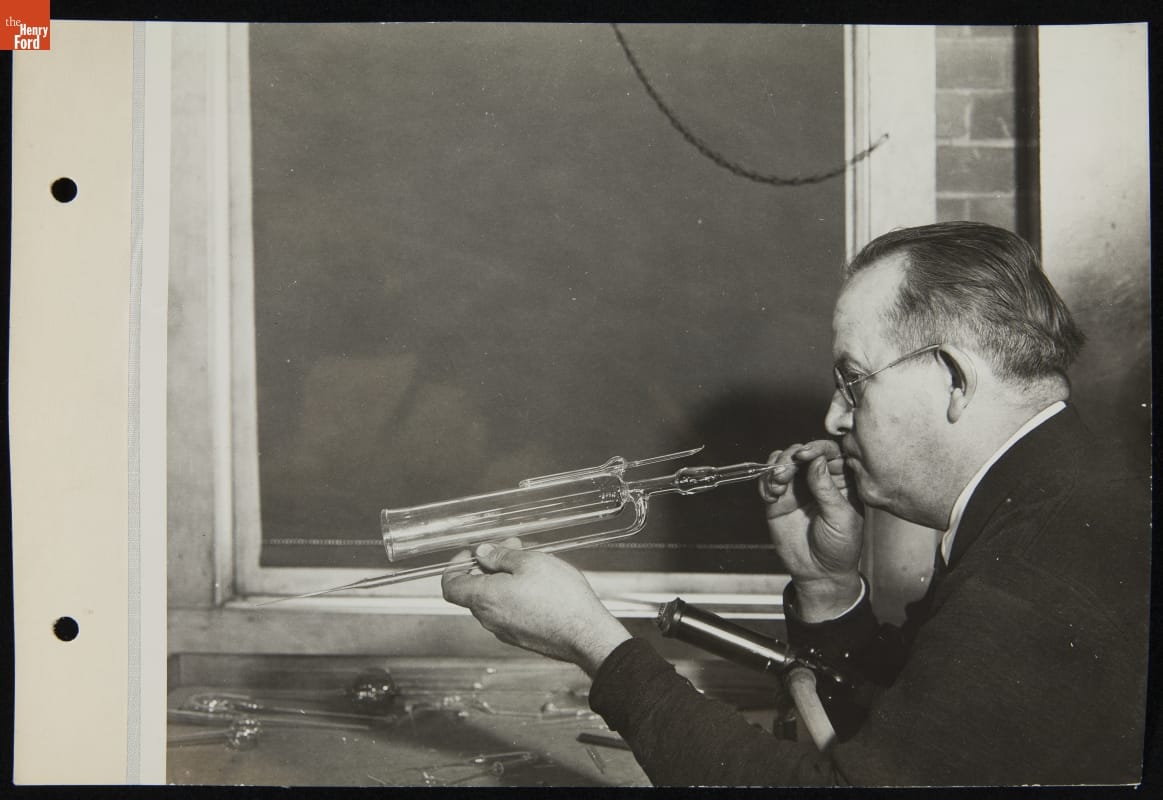
- Glassblower at Glass Shop in Greenfield Village, 1932 -
- March 20, 1932
- Collections - Artifact
Glassblower at Glass Shop in Greenfield Village, 1932
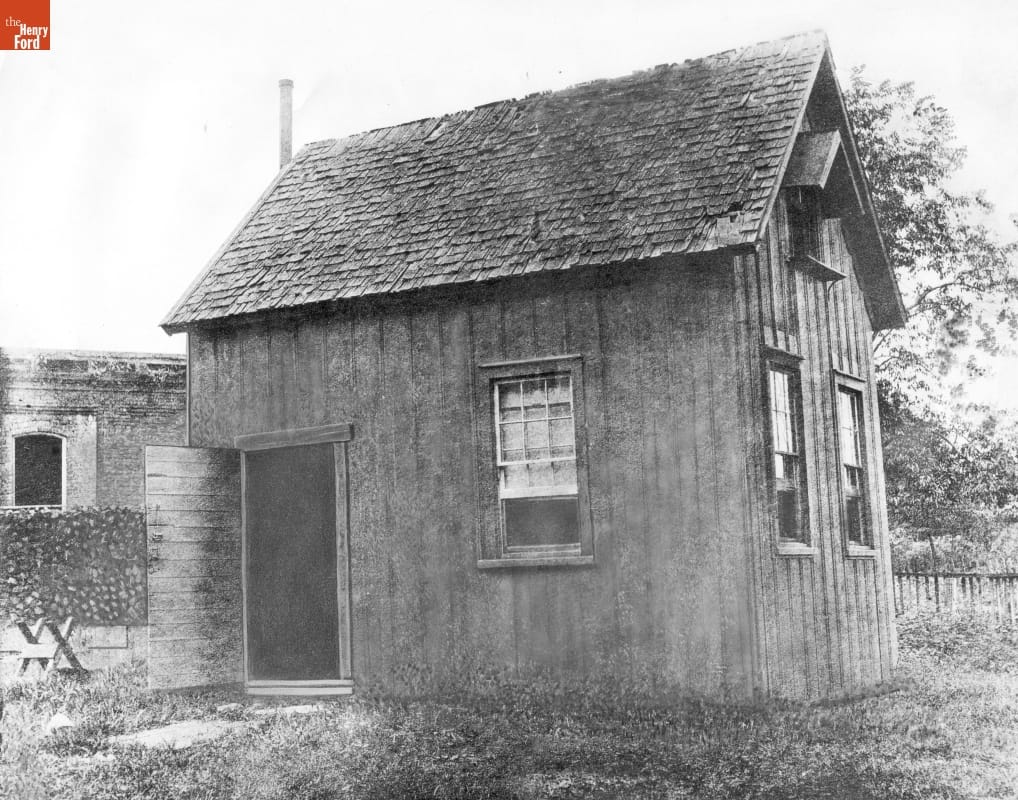
- Menlo Park Laboratory Glass House, Menlo Park, New Jersey, 1878-1886 - Originally built as a photographic studio and drafting room, the glassblowing shop was fundamental to Edison's enterprise. Edison's incandescent lighting experiments ensured that the laboratory had a voracious appetite for glass -- not only for bulbs but also for associated apparatus such as vacuum pumps. Ludwig Boehm, the laboratory's first master glassblower, worked here -- and lodged in the attic space.
- 1878-1886
- Collections - Artifact
Menlo Park Laboratory Glass House, Menlo Park, New Jersey, 1878-1886
Originally built as a photographic studio and drafting room, the glassblowing shop was fundamental to Edison's enterprise. Edison's incandescent lighting experiments ensured that the laboratory had a voracious appetite for glass -- not only for bulbs but also for associated apparatus such as vacuum pumps. Ludwig Boehm, the laboratory's first master glassblower, worked here -- and lodged in the attic space.
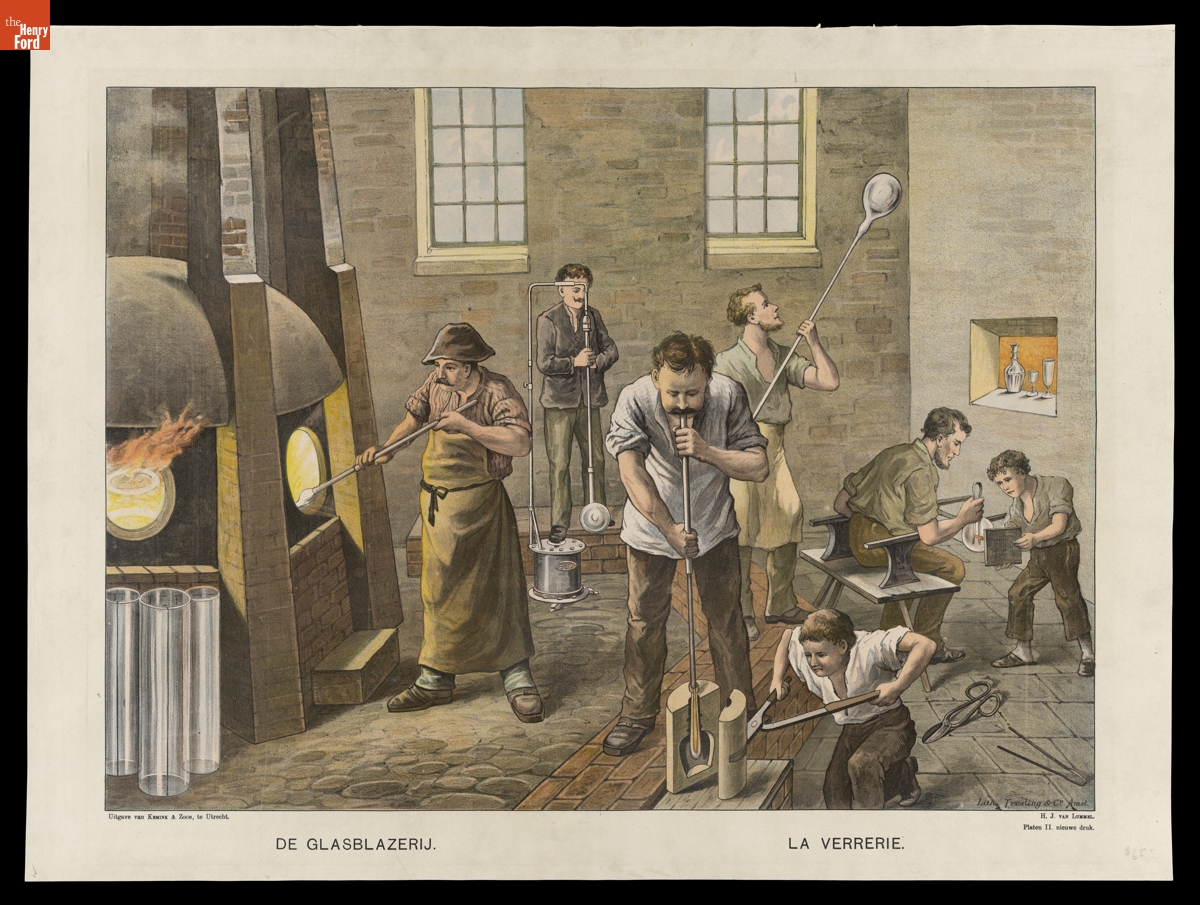
- "De Glasblazerij. La Verrerie," Glass Factory, circa 1870 -
- circa 1870
- Collections - Artifact
"De Glasblazerij. La Verrerie," Glass Factory, circa 1870