
Search
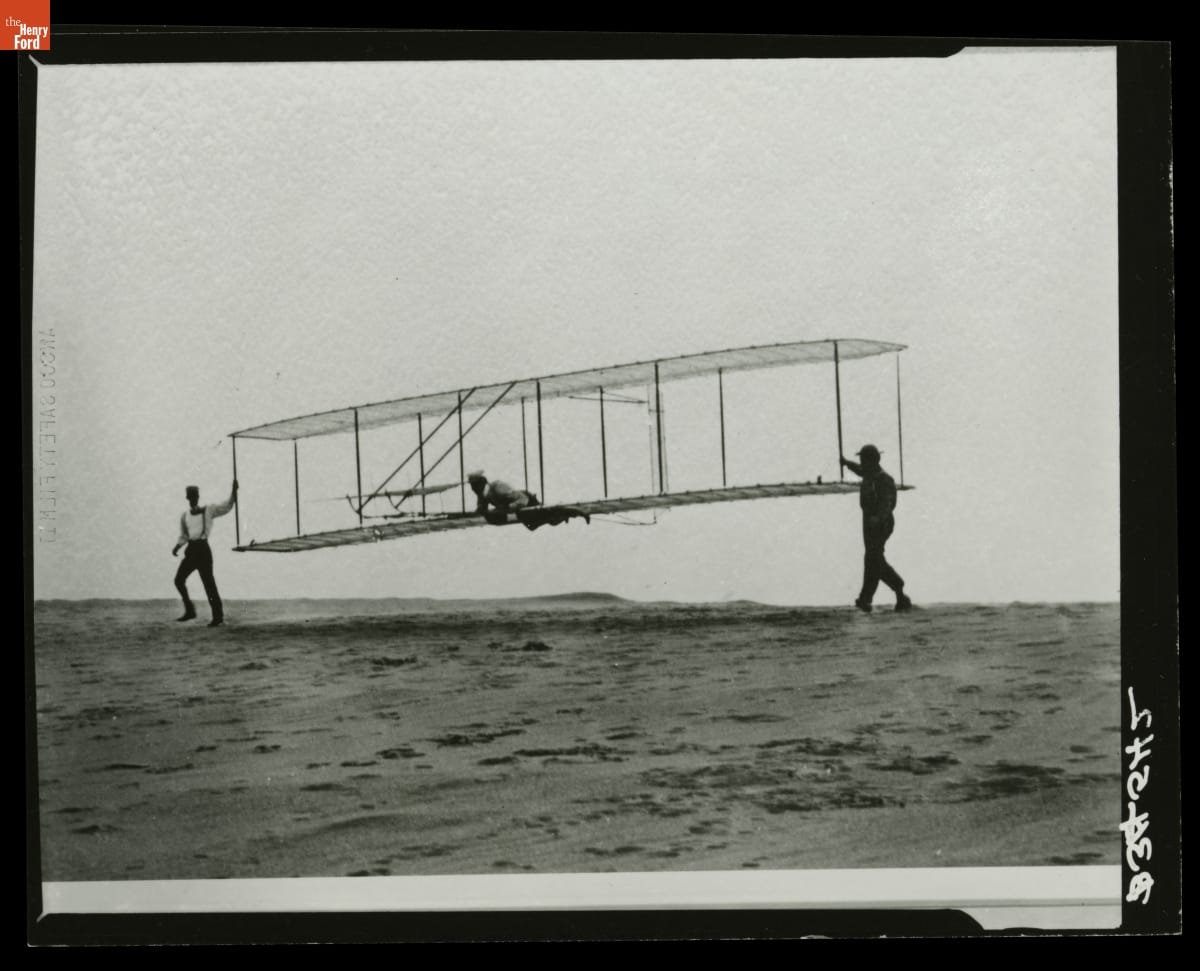
- Launching the 1902 Glider with Orville Wright Piloting, Kill Devil Hills, North Carolina - The Wright brothers' 1902 glider was their third aircraft tested at Kill Devil Hills in as many years. It was also the first built with aerodynamic calculations based on the Wrights' own wind tunnel tests. The improvements in performance were stunning. The brothers made more than 700 glides in 1902. Many were over 500 feet long, and some exceeded 600 feet.
- October 01, 1902
- Collections - Artifact
Launching the 1902 Glider with Orville Wright Piloting, Kill Devil Hills, North Carolina
The Wright brothers' 1902 glider was their third aircraft tested at Kill Devil Hills in as many years. It was also the first built with aerodynamic calculations based on the Wrights' own wind tunnel tests. The improvements in performance were stunning. The brothers made more than 700 glides in 1902. Many were over 500 feet long, and some exceeded 600 feet.
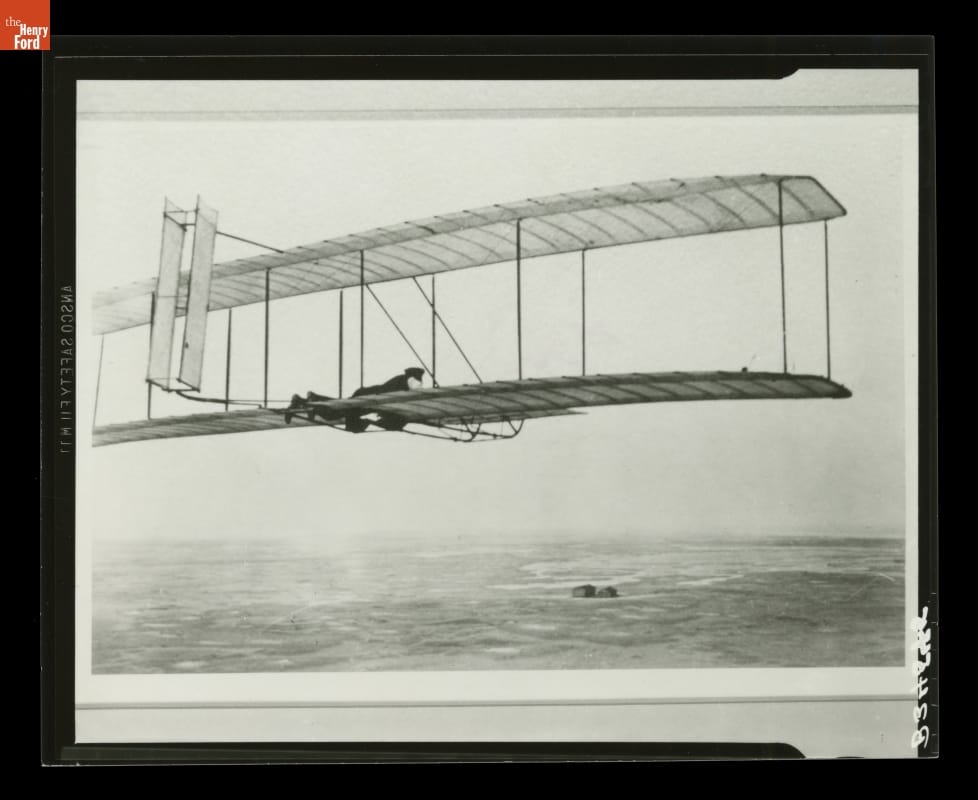
- Wright Brothers Piloting Their 1902 Glider in 1903, Kill Devil Hills, North Carolina - The Wright brothers' 1902 glider was their third aircraft tested at Kill Devil Hills in as many years. It was also the first built with aerodynamic calculations based on the Wrights' own wind tunnel tests. The improvements in performance were stunning. The brothers made more than 700 glides in 1902. Many were over 500 feet long, and some exceeded 600 feet.
- October 21, 1903
- Collections - Artifact
Wright Brothers Piloting Their 1902 Glider in 1903, Kill Devil Hills, North Carolina
The Wright brothers' 1902 glider was their third aircraft tested at Kill Devil Hills in as many years. It was also the first built with aerodynamic calculations based on the Wrights' own wind tunnel tests. The improvements in performance were stunning. The brothers made more than 700 glides in 1902. Many were over 500 feet long, and some exceeded 600 feet.
- Photograph Album of the H. J. Heinz Company War Production Division, circa 1945 - Company photograph albums are often reminders of the company's history, significant moments in time, and the employees who worked there. This album, compiled by the H.J. Heinz Company, includes text and photographs describing the company's involvement in producing airplane parts during World War II.
- circa 1945
- Collections - Artifact
Photograph Album of the H. J. Heinz Company War Production Division, circa 1945
Company photograph albums are often reminders of the company's history, significant moments in time, and the employees who worked there. This album, compiled by the H.J. Heinz Company, includes text and photographs describing the company's involvement in producing airplane parts during World War II.
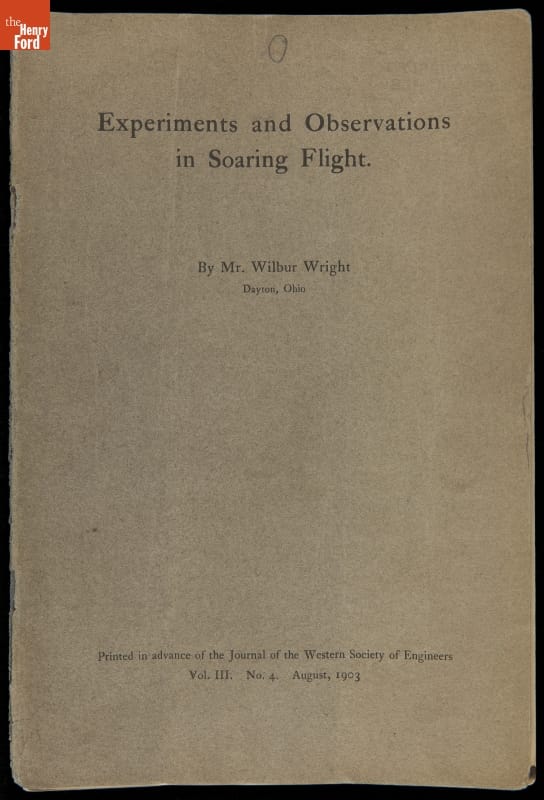
- Pamphlet, "Experiments and Observations in Soaring Flight," Wilbur Wright, 1903 - Theories and research on aviation were shared widely through professional journals. While conducting their experiments, Wilbur and Orville Wright read almost everything they could find, and Wilbur contributed his own articles on the brothers' work. This August 1903 article, based on Wilbur's June 1903 presentation to the Western Society of Engineers, describes their successful glider flights of 1902.
- June 24, 1903
- Collections - Artifact
Pamphlet, "Experiments and Observations in Soaring Flight," Wilbur Wright, 1903
Theories and research on aviation were shared widely through professional journals. While conducting their experiments, Wilbur and Orville Wright read almost everything they could find, and Wilbur contributed his own articles on the brothers' work. This August 1903 article, based on Wilbur's June 1903 presentation to the Western Society of Engineers, describes their successful glider flights of 1902.
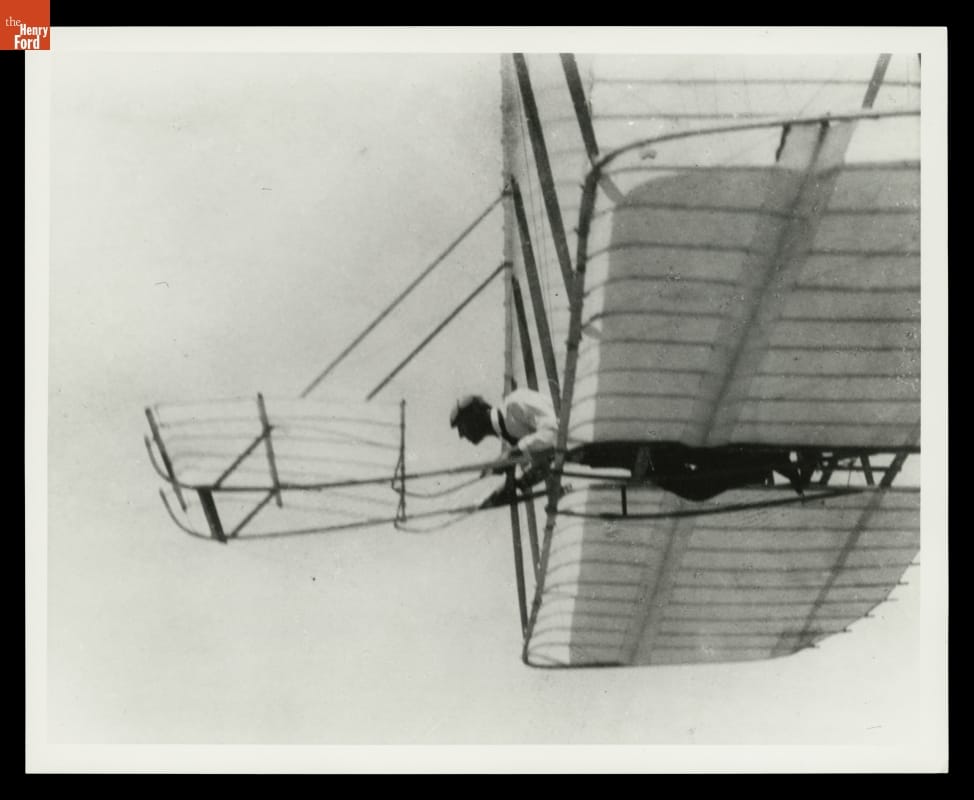
- Wilbur Wright Piloting the 1901 Glider, Kill Devil Hills, North Carolina, July 1901 - Before the Wright brothers' famous first flight in a powered, heavier-than-air craft, they experimented with piloted gliders. Here, Wilbur Wright pilots the second glider at Kitty Hawk, North Carolina. Though the brothers achieved glides of more than 300 feet with this glider, the craft was problematic. Major issues with lift and control sent them back to the drawing board.
- July 01, 1901
- Collections - Artifact
Wilbur Wright Piloting the 1901 Glider, Kill Devil Hills, North Carolina, July 1901
Before the Wright brothers' famous first flight in a powered, heavier-than-air craft, they experimented with piloted gliders. Here, Wilbur Wright pilots the second glider at Kitty Hawk, North Carolina. Though the brothers achieved glides of more than 300 feet with this glider, the craft was problematic. Major issues with lift and control sent them back to the drawing board.
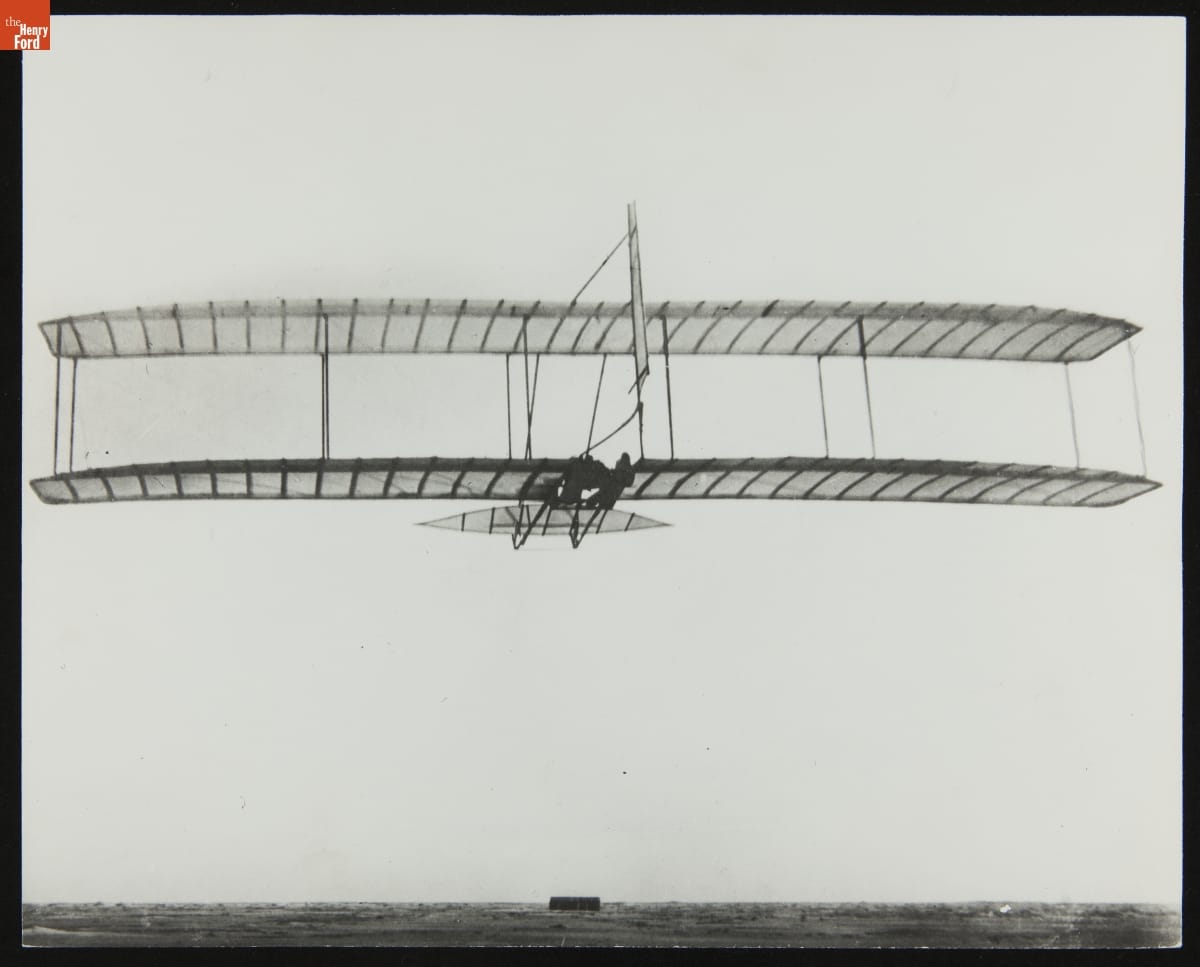
- Wright Brothers Testing the 1902 Glider at Kill Devil Hills - The Wright brothers' 1902 glider was their third aircraft tested at Kill Devil Hills in as many years. It was also the first built with aerodynamic calculations based on the Wrights' own wind tunnel tests. The improvements in performance were stunning. The brothers made more than 700 glides in 1902. Many were over 500 feet long, and some exceeded 600 feet.
- October 01, 1902
- Collections - Artifact
Wright Brothers Testing the 1902 Glider at Kill Devil Hills
The Wright brothers' 1902 glider was their third aircraft tested at Kill Devil Hills in as many years. It was also the first built with aerodynamic calculations based on the Wrights' own wind tunnel tests. The improvements in performance were stunning. The brothers made more than 700 glides in 1902. Many were over 500 feet long, and some exceeded 600 feet.
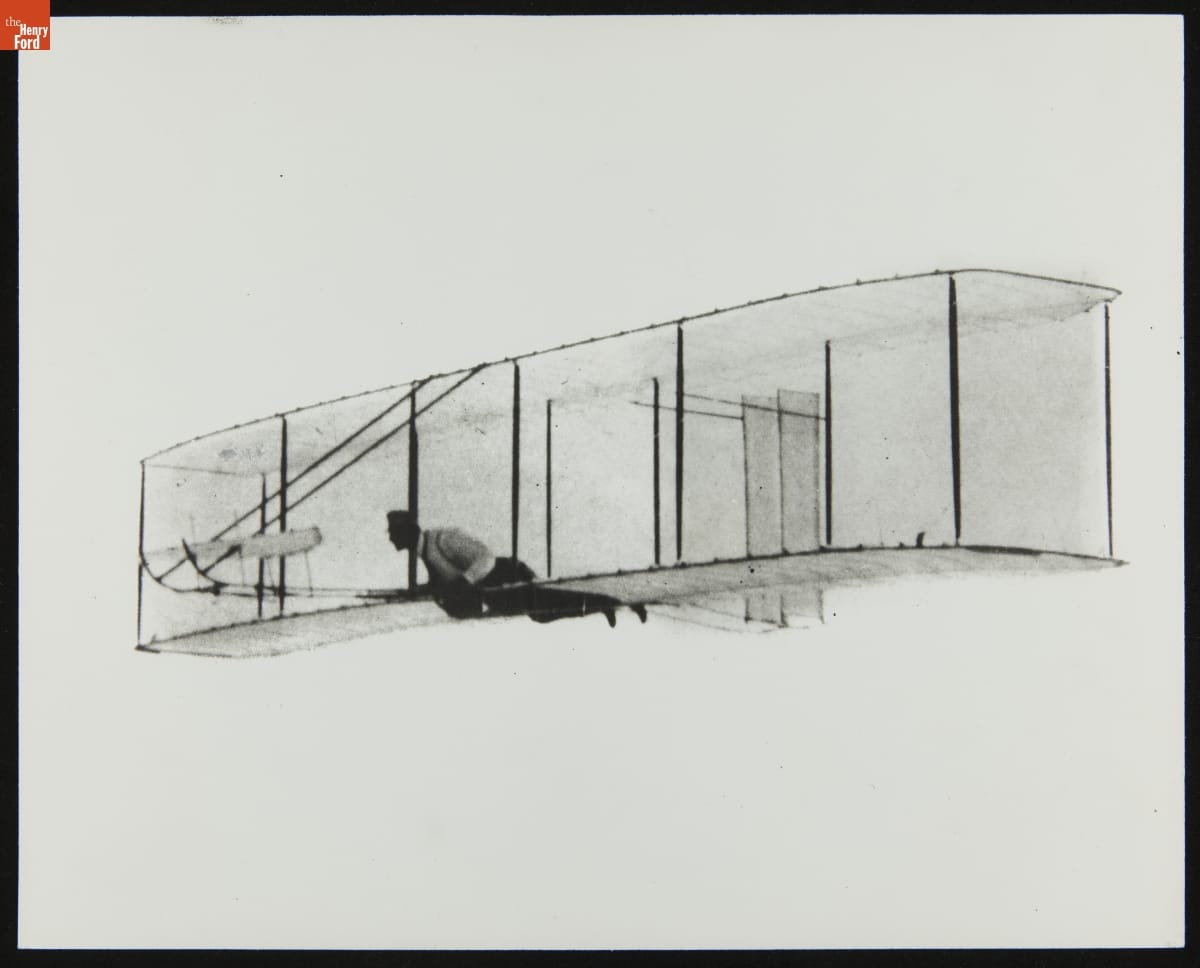
- Wright Brothers Testing the 1902 Glider at Kill Devil Hills - The Wright brothers' 1902 glider was their third aircraft tested at Kill Devil Hills in as many years. It was also the first built with aerodynamic calculations based on the Wrights' own wind tunnel tests. The improvements in performance were stunning. The brothers made more than 700 glides in 1902. Many were over 500 feet long, and some exceeded 600 feet.
- October 02, 1902
- Collections - Artifact
Wright Brothers Testing the 1902 Glider at Kill Devil Hills
The Wright brothers' 1902 glider was their third aircraft tested at Kill Devil Hills in as many years. It was also the first built with aerodynamic calculations based on the Wrights' own wind tunnel tests. The improvements in performance were stunning. The brothers made more than 700 glides in 1902. Many were over 500 feet long, and some exceeded 600 feet.
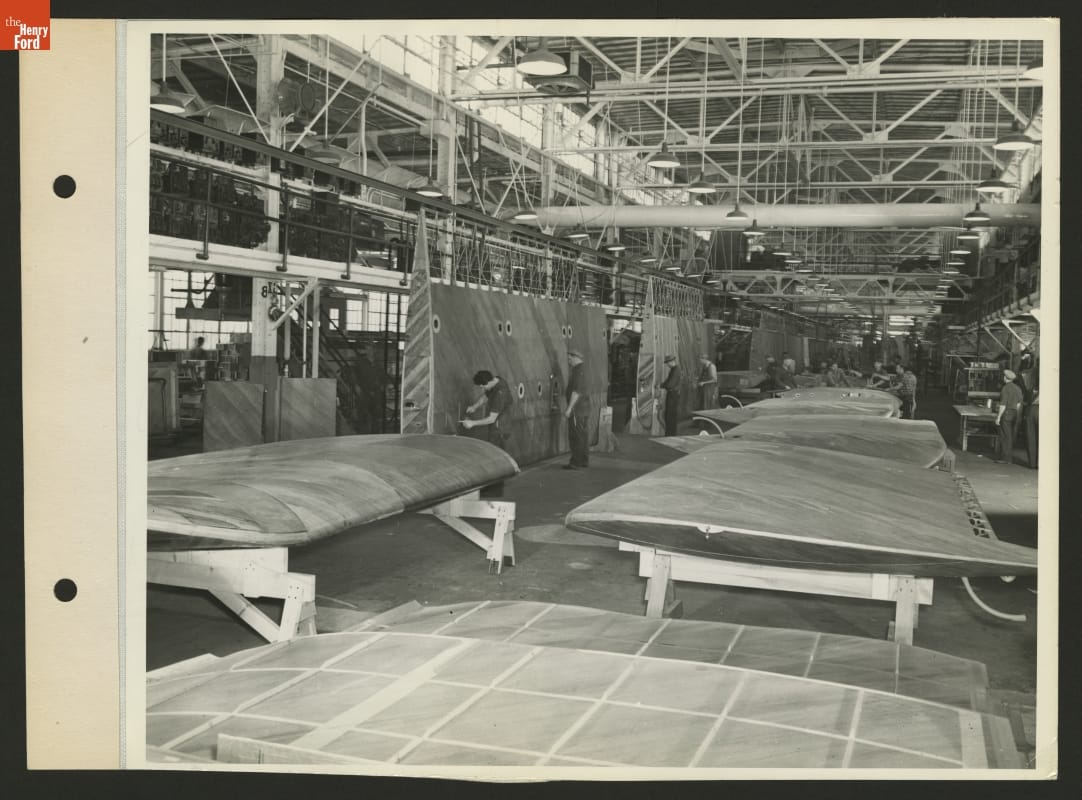
- Workers on Assembly Line for Glider Production, Iron Mountain, Michigan, 1942 - Ford's Iron Mountain plant, part of an extensive sawmill complex in Michigan's Upper Peninsula, was retooled during World War II to produce wooden CG-4A gliders for the U.S. Army. Here, workers assemble the light aircraft, which had no motor or propellers. A pilot and copilot could silently land these gliders to deliver supplies, equipment, or up to 13 additional soldiers.
- December 20, 1942
- Collections - Artifact
Workers on Assembly Line for Glider Production, Iron Mountain, Michigan, 1942
Ford's Iron Mountain plant, part of an extensive sawmill complex in Michigan's Upper Peninsula, was retooled during World War II to produce wooden CG-4A gliders for the U.S. Army. Here, workers assemble the light aircraft, which had no motor or propellers. A pilot and copilot could silently land these gliders to deliver supplies, equipment, or up to 13 additional soldiers.
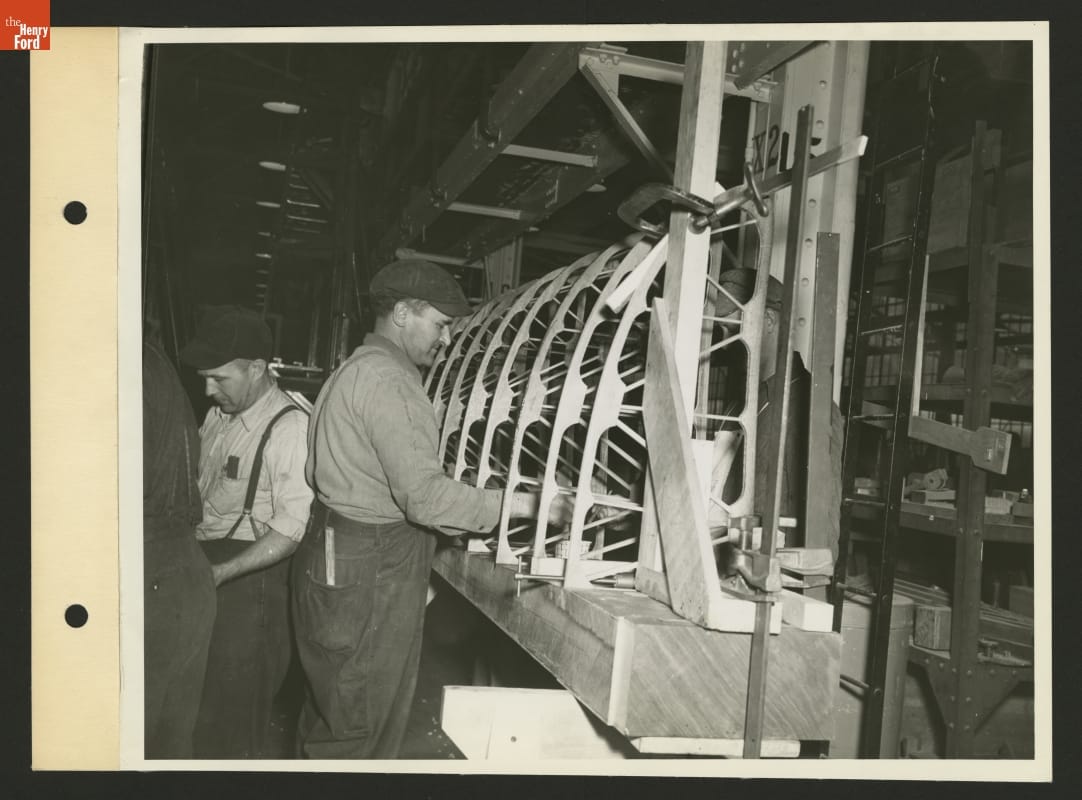
- Workmen Assembling Gliders, Iron Mountain, Michigan, 1942 - Ford's Iron Mountain plant, part of an extensive sawmill complex in Michigan's Upper Peninsula, was retooled during World War II to produce wooden CG-4A gliders for the U.S. Army. Here, workers assemble the light aircraft, which had no motor or propellers. A pilot and copilot could silently land these gliders to deliver supplies, equipment, or up to 13 additional soldiers.
- December 20, 1942
- Collections - Artifact
Workmen Assembling Gliders, Iron Mountain, Michigan, 1942
Ford's Iron Mountain plant, part of an extensive sawmill complex in Michigan's Upper Peninsula, was retooled during World War II to produce wooden CG-4A gliders for the U.S. Army. Here, workers assemble the light aircraft, which had no motor or propellers. A pilot and copilot could silently land these gliders to deliver supplies, equipment, or up to 13 additional soldiers.
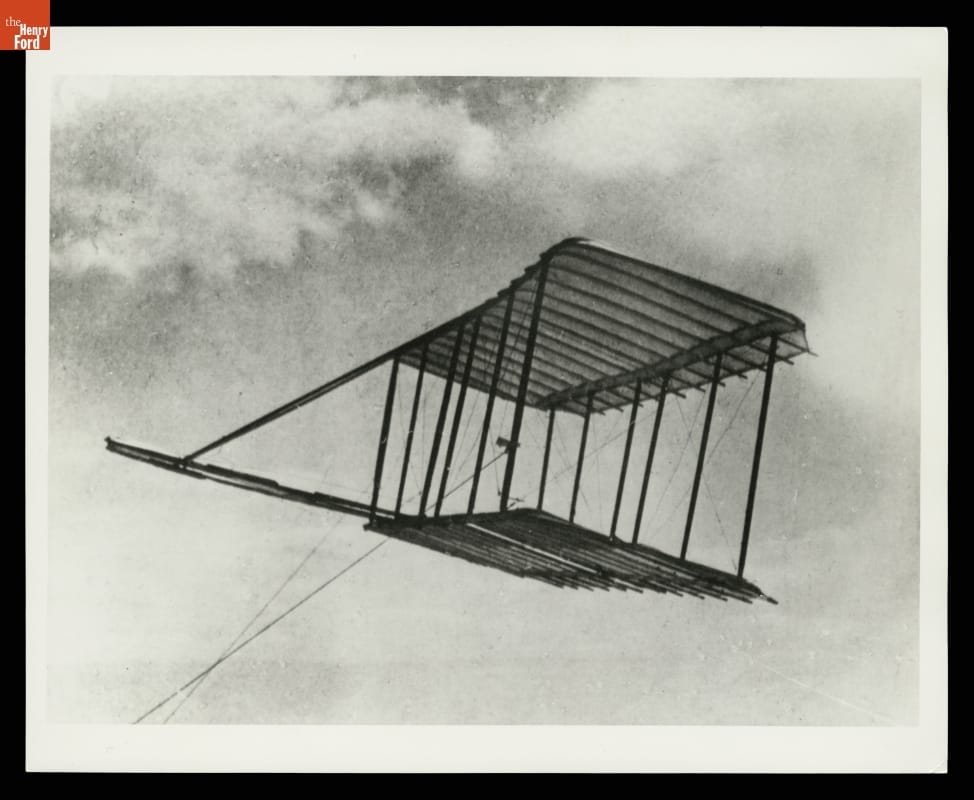
- Experimental Wright Glider Flying, 1900 - Before the Wright brothers' famous first flight in a powered, heavier-than-air craft, they experimented with piloted gliders. This image of their first design in flight-testing as a kite is one of only three existing photographs of the 1900 glider. Kiting the glider provided valuable performance information that could be incorporated into redesign and helped the brothers prepare for piloted flight.
- 1900
- Collections - Artifact
Experimental Wright Glider Flying, 1900
Before the Wright brothers' famous first flight in a powered, heavier-than-air craft, they experimented with piloted gliders. This image of their first design in flight-testing as a kite is one of only three existing photographs of the 1900 glider. Kiting the glider provided valuable performance information that could be incorporated into redesign and helped the brothers prepare for piloted flight.