
Search
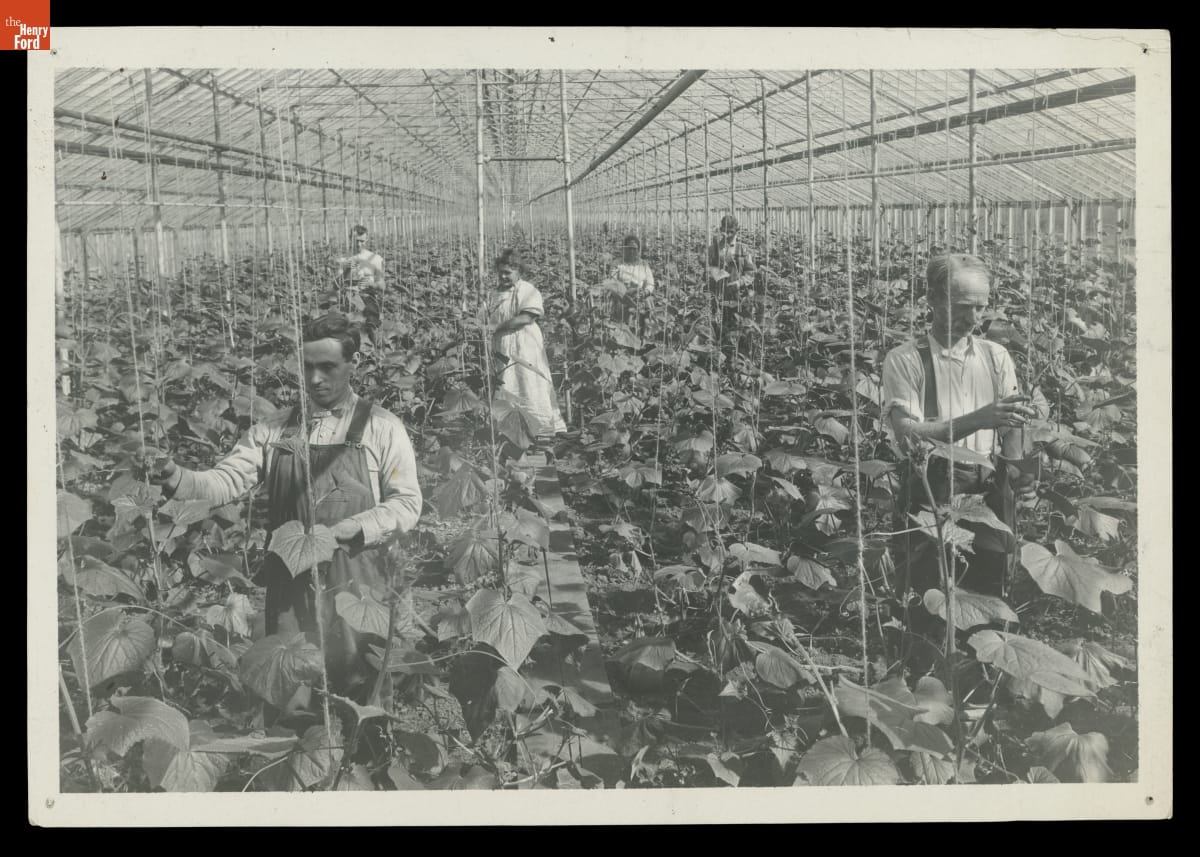
- Workers in a Cucumber Greenhouse, circa 1923 -
- circa 1923
- Collections - Artifact
Workers in a Cucumber Greenhouse, circa 1923
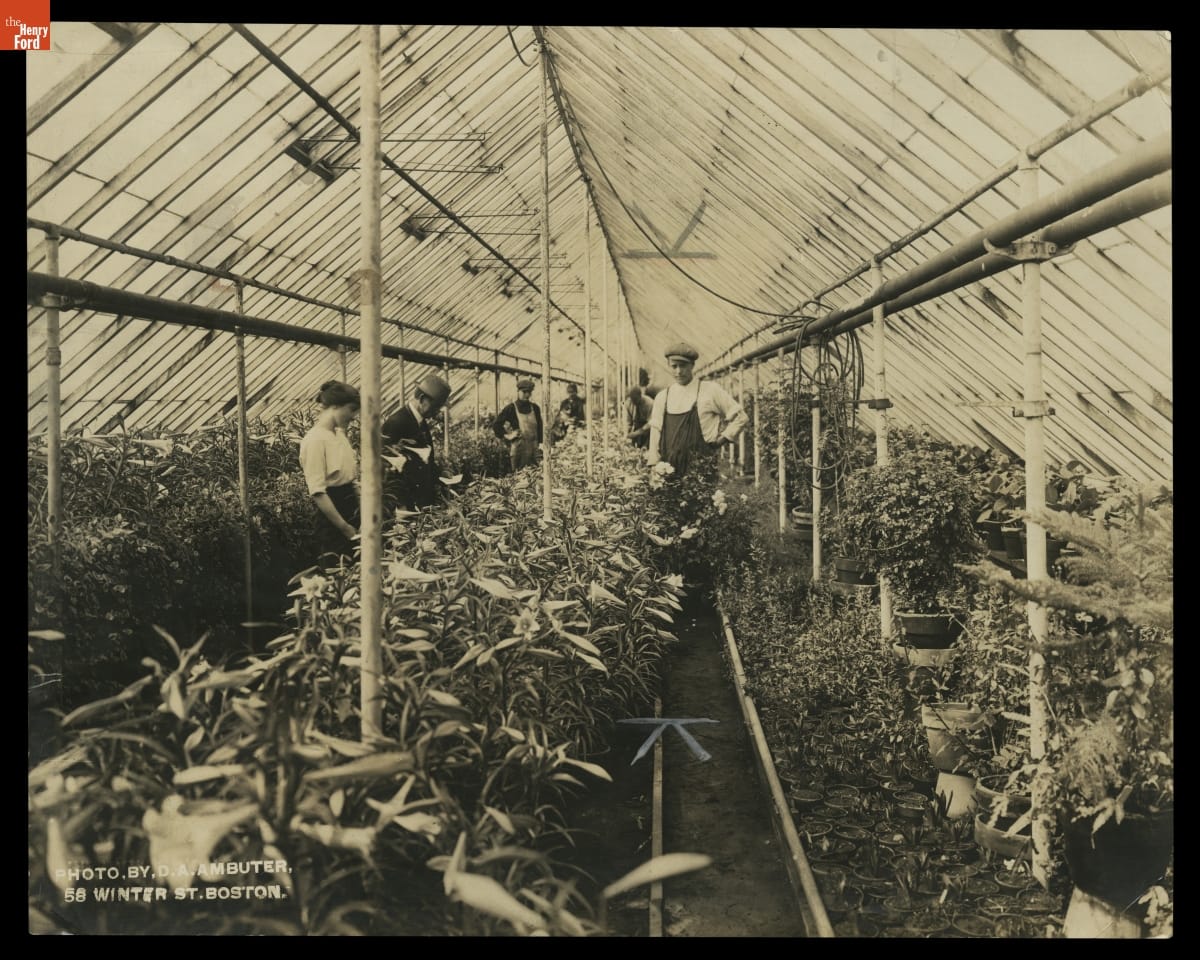
- Workers in a Greenhouse, circa 1923 -
- circa 1923
- Collections - Artifact
Workers in a Greenhouse, circa 1923
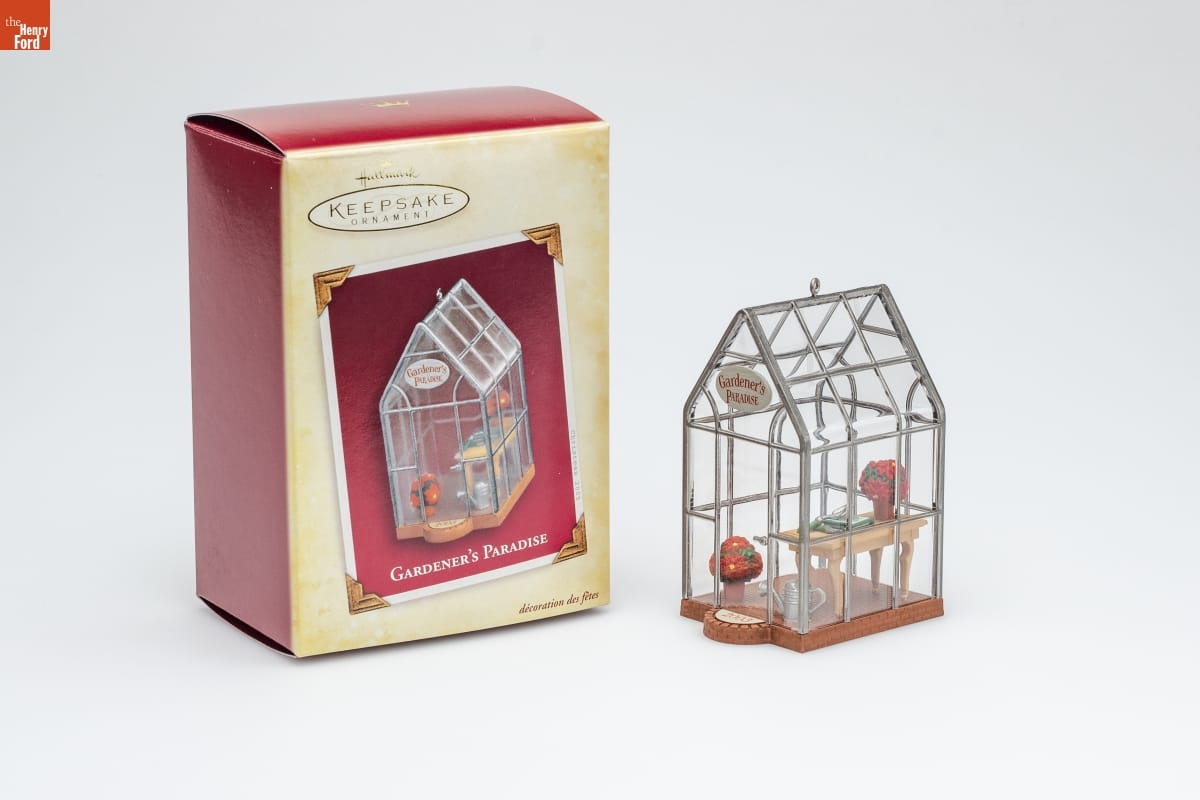
- Hallmark "Gardener's Paradise" Christmas Ornament, 2005 - Already known for greeting cards, Hallmark introduced a line of Christmas ornaments in 1973. The company's annual release of an increasing array of ornaments revolutionized Christmas decorating, appealing to customers' interest in marking memories and milestones as well as expressing one's personality and unique tastes.
- 2005
- Collections - Artifact
Hallmark "Gardener's Paradise" Christmas Ornament, 2005
Already known for greeting cards, Hallmark introduced a line of Christmas ornaments in 1973. The company's annual release of an increasing array of ornaments revolutionized Christmas decorating, appealing to customers' interest in marking memories and milestones as well as expressing one's personality and unique tastes.
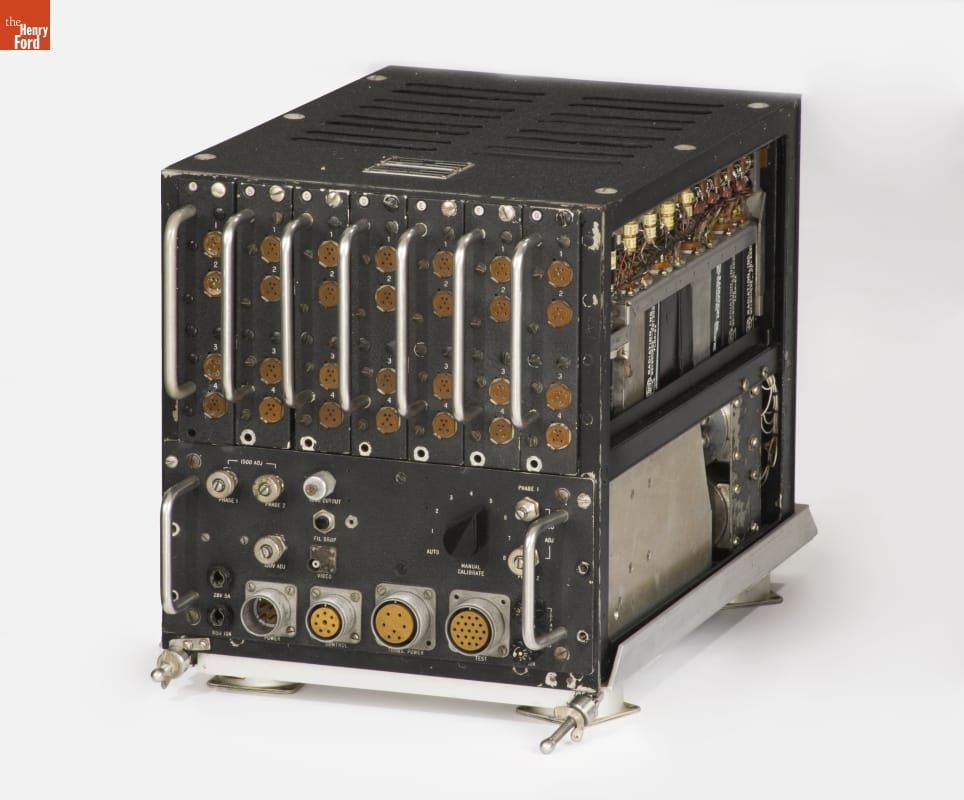
- Radiation Inc. Coder-Multiplexer, Airborne Type AKT-6, circa 1951 - Telemetry systems collect and display instrument information from remote and often hazardous locations. Rocketry, underwater exploration, and tracking of wild animals are just some of the fields that depend upon radio telemetry. These particular units were used to collect data during Operation Teapot, a series of nuclear detonation tests undertaken by the United States in 1955 in Nevada.
- 1951
- Collections - Artifact
Radiation Inc. Coder-Multiplexer, Airborne Type AKT-6, circa 1951
Telemetry systems collect and display instrument information from remote and often hazardous locations. Rocketry, underwater exploration, and tracking of wild animals are just some of the fields that depend upon radio telemetry. These particular units were used to collect data during Operation Teapot, a series of nuclear detonation tests undertaken by the United States in 1955 in Nevada.
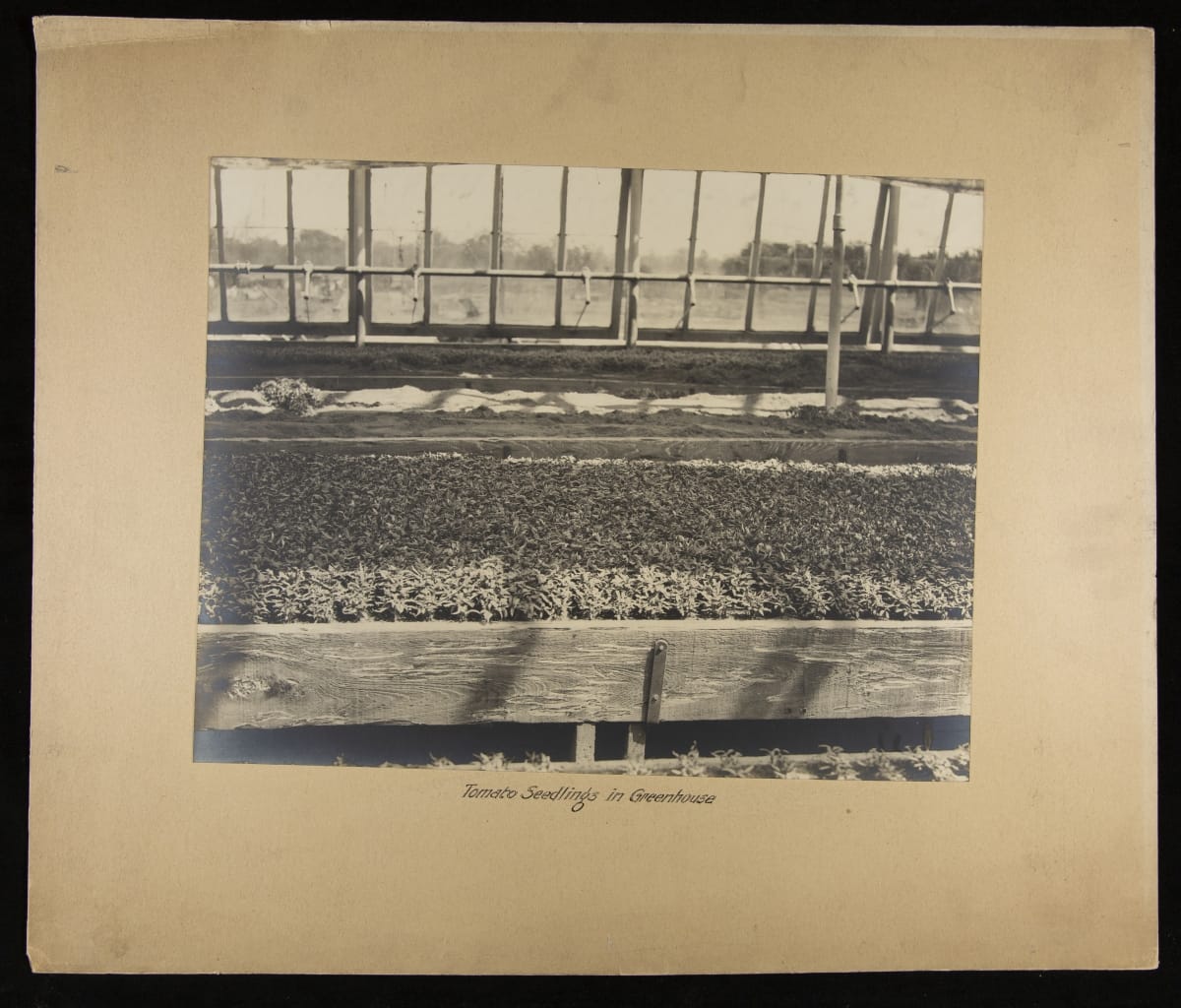
- Tomato Seedlings in Greenhouse, circa 1910 - Entrepreneur H.J. Heinz recognized that producing the highest quality products began with where the ingredients were grown and how they were harvested. He took great care in managing every aspect of the process to ensure the best ingredients for his line of pickled foods, preserves, and condiments. This photograph shows one step in the tomato harvesting process.
- circa 1910
- Collections - Artifact
Tomato Seedlings in Greenhouse, circa 1910
Entrepreneur H.J. Heinz recognized that producing the highest quality products began with where the ingredients were grown and how they were harvested. He took great care in managing every aspect of the process to ensure the best ingredients for his line of pickled foods, preserves, and condiments. This photograph shows one step in the tomato harvesting process.
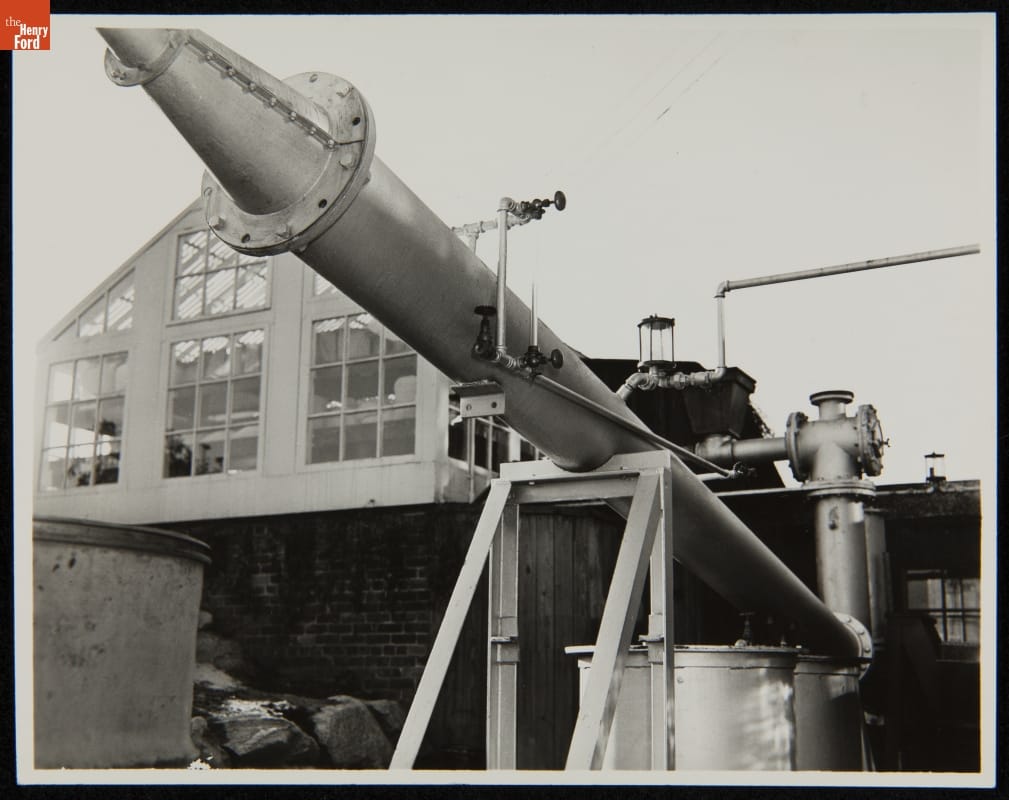
- Greenhouse and Pipeline of the Soybean Laboratory in Greenfield Village, 1930 - Henry Ford believed that industry and agriculture should complement one another. In the 1930s, he pursued soybeans as a crop that might unite the two. Ford built a soybean laboratory in Greenfield Village. Experiments there led to the use of some soy-based oils and plastics in Ford Motor Company vehicles.
- 1930
- Collections - Artifact
Greenhouse and Pipeline of the Soybean Laboratory in Greenfield Village, 1930
Henry Ford believed that industry and agriculture should complement one another. In the 1930s, he pursued soybeans as a crop that might unite the two. Ford built a soybean laboratory in Greenfield Village. Experiments there led to the use of some soy-based oils and plastics in Ford Motor Company vehicles.
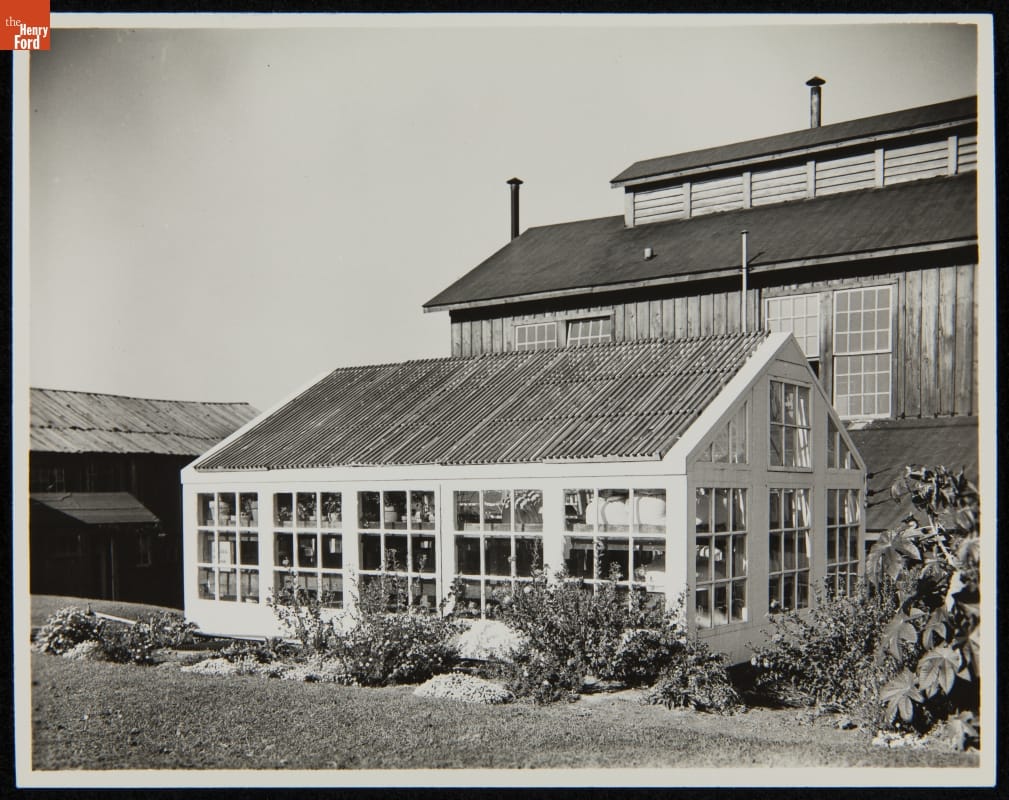
- Greenhouse at the Soybean Laboratory in Greenfield Village, 1930 - Henry Ford believed that industry and agriculture should complement one another. In the 1930s, he pursued soybeans as a crop that might unite the two. Ford built a soybean laboratory in Greenfield Village. Experiments there led to the use of some soy-based oils and plastics in Ford Motor Company vehicles.
- 1930
- Collections - Artifact
Greenhouse at the Soybean Laboratory in Greenfield Village, 1930
Henry Ford believed that industry and agriculture should complement one another. In the 1930s, he pursued soybeans as a crop that might unite the two. Ford built a soybean laboratory in Greenfield Village. Experiments there led to the use of some soy-based oils and plastics in Ford Motor Company vehicles.
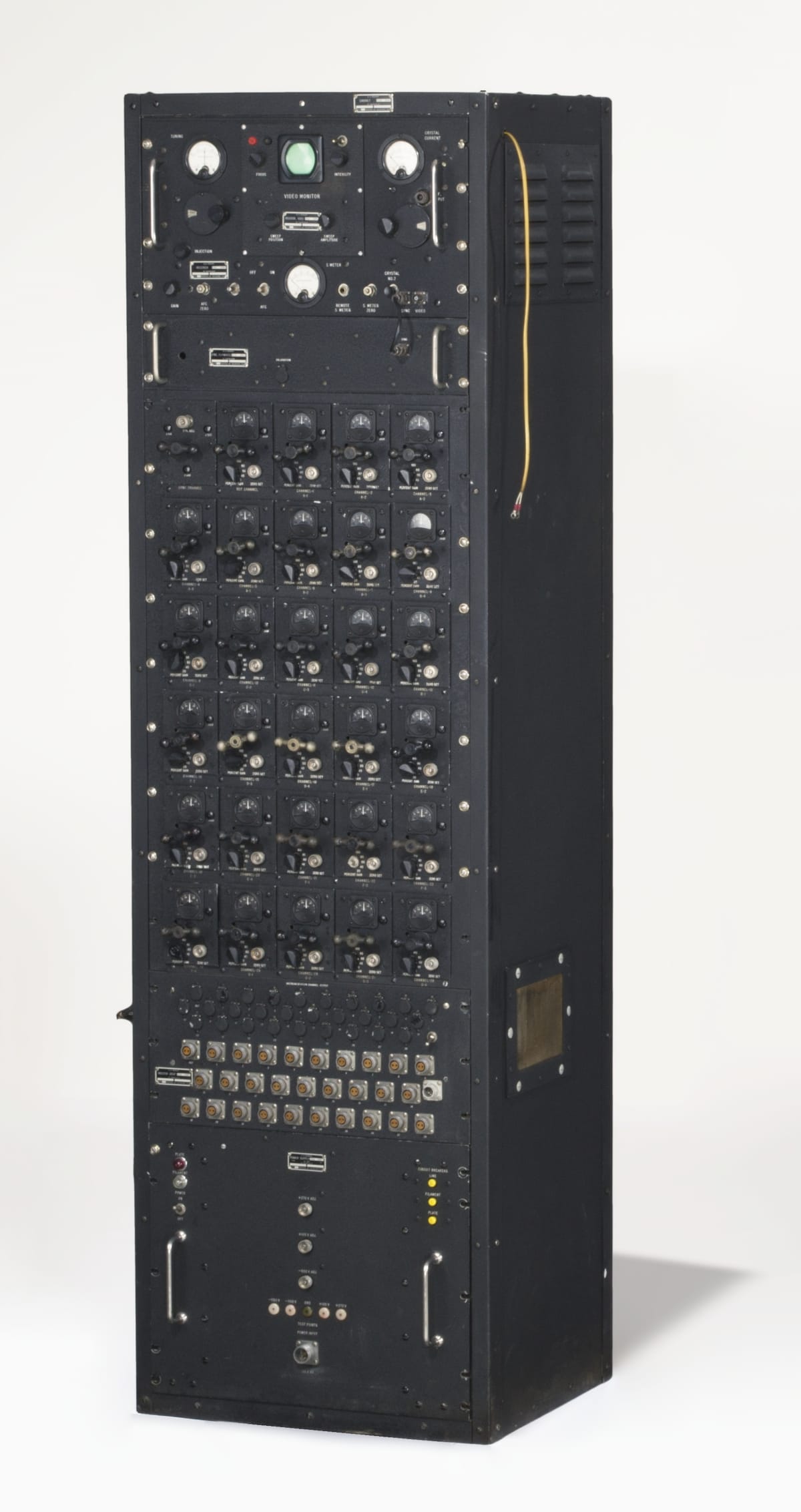
- Radiation, Inc. RF Receiver, Type UKR-1, circa 1951 - Telemetry systems collect and display instrument information from remote and often hazardous locations. Rocketry, underwater exploration, and tracking of wild animals are just some of the fields that depend upon radio telemetry. These particular units were used to collect data during Operation Teapot, a series of nuclear detonation tests undertaken by the United States in 1955 in Nevada.
- circa 1951
- Collections - Artifact
Radiation, Inc. RF Receiver, Type UKR-1, circa 1951
Telemetry systems collect and display instrument information from remote and often hazardous locations. Rocketry, underwater exploration, and tracking of wild animals are just some of the fields that depend upon radio telemetry. These particular units were used to collect data during Operation Teapot, a series of nuclear detonation tests undertaken by the United States in 1955 in Nevada.
- The Conservatory at Belle Isle, Detroit, Michigan, 1909 - The Belle Isle Conservatory opened in Detroit, Michigan in 1904. It was part of the City Beautiful movement championed by American city planners to encourage civic pride through beautiful design. Architect Albert Kahn drew inspiration from architectural wonders such as Thomas Jefferson's Monticello, the Crystal Palace in London, and the White City in Chicago when creating the conservatory.
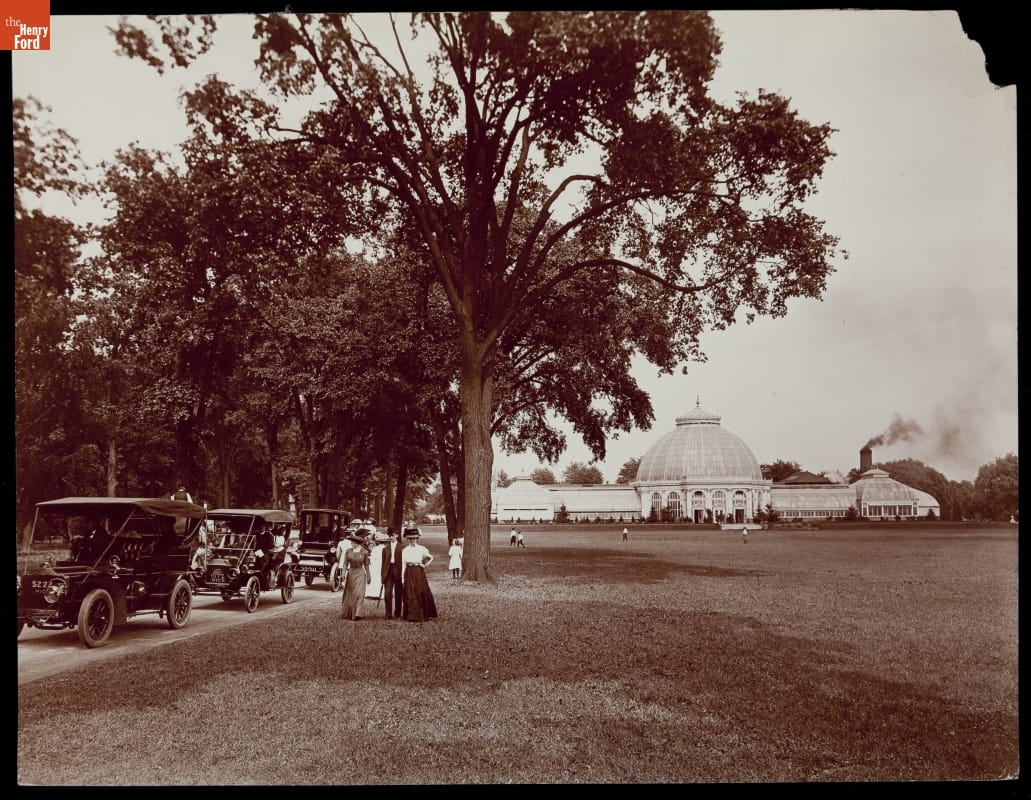
- 1909
- Collections - Artifact
The Conservatory at Belle Isle, Detroit, Michigan, 1909
The Belle Isle Conservatory opened in Detroit, Michigan in 1904. It was part of the City Beautiful movement championed by American city planners to encourage civic pride through beautiful design. Architect Albert Kahn drew inspiration from architectural wonders such as Thomas Jefferson's Monticello, the Crystal Palace in London, and the White City in Chicago when creating the conservatory.
- Greenhouse at Fair Lane Estate, Dearborn, Michigan, circa 1920 -
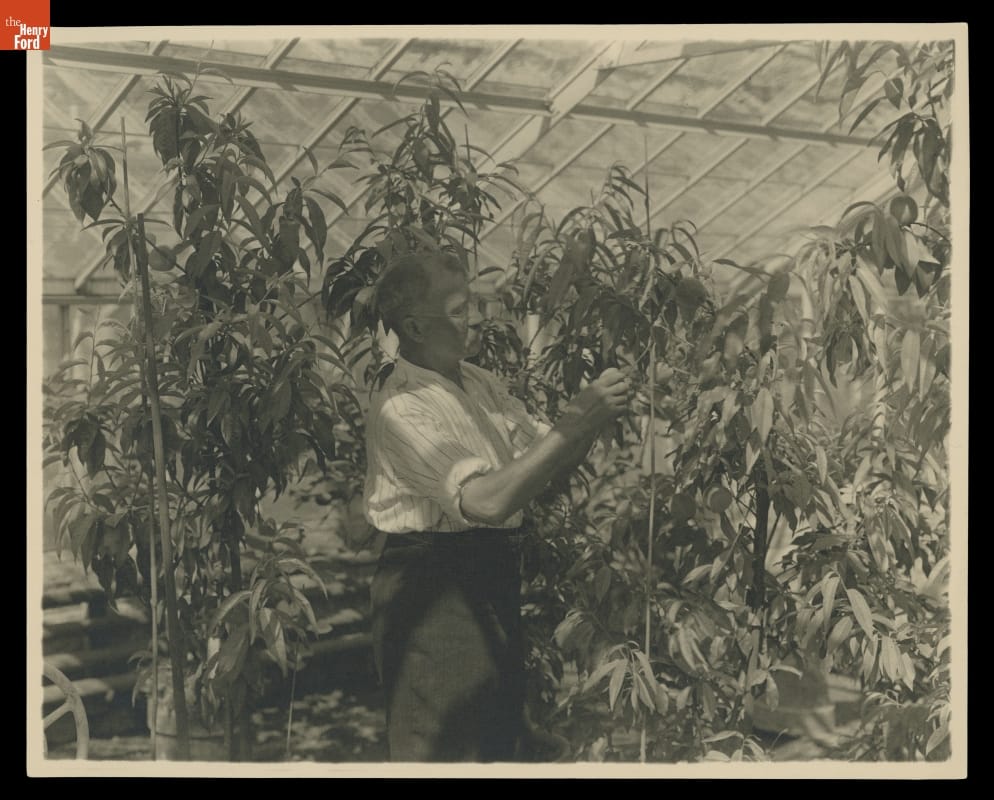
- circa 1920
- Collections - Artifact
Greenhouse at Fair Lane Estate, Dearborn, Michigan, circa 1920