
Search
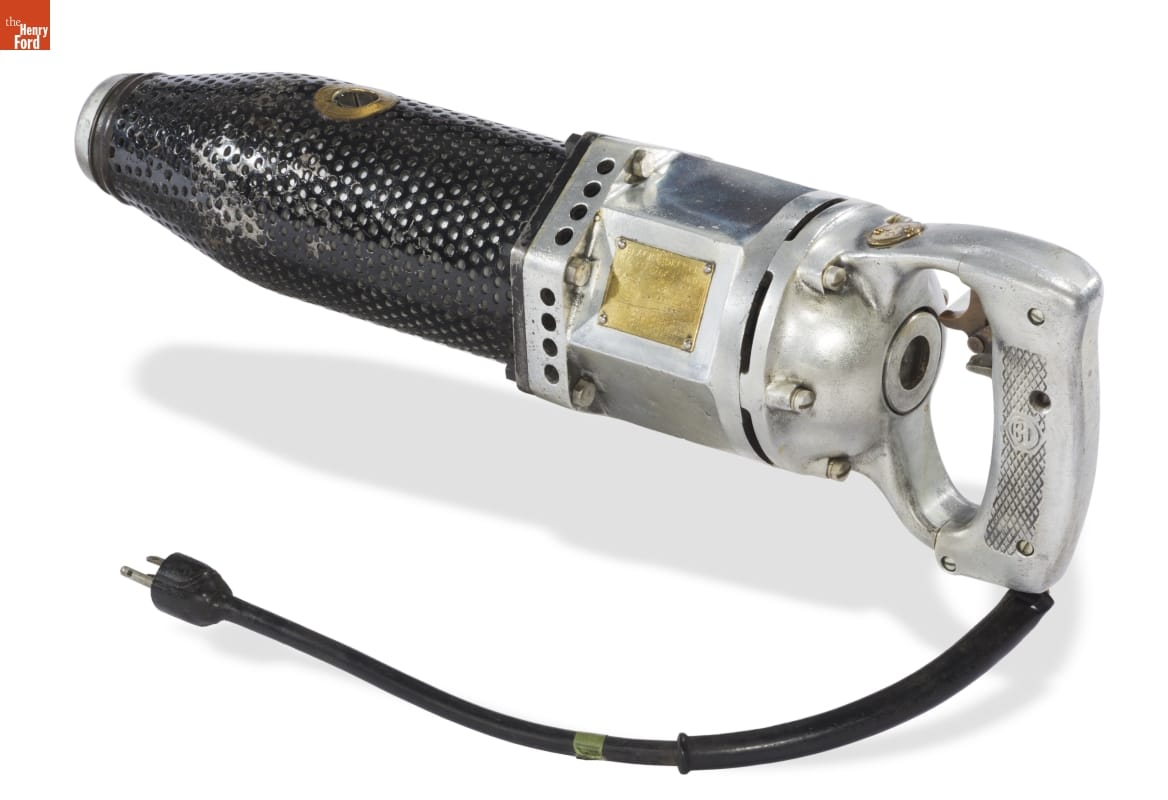
- Black & Decker Type A Electric Hammer, 1929-1930 - Alonzo G. Decker and S. Duncan Black, who operated a small manufacturing company in Baltimore, Maryland, began designing and producing electric tools in 1916. Their pistol-style grip and trigger switch, patented the following year, set the standard for power tool design. Black & Decker developed new products as the company expanded through the 1920s, introducing an electric hammer in 1929.
- 1929-1930
- Collections - Artifact
Black & Decker Type A Electric Hammer, 1929-1930
Alonzo G. Decker and S. Duncan Black, who operated a small manufacturing company in Baltimore, Maryland, began designing and producing electric tools in 1916. Their pistol-style grip and trigger switch, patented the following year, set the standard for power tool design. Black & Decker developed new products as the company expanded through the 1920s, introducing an electric hammer in 1929.
- Medical Kit -
- Collections - Artifact
Medical Kit
- Hammer, Used by Luther Burbank, circa 1900 -
- circa 1900
- Collections - Artifact
Hammer, Used by Luther Burbank, circa 1900
- Hallmark "On the Right Track" Christmas Ornament, 1986 - Already known for greeting cards, Hallmark introduced a line of Christmas ornaments in 1973. The company's annual release of an increasing array of ornaments revolutionized Christmas decorating, appealing to customers' interest in marking memories and milestones as well as expressing one's personality and unique tastes.

- 1986
- Collections - Artifact
Hallmark "On the Right Track" Christmas Ornament, 1986
Already known for greeting cards, Hallmark introduced a line of Christmas ornaments in 1973. The company's annual release of an increasing array of ornaments revolutionized Christmas decorating, appealing to customers' interest in marking memories and milestones as well as expressing one's personality and unique tastes.
- Model of a Nasmyth Steam Hammer, 1870-1920 -
- 1870-1920
- Collections - Artifact
Model of a Nasmyth Steam Hammer, 1870-1920
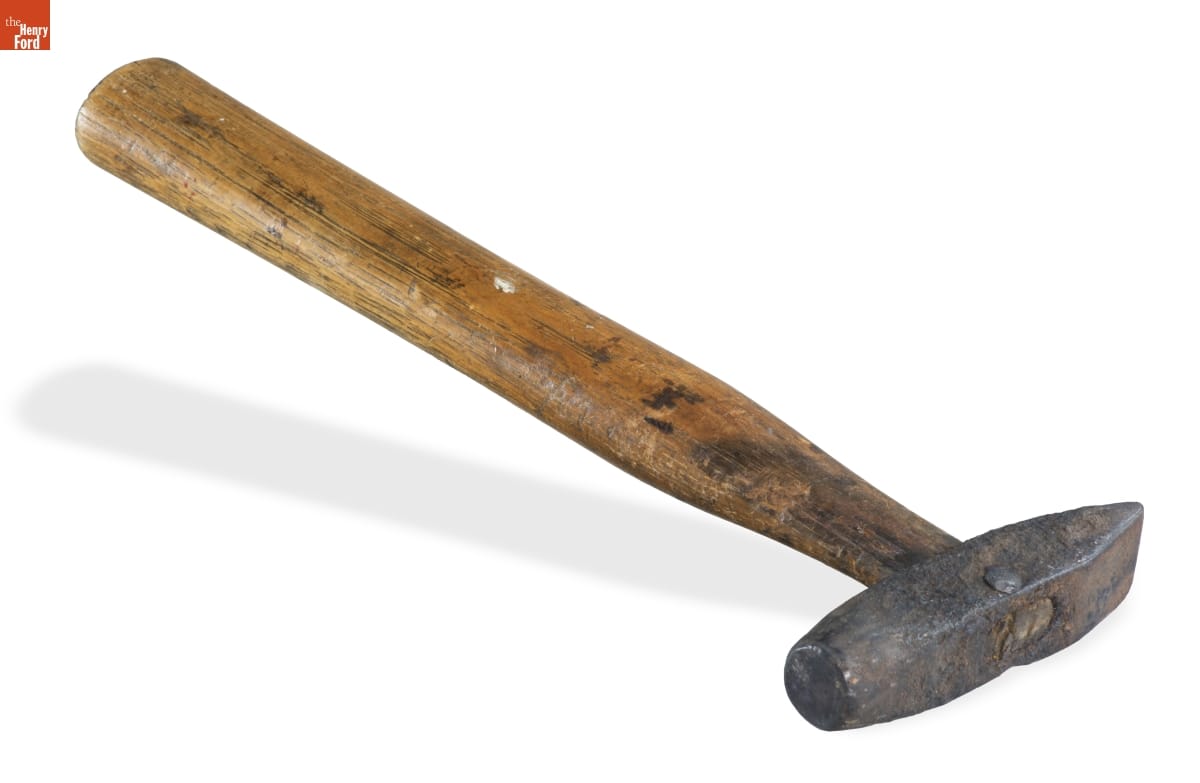
- Straight Peen Hammer -
- Collections - Artifact
Straight Peen Hammer
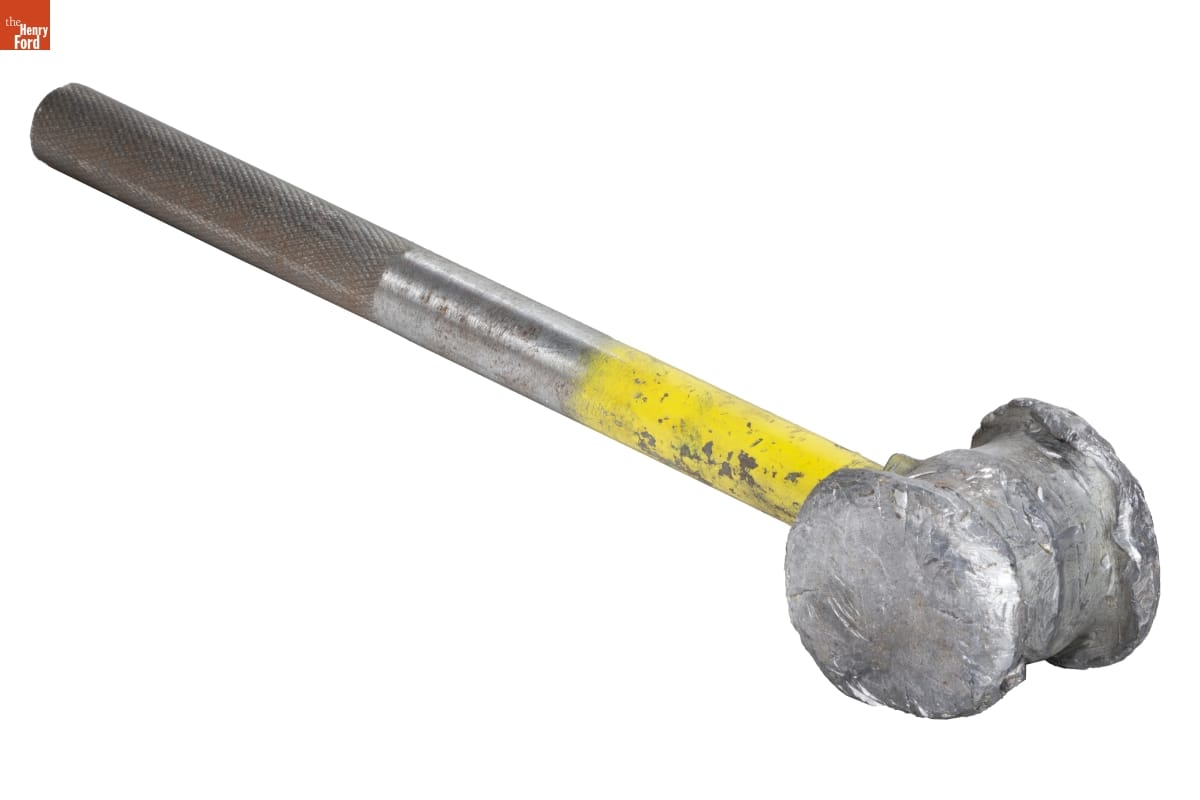
- Hammer Made and Used by Phil Remington, 1969-2012 - Phil Remington was one of racing's greatest fabricators and metalworkers. He worked alongside innovators like Lance Reventlow, Carroll Shelby, and Dan Gurney throughout his 70-year career. "Rem" used this metal-shaping hammer during his four decades at Dan Gurney's All American Racers.
- 1969-2012
- Collections - Artifact
Hammer Made and Used by Phil Remington, 1969-2012
Phil Remington was one of racing's greatest fabricators and metalworkers. He worked alongside innovators like Lance Reventlow, Carroll Shelby, and Dan Gurney throughout his 70-year career. "Rem" used this metal-shaping hammer during his four decades at Dan Gurney's All American Racers.
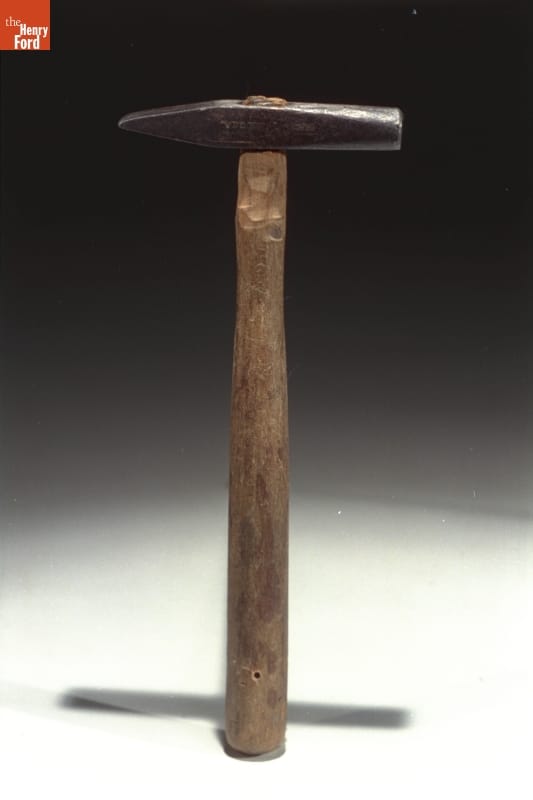
- Hammer, Used by Henry Ford for Watch Repair, 1876-1878 - Watches were some of the first machines to catch Henry Ford's interest. He received a pocket watch for his 13th birthday which he quickly took apart -- and then put back together in perfect working order. Young Ford often repaired watches for friends and neighbors. He never charged for his services; the experience he gained was reward enough.
- 1876-1878
- Collections - Artifact
Hammer, Used by Henry Ford for Watch Repair, 1876-1878
Watches were some of the first machines to catch Henry Ford's interest. He received a pocket watch for his 13th birthday which he quickly took apart -- and then put back together in perfect working order. Young Ford often repaired watches for friends and neighbors. He never charged for his services; the experience he gained was reward enough.
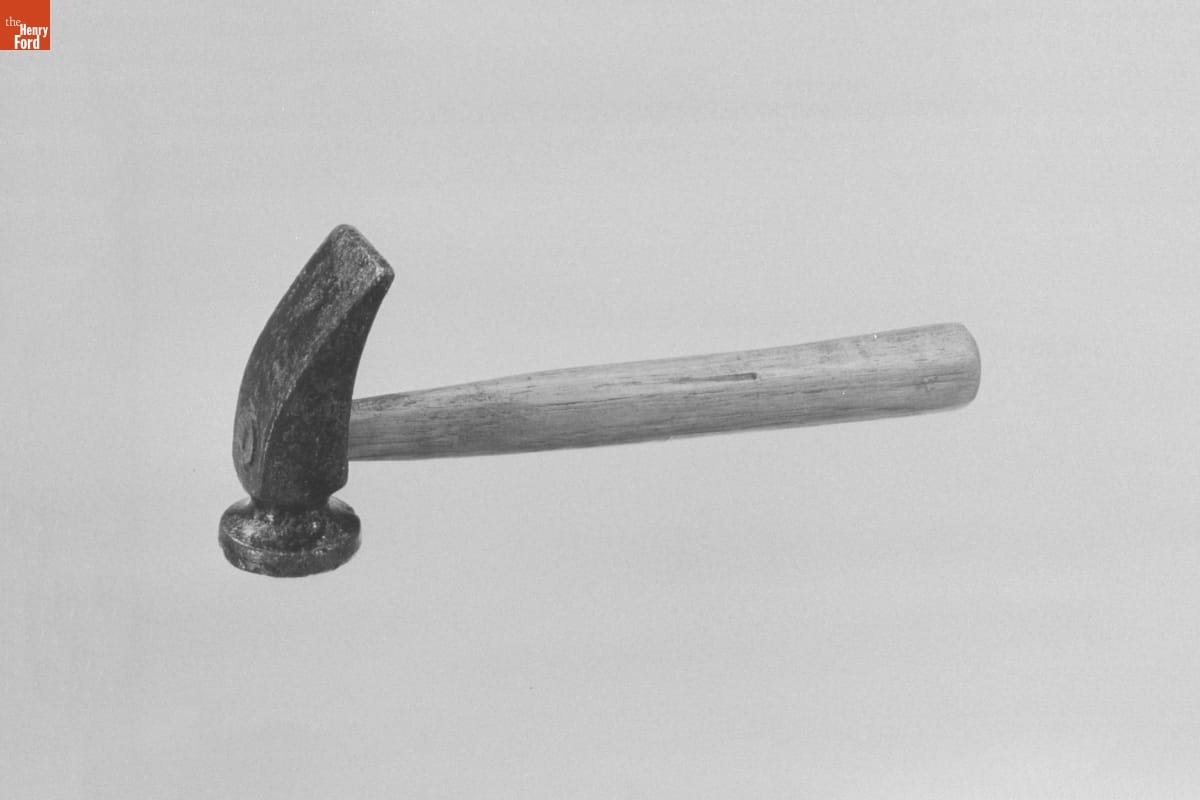
- Shoe Hammer, 1880-1920 - Late-nineteenth and early-twentieth-century shoemakers turned pieces of leather into footwear. These craftspeople used a wide range of specialized tools to measure, cut, shape, stitch, trim, finish, and decorate their handiwork. Their tools included a variety of knives, hammers, punches, clamps, awls, and polishers and burnishers. Though these tools seem highly specialized, shoemakers were always adapting, using whatever tools were at hand to make shoes.
- 1880-1920
- Collections - Artifact
Shoe Hammer, 1880-1920
Late-nineteenth and early-twentieth-century shoemakers turned pieces of leather into footwear. These craftspeople used a wide range of specialized tools to measure, cut, shape, stitch, trim, finish, and decorate their handiwork. Their tools included a variety of knives, hammers, punches, clamps, awls, and polishers and burnishers. Though these tools seem highly specialized, shoemakers were always adapting, using whatever tools were at hand to make shoes.
- Hammer, 1900-1920 - A clock and watchmaker uses a range of tools to create and repair clocks and watches. This skilled craftsperson had many tools such as files, saws, reamers, burnishers and hammers, like this one. Among its many uses, hammers helped shape metal, harden or temper brass and rivet timepiece parts together.
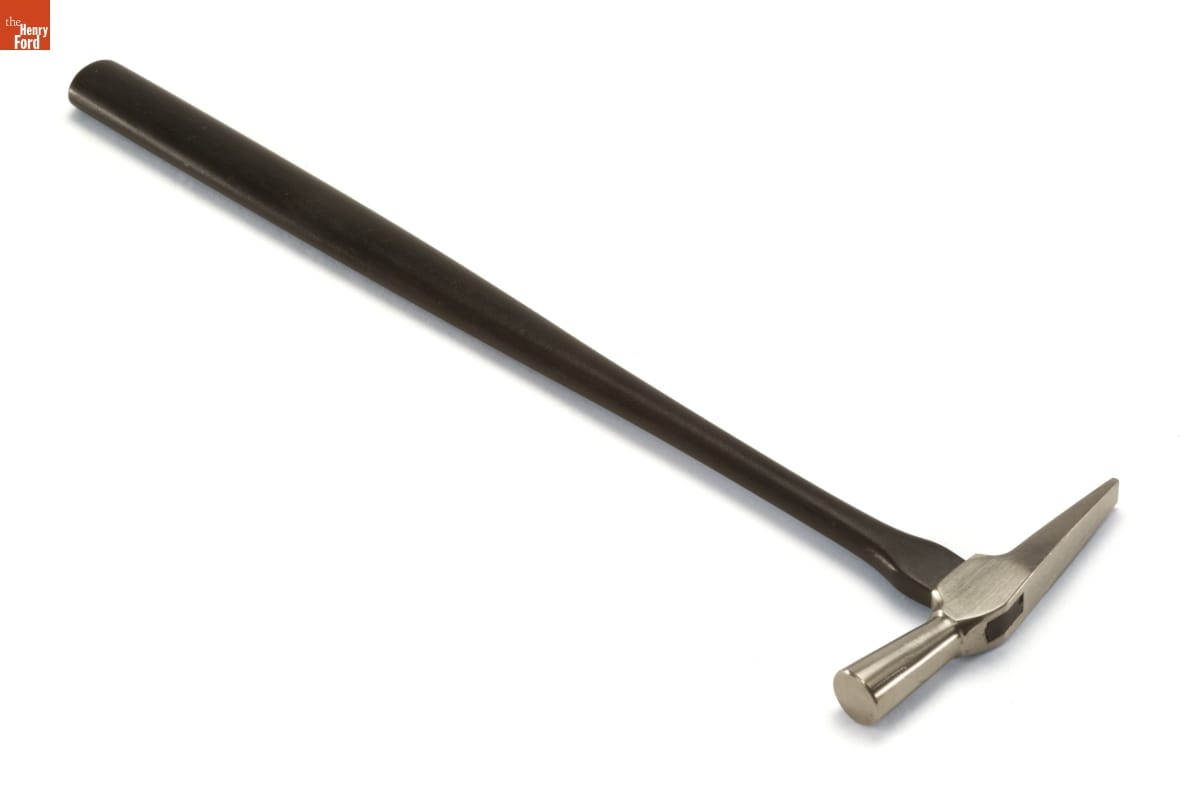
- 1900-1920
- Collections - Artifact
Hammer, 1900-1920
A clock and watchmaker uses a range of tools to create and repair clocks and watches. This skilled craftsperson had many tools such as files, saws, reamers, burnishers and hammers, like this one. Among its many uses, hammers helped shape metal, harden or temper brass and rivet timepiece parts together.